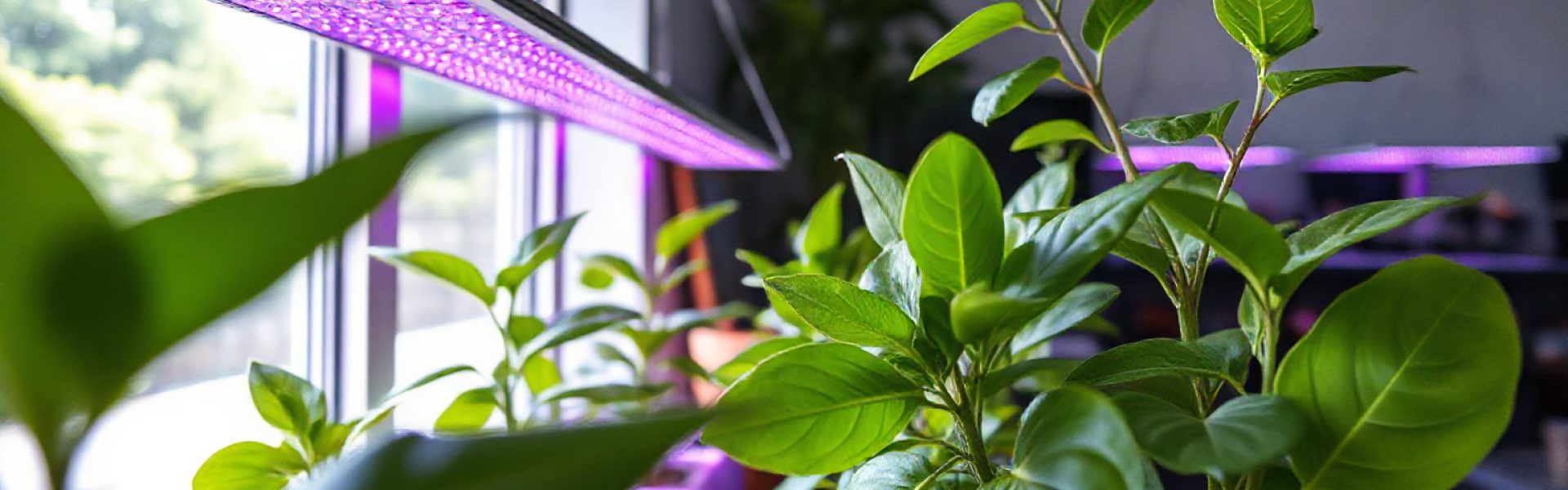
Use less energy at home
Green Writer helps readers compare energy-efficient home products, solar panels, grow lights and hydroponic supplies before they buy.
Explore Topics
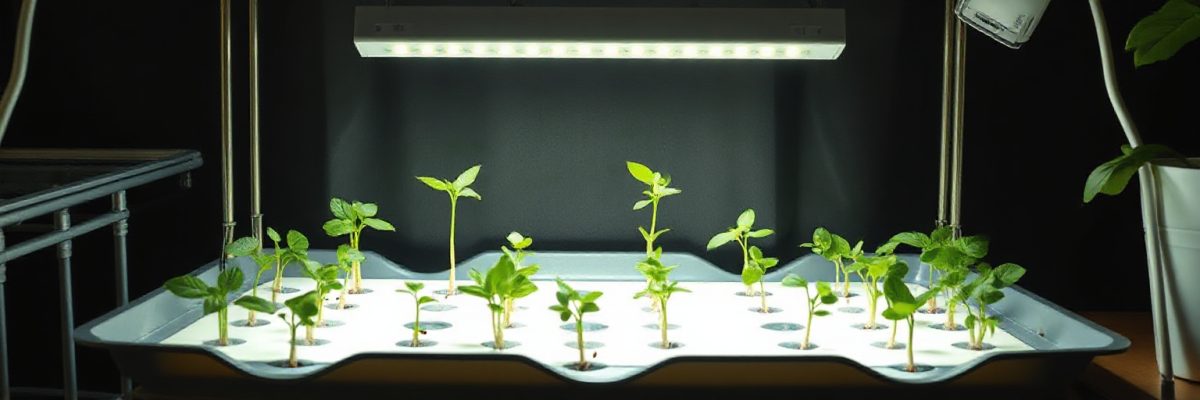 Grow LightsGuides to LED and full spectrum grow lights.
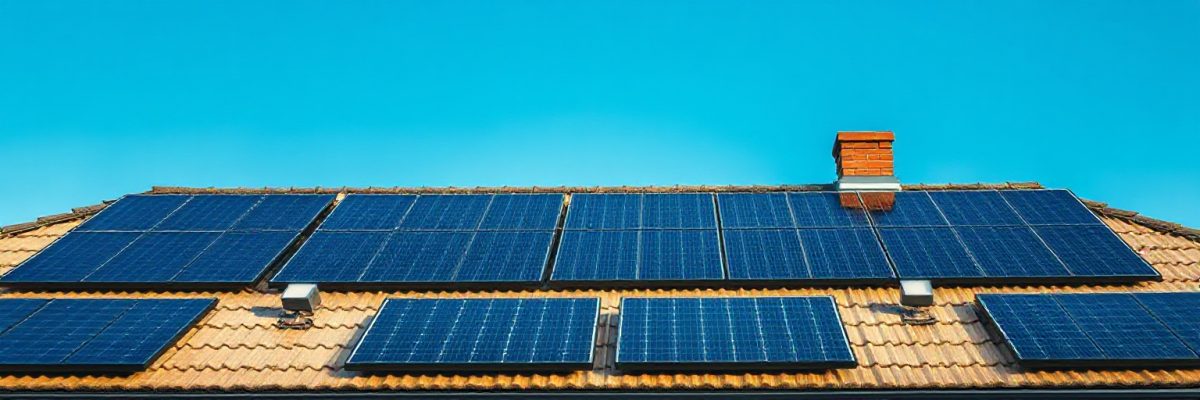 Monocrystalline Solar PanelsGuides to monocrystalline solar panels.
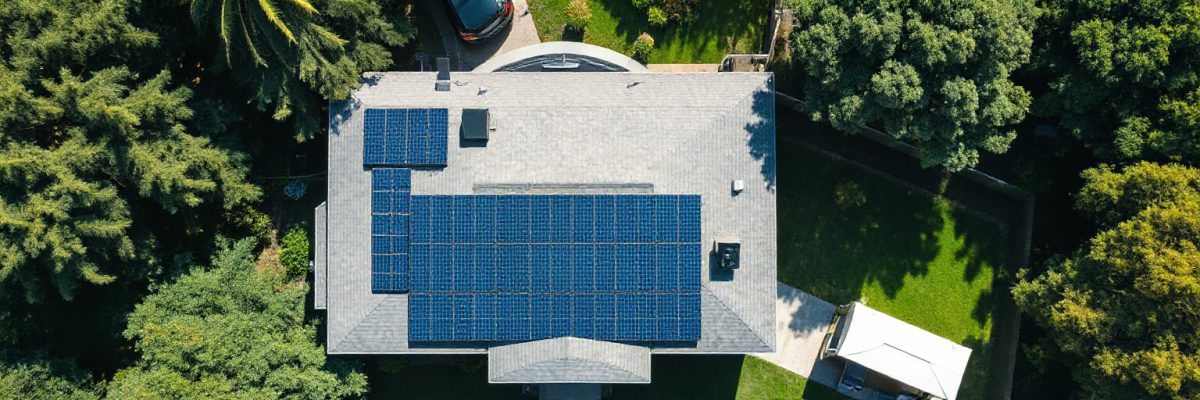 Solar PanelsGuides to solar panels for homes and small setups.
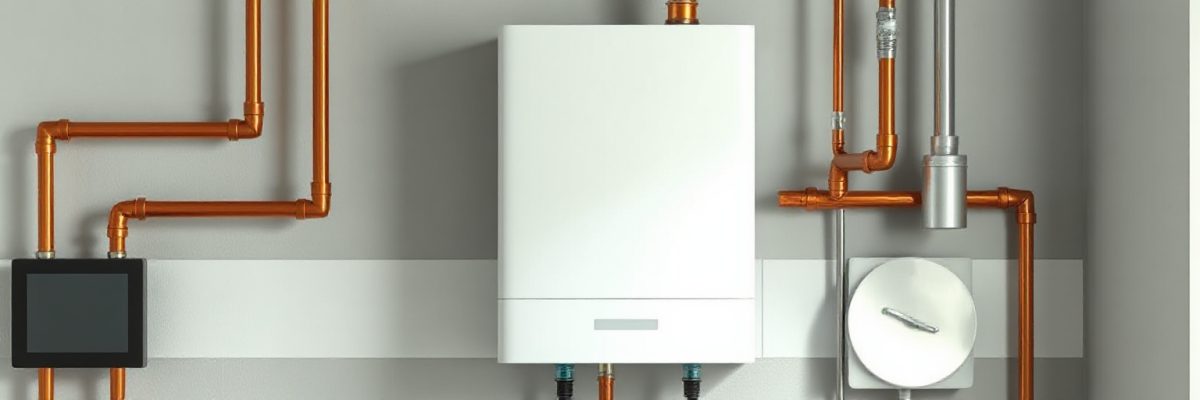 Tankless Water HeatersGuides to tankless water heaters for homes.
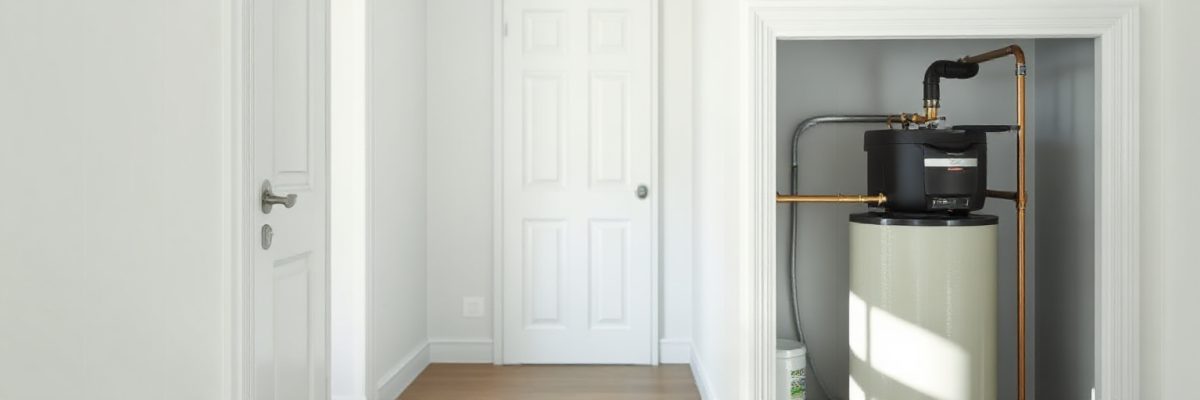 Water SoftenersGuides to water softeners for household use.
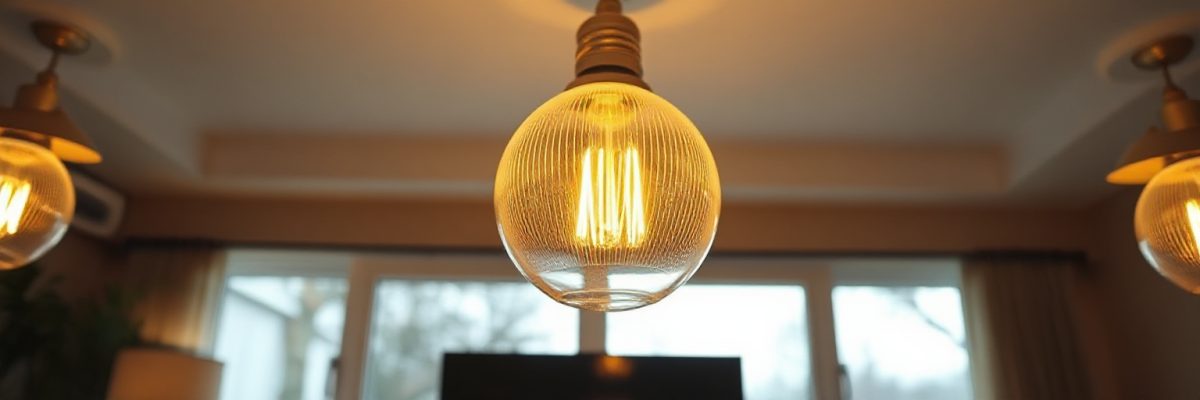 Energy-Efficient LED BulbsGuides to energy-efficient LED light bulbs.
Recent Guides
- Outdoor LED lighting that cuts your energy use: what to look for in porch, path and security fixtures
- Recessed LED lighting: how to judge bulb quality, brightness and efficiency before you buy
- Under cabinet LED strip lighting for the kitchen: how drivers and dimming work
- How LED bulbs lighting stacks up against incandescent and CFL, and what a switch really saves
- LED lighting for a garage: which fixtures give good light for a workspace and save energy
- Replacing fluorescent tubes with LED shop lighting in a home workshop
What Green Writer Covers
Green Writer covers energy-efficient home products, solar panels, grow lights and hydroponics. Our guides are built from manufacturer specifications, public product information and owner feedback.
Green Writer does not sell products. Some links may earn a commission, which never decides what we recommend. Read our editorial policy.