
Identifying and resolving light coverage gaps in greenhouse settings is crucial for thriving plants. Proper lighting directly affects plant growth, health, and productivity. Green Writer aims to provide effective strategies to enhance greenhouse lighting, ensuring even coverage across all plants. This essential guidance helps greenhouse growers and urban gardeners optimize their indoor gardening environments for better results.
Importance of Adequate Light Coverage for Greenhouse Plants
Adequate light coverage is vital for greenhouse plants as it directly impacts photosynthesis. Photosynthesis is the process by which plants convert light energy into chemical energy, driving their growth and vitality. Without sufficient light, plant growth rates stagnate, leading to weak and unhealthy plants. The photosynthesis process relies on light availability to produce the sugars and energy needed for cellular functions. Greenhouse growers must ensure that every plant receives the right amount of light to enhance its overall health and productivity. Various light sources, including LED and fluorescent lights, can be used to achieve effective light coverage in greenhouses. The ideal light intensity range for most greenhouse plants varies between 200 to 1000 µmol/m²/s. This range ensures that plants receive enough energy for optimal growth and development.
Understanding the Photosynthesis Process in Relation to Light Coverage
The photosynthesis process is crucial for understanding why light coverage is essential for greenhouse plants. During photosynthesis, plants absorb light through chlorophyll in their leaves. This process produces glucose, which is vital for growth and development. Adequate light coverage increases the efficiency of photosynthesis, resulting in faster growth rates and healthier plants. Different plants require varying light levels to thrive, with some preferring bright light while others thrive in lower light conditions. By understanding these differences, greenhouse growers can tailor their lighting solutions to meet individual plant needs. Utilizing the right greenhouse lighting solutions, such as full-spectrum LED grow lights, can significantly enhance light intensity across the growing area, ensuring that all plants thrive in their environment.
Understanding Full Spectrum Lighting for Plant Growth Stages
Full spectrum lighting mimics natural sunlight, which is essential for healthy plant growth. Different growth stages require specific wavelengths. For germination, blue light (400-500 nm) is crucial as it enhances seedling development. During vegetative growth, plants need both blue and red wavelengths (600-700 nm) to maximize photosynthesis. Finally, during flowering, red light predominates to encourage bloom production. The optimal full spectrum grow light should deliver at least 90% of these essential wavelengths to ensure robust photosynthesis and overall plant health.
Impact of Wavelengths on Plant Development
Different wavelengths in full spectrum lighting play a vital role in plant development. Blue light is essential for chlorophyll synthesis, which boosts photosynthesis. Red light is instrumental in signaling flowering. A balanced combination of these wavelengths enables plants to thrive throughout their growth cycles. Plants under full spectrum light tend to exhibit better health, increased yield, and enhanced resilience to diseases. Research shows that providing at least 700 μmol/m²/s in photon flux density can significantly improve growth rates. High-quality full spectrum LEDs deliver these results effectively, making them a durable choice for greenhouse settings.
Identifying Common Reasons for Light Coverage Gaps
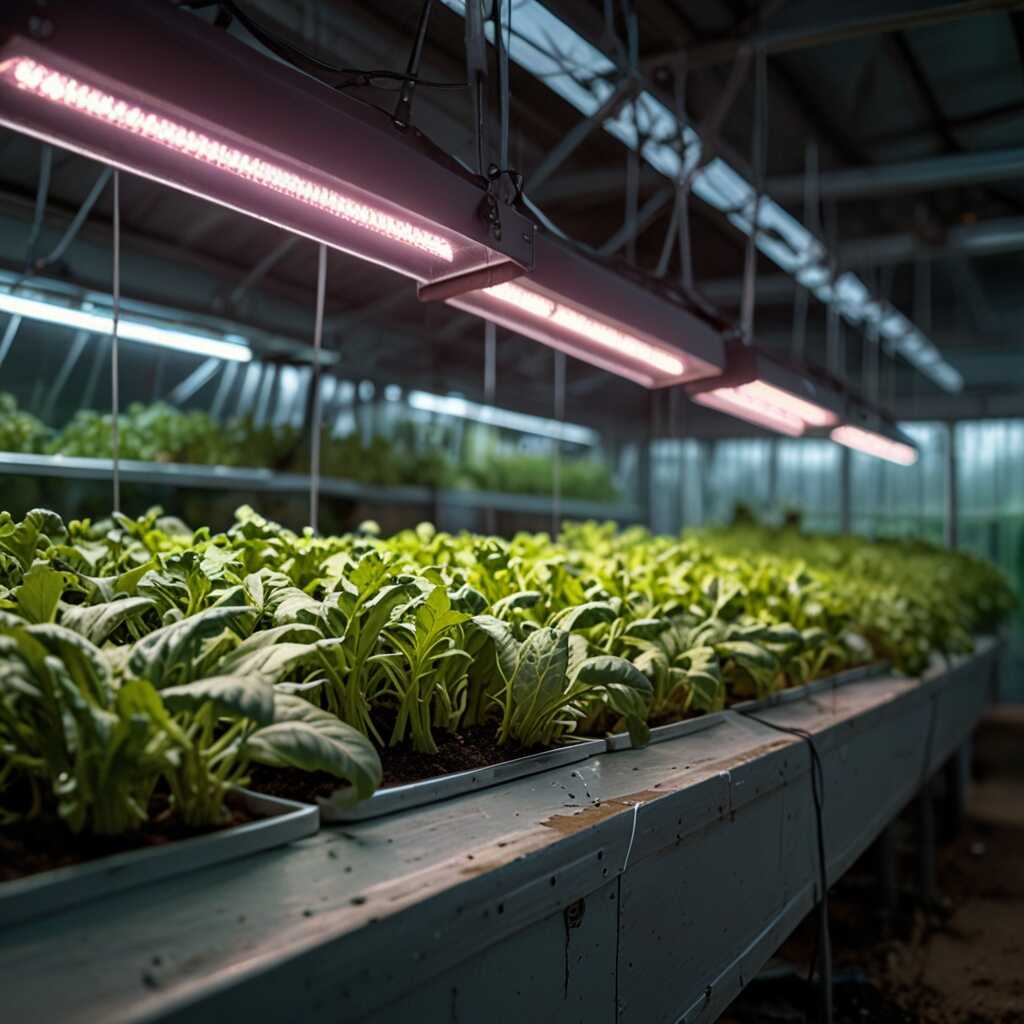
Light coverage gaps in greenhouse settings typically arise from structural obstructions like walls, shelves, and equipment. These obstacles block light from reaching plants. Improper light positioning can also cause uneven distribution. Lights that are too far away or poorly angled fail to provide necessary illumination. Factors such as the type of greenhouse cover, like glass or plastic, can further influence light penetration. Understanding these issues allows growers to implement better management strategies, enhancing greenhouse lighting efficiency and improving plant health.
Addressing Structural Obstructions for Better Light Distribution
Structural obstructions can significantly limit the effectiveness of greenhouse lighting. Items such as shelves holding plants can cast shadows, obstructing light necessary for growth. Using adjustable shelving or tiered plant arrangements can improve light access. Additionally, placing lights strategically to target those areas receiving less light is crucial. Always test the height and angle of lights using light meters to gauge performance. Regular adjustments based on plant growth stages enable the best results. Implementing these strategies ensures more uniform lighting throughout the greenhouse, ultimately enhancing plant growth and health.
Key Statistics About Indoor Plant Lighting
- Most plants require 12-16 hours of light per day for optimal growth.
- Plants can lose up to 30% of their growth due to inadequate lighting.
- Proper light coverage can increase crop yield by 25-50%.
- LED grow lights last over 50,000 hours, reducing replacement costs.
- Indoor plants typically need light intensity levels of 200-800 μmol/m²/s.
- Higher light levels support flowering stages, while lower levels favor foliage growth.
- Research shows 45% of greenhouse growers face light coverage issues.
Maximizing Natural Light Intake in Your Greenhouse
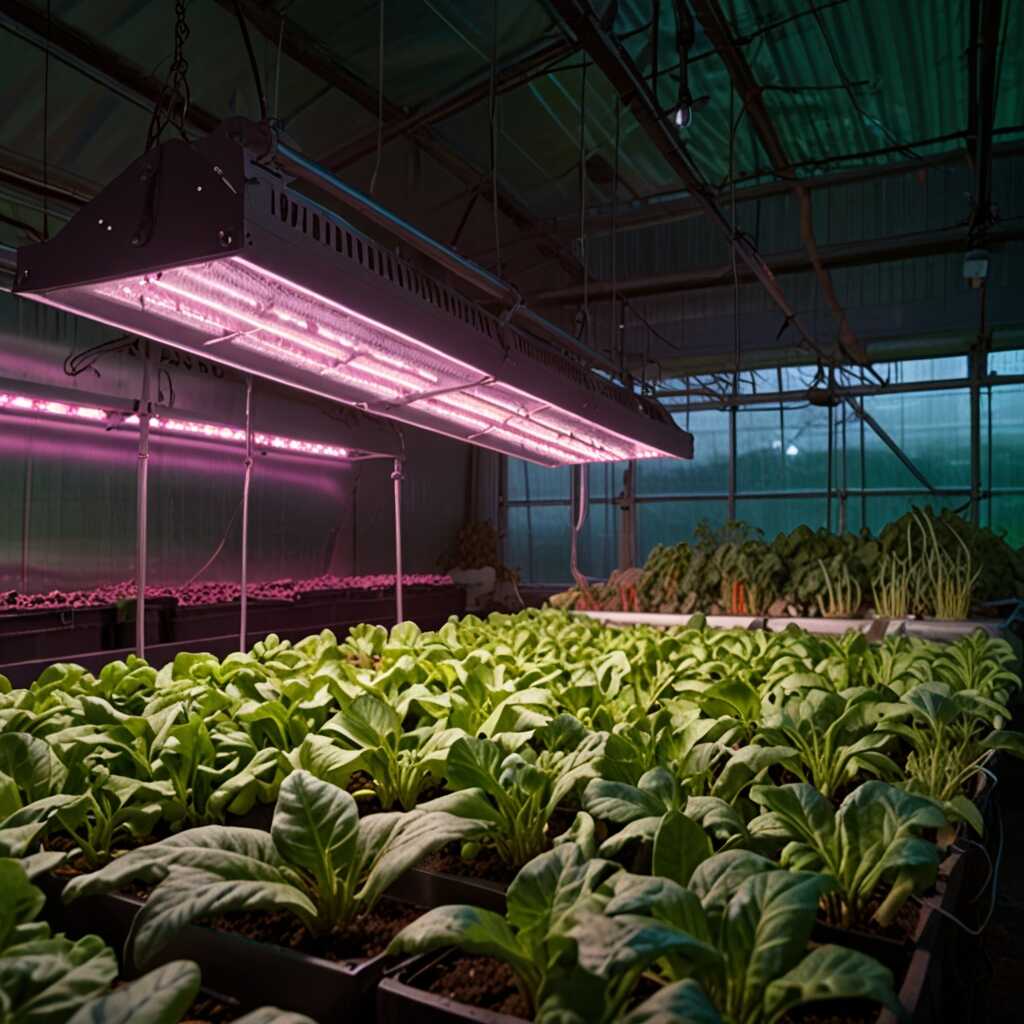
Enhancing natural light intake in your greenhouse starts with optimal positioning and design. Position your greenhouse to face south to maximize sunlight exposure. The choice of materials impacts light intake significantly. Use high-quality polycarbonate or double-layer glass that offers excellent light transmission. Implement sunlight reflection techniques by adding reflective materials on nearby surfaces. This helps boost light levels within the greenhouse. The angle of your greenhouse roof should ideally be around 30 degrees to ensure maximum light capture throughout the day. These strategies reduce dependency on artificial lighting while promoting better plant health.
Choosing the Right Materials for Light Optimization
Selecting appropriate materials is crucial for achieving high-quality light levels. Polycarbonate panels, for instance, provide better insulation and light diffusion than standard glass. When combined with specific coatings, they can enhance light reflection within the greenhouse. These materials also help filter harmful UV rays while allowing beneficial light to reach your plants. Opt for materials that are easy to clean and durable. This ensures longevity and consistent light quality over time. This combination of the right materials and sunlight reflection techniques results in a light-friendly environment for effective plant growth.
Choosing Suitable Grow Lights to Eliminate Light Gaps
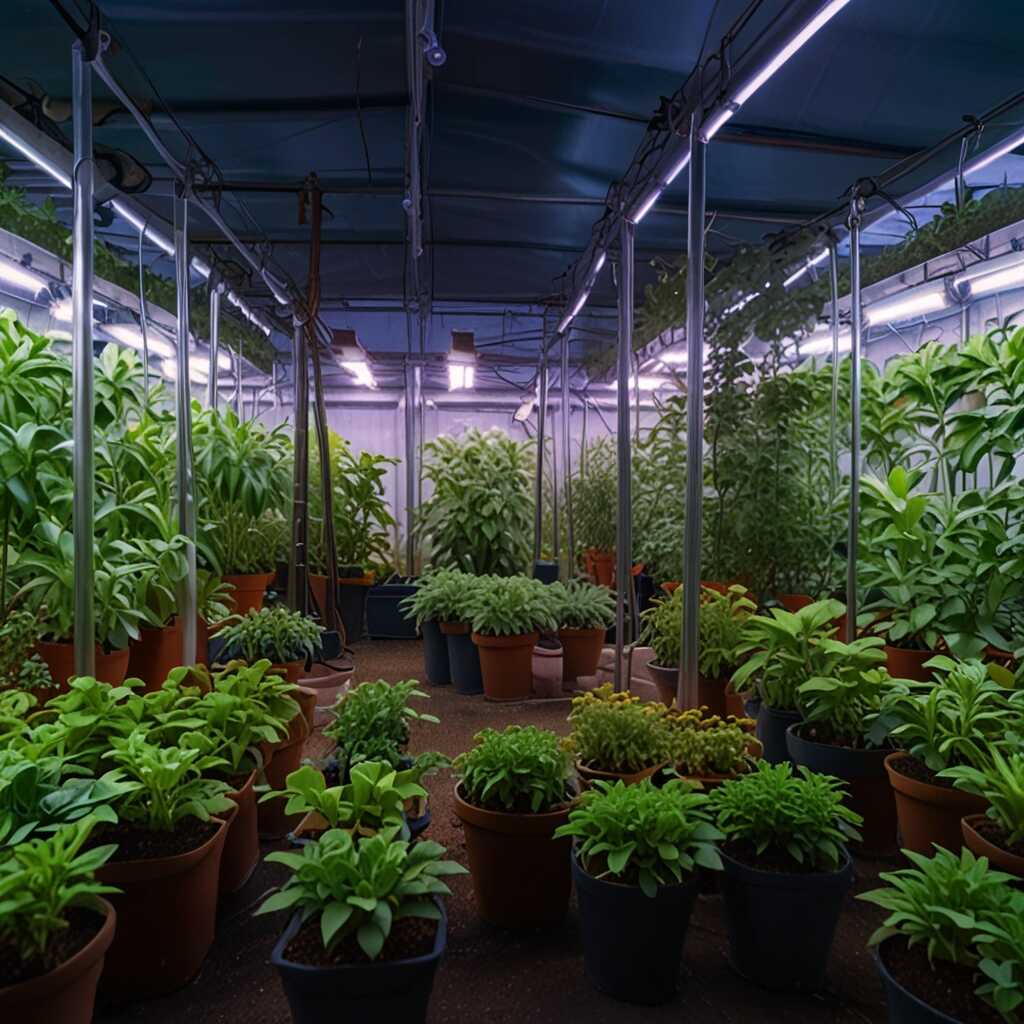
Choosing the right grow lights is essential for eliminating light coverage gaps in your greenhouse. The main types of grow lights suitable for this purpose include LED, fluorescent, and high-intensity discharge (HID) lights. LED lights offer energy efficiency and a long lifespan, making them a very good choice. Fluorescent lights provide a budget-friendly option and work well for seedlings and small plants. HID lights are powerful but consume more energy, suitable for larger spaces. For efficient light distribution, consider plants that require different light spectrums. For example, full-spectrum LED lights enhance both vegetative growth and flowering stages.
Understanding Light Spectrum Requirements for Different Plants
Light spectrum requirements vary significantly among different plant types. Seedlings thrive in a light spectrum rich in blue wavelengths (400-500 nm), which promotes leafy growth. Flowering plants require more red wavelengths (600-700 nm) to boost blooms. Therefore, select grow lights that provide a full spectrum to cater to multiple plant types. High-quality grow lights often have color temperature ratings between 3,000K to 6,500K, ensuring the right mix of warm and cool light. Research shows that full-spectrum lights deliver optimal results by enhancing photosynthesis across various plant growth stages. This balance helps ensure that your greenhouse plants achieve their full potential, providing lush foliage and abundant flowers.
Advantages of Adequate Grow Light Distribution
- Healthy plants flourish with consistent and adequate illumination.
- Effective light management enhances photosynthesis and growth rates.
- Better air circulation reduces fungal diseases linked to poor lighting.
- Maximizing light results in vibrant color in flowers and foliage.
- Energy-efficient options reduce electricity bills for growers.
- Increased photosynthetic activity boosts nutrient uptake in plants.
- Plants develop stronger root systems when exposed to optimal light.
Optimizing Light Placement for Maximum Plant Coverage
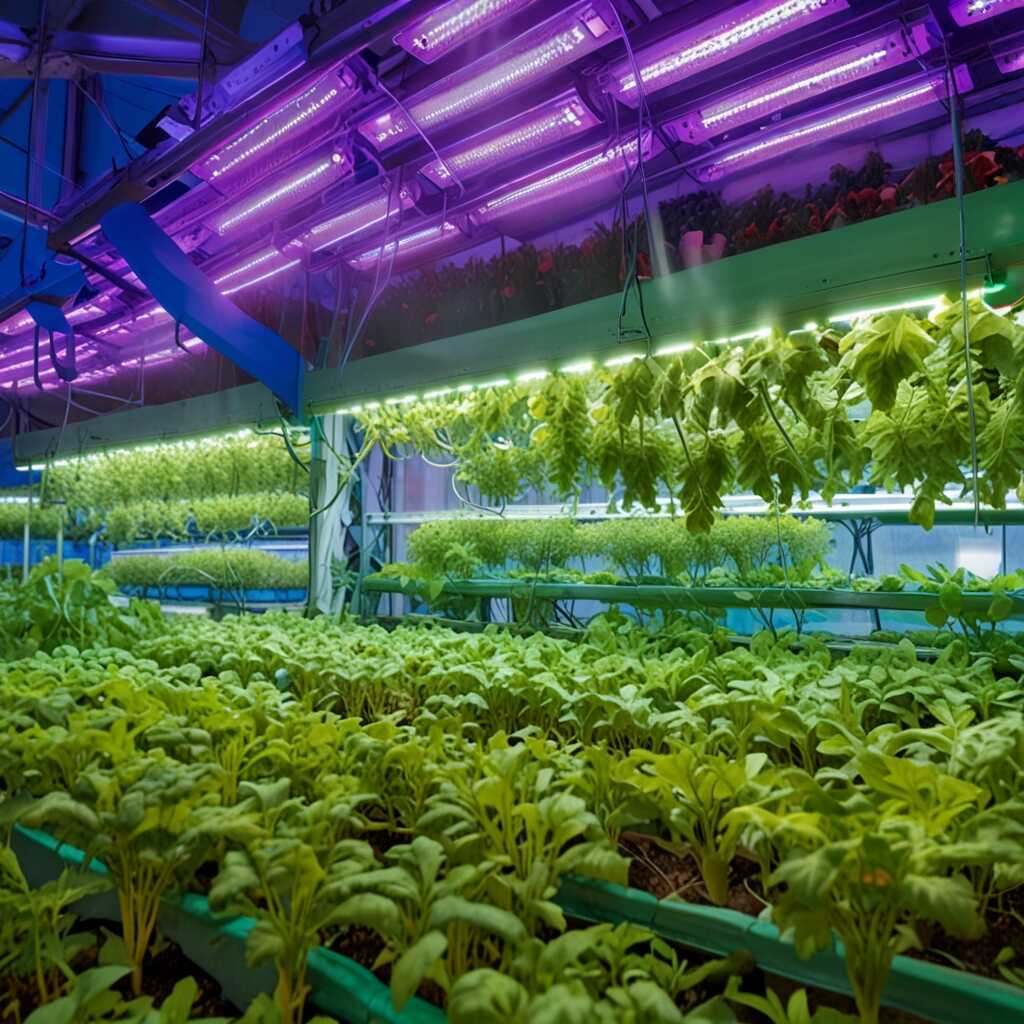
Proper grow light placement is essential for eliminating light coverage gaps in your greenhouse. Start by assessing your greenhouse space and identifying areas where light intensity may fall short. A systematic review of different types of grow lights reveals that LED options are highly efficient and can deliver full-spectrum light, which is vital for various plant stages. Ensure that you adjust the height of grow lights based on the type of plants and their growth stage. For example, most seedlings benefit from a distance of 12 to 18 inches, while mature plants may require 24 to 36 inches. This distance prevents damage while maximizing light exposure, ensuring the best results in plant health and growth.
Choosing the Right Location for Grow Lights
The location of grow lights greatly impacts how effectively they distribute light across your greenhouse. Position lights to cover the maximum area, avoiding direct shadows on any plants. Use reflective materials on walls and ceilings to enhance light distribution. Consider light cycle management as well. Most plants thrive with 12 to 16 hours of light per day. Implementing timers can help you offer a consistent light schedule. Testing and adjusting the light placement based on plant response over time helps you fine-tune your greenhouse lighting strategy. By doing this, you promote uniform plant development, reducing the risk of plants stretching or becoming leggy.
Utilizing Reflective Surfaces and Light Traps for Better Distribution
Reflective surfaces significantly enhance light distribution in greenhouses. These surfaces bounce light back onto plants, overcoming light coverage gaps. Materials such as Mylar, white paint, and aluminum foil work best for maximizing reflection. Light traps can be designed using dark materials that capture and redirect light to areas that need it the most. By implementing these methods, growers can ensure that all areas of the greenhouse receive sufficient illumination for optimal plant growth.
Choosing the Right Materials for Effective Light Traps
When selecting materials for creating effective light traps in greenhouses, consider lightweight, durable options that are easy to install and maintain. Mylar sheets stand out due to their high reflectivity and waterproof characteristics. White surface finishes also enhance light efficiency while being cost-effective. Incorporating light traps that utilize these materials can increase light intensity by up to 30% compared to non-reflective setups. This increase promotes uniform plant growth and supports various growth stages from seedling to flowering.
Considerations for Different Grower Demographics
- Urban gardeners often have limited space and need efficient lighting.
- Small-scale farmers benefit from sustainable, energy-saving solutions.
- Commercial greenhouse operators require high-output lighting options.
- Hobbyist cultivators may choose flexible, adjustable light setups.
- New gardeners look for affordable and easy-to-install lighting systems.
- Students studying horticulture appreciate educational resources on lighting.
- Organic growers seek solutions that align with eco-friendly practices.
Regular Light Monitoring and Adjustments for Optimal Growth
Regular light monitoring in greenhouses is essential for ensuring that plants receive the right amount of light. Consider using light meters or sensors specifically designed for horticulture. These tools allow growers to measure light intensity and spectrum at different plant locations. Varying light levels can significantly affect plant growth stages. Different plants have specific light requirements. For example, leafy greens usually thrive under 12-16 hours of light, while flowering plants often need 14-18 hours. Timely adjustments can enhance plant health and improve overall productivity.
Understanding Different Plant Light Requirements
Each plant species has its unique light requirements, influencing growth patterns. For example, low-light plants like snake plants can manage with around 8 hours of light, while sun-loving varieties like tomatoes prefer 14-18 hours daily. The ideal light spectrum varies too; while many plants thrive under full-spectrum lighting, some may require more red or blue light during specific growth stages. Regular assessments can help determine the needed adjustments in light settings to achieve optimal growth. By understanding these needs, greenhouse growers can create a balanced environment that enhances the overall efficiency and yield.