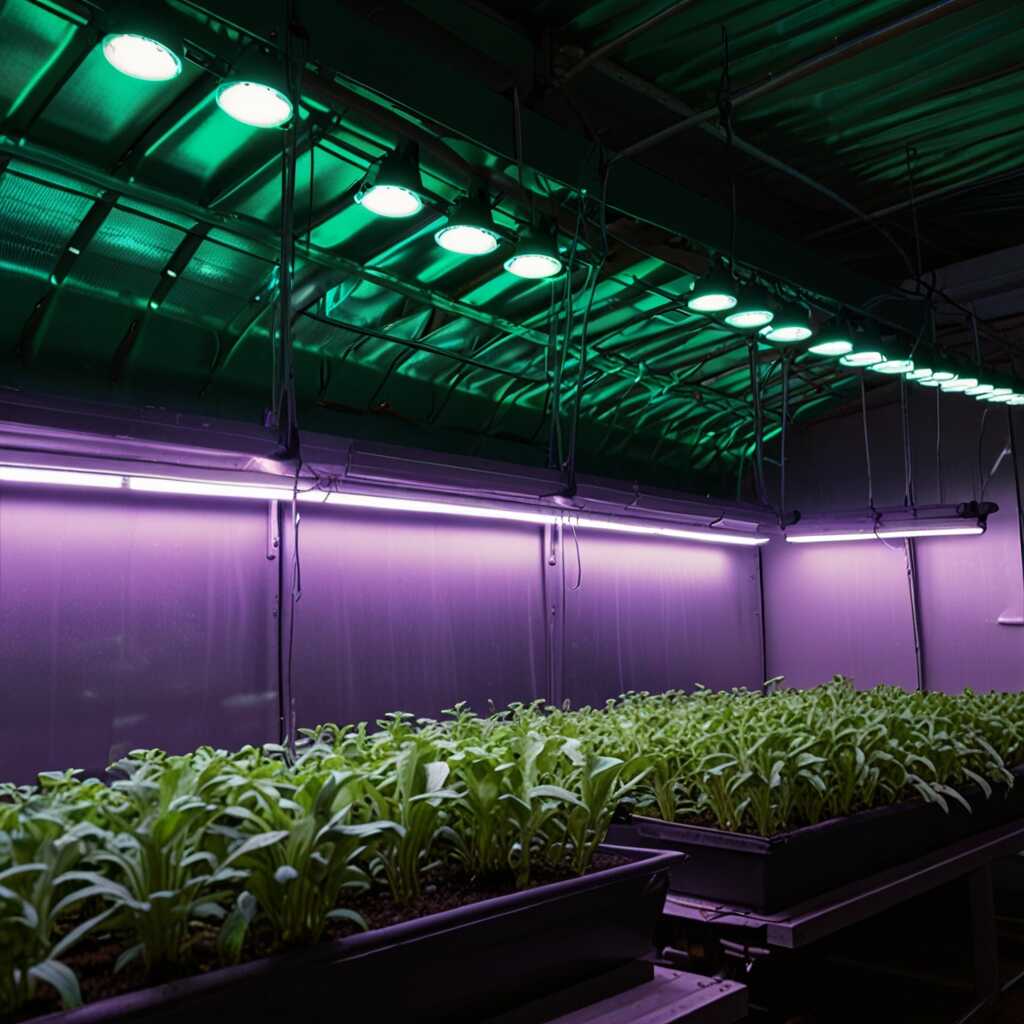
Adjusting grow lights for various indoor greenhouse sizes means positioning artificial lighting systems 12-24 inches from plants to provide optimal light intensity. Grow lights are electric devices that emit specific light wavelengths to replace or supplement natural sunlight for indoor plant cultivation. Proper adjustment involves considering greenhouse dimensions, plant types, and growth stages. For small greenhouses under 16 square feet, typically 50-100 watts suffices, while larger spaces require 200+ watts for adequate coverage.
What Are Grow Lights and How Do They Work
Grow lights are artificial lighting systems designed to provide the specific light wavelengths plants need for photosynthesis and healthy growth. These devices work by emitting light in the photosynthetically active radiation (PAR) range of 400-700 nanometers, which plants use to convert light energy into chemical energy. The most common types include LED grow lights, fluorescent lights, and high-intensity discharge (HID) lamps. LED grow lights have become the preferred choice for indoor greenhouses because they offer energy efficiency, long lifespans of up to 50,000 hours, and customizable light spectrums. They typically consume 50-80% less energy than traditional lighting while producing less heat, making them safer for close plant placement.
Understanding Light Spectrum Requirements for Plant Growth
Plants require different light wavelengths during various growth stages, making spectrum selection crucial for successful indoor gardening. Blue light (400-500 nanometers) promotes vegetative growth by encouraging compact, sturdy stems and dense foliage. Red light (600-700 nanometers) stimulates flowering and fruiting, helping plants transition from vegetative to reproductive phases. Full-spectrum LED grow lights that combine these wavelengths provide the most versatile solution for mixed plant environments. Green Writer emphasizes that understanding spectrum requirements helps gardeners choose appropriate lighting for their specific plant varieties and growth objectives.
The Significance of Proper Grow Light Adjustments for Plants
Adjusting grow lights correctly is essential for maintaining plant health and ensuring successful growth outcomes in indoor environments. Light intensity, duration, and positioning directly impact how efficiently plants perform photosynthesis, which determines their overall vitality and productivity. When lights are positioned too far from plants, typically beyond 30 inches, light intensity decreases significantly, resulting in weak, elongated growth as plants stretch toward the light source. Conversely, placing lights too close, usually under 8 inches for high-intensity LEDs, can cause light burn, heat stress, and leaf bleaching. Each growth stage requires specific lighting conditions – seedlings need gentler light at 12-16 inches distance, while mature flowering plants can handle more intense light at 18-24 inches.
Understanding Light Intensity and Duration for Plant Types
Different plant varieties have specific light requirements based on their natural growing conditions and current growth stages. Leafy greens like lettuce and spinach thrive with 12-16 hours of moderate light daily, typically requiring 20-30 watts per square foot. Fruiting plants such as tomatoes and peppers need 14-18 hours of intense light, often requiring 35-50 watts per square foot during flowering stages. Low-light plants like pothos and snake plants adapt well to 8-12 hours of gentle illumination, needing only 10-20 watts per square foot. Understanding these requirements enables gardeners to create customized lighting schedules that maximize plant health while minimizing energy consumption and operating costs.
How Indoor Greenhouse Size Affects Lighting Requirements
Greenhouse size significantly impacts the type, quantity, and positioning of grow lights needed for optimal plant coverage and growth. Small greenhouses measuring 2×4 feet or 8 square feet typically require 400-800 watts of LED lighting, while medium setups of 4×8 feet need 1,600-3,200 watts for complete coverage. Large indoor greenhouses exceeding 64 square feet often require multiple lighting zones with 4,000+ watts total capacity. Light distribution becomes increasingly challenging as greenhouse size increases, requiring strategic placement to minimize shadows and ensure even coverage across all plant zones.
Calculating Light Coverage for Specific Greenhouse Dimensions
For precise light coverage calculations, indoor gardeners should aim for 25-50 watts per square foot, depending on plant types and growth stages. A 4×4 foot greenhouse covering 16 square feet requires 400-800 watts of LED lighting distributed across 2-4 fixtures for optimal coverage. Position lights to create overlapping coverage zones, ensuring no plant receives less than 80% of the maximum light intensity. Use adjustable mounting systems that allow height modifications as plants grow, maintaining optimal distance throughout the growing cycle. Regular monitoring with a light meter helps verify adequate coverage and identify areas needing adjustment.
Essential Factors for Selecting the Right Grow Lights
Choosing appropriate grow lights involves evaluating several critical factors including light type, spectrum, wattage, and energy efficiency. LED grow lights represent the most advanced option, offering full-spectrum capability, energy efficiency, and long lifespans that make them cost-effective despite higher initial investment. Light spectrum determines which wavelengths your plants receive – full-spectrum LEDs provide versatility for mixed plant environments, while targeted spectrum lights optimize specific growth phases. Wattage requirements vary by greenhouse size and plant density, with small setups needing 50-200 watts and larger spaces requiring 500+ watts for adequate coverage.
Comparing LED, Fluorescent, and HID Grow Light Options
LED grow lights offer superior energy efficiency, typically consuming 50-70% less electricity than equivalent HID systems while producing less heat and lasting 3-5 times longer. Fluorescent lights provide budget-friendly options for small-scale growing, costing $20-50 initially but requiring frequent bulb replacements every 12-18 months. HID lights deliver high light intensity suitable for large operations but generate significant heat requiring ventilation systems and consume more electricity. LED systems typically cost $100-300 initially but offer better long-term value through reduced energy bills and replacement costs, making them ideal for serious indoor gardening enthusiasts.
Effective Techniques for Positioning Grow Lights
Proper grow light positioning involves maintaining optimal distance, ensuring even coverage, and adjusting height as plants develop throughout their growth cycle. Mount LED grow lights 12-24 inches above plant canopies, with exact distance depending on light intensity and plant sensitivity. Position multiple lights 18-30 inches apart to create overlapping coverage patterns that eliminate shadows and dead zones. Use adjustable hanging systems or pulley mechanisms that allow easy height modifications as plants grow, maintaining consistent light intensity without manual repositioning of heavy fixtures.
Determining Optimal Height for Different Plant Growth Stages
Seedlings require gentle light positioned 18-24 inches above to prevent burning while encouraging strong root development during their first 2-3 weeks. Vegetative growth stages benefit from lights positioned 12-18 inches away, providing intense light that promotes bushy, compact growth rather than stretching. Flowering plants typically need lights 18-24 inches away to accommodate increased height while delivering adequate intensity for bloom development. Monitor plants daily for signs of light stress including leaf curling, bleaching, or excessive stretching, adjusting height accordingly to maintain optimal growing conditions throughout each growth phase.
Tailoring Lighting Adjustments for Diverse Plant Varieties
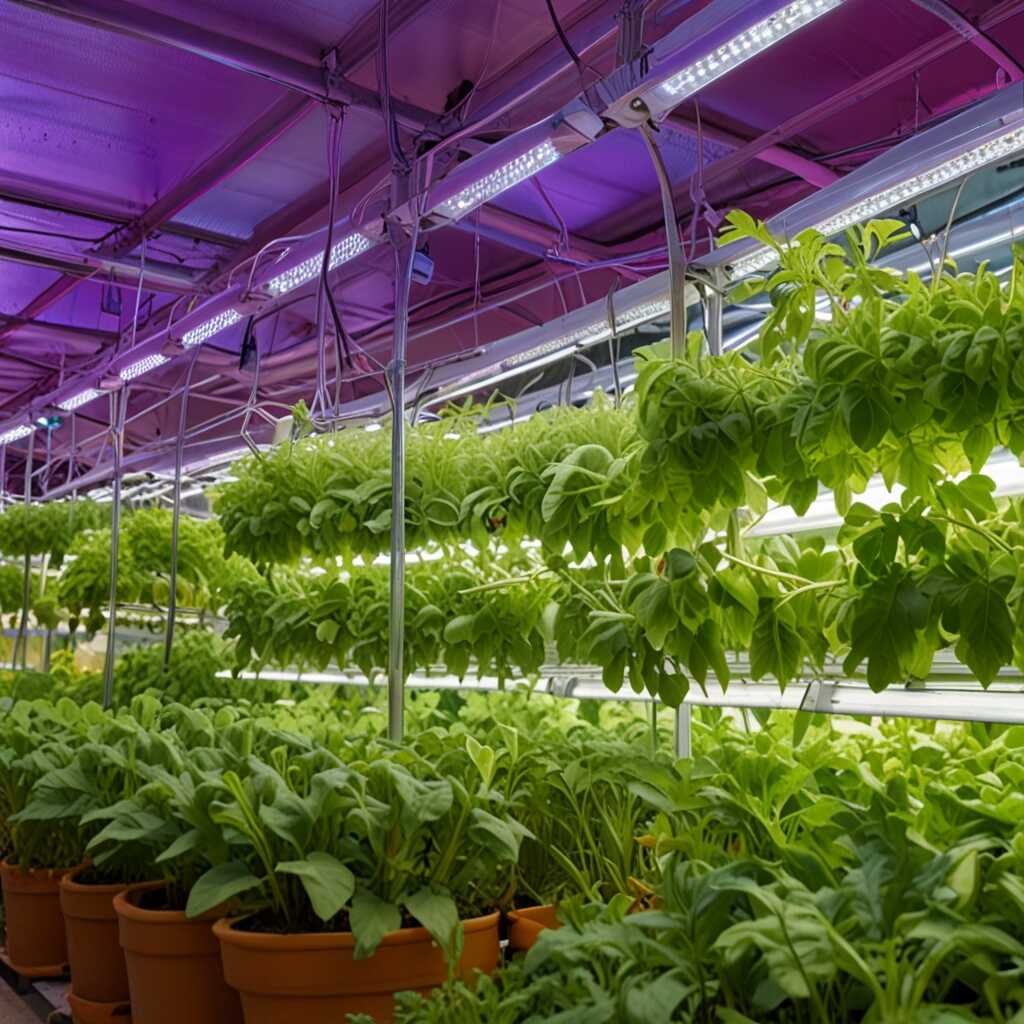
Different plant species require customized lighting approaches based on their natural growing conditions and specific light sensitivity levels. High-light plants like tomatoes, peppers, and cannabis require 14-18 hours of intense light daily, typically 35-50 watts per square foot. Medium-light plants including herbs, lettuce, and most vegetables thrive with 12-16 hours of moderate light, needing 20-35 watts per square foot. Low-light plants such as snake plants, pothos, and peace lilies succeed with 8-12 hours of gentle illumination, requiring only 10-20 watts per square foot for healthy growth.
Understanding Unique Light Requirements for Popular Indoor Plants
Popular houseplants each have distinct lighting preferences that determine optimal grow light settings and positioning. Snake plants tolerate low-light conditions and thrive with 8-10 hours of indirect LED lighting positioned 24-30 inches away. Spider plants require bright, indirect light for 12-14 hours daily, performing best with full-spectrum LEDs positioned 18-24 inches above. Succulents and cacti need intense light mimicking desert conditions, requiring 12-16 hours of high-intensity lighting positioned 12-18 inches away. Understanding these specific requirements enables successful cultivation of diverse plant collections within single greenhouse environments.
Benefits of Energy-Efficient Grow Light Options
Energy-efficient grow lights, particularly LED systems, provide significant advantages including reduced electricity costs, longer lifespans, and superior plant growth outcomes. LED grow lights consume 50-80% less energy than traditional HID systems while producing equivalent or better light output for plant growth. These systems typically last 50,000+ hours compared to 10,000-15,000 hours for HID bulbs, reducing replacement costs and maintenance requirements. Energy-efficient LED systems typically cost $0.50-1.50 per day to operate compared to $2-4 daily for equivalent HID setups, resulting in substantial long-term savings for serious indoor gardeners.
Choosing the Right LED Grow Light for Your Indoor Setup
Selecting appropriate LED grow lights requires evaluating factors including coverage area, plant types, and budget constraints for your specific indoor gardening goals. Full-spectrum LED panels work best for mixed plant environments, providing balanced wavelengths suitable for all growth stages. Consider wattage requirements based on coverage area – typically 25-50 watts per square foot depending on plant light requirements. Quality LED systems range from $50-150 for small setups to $300-800 for large greenhouse installations, with higher-priced options typically offering better efficiency, longer lifespans, and more precise spectrum control.
Understanding Plant Reactions to Lighting Changes
Monitoring plant responses to lighting adjustments helps optimize grow light settings and identify potential problems before they impact plant health. Healthy plants display vibrant green coloration, sturdy stems, and steady growth rates within 1-2 weeks of proper lighting adjustments. Signs of inadequate lighting include elongated stems, pale or yellowing leaves, and slow growth rates as plants stretch toward light sources. Excessive lighting causes leaf curling, brown or bleached spots, and stunted growth as plants attempt to protect themselves from light stress.
Key Signs That Indicate Successful Light Adjustments in Your Indoor Plants
Successful lighting adjustments produce visible improvements in plant health and growth patterns within 7-14 days of implementation. Look for new growth shoots, increased leaf size, and deeper green coloration as indicators of optimal lighting conditions. Flowering plants should display robust bloom development and increased flower production when receiving appropriate light intensity and duration. Monitor plant responses carefully and document changes to refine your lighting strategy over time, ensuring each plant variety receives optimal growing conditions for maximum health and productivity.
Preventing Common Grow Light Mistakes in Indoor Gardening
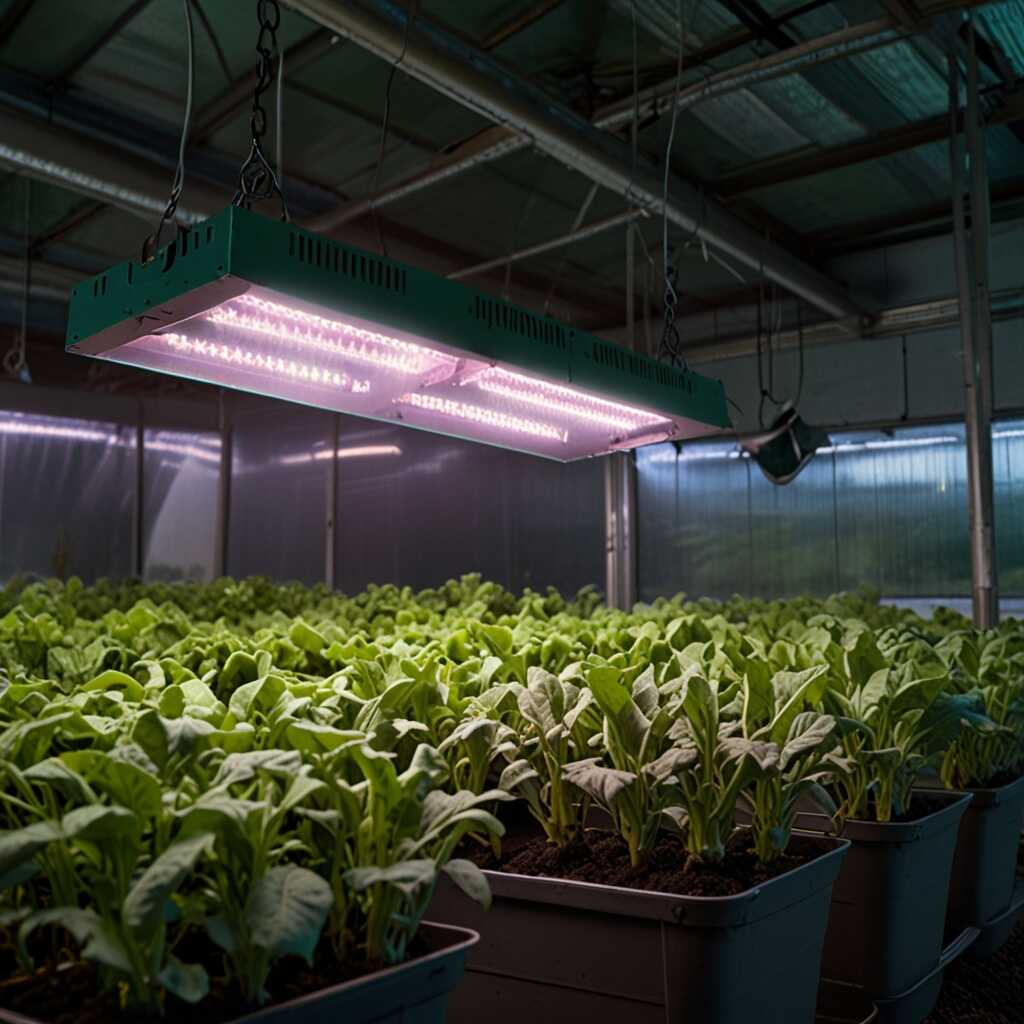
Common grow light mistakes include improper positioning, inadequate coverage, and using inappropriate light spectrums for specific plant requirements. Many gardeners position lights too far from plants, reducing light intensity below effective levels and causing weak, stretchy growth. Others place lights too close, causing heat stress and light burn that damages leaves and stunts development. Using single-spectrum lights instead of full-spectrum options limits plant growth potential, while insufficient daily light duration prevents plants from reaching their full photosynthetic capacity.
Limitations and Challenges of Indoor Grow Light Systems
Indoor grow light systems face several limitations including high initial costs, ongoing electricity expenses, and heat management requirements that can complicate setup and operation. Quality LED systems typically cost $100-500 initially, representing significant investment for casual gardeners. Electricity costs for running grow lights 12-18 hours daily can add $20-100 monthly to utility bills depending on system size and local rates. Heat buildup from high-intensity lights may require ventilation systems or air conditioning, particularly in small enclosed spaces, adding complexity and cost to indoor growing operations.
Numerical Insights for Grow Light Adjustment
- Position LED grow lights 12-24 inches above plants, adjusting based on light intensity and plant type for optimal growth.
- Provide 12-18 hours of daily light for most plants, with flowering plants often requiring 14-18 hours during bloom phases.
- Maintain greenhouse temperatures between 70-80°F, considering heat output from grow lights in your temperature management strategy.
- Use 25-50 watts per square foot for adequate coverage, with higher-light plants requiring upper range for optimal development.
- Flowering plants typically need 15-20% more light intensity than vegetative growth stages for proper bloom development.
- Target light output of 30-50 moles per day for fruiting plants, 20-30 moles for leafy greens and herbs.
- Adjust light height weekly during rapid growth periods, typically raising lights 1-2 inches as plants develop.
Advantages of Optimizing Indoor Lighting
- Proper lighting accelerates photosynthesis rates, leading to 20-40% faster growth compared to inadequate lighting conditions.
- Optimized grow lights improve flowering and fruiting yields by 30-50% through targeted spectrum and timing control.
- Energy-efficient LED systems reduce electricity costs by 50-70% compared to traditional HID lighting systems.
- Adjustable lighting provides versatility for growing diverse plant types with different light requirements simultaneously.
- Consistent lighting eliminates seasonal growth variations, enabling year-round production and harvest scheduling.
- Proper lighting promotes stronger root development and disease resistance through improved overall plant health.
- Optimized systems enable faster seed-to-harvest cycles, increasing annual production capacity for food crops.
Popular Plant Lighting Brands and Their Use Cases
- Mars Hydro offers high-efficiency full-spectrum LEDs ranging $150-400, ideal for serious growers wanting premium performance.
- Viparspectra provides budget-friendly options costing $50-200, perfect for beginners experimenting with indoor growing.
- Spider Farmer excels in spectrum quality but requires careful heat management, suitable for experienced growers with proper ventilation.
- VIVOSUN offers compact LED systems under $100, ideal for small apartments and windowsill growing setups.
- King Plus provides affordable full-spectrum panels for $80-150, suitable for medium-sized greenhouse operations.
- Phlizon delivers energy-efficient LED systems for $100-250, focusing on sustainability and long-term value.
- Roleadro specializes in user-friendly designs under $120, making indoor growing accessible for newcomers to the hobby.