
Exploring affordable grow light options for small greenhouses can significantly enhance plant growth while keeping costs low. Fortunately, there are budget-friendly solutions that cater to indoor gardeners seeking effective lighting. Green Writer focuses on eco-friendly lighting choices that not only support your plants’ health but also align with sustainable living goals. With a commitment to aiding greenhouse owners and plant care beginners, we highlight affordable LED grow lights and full spectrum plant lights that can create the perfect indoor environment for thriving greenery.
Types of Grow Lights Suitable for Small Greenhouses
This section discusses different types of grow lights ideal for small greenhouses. The two main types are LED grow lights and fluorescent grow lights. LED grow lights offer energy efficiency and have a long lifespan of over 50,000 hours. Brands like GE and Philips provide various options tailored for indoor gardening. Fluorescent lights are also popular, delivering full spectrum lighting essential for plant growth stages. They consume less energy and are budget-friendly, making them a great choice for beginners. Both options help enhance plant health and yield.
Comparing LED and Fluorescent Grow Lights for Efficiency
When comparing LED and fluorescent grow lights, it’s important to consider energy efficiency and plant needs. LED lights are more energy-efficient than fluorescent options, typically requiring around 12-20 watts per square foot in a small greenhouse. LEDs produce less heat, allowing them to be placed closer to plants without the risk of overheating. Fluorescent lights, however, can consume about 32 watts per tube, making them less efficient in the long run. Choose LEDs for longevity and low operating costs, while fluorescent lights are better for initial lower budget setups.
Advantages of Choosing Budget-Friendly Grow Light Options
Budget-friendly grow lights provide several advantages for indoor gardening. They offer energy efficiency that cuts down on electricity bills while delivering adequate light for plant growth. Affordable grow lights can range from LEDs to fluorescent options, all designed to enhance plant growth potential without breaking the bank. Users can find that high-quality budget options improve plant health just as effectively as expensive ones. Additionally, many budget-friendly lights are durable and can last several years, reducing replacement costs and ensuring reliable performance over time.
Key Features of Affordable Grow Lights That Enhance Plant Growth
Affordable grow lights offer essential features that enhance plant growth. These include full-spectrum lighting tailored to support different growth stages, from seedling to flowering. Many budget-friendly options also have adjustable brightness settings, allowing users to customize light intensity based on plant needs. This adaptability ensures that plants receive the right amount of light for optimal growth. Utilizing energy-efficient LED options can further reduce power consumption while providing consistent light over long durations, thus enabling flourishing indoor gardens without excessive costs.
Key Features to Check When Buying Affordable Grow Lights
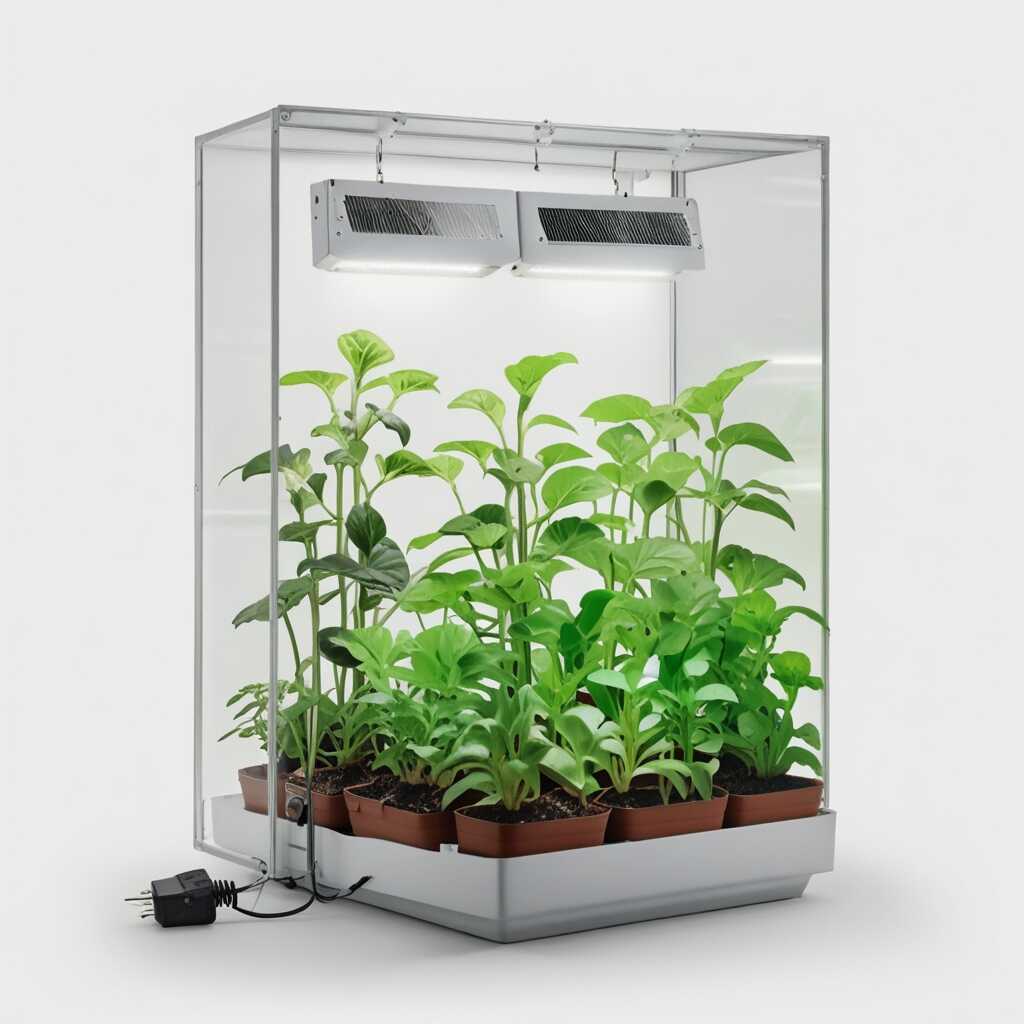
When selecting affordable grow lights, consider features like light spectrum, energy efficiency, and grow light longevity. A good light spectrum mimics sunlight, supporting various plant growth stages. LED grow lights are often durable and provide energy efficiency, reducing your electric bill. Look for options with a lifespan of over 50,000 hours. Reliable reviews and experiences from other users offer insights into the best budget-friendly solutions. They help ensure that you choose a product that enhances your plant’s health and growth without overspending.
Understanding Light Spectrum and Its Importance for Plants
Light spectrum is crucial for plant growth. Different wavelengths affect plants in various ways. For instance, blue light (400-500nm) supports vegetative growth, while red light (600-700nm) encourages flowering and fruiting. Quality LED grow lights provide a full spectrum, enabling efficient growth across all stages. When shopping, check how well the light mimics natural sunlight. This research helps you determine if a grow light can handle the needs of your specific plants. Selecting the right spectrum enhances photosynthesis and leads to healthier, more productive plants.
Numerical Insights into Growing Light Solutions
- LED grow lights last over 50,000 hours, saving money over time.
- These lights consume up to 75% less energy than traditional options.
- Full spectrum lights provide a range of wavelengths from 400 to 700 nm.
- Using affordable grow lights can improve plant growth speed by nearly 50%.
- Most budget-friendly models range between $50 to $150.
- Small greenhouses typically require 2-4 light units for optimal coverage.
- Plants generally need 12-16 hours of light per day for maximum growth.
Comparison of Budget-Friendly Grow Light Brands and Models
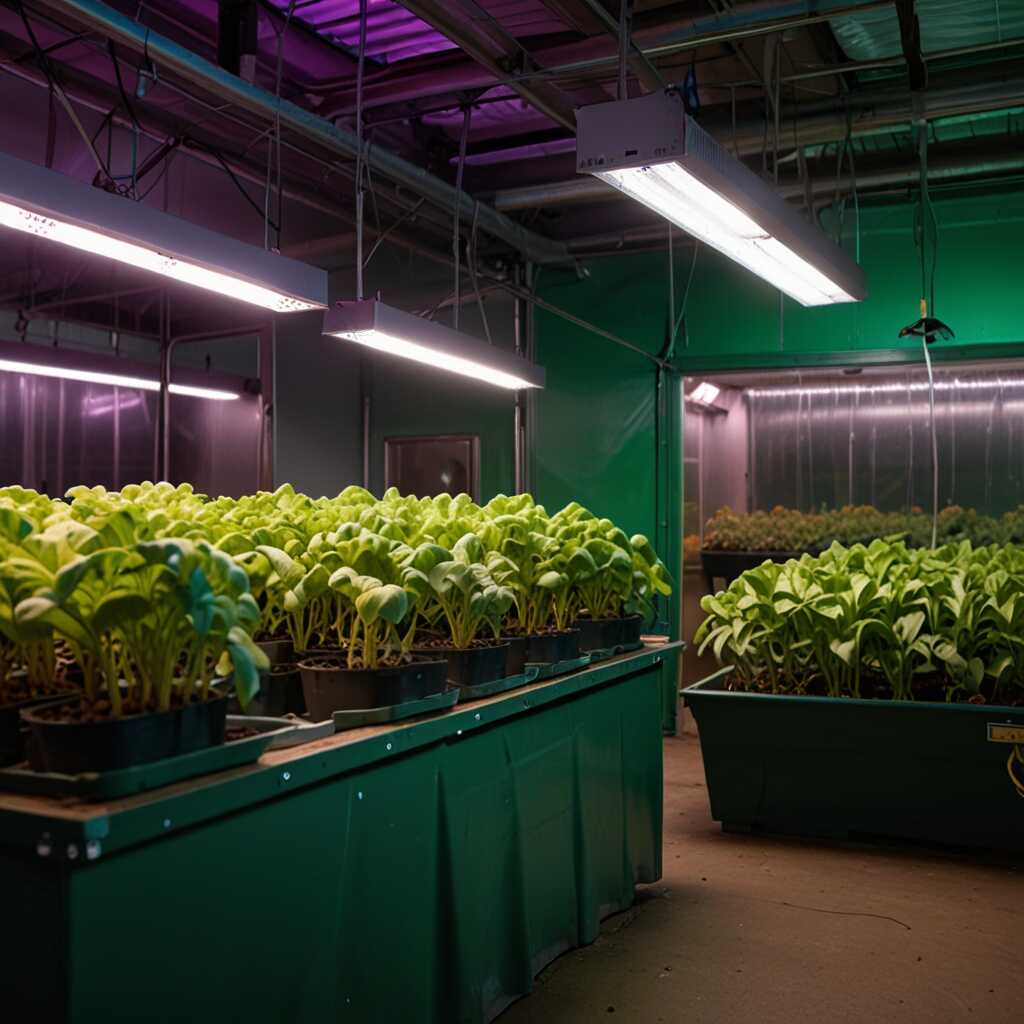
This section compares notable brands and models recognized for their affordable grow lights. Popular brands include TaoTronics, VIVOSUN, and GE. These manufacturers are known for providing reliable and efficient grow lights suitable for small greenhouses. Customer reviews often highlight TaoTronics for its excellent value and performance. VIVOSUN’s models are praised for their sturdy designs and multi-spectrum lighting. GE offers energy-efficient options praised for their brightness and longevity.
Best Affordable Grow Light Options under $100
When searching for the best affordable grow light under $100, the TaoTronics 150W LED grow light model stands out. This grow light is designed for efficiency and provides a full spectrum of light that enhances plant growth. Users report impressive results, with many mentioning improved growth rates and healthier plants. Another excellent choice is the VIVOSUN 600W model, known for its durability and impressive light coverage, making it ideal for small greenhouses. Customer reviews consistently commend both models for their ease of use and effective performance.
Importance of Light Spectrum in Plant Growth Stages
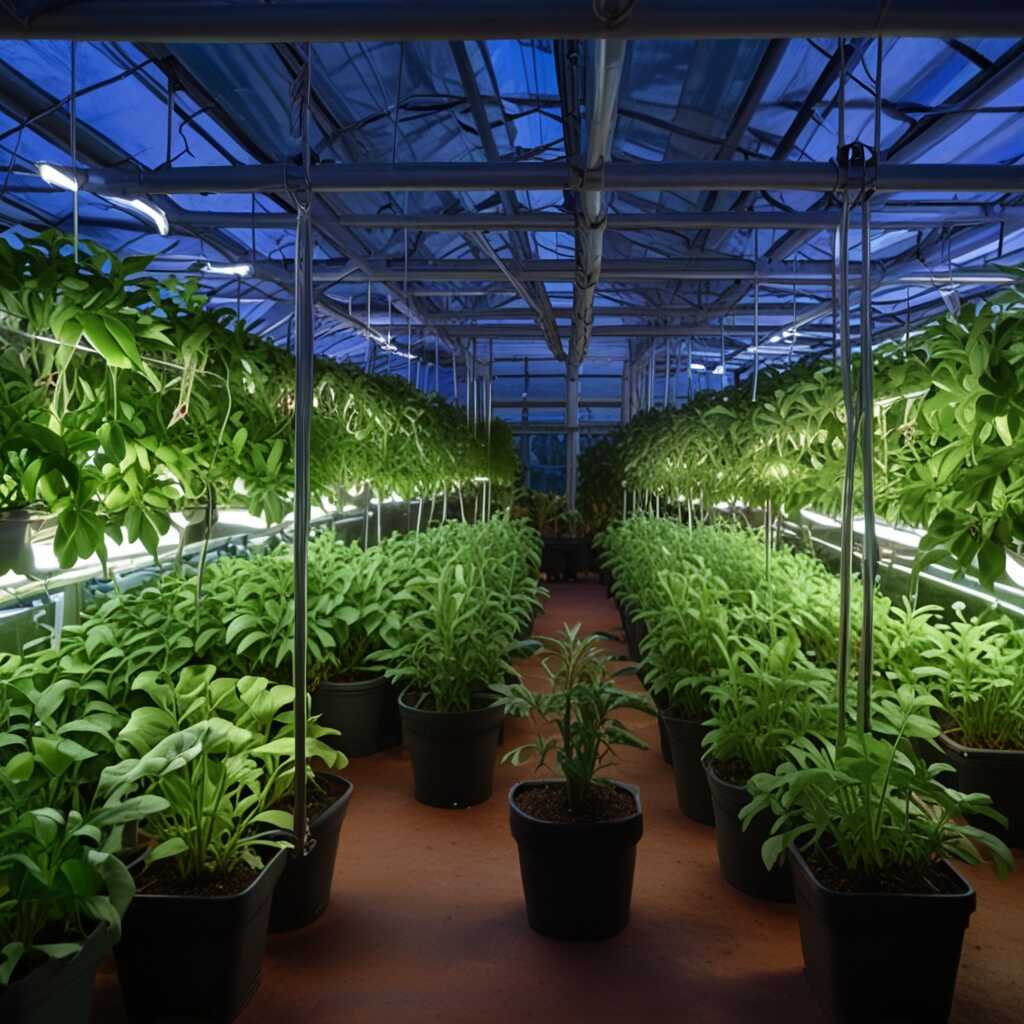
The light spectrum plays a crucial role in each phase of plant growth. Different light wavelengths impact growth stages from seedlings to flowering. Seedlings benefit from blue light (400-500 nm), promoting strong root development and healthy leaf structure. During the vegetative stage, plants need full-spectrum light, which includes both blue and red wavelengths (600-700 nm). This combination enhances leaf growth and overall vigor. For flowering, red light predominates, as it stimulates blooms and fruit production. Understanding these needs helps gardeners choose the best LED grow light options designed for specific plant phases.
Choosing the Right Light for Each Growth Stage
Selecting the right grow light for each stage is essential for optimal growth. For seedlings, full-spectrum LED lights enhance germination and initial growth because they deliver balanced wavelengths. During the vegetative stage, lights with a higher blue spectrum encourage foliage development, leading to bushier plants. For flowering, switching to lights with a strong red spectrum maximizes yields. Quality LED lights provide efficiency and durability, ensuring plants receive the necessary light throughout all growth stages. This focused approach helps you create an ideal growing environment in your small greenhouse.
Key Advantages of Lighting for Plant Cultivation
- Effective lighting supports healthy growth and strong roots.
- Affordable grow lights can boost your indoor gardening success.
- They allow year-round gardening, regardless of outdoor conditions.
- Consumers report increased yields and faster growth rates.
- Enhanced production helps save on grocery bills.
- These lights help plants flourish in small, controlled spaces.
- They eliminate the need for chemical growth enhancers.
Optimal Positioning Techniques for Grow Lights
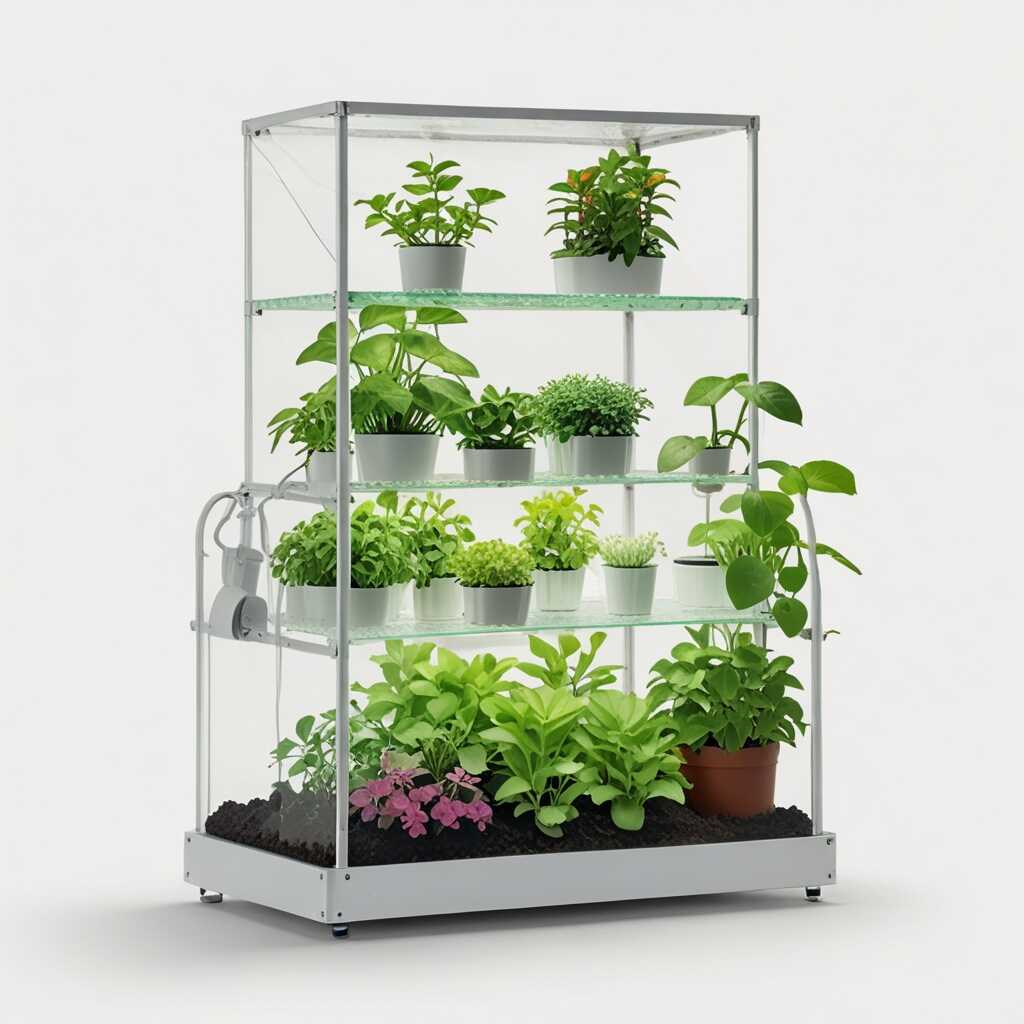
Effective positioning of grow lights plays a vital role in plant health. Position grow lights to maintain an optimal distance of 12 to 24 inches from the plant canopy. This distance ensures that plants receive adequate light without the risk of burning. Place lights directly above plants to promote even light distribution across leaves. Consider the light coverage area to accommodate plant height and growth stages. Regularly testing light intensity can help adjust positioning to enhance growth performance.
Understanding Light Coverage and Plant Types
Different plant types respond positively to various grow light placements. Leafy greens like lettuce and spinach thrive under lower light intensities at the edges of the grow area. Fruiting plants such as tomatoes and peppers benefit from intense, direct light for optimal blooming. Using quality light fixtures designed specifically for these plants will help you achieve better results. Consider your greenhouse’s dimensions to optimize coverage. A well-planned light arrangement can significantly improve plant growth and yield.
Effective Maintenance Tips for Ensuring Grow Light Longevity
Regular maintenance is essential for ensuring grow lights operate efficiently and last longer. Clean the fixtures regularly to remove dust and dirt. Use a soft cloth with a mild cleaner to avoid damage. Inspect the bulbs for any signs of flickering or dimming. Replace any bulbs that do not perform well. The type of grow light, whether LED or fluorescent, often dictates specific care methods. For instance, LED lights can last up to 50,000 hours while fluorescent lights may need replacing every 12 months. Keeping track of replacement schedules helps enhance their performance. Following these maintenance techniques provides better reliability, ensuring your plants receive the proper light spectrum for successful growth.
Best Practices for Keeping Your Grow Lights Clean
Keeping grow lights clean is a simple yet crucial practice. Dust and grime can block light, reducing efficiency. Regularly wipe down both the bulb and housing with a damp cloth. Avoid using harsh chemicals that could damage the light’s surface. For LED lights, check for any heat buildup. If bulbs or fixtures get too hot, it can reduce their lifespan. To effectively maintain grow lights, test and schedule cleaning every month. This routine ensures they operate at peak efficiency, providing plants with the light needed for photosynthesis. Following these established maintenance practices will help enhance the lifespan and output of your grow lights.
Brands and User Types for Budget-Friendly Lighting
- Sunblaster offers affordable options for hobbyists and small growers.
- Roleadro provides efficient full spectrum lights favored by beginners.
- IKEA’s grow lights attract eco-conscious users who enjoy stylish design.
- Spider Farmer suits urban gardeners with limited space and budget.
- Hydrofarm lights attract serious indoor cultivators seeking high-quality results.
- Beginners prefer simple setups that require minimal effort and maintenance.
- Experienced growers seek adjustable intensity lights to cater to various plants.
Expert Insights and Recommendations for Cost-Effective Grow Lights
Choosing the right budget-friendly grow lights can dramatically enhance your indoor gardening experience. Highly recommended options include the VIVOSUN 600W LED Grow Light, known for its energy-efficient lighting and excellent performance. Another great choice is the roleadro 1000W LED Grow Light, which provides full-spectrum lighting perfect for all plant stages. Brands like Spider Farmer and King LED also receive positive customer feedback for their reliable and durable options. For effective growth in small greenhouses, aim for grow lights that offer at least 50 to 100 watts per square meter, ensuring sufficient light for plant health.
Key Features to Look for in Affordable Grow Lights
When selecting affordable grow lights, focus on features that enhance efficiency and performance. Look for grow lights with full-spectrum capabilities, enabling plants to receive the necessary wavelengths for photosynthesis. Ensure the grow light has a sturdy design with a good heat dissipation system to prevent overheating. Additionally, consider options with adjustable settings to allow customization based on plant needs. Reviews highlight that energy-efficient lighting not only conserves power but also reduces utility bills significantly, making it an essential choice for budget-conscious gardeners.