
Bottom heat solutions with specialized propagation light mats play a crucial role in promoting healthy plant growth. These mats provide the warmth that seeds and cuttings need during the delicate propagation phase. At Green Writer, we understand how vital bottom heat is for indoor gardening enthusiasts and beginners alike. Our guide will help you select, use, and maintain these mats effectively, ensuring your indoor plants thrive.
Exploring the Role of Bottom Heat in Plant Propagation
Bottom heat plays a crucial role in plant propagation by enhancing seed germination rates and improving root health. It helps provide a consistent temperature, vital for seeds to sprout. Warm soil encourages enzymatic activity, resulting in faster germination. Various plants, such as tomatoes and peppers, thrive when given bottom heat. Typically, bottom heat should reach around 70-75 degrees Fahrenheit for optimal results. This temperature range encourages healthy, robust roots that contribute to stronger plants overall.
How Bottom Heat Promotes Healthy Root Development
Bottom heat not only boosts seed germination rates but also enhances root development. When seedlings receive adequate warmth from below, their roots grow stronger and more extensive. This warmth enables better nutrient absorption and promotes sturdier plants. Specific heating mats designed for indoor gardening maintain optimal temperatures. They ensure reliability and even heat distribution, creating an environment conducive to healthy growth. Maintaining a steady temperature between 70-75 degrees Fahrenheit optimizes propagation environments. This results in successful plant turnover and vigor.
How Specialized Light Mats Provide Consistent Bottom Heat
Specialized light mats provide consistent bottom heat by utilizing heating elements embedded within their design. These mats ensure an even distribution of warmth across the surface, which helps to maintain a stable temperature for seedlings and cuttings. The efficient heating systems within the mats activate when plugged in, delivering optimal warmth ideal for various plant types. Users can expect a temperature increase of 10-20 degrees Fahrenheit above room temperature for optimal plant propagation. This reliability promotes faster germination and stronger root development, enhancing overall plant growth.
Key Features of Specialized Propagation Light Mats
Specialized propagation light mats feature durable materials and adjustable temperature settings for precise control over heating. Many models include built-in thermostats that automatically adjust to maintain consistent warmth. Research has shown these mats can help maximize germination rates by creating an ideal environment for seeds and cuttings. Some mats provide additional features like flexible sizing to fit various trays and lightweight designs for easy handling. These elements combined enhance efficiency, making propagation more successful and user-friendly.
Factors to Consider When Selecting Propagation Mats
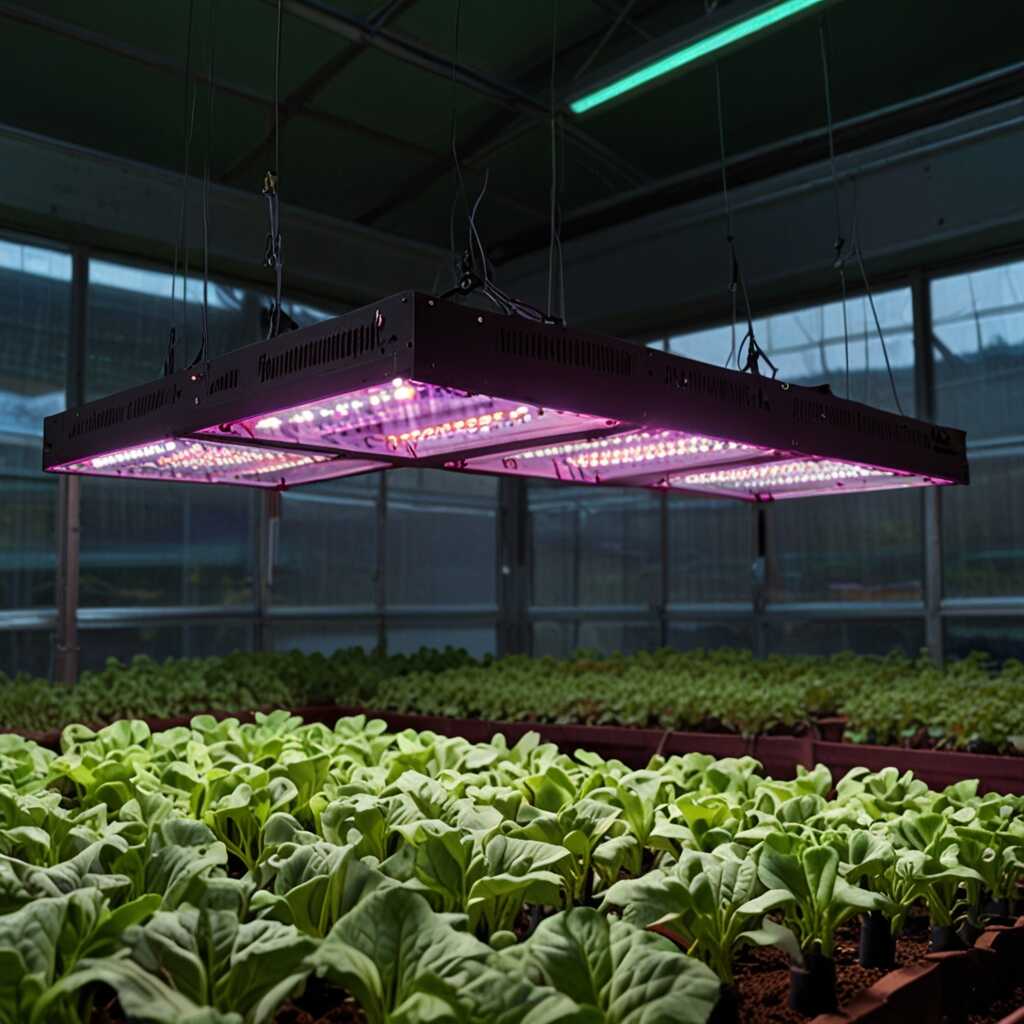
When selecting propagation mats, key factors include mat size, wattage, heat distribution, and safety features. The right size should fit your planting area comfortably. Wattage affects how much heat the mat produces. Higher wattage might enhance growth but increases energy use. Look for mats with reliable heat distribution to avoid hot spots, ensuring consistent temperature for seedlings. Safety features like automatic shut-off or waterproof designs enhance dependability, helping you avoid unexpected failures.
Understanding Wattage and Heat Levels in Propagation Mats
Wattage is crucial for effective plant growth. Most propagation mats require between 20 to 100 watts. A reliable heat level maintains an optimal temperature range of 70 to 85 degrees Fahrenheit. Mats with an energy efficiency rating help lower your utility bills while providing the necessary warmth. Choosing mats that deliver consistent bottom heat ensures your seedlings emerge healthy. Researching and comparing various propagation mats based on wattage and features helps select the best one for your indoor gardening needs.
Numerical Facts About Heating Solutions for Plant Growth
- Optimal temperature for seed germination is usually between 70°F and 75°F.
- Propagation light mats can raise soil temperature by 10°F to 20°F.
- A 1-foot square propagation mat uses about 50 watts of energy.
- These mats can cover areas from small trays to large propagation benches.
- Setup time for an effective propagation mat is typically under 30 minutes.
- Many mats come with a thermostat that maintains precise temperature settings.
- Usage can increase seed success rates by over 90% compared to regular room temperature.
Guidelines for Setting Up Your Propagation Station
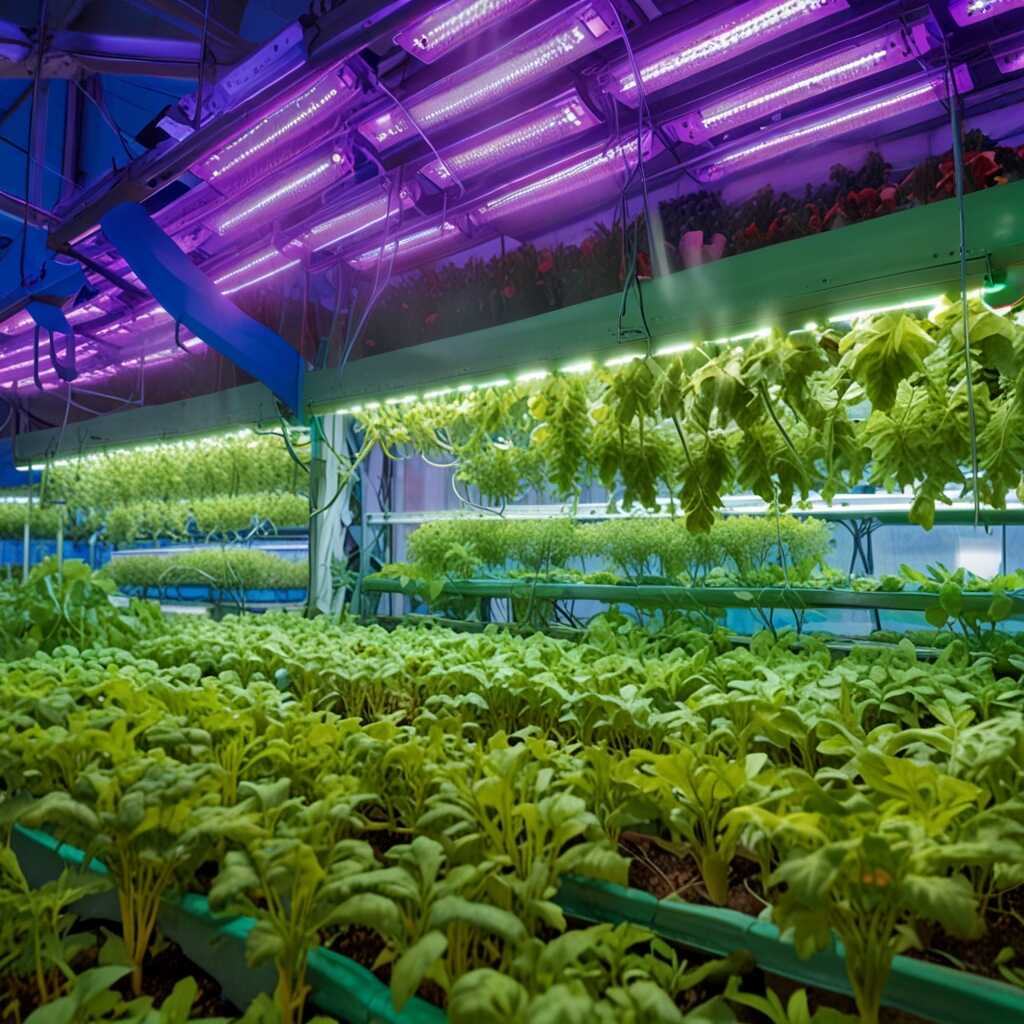
Choosing the right propagation light mat involves understanding your plants’ specific needs. Consider the size of your space and select a mat that meets the area required for your seedlings. Look for propagation light mats that provide reliable heat and maintain an even temperature. Best practices include placing the mats on a sturdy table which ensures comfort during use. Ensure that the propagation area is well-ventilated to enhance air circulation. Maintain a temperature range of 70 to 75 degrees Fahrenheit to foster optimal plant growth during propagation.
Maintaining Temperature and Humidity for Seedlings
To create an effective environment for seedlings, combine your propagation light mats with humidity domes or low humidity trays. This setup helps maintain moisture while allowing sufficient light from the light mats to reach your plants. Proper humidity is crucial; aim for levels between 50% to 70%, especially for tropical plants. A temperature range of 70 to 75 degrees Fahrenheit keeps the soil warm and encourages root development. Using a thermometer and hygrometer can help you monitor these essential factors easily. Adjusting your light mat’s position or using a thermostat can enhance the overall performance of your propagation station.
Advantages of Using Heat Mats for Plant Health
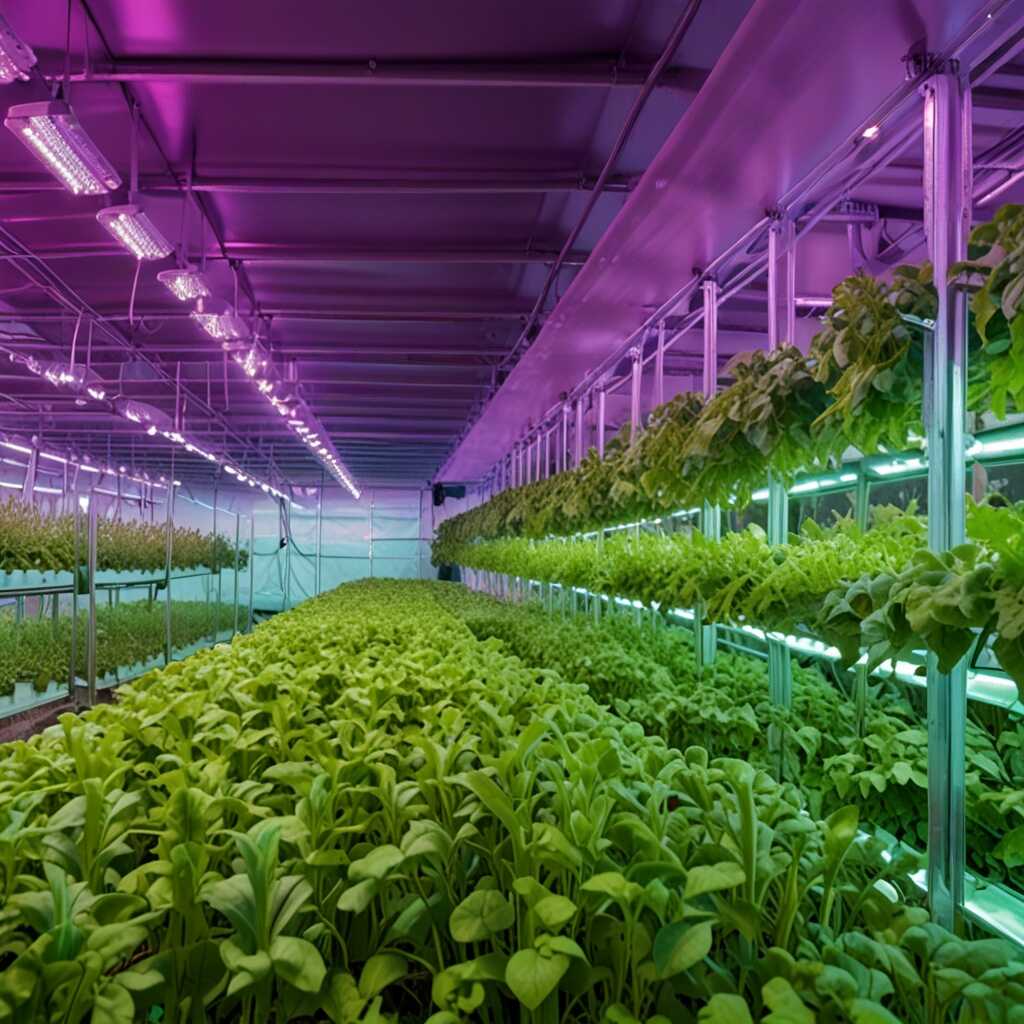
Heat mats provide several benefits for plant growth. They deliver consistent warmth, which accelerates seed germination and root development. By maintaining an ideal temperature, heat mats enhance the efficiency of moisture absorption. These factors contribute to stronger, healthier plants. Heat mats also help improve disease resistance by promoting vigorous growth. This growth enables plants to better withstand pests and diseases. Research shows that seedlings can grow 20-50% faster when using heat mats, compared to traditional methods. Choosing the right heat mat is essential to ensure optimal performance and plant health.
How Heat Mats Improve Seedling Success Rates
Heat mats create the ideal microenvironment for seedlings, enhancing their success rates. By maintaining consistent temperatures between 70°F and 85°F, they help seeds germinate quickly. This temperature range ensures seeds absorb moisture efficiently, leading to faster sprouting. Once seedlings emerge, this warmth encourages rapid root growth and overall plant vigor. A strong root system allows plants to access nutrients more effectively, increasing their chances of surviving transplant shock. Using heat mats in conjunction with grow lights can maximize these results, as adequate lighting supports the growth process. Therefore, indoor gardeners can enjoy healthier plants that thrive.
Advantages of Using Heating Mats for Plants
- Keeping consistent warmth speeds up seed germination dramatically.
- Specialized propagation light mats evenly distribute heat across the soil.
- The mats help boost root development, leading to stronger plants.
- Users experience improved moisture retention in the soil.
- These mats are energy-efficient and can reduce utility costs.
- They promote uniform growth, so plants develop similarly and robustly.
- Having heat mats decreases the likelihood of overwatering by balancing moisture levels.
Monitoring and Managing Temperature for Optimal Growth
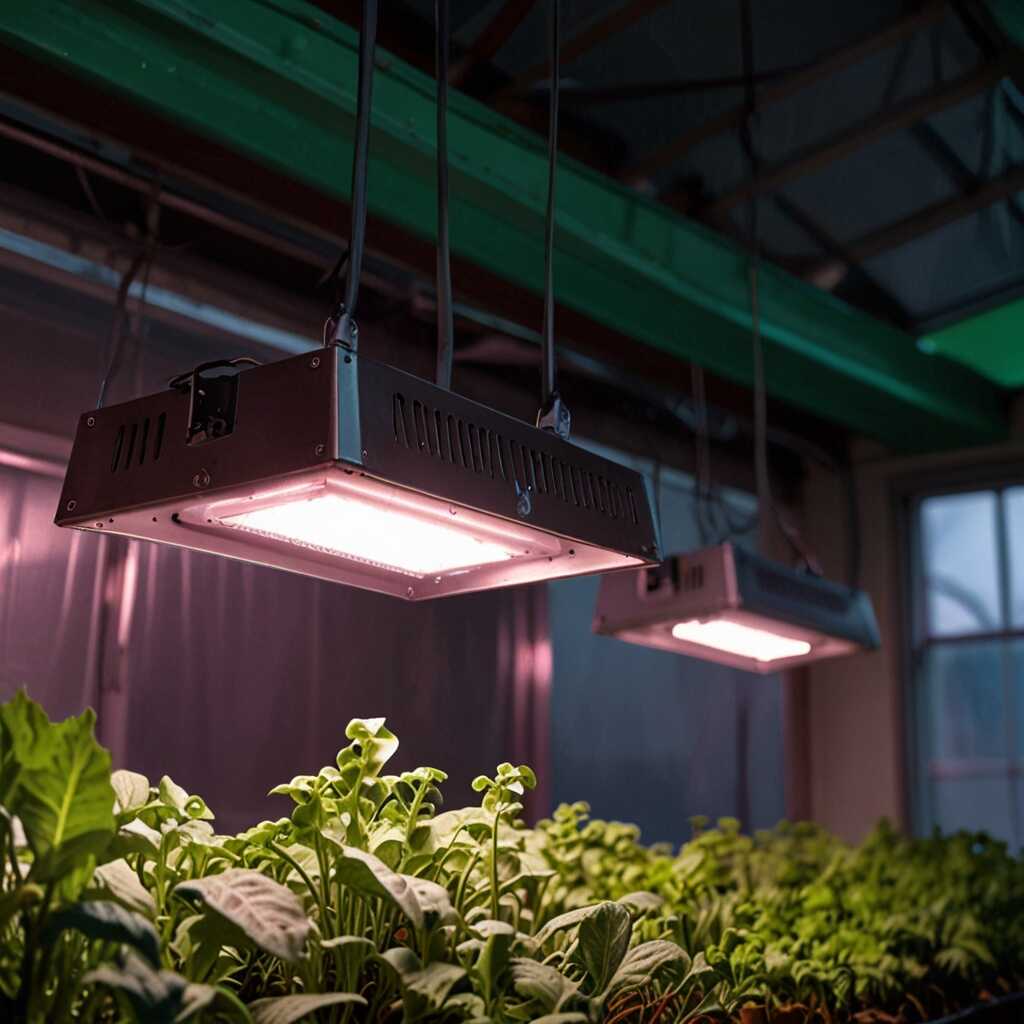
Monitoring temperature in indoor gardening is vital for ensuring successful propagation. Use digital thermometers to track temperature accurately. Strategies include placing propagation light mats that provide consistent bottom heat, which enhances seedling growth and overall plant health. Ideal temperature ranges generally fall between 70°F to 75°F for most seedlings. Special mats are designed to maintain these levels, providing the necessary warmth that enhances germination rates and root development.
Utilizing Specialized Light Mats for Temperature Maintenance
Specialized propagation light mats are effective for maintaining ideal temperatures. These mats distribute warmth evenly to the plants’ base, making them essential for promoting healthy and vigorous growth. They typically operate at temperatures between 70°F and 85°F. By using light mats, you enhance the physical environment that supports optimal growth conditions, improving seedlings’ development and resilience. Incorporating reliable mats designed for energy efficiency also reduces energy costs while providing consistent warmth that seeds and cuttings need to thrive.
Addressing Common Challenges with Heat Mats
Users may encounter various issues with propagation heat mats, including temperature fluctuations, uneven heating, and longevity concerns. To address temperature fluctuations, use a thermometer to monitor the heat output. Uneven heating can be mitigated by placing the mat on a flat, insulated surface. Longevity issues often arise when mats overheat due to poor ventilation. Ensure proper airflow to enhance the reliable performance of your propagation heat mats.
Tips for Maintaining Optimal Temperature Control
Maintaining optimal temperature control is essential for ensuring the success of plant propagation. To achieve this, set propagation heat mats on a stable surface away from drafts. Regularly inspect thermostat settings to ensure they are accurate. Using a heat mat thermostat can help automate temperature adjustments, providing consistent conditions. This method allows plants to thrive by delivering the optimal warmth necessary for efficient root development. Research shows that a stable environment significantly influences germination rates and overall health of seedlings.
Brands and Demographics Interested in Heating Solutions
- Brand A offers highly rated propagation mats with flexible sizing options.
- Brand B features budget-friendly mats but may lack in durability.
- Brand C provides advanced mats with built-in thermostats for precise control.
- Beginners often prefer economical mats that are easy to use and setup.
- Eco-conscious gardeners seek heat mats that use sustainable materials.
- Home gardeners benefit from mats that enhance indoor planting experiences.
- Professional growers favor specialized mats to ensure high-quality seedlings.
Integrating Heat Mats with Other Indoor Growing Strategies
Using heat mats in conjunction with other indoor gardening techniques maximizes plant health. Heat mats provide consistent warmth, enhancing germination and root growth. Pairing heat mats with proper lighting techniques like LED grow lights improves light exposure during critical growth stages. Integrating humidity control methods such as misting or humidifiers ensures an optimal environment. The effectiveness of heat mats can vary based on surrounding conditions. Many users find running heat mats for 12 to 16 hours daily promotes the best seed germination results. This combination of heat, light, and humidity creates a nurturing setting for young plants and improves overall growth.
Synergizing Heat Mats and Humidity Control
Combining heat mats with humidity control is essential for successful indoor gardening. Heat mats help maintain warm soil temperatures, which boosts seedling success rates. As seedlings heat up, they can also lose moisture rapidly. Incorporating humidity trays or using diatomaceous earth can help retain moisture. Regularly monitoring humidity levels between 40% to 70% optimizes the environment for growth. Heat mat efficiency increases when coupled with humidity control, allowing plants to absorb nutrients effectively. Green Writer emphasizes maintaining this balance as a vital aspect of indoor gardening strategies to ensure robust, healthy plants.