
DIY grow light systems are custom-built lighting solutions that use LED bulbs, fixtures, and timers to provide artificial illumination for greenhouse plants. These affordable setups typically cost between $50-150 and involve mounting full-spectrum LED strips or bulbs above plant shelves, connecting them to automated timers for 12-16 hour daily cycles.
Identifying the Ideal Light Requirements for Your Plants
Light requirements vary significantly among plant species, with some needing intense illumination while others thrive in moderate conditions. Succulents and flowering plants typically require high-intensity lighting equivalent to 2000-3000 lumens per square foot, while foliage plants like pothos need only 1000-2000 lumens. The duration of light exposure is equally important, with most greenhouse plants benefiting from 12-16 hours of artificial lighting daily. Understanding these requirements helps you design an effective grow light system that maximizes plant health and productivity.
Understanding Light Intensity Versus Duration Balance
Light intensity measures the brightness reaching your plants, typically expressed in lumens or PPFD (photosynthetic photon flux density), while duration refers to daily light exposure hours. High-light plants like tomatoes and peppers require intense illumination for 14-16 hours, whereas shade-tolerant species like lettuce flourish with moderate intensity for 10-12 hours. Creating the optimal balance involves positioning lights 12-24 inches above plants for adequate intensity without heat stress, then adjusting daily exposure based on plant responses like leaf color and growth rate.
Selecting Budget-Friendly Components for Grow Light Systems
Building cost-effective DIY grow light systems requires specific essential components that balance performance with affordability. LED grow lights serve as the foundation, offering energy efficiency and 50,000+ hour lifespans compared to traditional fluorescent options. Full-spectrum LED strips typically cost $20-60 per unit and provide the red, blue, and white wavelengths plants need throughout their growth cycles. Clamp-on fixtures or aluminum mounting channels enable secure installation on greenhouse shelving, while programmable timers automate lighting schedules to prevent over-illumination and reduce electricity costs.
Evaluating LED Light Options for Maximum Plant Growth
When evaluating LED light options for your DIY system, prioritize full-spectrum units that emit wavelengths between 400-700 nanometers for complete plant nutrition. Quality LED grow lights typically consume 30-50 watts per square foot of growing space and generate minimal heat compared to HID alternatives. Research user reviews and testing data to identify reliable brands with proven performance records. The most effective LED options include built-in heat sinks for temperature management and offer adjustable mounting brackets for easy height adjustments as plants grow.
Comparing the Most Common Grow Light Types
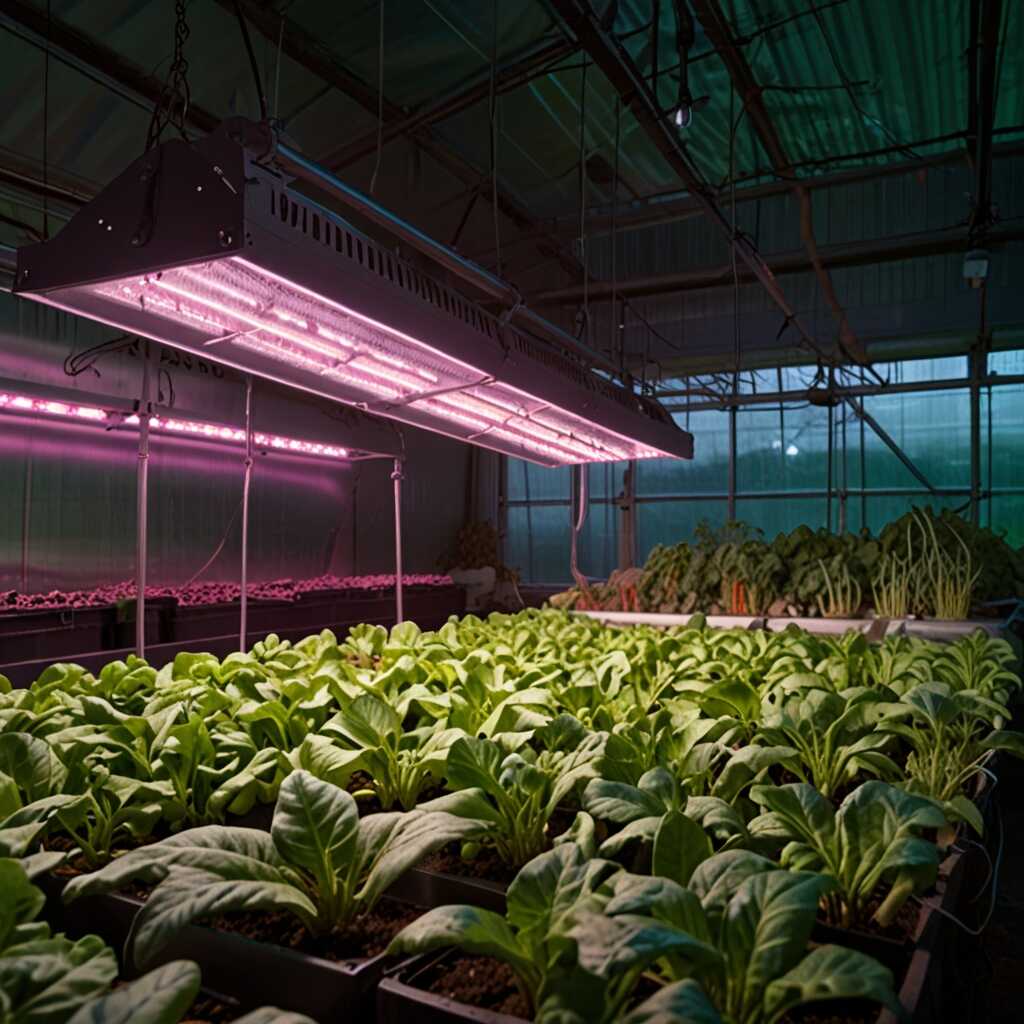
The three primary grow light types differ significantly in cost, efficiency, and application suitability for DIY greenhouse systems. LED grow lights are known for their exceptional energy efficiency, consuming 40-60% less electricity than fluorescent alternatives while lasting 50,000+ hours. Fluorescent grow lights are affordable and suitable for seedlings and low-light plants, though they require replacement every 10,000-20,000 hours and generate more heat. HID (High Intensity Discharge) lights provide intense illumination for large-scale operations but consume significant electricity and require ventilation systems to manage heat output, making them less suitable for budget-conscious DIY projects.
Understanding the Benefits of LED Grow Lights for DIY Applications
LED grow lights provide the most energy-efficient solution for DIY greenhouse applications, consuming 25-40 watts per square foot compared to 40-60 watts for fluorescent systems. These lights emit specific wavelengths that plants absorb most efficiently, including blue light (400-500nm) for vegetative growth and red light (600-700nm) for flowering and fruiting. The impressive performance of LED lights includes minimal heat generation, allowing placement closer to plants without burning, and modular design that enables easy expansion as your greenhouse grows.
Key Data Points for Lighting Systems
- LED grow lights use about 40-75% less energy than traditional lights.
- A full spectrum light covers wavelengths from 400 to 700nm for plant growth.
- Grow lights typically last over 50,000 hours, reducing replacement costs.
- Plants under grow lights can grow up to 30% faster compared to natural sunlight.
- Setting up shelves for multiple light panels can increase growing space by 50%.
- The average cost of DIY supplies for a grow light system ranges from $50 to $150.
- Properly positioned lights can improve yield by up to 20% in greenhouses.
Optimizing Your Grow Light Setup for Maximum Plant Health
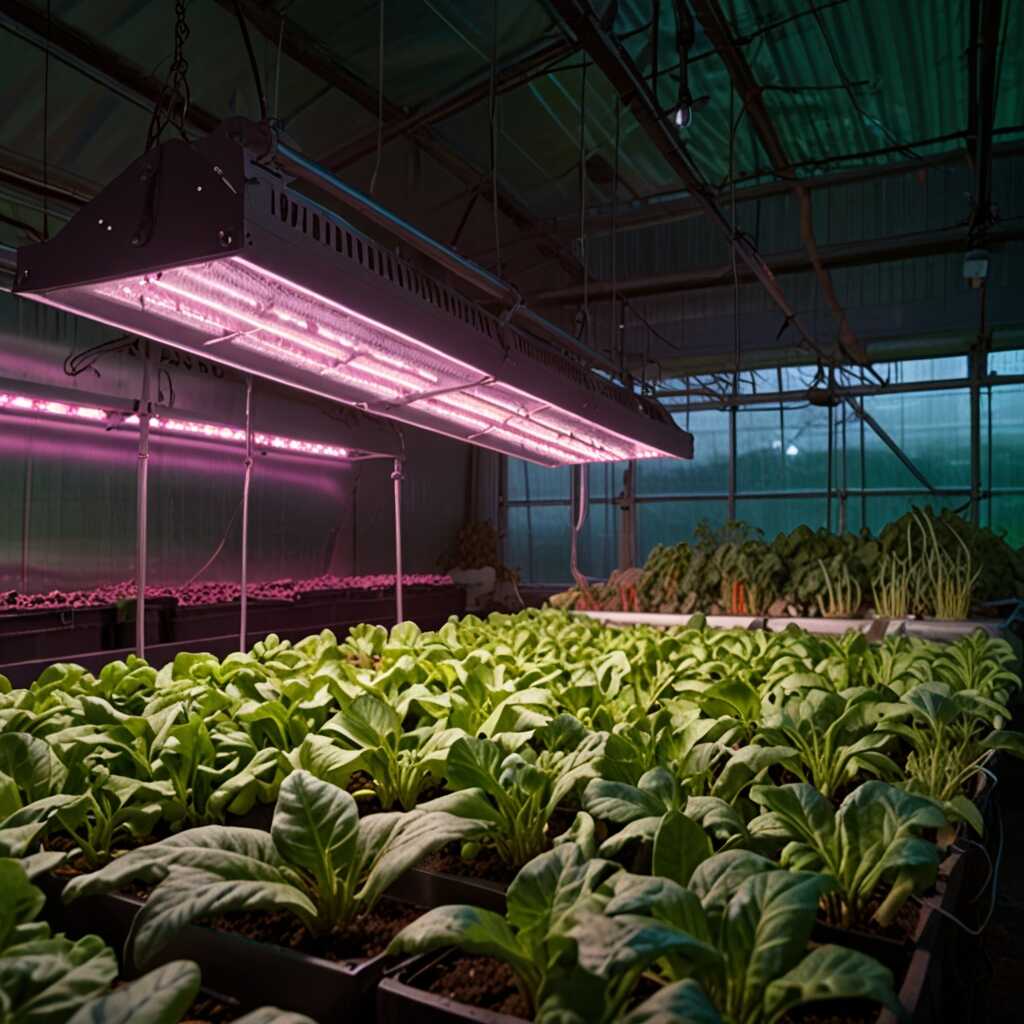
Proper grow light positioning significantly impacts plant development, with optimal heights ranging from 12-36 inches depending on light intensity and plant type. Light height for grow lights ranges from 12-18 inches for seedlings and leafy greens to 24-36 inches for mature flowering plants to prevent light burn while ensuring adequate photon delivery. The angle of light exposure also matters, with direct overhead positioning working best for most applications, though some growers use angled mounting for better coverage across wide shelving units. Most greenhouse plants require 12-16 hours of artificial lighting daily, with shorter photoperiods for flowering plants and longer cycles for continuous vegetative growth.
Understanding Light Height and Distance Management
The distance between grow lights and plant canopies directly affects both light intensity and heat exposure, requiring careful adjustment as plants develop. Grow lights directly impact plant growth through photon density, with closer positioning increasing light intensity but also raising temperatures around sensitive foliage. Start seedlings 12-18 inches from LED fixtures, then gradually increase distance to 24-30 inches as plants mature and develop thicker leaves capable of processing higher light levels. Adjustable hanging systems or sliding mount brackets enable easy height modifications throughout the growing season.
Incorporating Eco-Friendly Methods in Your Build
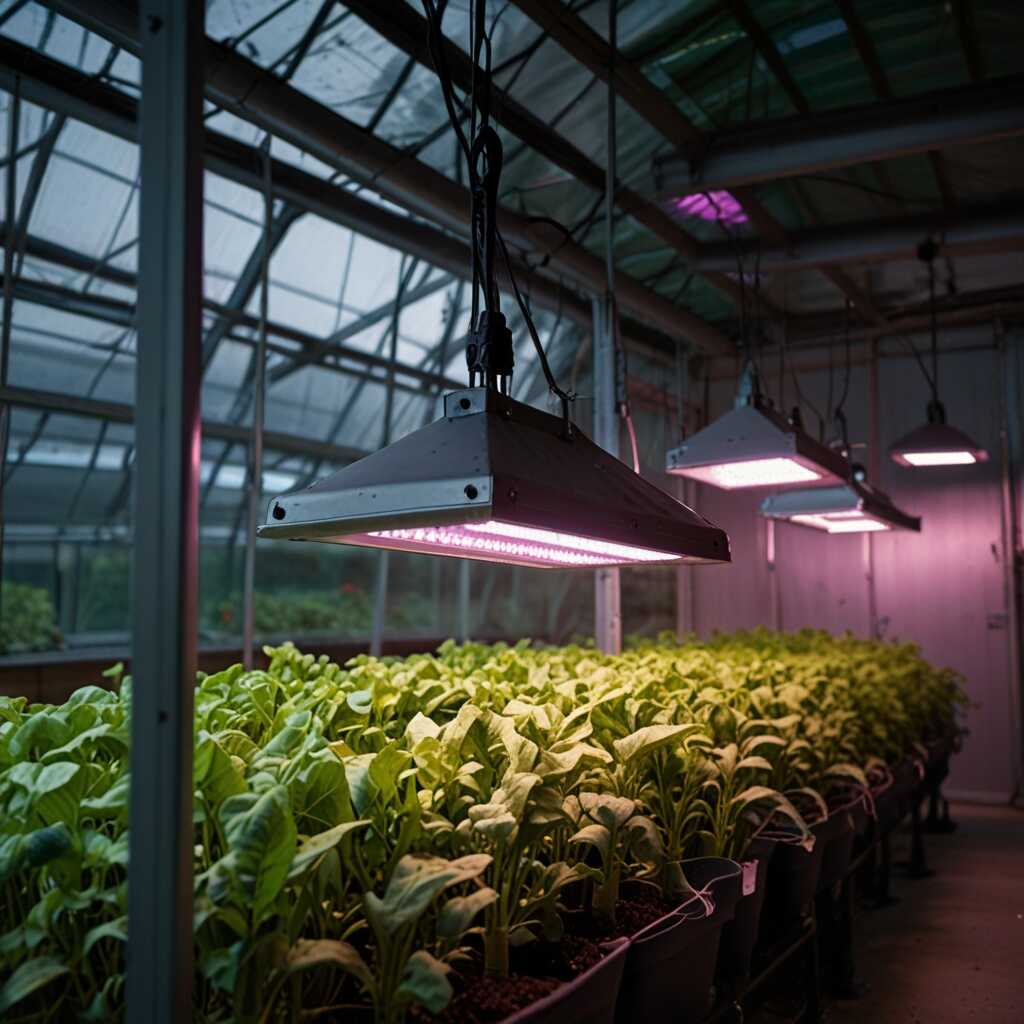
Sustainable DIY grow light construction involves selecting environmentally responsible materials and energy-efficient components that minimize environmental impact. Reclaimed wood serves as excellent shelving material, while recycled aluminum provides durable light fixtures and reflectors that enhance light distribution. LED technology represents the most eco-friendly lighting choice, consuming 70-80% less energy than incandescent alternatives and containing no mercury or harmful gases. Automated timers and dimmer switches optimize energy consumption by providing light only when needed, while solar panel integration can offset electricity usage during peak sunlight hours. Good quality LED grow lights helps reduce long-term energy waste through efficient photon conversion and extended operational lifespans.
Enhancing Energy Efficiency in Greenhouse Grow Light Systems
To enhance grow light efficiency in greenhouse applications, implement full-spectrum LED arrays that provide optimal wavelength combinations for different growth stages. Reflective materials like mylar or white paint maximize light utilization by redirecting stray photons back toward plant surfaces, improving overall system efficiency by 15-25%. Smart controls including automated dimmers and photoperiod timers help manage energy consumption by adjusting light intensity based on natural daylight levels and plant requirements. Proper ventilation systems work alongside efficient lighting to maintain optimal growing temperatures while minimizing cooling costs, creating a balanced environment that supports healthy plant development.
Advantages of Custom Grow Lighting
- Custom lighting enhances plant growth by mimicking natural sunlight.
- DIY grow lights are cost-effective for small and large setups alike.
- Grow light systems save energy, lowering electricity bills for gardeners.
- Grow light systems create optimal conditions for all plant types in the greenhouse.
- You gain flexibility to adjust light intensity based on plant needs.
- Lighting systems can prolong growing seasons for year-round gardening.
- Custom lights allow easy integration for new plants as you expand your garden.
Evaluating the Effectiveness of Your Grow Light System
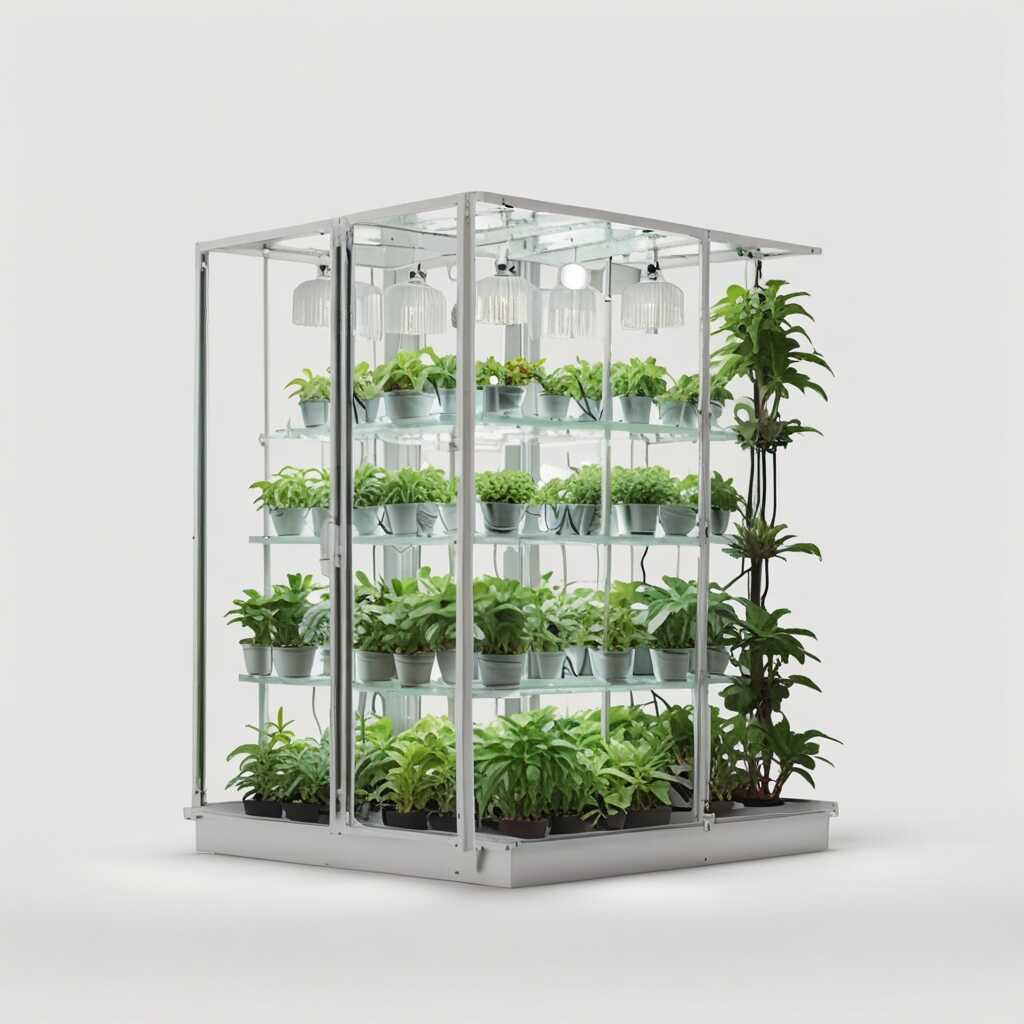
Monitoring DIY grow light system performance involves observing multiple plant health indicators and using measurement tools to ensure optimal growing conditions. Healthy plants under adequate lighting display vibrant green foliage, sturdy stem development, and appropriate growth rates for their species and stage. Signs of insufficient lighting include pale or yellowing leaves, excessive stem stretching (etiolation), and slow growth, while over-illumination causes leaf burn, browning, or curling. Light meter can help assess light intensity levels, with most vegetables requiring 200-400 PPFD for optimal photosynthesis. Regular monitoring enables timely adjustments to light height, duration, or intensity based on plant responses and seasonal changes.
Understanding Light Spectrum Analysis and Plant Response
Light spectrum analysis reveals whether your DIY grow light system provides the wavelength combinations necessary for healthy plant development throughout different growth phases. Blue wavelengths (400-500nm) promote compact, bushy growth and are essential during vegetative stages, while red wavelengths (600-700nm) trigger flowering and fruiting responses in mature plants. Full-spectrum lights combining both wavelengths plus green (500-600nm) for canopy penetration provide the most versatile growing environment. Use spectral analysis apps or dedicated meters to verify your LED fixtures emit appropriate wavelength ratios, then adjust spectrum or light combinations based on plant performance and growth objectives.
Regular Maintenance Practices for System Longevity
Consistent maintenance extends DIY grow light system lifespan while ensuring optimal performance throughout multiple growing seasons. Dust accumulation reduces light output by 10-20% over time, making monthly cleaning essential for maintaining photon delivery to plants. Use soft microfiber cloths dampened with distilled water to clean LED surfaces and fixtures, avoiding harsh chemicals that might damage protective coatings or electrical components. Inspect electrical connections quarterly for corrosion or loose wiring, and replace any damaged components immediately to prevent safety hazards or system failures.
Essential Cleaning and Inspection Techniques
Effective cleaning techniques for grow light systems involve systematic approaches that protect sensitive electronic components while maximizing light transmission. Remove accumulated dust and debris using compressed air or soft brushes for hard-to-reach areas, then follow with gentle wiping using lint-free cloths. Check mounting hardware for looseness or wear, particularly on adjustable systems that experience frequent height changes throughout growing cycles. Document cleaning dates and any component replacements to track system performance and plan preventive maintenance schedules that prevent unexpected failures during critical growing periods.
Popular Brands and Their Applications
- Brand A focuses on budget-friendly grow light solutions for novice gardeners.
- Brand B provides advanced systems for serious greenhouse enthusiasts, but at a higher price.
- Brand C offers mid-range options, catering to eco-conscious gardeners who enjoy DIY projects.
- Plant lovers benefit from affordable, efficient systems that enhance indoor gardening.
- Commercial growers might prefer high-end options for maximum yield and efficiency.
- Families looking to grow food at home can use simpler and cost-effective options.
- Hobbyist gardeners favor brands that support small-scale production with eco-friendly features.
Weighing the Financial Benefits of DIY Grow Light Construction
Building custom grow light systems offers substantial cost advantages compared to purchasing pre-manufactured greenhouse lighting solutions, with potential savings ranging from 40-70% depending on system complexity and component selection. DIY construction allows precise budget control by selecting components that match specific growing requirements rather than paying for unnecessary features in commercial systems. Quality LED components typically cost $3-8 per watt compared to $10-15 per watt for complete commercial units, enabling significant upfront savings. Long-term operational benefits include reduced electricity costs through efficient LED technology and modular design that enables gradual expansion without replacing entire systems, making DIY approaches financially attractive for budget-conscious greenhouse operators.
Essential Components for Cost-Effective DIY Systems
Building efficient DIY grow light systems requires specific essential components that balance performance with affordability while ensuring reliable operation. LED strips or individual diodes serve as the primary light source, with full-spectrum options providing wavelengths from 400-700nm for complete plant nutrition throughout growth cycles. Aluminum channels or heat sinks manage thermal dissipation, extending LED lifespan while maintaining consistent light output. Programmable timers automate photoperiod control, reducing energy consumption and labor requirements, while adjustable mounting systems enable height modifications as plants develop. Quality electrical components including appropriate drivers, connectors, and safety switches ensure reliable operation and protect both equipment and users from electrical hazards.