
Understanding the role of light schedules in cannabis flowering phases is essential for successful cultivation. Different light schedules affect how cannabis plants transition from growth to flowering, impacting their overall health and yield. At Green Writer, we aim to provide effective cultivation techniques that promote healthy cannabis growth while emphasizing sustainable gardening practices. By exploring the best lighting options, growers can optimize their plants’ flowering phases and enhance their indoor gardening experience.
Overview of Flowering Phases in Cannabis Cultivation
The key flowering phases of cannabis are pre-flowering, flowering, and late flowering. These phases are essential for determining the quality and yield of the crop. During pre-flowering, plants show their sex, which is crucial for preventing unwanted pollination. The flowering phase, typically lasting 8 to 12 weeks, is when most of the plant’s resin and flower production occurs. Late flowering involves ripening and harvesting, where the focus shifts to maximizing potency and aroma. Understanding these cannabis flowering phases helps growers develop effective light schedules and optimize their indoor cultivation practices.
Importance of Light Schedules in Flowering Phases
Light schedules play a critical role in cannabis flowering phases, influencing plant growth stages significantly. During the flowering phase, cannabis plants require approximately 12 hours of light and 12 hours of darkness. This light schedule triggers hormonal changes that promote blooming. The spectrum of light is also vital; a full-spectrum light helps ensure robust flower development. Using energy-efficient LED grow lights enhances the plant’s ability to cultivate resin-rich flowers. Adjusting light intensity and duration based on the flowering phase can significantly improve yields and overall quality.
The Role of Light in Plant Development and Flowering
Light is crucial for cannabis plants as it influences their growth phases significantly. During the vegetative phase, cannabis plants require light for photosynthesis and healthy growth. They prefer about 18 to 24 hours of light during this period. When transitioning to the flowering phase, light becomes even more critical. A cycle of 12 hours of light and 12 hours of darkness triggers flowering. This change signals the plant to produce flowers. Different light conditions can enhance the development of floral structures. The light spectrum is equally important, as specific wavelengths promote the best flowering outcomes. Understanding both the amount and the quality of light can lead to thriving cannabis plants.
Understanding Light Spectrum for Flowering
The light spectrum plays a significant role during the flowering phase of cannabis cultivation. Cannabis plants thrive under a full spectrum of light that mimics natural sunlight. In particular, red and blue light wavelengths encourage robust flower production. Red light enhances flowering, while blue light supports healthy foliage. A balance of these wavelengths maximizes yields and plant health. Quality LED grow lights designed for the flowering phase are effective. They offer specific wavelengths that target the needs of flowering cannabis plants. Choosing the right lighting equipment is essential for home growers seeking excellent results. Supplemental lighting may also enhance growth and yield potential.
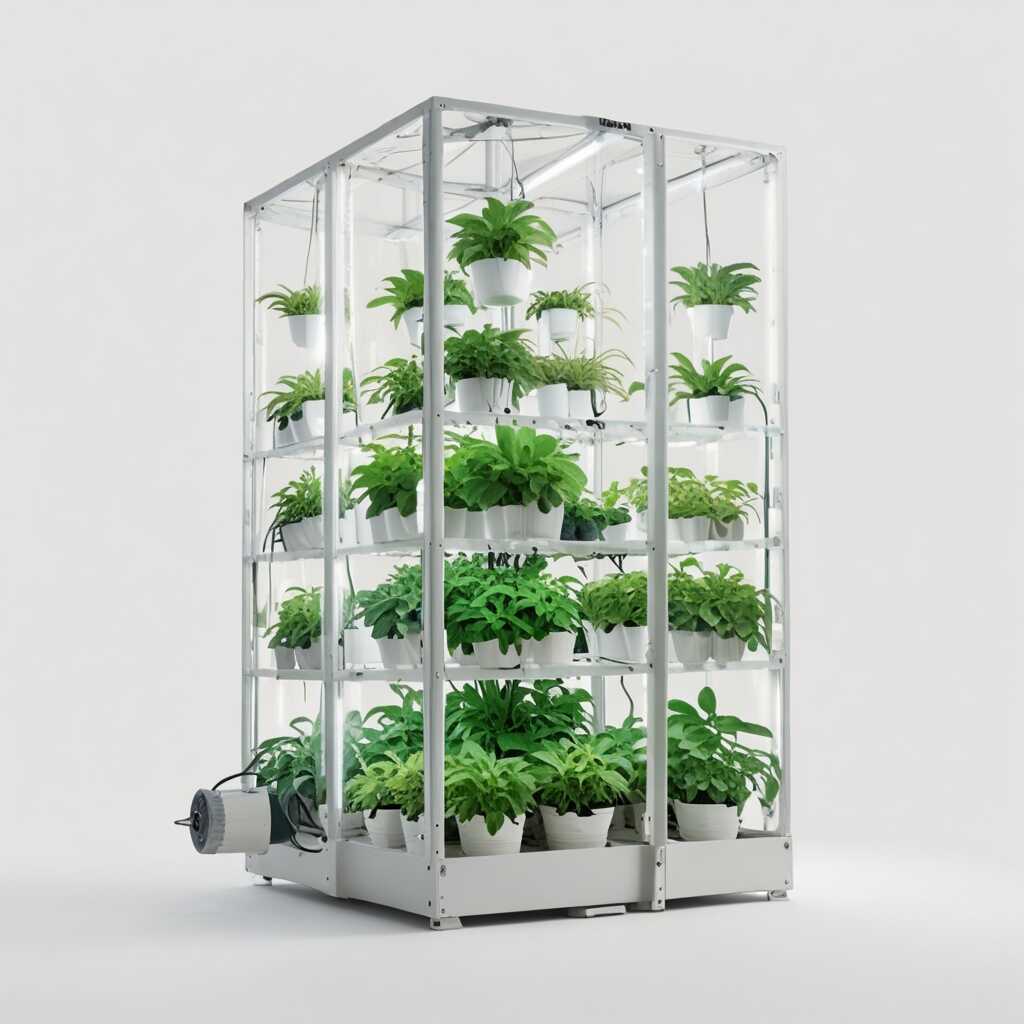
The Importance of Light Spectrum for Flowering Cannabis
The light spectrum significantly affects cannabis flowering stages. Different wavelengths influence hormonal responses and growth patterns. Full spectrum lighting mimics natural sunlight, essential for photosynthesis and optimal flowering. For instance, blue light encourages robust stem growth, while red light enhances flowering. LED grow lights provide a reliable solution, offering tailored spectrums for each growth phase. Testing has shown that plants under these lights experience healthier growth with increased yields. Choosing the right lights directly influences planting results, making it crucial to understand how various spectrums impact your cannabis plants.
Choosing the Best Full Spectrum Lights
When selecting full spectrum lights for cannabis, consider reliability and performance. Brands like Spider Farmer and HLG offer excellent LED grow lights designed specifically for cannabis cultivation. These lights include features like adjustable spectrums and energy efficiency, enhancing the reliability of your indoor gardening setup. Research shows that plants exposed to proper wavelengths thrive better, showing improved growth rates. Experts recommend using these lights for at least 12 hours a day during the flowering phase, which is proven effective for maximizing potential yield. A careful review of features will ensure you select the best lighting technology for your needs.
Numerical Insights on Growth Conditions
- Cannabis plants typically require 12 hours of light and 12 hours of darkness during flowering.
- Light schedules can result in a 25-40% increase in yield compared to inadequate lighting.
- Flowering phase usually lasts between 6 to 10 weeks, depending on the strain.
- A proper light intensity of 600-850 µmol/m²/s optimally supports flowering growth.
- Each cannabis plant needs around 1-2 square feet of grow space when fully flowering.
- Some growers report up to 80% energy savings using LED grow lights for blooming plants.
- Flowering may occur as soon as 8-10 weeks after switching light schedules from vegetative settings.
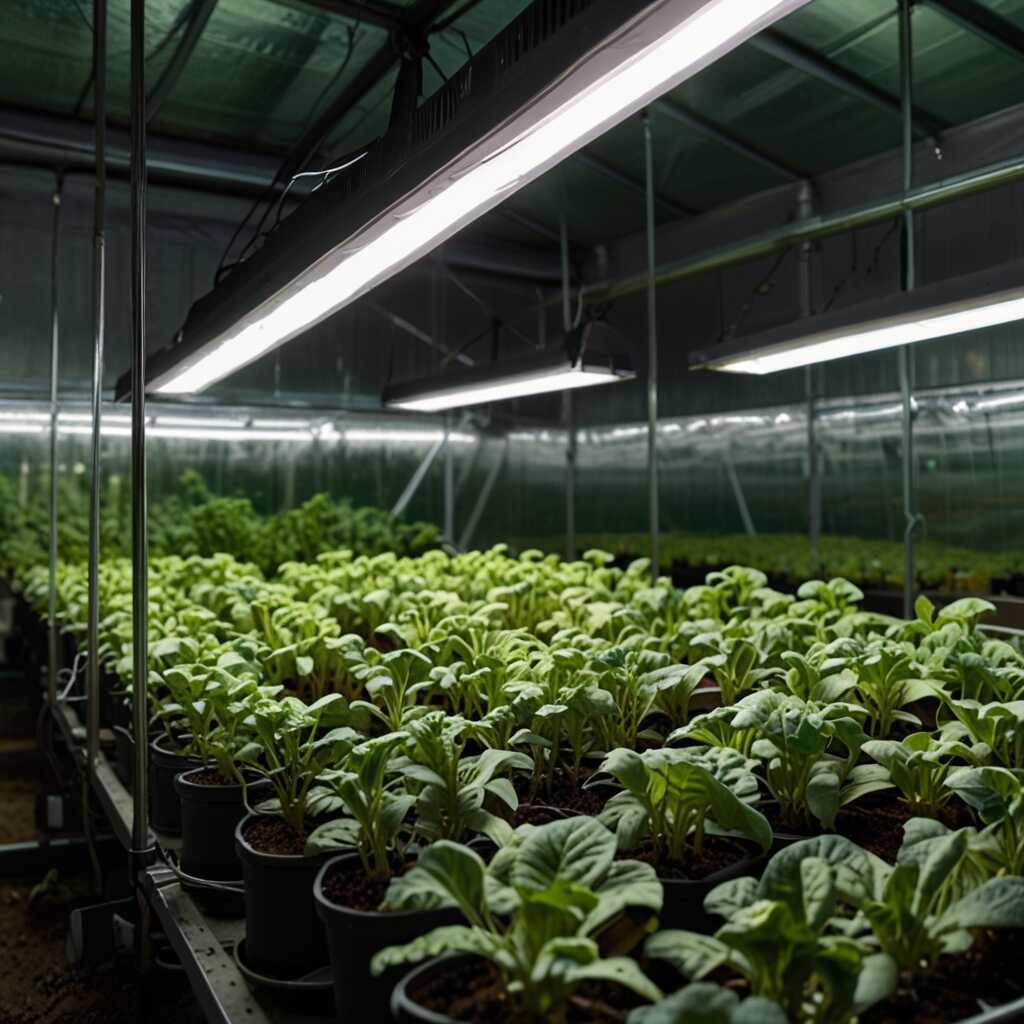
Best Practices for Scheduling Light in Flowering Phases
To initiate the flowering phase in cannabis, growers should typically switch to a 12:12 light schedule, providing 12 hours of light and 12 hours of uninterrupted darkness. This light schedule is crucial for signaling plants to transition from vegetative growth to flowering. Factors such as the specific strain being grown, indoor environmental conditions, and light intensity also play vital roles in ensuring the best outcome. Monitoring light quality and duration during this phase can significantly enhance yield and flower quality. Growers should also regularly evaluate their light cycle adjustments to fine-tune results based on their plants’ responses.
Understanding Photoperiod Management for Cannabis Cultivation
Photoperiod management is a critical aspect of cannabis cultivation, especially during the flowering phase. Successful flower development relies on a correctly timed light schedule. For most cannabis strains, a shift to a 12-hour light and 12-hour dark cycle promotes optimal flowering. During the dark period, it is essential to prevent any light leaks, as even small disruptions can revert the plants back to vegetative growth. Additionally, using quality full spectrum grow lights can enhance the flowering process by providing the right wavelengths that support resin production and aroma development. Engaging in detailed observations while making these adjustments enables growers to cultivate healthier plants with superior yields.
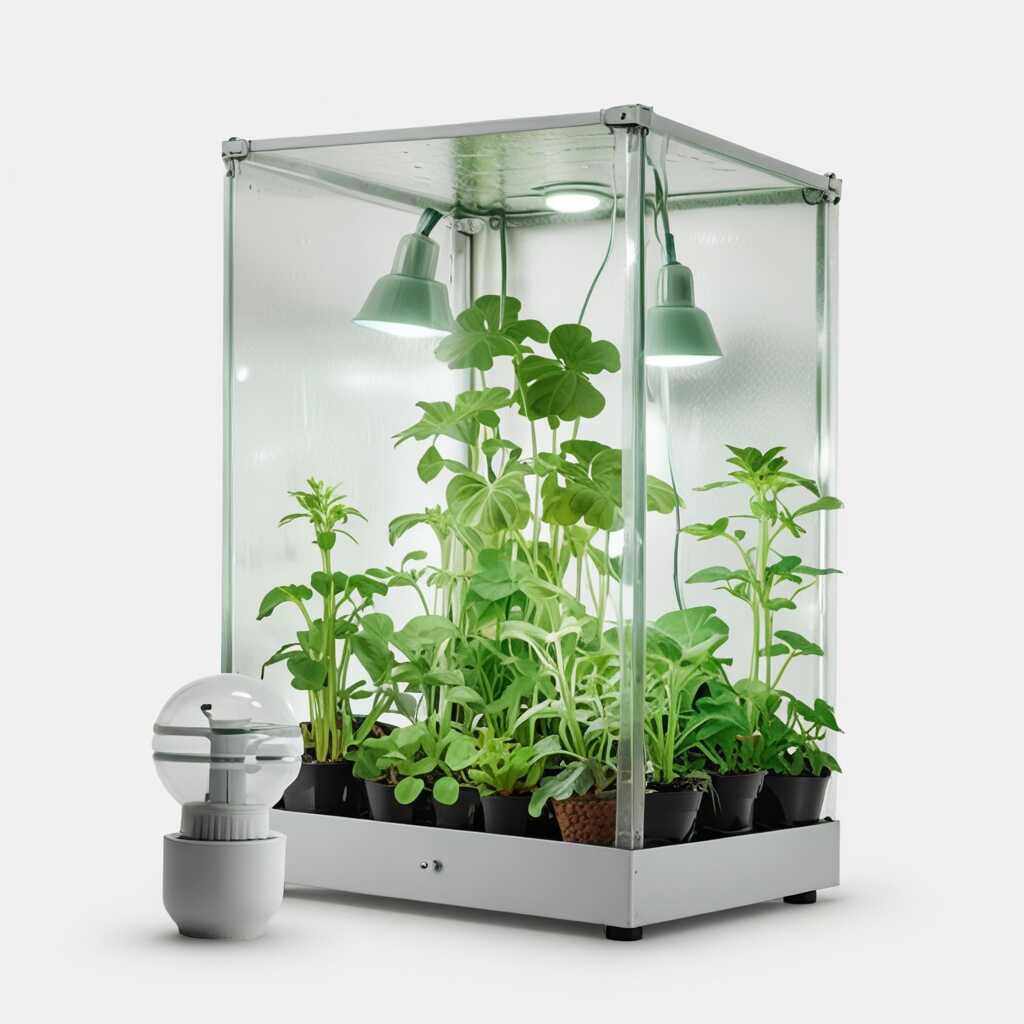
Common Challenges During Flowering and Solutions
Growing cannabis during the flowering phase presents several challenges. Growers often face nutrient imbalance, which can lead to poor yield. Signs of nutrient deficiency include yellowing leaves and stunted growth. Likewise, pest management is essential during this phase. Common pests like spider mites and aphids can damage your plants. Proper environmental control, including humidity and temperature monitoring, helps maintain plant health. Proper preparation for these challenges ensures a smoother flowering phase.
Identifying Signs of Nutrient Deficiencies
During the flowering stage, nutrient imbalance can affect cannabis plant health. Essential nutrients include nitrogen, phosphorus, and potassium. Deficiencies result in specific symptoms. For example, yellowing leaves suggest nitrogen deficiency, while purple stems may indicate phosphorus lack. Monitoring pH levels within the range of 6.0 to 6.8 is crucial for nutrient absorption. Additionally, using a high-quality fertilizer designed for flowering can improve nutrient delivery. Choosing fertilizers with slow-release properties grants plants a steady supply of nutrients throughout the flowering phase.
Advantages of Proper Light Timing
- Effective scheduling maximizes plant health and boosts flowering vigor.
- Specific light cycles can enhance resin production, improving flavor and potency.
- Implementing a consistent schedule supports stable growth and reduces stress on plants.
- Optimized lighting minimizes energy costs, leading to more sustainable growing practices.
- Increased light exposure can lead to uniform bud development across the plant.
- Using the right schedule promotes better nutrient uptake, enriching plant health.
- Appropriate light management creates an ideal environment tailored to your specific cannabis strain.
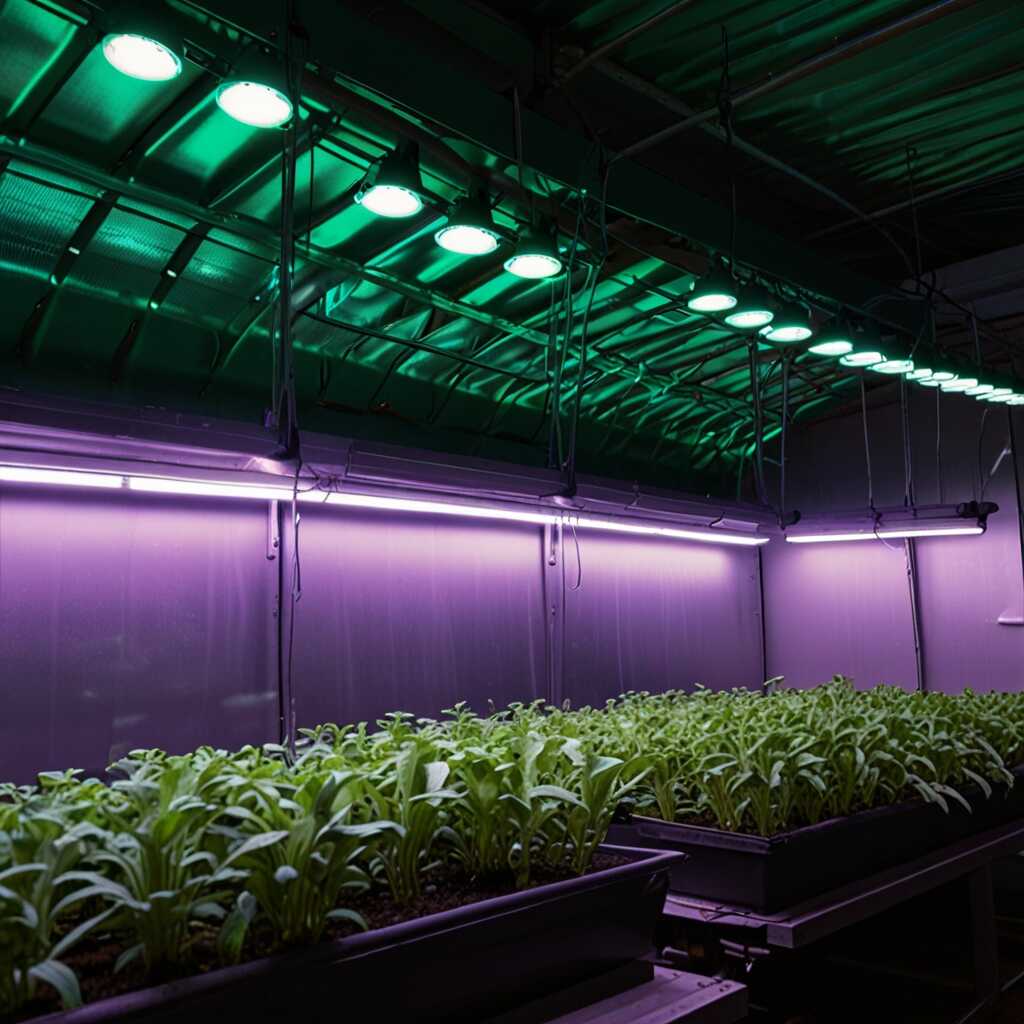
Adopting Sustainable Practices in Indoor Cannabis Growing
Home growers can adopt eco-friendly practices like using organic nutrients, implementing efficient lighting systems, and recycling materials. Organic nutrients provide essential elements for healthy growth while minimizing environmental impact. Sustainable lighting technologies, such as LED grow lights, enhance the efficiency of energy usage, supporting consistent flowering phases. An effective light schedule for cannabis plants typically consists of 12 hours of light followed by 12 hours of darkness during the flowering stage, ensuring maximum yield while conserving energy.
Best Organic Nutrients for Healthy Cannabis Growth
Choosing the best organic nutrients for cannabis growth significantly impacts plant health and flowering success. Organic fertilizers, such as compost and worm castings, improve soil structure and provide essential nutrients without harmful chemicals. These natural options enhance nutrient absorption and boost microbial activity in the soil, leading to robust growth. Additionally, organic options like fish emulsion provide a balanced nutrient profile that promotes flowering. Balancing nitrogen, phosphorus, and potassium in organic formulations supports healthy bud development. Regular monitoring of soil health ensures that the nutrients are effectively used, maximizing yield and sustainability.
Comparative Analysis of LED Lights vs Traditional Grow Lights
LED grow lights and traditional grow lights, such as high-pressure sodium (HPS) and metal halide, have distinct differences. LED lights offer higher energy efficiency and lower electricity costs. They consume less power while providing the essential light spectrum needed for each growth phase. Many LED models have adjustable light features, ensuring tailored lighting conditions, which helps enhance overall plant health and yield. In contrast, traditional lights typically generate more heat, increasing cooling requirements. Efficiency tests indicate that LED lights can save up to 50% on energy bills over a growing cycle compared to traditional lights.
Features and Benefits of LED Grow Lights
LED grow lights provide several unique features that enhance the cultivation performance of cannabis plants. Their adjustable spectrum allows growers to customize light wavelengths for specific growth stages, such as vegetative and flowering phases. This adaptability helps optimize photosynthesis and improves plant yields. Durability is another advantage; LED lights last up to 50,000 hours, compared to traditional bulbs, which average around 24,000 hours. Additionally, LED lights produce less heat, minimizing temperature fluctuations and reducing the need for extensive cooling systems. This reliability and performance make LED lights a very good choice for eco-conscious home growers.
Brands and Demographics for Light Solutions
- Brand A focuses on affordable lighting solutions, appealing to new home growers.
- Brand B offers high-end full-spectrum lights, attracting serious cultivators seeking maximum yields.
- Brand C produces energy-efficient LEDs, ideal for eco-conscious consumers prioritizing sustainability.
- Brand D caters to hobbyists with versatile products for various plant stages, making it user-friendly.
- Indoor gardeners often prefer brands with solid warranties, ensuring product reliability.
- Beginners benefit from brands providing easy-to-follow guidance and tutorials for best results.
- Experienced growers often invest in specialty brands that focus on advanced features for optimization.
Additional Resources for Improving Cannabis Growing Techniques
To enhance your cannabis cultivation skills, consider exploring various books and online courses. Notable titles include “The Cannabis Grow Bible” by Greg Green and “Marijuana Horticulture” by Jorge Cervantes. Websites like ICMag and Reddit’s r/cannabis growing forum provide reliable reviews and discussions on cultivation techniques and equipment. For optimal yield, cannabis plants should typically receive 12 hours of light and 12 hours of darkness during the flowering phase. Understanding this lighting schedule helps enhances growth and improves flower production.
Essential Tips for Selecting Quality Grow Lights
Choosing the right grow lights is crucial for indoor cannabis cultivation. LED grow lights are an excellent choice due to their energy efficiency and spectrum adaptability. Look for lights that offer a full spectrum of wavelengths, as they provide the best lighting conditions for the flowering phase. Reliable LED options can last over 50,000 hours, ensuring durability. Reviews from trustworthy cannabis equipment retailers can help you compare different models. Select lights designed to support your specific growing method, as this enhances reliability and improves plant health.