
Grow light height for indoor plants typically ranges from 6-36 inches above plant canopy, depending on light type and plant species. LED grow lights work best at 12-24 inches for most houseplants, while fluorescent lights need 6-12 inches placement. Proper positioning prevents light burn, promotes healthy growth, and maximizes energy efficiency for your indoor garden.
Understanding Grow Light Types and Their Optimal Positioning Requirements
Indoor gardening success depends heavily on choosing the right grow light type and positioning it correctly. The three primary categories include fluorescent lights (ideal for seedlings at 6-12 inches), HID lights (powerful but requiring 18-24 inches due to heat), and LED grow lights offering versatile positioning options. LED systems provide the most flexibility, operating effectively between 12-36 inches while consuming less energy and lasting over 50,000 hours. Each light type affects positioning strategy differently, with heat output being the primary limiting factor for closer placement. Understanding these differences enables better decision-making for your specific growing situation.
Selecting Grow Lights Based on Height Flexibility and Plant Needs
The best grow light choice balances height flexibility with plant requirements. LED grow lights excel here, offering adjustable positioning from 6 inches for seedlings to 36 inches for mature plants without excessive heat buildup. This versatility makes them ideal for mixed plant collections where different species require varying light intensities. Comprehensive grow light comparisons show that positioning flexibility directly correlates with growing success, especially when cultivating plants with different light needs simultaneously.
How Light Height Directly Controls Plant Growth Intensity
Light intensity decreases rapidly with distance following the inverse square law, making height adjustment crucial for plant development. Seedlings thrive under lower intensities (100-200 µmol/m²/s) achieved by positioning lights 18-24 inches away, while mature vegetables need higher intensities (600-900 µmol/m²/s) requiring 8-12 inch positioning. This relationship means doubling the distance quarters the light intensity, explaining why precise height adjustment dramatically impacts growth outcomes. Understanding this physics principle helps indoor gardeners optimize their setup for each growth stage.
Calculating Optimal Light Intensity Through Strategic Height Adjustment
Different plants require specific light intensities achievable through strategic height positioning. Basil plants flourish when lights provide 400-600 µmol/m²/s, typically achieved with LED lights positioned 12-18 inches above. Tomatoes demand higher intensities of 600-800 µmol/m²/s, requiring 8-12 inch positioning during flowering. Orchids prefer gentler lighting around 300-400 µmol/m²/s, best achieved at 18-24 inches. Performance analysis reveals that maintaining these specific height-to-intensity ratios significantly improves plant health and productivity.
Species-Specific Height Recommendations for Maximum Plant Health
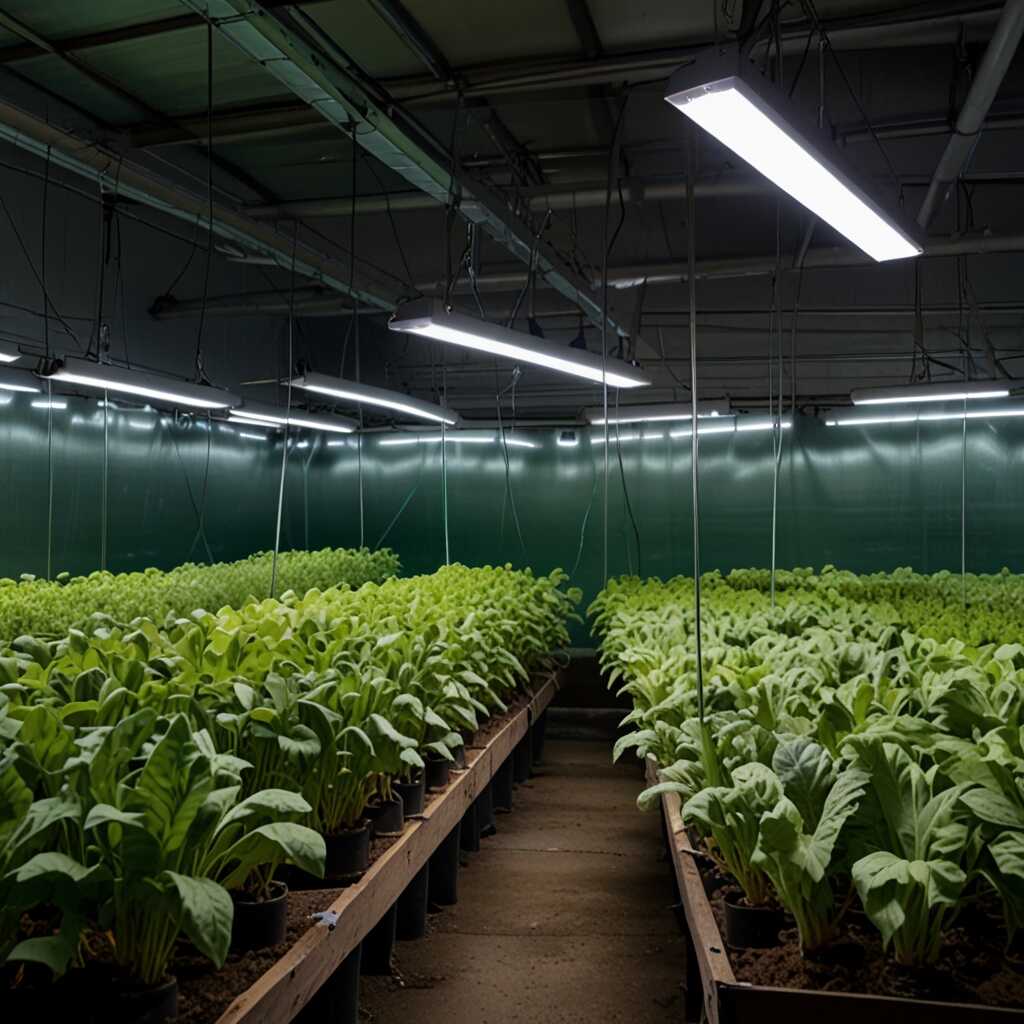
Optimal grow light height varies significantly based on plant species and their natural light preferences. Low-light plants like snake plants and pothos thrive with lights positioned 18-24 inches above, mimicking their natural understory environment. Medium-light plants including most leafy greens perform best at 12-18 inches, providing adequate photosynthesis without stress. High-light flowering plants such as tomatoes and peppers require 6-12 inch positioning to maximize bloom and fruit production. These recommendations ensure each plant receives appropriate light intensity while preventing heat damage or inadequate illumination.
Matching Light Height to Plant Categories for Optimal Results
Plant categorization by light needs simplifies height adjustment decisions. Succulents and cacti, being high-light plants, benefit from 6-12 inch positioning to simulate desert conditions. Tropical foliage plants typically prefer 12-18 inches, matching their natural filtered light environment. Flowering houseplants require 8-15 inches during bloom periods to support energy-intensive flower production. Understanding these categories allows gardeners to group plants with similar needs, creating efficient lighting zones within their growing space.
Quick Reference Guide for Common Indoor Plants
- Optimal grow light height typically ranges from 6-36 inches above plant canopy
- LED grow lights offer the most positioning flexibility due to low heat output
- Adjust light height every 1-2 weeks as plants grow taller
- Most houseplants thrive under 12-16 hours of daily light exposure
- Systematic testing methodology shows that regular distance measurements ensure consistent growing conditions
- Flowering plants generally need closer positioning during bloom periods
- Monitor plants daily for signs of stress requiring height adjustment
Recognizing Plant Stress Signals From Incorrect Light Heights
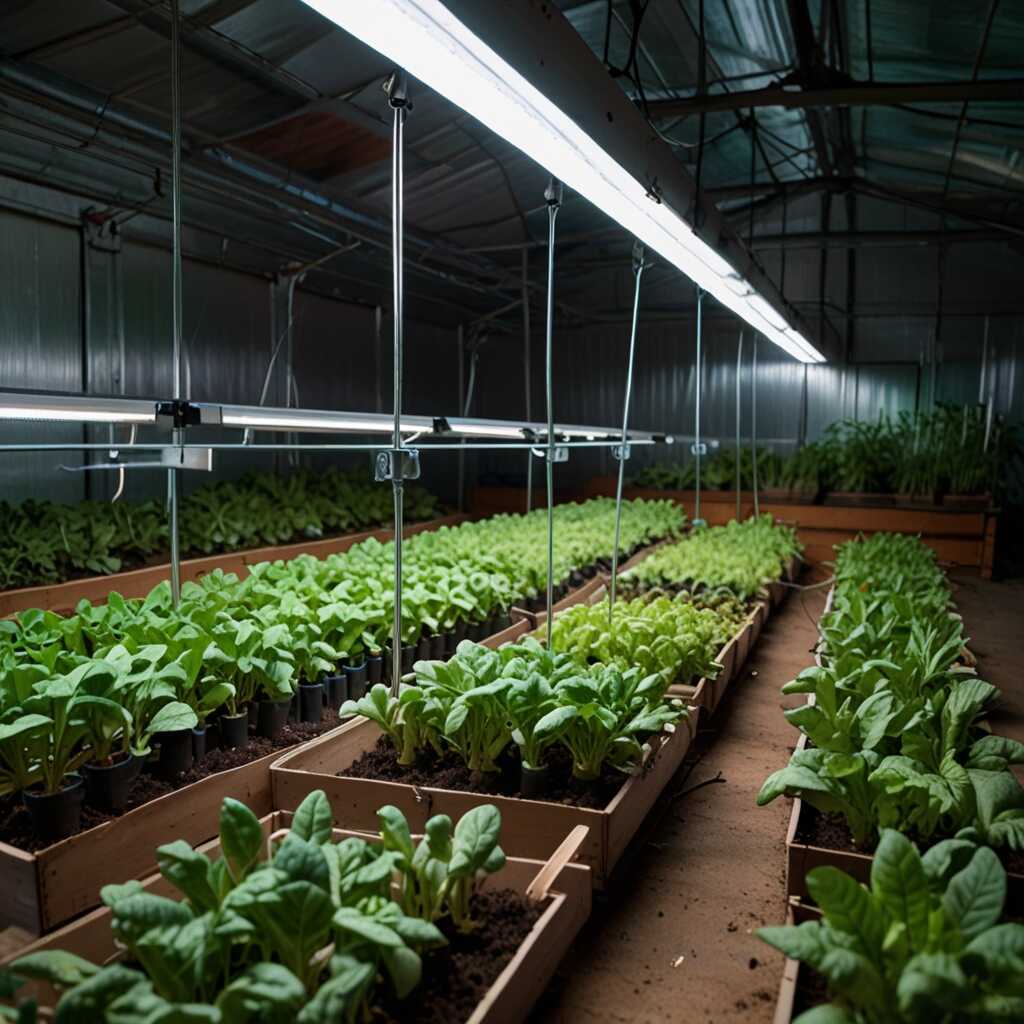
Plants communicate light height problems through visible stress signals that require immediate attention. Lights positioned too close cause leaf bleaching, brown tips, and crispy edges, particularly noticeable on tender new growth. Conversely, insufficient light from excessive height creates leggy growth, pale coloration, and elongated stems as plants stretch toward the light source. Each plant species exhibits unique stress patterns – succulents may develop reddish stress coloration when too close, while shade plants like ferns show immediate browning. Recognizing these signals early prevents permanent damage and guides proper height adjustment.
Understanding Plant-Specific Light Stress Responses
Different plant families exhibit distinct stress responses to improper light heights. Leafy greens like lettuce and spinach show rapid bolting when stressed by incorrect positioning, while flowering plants may drop buds or refuse to bloom. Woody plants such as herbs develop thick, waxy leaves when lights are too close, attempting to protect themselves from excessive intensity. Safety requirements include monitoring these responses closely, as some stress signals indicate potential plant loss if not corrected quickly.
Critical Factors Determining Proper Light Height Adjustment
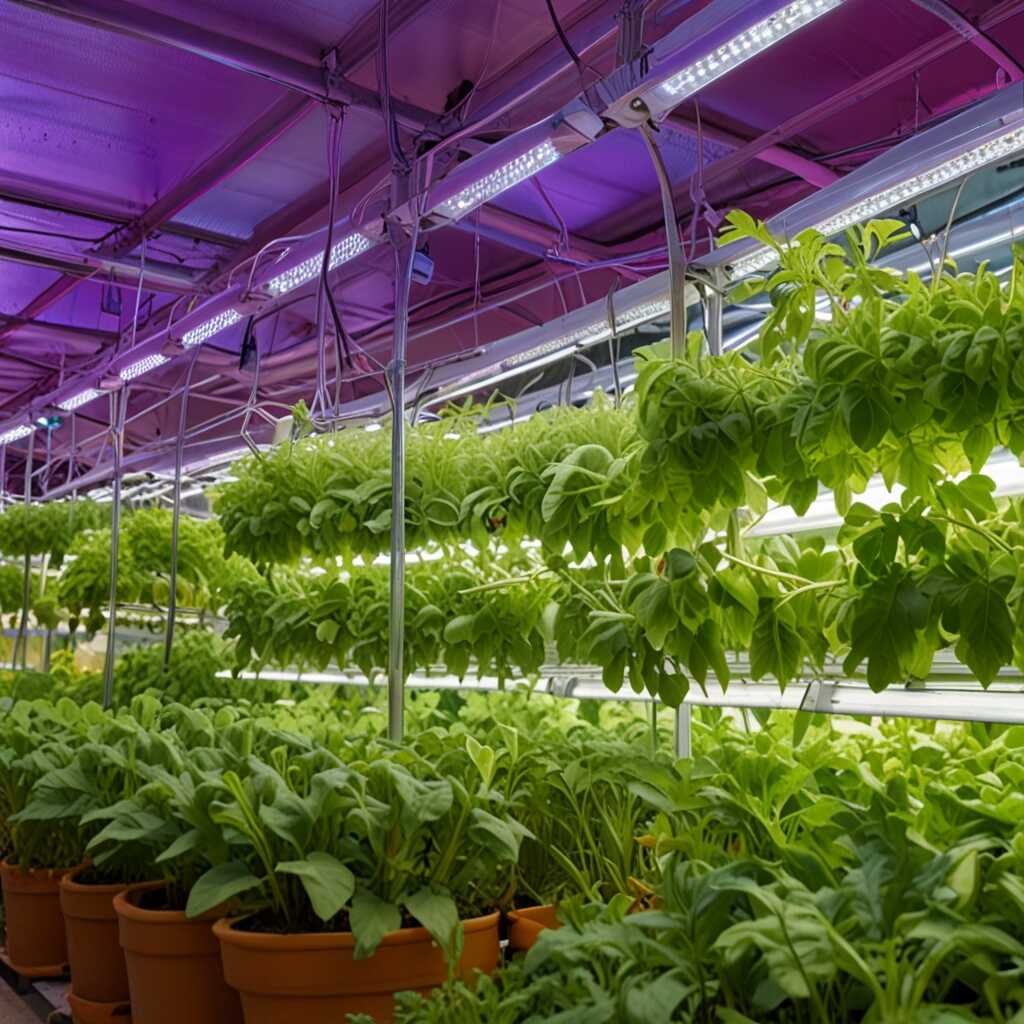
Several interconnected factors influence optimal grow light height decisions beyond simple plant type considerations. Growth stage significantly impacts requirements – seedlings need gentler lighting at greater distances, while mature plants tolerate closer positioning for increased intensity. Light wattage and beam angle affect coverage patterns, with higher-wattage units requiring greater distances to prevent heat stress. Environmental conditions including ambient temperature, humidity, and air circulation also influence how close lights can be positioned safely. Key attributes of effective grow lights include adjustable height mechanisms that accommodate these varying factors throughout the growing cycle.
Integrating Growth Stages With Strategic Light Positioning
Each growth phase demands specific light height adjustments for optimal development. Germination and early seedling stages benefit from 18-24 inches positioning to provide gentle illumination without inhibiting emergence. Vegetative growth phases allow closer positioning at 12-18 inches as plants develop stronger light tolerance. Flowering stages often require 8-12 inches to provide the intensive light energy needed for bloom and fruit production. However, these ranges must be adjusted based on specific plant varieties and environmental conditions, making observation and flexibility essential skills for successful indoor gardening.
Benefits of Mastering Light Height Optimization
- Proper light height prevents costly plant loss from light burn damage
- Optimal positioning reduces energy consumption while maximizing plant growth
- Correct height adjustment promotes stronger stems and more compact growth
- Strategic positioning enables better flowering and fruit production rates
- Efficient light use extends bulb lifespan and reduces replacement costs
- Well-positioned lights create more even canopy development across all plants
- Proper height management supports healthier root development and overall vigor
Balancing Light Duration With Height for Comprehensive Plant Care
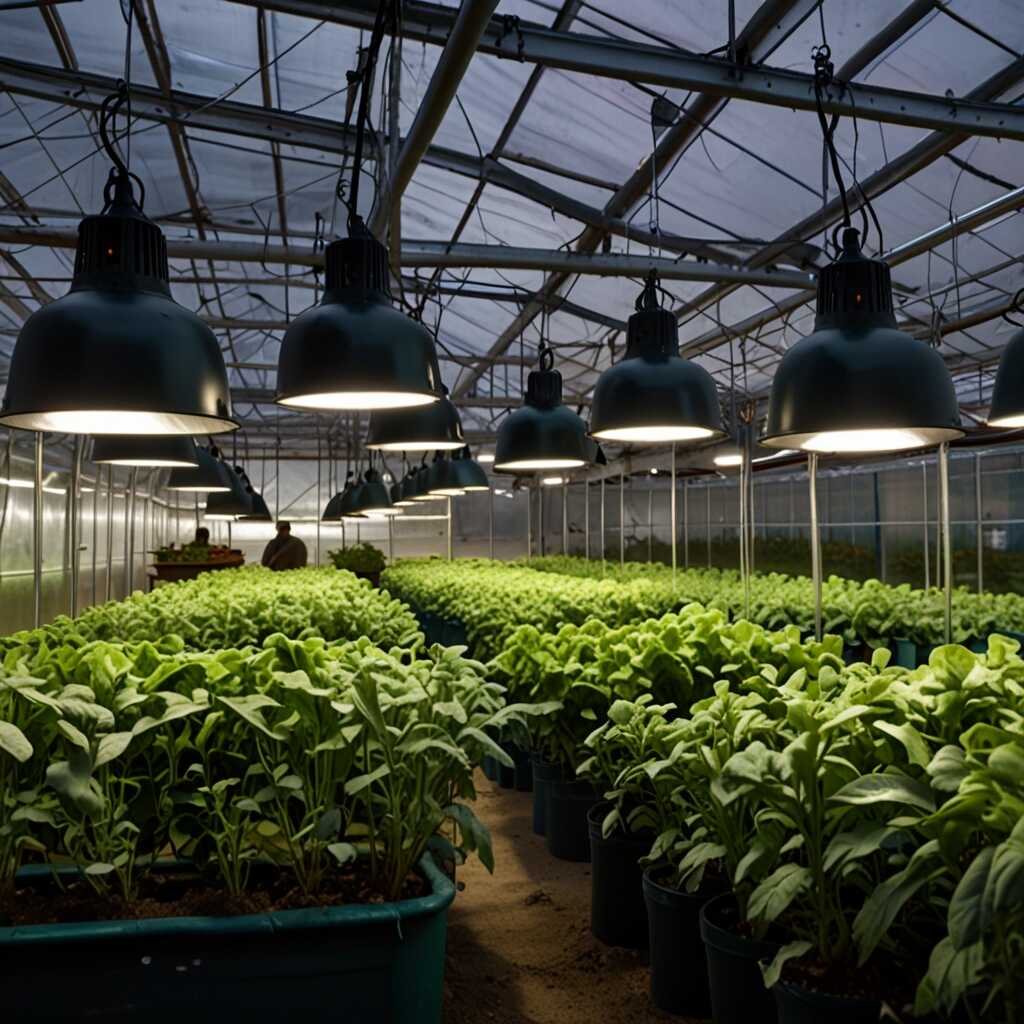
Light duration and height work together to determine total daily light exposure for indoor plants. Plants receiving adequate intensity from proper height positioning may need shorter daily photoperiods, while those at greater distances require longer exposure times to achieve the same photosynthetic benefit. Most houseplants thrive with 12-16 hours of daily light when positioned correctly, but this varies significantly by species. Succulents may need only 8-10 hours of intense, close positioning, while tropical plants often prefer 14-16 hours of moderate intensity from medium distances. Understanding this relationship allows fine-tuning of both factors for optimal results.
Coordinating Photoperiod Length With Strategic Height Management
Successful indoor gardening requires coordinating light duration with height positioning for each plant’s needs. Short-day plants like chrysanthemums need specific photoperiods regardless of height, but positioning affects the quality of those hours. Long-day plants such as most vegetables benefit from extended photoperiods when lights are positioned at moderate heights, typically 12-18 inches. Frequently asked questions reveal that many growers struggle with this balance, often focusing on one factor while neglecting the other.
Measuring Light Intensity to Determine Precise Height Requirements
Accurate light measurement tools eliminate guesswork in height positioning decisions. Light meters measure intensity in foot-candles or lux units, providing objective data for positioning decisions. Smartphone apps offer convenient, reasonably accurate measurements for home growers, while professional PAR meters provide precise readings for serious cultivators. These tools reveal how dramatically intensity changes with height adjustments – moving a light from 12 to 18 inches might reduce intensity by 50% or more. Regular measurement ensures plants receive consistent light levels as they grow and seasons change.
Implementing Technology for Precision Light Height Management
Modern light measurement technology enables precision height management previously impossible for home growers. Digital light meters provide instant feedback on intensity changes when adjusting height, allowing real-time optimization. Some advanced systems include smartphone connectivity, logging light levels throughout the day to identify optimal positioning patterns. Professional growers often use PAR meters measuring photosynthetically active radiation, the specific light spectrum plants use for growth. Price analysis shows that investing in quality measurement tools pays for itself through improved growing success and reduced plant losses.
Equipment Categories for Different Growing Scales
- Basic smartphone apps provide adequate accuracy for casual indoor gardeners
- Mid-range digital light meters offer professional-grade precision for serious hobbyists
- Professional PAR meters deliver laboratory-quality measurements for commercial operations
- Hydroponic gardeners often benefit from continuous monitoring systems with alerts
- Budget-conscious growers can achieve good results with simple foot-candle meters
- Advanced growers may prefer full-spectrum analyzers showing light quality distribution
- Beginner-friendly options include all-in-one environmental monitors with light measurement
Establishing Maintenance Routines for Consistent Light Height Management
Regular maintenance ensures grow lights maintain optimal height and performance throughout the growing season. Weekly height adjustments accommodate plant growth, typically raising lights 1-2 inches as plants mature. Monthly cleaning of light fixtures prevents dust accumulation that reduces intensity, potentially requiring closer positioning to compensate. Seasonal adjustments account for changing ambient light conditions, with winter months often requiring closer positioning or longer photoperiods. However, aggressive height changes can stress plants, so gradual adjustments over several days prevent shock. Consistent monitoring and gentle modifications support steady plant development.
Creating Systematic Approaches to Light Height Optimization
Systematic height management prevents common problems while ensuring optimal growing conditions. Establish weekly measurement schedules using consistent reference points on each plant to track growth and light requirements. Document height changes and plant responses in a growing journal, building knowledge for future adjustments. Create seasonal schedules accounting for changing daylight and ambient conditions that affect indoor light needs. Final verdict from experienced growers emphasizes that consistent, gradual adjustments produce better results than dramatic changes, even when measurements suggest larger modifications are needed.
Avoiding Common Light Height Mistakes That Harm Plant Development
The most frequent light height mistake involves positioning lights too close initially, causing immediate stress and stunted growth. Many beginners assume closer always means better, but this ignores heat buildup and light burn potential. Another common error involves failing to adjust height as plants grow, leading to progressively inadequate lighting and leggy development. Some growers position lights too far away to avoid heat issues, but this creates weak, pale plants struggling to photosynthesize effectively. Additionally, using the same height for all plants ignores species-specific requirements, potentially optimizing for one plant while harming others.
Learning From Typical Indoor Growing Errors
Understanding common height positioning errors helps prevent expensive mistakes and plant losses. New growers often forget that light intensity decreases rapidly with distance, leading to inadequate illumination when playing it safe. Others focus solely on avoiding heat damage while ignoring the photosynthetic needs of their plants. Seasonal adjustments are frequently overlooked, with growers maintaining summer positioning throughout winter when plants need different support. The key lies in balanced approach – close enough for adequate intensity, far enough to prevent stress, with regular adjustments based on plant response rather than rigid formulas.