
Daily Light Integral (DLI) calculation determines how much photosynthetically active radiation your crops receive daily, measured in mol/m²/day. Most greenhouse crops require 12-25 mol/m²/day for optimal growth and productivity. Commercial growers use the formula DLI = PPFD × photoperiod × 3.6 / 1,000,000 to calculate precise lighting requirements for enhanced yields.
Defining Daily Light Integral in Plant Cultivation
Daily Light Integral (DLI) refers to the total amount of photosynthetically active radiation (PAR) that plants receive over a complete 24-hour period. This measurement, expressed in moles per square meter per day (mol/m²/day), is crucial because it determines your crops’ photosynthetic potential and growth capacity. Different crop types have distinct light requirements that directly influence their development and yields. Leafy green vegetables like spinach and lettuce typically require a DLI range of 12-18 mol/m²/day for healthy growth. Understanding DLI helps greenhouse managers and commercial growers optimize their lighting conditions systematically, ensuring productive plants while managing energy costs effectively.
Understanding Light Requirements for Various Crops
Light requirements vary significantly across different crop categories, making DLI calculation essential for targeted growing strategies. Leafy greens like lettuce, spinach, and herbs usually thrive with lower DLI values between 12-16 mol/m²/day, whereas fruiting crops such as tomatoes and peppers require substantially higher levels ranging from 20-30 mol/m²/day. Intermediate crops including bell peppers and strawberries typically need 15-20 mol/m²/day for optimal fruit development. Growth stage considerations also affect these requirements, as seedlings generally need only 4-8 mol/m²/day while mature flowering plants demand peak DLI levels. Performance analysis of grow lights shows how quality LED systems can deliver consistent DLI values throughout different growth phases, enabling growers to meet specific crop requirements efficiently.
Essential DLI Calculation Formulas and Methods
The fundamental formula for calculating Daily Light Integral is: DLI = PPFD × photoperiod × 3.6 / 1,000,000. In this equation, PPFD represents Photosynthetic Photon Flux Density measured in micromoles per square meter per second (μmol/m²/s), while photoperiod indicates the duration of light exposure in hours. The conversion factor 3.6 accounts for the time unit conversion from seconds to hours, and dividing by 1,000,000 converts micromoles to moles. For example, if your grow lights provide 400 μmol/m²/s PPFD for 16 hours daily, the calculation becomes: DLI = 400 × 16 × 3.6 / 1,000,000 = 23.04 mol/m²/day. This DLI level suits most fruiting crops like tomatoes and cucumbers perfectly for robust growth and high yields.
Practical Calculation Examples for Common Crops
Understanding practical DLI calculations helps growers make informed lighting decisions for specific crops. For leafy greens requiring 14 mol/m²/day with 12-hour photoperiods, the required PPFD equals: 14 × 1,000,000 / (12 × 3.6) = 324 μmol/m²/s. Similarly, tomatoes needing 25 mol/m²/day over 16 hours require: 25 × 1,000,000 / (16 × 3.6) = 434 μmol/m²/s PPFD. These calculations enable precise lighting system selection and configuration. Most commercial quantum sensors measure PPFD accurately, allowing growers to verify their lighting delivers target DLI values consistently. Testing methodology reviews demonstrate how reliable measurement equipment ensures accurate DLI calculations for optimal crop management.
Key Factors That Affect DLI Requirements
Several critical factors influence DLI requirements for successful crop cultivation. Plant species represents the primary determinant, as leafy vegetables like lettuce require significantly less light than fruiting plants such as tomatoes or peppers. Growth stages also play essential roles in determining light needs, with seedlings typically requiring 4-10 mol/m²/day while mature flowering plants often need 15-25 mol/m²/day or higher. Environmental variables including temperature, humidity, and CO2 levels further influence how effectively plants utilize available light energy. Higher temperatures can increase photosynthetic rates, potentially requiring adjusted DLI levels for optimal growth. Understanding these interconnected factors helps commercial growers and greenhouse managers tailor their lighting strategies precisely, ensuring maximum efficiency and crop performance throughout different growing seasons.
Impact of Growth Stages on Light Requirements
Growth stages significantly influence DLI calculations and lighting management strategies. Seedlings and young plants typically require lower DLI values, usually between 4-10 mol/m²/day, to prevent light stress and encourage healthy root development. Vegetative growth stages demand moderate increases to 12-18 mol/m²/day for most crops, supporting robust leaf and stem development. Flowering and fruiting stages represent peak light demand periods, with crops like tomatoes requiring 20-30 mol/m²/day to support fruit development successfully. Cucumber plants may need 18-24 mol/m²/day during their productive phases. Advanced DLI monitoring systems help growers track and adjust lighting throughout these critical growth transitions, ensuring plants receive appropriate light levels for each developmental stage while optimizing energy consumption efficiency.
Effective Methods to Measure Daily Light Integral
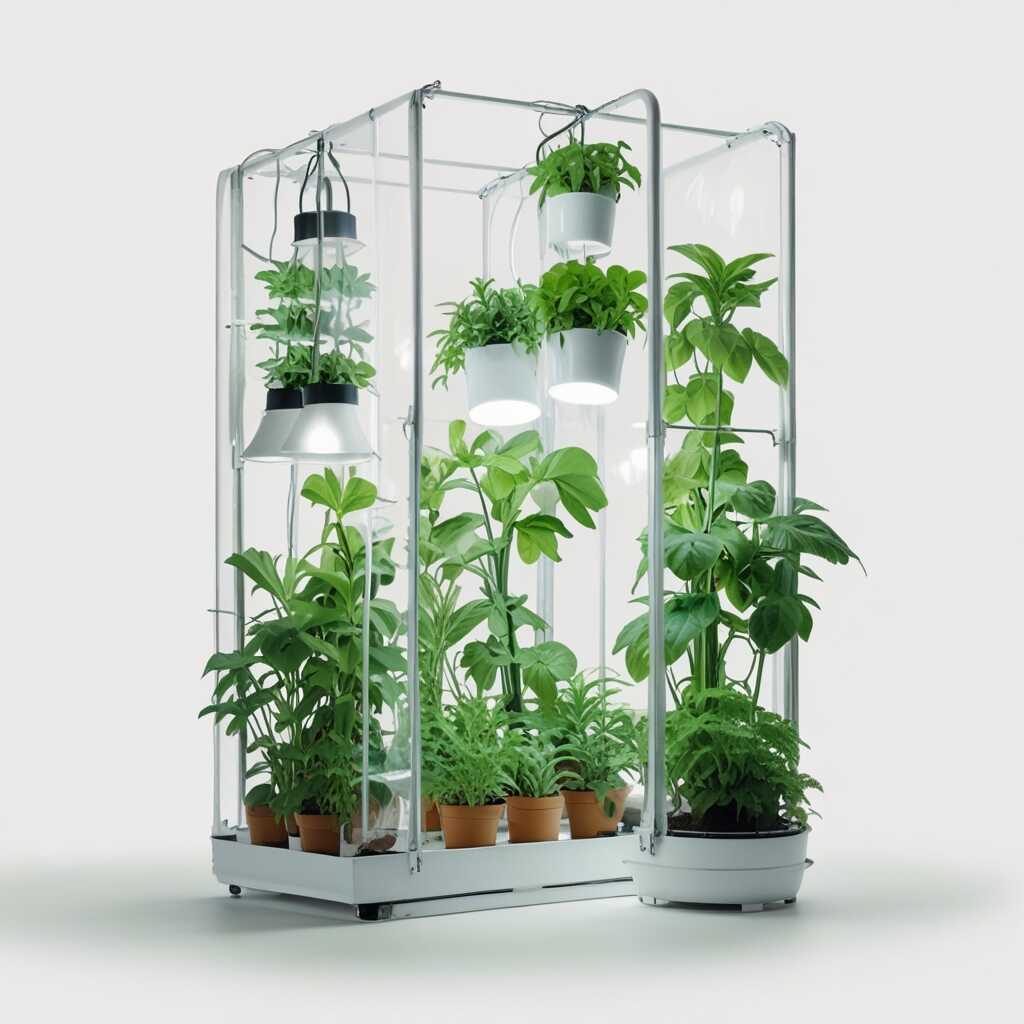
Measuring Daily Light Integral accurately requires specialized equipment and systematic approaches for reliable results. Quantum sensors, also known as PAR meters, provide the most accurate measurements of photosynthetically active radiation in the 400-700 nanometer wavelength range. These instruments measure instantaneous PPFD values that, when integrated over time, yield precise DLI calculations. Data loggers enhance the measurement process by continuously recording light intensity throughout 24-hour periods, enabling automatic DLI computation. Professional-grade quantum sensors typically cost between $300-1,500, depending on accuracy and features. Calibration procedures ensure measurement reliability, with most sensors requiring annual recalibration for commercial applications. Proper sensor placement at canopy level provides representative readings that reflect actual light conditions experienced by your crops during their growth cycles.
Best Practices for DLI Testing in Greenhouses
Implementing effective DLI testing protocols in greenhouse environments requires strategic sensor placement and consistent monitoring procedures. Position quantum sensors at plant canopy height, adjusting their location as crops grow to maintain accurate readings throughout the growing cycle. Take measurements at multiple locations within your growing area to account for potential light uniformity variations. Data logging systems should record readings every 15-30 minutes to capture natural light fluctuations and artificial lighting patterns accurately. Reviewing key attributes of measurement equipment helps ensure your monitoring setup provides reliable data for informed lighting decisions. Regular equipment calibration and sensor cleaning maintain measurement accuracy, enabling precise DLI tracking for optimal crop management and energy efficiency.
Essential Numeric Insights for Plant Lighting
- Most greenhouse crops require DLI ranges between 10-25 mol/m²/day for optimal growth and productivity.
- Leafy greens like lettuce and spinach typically thrive with 12-16 mol/m²/day DLI values.
- Fruiting plants including tomatoes and peppers usually need 20-30 mol/m²/day for successful harvests.
- Seedlings generally require only 4-8 mol/m²/day to prevent light stress during establishment phases.
- Professional quantum sensors provide accuracy within ±5% when properly calibrated for reliable measurements.
- Natural sunlight can provide 20-60 mol/m²/day depending on season, latitude, and weather conditions.
- Supplemental lighting typically operates 12-18 hours daily to achieve target DLI levels efficiently.
Adjustments for Varied Crop Lighting Needs
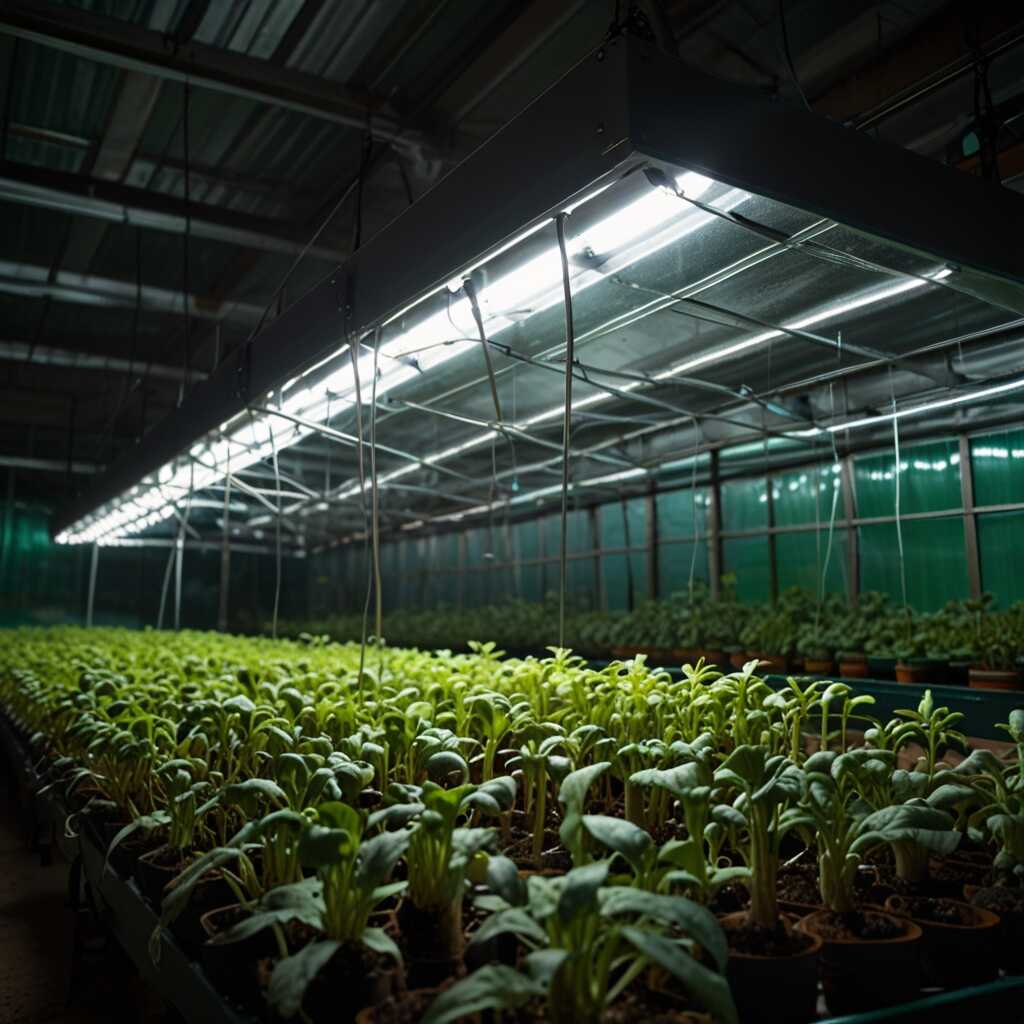
Successful crop lighting adjustments begin with understanding specific DLI requirements for each plant variety in your growing operation. High-light crops like tomatoes, peppers, and cucumbers typically require 20-35 mol/m²/day, while herbs and leafy greens thrive with 12-18 mol/m²/day. Adjust your lighting systems by modifying light intensity, duration, and positioning to achieve target DLI values effectively. Strawberry production often benefits from 15-20 mol/m²/day, while microgreens may only need 8-12 mol/m²/day. Comparing different grow light options helps identify systems capable of delivering precise DLI levels for diverse crop requirements. Uniform light distribution across your growing area ensures consistent DLI delivery, enhancing overall crop quality and yield potential.
Understanding Optimal Light Conditions for Different Crop Types
Optimizing light conditions requires matching DLI delivery to specific crop characteristics and growth objectives. Tomato cultivation typically demands 25-35 mol/m²/day during fruiting stages, while pepper plants often thrive with 20-28 mol/m²/day throughout their productive cycles. Cucumber growing benefits from 18-25 mol/m²/day, depending on variety and growing conditions. Product reviews of LED grow lights highlight systems capable of delivering these precise DLI requirements efficiently. Position lighting fixtures 12-24 inches above plant canopies, adjusting height as crops develop to maintain optimal PPFD levels. Monitor crop responses to lighting adjustments, as visual indicators like leaf color and growth rate provide valuable feedback for fine-tuning your DLI delivery strategy.
Advantages of Optimizing Daily Light Integral
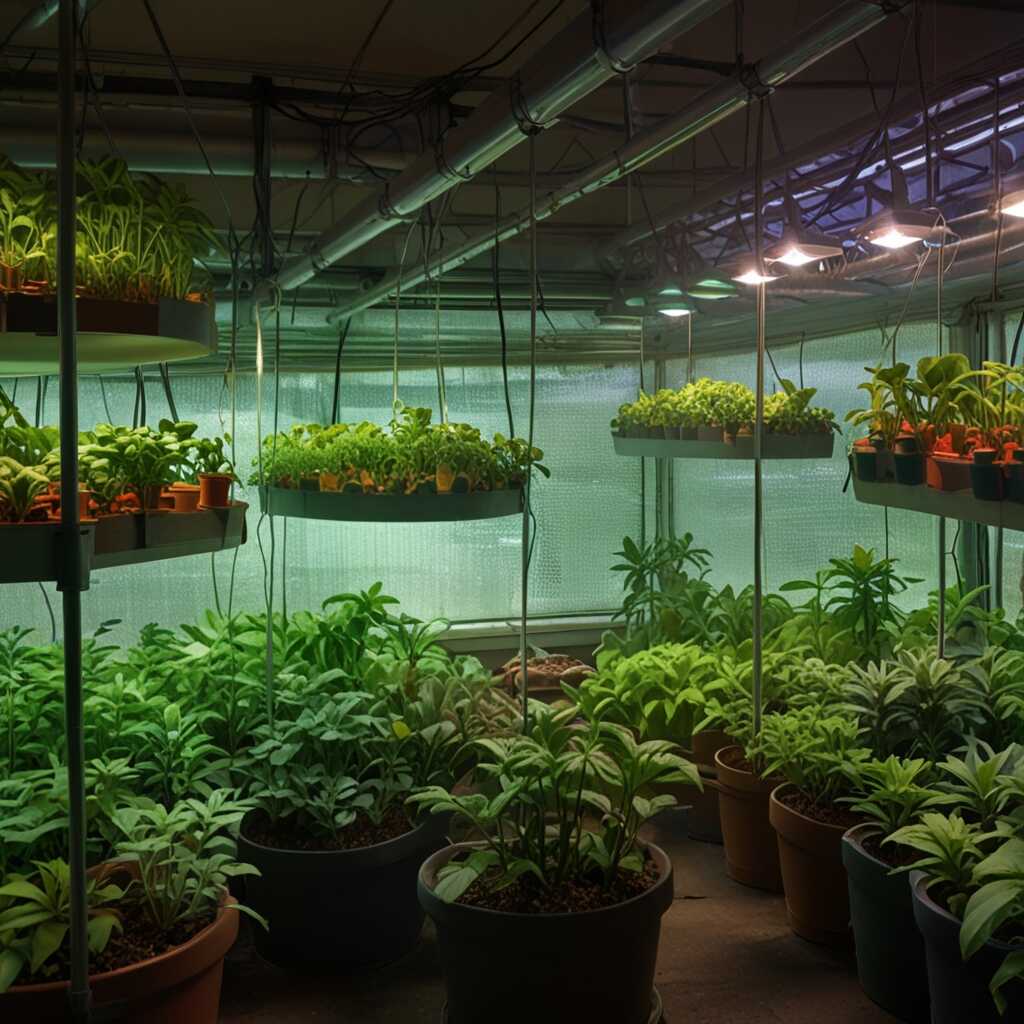
Optimizing Daily Light Integral provides substantial benefits for both crop performance and operational efficiency in controlled environment agriculture. Proper DLI management enhances crop yield potential by ensuring plants receive adequate light energy for photosynthesis throughout their growth cycles. Research indicates that crops receiving optimal DLI can achieve 20-40% higher yields compared to those grown under inadequate or excessive lighting conditions. Energy consumption efficiency improves significantly when growers calibrate their lighting systems to deliver precise DLI levels, potentially reducing electricity costs by 25-45%. Greenhouse light management strategies that incorporate DLI optimization create consistent growing conditions, supporting predictable harvest schedules and improved crop quality standards essential for commercial success.
Maximizing Light Efficiency Through Technology
Modern LED grow light technology enables precise DLI optimization through programmable spectrum and intensity controls. These advanced systems allow growers to adjust light delivery based on crop growth stages, potentially increasing photosynthetic efficiency by 15-30% compared to traditional lighting approaches. Full-spectrum LED fixtures provide balanced light ratios that support healthy plant development while maintaining energy efficiency. Final verdict assessments of grow light systems consistently show that DLI-optimized operations achieve superior crop quality and resource utilization. Automated lighting controls can maintain target DLI levels throughout varying natural light conditions, ensuring consistent plant performance regardless of weather or seasonal changes affecting greenhouse environments.
Advantages of Understanding Lighting Needs for Crops
- Accurate DLI calculation increases crop yields by 20-40% compared to unoptimized lighting approaches.
- Understanding specific light requirements helps achieve ideal growing conditions for diverse plant varieties.
- Optimized lighting systems reduce energy consumption by 25-45% while maintaining crop quality standards.
- Proper DLI management prevents common problems like plant stretching and weak stem development.
- Consistent light delivery promotes faster growth rates and more predictable harvest timing.
- Effective DLI optimization improves plant resilience against environmental stresses and disease pressure.
- Strategic lighting management supports sustainable farming practices that minimize environmental impact.
Understanding Grow Lights’ Role in DLI Fulfillment
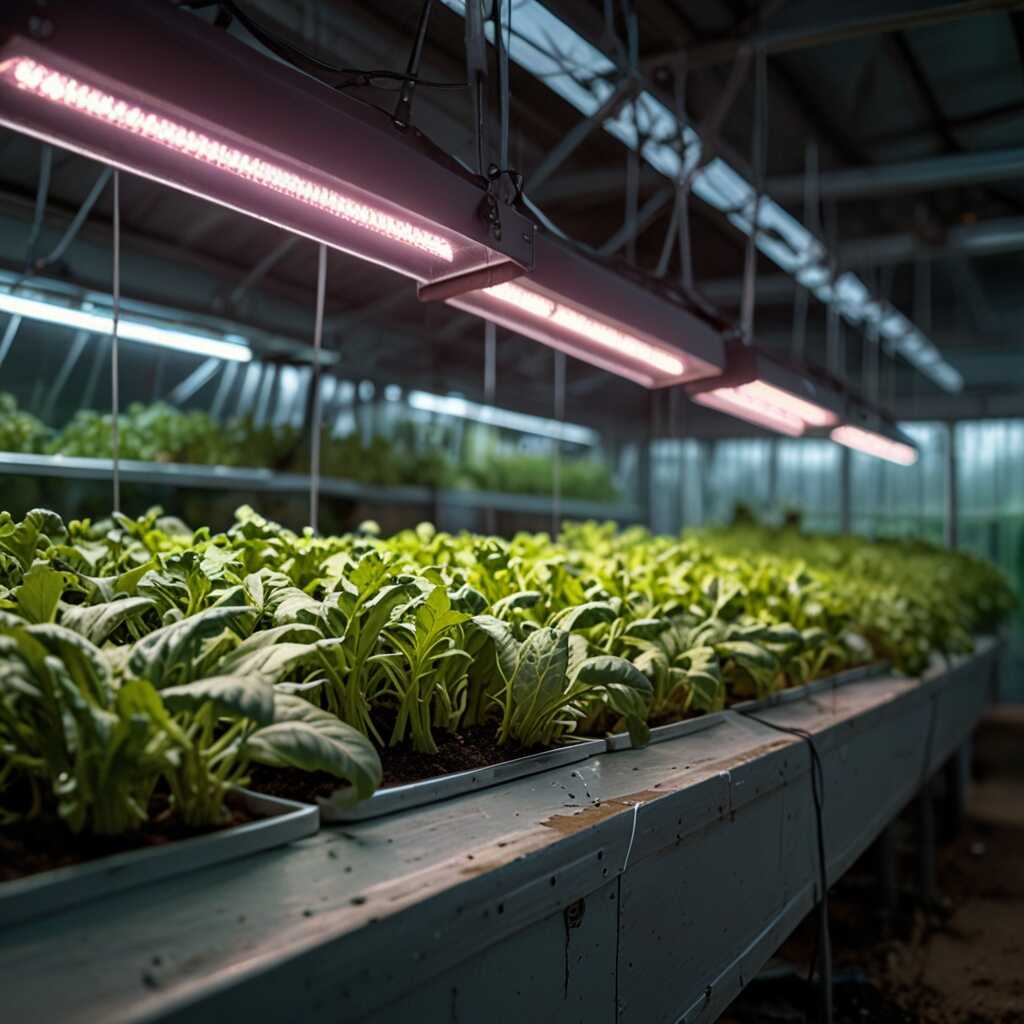
Different grow light technologies offer varying capabilities for achieving target DLI levels in controlled environment agriculture. LED grow lights provide the most precise DLI control through adjustable intensity and spectrum settings, typically delivering 200-800 μmol/m²/s PPFD efficiently. High-pressure sodium (HPS) lights generate higher heat output but can provide substantial PPFD levels ranging from 300-1000 μmol/m²/s for large-scale operations. Fluorescent lighting systems work well for low-DLI crops, delivering 100-300 μmol/m²/s suitable for leafy greens and herbs. Each technology type offers distinct advantages for DLI fulfillment based on crop requirements, growing space constraints, and energy efficiency priorities. Understanding these characteristics helps growers select appropriate lighting solutions that meet their specific DLI targets cost-effectively.
Comparing Grow Light Types for Crop DLI Needs
Evaluating grow light performance for DLI applications requires considering both photon output capabilities and operational efficiency factors. LED systems typically achieve 2.0-2.8 μmol/J efficacy, enabling precise DLI delivery with lower energy consumption compared to traditional technologies. HPS fixtures often provide 1.3-1.7 μmol/J efficacy but excel in delivering high PPFD levels needed for light-demanding crops requiring 25+ mol/m²/day. Safety requirements for grow light installations ensure reliable operation throughout extended photoperiods needed for DLI fulfillment. Professional-grade LED systems can maintain consistent output for 50,000+ hours, reducing maintenance requirements while delivering stable DLI levels. Consider both initial investment costs and operational expenses when selecting lighting technology for your specific DLI requirements and crop production goals.
Avoiding Common Pitfalls in DLI Calculations
Several common errors can compromise DLI calculation accuracy and lead to suboptimal growing conditions. One frequent mistake involves using incorrect PPFD values due to improper sensor placement or inadequate measurement equipment calibration. Light intensity decreases rapidly with distance, so measurements taken too far from the canopy level provide inaccurate readings for DLI calculations. Another critical error occurs when growers fail to account for light uniformity variations across their growing area, leading to inconsistent DLI delivery. Using inappropriate conversion factors or mixing measurement units (such as confusing lux with PPFD) also produces incorrect results. Additionally, neglecting to consider natural light contributions in greenhouse environments can result in overestimating artificial lighting requirements, leading to unnecessary energy consumption and potential light stress in crops.
Understanding Light Source Types and Their Impact
Different light sources require specific considerations for accurate DLI calculations and optimal crop performance. LED grow lights typically provide stable PPFD output throughout their operational lifespan, enabling consistent DLI delivery with minimal degradation over time. HPS lamps experience gradual output decline, typically losing 10-20% intensity after 10,000 hours of operation, requiring regular monitoring and replacement scheduling. Fluorescent systems often exhibit uneven light distribution patterns that can create DLI variations across growing areas if not properly planned. Understanding warranty terms for grow lights helps ensure reliable performance throughout their expected lifespan. Always verify actual PPFD output using calibrated quantum sensors rather than relying solely on manufacturer specifications, as real-world performance can vary from published ratings.
Target Audiences for Effective Crop Lighting Solutions
- Commercial greenhouse growers seeking to maximize crop yields and operational profitability through precise lighting management.
- Controlled environment agriculture managers implementing DLI optimization strategies for diverse crop production systems.
- Horticulture educators teaching advanced plant lighting principles and practical DLI calculation methods to students.
- Urban agriculture pioneers developing efficient growing systems for local food production in space-limited environments.
- Indoor gardening enthusiasts wanting to achieve professional-quality results with their home growing operations.
- Agricultural research institutions studying plant responses to varying light conditions and developing innovative growing techniques.
- Sustainability advocates promoting energy-efficient growing practices that reduce environmental impact while maximizing productivity.
Innovations Shaping the Future of Agricultural Lighting
Emerging technologies in agricultural lighting focus on intelligent DLI management systems that automatically adjust light delivery based on real-time crop needs and environmental conditions. Smart lighting platforms integrate quantum sensors, weather data, and crop growth models to optimize DLI delivery throughout growing cycles. Companies like Signify (formerly Philips Lighting) and Fluence Bioengineering lead developments in precision lighting control systems that can maintain target DLI levels while minimizing energy consumption. Price analysis of advanced lighting systems shows that initial investments in smart DLI technology typically pay for themselves through improved yields and reduced operating costs within 2-3 growing seasons. These innovations enable commercial growers to achieve unprecedented precision in light management while supporting sustainable agricultural practices.
Advancements in LED Grow Light Reliability and Performance
Modern LED grow light technology has revolutionized DLI delivery capabilities through improved efficiency and reliability features. Current-generation LED systems achieve photon efficacy levels exceeding 2.8 μmol/J while maintaining stable output for 60,000+ operational hours. Advanced thermal management designs prevent performance degradation and ensure consistent DLI delivery throughout extended growing seasons. Programmable spectrum control allows growers to optimize light quality for specific crop requirements while maintaining target DLI levels efficiently. Research demonstrates that plants grown under precisely controlled LED lighting with optimized DLI can achieve 30-50% higher productivity compared to traditional lighting approaches. Frequently asked questions about grow lights address common concerns about LED performance and DLI optimization strategies for various growing applications and crop types.