
In “Comparing Bar-Style and Panel LED Grow Lights for Greenhouses,” you will discover how these two lighting options differ. Understanding their features helps greenhouse gardeners choose the right fit for their plants. Green Writer promotes sustainable gardening practices, highlighting the benefits of LED grow lights for energy efficiency and plant growth. Explore the advantages of each style to make an informed decision that supports eco-friendly living.
Introduction to LED Grow Light Technology for Gardens
LED grow light technology is an advanced lighting solution that uses light-emitting diodes to support plant growth. This technology has evolved significantly since its introduction, moving from basic red and blue spectrum lights to full-spectrum options that enhance growth at all stages. LED grow lights offer many advantages over traditional lighting systems, including energy efficiency, longer lifespan, and reduced heat output. Users can expect to see savings on energy bills while promoting healthy plant growth. Research shows that by 2025, LED lighting efficiency will peak due to ongoing advancements in technology and design.
Key Features of LED Grow Lights
LED grow lights include several key features that enhance their performance in gardening applications. They are designed to provide a full spectrum of light, closely mimicking natural sunlight. High-quality LEDs offer energy efficiency, enabling substantial power savings. Many feature adjustable intensity levels to cater to different plant needs. These lights are also renowned for their durability, lasting up to 50,000 hours. Consequently, they require fewer replacements compared to traditional bulbs. Reliable testing of LED grow lights has proven that they significantly improve plant health and yield for both amateur and professional gardeners.
Key Advantages of Bar-Style LED Grow Lights for Greenhouses
Bar-style LED grow lights offer numerous benefits for greenhouse applications. They provide excellent light distribution, ensuring that plants receive uniform light coverage. Their design allows for efficient energy consumption savings, making them a cost-effective choice for long-term use. Many reviews indicate that bar-style lights enhance plant growth performance compared to traditional lighting. Research shows they produce less heat, reducing the need for cooling systems. This leads to a more comfortable environment for plant cultivation. In optimal conditions, the average lifespan of these lights can exceed 50,000 hours. This durability enhances their reliability for greenhouse gardening.
Enhanced Light Distribution and Coverage
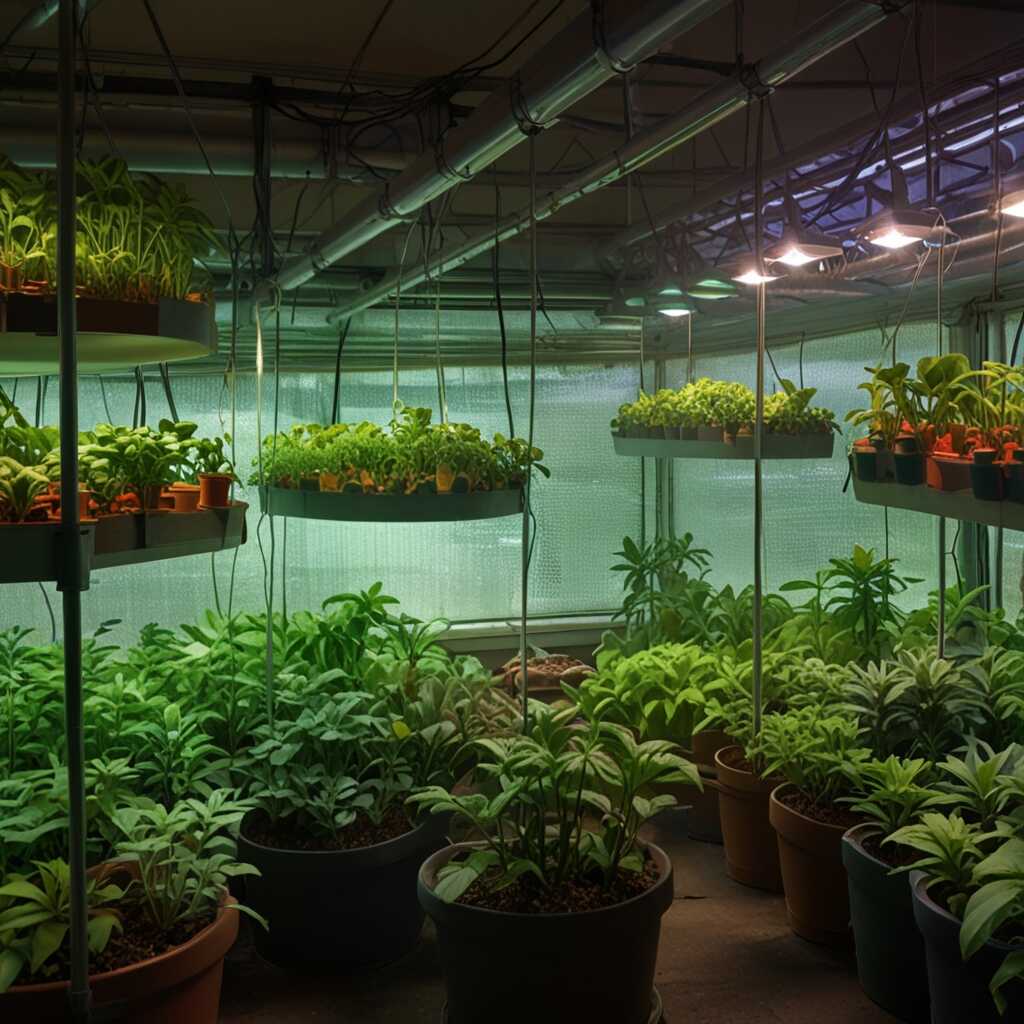
Bar-style LED grow lights are designed to provide optimal light distribution. Their elongated shape allows for broader coverage across plant rows. This helps to minimize shadowing, ensuring every plant receives adequate light intensity. Studies reveal that improved light distribution leads to better photosynthesis rates and more robust plant growth. With adjustable light angles, these lights can easily target specific plant types. This adaptability enhances their effectiveness in diverse greenhouse environments. The ability to maintain a consistent light spectrum also supports various growth stages. Thus, bar-style LED grow lights deliver comprehensive support for all planting needs.
Comprehensive Features of Panel LED Grow Lights
Panel LED grow lights provide unique features that significantly impact plant growth. Their design enhances light distribution, ensuring uniform coverage across the greenhouse. This helps prevent uneven growth among plants. Because panel lights typically have a larger surface area, they deliver a broad spectrum of light, which supports different plant growth stages. These lights are energy efficient, consuming less power while providing high lumen output. Research shows that plants exposed to panel lights experience improved photosynthesis rates and healthier growth. Specific greenhouse crops, such as leafy greens and herbs, particularly benefit from this efficient setup due to their need for consistent light levels.
Advantages of Panel LED Grow Lights for Specific Crop Types
Panel LED grow lights have proven to be exceptionally effective for a range of greenhouse crops. Leafy greens like lettuce and spinach thrive under these lights because the even light distribution promotes rapid, even growth. Herbs, such as basil and cilantro, also flourish, benefiting from the full spectrum of light provided, which enhances their aroma and flavor. Additionally, flowering plants like tomatoes and peppers can gain improved yields when grown under panel LED systems. The design of these lights allows them to penetrate deeper into the plant canopy, optimizing light absorption and overall crop performance.
Key Numerical Insights on Grow Light Options
- Bar-style LED lights generally consume around 100-150 watts.
- Panel LED grow lights typically use about 200-300 watts.
- Bar-style models can last up to 50,000 hours or more.
- Panel options provide 50% more light coverage compared to similar wattage bar-style lights.
- Plants can produce yields up to 30% higher under effective lighting.
- Bar-style lights are often lighter, weighing around 10-15 pounds each.
- Panel lights can weigh between 25-35 pounds, affecting installation options.
Energy Usage and Long-Term Cost Analysis for Grow Lights
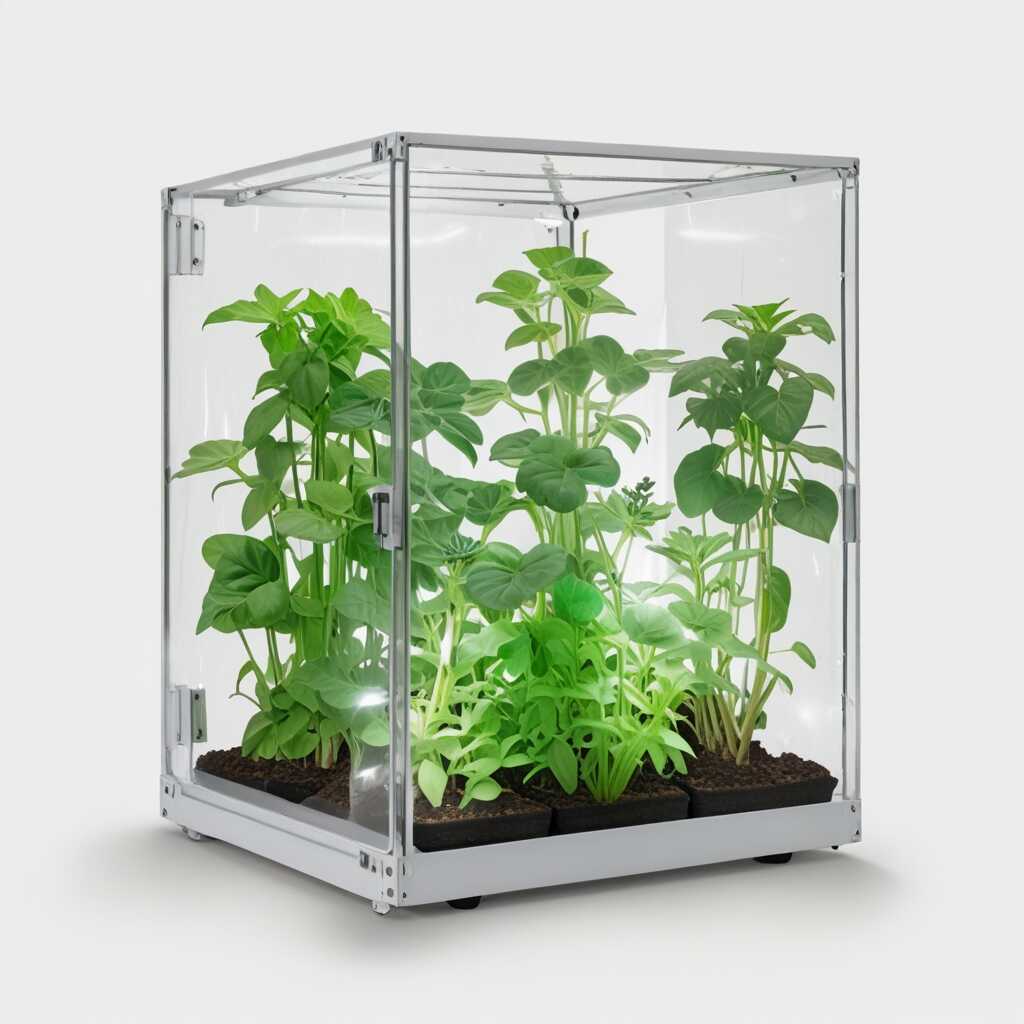
Bar-style LED grow lights typically consume around 100 to 200 watts, depending on their size and design. In contrast, panel LED grow lights usually range from 150 to 300 watts. When considering long-term costs, factors like electricity rates, light intensity needs, and the grow light’s expected lifespan must be taken into account. For example, if the average cost of electricity is $0.12 per kWh, a 200-watt bar-style light operating for 12 hours a day would cost approximately $8.76 per month, whereas a 300-watt panel light would cost around $13.14 monthly. This analysis is crucial for budget-conscious gardeners to make the best decision for their greenhouse needs.
Detailed Cost Analysis of Bar-Style vs. Panel LED Grow Lights
When evaluating the cost of bar-style and panel LED grow lights, consider both initial purchase prices and energy expenses over time. For instance, a bar-style light might be priced at $150, while a panel typically costs around $250. Assuming both types have a lifespan of 50,000 hours, this translates to approximately 5.7 years of use. Over this period, the total energy cost for the bar-style light would be about $662, while the panel light could total around $945. This makes the bar-style light not only cheaper to purchase but also more cost-effective in the long run. Such reliable data emphasizes the importance of choosing the right type of grow light to optimize both performance and energy efficiency in your greenhouse.
Light Spectrum Effectiveness for Optimal Plant Growth
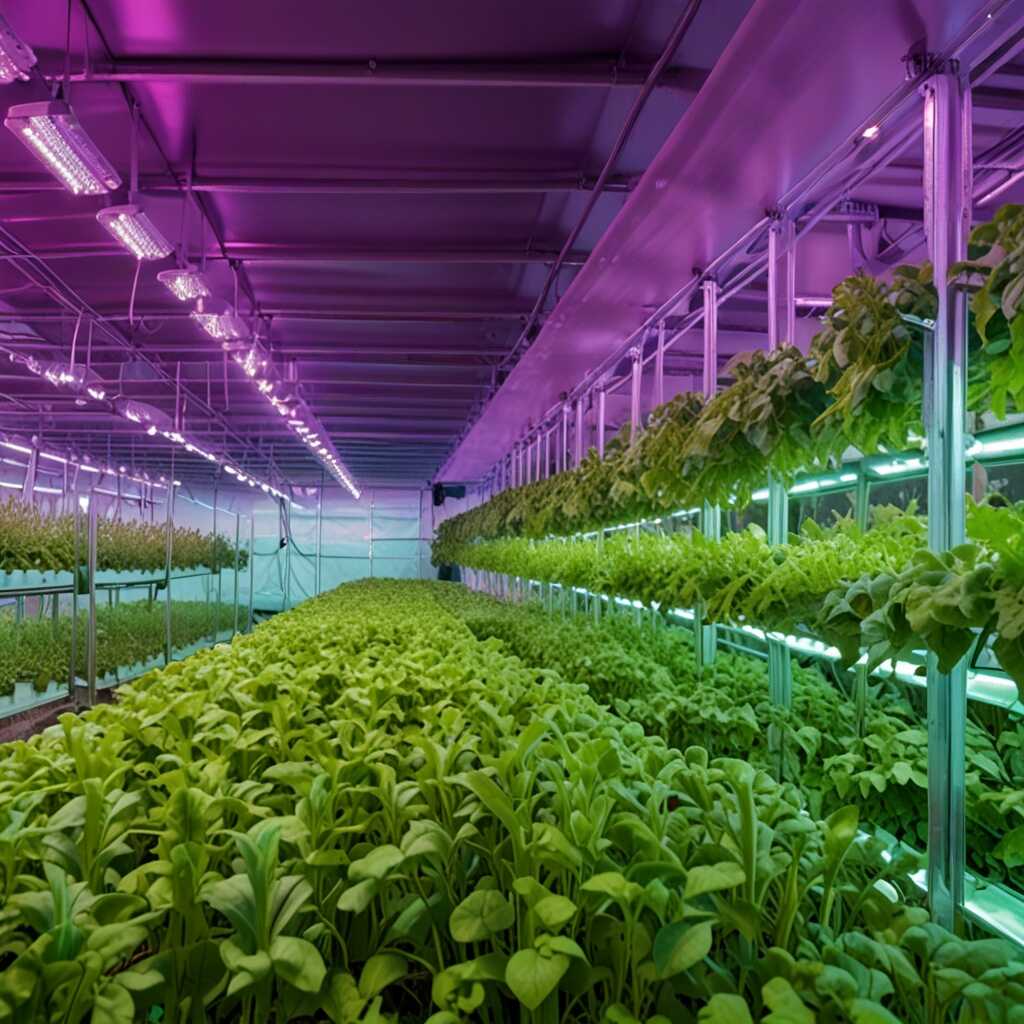
This section provides insights into the light spectrum effectiveness of bar-style and panel LED grow lights. Bar-style lights usually deliver a linear arrangement of diodes, offering a uniform light spread that matches the natural sun exposure, while panel lights use a wider surface area to emit concentrated light. Both types emit significant wavelengths. For vegetative growth, blue light (400-500nm) is crucial, enhancing leaf formation. In contrast, red light (600-700nm) supports flowering and fruiting stages. It’s essential to choose lights that provide sufficient spectrum based on your plants’ growth stage for maximum efficiency.
Understanding Essential Wavelengths for Each Growth Stage
Different wavelengths have distinct roles in plant growth. Blue light enhances chlorophyll production, crucial for healthy leaf development. Red light, when combined with blue, maximizes growth potential by promoting flowering. For bar-style LED lights, most provide a balanced spectrum perfect for seedling growth. Panel LED lights often include a full spectrum functionality, covering all necessary wavelengths. Research shows plants benefit from around 12-16 hours of light per day during the growing season. Choosing the right LED grow lights based on these factors improves plant quality and yield significantly.
Advantages of Different Lighting Types for Gardening
- Bar-style lighting fits into narrow spaces easily and offers versatility.
- Panel lights deliver stronger, more uniform light distribution across plants.
- Bar-style options can be daisy-chained for larger setups with minimal hassle.
- Panel lights tend to have built-in cooling systems, making them more efficient.
- Many bar-style lights are less expensive and budget-friendly.
- Panel lights usually support a wider spectrum, beneficial for all growth stages.
- Bar-style grow lights allow for closer placement to plants to enhance growth.
Best Practices for Installing and Setting Up LED Grow Lights
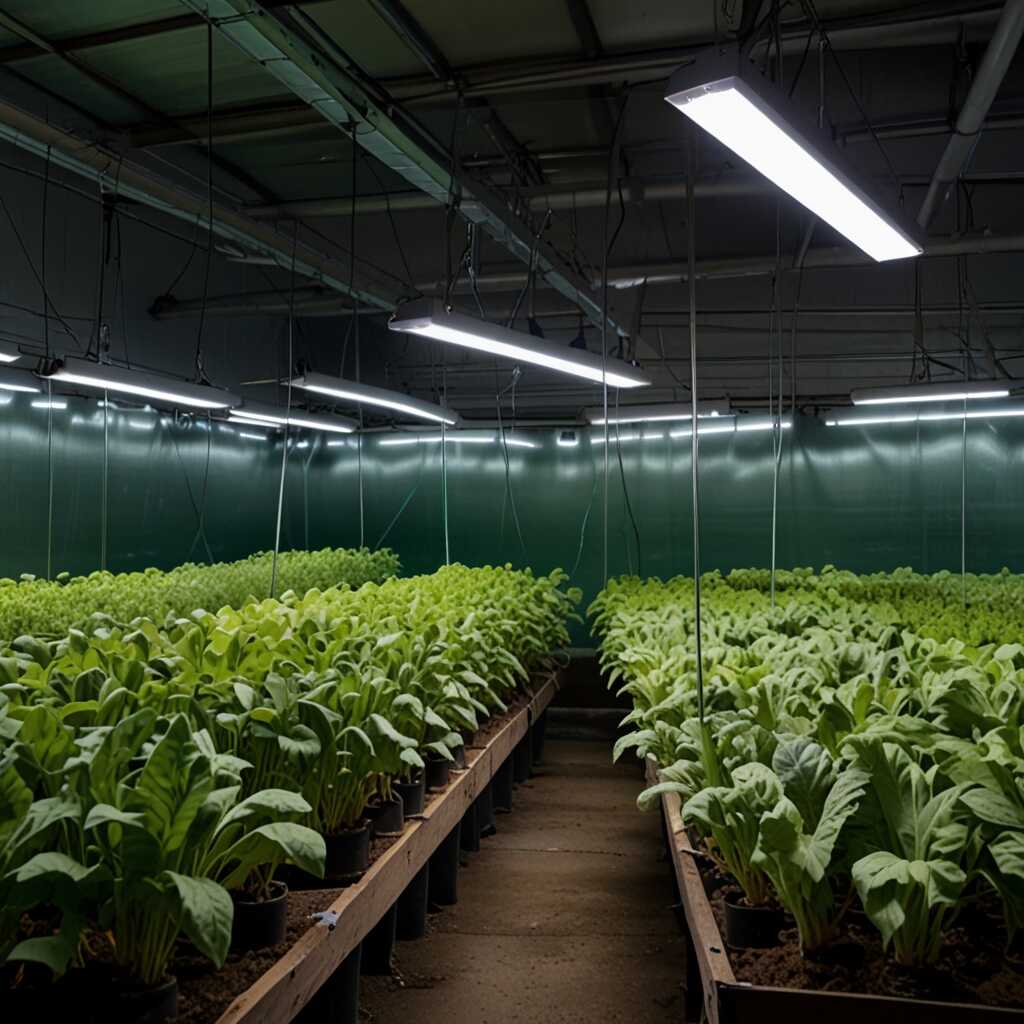
To ensure proper installation of bar-style and panel LED grow lights, start by selecting appropriate mounting locations. Avoid areas obstructed from light or that experience heat buildup. Always follow the manufacturer’s guidelines for installation height and secure mounting. Proper positioning helps optimize efficiency and performance. The installation must be stable to handle the weight while allowing easy adjustments. For performance, use timers and smart controllers. They help regulate light schedules effectively, promoting strong and healthy plants.
Choosing the Right Height and Distance for LED Grow Lights
Selecting the correct height for LED grow lights is crucial for optimal growth. For bar-style lights, the recommended distance is typically 12 to 24 inches above the canopy for seedlings and 24 to 36 inches for mature plants. Panel lights should be 18 to 30 inches above seedlings and 24 to 36 inches for larger plants. Measuring light levels is essential; using a light meter helps achieve adequate light intensity. Following correct placement ensures a good balance, enhancing photosynthesis while preventing light burn.
User Testimonials and Performance Comparisons
Users report varied experiences with bar-style and panel LED grow lights in their gardening efforts. Many gardeners prefer bar-style lights for their narrow design, which easily fits into tight spaces and provides focused light. Panel lights are praised for their wide coverage, ensuring more plants receive the necessary spectrum for growth. According to reviews, the ease of installation and energy efficiency of both types lead to positive gardening outcomes. Customers frequently highlight the reliability of both types, noting how well they perform under different growing conditions.
Best Brands of LED Grow Lights for Greenhouses
When selecting LED grow lights, users often recommend brands like Mars Hydro and Viparspectra for their proven performance. Mars Hydro’s bar-style lights are praised for their intense brightness and energy savings, while Viparspectra’s panels are valued for their full-spectrum lighting, ideal for all plant stages. Users frequently mention that both brands have models with impressive durability, with many reporting lifespans averaging over 50,000 hours, ensuring long-term value and great gardening results. Each model within these brands is tested thoroughly, providing data that supports their efficiency and reliability in greenhouse setups.
Brands and Their Target Audiences in Indoor Gardening
- Brand A: They focus on home gardeners looking for energy-efficient options.
- Brand B excels in offerings for large greenhouse operations needing high-performance lighting.
- Brand C targets casual growers who appreciate affordability and ease of use.
- Brand D specializes in professional horticulturists seeking advanced spectrum control.
- Brand E attracts eco-conscious consumers wanting sustainable lighting solutions.
- Brand F appeals to students studying agriculture and indoor gardening techniques.
- Brand G serves urban gardeners with limited space needing compact lighting solutions.
Final Thoughts and Recommendations for Choosing Grow Lights
Bar-style and panel LED grow lights differ significantly in design and application. Bar-style lights offer flexibility in positioning and are excellent for narrow spaces. They can be adjusted easily to provide light to specific areas. Panel lights provide even light coverage over larger areas, ideal for broader greenhouse designs. Gardeners focused on growing diverse plant types should consider their plant’s specific lighting needs when selecting a light. If the goal includes growing taller plants, bar-style lights might be more effective. Generally, both types of lights can last over 50,000 hours, providing good durability and reliability based on testing and user reviews.
Identifying the Best Fit for Your Greenhouse
Selecting the best LED grow light depends on understanding your greenhouse’s size and the plant types you wish to grow. For small spaces, bar-style LED grow lights can help you apply targeted light where needed, enabling you to grow leafy greens or herbs. For larger areas or to grow a mix of flowering plants, panel LED grow lights deliver broad and even light coverage. These fixtures are designed to enhance plant growth during all growth stages. Ensure to check reviews and test data for each model’s efficiency and durability, helping you make an informed choice that boosts your gardening success.