
Cost comparison between grow light technologies reveals LED lights typically cost $100-500 initially but save $200+ annually in energy bills compared to fluorescent ($30-80 upfront) and HID systems ($150-400 initial cost). LEDs last 50,000+ hours versus fluorescent’s 10,000 hours, making LED technology the most cost-effective long-term investment for home greenhouse operations.
Overview of Grow Light Technologies
Understanding the different grow light technologies helps home gardeners make informed cost decisions for their greenhouse operations. The three main categories include LED grow lights, fluorescent lighting systems, and high-intensity discharge (HID) lights, each offering distinct cost profiles and performance characteristics. LED grow lights provide the highest energy efficiency with typical power consumption ranging from 20-60 watts per fixture. Fluorescent systems fall in the middle range at 15-40 watts, while HID installations require substantially more power at 150-1000 watts. These power differences directly impact both initial equipment costs and ongoing electricity expenses, with LED technology offering the best balance of performance and long-term affordability.
Energy Efficiency and Performance of Different Grow Lights
Energy efficiency rankings show LED grow lights consuming up to 75% less electricity than comparable HID systems while delivering superior light quality for plant growth. LED technology converts more electrical energy into usable plant light (photosynthetically active radiation), reducing waste heat and improving growing conditions. Performance analysis demonstrates that LED systems provide targeted light spectrums that enhance photosynthesis efficiency during vegetative growth and flowering stages. Fluorescent lights offer moderate energy efficiency suitable for seedling production and smaller greenhouse spaces, typically operating at 70-100 lumens per watt. HID systems, while producing intense light output, generate significant heat requiring additional ventilation costs that further increase total operational expenses.
Initial Investment Required for Grow Light Options
Initial cost analysis shows significant price variations across grow light technologies, with LED systems requiring higher upfront investment but delivering better long-term value. Quality LED grow lights typically range from $100-500 depending on coverage area and features, while basic fluorescent setups cost $30-80 for comparable growing space. HID lighting systems fall between these ranges at $150-400 initial cost, though they require additional ballast equipment and frequent bulb replacements. The higher LED investment includes advanced features like programmable timers, spectrum control, and dimming capabilities that optimize plant growth while reducing energy consumption. Budget-conscious gardeners should consider the total ownership costs rather than just initial purchase price when selecting grow light technology.
Cost Breakdown of Popular Grow Light Technologies
Detailed cost breakdown reveals how initial investment translates to long-term value across different grow light technologies. Entry-level LED panels suitable for small greenhouse operations start around $100-150, while professional-grade systems with full spectrum control range from $300-500. Fluorescent T5 and T8 fixtures offer lower barriers to entry at $30-50, plus ongoing bulb replacement costs of $15-25 every 12-18 months. HID systems require initial ballast investment ($50-100) plus lamp costs ($40-80), with replacement intervals every 12-24 months depending on usage patterns. Comparison analysis shows that despite higher upfront costs, LED technology provides the best return on investment through reduced electricity bills and minimal maintenance requirements.
Long-Term Energy Consumption of Grow Light Technologies
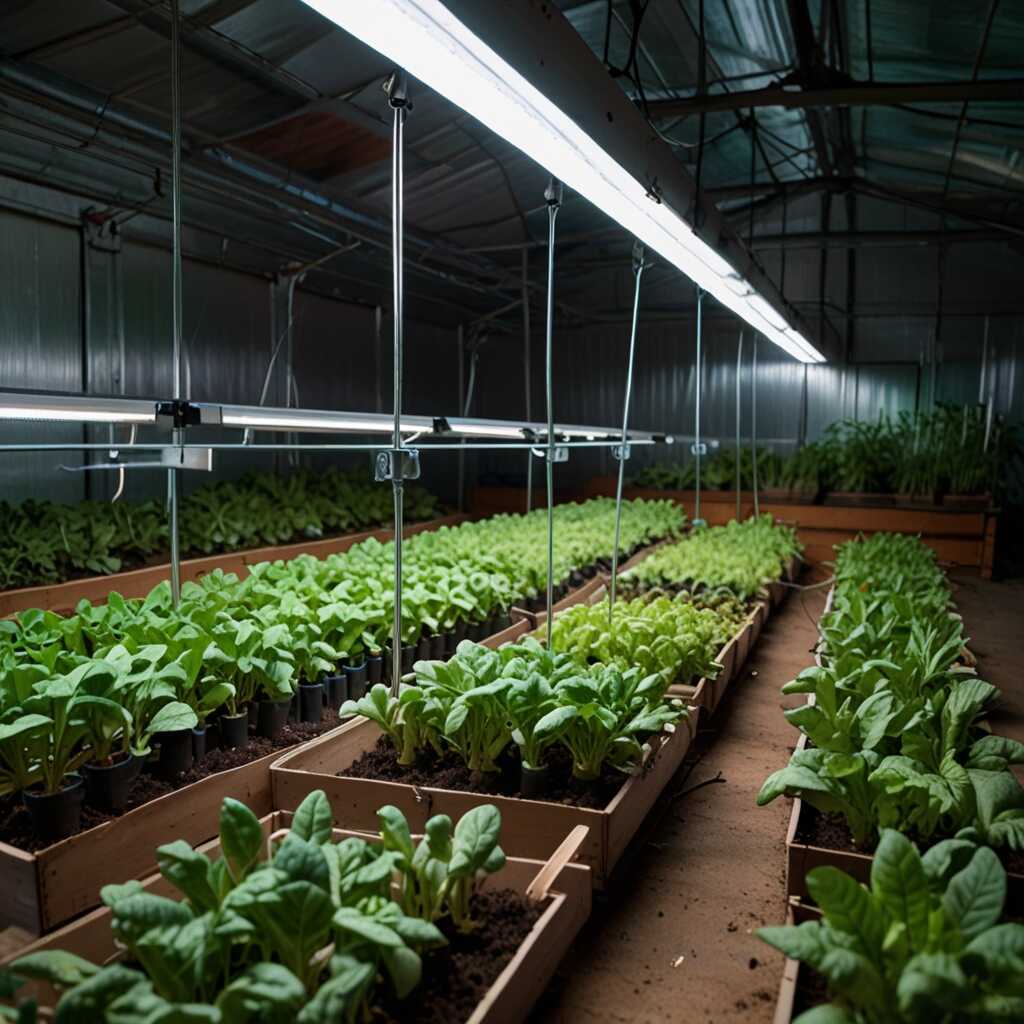
Long-term energy costs reveal substantial differences between grow light technologies, with LED systems providing the most economical operation for home greenhouse applications. A typical 200-watt LED fixture operating 12 hours daily costs approximately $20-25 monthly in electricity, compared to $45-60 for equivalent fluorescent coverage and $80-100 for HID systems. Annual energy consumption analysis demonstrates potential savings of $200-400 when switching from traditional lighting to LED technology. These calculations assume average residential electricity rates of $0.12-0.15 per kilowatt-hour, though actual savings vary by location and usage patterns. Energy-efficient LED grow lights also produce less waste heat, reducing cooling costs during warm weather and improving overall greenhouse climate control.
Comparing Energy Costs Over Different Plant Growth Stages
Energy requirements fluctuate throughout plant development cycles, with flowering stages typically requiring 20-30% more light intensity than vegetative growth periods. LED grow lights excel in this area through programmable spectrum control that optimizes energy usage for each growth stage, reducing unnecessary power consumption during low-light periods. Seedling production requires minimal energy input, often just 50-100 watts of LED coverage compared to 200-400 watts for HID systems covering the same area. Full spectrum LED technology enables precise adjustment of blue, red, and white light ratios to match plant needs while minimizing electricity costs. Advanced LED controllers can automatically adjust light intensity and spectrum based on plant growth stage, further optimizing energy efficiency and reducing operational expenses.
Annual Energy Cost Comparison by Technology
- LED grow lights typically cost $240-300 annually for moderate greenhouse use
- Fluorescent systems range from $400-600 in yearly electricity expenses
- HID lighting can exceed $800-1200 annually depending on wattage and usage
- Heat-related cooling costs add $100-300 yearly for HID and high-wattage fluorescent systems
- LED technology reduces total energy costs by 40-60% compared to traditional alternatives
- Timer controls and automation can reduce energy consumption by additional 15-25%
- Seasonal adjustments in lighting schedules provide further cost optimization opportunities
Maintenance and Replacement Costs for Grow Light Systems
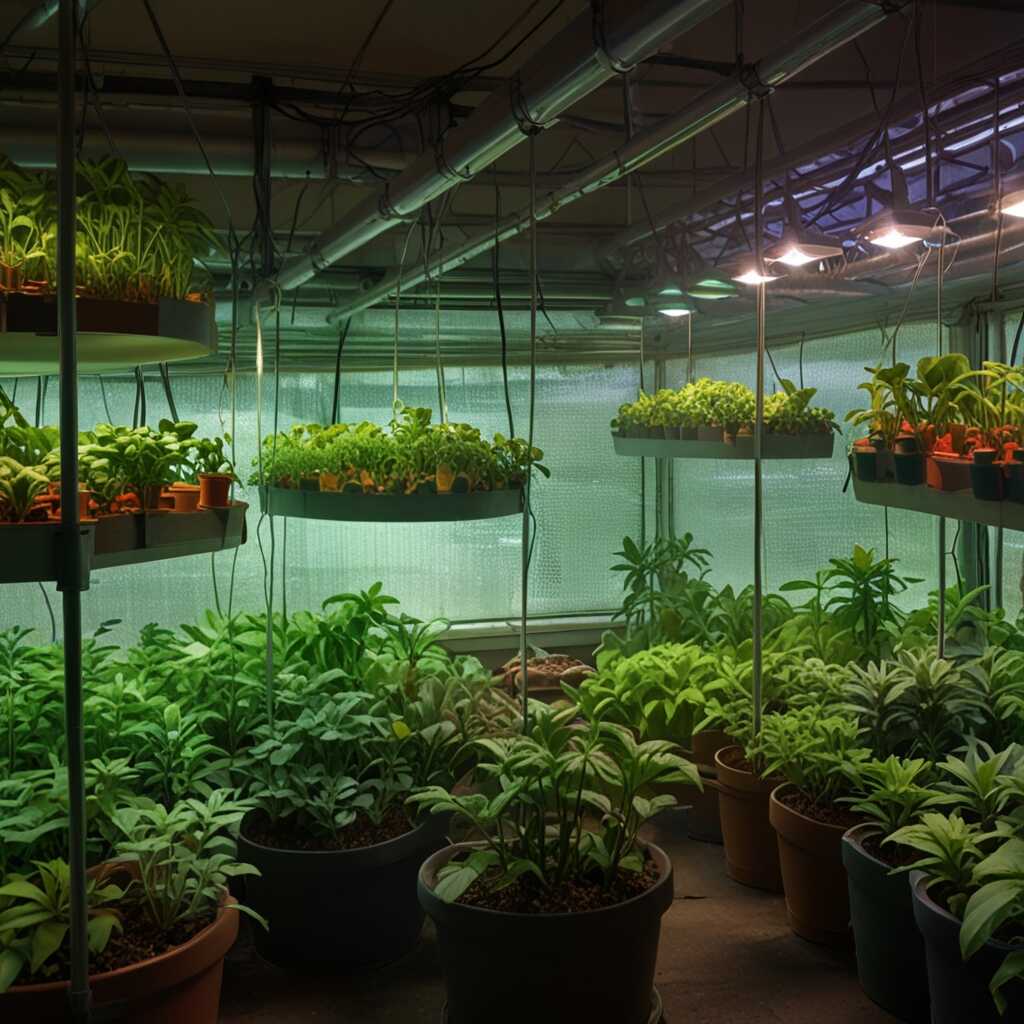
Maintenance cost analysis shows LED grow lights requiring minimal upkeep compared to fluorescent and HID alternatives, significantly reducing total ownership expenses. LED fixtures typically operate 50,000-80,000 hours before requiring replacement, equivalent to 10-15 years of normal greenhouse use. Fluorescent tubes need replacement every 10,000-15,000 hours (approximately 2-3 years), with replacement costs of $15-25 per tube plus labor time. HID lamps degrade more rapidly, requiring new bulbs every 12,000-24,000 hours at $40-80 each, plus periodic ballast replacement every 5-7 years. LED systems typically include 3-5 year warranties covering both fixtures and performance, providing additional cost protection for greenhouse operators.
Essential Maintenance Tasks for Different Grow Light Technologies
Maintenance requirements vary significantly across grow light technologies, affecting both time investment and ongoing costs for home greenhouse operations. LED fixtures require only periodic cleaning of lenses and heat sinks every 3-6 months to maintain optimal light output and prevent overheating. Fluorescent systems need regular inspection of tube connections, ballast performance, and reflector cleanliness, typically requiring monthly attention to maintain efficiency. HID maintenance involves more complex procedures including lamp replacement, ballast monitoring, and reflector adjustment to compensate for light degradation over time. Proper maintenance protocols ensure safety compliance and extend equipment lifespan while maintaining consistent light quality for plant growth.
Cost Impact of Light Spectrum Quality on Plant Productivity
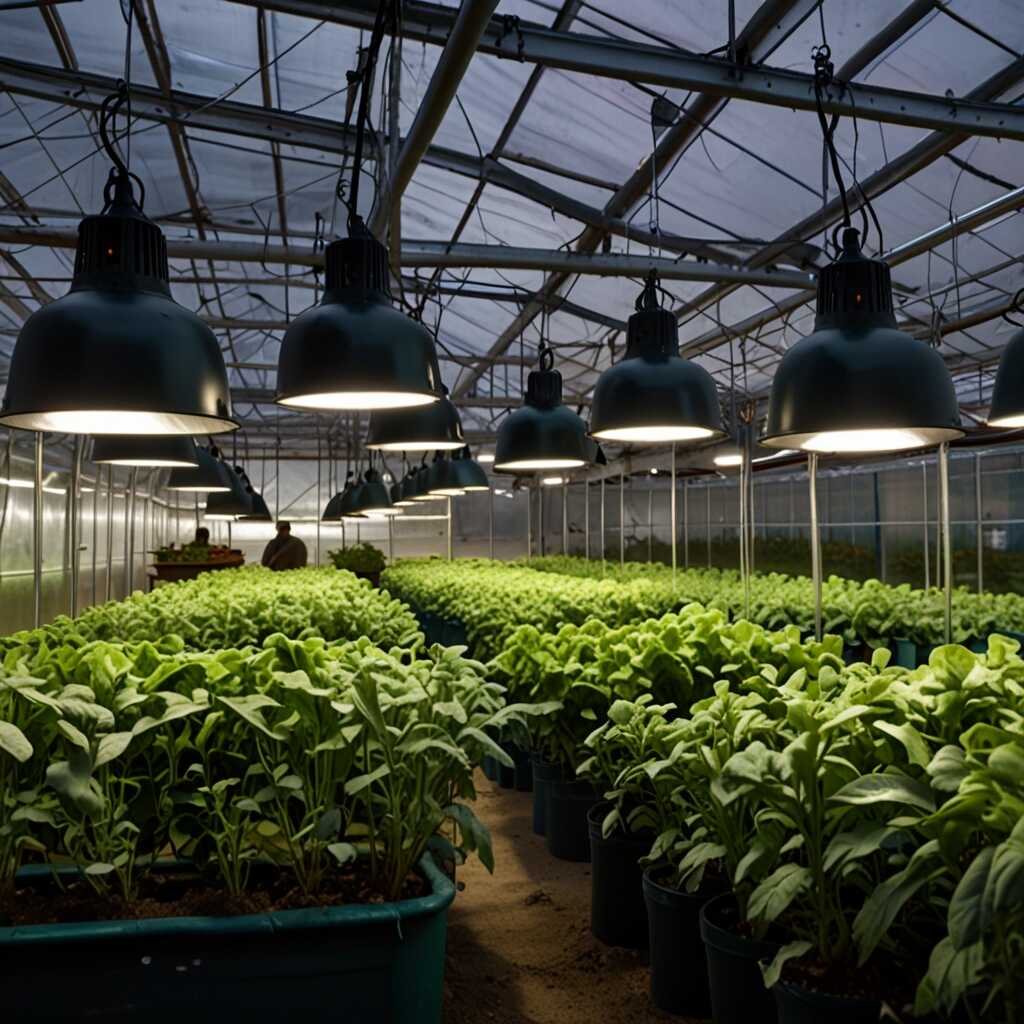
Light spectrum quality directly influences plant productivity and ultimately affects the cost-effectiveness of grow light investments in home greenhouse operations. Full spectrum LED systems provide targeted wavelengths optimizing photosynthesis efficiency, potentially increasing yields by 15-25% compared to basic fluorescent lighting. Blue light (400-500nm) supports vegetative growth and compact plant structure, while red light (600-700nm) enhances flowering and fruit development, both contributing to higher harvest values. Premium LED fixtures offer programmable spectrum control allowing gardeners to customize light recipes for specific crops, maximizing both quality and quantity of harvests. This enhanced productivity helps offset higher initial LED costs through improved crop value and reduced growing time.
Return on Investment Through Improved Plant Quality
Enhanced light spectrum quality translates to measurable improvements in plant health, growth speed, and harvest quality that justify premium grow light investments. LED technology with optimized spectrum ratios can reduce growing cycles by 10-20% while improving essential oil production, flavor compounds, and nutritional content in crops. Commercial-quality LED fixtures enable year-round production consistency that increases total annual harvest value, often recovering equipment costs within 12-18 months for productive greenhouse operations. Advanced spectrum control features allow fine-tuning of light conditions throughout growth cycles, maximizing genetic potential of plants while minimizing energy waste on unnecessary wavelengths.
Productivity Enhancement Benefits by Light Technology
- Full spectrum LED systems can increase yields by 15-30% compared to fluorescent alternatives
- Enhanced light quality reduces growing cycles by 1-3 weeks for most vegetable crops
- Improved spectrum control increases essential oil and flavor compound production
- Consistent light quality enables year-round production regardless of seasonal changes
- Better plant health reduces losses from disease and environmental stress
- Higher quality harvests command premium prices in specialty market segments
- Optimized spectrum ratios reduce plant stretch and improve structural integrity
Environmental Cost Factors in Grow Light Selection
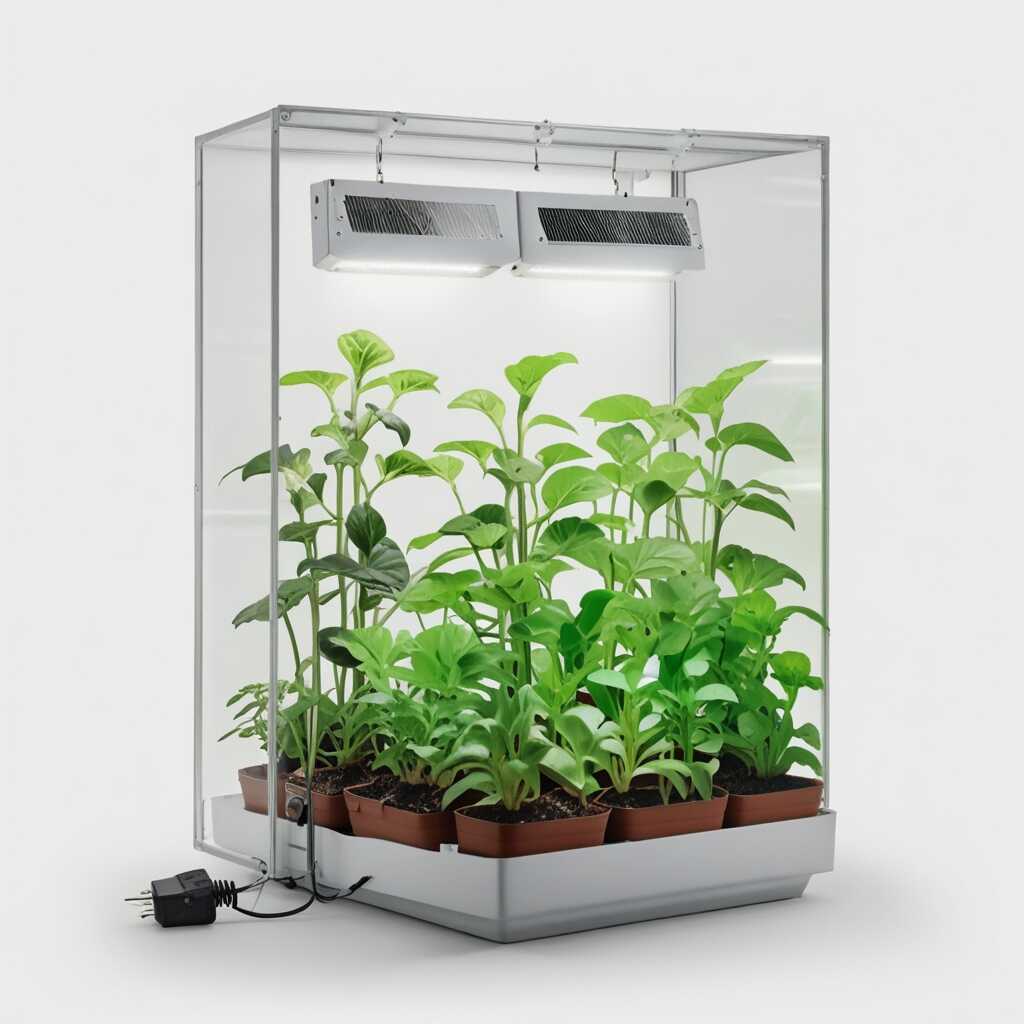
Environmental considerations increasingly influence grow light cost calculations as energy efficiency and sustainability become priorities for home greenhouse operators. LED technology offers the lowest environmental impact through reduced electricity consumption, minimal heat generation, and absence of toxic materials like mercury found in fluorescent tubes. Carbon footprint analysis shows LED systems producing 60-70% fewer emissions over their lifespan compared to HID alternatives, contributing to environmental sustainability while reducing energy costs. Disposal costs favor LED technology since fixtures contain recyclable materials and avoid hazardous waste fees associated with mercury-containing fluorescent and HID lamps. Long-term environmental benefits include reduced strain on electrical grid infrastructure and lower cooling requirements that decrease overall greenhouse climate control expenses.
Total Cost of Ownership Analysis
Total cost of ownership analysis reveals LED grow lights providing the best economic value when considering all factors including initial investment, energy consumption, maintenance, and replacement costs over typical equipment lifespans. Five-year ownership costs for LED systems typically range from $800-1200 including purchase price and electricity, compared to $1200-1800 for fluorescent setups and $1500-2500 for HID installations. Extended warranty coverage and proven reliability further reduce total LED ownership costs through minimized repair and replacement expenses. When factoring in productivity improvements and reduced cooling costs, LED technology often pays for itself within 18-24 months while providing superior growing conditions and harvest quality throughout its extended operational life.
Cost-Effective Strategies for Home Greenhouse Lighting
Implementing cost-effective grow light strategies helps home greenhouse operators maximize their lighting investment while minimizing ongoing operational expenses. Starting with quality LED fixtures in high-priority growing areas provides immediate energy savings that can fund expansion to additional greenhouse zones over time. Automated timer systems and programmable controllers optimize energy usage by matching light schedules to plant needs, typically reducing electricity consumption by 15-25% compared to manual operation. Strategic placement and reflector optimization maximize light utilization efficiency, allowing smaller fixtures to provide adequate coverage while reducing equipment and energy costs. Seasonal growing schedules can further optimize costs by taking advantage of natural sunlight during peak seasons and supplementing with artificial lighting only when necessary.
Budget-Friendly Implementation Approaches
Budget-conscious greenhouse operators can implement cost-effective lighting solutions through phased upgrades and strategic equipment selection that balance initial investment with long-term savings. Beginning with LED lighting for seedling and propagation areas provides immediate benefits while allowing gradual expansion as budgets permit and energy savings accumulate. Mixing LED primary lighting with fluorescent supplemental fixtures offers a compromise approach that improves energy efficiency while managing upfront costs. Value-oriented LED models from established manufacturers provide significant energy savings compared to traditional lighting while offering better affordability than premium fixtures with advanced features.
Cost Optimization Strategies for Home Greenhouses
- Phase LED implementation starting with highest-use areas to maximize immediate savings
- Utilize automated timers and controls to reduce energy consumption by 15-25%
- Combine natural sunlight with supplemental artificial lighting during transition seasons
- Choose fixtures with proven track records and warranty coverage to minimize replacement costs
- Implement proper maintenance schedules to extend equipment life and maintain efficiency
- Consider group purchasing or seasonal sales to reduce initial equipment investment
- Calculate return on investment based on energy savings and productivity improvements
Guidelines for Choosing Cost-Effective Grow Light Solutions
Selecting cost-effective grow light solutions requires careful evaluation of initial investment, operational costs, and expected productivity returns for specific greenhouse applications. Calculate total ownership costs over 5-year periods to compare different technologies accurately, including purchase price, energy consumption, maintenance, and replacement expenses. Consider your growing goals and crop types when evaluating light quality requirements, as some plants benefit significantly from premium spectrum control while others perform adequately under basic full-spectrum lighting. Professional-grade LED fixtures justify higher costs for commercial operations or serious hobbyists, while value-oriented models provide excellent efficiency improvements for casual greenhouse use. Factor in local electricity rates, available rebates, and financing options when making final equipment decisions.
Return on Investment Calculations for Different Scenarios
Return on investment calculations help determine the most cost-effective grow light technology for specific greenhouse operations and usage patterns. Small-scale hobby greenhouses (under 100 square feet) typically see LED payback periods of 2-3 years through energy savings alone, with additional benefits from improved plant quality and reduced maintenance time. Medium-sized operations (100-500 square feet) can justify premium LED investments through faster payback periods of 12-18 months when factoring in productivity improvements and reduced cooling costs. Large greenhouse installations benefit from commercial-grade LED systems that provide the shortest payback periods and highest long-term savings through economies of scale and maximum efficiency optimization. Comprehensive cost analysis should include productivity gains and harvest quality improvements that often represent the largest financial benefits of upgraded lighting technology.