
Understanding how to assess light coverage needs for greenhouse plant densities is essential for thriving plants. Different plant types and densities require tailored lighting solutions to promote optimal growth. At Green Writer, we aim to help you manage lighting effectively, ensuring that your greenhouse environment supports various plant needs. This article will guide you through the steps needed to evaluate light coverage accurately, contributing to sustainable indoor gardening practices.
Understanding the Role of Light in Plant Growth Dynamics
Light is essential for all plants and influences several growth stages. Seedlings need intense light for photosynthesis to fuel their growth. Young plants thrive with 12-16 hours of light daily to support development. As plants mature, certain species may require more or less light depending on their density. For example, leafy greens often need more light than root vegetables. The photosynthesis process varies across species. For instance, flowering plants require standard grow lights full-spectrum for optimal results, facilitating efficient energy conversion. The ideal number of hours typically lies between 14-18 hours per day during the vegetative phase, tapering down to about 10-12 hours for flowering or fruiting stages.
Determining Optimal Light Conditions for Varied Plant Densities
To determine optimal light conditions for different plant densities, consider specific growth rates and light requirements. High-density plant setups, like microgreens, thrive under bright LED grow lights to avoid leggy growth. Conversely, lower-density setups can utilize natural light if available. Each plant varies in photosynthesis efficiency, impacting overall growth rates. Adequate light helps prevent diseases while promoting stronger stems and foliage density. Efficient light coverage is essential in maximizing space for growth, particularly with taller plants that might shade lower ones.
Evaluating Plant Density Trends in Greenhouses
Common plant density trends in greenhouses include single rows, wide spacing, and high-density planting. These methods affect light efficiency significantly. For example, single rows ensure light reaches each plant adequately, while high-density planting can lead to shadows and limited light. Understanding your plant species is essential as varying densities may enhance or diminish vitality. Testing different densities can lead to optimal growth conditions, enhancing overall plant health.
Maximizing Light Coverage for Different Densities
Maximizing light coverage involves understanding the specific needs of your plants. Many leafy greens thrive in high density, enjoying even light distribution. However, flowering plants may prefer staggered rows, promoting better light penetration. It is helpful to research your specific plants’ light requirements. For example, tomatoes prefer spaced arrangements, allowing for proper air circulation and light access. This helps prevent diseases and ensures robust growth. Green Writer recommends testing various densities to discover the best configuration for your greenhouse setup.
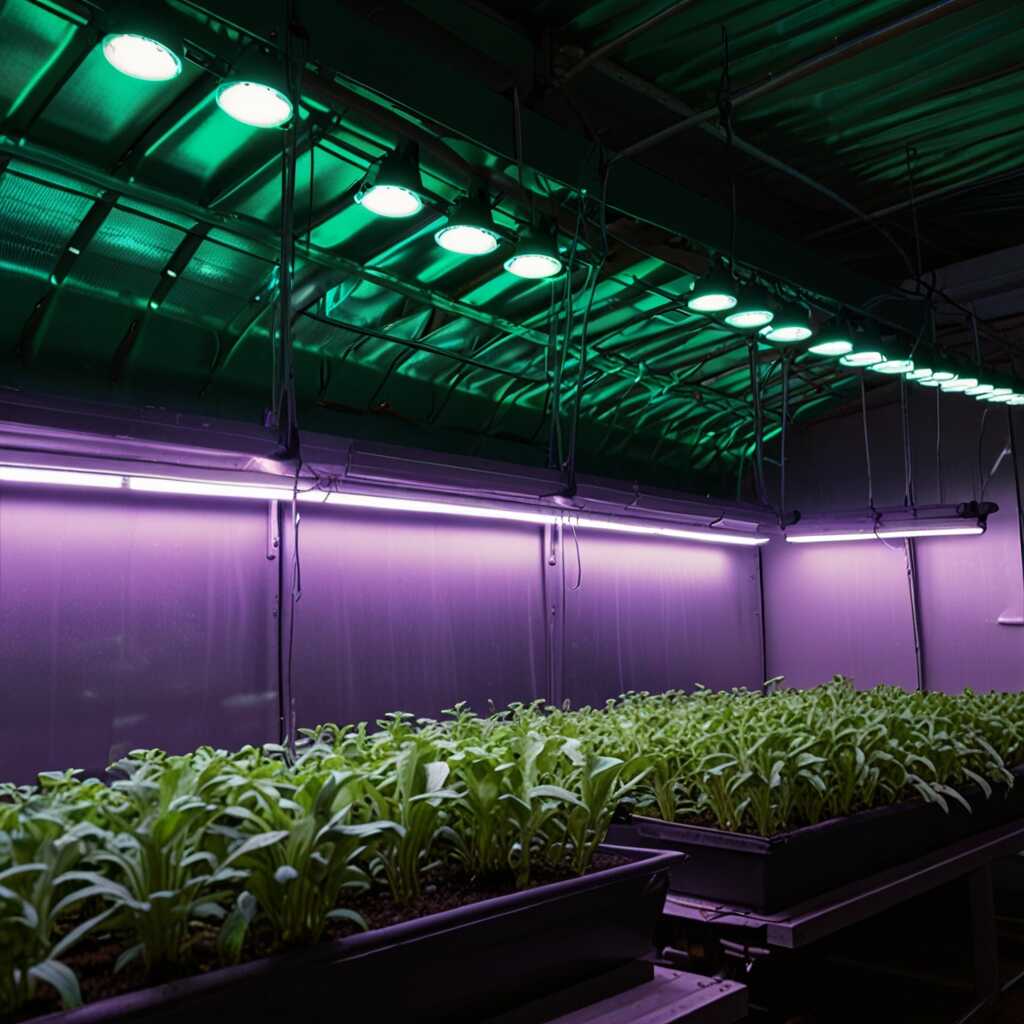
Exploring Various Greenhouse Grow Light Options
This section covers several types of grow lights ideal for greenhouse use. The most common include LED grow lights, fluorescent lights, and high-intensity discharge (HID) lights. LED grow lights are energy-efficient and last longer, providing a full spectrum of light that suits various plant growth stages. Fluorescent lights are affordable and work well for seedlings but consume more energy than LEDs. HID lights are powerful and suitable for larger greenhouses, although they generate heat and require more maintenance. Knowing the suitability and energy efficiency helps you choose the best option for your greenhouse.
Choosing the Best Grow Light for Your Plants
Selecting the right grow light for specific plants requires understanding their growth needs. Tomatoes and peppers thrive under full spectrum lighting, which supports their flowering and fruiting stages. Herbs like basil and parsley grow well under LED grow lights, which deliver the right wavelengths for optimal growth. Many plants benefit from 12 to 16 hours of light daily. This ensures reliable growth and enhances yields. When choosing lights, consider the size of your greenhouse and the specific requirements of your plants to enhance their growth effectively.
Key Numerical Insights into Light Requirements for Plant Growth
- Plants typically need around 12-16 hours of light daily for optimal growth.
- Each plant generally requires about 200-600 µmol/m²/s of light intensity.
- Greenhouses can increase yield by 20-30% with proper lighting assessment.
- Different plant densities may need varying light coverage levels.
- Ideally, light should cover every square foot of growing area evenly.
- LED grow lights can save up to 80% energy compared to traditional lights.
- Over 50% of greenhouse plants benefit from full spectrum lighting for all growth stages.
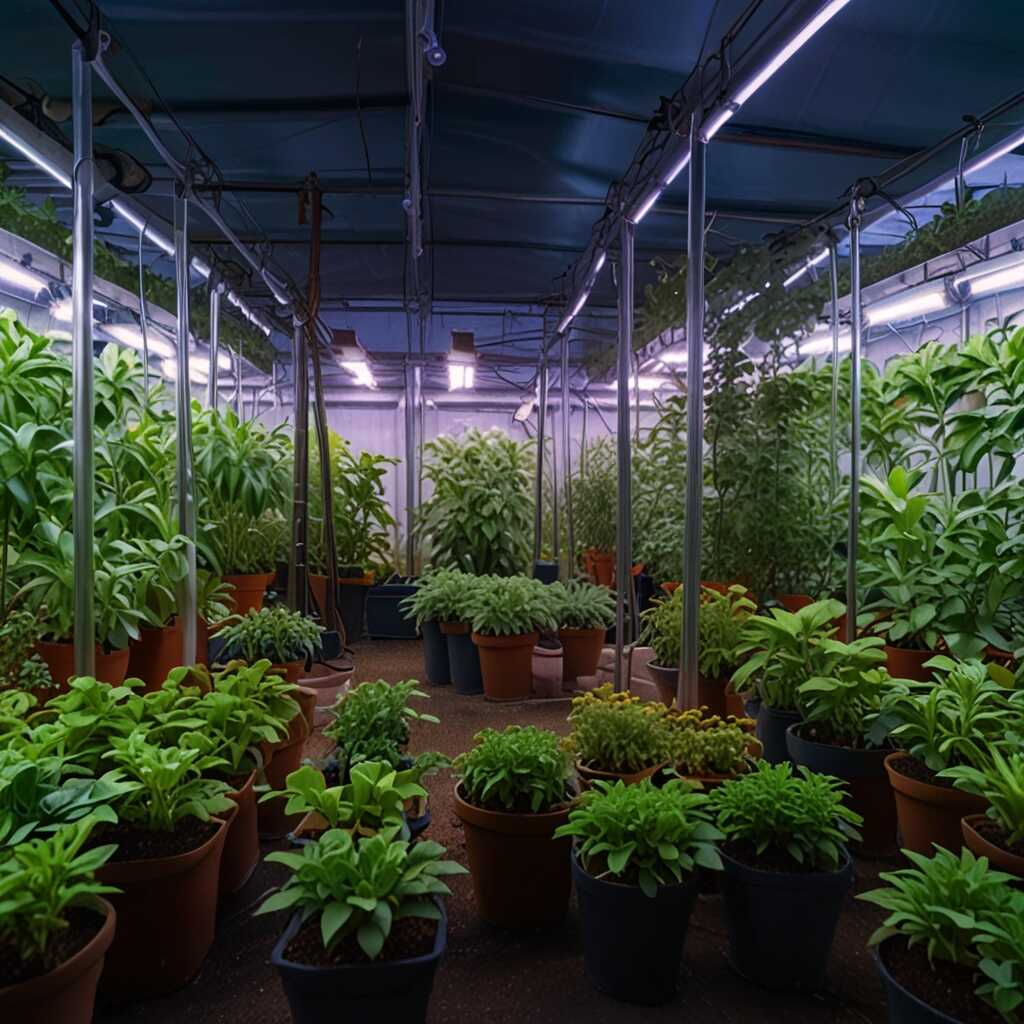
Formulating Light Requirements for Diverse Plant Densities
To derive the optimal light coverage for different plant densities, consider both the species of plants and their growth stage. Each plant type demands various light intensities, especially when grown densely. Leafy greens, for example, benefit from lower light levels than flowering plants. You can calculate the required light intensity by determining the total Wattage needed per square foot. For most leafy greens, aim for about 20 to 30 Watts per square foot, while flowering plants typically require 30 to 50 Watts. Using this approach enables effective light distribution, enhancing plant growth and health.
Calculating Light Requirements for Various Plant Types
To accurately calculate light requirements for different plant types in your greenhouse, gather specific data on each plant’s needs. For a 100 square-foot greenhouse, start with plants like leafy greens which thrive with around 2,000 to 3,000 lumens per square foot, translating into about 200 to 300 total Watts. In contrast, flowering plants need around 3,000 to 5,000 lumens per square foot or 300 to 500 total Watts. By understanding these parameters, you can design reliable greenhouse lighting solutions that provide optimal conditions for various plant densities. Adapting your approach according to plant type will significantly enhance efficiency and growth results.
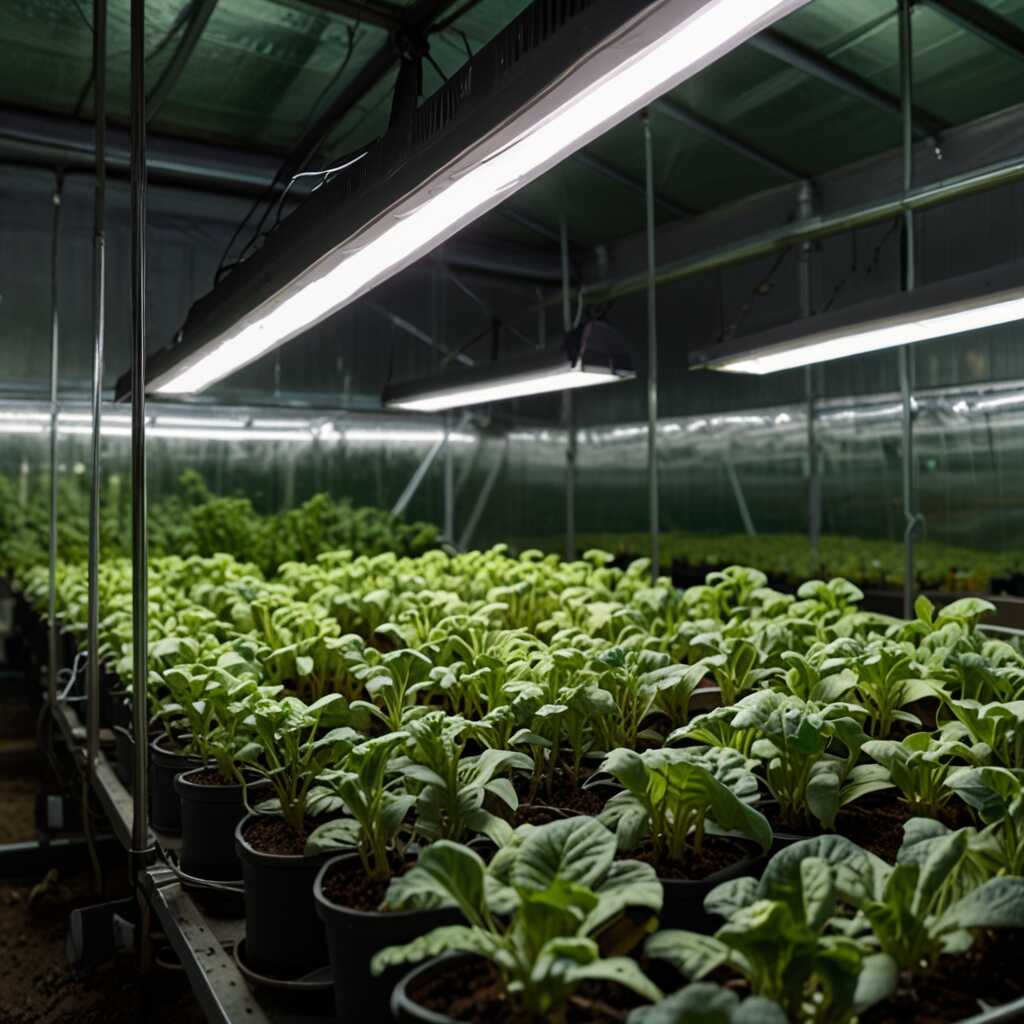
Techniques for Measuring Light Exposure in Greenhouses
Measuring light exposure is vital for ensuring that plants receive adequate lighting in a greenhouse. Multiple tools can assist in this process. Light meters, such as quantum sensors and digital light meters, measure light intensity accurately. The reliability of these devices varies, so users should review options from trusted brands like LI-COR and Apogee. A well-calibrated light meter provides essential data about the light intensity in lumens or PAR (Photosynthetically Active Radiation). For optimal growth, most plants thrive with light exposure of 10,000 to 12,000 lumens per square foot. Consistently monitoring these levels helps manage plant light requirements effectively, enhancing overall growth and health.
Choosing the Right Light Meter for Greenhouses
Selecting the right light meter involves understanding the features and reliability of various models. Consider a light meter that measures in both lux and PAR, as each unit provides different insights. Many meters come with memory functions to store previous readings, enabling comparisons over time. Choose a meter that’s easy to use and provides accurate results without extensive calibration. Brands like LI-COR offer meters with excellent reputation and proven performance. This choice greatly enhances your ability to understand your greenhouse’s lighting conditions.
Advantages of Proper Light Evaluation for Plant Cultivation
- Accurate light assessment boosts overall plant health and vigor.
- Different plant densities can receive tailored light solutions, enhancing growth.
- Using appropriate light can lead to a better crop yield per square foot.
- Efficient light coverage improves energy savings, reducing utility costs.
- Healthy plants from optimal light can also require fewer pest control measures.
- Well-lit plants generally produce higher quality flowers and fruits.
- Proper light conditions can enhance the aesthetic value of plant displays.
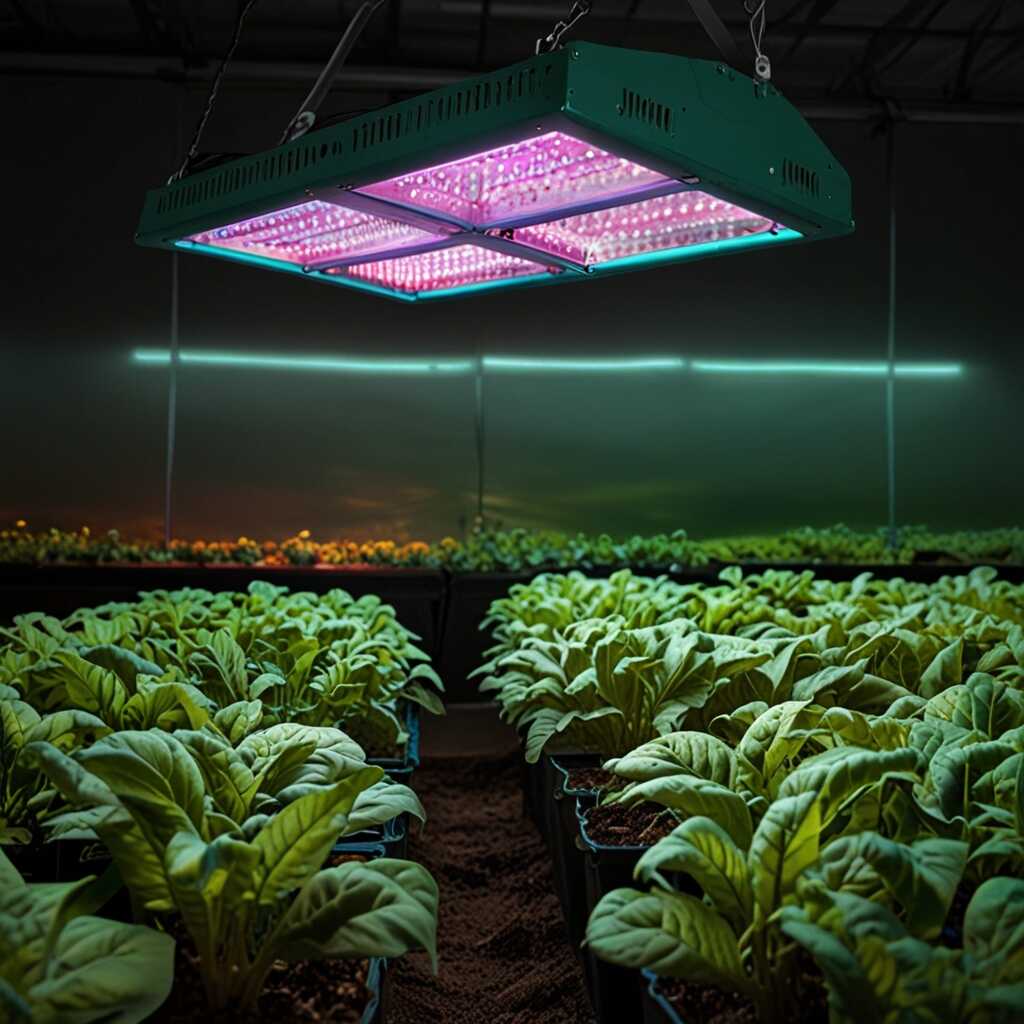
Optimizing Light Setup for Different Growth Scenarios
To determine ideal light coverage for varying plant densities, measure the light intensity reaching the plants. Consider factors such as plant height, variety, and distance from light sources. LEDs are an excellent choice for their efficiency and longevity. Test how they perform at different heights to ensure even light distribution. For flowering plants, ensure the light intensity between 200-400 μmol/m²/s is delivered based on their density. Adjust light fixtures to avoid shadows and hot spots, maximizing coverage.
Strategic Light Positioning for Enhanced Growth
Strategically positioning your lights is critical for achieving optimal growth in your greenhouse. Hang lights at adjustable heights, typically between 12-36 inches above plants, to improve light penetration without risking burn. Utilize reflective materials on surfaces to enhance light distribution. For varied plant densities, consider spacing fixtures based on intensity requirements; densely packed plants may need lights closer together. Additionally, use light timers that can mimic natural daylight cycles, ensuring plants receive adequate amounts of light throughout their growing phases.
Maximizing Efficiency with LED Grow Light Strategies
To maximize LED grow light efficiency, consider using full-spectrum lights designed for various plant growth stages. These lights provide a balanced wavelength range essential for healthy photosynthesis. Proper placement of LED lights, typically 12 to 24 inches above plants, ensures optimal light distribution without burning leaves. Regularly adjusting the light cycle based on plant development can increase energy efficiency. Reviews from experienced growers confirm that LED technology offers superior longevity and reliability, performing consistently over time.
Choosing the Right Spectrums for Plant Growth
Selecting the right spectrum is crucial for optimizing plant growth with LED lights. Blue light (400-500nm) enhances vegetative growth, while red light (600-700nm) is beneficial during the flowering stage. High-quality full-spectrum LEDs combine these wavelengths to support all growth phases efficiently. Research shows that plants grow faster and yield better when exposed to the appropriate light spectrums. As a result, understanding these needs can significantly improve your greenhouse’s overall productivity.
Target Groups and Their Light Needs in Plant Growing
- Horticulture students benefit from learning about light coverage in labs.
- Greenhouse gardeners often seek to maximize plant growth and yield.
- Indoor plant enthusiasts look for efficient lighting for limited spaces.
- Agricultural professionals focus on understanding light dynamics for crops.
- Sustainability advocates prefer energy-efficient solutions like LED lights.
- New gardeners seeking guidance can find effective light strategies essential.
- Urban farmers want solutions that ensure thriving plants in compact areas.
Adapting Light Coverage to Evolving Plant Needs Over Time
Assessing light coverage for plants involves regular monitoring and understanding of their growth stages. As plants grow, their light requirements change. During the seedling stage, plants typically need lower light levels, while flowering plants require higher intensity. Common signs of inadequate lighting include leggy growth, yellowing leaves, and slow development. If you notice these signs, you may need to adjust the light intensity or duration. Ideally, you should reassess light coverage every few weeks or whenever you notice significant growth changes, ensuring optimal light intensity for all stages of plant development.
Recognizing Light Requirements During Different Growth Stages
Understanding light requirements during various growth stages is essential for plant health. Seedlings need about 12-16 hours of indirect light daily. As they mature, they transition to needing 14-18 hours of bright light. During the flowering stage, ensure they receive consistent light for 12-14 hours. Using adjustable LED grow lights enhances efficiency. Monitor plants regularly for signs of light stress, such as chlorosis or stunted growth. Research proven methods for optimizing light coverage tailored to specific crops. These practices can significantly improve yields and support sustainable greenhouse management.