
Diagnosing and fixing common greenhouse grow light distribution problems is essential to maximize plant growth. Light distribution affects how well your plants thrive, as uneven light can lead to poor growth and health. At Green Writer, we provide practical advice to help indoor gardeners and horticulturists tackle light issues effectively.Efficient lighting boosts plant health, making it a key factor in sustainable gardening.
Understanding the Role of Light in Plant Development
Light plays a crucial role in plant health and growth cycles. Different stages of plant growth require specific light spectra. Seedlings thrive with blue light, which promotes vegetative growth. As plants mature, they benefit from red light for flowering. Understanding this light spectrum helps optimize indoor gardening solutions, ensuring plants receive the best light conditions. Many species, such as tomatoes and peppers, require blue and red wavelengths to achieve healthy yields. Most indoor plants need 12 to 16 hours of light daily for optimal growth. Providing the appropriate light wavelengths and durations enhances plant development.
Essential Light Spectrum for Different Plant Growth Stages
The light spectrum is essential in guiding plant growth stages, impacting the health of your plants. The blue light spectrum, typically around 400-500nm, is crucial for seedlings, promoting strong leaf and stem development. As plants transition to the flowering stage, a ratio of red light (600-700nm) becomes important. This wavelength helps plants to produce flowers and fruits effectively. Additionally, some plants need specific spectrums. For example, lettuce benefits from a balanced spectrum throughout its growth cycle. Ensuring you provide the correct light wavelengths improves overall plant performance and longevity.
Recognizing Common Issues with Light Distribution
Common visible symptoms of inadequate light distribution in greenhouses include leggy plants, yellow or scorched leaves, and poor flowering. Leggy plants often indicate insufficient light, causing them to stretch toward the light source. Yellow leaves can signify both light deficiency and nutrient imbalance. Scorched leaves may occur when plants receive excessive light, particularly from high-intensity sources. Various lighting technologies, such as LED, high-pressure sodium (HPS), and fluorescent lights, significantly impact light distribution. LEDs provide efficient, full-spectrum light with minimal heat, enhancing plant growth. Fluorescent lights offer low-intensity lighting, which may not penetrate dense foliage effectively. For optimal growth, indoor plants typically require 12 to 18 hours of light exposure daily, depending on plant species and growth stage.
Identifying Signs of Light Imbalance in Your Greenhouse
Identifying signs of light imbalance in your greenhouse is essential for healthy plant growth. Inspect plants for uneven growth patterns. If lower leaves yellow while upper ones thrive, likely light is insufficient below the canopy. Utilization of energy-efficient grow lights like full-spectrum LEDs can enhance even light distribution. Regularly rotate plants to ensure all sides receive adequate light. Research shows that consistent light exposure can improve overall plant vitality and production rates. Use reflective surfaces in your greenhouse to deflect light back onto plants, maximizing efficiency and ensuring a thriving indoor garden.
Assessing the Positioning of Grow Lights for Efficiency
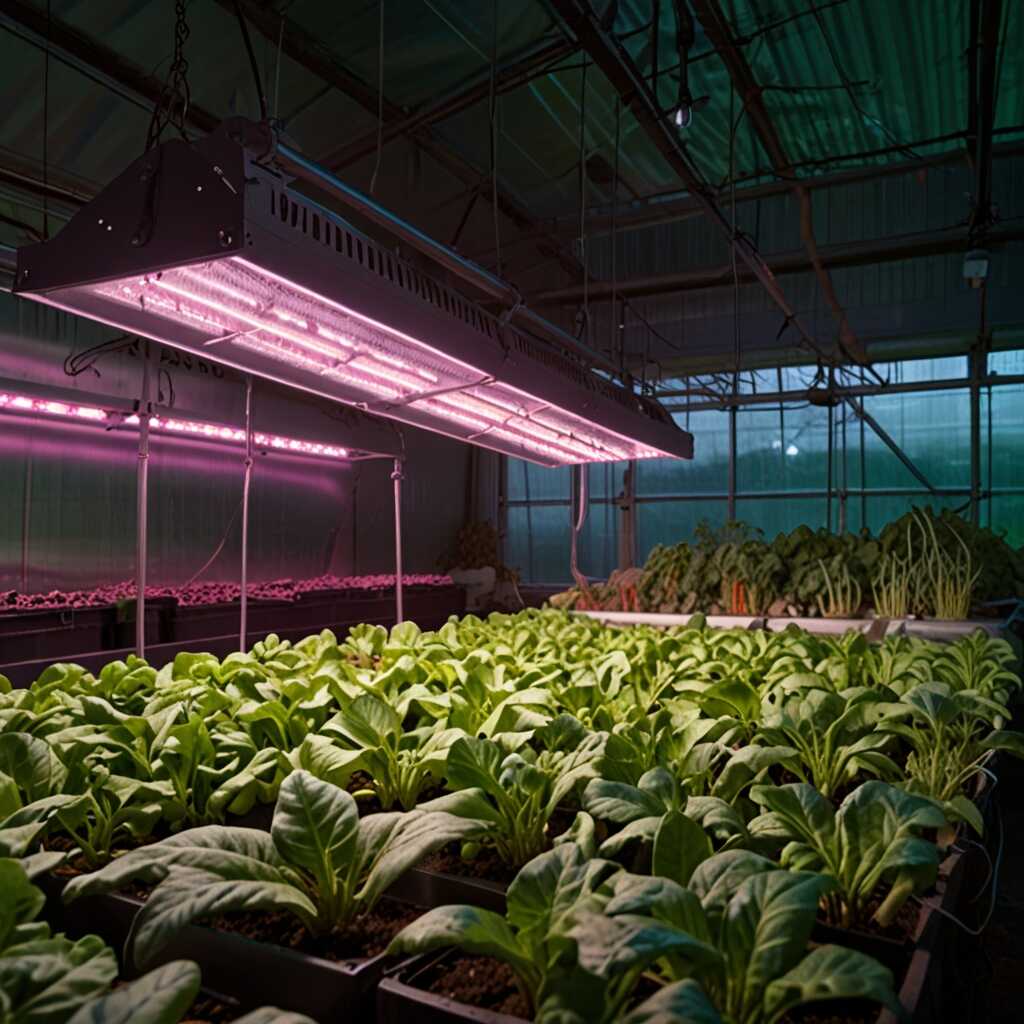
Evaluating the effectiveness of your current grow light placement involves checking for uniform light distribution and monitoring plant performance. Essential factors include the height of the lights, the angle at which the light shines, and the coverage area of the plants. Position lights approximately 12 to 24 inches above the plants for optimal distance, depending on the light intensity. Common light issues include uneven growth and shadowing, which can hinder plant development. Testing the setup with different placements and reviewing plant responses helps achieve ideal light conditions.
Understanding Common Light Distribution Problems
Common light distribution problems include insufficient light coverage and hotspots that may damage plants. Plants often show signs of stretching or leaning towards the light source, indicating inadequate positioning. Testing various angles and distances helps eliminate these issues. For best results, ensure that grow lights are placed at least 12 inches away to prevent overheating while maximizing coverage. A reliable method to improve light distribution is installing reflectors or using multiple light fixtures to enhance overall performance. Regularly monitoring plant responses provides valuable data for optimizing their growth conditions.
Numerical Insights on Light Arrangement Issues
- 80% of greenhouse plants require precise light distribution for optimal growth.
- The ideal light intensity for most plants ranges from 200 to 800 μmol/m²/s.
- 50% of indoor gardeners face light unevenness that can hinder plant development.
- Plants need 12 to 16 hours of light daily during their growth phases.
- 90% of light might not reach lower plant leaves if fixtures are poorly placed.
- 2-3 feet is the optimal distance between grow lights and plant tops.
- Over 65% of horticulturists recommend regular light positioning checks.
Selecting Appropriate Grow Lights for Different Plants
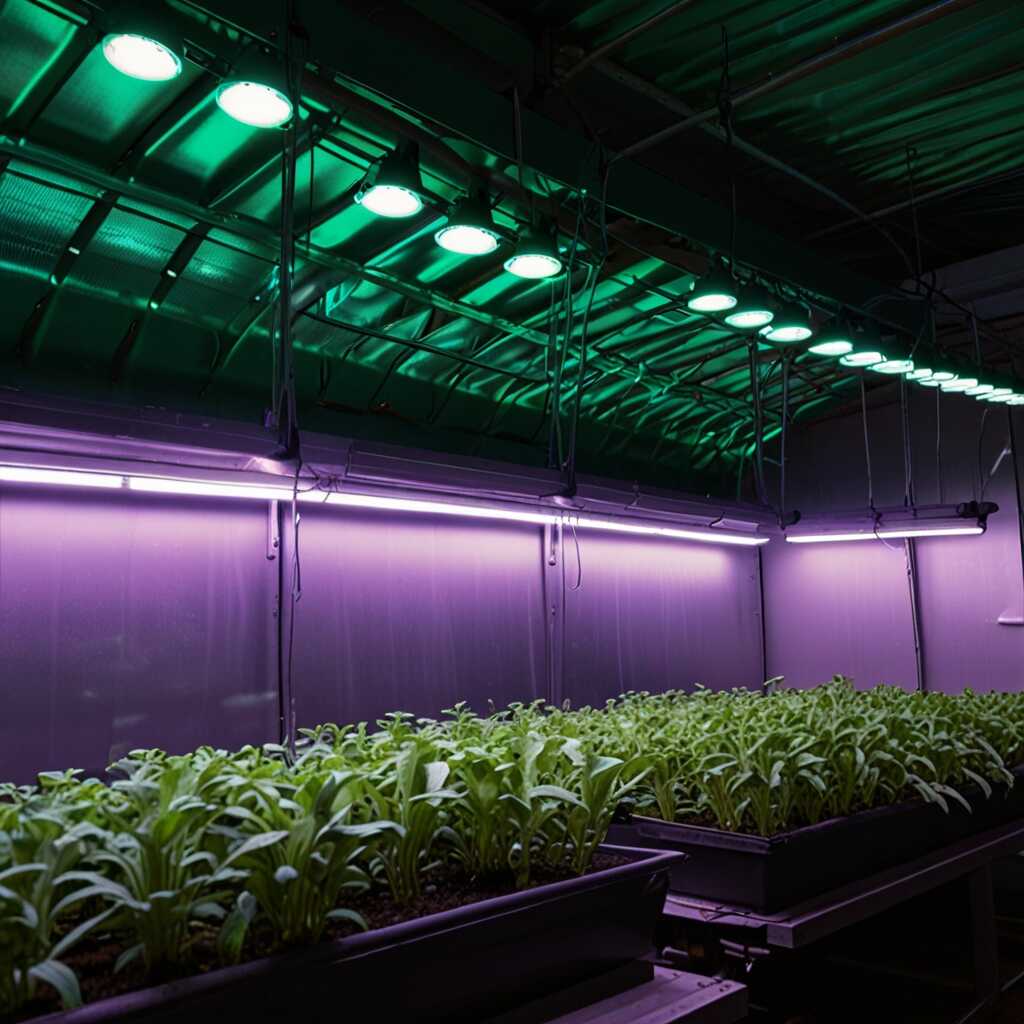
Choosing the right grow lights is crucial for nurturing plants effectively. For seedlings, LED grow lights are ideal due to their energy efficiency and ability to support rapid growth. They emit less heat, helping maintain temperature stability. When considering light types, LED grow lights outperform fluorescent and HID lights in terms of energy usage and lifespan. Fluorescent lights work well for low-light plants but consume more energy over time. The right wattage varies; typically, indoor herb growers should aim for about 200-400 watts total, ensuring adequate coverage for full health.
Understanding Light Spectrum for Plant Growth
Different plant species have varying light spectrum requirements. The spectrum is divided into blue and red light; blue light promotes healthy foliage, while red light supports flowering and fruiting. LED grow lights offer a full spectrum, catering to all growth stages. For example, a balanced spectrum helps leafy greens thrive, while red-heavy spectrums are better for tomatoes and peppers. High-quality LED systems deliver the right spectrum efficiently, enhancing growth rates and yield. Using light meter tools can help verify the intensity and spectrum, ensuring optimal performance for diverse plants.
Optimizing Light Height and Intensity for Best Results
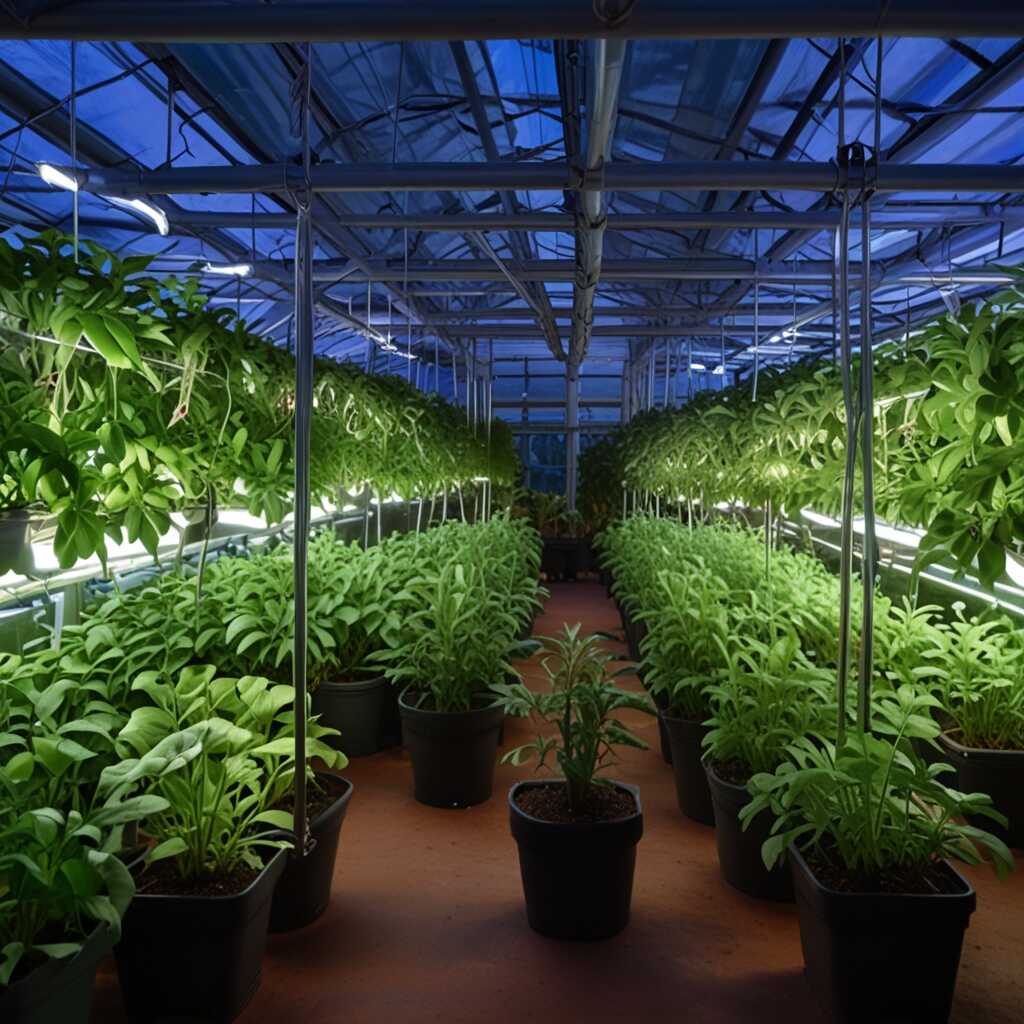
Adjusting the height of greenhouse grow lights is essential for ensuring optimal plant growth. To achieve this, start by positioning your LED grow lights about 12 to 24 inches above the plants. This distance helps provide adequate coverage without risking light burn. Factors that affect light intensity include the growth stage of your plants, which generally require more light during the flowering stage compared to the vegetative stage. By regularly testing light levels with a light meter, you can determine the intensity delivered to your plants, ensuring you maintain the right illumination. Always tailor the distance based on the light’s wattage and your specific plant needs.
Choosing the Right Distance for Different Plant Types
Different plant types require different light distances to thrive. For young seedlings, keep the lights about 12 inches above their foliage. As plants grow, raise the lights to about 18-24 inches for moderate growers, and between 24-36 inches for larger, flowering plants. This adjustment ensures the plants receive the right light intensity without risk of burning. It’s important to monitor plant reactions to light every few days. If you notice leaf curling or bleaching, the light is too close, indicating a need to increase the distance. Regular adjustments using this method can enhance plant health and maximize growth, making it easy to achieve impressive results in your indoor garden.
Advantages of Enhancing Light Coverage
- Maximizing light exposure promotes healthier plant foliage.
- Improving light distribution helps increase yield quality and quantity.
- Well-lit plants are typically more resistant to diseases and pests.
- Proper lighting positioning can minimize electricity costs over time.
- Enhanced light access boosts photosynthesis, promoting faster growth.
- Having a balanced light spread creates uniform plant development.
- Better light setups improve the overall sustainability of gardening practices.

Employing Reflective Surfaces to Maximize Light Distribution
Using reflective surfaces in a greenhouse boosts light distribution significantly. Reflective materials, like Mylar and white paint, enhance light spread by redirecting light to your plants. This improves overall growth by ensuring plants receive consistent and adequate lighting. Integration of these materials can reduce wasted light around your greenhouse and make your lighting system more efficient. Proper testing shows that reflective surfaces can enhance light efficiency by up to 30%. Mylar film offers exceptional light reflectivity, while white paint provides a cost-effective alternative. Both options can help indoor gardeners achieve better results.
Choosing the Right Reflective Material for Your Greenhouse
Choosing the right reflective material is crucial for maximizing greenhouse efficiency. Mylar film is proven to reflect up to 90% of light, making it highly effective. It’s durable and easy to install, fitting any space. White paint is a budget-friendly option, providing between 80-90% reflectivity. Both options can work well together. Consider your budget, maintenance level, and desired aesthetic when selecting materials. Using a combination can ensure that all plant areas receive sufficient light. This results in healthier plants and improved yield. By strategically placing reflective surfaces, you create a well-lit environment conducive to robust plant growth.
Evaluating Plant Growth and Response to Light Adjustments
To monitor plant growth in response to light adjustments, observe growth patterns and leaf color. Healthy plants typically produce new leaves and exhibit vibrant colors. Signs of growth include increased height and leaf size. In contrast, light stress reveals itself through symptoms like leaf yellowing, wilting, or burned edges. By thoroughly evaluating these symptoms, you can identify whether your greenhouse lighting is optimally distributed. Many experts recommend providing 12 to 16 hours of light per day for most greenhouse plants. Adjustments in light duration can enhance your plants’ overall health and productivity.
Understanding Light Stress Symptoms in Different Plants
Recognizing light stress symptoms in plants varies by species. Some plants may display yellowing leaves as a sign of insufficient light, while others may droop or show stunted growth due to excess light. Take cannabis, for example; it thrives with higher light levels but can suffer from bleaching if exposed to too much intensity. Monitoring your plants closely helps in identifying inappropriate light exposure, guiding you in making necessary adjustments. Ensure that your lighting setup is designed to enhance growth by using features like adjustable brightness and full-spectrum wavelengths, which can improve your plants’ light health and overall yield.
Brands and Demographics for Effective Lighting Solutions
- FloraLux: They provide affordable options for beginners and casual gardeners.
- Gavita: Preferred by commercial growers for their high-performance lights.
- VIPARSPECTRA: Offers versatile models suitable for various plants and rooms.
- Some customers prioritize energy-efficient designs for eco-friendly gardening.
- Indoor gardeners invest in full-spectrum light options for diverse plant needs.
- Hobbyists look for compact, easy-to-install arrangements for small spaces.
- Veteran horticulturists pay attention to technology advancements in lighting.
Maintenance Best Practices for Grow Lights and Greenhouse Setup
Regular maintenance tasks are essential for improving grow light efficiency and extending their lifespan. Clean the surfaces of your grow lights every month to remove dust and dirt. Dust can block light distribution, reducing the efficiency of the grow lights. Replace any burnt-out bulbs promptly to maintain peak performance. Depending on the type of grow light, some, like fluorescent tubes, might require replacement every 12 to 18 months. Using a reliable light meter can help you test light levels to ensure plants receive adequate illumination. Additionally, inspect electrical connections and cords for wear or damage regularly to prevent hazards.
Specific Upkeep Practices for Different Grow Light Types
Each type of grow light has unique upkeep requirements to enhance efficiency. For LED lights, check for heat sinking issues, as poor heat management can reduce lifespan. Clean LED lenses with a soft cloth to maximize light output. If using HID or halide lights, consider using a reflective device. This device directs extra light to your plants, improving overall performance. Regularly testing all grow lights with a light meter will ensure they function at optimal levels, delivering the quality needed for healthy plant growth. Understanding the specific features and maintenance needs of your chosen lighting system is crucial for a successful greenhouse operation.