Green Writer is reader-supported: some links on this page are affiliate links, and as an Amazon Associate Green Writer earns from qualifying purchases at no extra cost to you. Learn more.
Light spectrum colors are specific wavelengths of light that directly influence plant growth by controlling photosynthesis, flowering, and vegetative development. Blue light (400-500 nm) promotes leaf growth, while red light (600-700 nm) triggers flowering in greenhouse plants. Most growers use comprehensive grow light reviews and comparisons to select optimal LED systems.
What Light Spectrum Colors Are and How They Function
Light spectrum colors refer to different wavelengths of electromagnetic radiation that plants absorb for photosynthesis and growth regulation. Each color wavelength serves specific biological functions in plant development. Blue light wavelengths between 400-500 nanometers stimulate chlorophyll production and compact vegetative growth. Red light wavelengths from 600-700 nanometers trigger flowering hormones and fruit development. Green light (500-570 nanometers) penetrates deeper into plant tissue, supporting lower leaves that receive less direct illumination.
The visible light spectrum for plants ranges from 400-700 nanometers, known as Photosynthetically Active Radiation (PAR). Plants absorb these wavelengths through specialized pigments including chlorophyll-a, chlorophyll-b, and carotenoids. Understanding strategic grow light placement in greenhouse configurations helps maximize spectrum effectiveness across all plant levels.
How Photosynthesis Responds to Different Light Wavelengths
Photosynthesis is the process where plants convert light energy into chemical energy using carbon dioxide and water. This process occurs in two stages: light-dependent reactions and light-independent reactions. During light-dependent reactions, chlorophyll absorbs blue and red wavelengths most efficiently, while green light is largely reflected (explaining why plants appear green). Blue light activates chlorophyll-b, which transfers energy to chlorophyll-a for photosynthesis. Red light directly activates chlorophyll-a, the primary photosynthetic pigment.
The efficiency of photosynthesis varies significantly with wavelength. Blue light around 450 nanometers and red light around 660 nanometers represent peak absorption points for chlorophyll. Far-red light (700-800 nm) influences plant architecture by promoting stem elongation through the phytochrome system, though it contributes minimally to photosynthesis.
Benefits of Blue Light for Vegetative Plant Growth
Blue light provides essential benefits for healthy vegetative growth in greenhouse plants. The primary advantages include enhanced chlorophyll synthesis, compact plant structure, and improved leaf thickness. Blue light wavelengths stimulate cryptochrome and phototropin photoreceptors, which regulate plant architecture and prevent excessive stretching. Plants receiving adequate blue light typically develop stronger stems, darker green foliage, and more robust root systems.
Specific blue light benefits include increased stomatal density, which improves gas exchange and water regulation. Blue light also enhances the production of phenolic compounds, natural antioxidants that protect plants from environmental stress. For seedling development, blue light promotes cotyledon expansion and prevents damaging etiolation (excessive stretching in low-light conditions).
Optimal Blue Light Ratios for Different Plant Types
Leafy greens like lettuce, spinach, and kale thrive with blue light comprising 20-30% of total light intensity. These crops benefit from blue light’s ability to increase leaf density and reduce bitter compounds. Herbs such as basil and parsley require 15-25% blue light to develop essential oil production while maintaining compact growth. Fruiting plants like tomatoes and peppers need 10-20% blue light during vegetative stages to establish strong framework before flowering.
For young seedlings across all species, blue light should represent 30-40% of total spectrum during the first 2-3 weeks to establish proper plant architecture. Reflective mulch techniques combined with strategic blue light placement can improve light utilization efficiency by up to 25% in greenhouse settings.
Red Light Effects on Flowering and Fruit Development
Red light wavelengths are crucial for triggering flowering responses and supporting fruit development in greenhouse plants. Red light activates phytochrome photoreceptors, which control flowering timing, stem elongation, and fruit set. Plants receiving adequate red light typically show earlier flowering, increased flower quantity, and improved fruit size. The benefits are most pronounced in day-neutral and short-day plants like tomatoes, peppers, and strawberries.
Red light promotes the production of flowering hormones including florigen, which signals the transition from vegetative to reproductive growth. During fruit development, red light supports sugar accumulation, improving taste and nutritional content. Red light also influences fruit coloration by promoting anthocyanin and lycopene production in tomatoes, peppers, and berries.
Timing Red Light Application for Maximum Effectiveness
The timing of red light application significantly impacts plant responses. During vegetative growth, red light should comprise 40-60% of total spectrum to maintain balanced development without triggering premature flowering. As plants mature and reach flowering size, increasing red light to 60-80% encourages flower initiation and fruit set.
For photoperiodic plants, red light exposure during extended day periods can override natural flowering triggers, allowing year-round production. However, far-red light (immediately after red light exposure ends) can cancel this effect, providing growers with precise flowering control. Professional growers often use detailed grow light comparison tables to select systems with appropriate red/far-red ratios.
Full Spectrum Lighting Advantages for Year-Round Growing
Full spectrum lighting provides comprehensive wavelength coverage that supports all stages of plant development simultaneously. The key advantages include eliminating the need for separate vegetative and flowering light systems, supporting mixed-crop greenhouse operations, and providing consistent plant responses regardless of natural light conditions. Full spectrum systems typically include blue (20-30%), green (10-20%), red (40-50%), and far-red (5-10%) wavelengths.
Full spectrum lighting mimics natural sunlight patterns, supporting plant circadian rhythms and hormone cycles. This approach reduces plant stress during seasonal transitions and maintains consistent growth rates throughout the year. Many growers report improved plant health, reduced disease susceptibility, and more predictable harvest timing when using full spectrum systems.
Cost Considerations for Full Spectrum vs. Targeted Spectrum Lighting
Full spectrum LED systems typically cost 15-25% more initially compared to targeted blue/red combinations. However, they offer operational advantages that often justify the investment. Full spectrum systems eliminate the need for multiple light controllers, reduce labor for light spectrum adjustments, and provide greater flexibility for crop rotation within the same greenhouse space.
Operating costs for full spectrum LEDs range from $0.15-0.25 per square foot per month, depending on intensity and duration settings. Targeted spectrum systems may cost $0.12-0.20 monthly but require additional investment in controllers and potential system modifications when changing crop types. Most commercial operations find full spectrum systems cost-effective for facilities growing multiple crop types or operating year-round.
Choosing Grow Light Systems for Different Greenhouse Scales
Selecting appropriate grow light systems depends on greenhouse size, crop types, and experience level. Small hobby greenhouses (under 100 square feet) typically benefit from plug-and-play LED panels with preset spectrum ratios. These systems cost $50-200 and provide adequate light for herbs, leafy greens, and small fruiting plants. Medium greenhouses (100-500 square feet) require more sophisticated systems with adjustable spectrum controls, typically ranging from $300-1,500.
Large commercial operations need professional-grade systems with environmental integration, remote monitoring, and precise spectrum control. These installations typically cost $5-15 per square foot but provide the flexibility and efficiency needed for profitable year-round production. When evaluating options, consider factors like warranty coverage, technical support availability, and compatibility with existing environmental controls.
Installation and Maintenance Requirements
LED grow light installation varies significantly with system complexity and greenhouse infrastructure. Basic residential systems typically require standard electrical outlets and simple mounting hardware, making them suitable for DIY installation. Commercial systems often need dedicated electrical circuits, professional installation, and integration with greenhouse automation systems.
Maintenance requirements are minimal for quality LED systems, typically involving quarterly cleaning and annual performance checks. However, proper testing methodology ensures optimal performance throughout the system’s 50,000+ hour lifespan. Most manufacturers provide 3-5 year warranties, with some premium systems offering extended coverage for commercial applications.
Common Limitations and Troubleshooting Light Spectrum Issues
Despite their benefits, artificial light spectrum systems have several limitations that growers should understand. The primary challenges include initial investment costs, electricity consumption, and the need for technical knowledge to optimize settings. Heat management can be problematic with high-intensity systems, particularly in smaller greenhouses without adequate ventilation.
Light spectrum systems cannot fully replicate the dynamic spectral changes that occur in natural sunlight throughout the day. This limitation can affect some plant processes that rely on gradual spectrum shifts, such as circadian rhythm regulation and seasonal flowering triggers. Additionally, some plant varieties may require specific wavelengths not available in standard LED systems, necessitating custom solutions.
Troubleshooting Common Spectrum-Related Plant Problems
Excessive stretching (etiolation) typically indicates insufficient blue light or excessive red light ratios. Symptoms include elongated internodes, pale coloration, and weak stems. The solution involves increasing blue light percentage to 25-35% of total spectrum. Conversely, overly compact growth with dark, thick leaves suggests too much blue light, requiring adjustment to 15-25% blue light.
Delayed or absent flowering often results from insufficient red light during reproductive phases. Increasing red light to 60-70% of total spectrum typically resolves this issue within 1-2 weeks. Poor fruit development or coloration may indicate inadequate red/far-red ratios, requiring spectrum analysis and adjustment of far-red components to 5-10% of total output.
Key Considerations for Successful Light Spectrum Management
- Monitor plant responses weekly and adjust spectrum ratios based on growth stages.
- Maintain consistent photoperiods (12-16 hours) for optimal photosynthetic efficiency.
- Use light meters to verify intensity levels across the greenhouse canopy.
- Consider natural light contribution when calculating artificial light requirements.
- Document spectrum settings and plant responses for future optimization.
- Invest in quality systems with proven performance records and technical support.
- Plan for electrical infrastructure upgrades when scaling up operations.
Advanced Strategies for Optimizing Light Spectrum Results
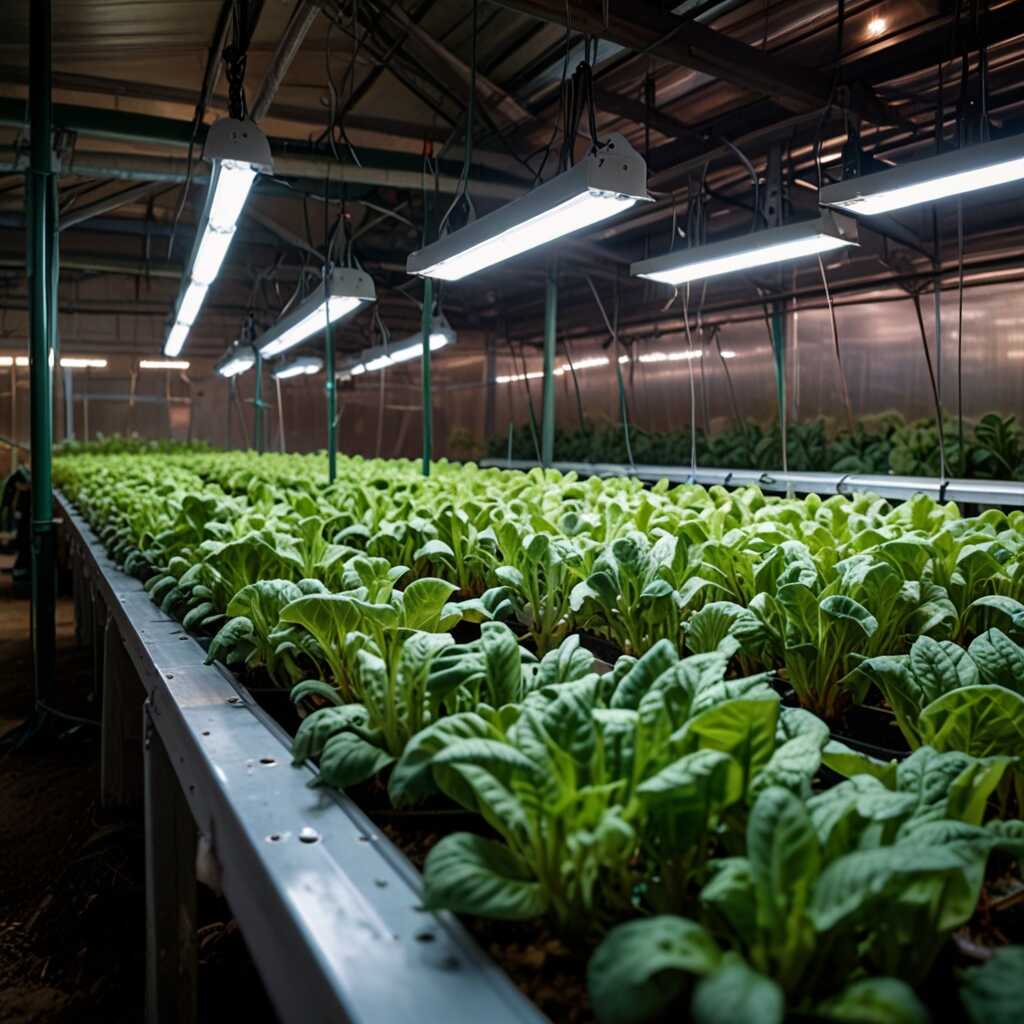
Advanced light spectrum optimization involves dynamic spectrum adjustment based on plant development stages and environmental conditions. Professional growers often implement dawn/dusk spectrum transitions that mimic natural light changes, supporting plant circadian rhythms and hormone regulation. This approach typically involves gradually shifting from blue-dominant spectrums in early morning to red-dominant spectrums in evening hours.
Integration with environmental sensors allows automatic spectrum adjustments based on natural light levels, temperature, and humidity. During cloudy periods, systems can increase overall intensity while maintaining optimal spectrum ratios. Performance analysis tools help track the relationship between spectrum settings and plant responses, enabling continuous improvement in growing protocols.
Maximizing Energy Efficiency While Maintaining Spectrum Quality
Energy efficiency optimization focuses on delivering necessary light wavelengths while minimizing electricity consumption. Modern LED systems achieve 2.5-3.0 μmol/J efficacy, significantly higher than older technologies. Zonal lighting strategies apply different spectrum ratios to different greenhouse areas based on crop requirements and growth stages.
Timer-based spectrum control reduces energy consumption by providing high-intensity light during peak photosynthetic hours and lower intensity during early morning and late evening. Some advanced systems incorporate spectrum ramping, gradually increasing intensity and shifting ratios throughout the photoperiod to maximize photosynthetic efficiency while minimizing energy waste.