
Creating budget-friendly DIY light stands for your indoor plants is easier than you think. With a few affordable shop materials and simple tools, you can craft effective lighting solutions that help your plants thrive. Green Writer is here to guide you through the process while promoting sustainable gardening practices. By following this DIY project, you will not only enhance your indoor garden but also make eco-conscious choices for a greener home.
Advantages of Building Your Own Light Stands for Indoor Gardening
Building your own light stands for indoor gardening offers significant cost savings compared to purchasing commercial options. DIY light stands can often be constructed using affordable, readily available materials. Customizing light stands for specific plants enhances growth results by allowing you to adjust height, lighting intensity, and angle of light exposure. This customization ensures that every plant receives the ideal light conditions for its unique needs. Additionally, the average cost difference between DIY light stands and commercial ones can exceed 50%, making DIY a financially smart choice.
How to Customize Light Stands for Optimal Plant Growth
Customizing light stands for optimal plant growth involves choosing the right height and light type to match specific plant needs. Position light fixtures at varying heights to accommodate taller plants or adjust based on their growth stages. Use full spectrum lights for a balanced light quality that supports photosynthesis and flowering. Consider adjustable mechanisms for changing light angles, ensuring adequate light reaches all parts of the plant. Plants like herbs thrive under directly positioned lights, while leafy greens perform better with diffused light sources.
Affordable Shop Materials for Constructing Light Stands
For building effective DIY light stands, you can use inexpensive materials available at local shops. Common options include PVC pipes, wood boards, and metal brackets. PVC is lightweight and easy to cut, making it ideal for a sturdy yet adjustable design. Wood boards offer excellent stability and can be painted to match your home decor. Metal brackets enhance reliability, supporting the weight of grow lights while ensuring durability. Utilizing a combination of these materials provides a balance of cost-effectiveness and performance. On average, constructing a light stand can cost between $15 to $30, depending on material choices and quantities.
Choosing the Right Material for Stability and Ease
Selecting the right material is essential for creating a reliable DIY light stand. PVC offers lightweight construction, making it easy to move your setup as needed. When using wood, ensure you choose solid, thick boards to handle additional weight and provide durability. Metal brackets can enhance overall stability by securing different sections together. Most importantly, consider the final height and placement of your lights. A combination of wood and metal supports will create a sturdy frame that enhances the efficiency of your indoor plant lighting. This information can help you design an effective setup.
Comprehensive Guide for Step-by-Step DIY Light Stand Construction
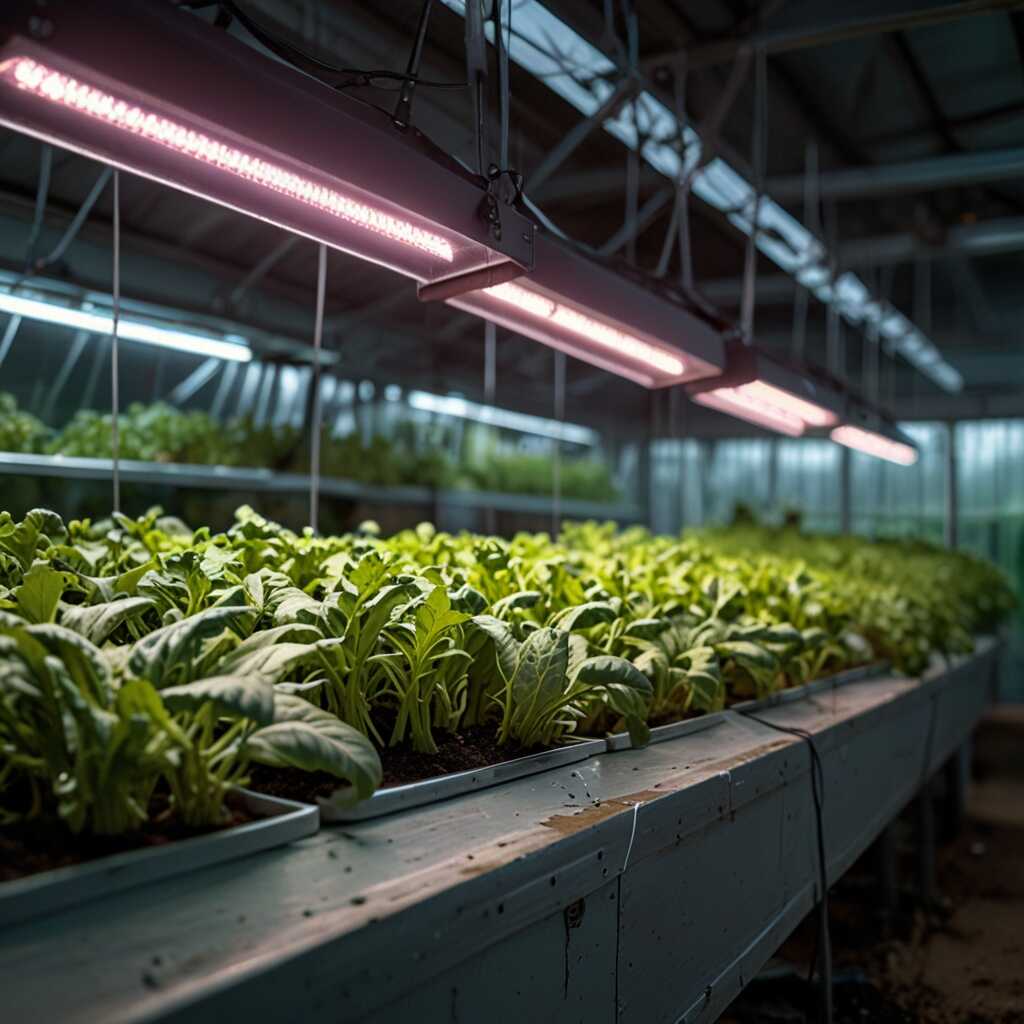
This section provides you with a clear and detailed overview of building a DIY light stand for indoor plants. Make sure to gather essential materials such as PVC pipes or wooden boards, clamps, LED grow lights, and a power source. Safety is critical, so wear protective gear and work in a well-ventilated area during the assembly process. Depending on your skills, the entire project may take about 2 to 4 hours to complete, ensuring a reliable setup for your indoor plant lighting solutions.
Detailed Assembly Process for a DIY Light Stand
In this assembly process, follow the instructions closely to guarantee sturdiness and efficiency. Start by cutting the PVC pipes or wooden boards to desired lengths. Secure the base with clamps to enhance stability. Mount the LED grow lights at the top using adjustable fixtures. Make sure the wiring is organized and tucked away to prevent tripping hazards. Testing the stand’s durability helps ensure it can handle the required weight and provides effective lighting, improving the growth of your indoor plants.
Essential Numerical Insights on Affordable Lighting Solutions
- The average DIY light stand costs around $25 to $50 to make.
- Using LED lights can reduce energy costs by up to 80% compared to traditional bulbs.
- Builders often complete the project in only 1-2 hours.
- Many DIY light stands can hold between 2 to 4 plants effectively.
- Full spectrum lights, like those used for plant growth, emit light between 400-700 nm.
- Incorporating recycled materials can cut costs by 50% or more.
- Nearly 50% of indoor gardeners use DIY light stands for better plant health.
Best Practices for Setting Up Lighting for Various Plant Needs
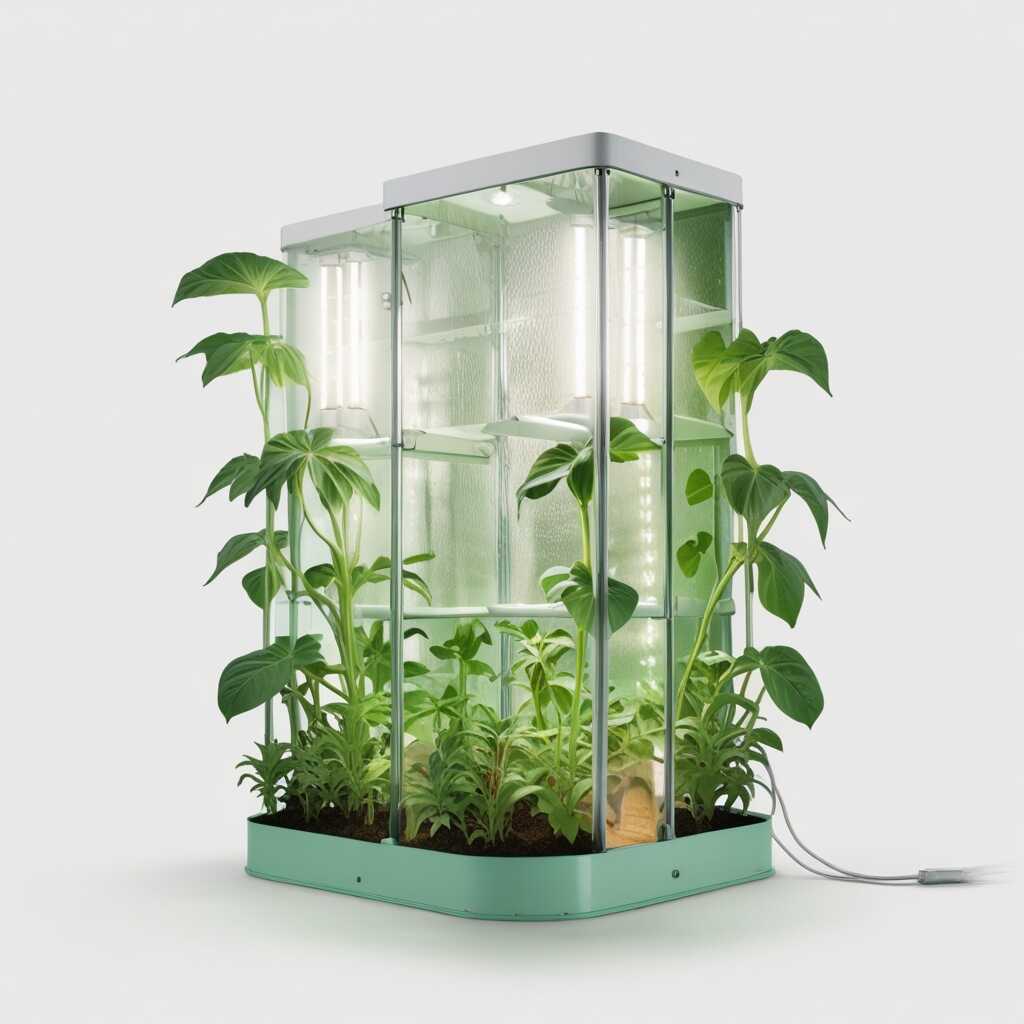
Understanding plant light requirements is essential. Factors like plant type, growth stage, and light intensity determine effective lighting setup. For instance, low-light plants like snake plants thrive with indirect light, while high-light plants like pothos need bright, filtered light to flourish. A reliable review of your indoor plants helps ensure you meet their specific light exposure duration. Most plants need 12 to 16 hours of light during the growth stages, especially in spring and summer.
Adjusting Light for Different Contexts
Indoor plant lighting is all about tailoring light exposure. For example, during seedling development, use brighter light for about 14 hours daily. As plants mature, light can be reduced to 12 hours. Effective lighting setup also needs to consider the distance between lights and plants. Ensure grow lights are 12-24 inches above plants, depending on their intensity. This height helps avoid light burn and ensures even distribution. Understanding these specifics enables you to provide great care for your indoor plants.
Understanding Sustainability in Indoor Plant Culture
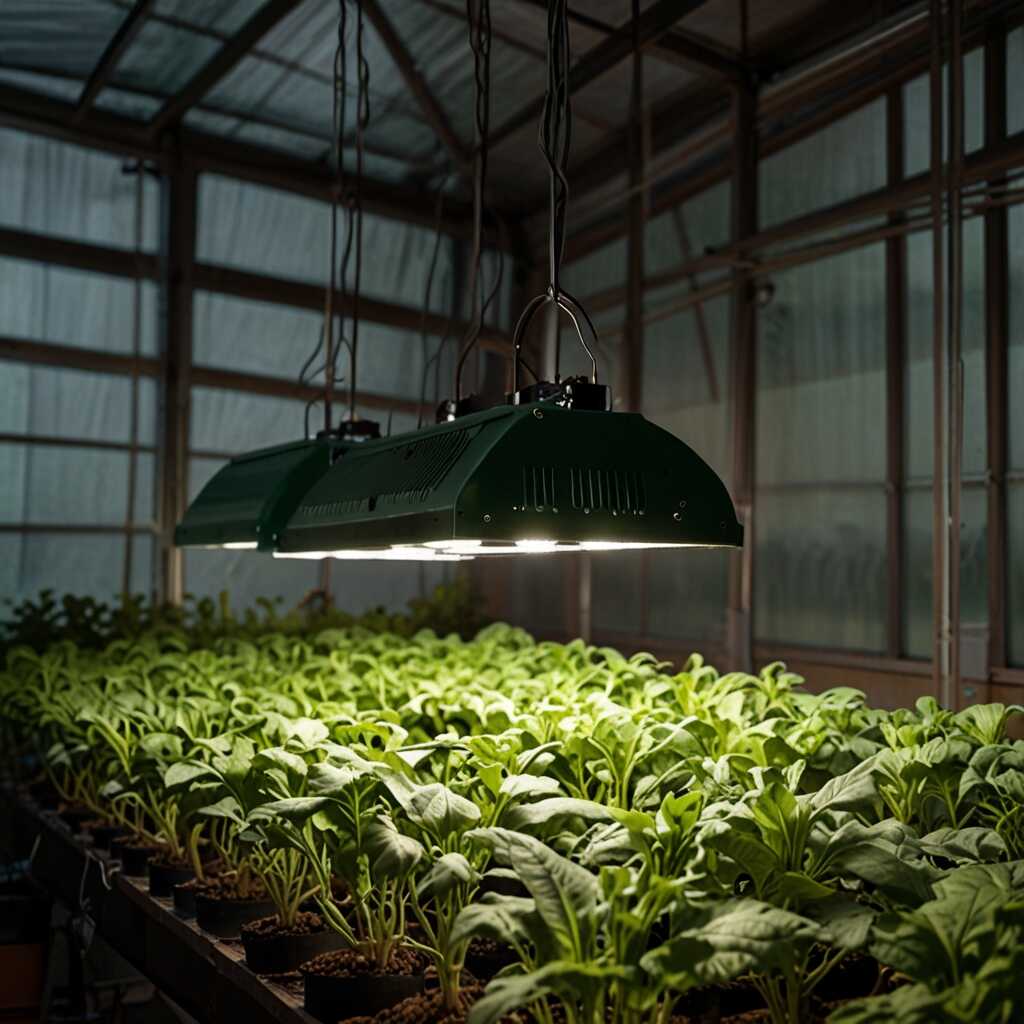
Using eco-friendly materials in DIY gardening can significantly reduce environmental impact. Sustainable gardening practices benefit plants by creating healthier growth conditions. They help make indoor spaces better for air quality. Sustainable materials include reclaimed wood, biodegradable pots, and organic fertilizers. These not only enrich soil health but also lower overall waste. Applying sustainable methods enhances plant vitality and reduces the need for chemical treatments. This fosters a thriving indoor garden that aligns with eco-conscious living and promotes personal satisfaction.
Exploring Eco-Friendly Materials for Indoor Gardening
Choosing the right eco-friendly materials enhances the quality and efficiency of indoor gardening. Reclaimed wood is great for building DIY light stands as it is sturdy, reliable, and adds a rustic charm. Biodegradable pots provide a way to plant directly into soil, reducing plastic waste. Organic fertilizers, like worm castings and compost, improve soil structure while being safe for the environment. Tools made from bamboo or recycled metals add durability and sustainability. These materials offer a great alternative to conventional options, ensuring good plant health and responsible gardening.
Key Advantages of Constructing Your Own Light Support Systems
- DIY stands are cost-effective and can save money on plant care.
- You can customize designs to suit various plant needs and space.
- Building light stands promotes sustainable gardening practices.
- Many DIY projects enhance the growth of indoor plants significantly.
- They allow for creative expression in home décor and gardening.
- Using affordable materials minimizes environmental impact.
- Setting up light stands can lead to healthier, thriving plants indoors.
Troubleshooting Common DIY Gardening Challenges and Solutions
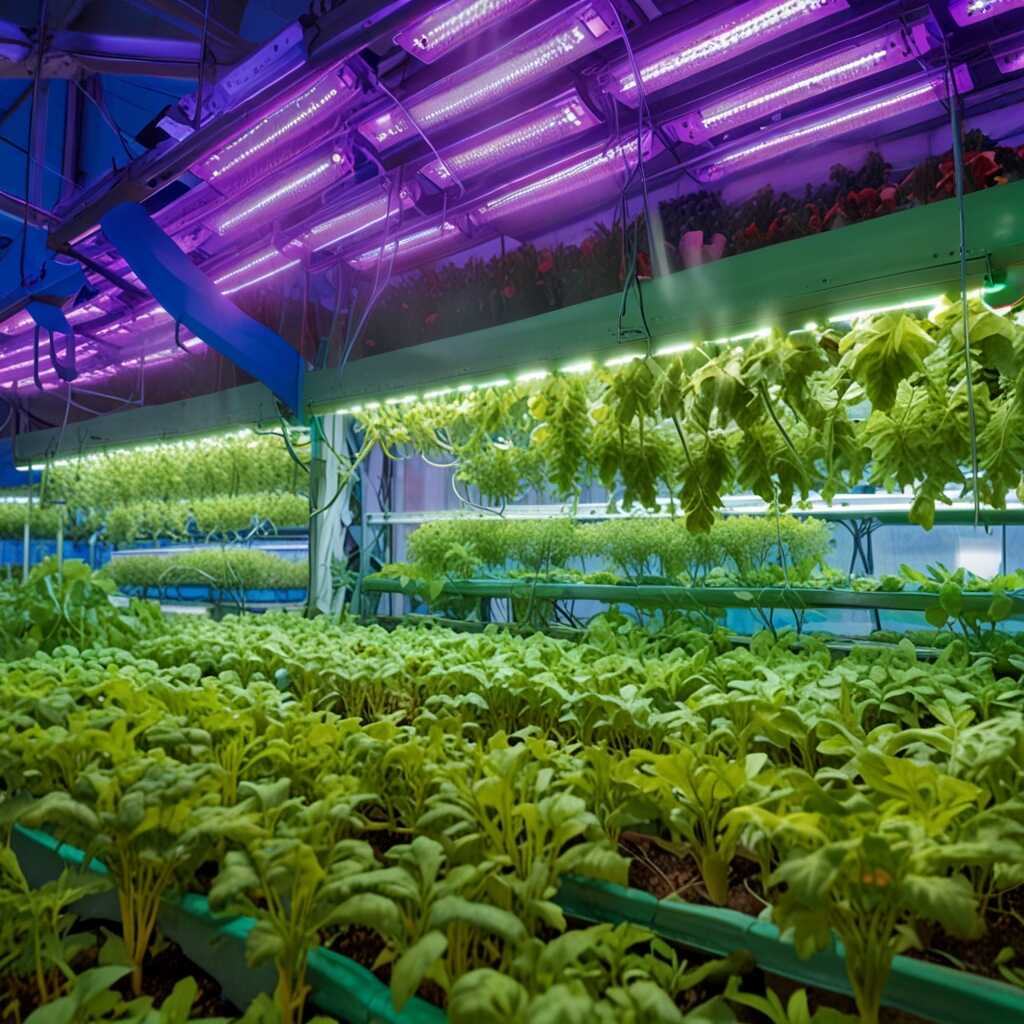
Common problems faced when creating DIY light stands for indoor plants include insufficient light exposure, instability, and unsuitable materials. To solve light exposure issues, ensure your light source is adjustable. Consider using full-spectrum LED grow lights for effective coverage. For light stand stability, use heavy materials like wood or metal to ensure reliability. Secure all parts tightly and consider adding a base to distribute weight. If you’re unsure about material durability, choose proven products like plywood or steel as they enhance performance and longevity. Understanding the correct height for a DIY light stand is essential. It should generally be around 12-24 inches above the plants, depending on the light type. This height helps optimize plant growth, enabling them to receive adequate light without burning.
Best Practices for Designing DIY Light Stands
Designing effective DIY light stands relies on understanding specific requirements for optimal plant growth. First, identify the plants you want to grow and their light needs. Use adjustable mechanisms so you can modify light distance according to plant height. String lights or adjustable suspension cables can enhance versatility to suit different plants. Additionally, ensure that your light stand can handle the weight of your lights securely. A strong, sturdy base will prevent tipping. Review different light types; LED lights are energy-efficient and have a long lifespan, making them great for indoor gardening. Implementing these best practices ensures your DIY light stand is both functional and durable, providing your plants with the perfect environment for thriving.
Enhancing Your Indoor Gardening Journey with Additional Tips
Effective plant care techniques include proper watering, adequate light, and using organic fertilizers. Inspect your plants regularly to identify any pests or issues. Sustainable gardening practices like composting and using companion planting can improve plant health significantly. Eco-friendly products such as non-toxic pesticides and biodegradable pots can also support your gardening journey. An efficient watering schedule is essential. Adjust the watering frequency according to your plant types. For example, succulents only need watering every two weeks, while ferns thrive with daily misting.
Exploring Eco-Friendly Products for Indoor Gardening
Choosing eco-friendly products for indoor gardening can greatly enhance plant growth and sustainability. Consider using organic fertilizers that are designed to provide essential nutrients without harmful chemicals. LED grow lights are another excellent choice for ensuring optimal light conditions while minimizing energy consumption. These lights provide full spectrum lighting, promoting healthier plants throughout their growth stages. A quality soil mix that includes natural amendments can improve drainage and aeration, enhancing your plants’ root systems. Also, using reusable plant containers minimizes waste and supports your commitment to sustainable gardening.
Target Audiences and Their Interests in Lighting Solutions
- Indoor gardening enthusiasts seek effective solutions for plant illumination.
- Home improvement fans appreciate DIY projects for aesthetic upgrades.
- Sustainability advocates prefer using eco-friendly materials.
- Families with limited budgets explore creative ways to enhance home greenery.
- Apartment dwellers often benefit from efficient small-space solutions.
- Eco-conscious consumers prioritize minimizing waste in their gardening setups.
- DIY lovers enjoy crafting practical items while enhancing their living spaces.
Connecting with the Indoor Gardening Community for Growth and Support
Joining gardening forums enhances your indoor gardening experience by fostering community engagement. Engaging with others allows for the sharing of useful tips and troubleshooting advice. Forums are places where members share their testing results and experiences with various plants and lighting techniques. Participating helps you learn about proven methods specific to indoor gardening. You might also find local groups providing live support, making the experience more interactive. By sharing challenges and successes in these forums, you build a sense of camaraderie that enriches your gardening journey.
Exploring Popular Social Media Groups for Indoor Gardening
Popular social media groups focused on indoor gardening include “House Plant Hobbyist,” “Indoor Gardening Club,” and “Urban Jungle” on Facebook. These groups provide a platform for sharing photos, asking questions, and discussing products like LED grow lights. On Instagram and TikTok, hashtags such as #IndoorGardenCommunity and #PlantParent help you connect with enthusiasts worldwide. These groups often share reviews of plant care products and DIY projects that can enhance your gardening setup. Following their posts offers insights into the most reliable plant care techniques and the latest trends in indoor gardening.