
Energy-saving strategies for using LED grow lights in home greenhouses can lead to sustainable indoor gardening. By implementing these strategies, you can reduce energy consumption while growing healthy plants. Green Writer provides practical tips to maximize your LED lights’ efficiency, ensuring your greenhouse thrives without burdening the environment. Discover how to cultivate your indoor garden responsibly while minimizing your carbon footprint and maintaining energy efficiency.
Exploring the Energy Efficiency of LED Grow Lights
LED grow lights offer significant energy-saving benefits over traditional lighting systems. They use less electricity, which helps reduce monthly utility bills. The efficiency of LED technology translates into more light output per watt, ensuring your plants receive adequate light without excessive energy waste. LED grow lights are designed to emit specific wavelengths that match the needs of plant growth stages, making them exceptionally effective for home greenhouses. Compared to traditional HID or fluorescent lights, LEDs produce less heat, reducing cooling costs in your greenhouse. Users can expect LED grow lights to last up to 50,000 hours, which is three to five times longer than conventional options. This reliability leads to lower replacement frequency and additional savings.
Understanding the Functionality of LED Grow Lights
LED grow lights function by utilizing semiconductor technology that converts electrical energy into light. This process allows them to produce intense light at specific wavelengths, essential for various plant growth stages. For example, blue light enhances vegetative growth, while red light supports flowering. The efficient design of LED grow lights produces minimal heat, allowing for closer placement to plants without risk of damage. Many LED models include adjustable spectrums and dimming features, enabling users to customize light exposure based on specific plant requirements. Research shows that this tailored approach significantly improves plant health and yields compared to standard grow lights. Choosing energy-efficient options enhances your indoor gardening experience while promoting a sustainable lifestyle.
Selecting the Best LED Grow Lights for Different Plant Needs
To choose the right LED grow lights for different plants, note their specific needs and growth phases. Vegetative and flowering stages require different wavelengths. For leafy greens, a light that emphasizes blue wavelengths enhances growth. Fruit-bearing plants benefit from a full spectrum light that includes red wavelengths, promoting flowering and fruiting. Make sure to assess the space in your greenhouse. Consider light placement and coverage area. Using energy-efficient lighting improves plant health while saving on your electricity bill. You can use one LED grow light for multiple plants. Select adjustable lights to ensure optimal energy use across various growth phases.
Understanding Plant Growth Phases and Their Light Requirements
Understanding plant growth phases is essential in selecting effective LED grow lights. During the germination phase, low-intensity light like blue spectrum helps seedlings thrive. As plants enter their vegetative phase, increasing light intensity with full-spectrum lights supports rapid growth. In the flowering phase, red spectrum lighting enhances the production of flowers and fruits. LED grow lights specified for different phases offer features like adjustable settings and timers. This adaptability helps ensure plants receive the right light levels when needed. Using lights designed with energy efficiency in mind can significantly reduce electricity costs while providing optimal plant growth.
Setting Efficient Light Schedules for Reduced Energy Use
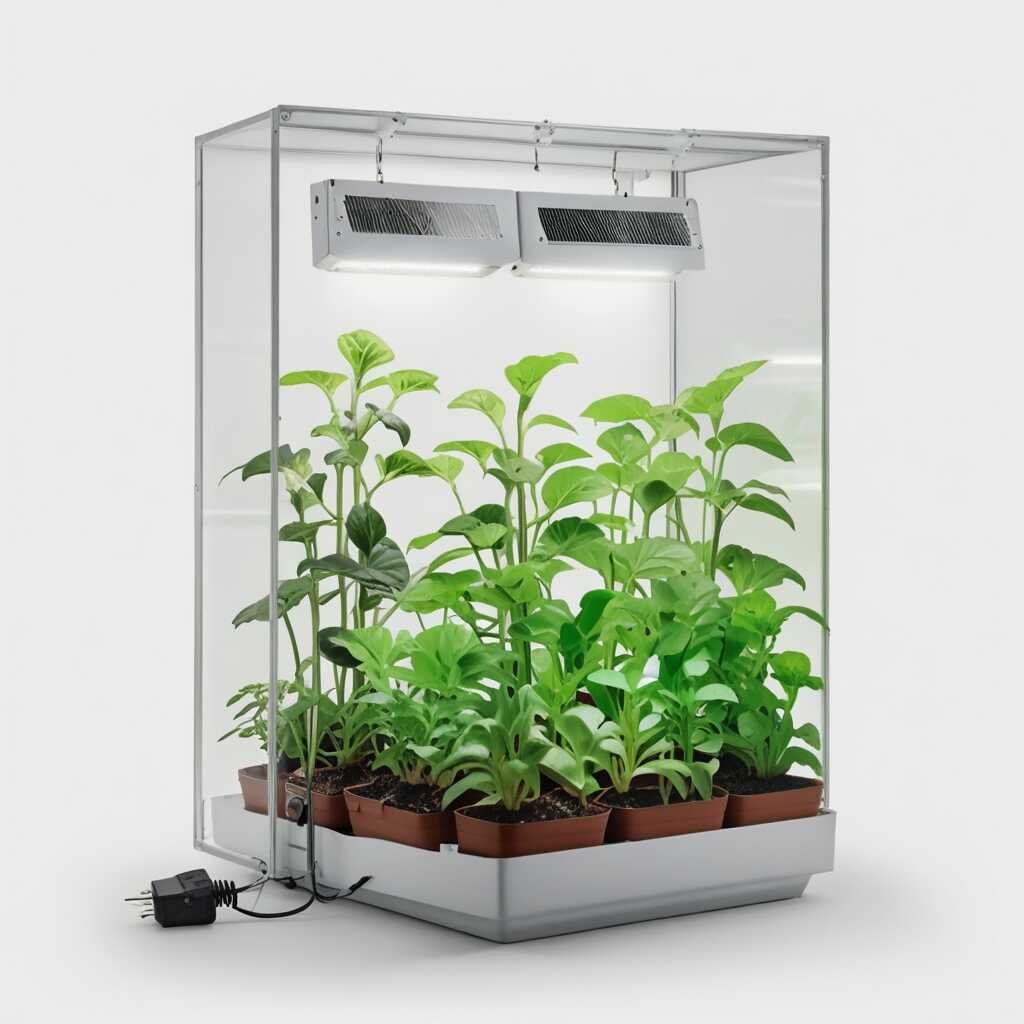
Effective light scheduling enhances plant growth and reduces energy waste. For most plants in home greenhouses, a light duration of 12 to 16 hours per day is optimal. The duration can vary based on plant type. For instance, leafy greens thrive with 14-16 hours, while flowering plants may require less. Use a timer to automate lighting, ensuring consistent patterns. In doing so, plant performance improves while energy consumption decreases. Research shows that lower-power settings during growth stages helps provide the needed intensity without the excess energy use.
Considering Plant Variety in Light Scheduling
Different plant types influence light needs and schedules. For example, vegetables like tomatoes benefit from longer light periods, while herbs typically require less. A general rule guides many sun-loving plants needing 14 to 16 hours of light exposure. In contrast, shade-tolerant plants, such as ferns, may thrive on 10-12 hours. Experiment with your plant selection ensuring lighting schedules fit their needs. To ensure efficiency, monitor plant health and adjust light schedules based on observations and data.
Key Numerical Insights on Sustainable Lighting
- LED grow lights use 50-75% less energy than traditional lighting options.
- These lights can last over 50,000 hours, which reduces replacement costs.
- Using LED lights can decrease greenhouse heating needs by about 30%.
- Switching can save around $100-200 annually on electricity bills.
- Some LED models emit light spectrums from 400 nm to 700 nm for optimal plant growth.
- Efficient lighting can increase yields by 20-30%, enhancing productivity.
- Frequent light adjustments saves more energy with proper timers and sensors.
Enhancing Light Distribution with Reflective Surfaces
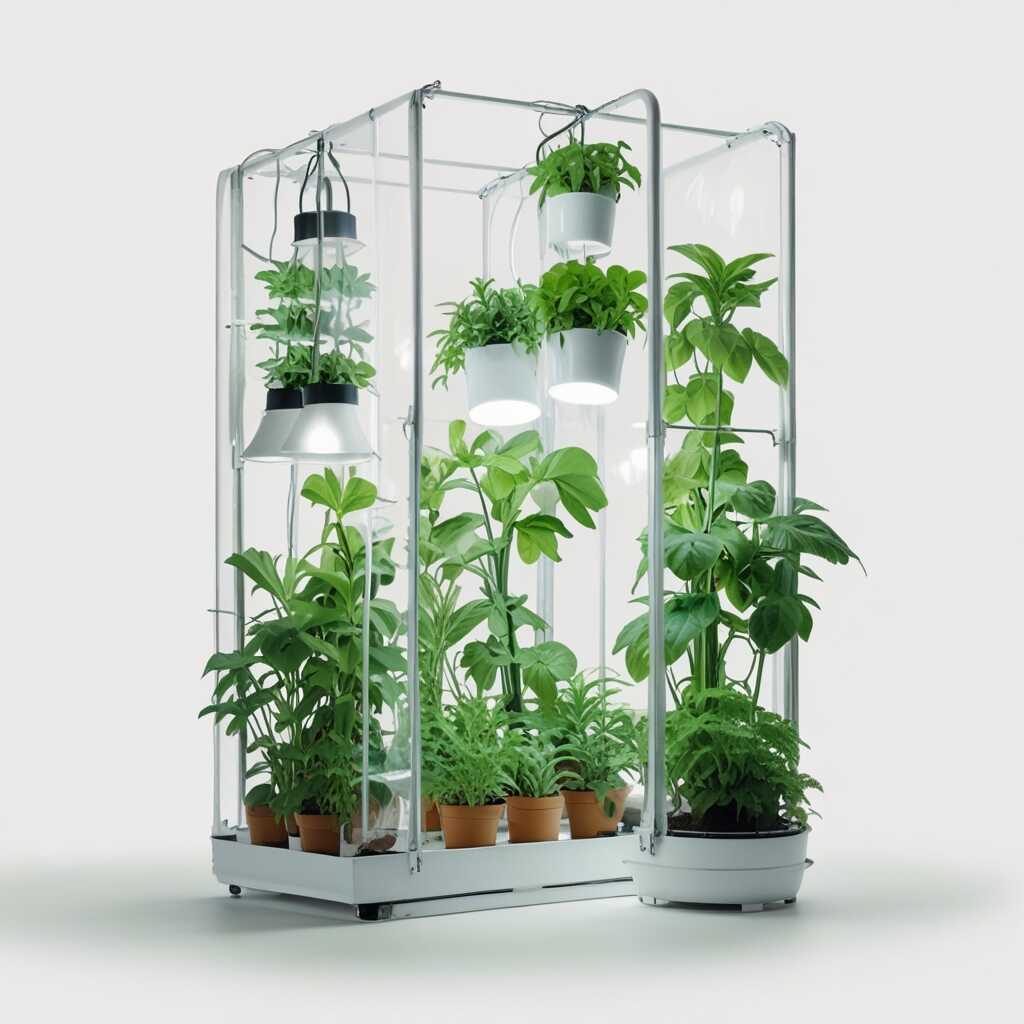
Using reflective materials like Mylar sheeting and white paint can significantly enhance light distribution in greenhouses. These materials increase light efficiency by directing sunlight or grow light back to the plants. Mylar sheeting reflects up to 90% of light, making it a very effective option. White paint also improves efficiency by about 80% and is easy to apply. Regular testing and expert reviews support these claims, showing that effective light distribution promotes better growth for greenhouse plants. By implementing these reflective surfaces, energy consumption is reduced while the growth potential is maximized.
Comparing Reflective Surfaces for Maximum Efficiency
Choosing the right reflective surface is essential for maximizing energy efficiency in your greenhouse. Mylar sheeting is often recommended for its high light reflection and durability, while flat white surfaces provide a cost-effective alternative. Research shows that Mylar can handle various temperatures and can last for years, ensuring excellent performance under different conditions. White paint is easy to apply and maintain but may require repainting over time. Users can experience a percentage increase in light penetration, leading to healthier, more productive plants. Evaluating your greenhouse’s size and light needs can help determine the best option.
Tracking and Analyzing Energy Consumption from Grow Lights
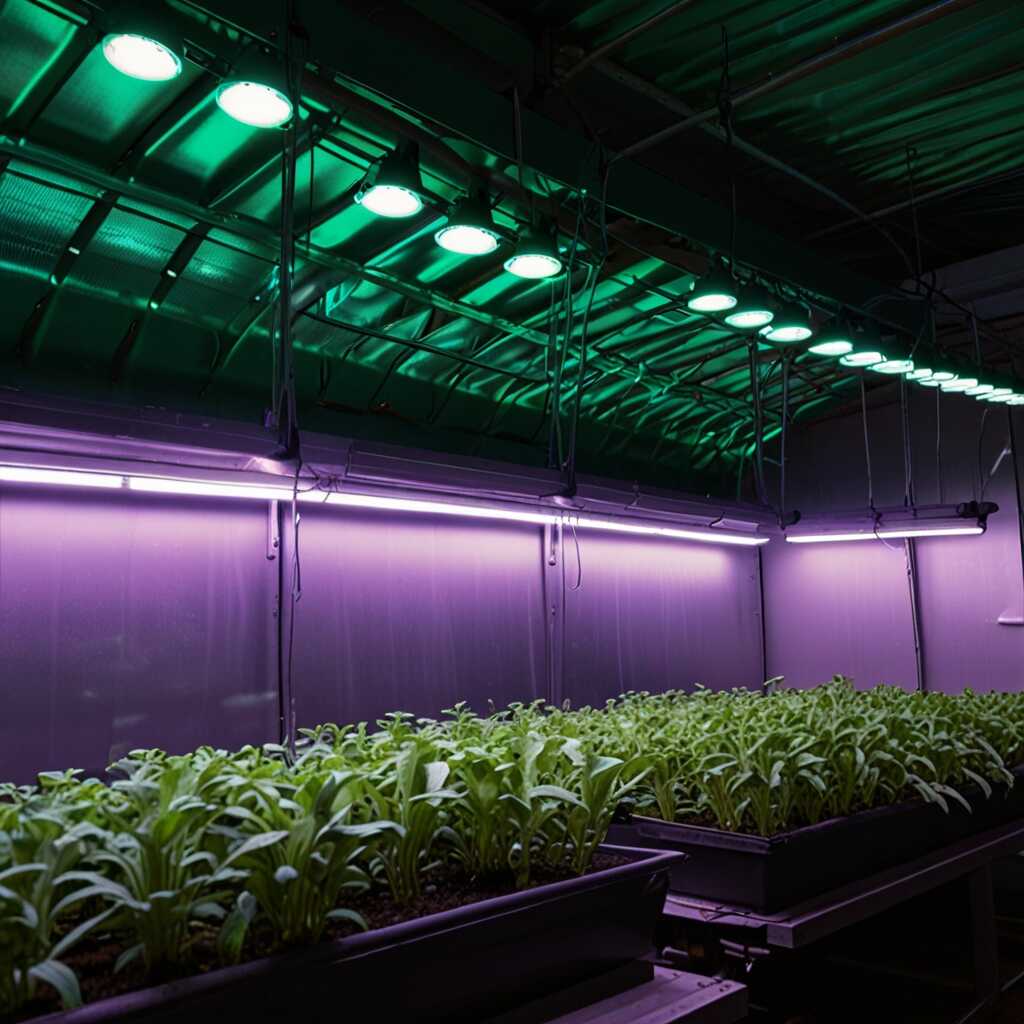
Monitoring energy consumption from LED grow lights is crucial for indoor gardening enthusiasts. Tools like energy monitors and smart plugs help track real-time energy use effectively. These devices provide data on wattage and enable adjustments for reducing operational costs. Comparing the energy efficiency of various LED grow lights helps users identify the most efficient options for their setup. On average, an LED grow light uses about 300 watts per hour, depending on its wattage and coverage area. Understanding these energy usage metrics can lead to smarter decisions when designing your greenhouse lighting system.
Best Tools for Monitoring Grow Light Energy Usage
Several energy monitoring tools provide insights into LED grow light consumption. Smart plugs, like those from TP-Link or Wemo, offer easy tracking through mobile apps. Energy monitors like Sense can provide detailed reports and historical data on energy consumption. Home energy management systems help analyze trends and make adjustments. Investing in these tools ensures you have reliable data to enhance efficiency and optimize settings. Choosing the right tracking system can lead to significant energy savings in your indoor gardening efforts.
Advantages of Efficient Lighting Solutions
- Lower energy consumption helps in reducing your carbon footprint.
- Customized light spectrums from LED grow lights support all plant growth stages.
- LED lights are cool to the touch, providing a safer environment for plants and users.
- Long-lasting bulbs mean fewer replacements, saving time and money.
- Achieving better yields leads to more produce per square foot in your greenhouse.
- Energy savings allows funds to be redirected toward other sustainable practices.
- LED technology contributes to a healthier growing environment for plants.
Adjusting LED Light Heights for Optimal Plant Growth
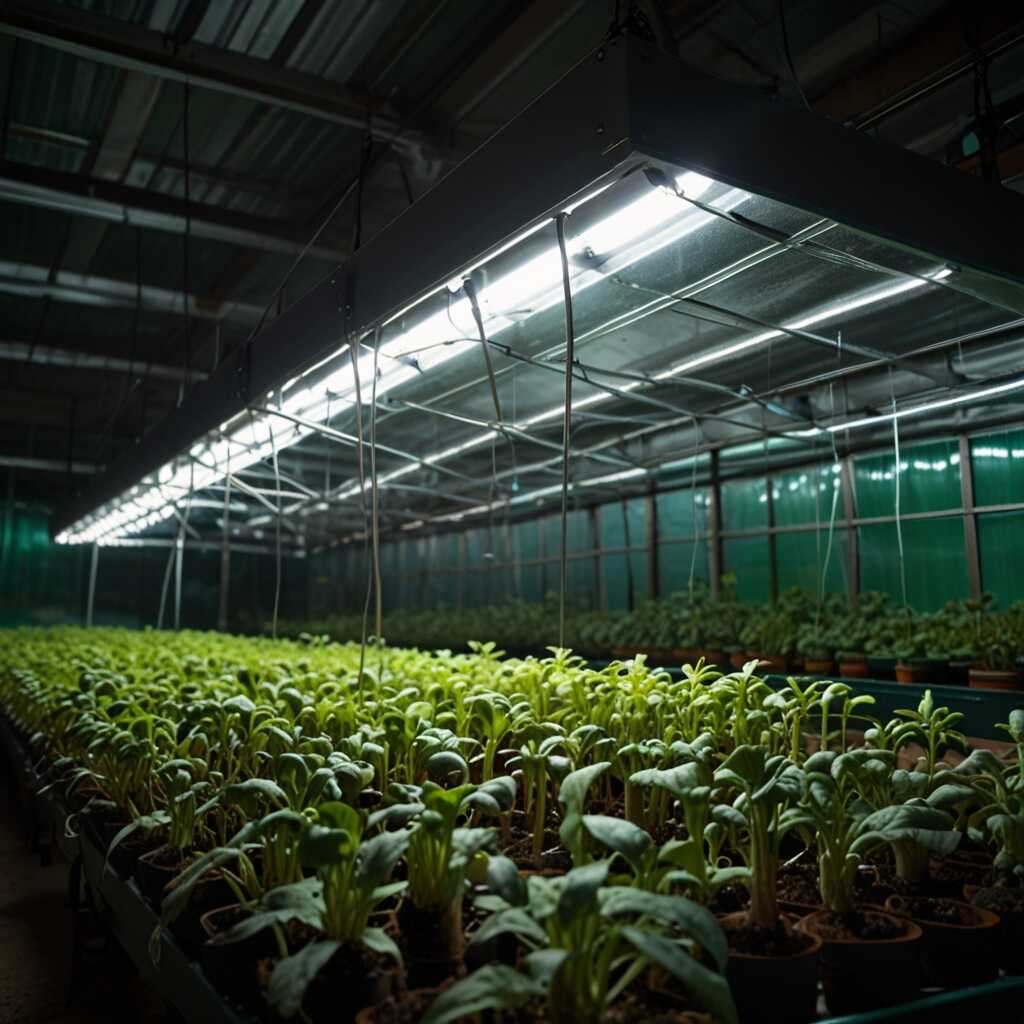
Adjusting the height of LED grow lights plays a crucial role in plant health. Keeping the correct distance ensures even light distribution, reducing hot spots. Different plants have unique light requirements based on their varieties and growth stages. For example, seedlings usually benefit from being closer to the light, while mature plants may need more distance to avoid light burn. Regularly checking the height can enhance energy efficiency, allowing you to use less electricity while promoting better growth. The optimal distance can significantly improve photosynthesis, leading to healthier plants.
Understanding Plant Light Requirements Based on Types and Stages
Understanding the unique light requirements for each plant type is essential for successful indoor gardening. Generally, low-light plants, like snake plants, thrive at around 12-24 inches away from LED fixtures. In contrast, flowering plants, such as tomatoes, should be kept about 18-30 inches away to prevent damage from excessive light intensity. During the seedling phase, placing them just 6-12 inches from the light source promotes rapid growth without risking stress. Regular adjustments ensure that your LED lights are working at peak performance, enhancing both energy efficiency and plant health.
Regular Maintenance for Longer Lasting LED Grow Lights
Essential maintenance practices for LED grow lights include cleaning the fixtures, checking for signs of wear, and ensuring proper ventilation. Cleaning fixtures enhances their light output and efficiency. Reducing dust buildup allows more light to reach plants, promoting healthy growth. Regular checks for wear prevent unexpected failures. By maintaining your grow lights regularly, you can improve energy efficiency, resulting in lower electricity bills. The lifespan of well-maintained LED grow lights averages about 50,000 hours, significantly higher than standard lighting options.
Importance of Cleaning LED Grow Lights
Cleaning LED grow lights is crucial for maintaining their efficiency and effective light distribution. Dust and dirt accumulate, blocking light and hindering plant growth. Using a soft, dry cloth to wipe the surfaces helps maintain brightness. It is recommended to clean your LED grow lights once a month or more frequently if in a dusty environment. This routine ensures optimal performance, enhances energy efficiency, and directly impacts plant health. Regular cleanings can extend the lifespan of your lights and improve the overall success of your indoor gardening efforts.
Considerations for Choosing Grow Light Solutions
- Indoor gardeners often seek versatile LED systems that cater to varied plant types.
- Small greenhouse hobbyists may prefer compact, energy-efficient options for space-saving.
- Families interested in eco-friendly living can benefit from energy-efficient lighting.
- Plant enthusiasts prioritize budgets; investing in quality offers long-term savings.
- Commercial producers look for high-output models to maximize their return on investment.
- Urban farmers opt for solutions that fit within limited indoor setups and tight budgets.
- Families with children or pets must choose lights with cooler temperatures for safety.
Leveraging Smart Technology for Automating Energy Use
Smart technology enhances the automation of LED grow lights in home greenhouses. Automated systems can adjust light cycles based on plant growth stages, ensuring each plant receives the optimal light quality and intensity. Devices like smart plugs and light controllers enable precise timing and intensity adjustments, minimizing energy waste. Users can control these devices via smartphone apps or voice assistants, facilitating easy management. By implementing reliable smart technology, users can significantly improve energy efficiency while growing plants indoors.
Choosing the Right Smart Devices for Energy Management
Choosing the right smart devices is crucial for effective LED grow light management. Smart timers allow users to set specific on/off periods tailored to their plants’ needs. For more advanced features, smart controllers can monitor light intensity and adjust settings based on environmental conditions. Systems like the Philips Hue or Lutron Caseta provide robust automation features. They allow users to customize lighting schedules seamlessly, ensuring plants thrive while maintaining energy efficiency. Investing in durable and high-performance smart devices helps indoor gardeners achieve great results while reducing energy costs.