
The “Guide to Evaluating Grow Light Specifications for Greenhouses” offers essential insights for both hobbyists and commercial operators. Understanding grow light specifications helps ensure your plants receive the best light for their needs. At Green Writer, we connect you with practical advice on sustainable indoor plant care while exploring energy-efficient grow light options. Whether you are focused on energy savings or plant health, this guide will support your greenhouse journey.
Overview of Grow Light Technology for Greenhouses
Grow lights serve various purposes, including enhancing plant growth and making indoor gardening feasible. The primary types of grow lights include LED grow lights, High-Pressure Sodium (HPS) lights, and fluorescent lights. LED grow lights are popular for their energy efficiency and long lifespan, often exceeding 50,000 hours. In comparison, HPS lights deliver a strong light intensity beneficial for flowering stages but consume more energy. Fluorescent lights offer affordability and lower heat output but may need to be replaced more frequently. Understanding the strengths of each type helps in selecting the best option for your greenhouse setup.
Comparing Benefits of LED, HPS, and Fluorescent Lights
LED grow lights stand out due to their energy efficiency and ability to provide full-spectrum lighting. They offer tailored wavelengths that enhance plant growth at all stages, from seedlings to mature plants. HPS lighting options, while effective for flowering, tend to generate more heat, which can stress plants and increase cooling costs. Fluorescent lighting, as an economic choice, works well for seedlings and herbs but may lack the intensity required for larger crops. Choosing the right type improves greenhouse lighting efficiency and meets specific plant needs effectively.
Comparing Lighting Requirements for Hobbyists and Professionals
The lighting needs of hobby gardeners and commercial greenhouse operators differ significantly. Hobbyists often grow a limited variety of plants indoors. They typically use LED grow lights designed for small spaces. In contrast, commercial operators manage extensive crops requiring uniform light coverage. They often rely on full-spectrum lighting systems that accommodate diverse growth stages. Hobbyists generally operate their lights for about 12 to 16 hours daily, while commercial growers may extend this to 18 or more hours to maximize yield and efficiency. Different plants may need various light intensities and durations, which provides essential guidance when selecting the right grow lights.
Understanding Grow Light Types for Different Users
Understanding the various grow light types helps hobbyists and professionals choose effectively. Hobby gardeners often prefer energy-efficient LED lights that enhance growth with lower energy costs. These lights provide full-spectrum light that caters to various plants. They can successfully manage small indoor setups. In commercial settings, metal halide and high-pressure sodium lights are often used for their high output and efficiency. These options can handle larger plant volumes and promote fast growth. Evaluating light types based on crop requirements and operational size is essential for optimizing plant health and productivity.

Evaluating Light Spectrum and Photosynthetic Impact on Plants
The light spectrum is crucial for plant growth, as different wavelengths support various growth stages. Blue light (400-500 nm) is essential for vegetative growth, while red light (600-700 nm) promotes flowering and fruiting. Understanding these spectrums helps you choose the right lighting for your plants. For instance, full spectrum LED grow lights provide a balanced mix of wavelengths, enhancing photosynthetic efficiency and overall plant health. Testing and reviewing light intensity also play a role, as too much or too little light can hinder growth. Reliable data indicates that plants typically require 12-16 hours of light during the vegetative stage and 8-12 hours during flowering for optimal development.
Key Features of Effective Grow Lights for Plant Stages
Effective grow lights should include features that deliver the best light spectrum for plant health. Full spectrum lights, like LED grow lights, combine various wavelengths to match the needs of plants throughout their growth stages. The best lights can easily switch between blue and red wavelengths, adapting to the changing requirements of plants as they grow. Additionally, for many plants, a light intensity measurement between 200-400 µmol/m²/s is ideal during crucial growth periods. This ensures that plants receive sufficient energy for photosynthesis, which directly affects their growth outcomes. Understanding these key features helps you make informed decisions in your grow light evaluations.
Key Numerical Insights on Lighting for Plant Growth
- LED grow lights can last over 50,000 hours, providing long-term solutions.
- Light intensity generally needs to exceed 200 µmol/m²/s for most plants.
- The optimal light spectrum includes wavelengths from 400 to 700 nanometers.
- Plants grown under full-spectrum lights may grow 30-50% faster.
- Energy efficiency can improve by 40% when using modern LED options.
- Indoor gardens often require about 12-18 hours of light per day for optimal growth.
- Grow light placement should be approximately 12-24 inches from the plant tops.
Analyzing Energy Efficiency and Long-Term Costs of Grow Lights
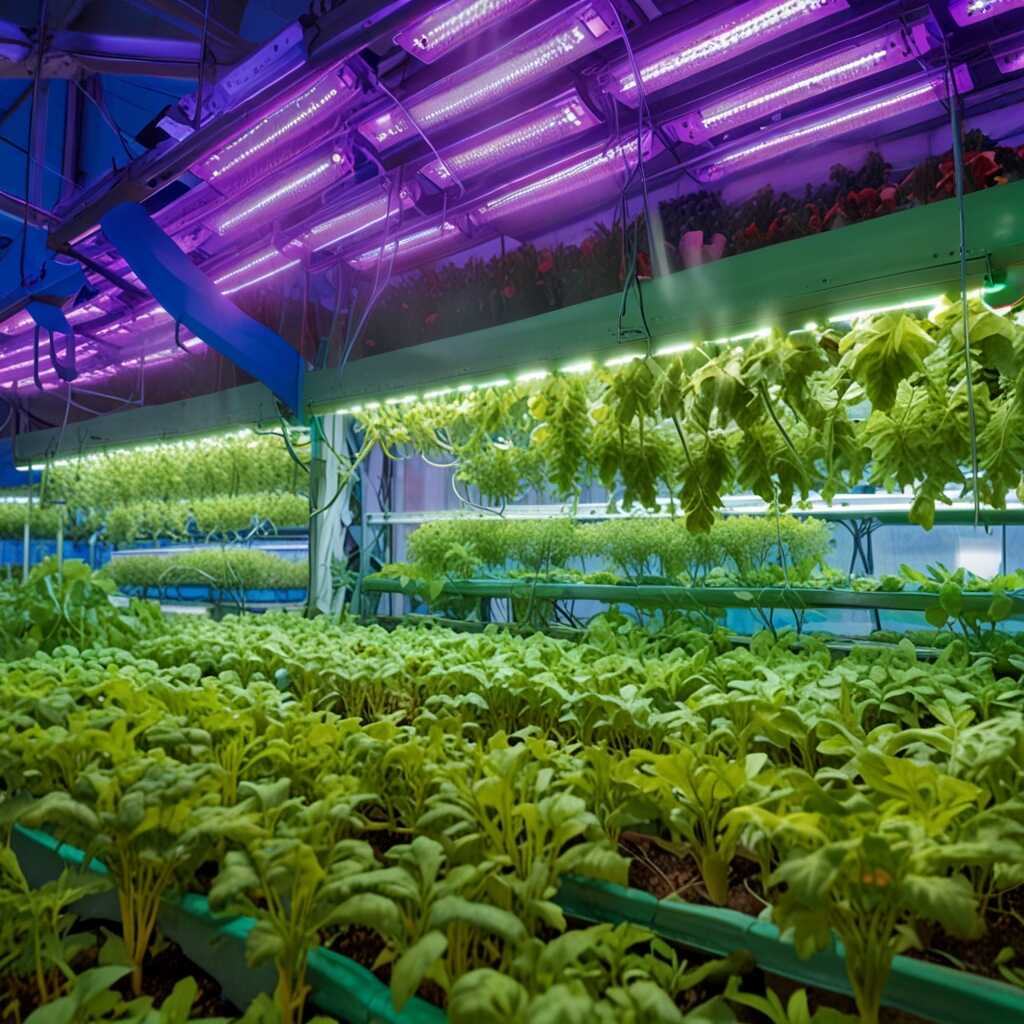
Energy-efficient grow lights, such as LED and full-spectrum lights, provide significant savings in electricity and environmental impact. LED grow light efficiency is exceptional as they convert more electricity into usable light for plants, generating less heat. In comparison to traditional lighting options like HID and fluorescent lights, LEDs last longer and cost less to operate. Their reliable performance results in better yields over time. Eco-conscious users will appreciate that these lights use less energy, reducing their overall utility bills while enhancing plant growth. Various reviews highlight how LED grow lights have proven to be the best choice for both hobbyists and commercial greenhouse operators.
Understanding Lifespan and Cost Comparisons of Different Grow Lights
The average lifespan of LED grow lights is around 50,000 hours, translating to about 5-10 years of use. In contrast, HID lights typically last 10,000 to 15,000 hours, while fluorescent options range from 7,000 to 15,000 hours. This longevity means fewer replacements and less waste, contributing to environmental sustainability. Long-term cost analysis shows that LED lights, despite a higher upfront cost, ultimately save more due to lower energy consumption and longer life. Studies indicate that LED grow lights can reduce energy costs by 50% or more in comparison to traditional grow lighting options, making them an excellent investment for maximizing your equity while minimizing carbon footprints.
LED vs Traditional Grow Lights: Pros and Cons
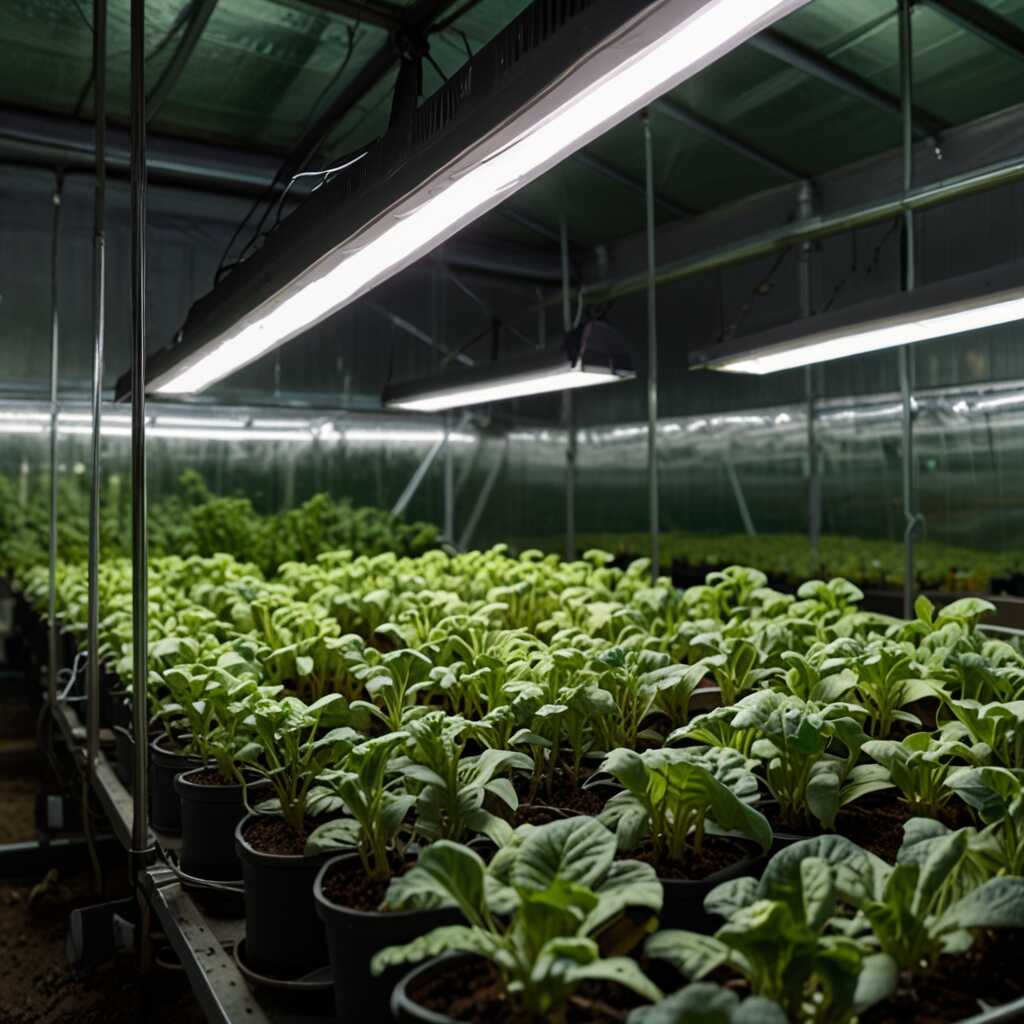
LED grow lights offer several advantages over traditional grow lights. They provide energy efficiency by consuming less electricity while delivering the same or even better performance. Traditional lights, like incandescent or fluorescent bulbs, may have lower initial costs but result in higher energy bills over time. LEDs also last much longer. Most LED grow lights can endure for over 50,000 hours, while traditional lights often need replacement every 1-2 years, leading to increased costs. Ultimately, user experience and research confirm that LED technology enhances greenhouse lighting with its durability and efficiency.
Comparing Performance: LED vs Fluorescent vs HID Lights
The performance comparison among LED, fluorescent, and high-intensity discharge (HID) lights reveals important differences. LED grow lights are more efficient, providing better light output per watt. Unlike fluorescent and HID lights, which can heat up and require additional cooling measures, LED lights remain cool, minimizing heat management in your greenhouse. Users will find that fluorescent lights are less powerful and often don’t support all plant growth stages effectively. HID lights produce excellent light intensity but require regular maintenance. Choosing the right lighting based on this detailed performance analysis can greatly enhance your greenhouse results.
Amazing Advantages of Using Proper Lighting in Greenhouses
- Maximized plant growth occurs with the right light spectrum and intensity.
- LED grow lights reduce energy consumption, benefiting both budget and environment.
- Full-spectrum options support plants through all growth stages and enhance yields.
- Less heat production from LED means a stable temperature for plants.
- Sustainability becomes a priority as energy-efficient lights lower carbon footprints.
- Convenient usage makes task management easier for hobbyists and commercial growers.
- Investment in quality lighting leads to healthier plants and a more productive harvest.
Strategic Placement of Grow Lights in Different Greenhouse Layouts
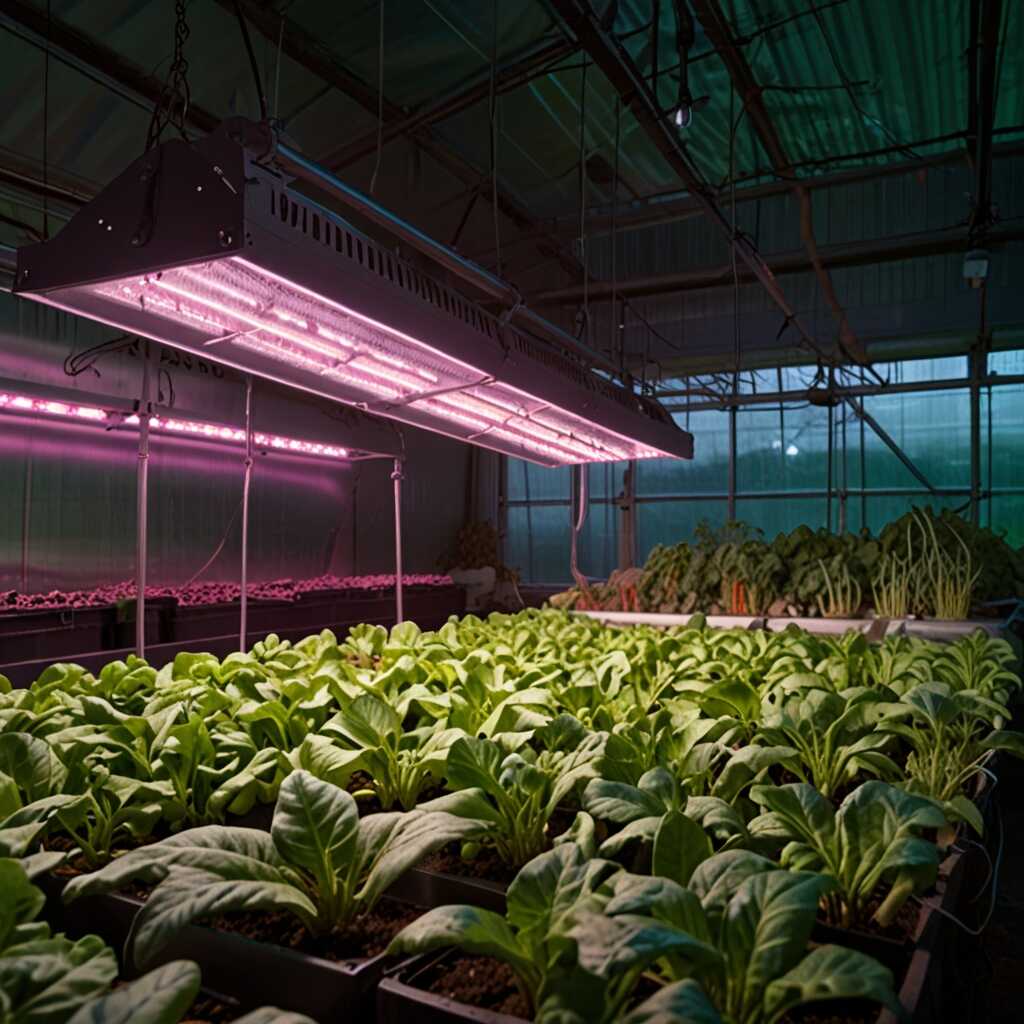
Effective grow light placement enhances greenhouse efficiency and ensures optimal plant growth. For various greenhouse setups, consider the height, spacing, and configuration of grow lights. Use a grid layout for even light distribution in larger commercial greenhouses. For hobbyist setups, focus on specific plant zones to ensure adequate coverage. Montior light intensity at different levels. Maintain recommended distances between grow lights and plants to avoid burn and enhance growth. Many experts recommend placing lights 12 to 24 inches above the plant canopy. Test your setup by observing plant response and adjusting as necessary.
Lighting Configurations for Different Greenhouse Sizes
In smaller greenhouses, utilize reflective surfaces to maximize light efficiency. Position lights to favor plants that require more light. For larger structures, integrate adjustable lighting systems that allow positioning changes as plants grow. Use multiple light sources to minimize shadowing, replacing or adjusting high-intensity lights as needed. Full spectrum grow lights should be spread evenly to cover all growth stages from seedlings to flowering. This approach will improve overall plant health and ensure consistency in growth patterns throughout your greenhouse.
Addressing Common Misconceptions About Grow Light Requirements
Many people mistakenly believe that all grow lights are equally effective for plants. In reality, LED grow lights provide the best energy efficiency and longevity, often lasting over 50,000 hours. Another common misconception is that more wattage automatically translates to better growth. While wattage is essential, various factors like light spectrum and intensity also play critical roles. Popular brands like Photon Legend, Horticulture Lighting Group, and Black Dog LED offer lights specifically designed for different plant growth stages. Understanding these elements will help both hobbyists and commercial growers make informed decisions.
Understanding the Importance of Light Spectrum in Plant Growth
The light spectrum is crucial for the growth of indoor plants. Plants utilize different wavelengths for processes like photosynthesis and flowering. A balanced spectrum, covering blue (400-500nm) and red (600-700nm) wavelengths, supports diverse growth stages and enhances overall health. Many LED grow lights now offer full-spectrum options that cater to various plants’ needs. These options significantly improve plant vitality and yield, making them a worthwhile investment. Selecting the right light spectrum can easily lead to impressive results, optimizing the greenhouse environment for all types of plants.
Target Demographics for Grow Light Usage
- Hobbyist gardeners appreciate easy-to-use, energy-efficient lighting solutions.
- Commercial greenhouse operators benefit from high-yield, cost-effective lighting systems.
- Beginner plant enthusiasts find guidance in understanding light requirements.
- Environmental advocates promote sustainable practices using energy-efficient options.
- Urban gardeners value compact, powerful lights for limited indoor spaces.
- Schools and community gardens implement grow lights for educational gardening projects.
- Plant shops and nurseries utilize advanced lighting to enhance plant displays and sales.
Innovations in Grow Light Technology and Their Environmental Impact
Recent innovations in grow light technology focus on improving energy efficiency and enhancing plant growth in greenhouses. Modern LED grow lights now offer features like adjustable spectrums, automated controls, and advanced cooling systems. These advancements significantly improve environmental sustainability by reducing energy consumption and lowering carbon footprints. Studies show that upgrading to these new LED systems can provide more than 50% in energy savings compared to traditional high-intensity discharge (HID) lights. This efficiency helps hobbyist gardeners and commercial operators control their energy costs and minimize their environmental impact.
Understanding Adjustable Spectrum Technology
Adjustable spectrum technology allows growers to customize light conditions based on plant growth stages. This feature enables users to switch between wavelengths that support processes like photosynthesis and flowering. For example, using blue light promotes leafy growth, while red light encourages flowering and fruiting. By optimizing this spectrum throughout the growth cycle, greenhouse operators can achieve robust yields. Additionally, energy-efficient lighting with this technology reduces reliance on fossil fuels, contributing to overall environmental sustainability. Research indicates that plants exposed to tailored light spectrums exhibit enhanced growth rates and improved quality of produce.