
Determining light intensity requirements for indoor plants using leaf surface area is essential for successful indoor gardening. By understanding how leaf size impacts light needs, you can ensure your plants thrive. Green Writer focuses on helping indoor gardeners optimize growth through effective lighting techniques. This guide provides tips on calculating light intensity and highlights the importance of proper lighting for healthy plants.
Importance of Light Intensity in Plant Growth
Light intensity is crucial for indoor plant growth because it directly affects photosynthesis. Plants convert light energy into chemical energy using chlorophyll, enabling them to grow and flourish. Proper light intensity helps ensure plant health, enhancing growth rates and flowering. Different indoor plant species have varying light intensity requirements, with some thriving in low light while others need bright, direct sunlight. Understanding these differences improves indoor gardening success. Most indoor plants typically require between 12 to 16 hours of quality light each day for optimal growth.
Understanding Light Requirements for Different Plant Species
Indoor plants need various light intensities based on their species. For example, low-light plants like snake plants and pothos can thrive with around 100-200 foot-candles. However, high-light plants like succulents and orchids may require more than 800 foot-candles. To meet these light intensity requirements, using suitable plant lights is essential. Full spectrum LED lights are designed to deliver the necessary light wavelengths that promote healthy plant growth across different stages. Research shows that providing the right light exposure enhances overall plant vitality and improves their ability to purify indoor air.
Key Factors Affecting Light Needs for Plants
Light intensity requirements depend on several factors, including the type of plant species, their growth stages, and environmental conditions. Different species like succulents and cacti require high light intensity, while ferns and snake plants thrive in lower light. Plants also need varied light levels depending on their life cycle. For instance, seedlings often require brighter light to grow strong, while established plants might adapt to less light. Environmental conditions like room temperature, humidity, and air circulation further influence how plants absorb and utilize light.
Specific Light Requirements for Popular Indoor Plants
Understanding specific light needs helps ensure optimal growth for indoor plants. For example, cacti and succulents thrive in bright, direct sunlight for about 12 to 14 hours a day. In contrast, peace lilies and pothos prefer indirect light and only need around 6 to 8 hours daily. Research indicates that insufficient light can lead to weaker plants, making light intensity vital. Adjustable LED grow lights can provide the necessary light spectrum for all plant stages and improve energy efficiency. This ensures a comfortable environment for plants to flourish in urban homes while following sustainable gardening practices.
Methods to Measure Leaf Surface Area Effectively
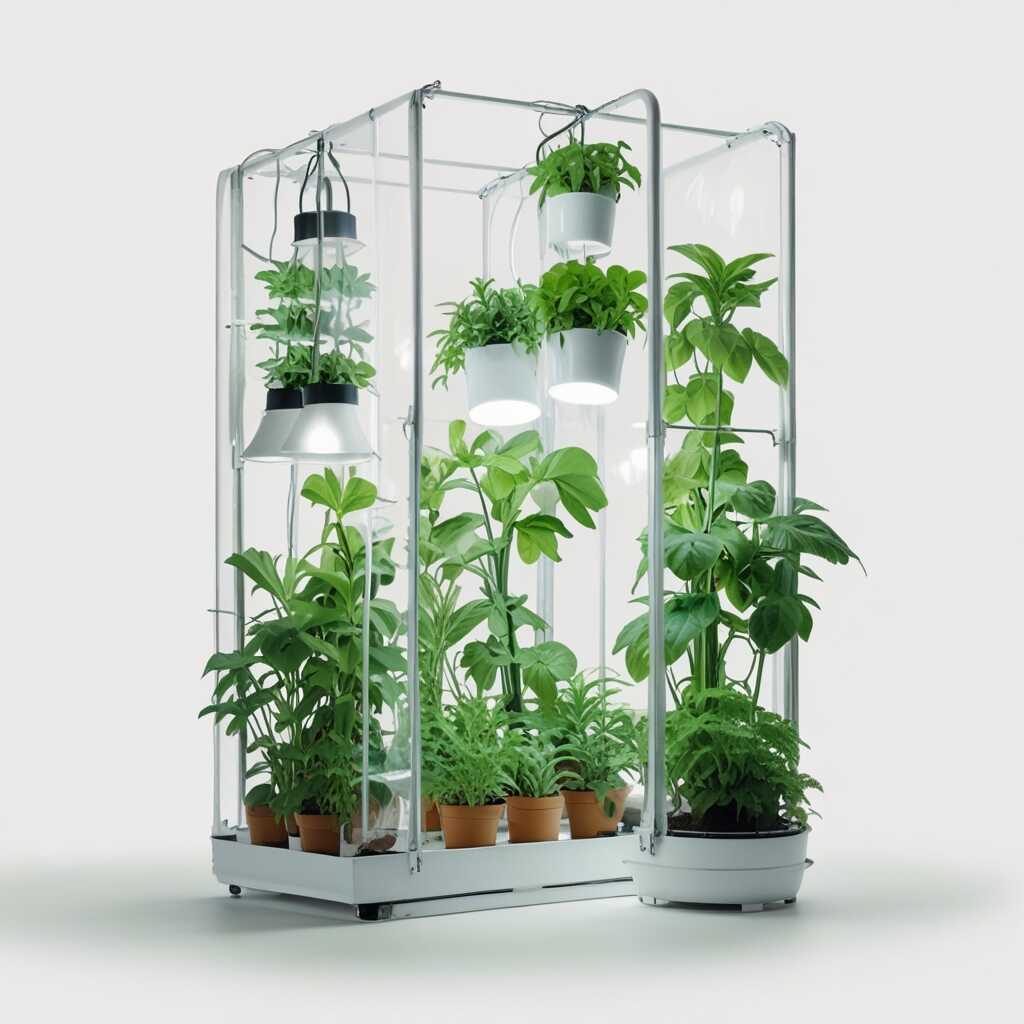
To measure leaf surface area accurately, you need tools like a ruler, measuring tape, or a digital caliper. For irregular shapes, you might also use graph paper. A piece of graph paper allows you to count squares to estimate the area accurately for complex leaf shapes. Different leaf shapes significantly affect the calculation of surface area. For instance, broad leaves like pothos have a larger area than narrow leaves of spider plants. Consider these factors when measuring since they impact light intensity calculations essential for optimal growth. On average, the leaf surface area of common indoor plants like pothos can range from 20 to 60 square inches, while spider plants typically range from 15 to 40 square inches. Understanding these variations helps ensure effective plant lighting requirements for your indoor garden.
Using Graph Paper for Irregular Leaf Shapes
Graph paper serves as a useful tool for measuring irregular leaf shapes effectively. First, place the leaf flat against the graph paper. Then, trace around the leaf’s outline using a pencil. Count the number of full squares within the traced area for a direct estimation of the leaf surface area. This method enhances your measurement reliability for indoor plants. Estimations become more accurate when you include partial squares in your calculations. For best results, remember to measure multiple leaves and use averages to capture variations across different plants. This approach leads to more precise calculations of the lighting requirements needed for each plant type.
Interesting Numbers About Plant Light Needs
- 10% is the typical increase in growth with appropriate light intensity.
- 5-10 hours of light is suitable for most indoor plants each day.
- 400-700 nanometers is the optimal wavelength range for healthy growth.
- 30% of light is absorbed by leaves, affecting photosynthesis and growth.
- 12-16 hours is needed for flowering plants to reach maturity.
- 50% of energy use can be reduced by switching to LED grow lights.
- 100% humidity is not necessary; 40-60% is ideal for most indoor plants.
Step-by-Step Guide to Calculating Light Intensity
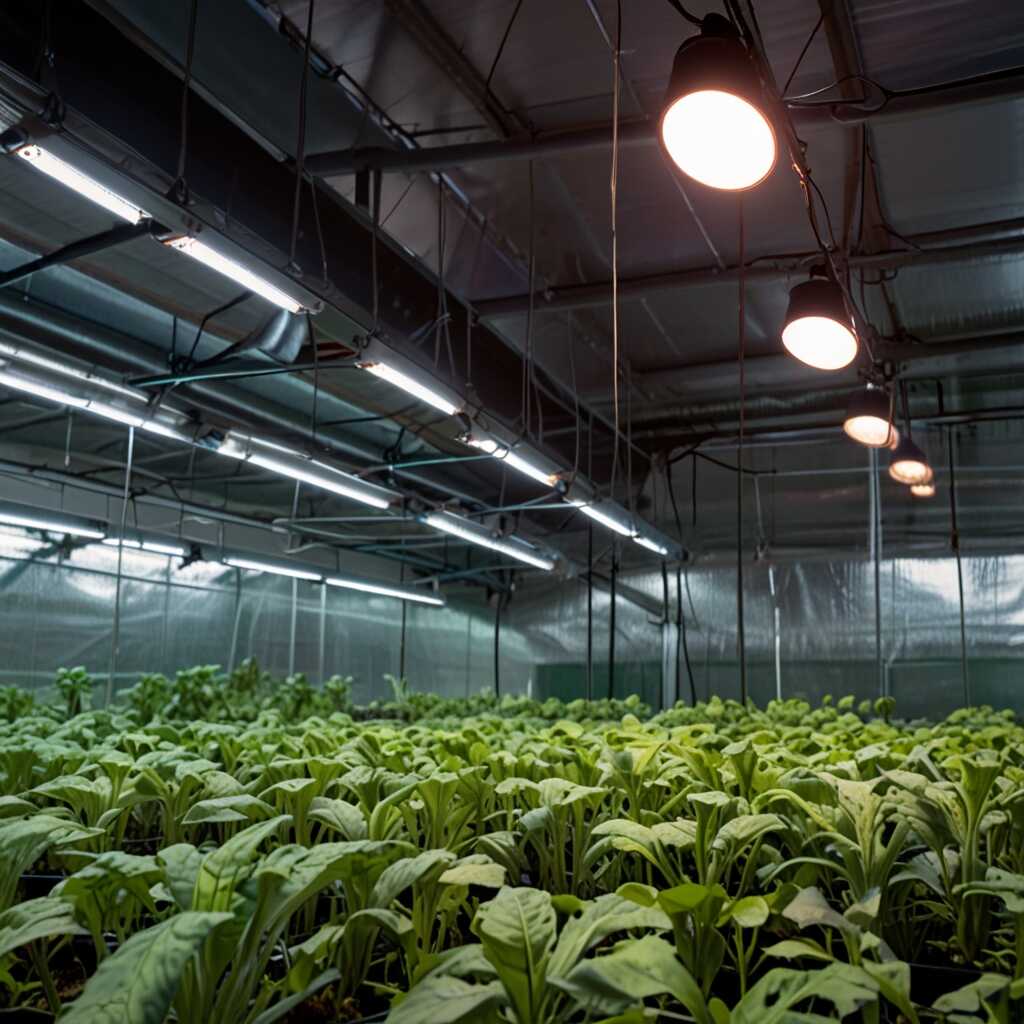
To calculate light intensity for indoor plants using leaf surface area, start by measuring the total leaf surface area of your plants, usually in square inches or square feet. This can be done by measuring the length and width of the leaves and finding the average. Consider factors like plant species and growth stage, as different plants have varying light needs. For example, leafy greens typically require around 20-30 foot-candles for growth, whereas flowering plants may need 50-70 foot-candles for optimal development. Ensure you check reliable sources or reviews for the specific lighting requirements of your plants. This method enhances plant growth by tailoring light exposure based on these measurements.
Understanding Light Intensity Requirements for Different Plants
Different plants have unique light intensity needs based on their natural environments. Leafy plants like ferns prefer lower light levels, while succulents thrive under bright conditions. Measure the leaf surface area and calculate the necessary lumens; generally, you want around 50 lumens per square foot for leafy greens and up to 100 lumens for flowering plants. Using full-spectrum grow lights designed to replicate sunlight’s wavelengths helps cater to these varied needs. Researching each plant’s light requirement ensures a balanced distribution of natural light, improving their health and vitality. Green Writer offers comprehensive comparisons of different lighting options, helping you make informed decisions for your indoor garden.
Best Types of Grow Lights for Indoor Plants
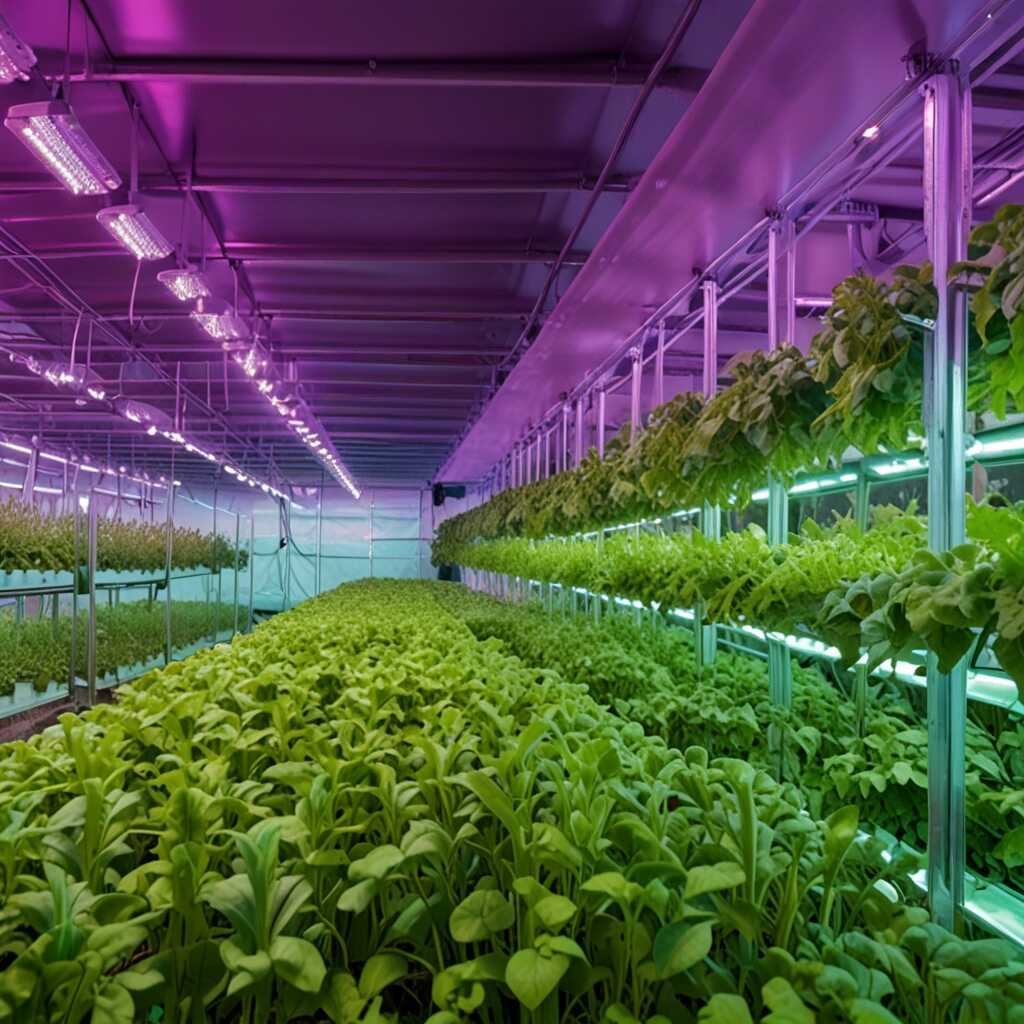
Indoor gardeners have several grow light options that best suit their plants’ needs. Common types include LED grow light technology, fluorescent lights, and high-intensity discharge (HID) lights. LED grow lights are energy-efficient and can simulate sunlight effectively. Full spectrum lighting includes wavelengths beneficial for all growth stages. Choose a light based on the plant’s light intensity needs and your indoor garden layout. For optimal growth, plants typically require 12 to 16 hours of light per day, depending on the species.
Choosing the Right Grow Light for Your Indoor Plants
When selecting the right grow light for your indoor plants, consider factors like light intensity needs and duration. LED grow light technology is a popular choice due to its efficiency and long lifespan. Full spectrum lighting should be prioritized for plants with varying growth stages. Ensure the selected light offers suitable wattage for your space. Provide a light duration of 12-16 hours daily for most indoor plants to enhance growth. Reliable grow lights provide stability, ensuring your indoor garden flourishes sustainably.
Positive Outcomes of Proper Light Calculations
- Plants grow faster with well-calculated light intensity based on size.
- Healthier plants produce more flowers and fruits, boosting aesthetics.
- Better energy efficiency lowers bills while promoting sustainability.
- Indoor environments benefit from fewer pests with proper lighting.
- Customized growth conditions lead to personalized gardening success.
- Enjoyment of plant care increases as growth improves and diversifies.
- Greater air purification happens with thriving plants under adequate light.
How to Design Your Indoor Lighting Setup
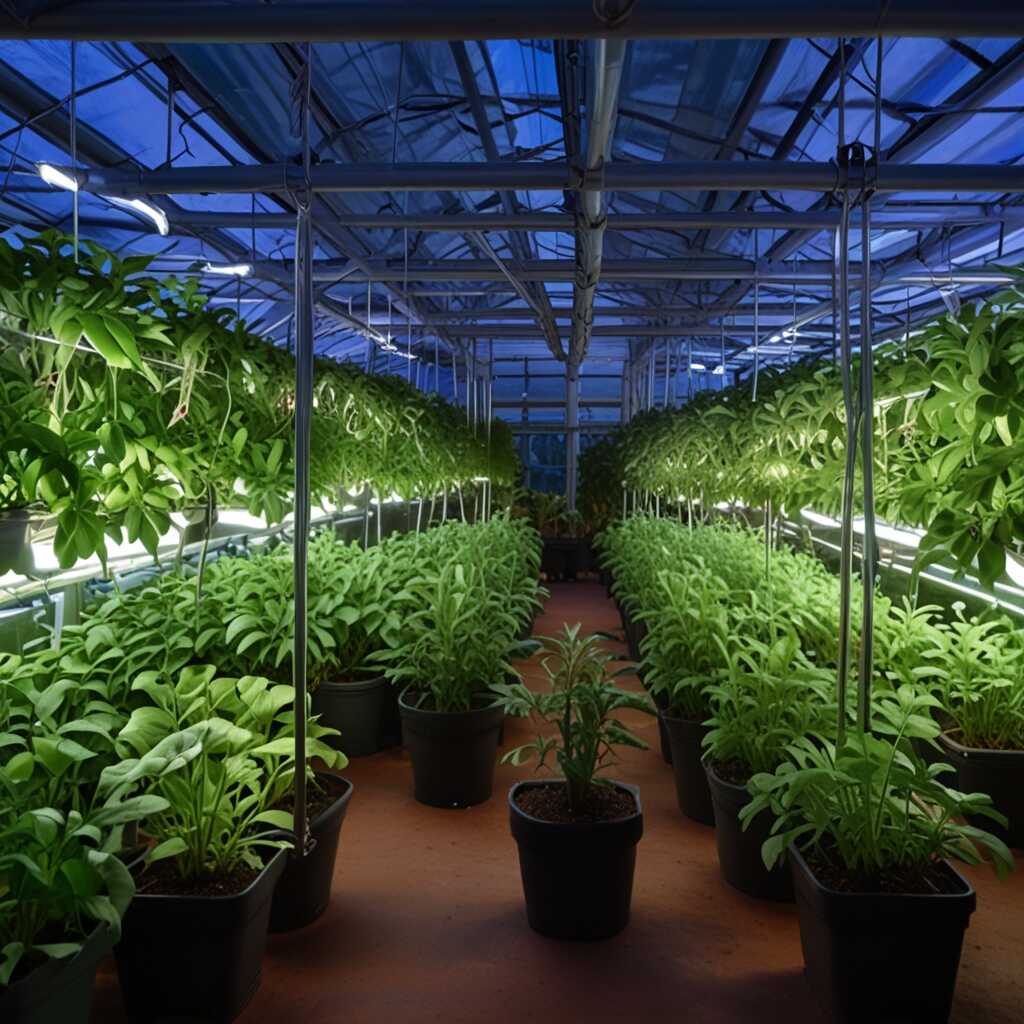
Position your indoor lights at an appropriate distance from your plants to ensure optimal light intensity. Aim for a height of about 12 to 24 inches for LED grow lights. Use light meters to test intensity, ensuring it matches each plant’s needs. Different artificial lights like LED, fluorescent, and HID provide different benefits. For instance, LEDs offer energy efficiency and longevity. Fluorescent lights are great for seedlings. Most indoor plants benefit from about 12 to 16 hours of light daily, aiding in their growth and health. This light duration helps mimic natural sunlight and supports photosynthesis, enhancing growth rates.
Selecting the Right Artificial Lighting for Your Plants
Choosing the correct artificial lighting is essential for plant growth optimization. LED grow lights are excellent choices due to their efficiency and durability. They deliver a full spectrum of light, including blue for vegetative stages and red for flowering. Fluorescent lights, especially T5 tubes, are perfect for starting seedlings because they are easy to use and provide adequate coverage. High-Intensity Discharge (HID) lights are powerful and recommended for larger setups or plants requiring more intense light. Consider testing different lights to find what enhances your specific plants’ growth best.
Avoiding Common Indoor Plant Lighting Errors
Many indoor gardeners face challenges with their plant lighting. Common mistakes include placing plants too close to intense light sources, leading to leaf burn, or positioning them too far away, causing slow growth. Poor understanding of light requirements can harm various types of indoor plants differently. For example, succulents thrive in bright light but ferns prefer indirect sunlight. Flowering plants often need specific light durations to bloom. Regularly monitoring light levels ensures optimal growth and overall plant health.
Understanding Light Requirements for Different Plants
Different indoor plants require varying light intensities to flourish. Succulents need around 2000 to 3000 lumens for healthy growth, while ferns thrive in lower lighting conditions, typically 800 to 1500 lumens. Flowering plants often benefit from being exposed to bright light for at least 12 hours a day. Using a light meter can help ensure you provide the right lumens for each plant type. Review plant-specific care guidelines to ensure your indoor plant lighting meets their individual needs and enhances their growth performance.
Considerations for Plant Lighting Preferences
- Horticulture enthusiasts favor LED lights for their efficiency and longevity.
- Beginners appreciate simple setups that don’t overwhelm their knowledge.
- Urban gardeners need compact solutions for limited space, like tube lights.
- Students studying botany benefit from experiments using light intensity measures.
- Home decorators prefer aesthetic options that fit their home design.
- Sustainability advocates seek eco-friendly lights that reduce waste.
- Research institutions analyze growth data to refine plant care techniques.
Adjusting Light Conditions as Plants Grow
Adjusting light conditions ensures that indoor plants receive the necessary light intensity for their current growth stages. As plants mature, they may require different levels of light. Seedlings often thrive under lower light conditions, while mature plants may need brighter, full-spectrum lighting. This adjustment enhances photosynthesis, which is essential for plant health. It’s crucial to regularly monitor and adapt the light setup based on the plant’s response to ensure optimal growth.
Understanding Light Needs at Different Growth Stages
Different types of indoor plants respond uniquely to light intensity changes. For instance, leafy plants like pothos often require less light than flowering plants like peace lilies. When seedlings are just starting out, maintaining a distance of about 12 to 18 inches from full spectrum lights provides optimal light without causing stress. As these plants grow, gradually reducing this distance can boost growth and health without causing light burn. Monitoring the plant’s response will provide cues about the necessary adjustments.