
Enhancing greenhouse fern growth with fluorescent grow lights can significantly improve their overall health and vitality. These lights provide a spectrum of illumination ideal for fostering strong and lush fern development. At Green Writer, we explore effective techniques and the benefits of using fluorescent grow lights for indoor gardening, targeting enthusiasts and professionals alike. By understanding how proper lighting can impact ferns, you can create a sustainable and thriving greenhouse environment.
Key Advantages of Using Fluorescent Grow Lights for Ferns
Fluorescent grow lights offer several advantages for enhancing fern growth in greenhouses. These lights provide an optimal light spectrum essential for photosynthesis. Ferns particularly benefit from the adjustable intensity of fluorescent grow lights. They enable consistent light exposure, promoting robust leaf development and lush foliage. Fern species such as Boston ferns and maidenhair ferns thrive under fluorescent lighting. Compared to traditional lighting, fluorescent grow lights improve energy efficiency significantly, providing better growth results with less energy consumption.
Understanding Optimal Light Conditions for Fern Care
Optimal light exposure is crucial for various fern species’ health and growth. Fluorescent grow lights emit a full spectrum of light that closely resembles natural sunlight. This spectrum includes wavelengths between 400 and 700 nm, supporting both vegetative growth and overall vigor. For best results, position the lights 12 to 24 inches above the ferns. This distance allows for adequate light without causing heat stress. Additionally, maintaining a 12-14 hour photoperiod can mimic natural conditions, enhancing the ferns’ photosynthetic efficiency and foliage quality.
Exploring Different Types of Fluorescent Grow Lights
This section explains the various types of fluorescent grow lights available for greenhouse use, including cool-white, warm-white, and full-spectrum options. Cool-white lighting emits a broad spectrum that supports vegetative growth but may not be ideal for flowering. Warm-white lighting has a reddish hue, making it suitable for flowering and fruiting plants. Full-spectrum options combine both cool and warm tones, providing a balanced light ideal for all growth stages. Many fluorescent grow lights typically have an average lifespan ranging from 7,000 to 15,000 hours, depending on their quality and usage.
Choosing the Right Fluorescent Lighting for Fern Growth
Choosing the right fluorescent lighting is essential for fern growth. Ferns thrive under full-spectrum options that mimic natural sunlight. This type provides the necessary wavelengths for photosynthesis and overall plant health. Cool-white lighting can also support their growth, particularly during the vegetative phase. However, if the goal is to encourage lush foliage and vibrant colors, warm-white options can enhance these features. It’s important to position the lights correctly, with a 12 to 18-inch distance from the ferns, ensuring efficient light exposure without overheating. Always consider your greenhouse environment and fern variety when selecting lights, as each may have specific needs.
Best Practices for Arranging Fluorescent Lights
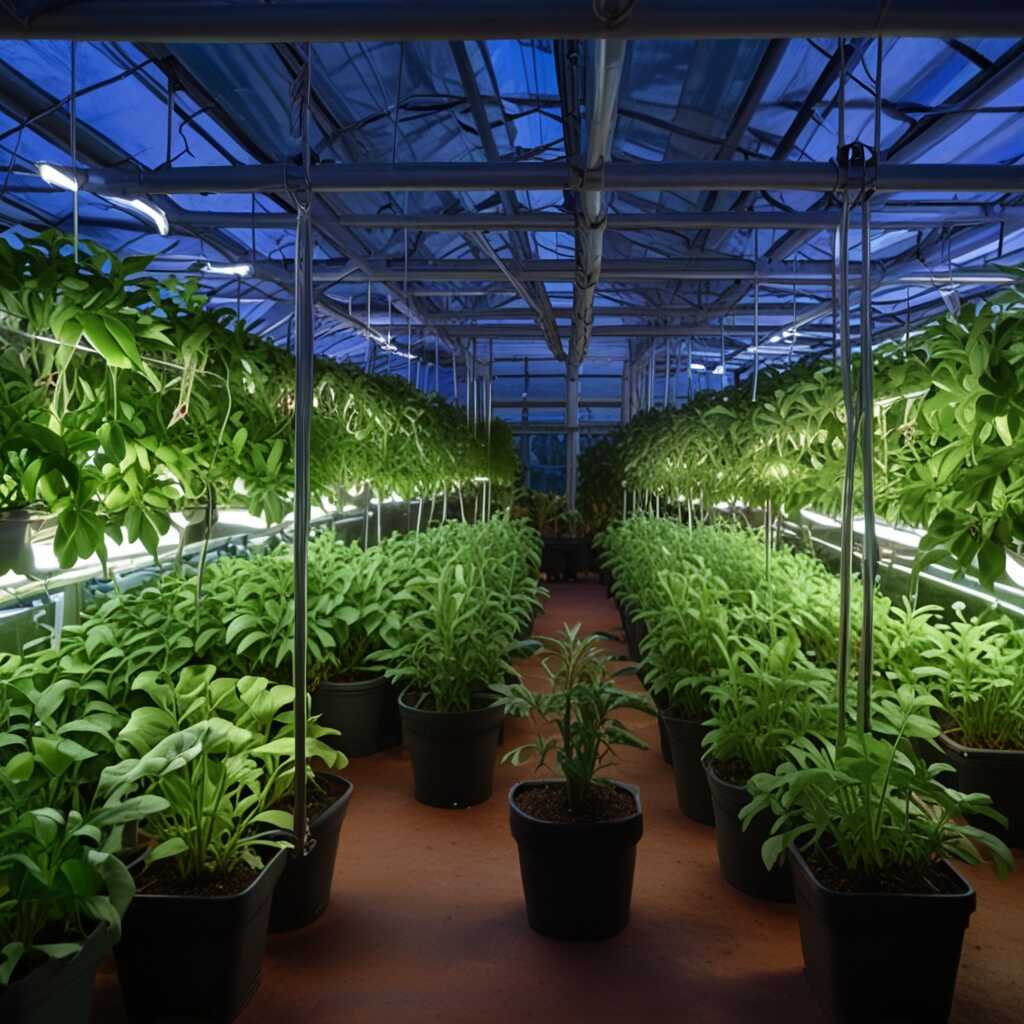
Position fluorescent lights approximately 12 to 24 inches above your ferns. This height ensures strong yet gentle illumination, promoting healthy growth without causing leaf burn. For species like Boston ferns, maidenhair ferns, and bird’s nest ferns, maintaining proper spacing is crucial. You should arrange lights to provide consistent coverage across the entire greenhouse. Space the lights 18 to 24 inches apart to avoid shadows and ensure every fern receives adequate light. Utilizing these effective lighting arrangements enhances photosynthesis and overall plant health.
Optimal Layout for Different Fern Variants
Different fern species have unique light requirements. For example, Boston ferns thrive in brighter conditions, requiring light intensity around 1200 to 2000 lumens. Position fluorescent lights closer within the range of 12 to 18 inches for these ferns. Maidenhair ferns prefer indirect light, so maintain a distance of 18 to 24 inches from the lights. Bird’s nest ferns also benefit from moderate light levels, with a spacing of about 18 inches being ideal. Understanding each fern’s specific needs allows you to design a layout that effectively supports their growth while using fluorescent lighting efficiently.
Interesting Statistics on Light and Plant Growth
- Fluorescent lights consume about 75% less energy than traditional bulbs.
- Plants need around 12-16 hours of light per day for optimal growth.
- Full spectrum lights cover wavelengths from 400 to 700 nm for plant development.
- In greenhouses, ferns typically grow better with consistent lighting.
- Studies show that certain ferns can grow up to 40% faster under fluorescent lights.
- Maintaining an ambient temperature of 70°F supports fern health effectively.
- Peters Plant Fertilizer is often used to enhance fern growth when using grow lights.
Optimal Light Duration and Schedule for Ferns
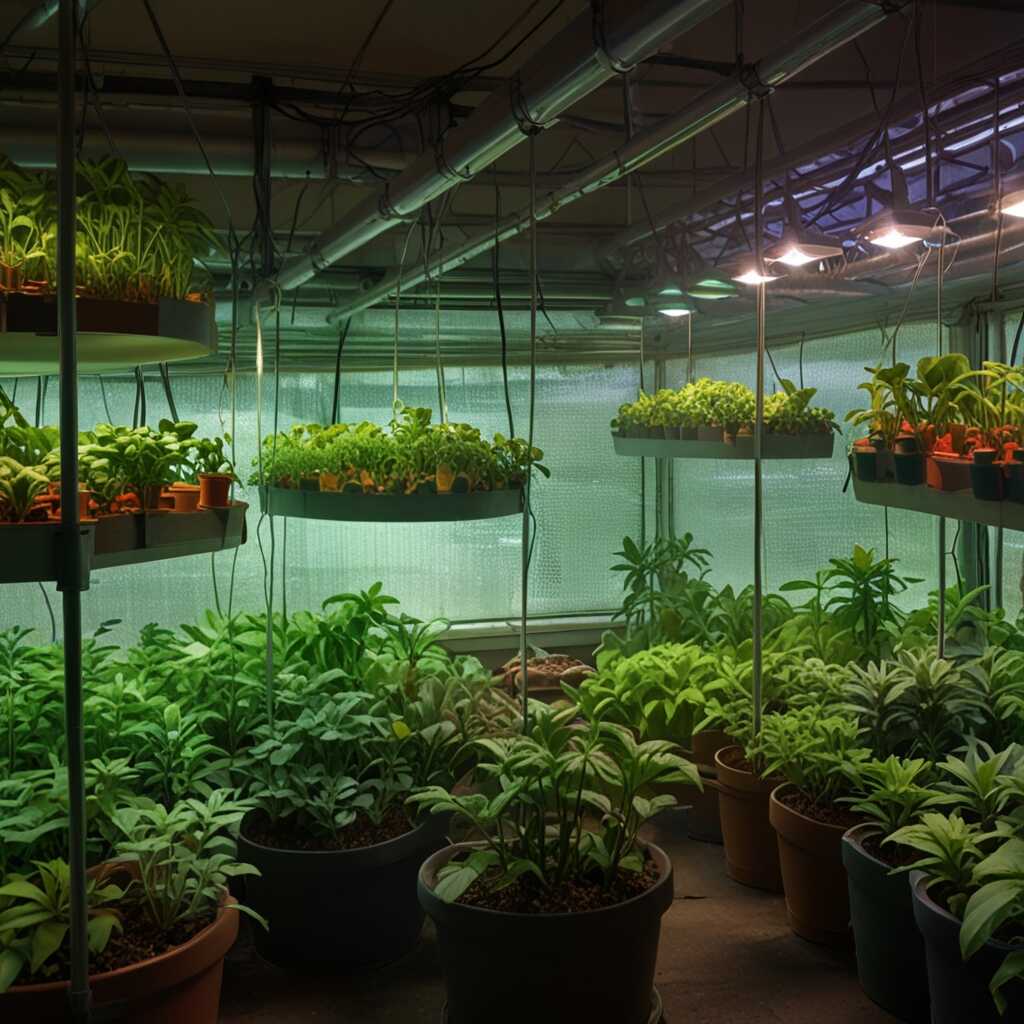
The ideal light duration for various fern species generally ranges from 10 to 14 hours a day. For instance, ferns like the Boston fern (Nephrolepis exaltata) thrive with about 12 hours of light daily, while the Maidenhair fern (Adiantum spp.) prefers slightly less. Timing of light exposure also matters; providing light during early morning and late afternoon ensures less stress, as ferns are adapted to diffuse light conditions. An effective schedule involves using fluorescent grow lights set on a timer to maintain consistent light cycles, which helps enhance their overall health and growth.
Understanding Light Intensity for Optimal Fern Care
Understanding light intensity is crucial for optimizing fern growth. Ferns flourish in moderate to bright indirect light but can suffer in intense sunlight. Providing fluorescent grow lights with full spectrum capabilities delivers essential wavelengths for photosynthesis without burning the leaves. A recommended setup involves placing lights 12 to 24 inches above the ferns, as this distance often delivers adequate light intensity. Regularly monitoring how ferns respond to lighting can help in adjusting the height and duration of exposure to achieve the best results. Adjustments may be necessary based on specific fern species differences, ensuring optimal growth.
Mistakes to Avoid When Using Grow Lights
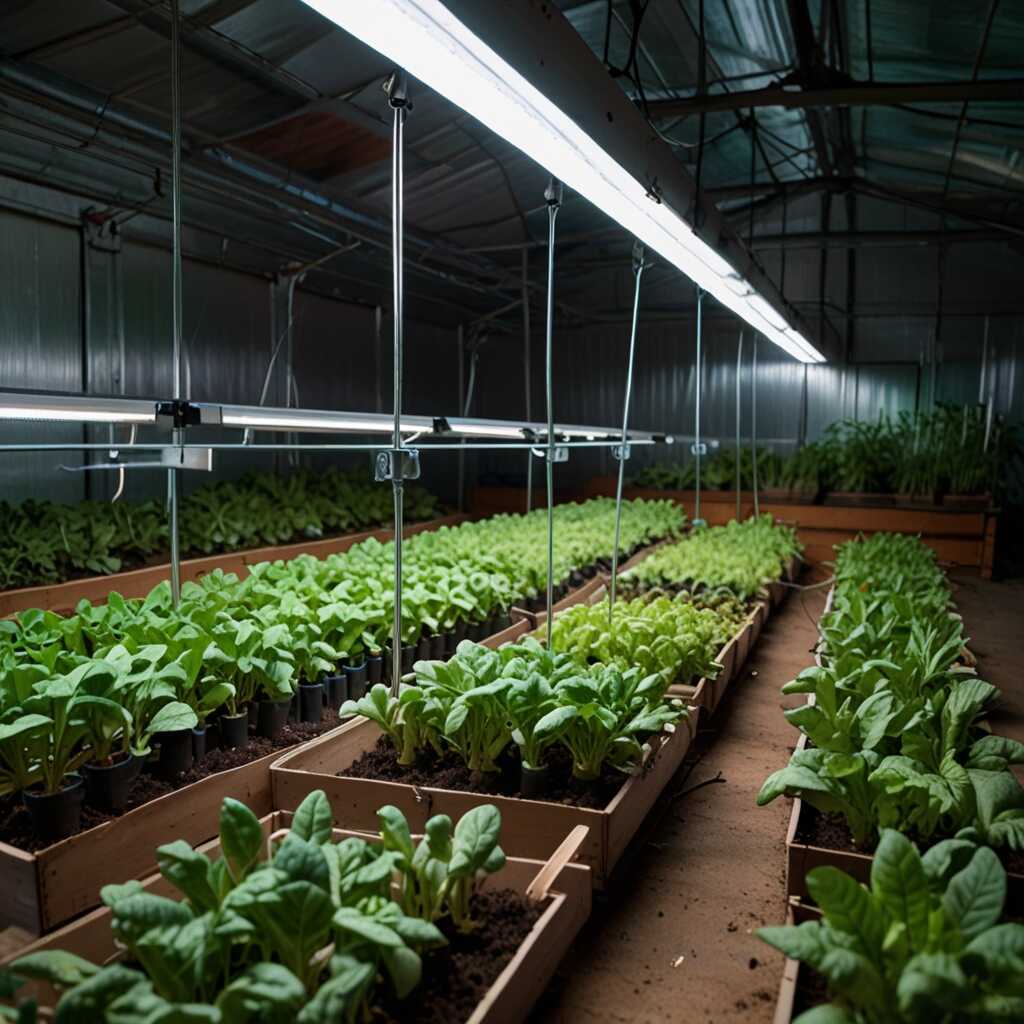
Avoid common mistakes that can harm fern health when using fluorescent grow lights. One common error is improper placement. Ferns thrive with light from above, but if the grow lights are too far, the plants may not receive enough light. Check light intensity issues by evaluating light distance. It’s critical to monitor heat production concerns as well. Fluorescent lights generate less heat than other types, but a close distance can still cause stress. Another mistake is failing to adjust the light duration requirements. Ferns generally require about 12 to 14 hours of light each day, but may need less during winter months. Lastly, neglecting to use reflective surfaces can waste light and reduce efficiency. Position reflective materials like Mylar or white paint around your greenhouse to maximize illumination.
Optimal Conditions for Fluorescent Grow Lights
Creating optimal conditions for fluorescent grow lights involves understanding several essential factors. First, the type of fluorescent light impacts growth. Full-spectrum lights are designed to support growth through various stages, enhancing photosynthesis. Testing the light’s intensity is crucial; using a light meter can provide data to ensure that your ferns receive adequate levels. Additionally, make sure the lights are evenly distributed to avoid light intensity issues which can lead to uneven growth. It’s also essential to regularly check the hours the lights are on; aim for 12 to 14 hours per day. Ensuring these elements work together can significantly improve your ferns’ vitality in your greenhouse.
Advantages of Using Fluorescent Lighting in Greenhouses
- They provide a broad spectrum of light, promoting balanced growth.
- Fluorescent grow lights boost fern growth rates significantly.
- These lights are generally cooler, reducing heat damage risks for plants.
- They emit less UV radiation, making them safer for both plants and users.
- Fluorescent options are more affordable, saving users money on energy bills.
- These lights improve photosynthesis, leading to healthier ferns.
- Using proper light enhances color vibrancy in ferns, making them more appealing.
Maintaining Ideal Temperature and Humidity for Ferns
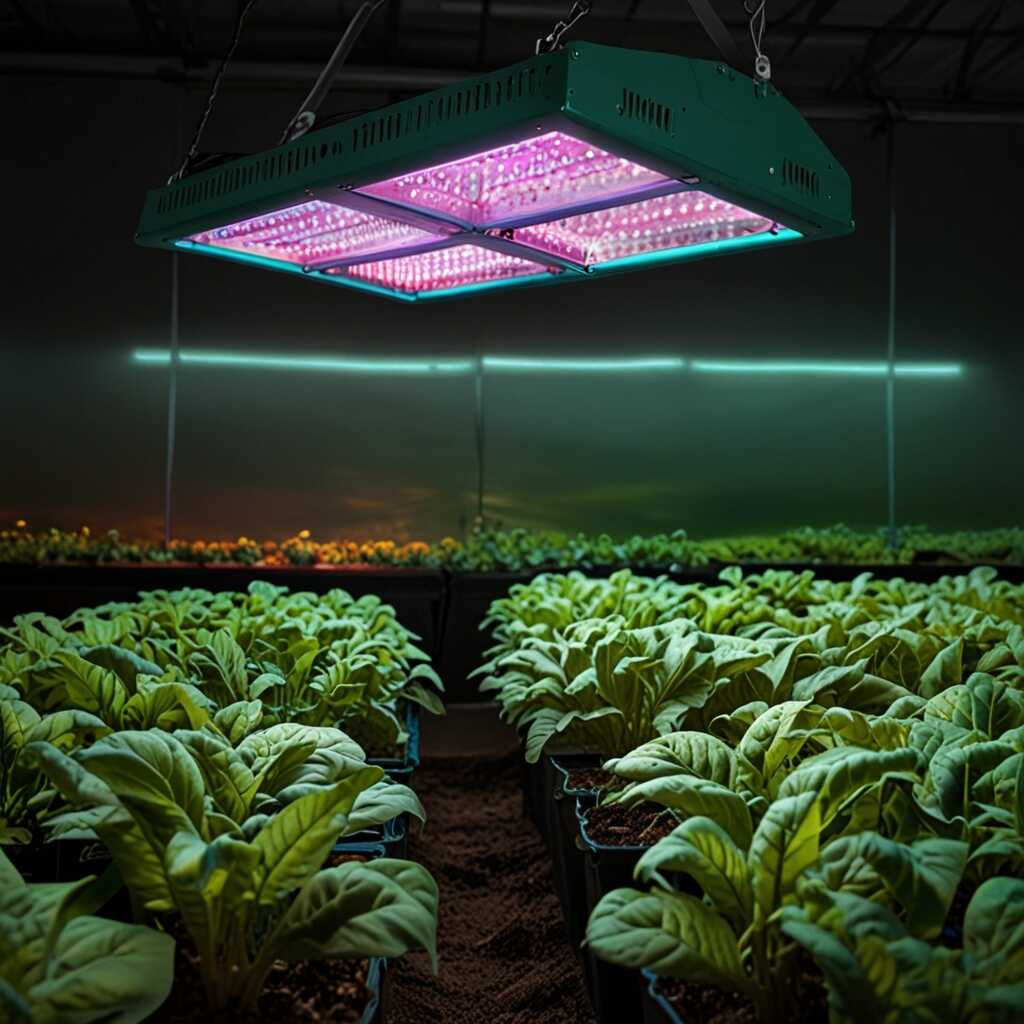
Ferns thrive best in temperatures between 65°F to 75°F (18°C to 24°C). Maintaining humidity levels around 50% to 70% enhances their growth quality. Light from fluorescent grow lights should complement the temperature to avoid heat stress. Incorporate thermometers and hygrometers in your greenhouse to monitor and adjust these conditions. The right balance of temperature and humidity helps ensure that ferns enjoy healthy growth and resist diseases.
Understanding the Relationship Between Lighting and Humidity
The relationship between lighting and humidity is crucial for ferns. Fluorescent grow lights deliver adequate light without generating excessive heat. This reduces the risk of drying out the plants while maintaining the necessary humidity. To ensure ideal humidity, regularly mist ferns or utilize humidity trays. The right balance prevents stress, promoting lush growth and vibrant colors in your ferns. Keeping humidity consistent with environmental conditions allows for seamless growth throughout the seasons.
Assessing Growth and Health of Ferns Under Lights
To evaluate the growth of ferns under fluorescent lights, observe leaf color, size, and overall structure. Healthy ferns display vibrant green leaves that are not scorched or yellowed. If leaves curl or become crispy, this indicates too much light or poor hydration. Check for new fronds; their development signifies growth. Additionally, assess the soil moisture and ensure it is consistently moist but not soggy, as proper hydration is crucial. Monitor your plants regularly for pests, as they can affect growth. Signs of healthy ferns include fresh fronds, vibrant colors, and stable soil conditions.
Signs of Healthy Ferns Under Fluorescent Lights
Recognizing the signs of healthy ferns under fluorescent lights greatly supports optimal growth. Ferns should have an even distribution of leaves without yellowing or browning tips. New fronds developing every few weeks indicate a thriving plant. Leaf size should be proportional to the variety, indicating sufficient light exposure. The soil should not dry out completely between watering, maintaining an ideal moisture level. Using smart fluorescent lighting enhances growth, delivering quality light to support photosynthesis. Tracking these factors helps ensure your ferns remain vibrant and healthy.
Brands and Common Users of Grow Lighting Solutions
- Sunblaster is popular among hobbyist gardeners for its reliability.
- BloomBeast produces robust grow lights suitable for larger greenhouse settings.
- Hydrofarm offers a range of lights tailored for various plant types.
- Casual plant lovers appreciate the ease of use of budget-friendly brands.
- Professional horticulturists prefer more advanced lighting systems for efficiency.
- Educational institutions often use these lights for growing plants in classrooms.
- Seramis lights cater to those focused on sustainable indoor farming practices.
Integrating Sustainable Practices in Your Gardening
Fluorescent grow lights play a vital role in sustainable gardening. They help reduce energy consumption while enhancing plant growth. Unlike traditional lighting, fluorescent lights provide specific light wavelengths that ferns need. This maximizes plant photosynthesis, leading to healthier growth. They are known for their reliable performance, delivering adequate illumination for prolonged periods. Additionally, fluorescent lights have a longer lifespan, ensuring durability and reducing waste. Choosing fluorescent grow lights over incandescent options contributes to overall energy efficiency in greenhouse fern care. Green Writer emphasizes eco-friendly lighting solutions as essential for responsible gardening and maintaining ecological balance.
Optimal Usage of Fluorescent Grow Lights for Ferns
To optimize fern growth using fluorescent grow lights, it is essential to provide 12-16 hours of light each day. This duration ensures that the ferns receive adequate light for photosynthesis and overall health. Position the lights 12-24 inches above the ferns to prevent leaf burn while maximizing light intensity. Fluorescent grow lights also offer various spectrums that support different growth stages, enhancing efficiency. Regularly monitor the plants and adjust light duration based on their response. For example, if ferns show slow growth, increase light exposure gradually. Consistent use of energy-efficient gardening techniques contributes to more sustainable greenhouse practices.