
Fluorescent lights are specialized grow lights that provide the balanced light spectrum bonsai trees need for healthy photosynthesis and growth in greenhouse environments. These energy-efficient lighting systems deliver consistent illumination ranging from 2,000 to 6,000 lumens, making them ideal for indoor bonsai cultivation where natural sunlight is limited or inconsistent.
What Are Fluorescent Grow Lights and How They Work
Fluorescent grow lights are gas-discharge lamps that produce light by exciting mercury vapor inside a glass tube coated with phosphor. This process creates a broad spectrum of light wavelengths between 400-700 nanometers, which corresponds to the photosynthetically active radiation that plants use most effectively. The phosphor coating determines the specific color temperature, typically ranging from 2,700K (warm) to 6,500K (cool daylight).
These lights work by converting electrical energy into visible light through fluorescence, making them significantly more energy-efficient than traditional incandescent bulbs. For bonsai cultivation, the most effective fluorescent options include T5 and T8 tube lights, which offer different intensities and coverage areas. T5 fluorescent bulbs produce higher lumen output per watt and generate less heat, making them particularly suitable for close placement near delicate bonsai foliage.
Key Benefits of Fluorescent Lighting for Bonsai Trees
The primary benefits include consistent light distribution, energy efficiency, and optimal spectrum coverage for photosynthesis. Fluorescent lights provide steady illumination that helps maintain regular growth patterns in bonsai trees, unlike natural sunlight which varies throughout the day and seasons. These lights typically consume 75% less energy than incandescent alternatives while lasting 8-15 times longer, making them cost-effective for extended growing periods.
For bonsai health, fluorescent lighting enables precise control over photoperiods, allowing growers to provide 12-16 hours of daily light exposure regardless of external weather conditions. This consistency promotes vigorous leaf development, enhanced root growth, and improved overall plant vigor. Compare different fluorescent grow light models to find the best options for your specific bonsai varieties.
Understanding Light Requirements for Different Bonsai Species
Light requirements vary significantly among bonsai species, with most needing between 2,000-6,000 lumens for healthy growth. Tropical bonsai species like Ficus and Serissa typically thrive with moderate light levels around 3,000-4,000 lumens, while temperate species such as Japanese Maple and Juniper prefer higher intensities of 4,000-6,000 lumens. The duration also matters – most bonsai benefit from 12-14 hours of consistent light exposure daily.
Light-loving species include Juniper, Pine, and Elm varieties, which require the highest fluorescent light intensities for optimal development. These trees evolved in full-sun environments and need strong illumination to maintain their compact growth habit and dense foliage. Shade-tolerant species like Chinese Elm, Fukien Tea, and some Ficus varieties can thrive under lower fluorescent light levels, making them ideal for beginners or energy-conscious growers.
Optimal Color Temperature for Bonsai Development
Color temperature, measured in Kelvin, significantly impacts bonsai growth patterns and health. Cool white fluorescent lights (5,000-6,500K) promote vegetative growth by providing blue spectrum wavelengths that encourage leaf development and compact branching. These lights are ideal during spring and early summer growth periods when bonsai trees are actively developing new foliage and extending branches.
Warm white fluorescent lights (2,700-3,000K) contain more red spectrum wavelengths that support flowering, fruiting, and dormancy preparation in bonsai trees. Full spectrum fluorescent options provide balanced coverage across all growth phases, making them versatile choices for year-round bonsai cultivation in greenhouse environments.
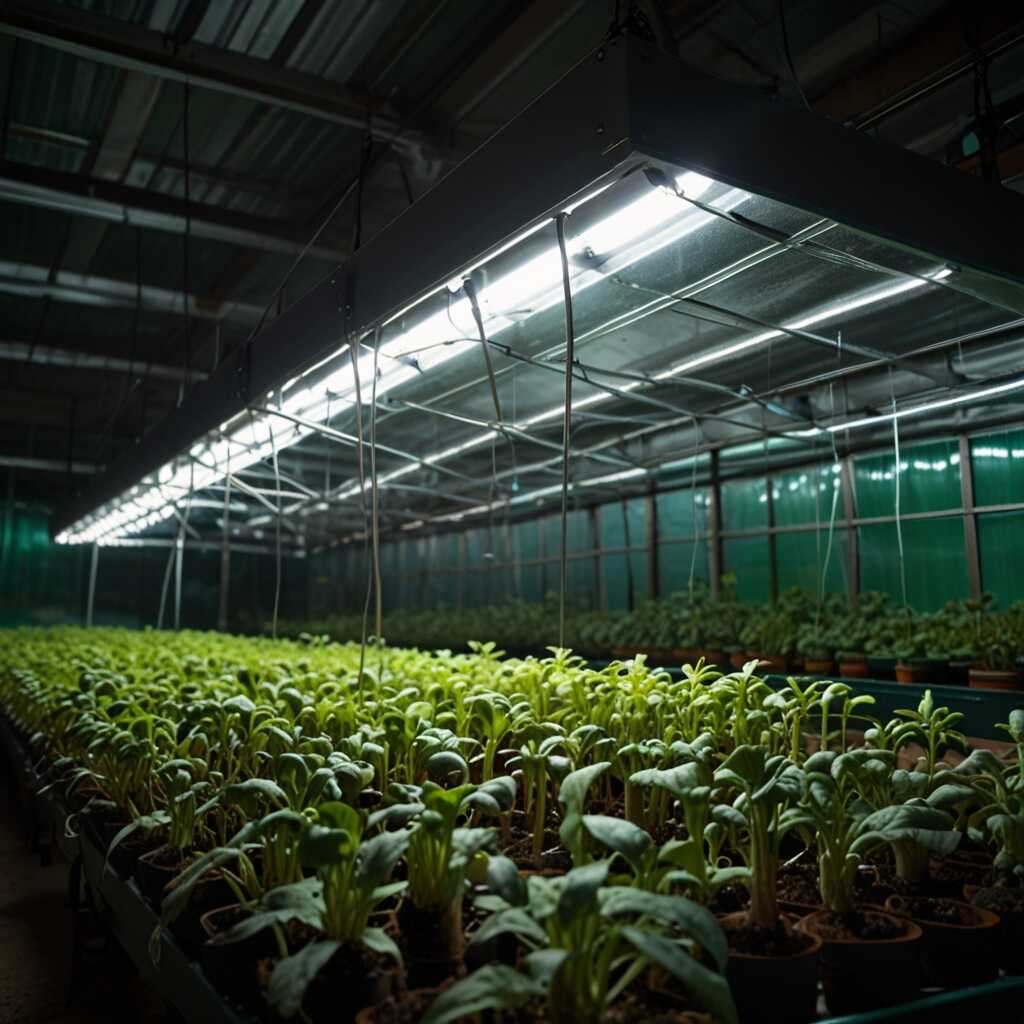
Choosing the Right Fluorescent Bulbs for Your Bonsai Setup
Selecting appropriate fluorescent bulbs involves considering lumen output, color temperature, and bulb type for your specific bonsai collection. T5 fluorescent bulbs are generally preferred for serious bonsai cultivation because they produce 95-100 lumens per watt compared to 80-85 lumens per watt for T8 bulbs. This higher efficiency translates to better growth results and lower electricity costs over time.
Lumen requirements depend on your bonsai species and growing goals. For maintenance lighting of established trees, 2,000-3,000 lumens per square foot provides adequate support. For active growth promotion or recovery from styling work, increase to 4,000-5,000 lumens per square foot. High-performance growing requires 5,000-6,000 lumens per square foot, particularly for light-demanding species like Juniper and Pine.
Cost Considerations for Fluorescent Grow Light Systems
Initial costs for fluorescent grow light systems typically range from $50-200 for basic setups to $300-800 for comprehensive multi-fixture installations. T5 fluorescent fixtures generally cost $75-150 each, while T8 options range from $40-100 per fixture. Replacement bulbs cost $15-35 for T5 tubes and $8-20 for T8 tubes, with most lasting 10,000-20,000 hours of operation.
Operating costs depend on electricity rates and usage patterns, but fluorescent lights typically consume 30-60 watts per fixture. Running a 4-tube T5 system for 14 hours daily costs approximately $15-25 monthly in electricity, making fluorescent lighting economical for long-term bonsai cultivation. Detailed price analysis helps determine the most cost-effective fluorescent options for your budget and growing needs.
Essential Equipment for Fluorescent Bonsai Lighting
- Fluorescent fixtures with adjustable hanging systems for proper positioning
- Timer controls for automated photoperiod management and consistency
- Light meters or smartphone apps for measuring actual lumen delivery
- Reflectors to maximize light distribution and minimize waste
- Ventilation fans to manage heat buildup in enclosed greenhouse spaces
- Backup bulbs to maintain consistent lighting when replacements are needed
- Extension cords and power strips rated for greenhouse humidity conditions
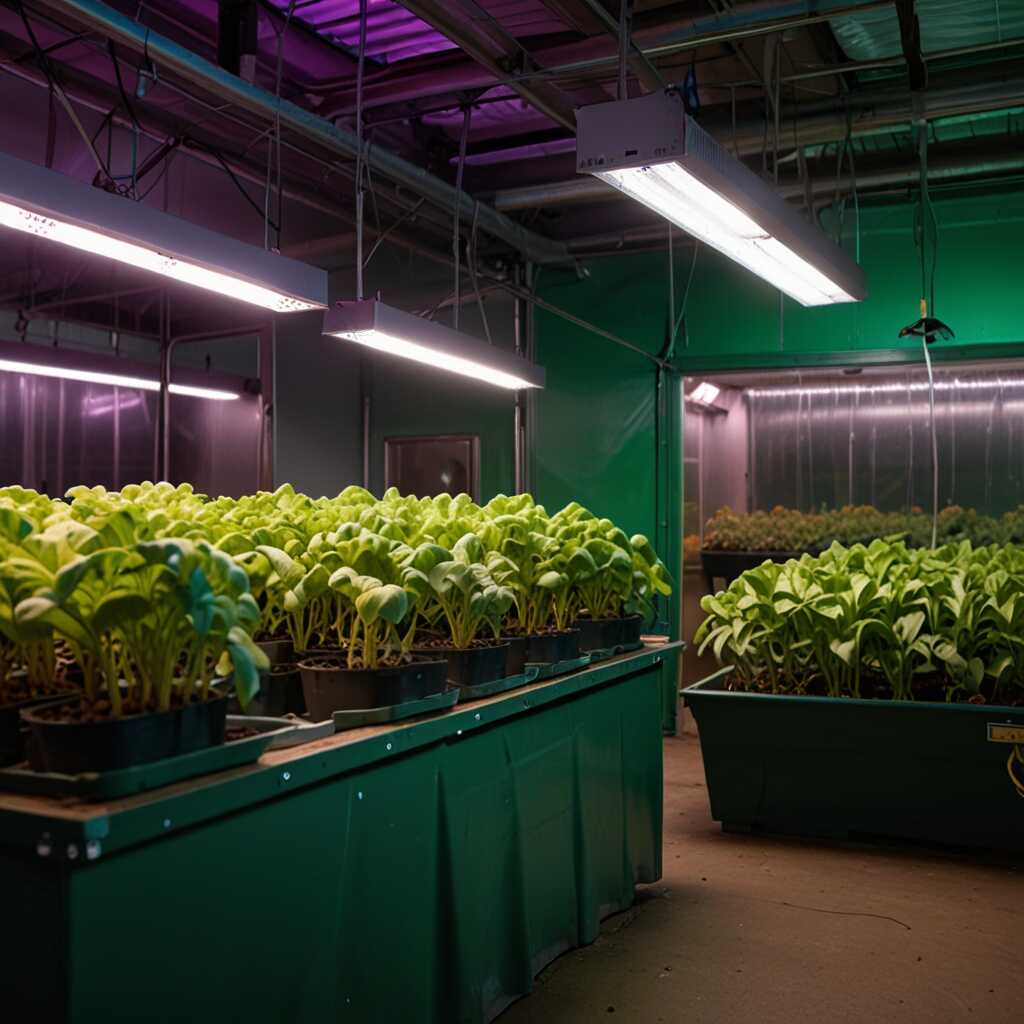
Proper Installation and Positioning Techniques
Proper fluorescent light placement is crucial for achieving optimal bonsai growth and preventing light-related stress. Position fixtures 6-18 inches above bonsai canopies, adjusting distance based on light intensity and tree sensitivity. Closer placement (6-10 inches) works well for shade-tolerant species and provides higher light intensity, while heat-sensitive varieties benefit from greater distances (12-18 inches) to prevent leaf burn.
Installation requires secure mounting systems that allow height adjustments as bonsai trees grow and change throughout the seasons. Adjustable chain systems or pulley mechanisms enable easy repositioning without disturbing the trees. For optimal coverage, position multiple fixtures to eliminate shadows and ensure even light distribution across your entire bonsai collection.
Creating Effective Light Schedules
Light scheduling mimics natural photoperiods and supports healthy bonsai development cycles. During active growing seasons (spring and summer), provide 14-16 hours of daily fluorescent lighting to maximize photosynthesis and growth. Reduce to 10-12 hours during fall and winter to encourage dormancy in temperate species while maintaining minimal lighting for tropical varieties.
Timer-controlled systems ensure consistent photoperiods and reduce labor requirements for daily light management. Gradual transitions between seasons help bonsai trees adapt naturally to changing light conditions. For flowering species, manipulating photoperiods can trigger blooming – typically requiring 8-10 hours of darkness for several weeks to initiate flower development.

Limitations and Challenges of Fluorescent Lighting
Fluorescent lights have several limitations compared to other grow light technologies. Heat generation can be problematic in enclosed spaces, requiring adequate ventilation to prevent temperature stress in bonsai trees. While more efficient than incandescent bulbs, fluorescent lights still produce waste heat that raises ambient temperatures, particularly in small greenhouse environments.
Light penetration limitations affect dense or larger bonsai specimens, as fluorescent lights don’t penetrate thick canopies as effectively as high-intensity options like LED or metal halide systems. This characteristic makes them most suitable for smaller bonsai trees or those maintained with open branch structures. Additionally, fluorescent bulbs lose intensity over time, typically declining to 80% output after 8,000-10,000 hours of use.
When Fluorescent Lights May Not Be Suitable
Fluorescent lighting may not be appropriate for all bonsai growing situations. Large specimen trees (over 18 inches tall) often require more intense lighting than fluorescent systems can provide effectively. High-light species like full-sun Juniper and Pine varieties may show weak growth under fluorescent lights alone, requiring supplemental lighting or alternative technologies.
Space constraints can also limit fluorescent effectiveness, as these systems require adequate clearance above trees and proper ventilation. In very cold climates, the heat generation that’s problematic in summer can actually benefit greenhouse heating, but fluorescent bulbs may have starting difficulties in temperatures below 50°F. Safety requirements and installation guidelines provide essential information for avoiding common installation problems.
Alternatives to Consider for Challenging Situations
- LED grow lights offer higher efficiency and lower heat generation
- Metal halide systems provide intense light for large specimens
- High-pressure sodium lights excel for flowering and fruiting phases
- Compact fluorescent bulbs work well for small collections
- Natural sunlight supplementation through skylights or windows
- Seasonal outdoor placement for temperate species during growing months
- Hybrid lighting systems combining multiple technologies for optimal results
Who Should Use Fluorescent Lights for Bonsai
Fluorescent lighting is ideal for beginner bonsai enthusiasts who want reliable, affordable grow lights for small to medium collections. These systems provide forgiving light levels that won’t damage trees if positioned incorrectly, making them perfect for learning proper lighting techniques. Indoor growers with limited natural light benefit significantly from fluorescent supplementation, particularly in basement workshops or north-facing rooms.
Budget-conscious hobbyists appreciate the low initial costs and moderate operating expenses of fluorescent systems. These lights work exceptionally well for maintaining bonsai collections during winter months when natural light is insufficient. Growers focusing on foliage development rather than flowering find fluorescent lights perfectly suited to their needs, as these systems excel at promoting leaf growth and compact branching.
Optimal Scenarios for Fluorescent Grow Lights
Fluorescent lights work best for greenhouse environments under 200 square feet where heat management is feasible. They’re particularly effective for maintaining collections of 10-30 small to medium bonsai trees (under 12 inches tall). Seasonal supplementation scenarios benefit from fluorescent lighting, such as extending growing seasons or providing winter protection for semi-hardy species.
Propagation and development work responds well to fluorescent lighting, especially for growing young bonsai material or recovering trees after styling work. Educational settings like schools or community centers find fluorescent systems safe and manageable for teaching bonsai techniques. Testing different fluorescent configurations helps determine the most effective setup for your specific growing environment and tree collection.
Integrating Fluorescent Lights with Other Growing Practices
Successful bonsai cultivation under fluorescent lights requires coordinating lighting with watering, fertilizing, and environmental management practices. Increased photosynthesis from artificial lighting accelerates water uptake, requiring more frequent watering than trees grown under natural light alone. Monitor soil moisture daily and adjust watering schedules based on light intensity and duration.
Fertilization needs increase under fluorescent lighting due to enhanced growth rates and metabolic activity. Use diluted liquid fertilizers weekly during growing seasons rather than monthly applications typical for naturally-lit trees. Temperature management becomes critical, as fluorescent lights raise ambient temperatures that can stress bonsai if ventilation is inadequate.
Seasonal Adjustments for Fluorescent-Lit Bonsai
Seasonal care adjustments help bonsai trees thrive under year-round fluorescent lighting while maintaining natural growth cycles. During spring startup, gradually increase daily light exposure from 10 to 14 hours over 2-3 weeks to simulate natural season changes. Summer maintenance involves monitoring heat buildup and ensuring adequate air circulation around fluorescent fixtures.
Fall preparation requires reducing light exposure to 8-10 hours daily for temperate species while maintaining temperature control as outdoor temperatures drop. Winter care focuses on minimal lighting for dormant trees while protecting tropical species with consistent 12-hour photoperiods. Humidity management becomes particularly important during winter when heating systems dry greenhouse air excessively.
Essential Maintenance Tasks for Fluorescent Systems
- Clean bulbs and reflectors monthly to maintain optimal light output
- Replace aging bulbs when output drops below 80% of original intensity
- Monitor fixture temperatures to prevent overheating and fire hazards
- Inspect electrical connections regularly for signs of wear or corrosion
- Adjust light positions as bonsai trees grow and change shape
- Document photoperiods and growth responses for future optimization
- Calibrate timers seasonally to ensure accurate light scheduling
Proven Results: Fluorescent Lighting Success with Specific Bonsai Species
Numerous bonsai enthusiasts report excellent results using fluorescent lighting for specific tree varieties. Ficus species, including F. microcarpa and F. benjamina, show particularly strong responses to T5 fluorescent lighting, developing dense foliage and compact growth habits under 4,000-5,000 lumen conditions. These tropical species appreciate the consistent warmth and steady light output that fluorescent systems provide year-round.
Chinese Elm bonsai demonstrate remarkable adaptation to fluorescent growing conditions, maintaining healthy growth with as little as 3,000 lumens per square foot. Serissa foetida, known for being temperamental, actually thrives under fluorescent lights because the consistent conditions reduce stress from fluctuating light levels. Many growers report improved flowering and overall health when transitioning from windowsill growing to proper fluorescent setups.
Long-Term Results and Growth Patterns
Long-term fluorescent growing produces distinct characteristics in bonsai development compared to natural light cultivation. Trees grown under consistent fluorescent lighting typically develop more uniform branch spacing and denser foliage, though internode length may be slightly longer than sun-grown specimens. Leaf size often remains smaller under moderate fluorescent intensities, which is generally desirable for bonsai aesthetics.
Root development proceeds steadily under fluorescent lighting, with many growers reporting stronger root systems and faster recovery after repotting. Seasonal growth patterns become more predictable, allowing for better timing of styling work and maintenance tasks. Performance analysis comparing different lighting methods demonstrates the consistent benefits of well-designed fluorescent growing systems for long-term bonsai health and development.