
Fluorescent lights enhance indoor herb growth for greenhouses by providing the specific light wavelengths needed for thriving plants. These lights are energy-efficient and can significantly improve growth rates and yields for herb enthusiasts and indoor gardeners. At Green Writer, we explore how these lighting solutions support sustainability and offer practical methods for growing herbs indoors. Proper lighting not only benefits plant development but also promotes eco-friendly practices, making your indoor gardening experience both productive and responsible.
Understanding Why Light is Crucial for Growing Herbs Indoors
Light plays a critical role in indoor herb growth. It influences photosynthesis, which is essential for plant health. Insufficient light leads to weak, elongated plants that cannot produce flavorful herbs. Different types of lighting have varying impacts on plant health. Fluorescent lights are often used indoors. They provide a balanced spectrum for growth and are energy-efficient, making them a reliable choice. Proper light duration is equally important; most herbs thrive with 12 to 16 hours of light per day. This ensures optimal growth and helps maintain vibrant, healthy plants.
Choosing the Right Type of Lighting for Indoor Herbs
Fluorescent lights and LED grow lights are among the best options for indoor herb gardening. Fluorescent lights enhance indoor herb growth due to their ability to emit a spectrum that closely mimics natural sunlight. They are designed to operate cooler than traditional bulbs, reducing heat stress on plants. LEDs, on the other hand, offer energy efficiency and a long lifespan. Both options support various plant growth stages, ensuring that herbs receive the light they need throughout their lifecycle. Good quality grow lights can improve plant yield, with many reviews indicating that they produce healthier, more aromatic herbs. This makes them reliable choices for eco-conscious homeowners seeking to grow their own herbs indoors.
Advantages of Using Fluorescent Lights for Indoor Gardening
Fluorescent lights offer numerous advantages for indoor herb gardening. Their energy-efficient lighting reduces electricity usage while still providing substantial illumination for plant growth. Compared to incandescent bulbs, fluorescent lights generate less heat, which reduces the risk of overheating delicate plants. They are also generally more affordable than LED lights, making them a more accessible option for many gardeners. In addition to cost-effectiveness, fluorescent lights help enhance the overall growth rate of herbs, as they produce a full spectrum of light that supports different growth stages. This combination of energy efficiency, affordability, and effective growth support makes fluorescent lights a preferred choice for many indoor gardeners.
Key Features of Fluorescent Lights for Growing Herbs
Fluorescent lights are specifically designed to provide essential wavelengths for optimal herb growth. They typically emit light in the blue and red spectrums, which are crucial for photosynthesis and flowering. The quality of fluorescent light performance is remarkable, improving plant growth significantly. These lights come in various shapes and sizes, making them versatile for different indoor gardening setups. Some fixtures can easily accommodate multiple bulbs while maintaining a low profile. The average lifespan of fluorescent bulbs is around 7 to 10 years. This longevity ensures continuous, reliable lighting without frequent replacements, which is important for keeping your indoor herb garden thriving.
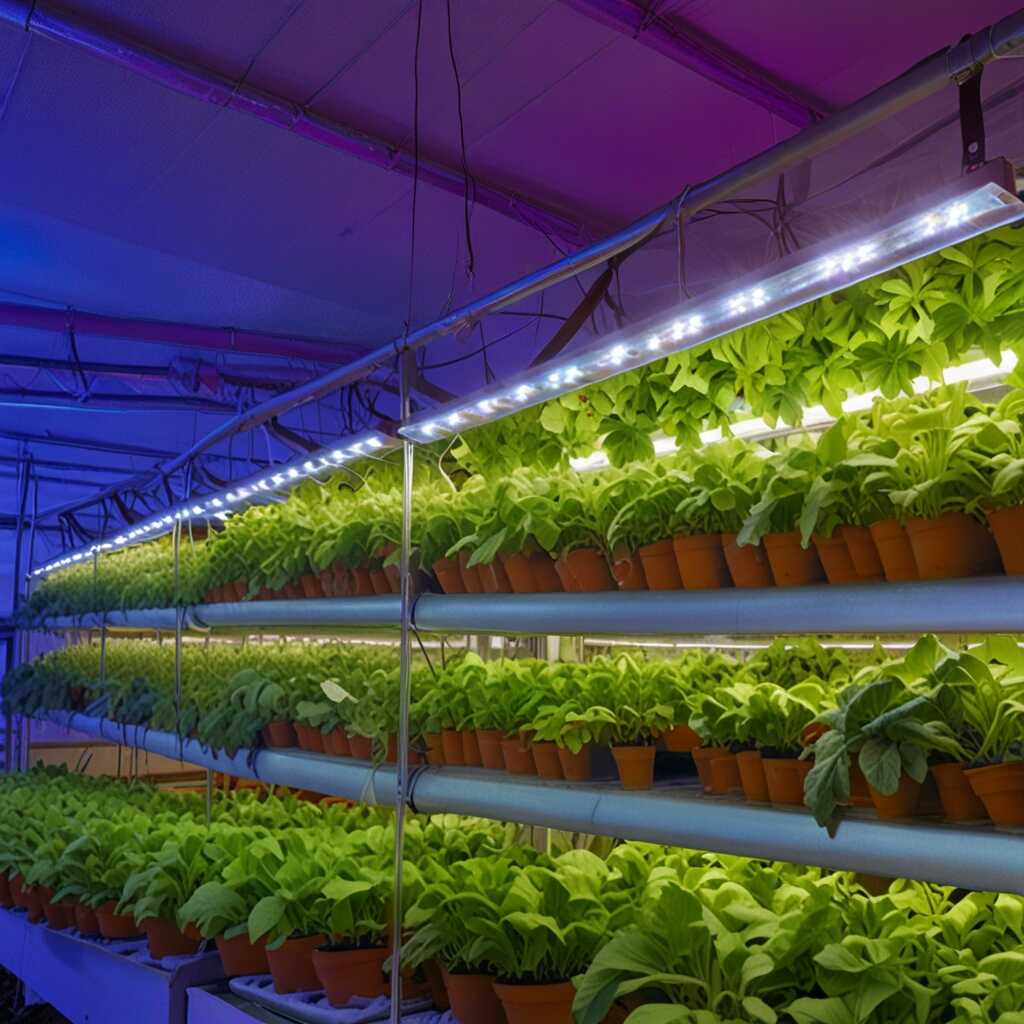
Selecting the Best Fluorescent Bulbs for Your Herb Garden
When selecting fluorescent bulbs for your indoor herb garden, consider the types available. The most common types are T5, T8, and T12 bulbs. T5 bulbs are the most energy-efficient and provide a full spectrum of light essential for herb growth. T8 bulbs offer good light output but are less efficient than T5s. T12 bulbs are older technology and less efficient. For optimal growth, focus on bulbs with a color temperature between 5000K to 6500K. This spectrum mimics natural daylight, improving growth stages from seedlings to full-grown herbs. The wattage you choose depends on the space and the number of plants. Generally, a 2-foot T5 bulb, which uses about 24 watts, can effectively light a small herb garden.
Understanding Light Spectrum for Herb Growth
The light spectrum is crucial for the growth of herbs. Different light wavelengths affect plant processes such as photosynthesis. Fluorescent bulbs can provide specific wavelengths that enhance growth. For example, blue light (400-500nm) is essential during the vegetative stage while red light (600-700nm) is crucial during flowering. Using a full spectrum fluorescent bulb ensures that your herbs receive the right mix of wavelengths. T5 bulbs often deliver better light penetration due to their higher output. Combining these features makes T5 fluorescent lights an excellent choice for maximizing herb growth indoors. Regular testing can help identify potential areas for improvement.
Key Numerical Insights on Indoor Lighting for Herbs
- Fluorescent lights consume about 20% less energy than incandescent bulbs.
- Herbs generally need 12-16 hours of light daily for optimal growth.
- Fluorescent bulbs emit light in a spectrum beneficial for plant photosynthesis.
- Indoor gardens can yield up to 4-6 harvests of herbs annually.
- A typical fluorescent grow light lasts around 10,000 hours.
- Herbs can grow twice as fast under fluorescent lighting compared to natural sunlight.
- Using fluorescent lights can reduce household energy bills by 15% on average.
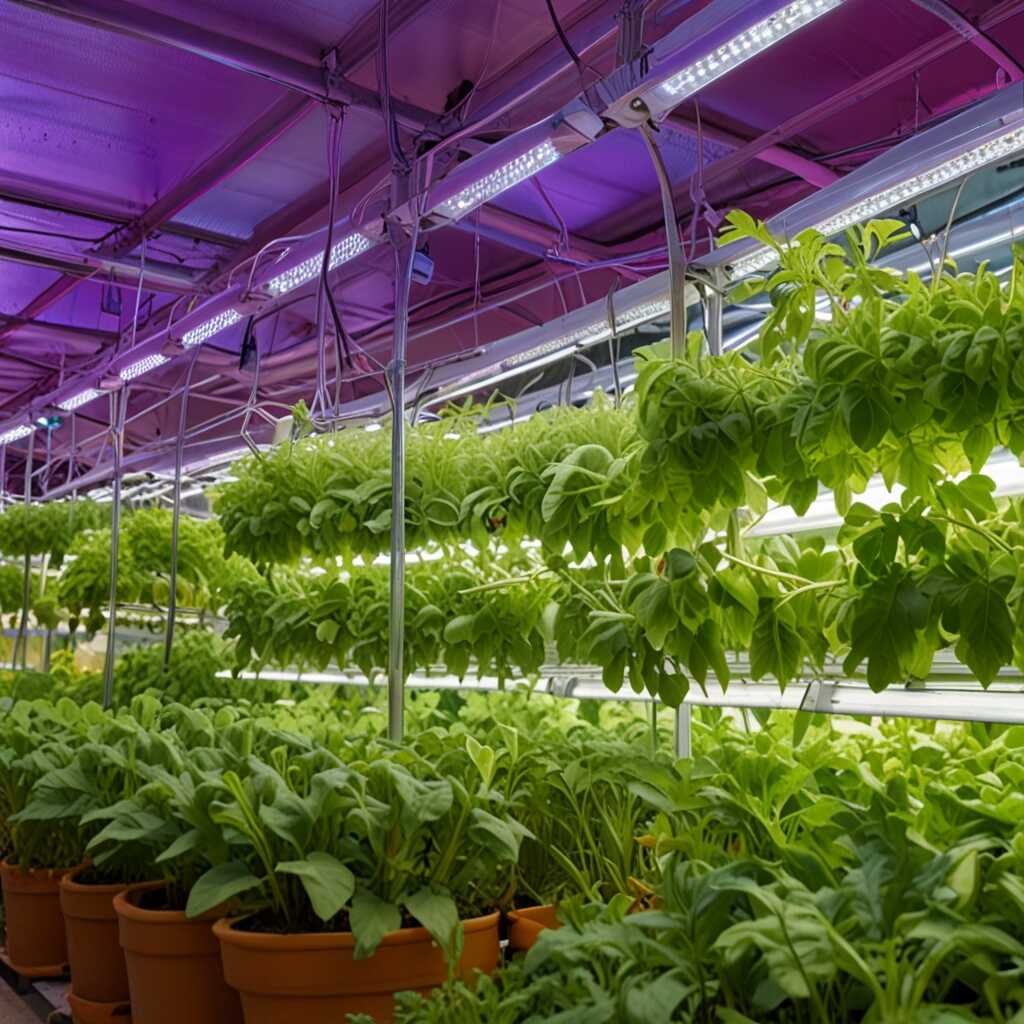
Setting Up Fluorescent Lights for Maximum Herb Growth
To maximize herb growth, place fluorescent lights 6 to 12 inches above your plants. This distance ensures that the light intensity is sufficient without causing heat stress. Adjust the angle of the lights to direct the beams toward the crops. Consider using adjustable fixtures for this purpose. A daily light duration of 12 to 16 hours is ideal, depending on the specific herb type. For example, basil thrives on extended light hours, while parsley needs less. Regularly monitor your plants’ response to light to fine-tune the setup.
Understanding the Importance of Light Duration
Light duration plays an essential role in indoor herb growth. Most herbs benefit from 12 to 16 hours of light to simulate their natural environments. Research shows that a consistent light schedule can enhance growth rates and improve yield. Using timers can help maintain this schedule easily. For instance, basil enjoys a longer light duration compared to other herbs. This helps to stimulate stronger photosynthesis, which is critical for robust plant health. The combination of proper light placement and adequate duration creates an environment conducive to flourishing herbs.
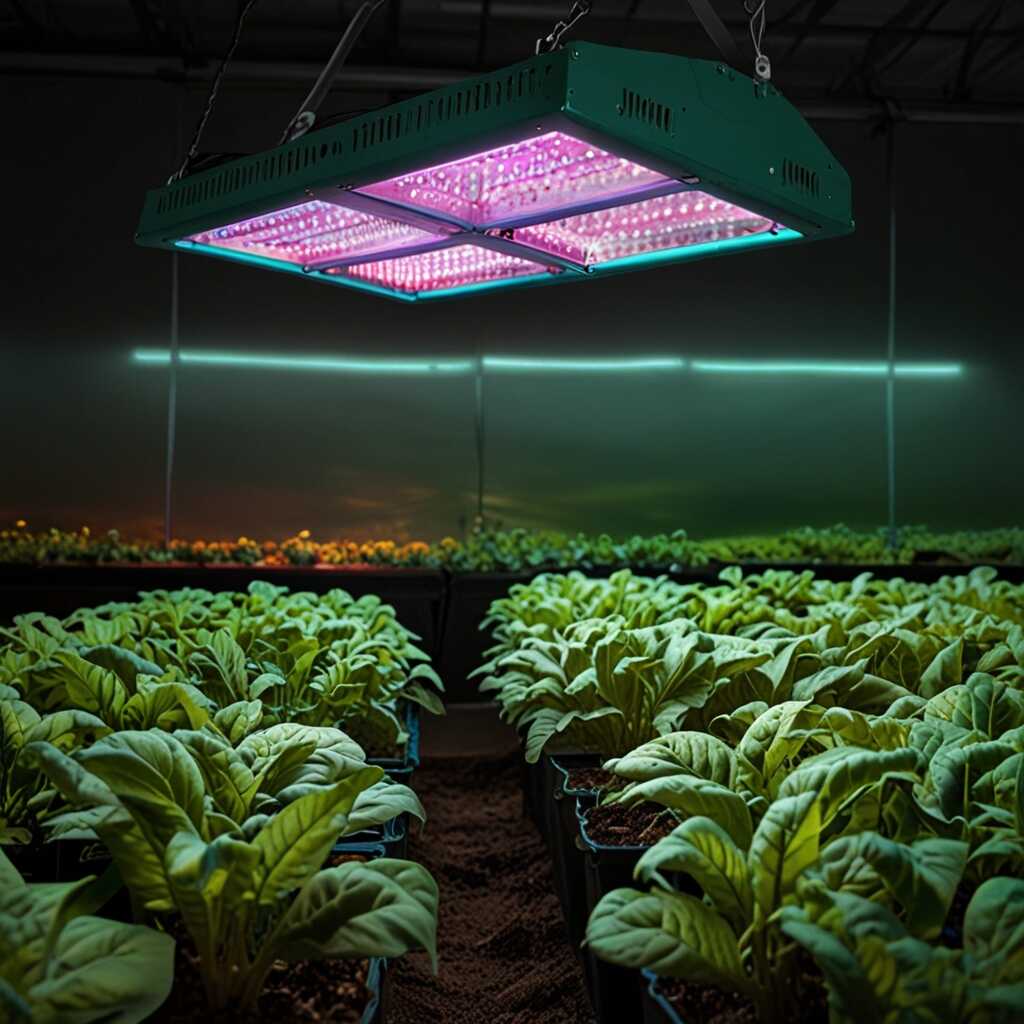
Decoding Light Spectrum and Its Impact on Herb Development
Herbs thrive under specific light wavelengths, primarily in the blue (400-500nm) and red (620-700nm) ranges. Blue light promotes leaf growth and enhances photosynthesis, while red light supports flowering and fruiting. Different types of fluorescent lights, like T5, T8, and compact fluorescent bulbs, can provide these essential wavelengths effectively. Studies show that T5 lights deliver a higher PAR (Photosynthetically Active Radiation) compared to T8s, making them more efficient for herb growth. The optimal light exposure duration for herbs is around 12-16 hours daily. This ensures proper growth without causing stress to the plants.
Understanding the Role of Blue and Red Lights
Blue and red lights serve distinct roles in herb growth. Blue light encourages strong vegetative growth by enhancing chlorophyll production, leading to lush foliage. Red light is crucial for flowering and fruit development. A balanced combination of both wavelengths leads to healthy, robust herbs. Using full spectrum fluorescent lights can simplify balancing these wavelengths. These lights deliver the necessary light spectrum analysis required for diverse growth stages. Properly aligning your light setup with these needs can significantly enhance the growth rate and health of your indoor herbs.
Advantages of Using Indoor Growing Lights for Herbs
- These lights provide a full spectrum that aids in plant photosynthesis.
- Fluorescent lights are energy-efficient and can lower electricity costs.
- They generate less heat, reducing the risk of plant damage.
- Herbs thrive with consistent light, ensuring better yields.
- These lights are more affordable to operate in the long term.
- Fluorescent lights help indoor gardeners extend the growing season.
- They allow for the cultivation of herbs in small spaces year-round.
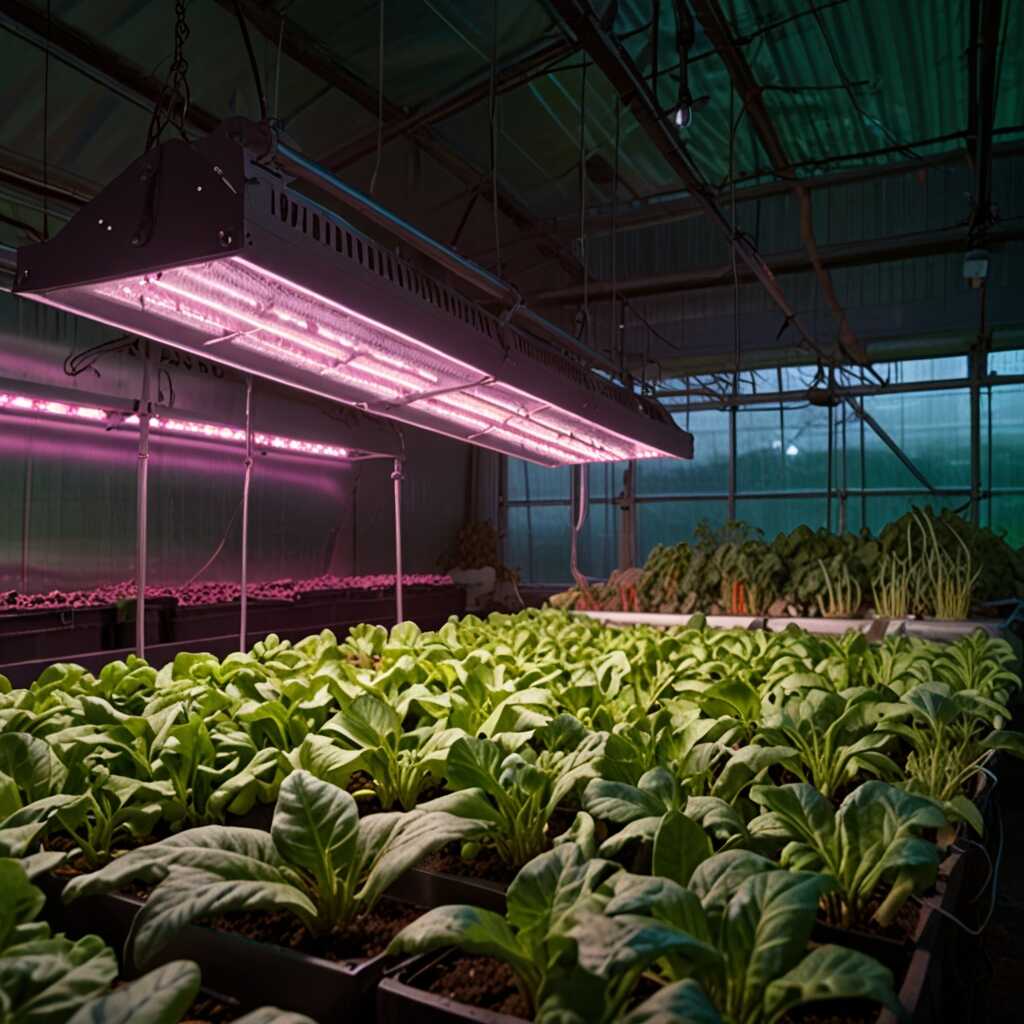
Avoiding Common Errors in Using Fluorescent Grow Lights
Indoor gardeners frequently make errors with fluorescent lighting that hinder herb growth. Common mistakes include placing lights too far from plants, using inadequate light spectrum, and failing to adjust light duration. Proper placement ensures maximum light efficiency. The optimal distance for fluorescent lights is typically 6 to 12 inches above the plants. Reliable fluorescent lights that improve herb growth include full-spectrum models designed to provide the necessary wavelengths for all growth stages. Research shows that maintaining the correct light intensity enhances photosynthesis, leading to healthier plants.
Understanding Light Spectrum and Its Impact on Growth
Fluorescent lights provide varying spectra that influence plant health. Choosing full-spectrum fluorescent lights is essential for indoor gardening. These lights include wavelengths from blue to red, supporting both vegetative growth and flowering phases. When using these lights, ensure they offer balanced light output across the 400-700 nm range. This ensures your herbs receive adequate light for photosynthesis. Regular testing and adjustments can significantly improve overall plant performance. For best results, consider lights that provide reliable spectrum data and efficiency in energy use.
Keeping Your Fluorescent Lighting System Efficient
Maintaining your fluorescent lighting system is crucial for ensuring longevity and performance. Regular cleaning of the bulbs and fixtures helps remove dust and debris, which can dim light output. Checking the electrical connections can prevent flickering and maintain efficiency. Consider using timers to control operating hours, preventing unnecessary wear. Compare brands for durability; some may offer warranties or better bulb life. It’s essential to test the lights regularly to ensure they produce the correct spectrum needed for healthy herb growth. Replace bulbs every 12 to 18 months for optimal performance in indoor gardening setups.
Understanding Fluorescent Lights for Herb Cultivation
Fluorescent lights provide a reliable source of illumination for herb cultivation indoors. These lights are designed to emit specific wavelengths that promote photosynthesis, which is vital for herb growth. When choosing fluorescent lights, consider full-spectrum varieties as they support all plant growth stages effectively. For best results, pair these lights with reflectors to enhance light distribution. Research has shown that the right fluorescent setup can significantly improve overall herb productivity. It is also crucial to place fluorescent fixtures within 6-12 inches above the plant canopy for optimal light absorption. This setup creates a comfortable environment for your herbs to thrive.
Preferred Groups and Their Interest in Indoor Herb Cultivation
- Hydroponics enthusiasts often choose fluorescent lights for efficiency.
- Urban gardeners benefit from space-saving lighting solutions.
- Eco-conscious homeowners prefer energy-efficient options for growing herbs.
- Fluorescent lights support families looking to grow fresh herbs indoors.
- Schools use these lights for educational gardening projects.
- Herb lovers appreciate low-cost solutions for year-round availability.
- Community gardens utilize fluorescent lights to ensure diverse crop growth.
Integrating Fluorescent and Other Lighting Options for Herbs
Combining fluorescent lights with other grow lights, such as LED, provides numerous benefits for herb growth. Fluorescent lights are known for their energy efficiency and broad light spectrum, making them effective for herb cultivation. They provide a soft, even light that helps seedlings establish strong roots without the risk of overheating. When paired with LEDs, which offer targeted spectrums for specific growth stages, this combination enhances overall plant health. The interaction of multiple lighting types improves photosynthesis and can lead to faster plant growth and boosted herb yield.
Optimal Light Spectrum for Indoor Herb Growth
Using a mix of light spectrums is crucial for growing herbs indoors. Fluorescent lights deliver ample blue light, which is essential for vegetative growth. LED systems can support flowering with red light, equipping indoor gardeners with an excellent strategy for dual-phase growth. Research shows that ideal lighting for indoor herbs includes a combination of 400nm to 700nm wavelengths. This multi-spectrum approach ensures that plants receive the full range of light needed for healthy development, translating to improved growth rates and vibrant, flavorful herbs. Combining these lighting systems allows gardeners to maximize their indoor cultivation efforts effectively.