
Integrating supplemental lighting with natural light in greenhouse design is essential for maximizing plant health and productivity. Proper lighting strategies can greatly influence plant growth, enhancing photosynthesis while minimizing energy use. At Green Writer, we believe in sustainable practices that combine innovative technology with eco-friendly solutions. This article will provide you with key insights on using both natural and supplemental light effectively in your greenhouse, ensuring a thriving indoor garden.
Importance of Light in Greenhouse Plant Development
Light is a critical factor in greenhouse plant development. It provides the energy needed for photosynthesis, enabling plants to convert sunlight into food. Understanding light conditions is essential for achieving optimal plant growth. Different plants have unique light requirements. Some thrive in low-light conditions, while others require bright, direct sunlight. The intensity of the light affects photosynthesis rates and overall plant health. Proper lighting setup can improve yield and growth speed. Moreover, adjusting light duration can regulate flowering and fruiting processes. For successful indoor gardening, ensure you select the right lighting systems that cater to your specific plant needs.
Factors Influencing Plant Development through Light Conditions
Light conditions in a greenhouse directly influence plant development and health. Light quality refers to the spectrum of light, including wavelengths that support photosynthesis. Plants typically require red and blue light for optimal growth. Light intensity affects how efficiently plants can conduct photosynthesis. High-intensity lights can enhance growth in species that require more energy. Similarly, lighting duration, the amount of time plants are exposed to light, plays a role in plant cycles. Many indoor gardeners actively adjust these factors to meet the needs of various plant species. Research shows that nearly 60% of indoor gardeners experience better growth by optimizing their light settings. Using reliable lighting technology, like LED grow lights, can significantly enhance your indoor gardening results.
Varieties of Supplemental Lighting for Greenhouse Applications
Greenhouses utilize several supplemental lighting options, such as LED grow lights, high-intensity discharge (HID) lights, and fluorescent lights. LED grow lights rank as the top choice for energy-efficient lighting. They enhance plant growth by providing the full spectrum of light required for photosynthesis. HID lights are another popular option, offering high light intensity for large spaces but consuming more energy. Fluorescent lights are useful for seedlings and young plants due to their low heat output and moderate light intensity. Evaluating energy efficiency and plant growth support helps in choosing the right lighting type, ensuring optimal performance and reduced electricity costs.
Advantages and Disadvantages of Different Lighting Types
Each supplemental lighting type has unique advantages and disadvantages. LED grow lights are excellent for energy efficiency, lasting up to 50,000 hours. They can handle varying light spectrums, enabling tailored growth support. However, they may have higher upfront costs. HID lights provide very good light intensity, suitable for larger plants but are less energy-efficient. They can produce excess heat, requiring additional cooling systems. Fluorescent lights offer easy installation and low heat generation, making them great for beginners. They are less effective for mature plants that require intense light. Understanding these details helps users make more informed decisions about greenhouse lighting.
Advantages of Combining Natural Light with Supplemental Lighting
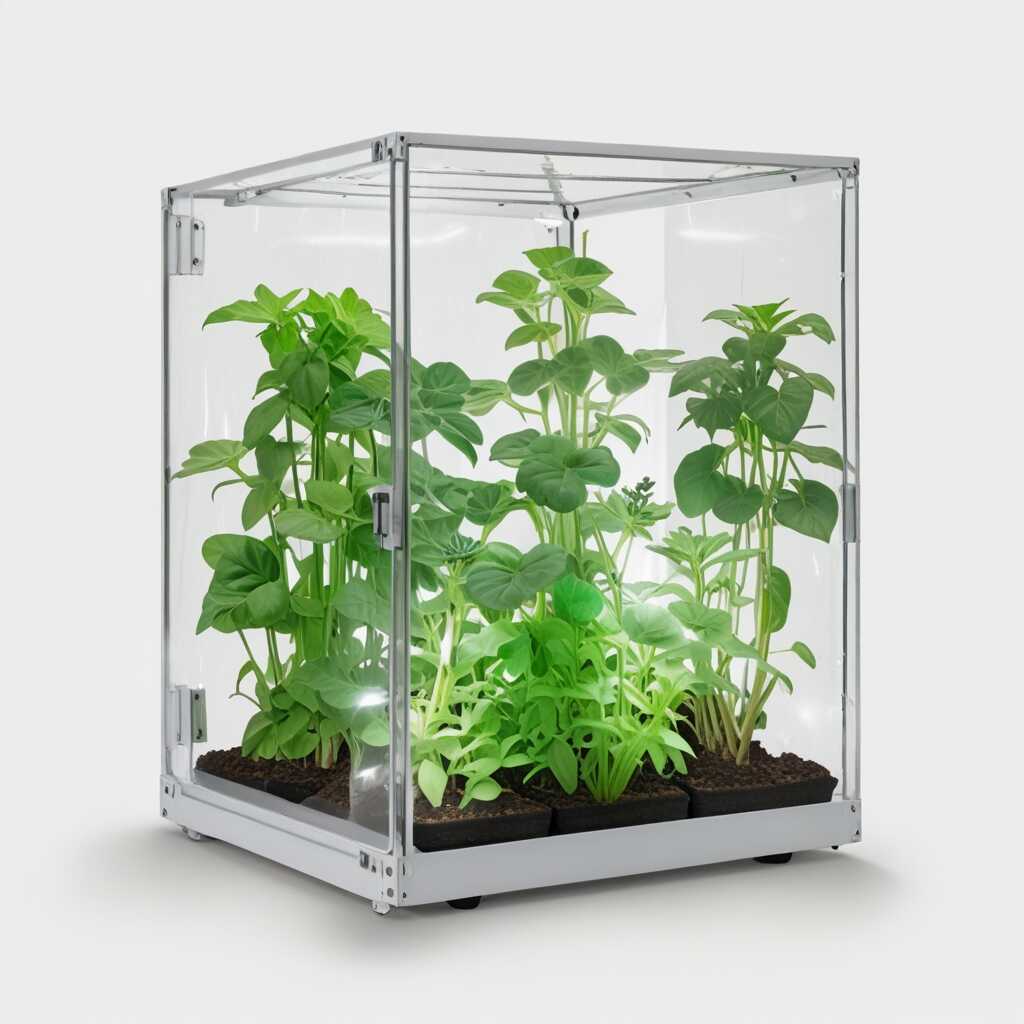
Using natural light alongside supplemental lighting in greenhouse design offers numerous benefits. This combination improves energy efficiency, reducing energy costs by up to 30% compared to using artificial lighting alone. Reliable supplemental lighting complements natural light during low-light conditions. This partnership ensures optimal conditions for various plant stages, enhancing growth and production. High-quality LED grow lights are more energy-efficient than traditional options, typically lasting over 50,000 hours. Utilizing this strategy helps greenhouse designers achieve better plant health and higher yields, while also being eco-friendly and sustainable.
Understanding Energy Efficiency in Greenhouse Lighting
Energy efficiency in greenhouse lighting focuses on optimizing the use of both natural and supplemental light. Greenhouses can reduce energy consumption by 30-50% when combining these lighting methods. Utilizing energy-efficient LED grow lights not only conserves electricity but also provides full-spectrum light, supporting all growth stages from seedlings to flowering. Research shows that plants respond positively to the wavelengths provided by these lights, which enhances photosynthesis. As energy costs rise, investing in reliable and durable lighting solutions becomes essential for sustainable greenhouse design, ensuring both plant well-being and savings on utility bills.
Key Statistics on Lighting in Greenhouses
- Many greenhouses use up to 40% of their energy on lighting systems.
- Supplemental lights can increase plant yield by 20% to 30%.
- Research shows plants grow 50% faster with proper light integration.
- Some LEDs last over 50,000 hours, making them cost-effective.
- Natural light can provide 80% of plants’ lighting needs in optimal conditions.
- Greenhouses can reduce energy costs by 50% with efficient lighting strategies.
- Plants need specific light wavelengths—around 400-700nm for healthy growth.
Techniques for Enhancing Natural Light in Greenhouse Designs
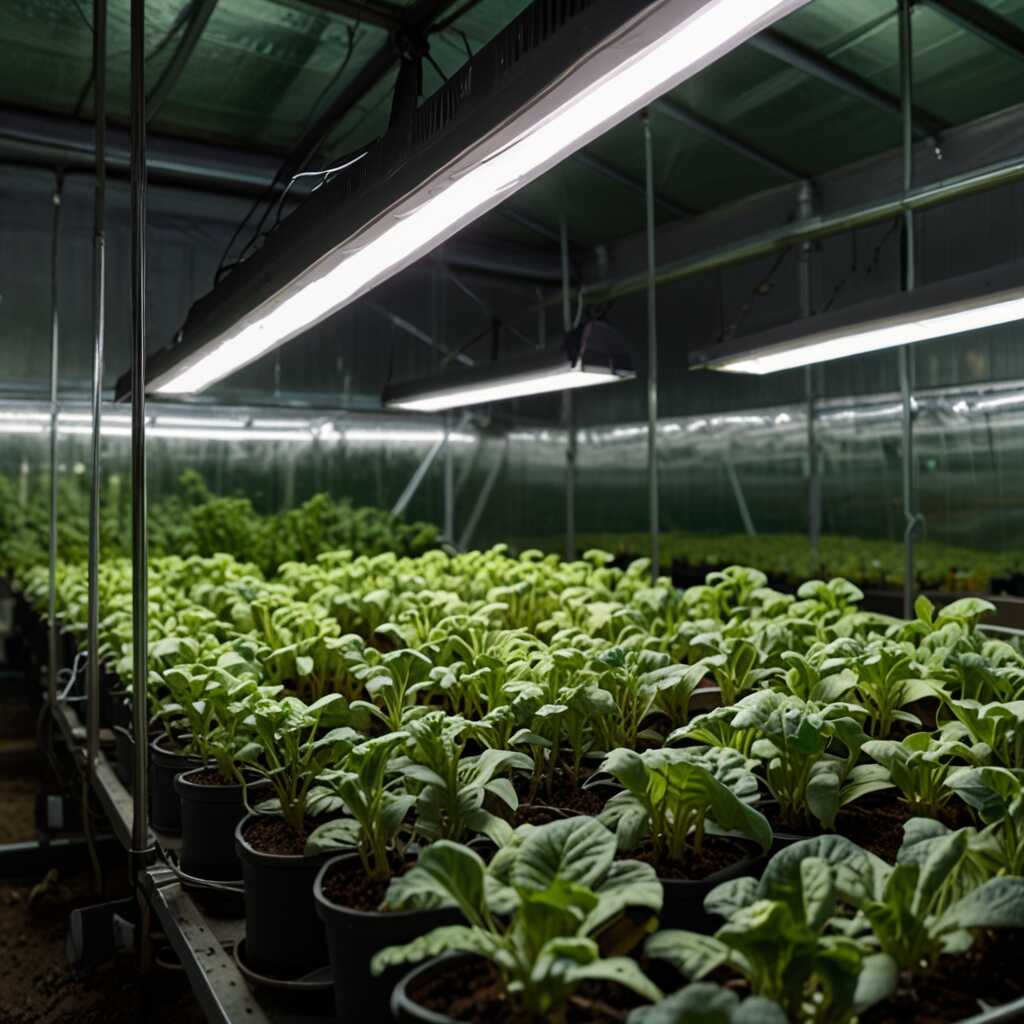
Effective techniques for utilizing natural light in greenhouse designs include strategic plant positioning, transparent materials, and layout design. Positioning plants taller in the back row allows shorter plants to receive maximum light. Using transparent materials, like polycarbonate or glass, ensures the greenhouse absorbs sunlight efficiently. The layout should prioritize south-facing windows and roof vents for optimal light capture throughout the day.
Optimizing Plant Positioning Strategies for Maximum Light Exposure
Optimizing plant positioning involves arranging plants according to their height and light requirements. Taller plants should be placed at the back, allowing shorter ones to receive adequate light without obstruction. Narrow pathways enable direct sunlight to reach all plants evenly. Installing movable shelves enhances flexibility, allowing light to penetrate evenly and promoting efficient growth. Adequate spacing between plants also prevents shading and ensures each plant can access necessary light effectively.
The Impact of Light Spectrums on Plant Growth Stages
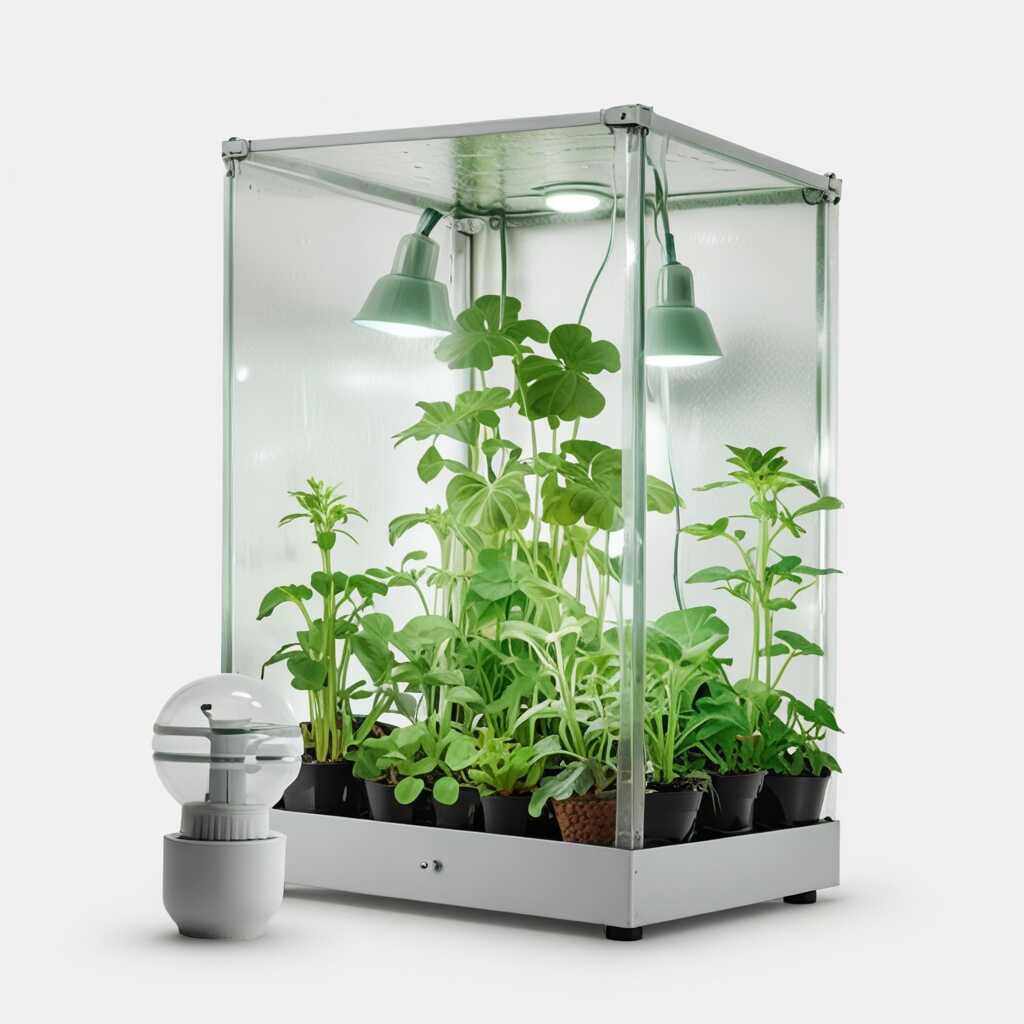
Different light spectrums significantly impact plant growth stages. Seedlings thrive under blue light, which promotes healthy leaf development. As plants transition to the flowering stage, red light becomes essential. It encourages flower and fruit development. Studies show that a balanced spectrum combining both blue and red light enhances photosynthesis. This combination ensures that plants receive the necessary energy for robust growth and flowering. Using the right spectrum can improve indoor gardening outcomes significantly.
Best Light Spectrums for Optimal Growth
The best light spectrums vary according to the growth phase. Seedlings require a higher percentage of blue light, around 60-70%, which is crucial for photosynthesis and robust leaf growth. During the vegetative stage, a mix of blue and red light is ideal, with 30% red light included, as it encourages strong stem development. For the flowering phase, plants benefit from 70-80% red light. This enhances flowering and fruiting. Understanding these light needs allows indoor gardeners to maximize plant health effectively.
Advantages of Blending Light Sources
- Enhanced plant growth leads to healthier yields.
- Combined lighting improves photosynthesis efficiency.
- Users can control the photoperiod better for different plant stages.
- Integrated methods save energy and costs over time.
- Better light quality results in vibrant plant colors and flavors.
- Cultivators can extend the growing season in any climate.
- Employing a mix promotes eco-friendly gardening practices.
Making Your Greenhouse Lighting Energy Efficient
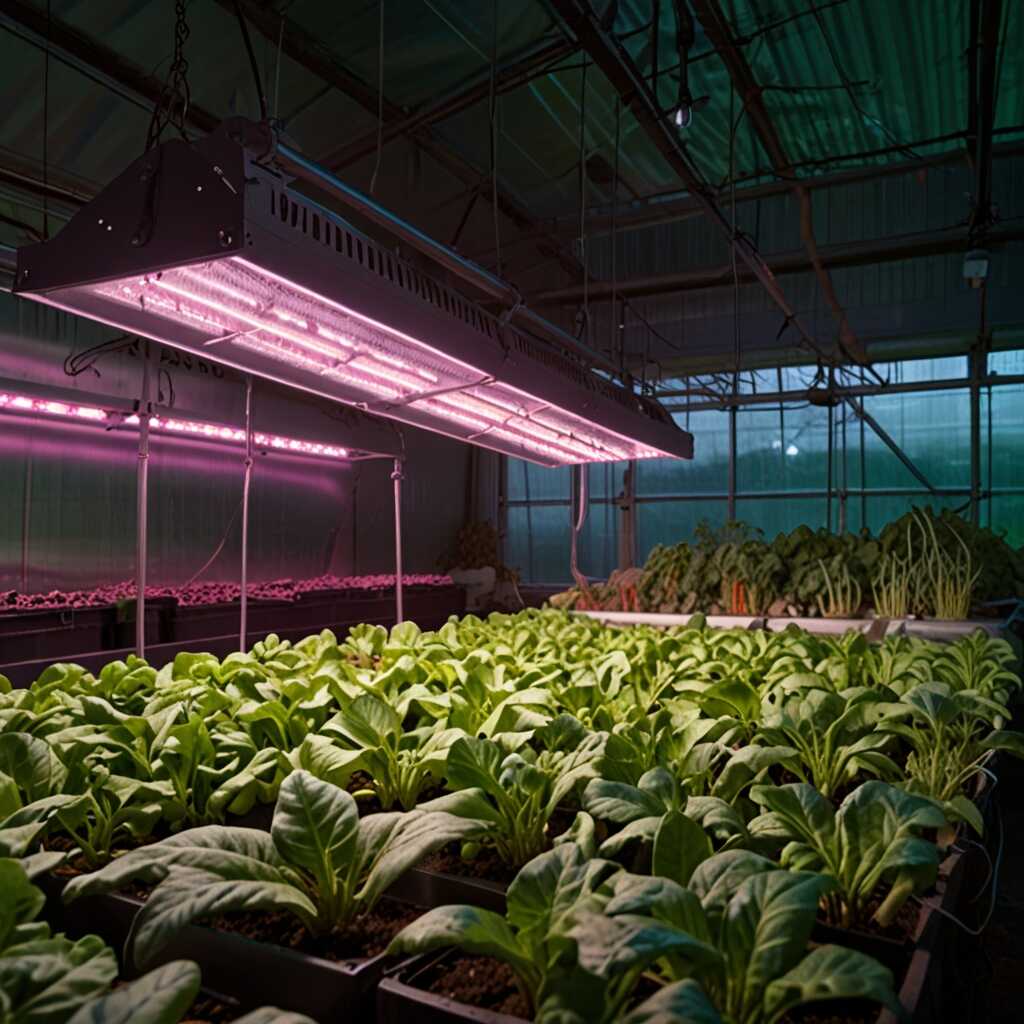
Choosing the right energy-efficient lighting options can significantly reduce greenhouse costs while enhancing plant growth. LED grow lights are highly recommended for their energy savings. They consume 75% less energy compared to traditional incandescent lights. When selecting a sustainable energy source, consider factors like energy reliability, local availability, and environmental impact. Options include solar panels, wind turbines, and grid connections. These sources provide long-term sustainability and optimal performance. Research shows that optimizing greenhouse lighting techniques enhances plant health and reduces energy consumption effectively.
Maximizing Energy Savings with LED Grow Lights
LED grow lights offer impressive advantages in energy efficiency and performance. They are designed to emit specific wavelengths beneficial for plant growth, ensuring optimal light absorption during various growth stages. The lifespan of LED lights typically exceeds 50,000 hours, making them a reliable choice for indoor gardening. LED technology can handle significant energy savings, often reaching 80% compared to traditional bulbs. Users report lower electricity bills and improved plant yields when using these lights. Well-planned lighting layouts enhance exposure and growth, making LED grow lights an essential element in modern greenhouse design.
Assessing and Adjusting Light Conditions in Your Greenhouse
To optimize plant care in your greenhouse, reliable tools like light meters play an essential role. Light meters provide accurate readings of light levels to ensure your plants receive optimal light intensity. You can enhance your indoor gardening experience by using different meters based on your needs. The best light meters offer features like data logging and multiple units of measure, helping you find the most suitable option. The ideal light intensity for plant growth generally falls between 300-600 micromoles per square meter per second. This range can vary depending on the type of plants you’re cultivating.
Choosing the Right Light Meter for Your Greenhouse
Choosing the right light meter involves understanding your specific greenhouse needs. Basic light meters provide quick readings, while advanced models may include features like a built-in spectrometer and data storage. These advanced meters help in testing and evaluating light quality across different spectra, which is crucial for plant growth at various stages. Quality light meters enhance the reliability of your measurements and ensure consistent readings year-round. For best results, select a meter designed for horticultural use with reliable performance and durability.
Target Demographics Embracing New Lighting Techniques
- Hobby gardeners enjoy experimenting with different light types.
- Commercial growers seek efficient production and reduced costs.
- Eco-conscious homeowners prefer sustainable practices.
- Indoor gardening enthusiasts benefit from advanced light integration.
- Greenhouse designers create custom solutions for diverse plants.
- Horticulture students learn about the latest in lighting technology.
- Urban gardeners utilize smart lighting to maximize small spaces.
Case Studies of Effective Greenhouse Lighting Solutions
Successful greenhouse designs include real-life examples like the Green Canopy Project, which uses LED lights alongside skylights. They achieved a 30% increase in yield by integrating full-spectrum lighting with natural sunlight. The Winter Garden Greenhouse utilizes supplemental lighting during the winter months, yielding a variety of plants, including tomatoes and herbs. Their research concluded that plants exposed to 12-16 hours of illuminated growth each day showed better results.
Innovative Supplemental Lighting Strategies for Diverse Plants
Greenhouses can greatly enhance plant growth by tailoring supplemental lighting strategies to plant types. The use of LED grow lights can effectively support leafy greens for vegetative growth and flowering plants for blooming. For example, the Garden World Greenhouse measures lighting exposure and adjusts to provide optimal wavelengths needed for strawberries and orchids. This approach has produced a remarkable increase in quality and quantity of harvests while maintaining energy efficiency. Implementing these strategies provides greenhouse designers and gardeners with a roadmap to improve their indoor gardening projects.