
Greenhouse grow lights are artificial lighting systems designed to supplement or replace natural sunlight for indoor plant cultivation. These lights emit specific wavelengths that plants need for photosynthesis, enabling vegetables to grow successfully during winter months when natural light is limited. Common types include LED, fluorescent, and HID systems, each offering different benefits for greenhouse gardening.
Understanding What Greenhouse Grow Lights Are and How They Work
Grow lights are electric lighting devices that provide the light spectrum plants require for healthy growth and development. They work by emitting wavelengths in the photosynthetically active radiation range, typically between 400-700 nanometers, which plants use to convert light energy into chemical energy through photosynthesis. Different light colors serve specific functions: blue light promotes vegetative growth and leaf development, while red light encourages flowering and fruit production. The lights can be programmed to run for extended periods, typically 12-16 hours daily, compensating for shorter winter daylight hours.
Understanding Different Types of Grow Lights
Three main types of grow lights are commonly used in greenhouse applications. LED grow lights are energy-efficient and typically last 25,000-50,000 hours, making them cost-effective over time despite higher upfront costs. Fluorescent lights offer an affordable entry point for beginners, though they generally need replacement every 10,000-20,000 hours and work best for seedlings and leafy greens. High-intensity discharge (HID) lights, including metal halide and high-pressure sodium varieties, produce intense light suitable for large operations but generate significant heat and consume more electricity than other options.
How Grow Lights Enable Winter Vegetable Production
Different light spectra from grow lights significantly impact how vegetables develop during winter months. Blue wavelengths around 400-500nm encourage compact, leafy growth in vegetables like lettuce, spinach, and kale. Red wavelengths around 600-700nm promote flowering and fruiting in tomatoes, peppers, and cucumbers. Full-spectrum lights combine multiple wavelengths to support plants throughout their entire growth cycle. The intensity and duration of light exposure directly affects plant metabolism, with most vegetables requiring consistent lighting for 12-16 hours daily during winter to maintain active growth.
Benefits of Using Grow Lights for Winter Vegetables
Grow lights provide several key advantages for winter vegetable production in greenhouse environments. They extend growing seasons by providing consistent light regardless of weather conditions or daylight length. Plants receive optimal light spectra for their specific growth needs, which natural sunlight may not always provide during winter. The controlled environment allows gardeners to grow warm-season crops like tomatoes and peppers year-round. Additionally, grow lights enable more precise timing for seed starting and successive plantings, helping maintain continuous harvests throughout cold months.
Essential Features to Consider When Choosing Grow Lights
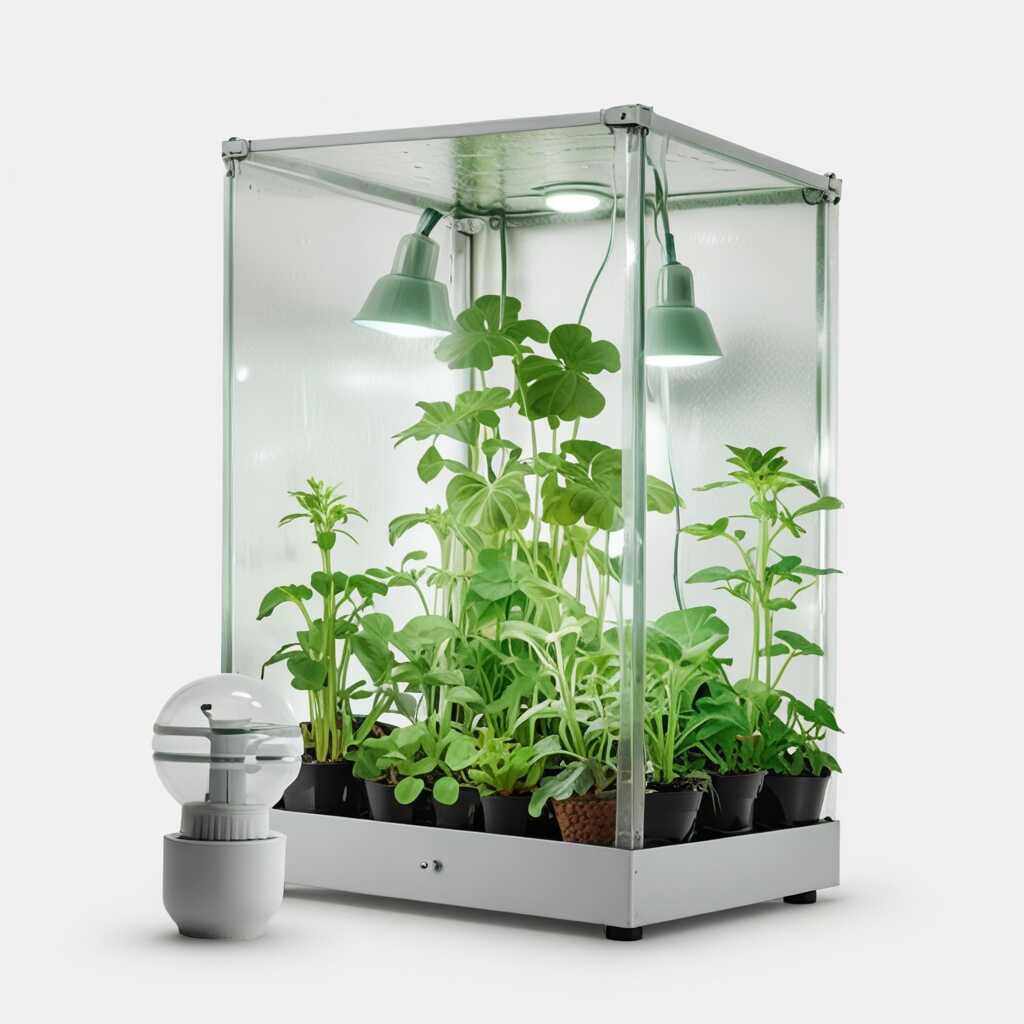
Several essential features when selecting grow lights directly impact their effectiveness for winter vegetable production. Light spectrum capabilities determine which plants will thrive under the system, with full-spectrum options providing the most versatility. Wattage and coverage area affect how many plants can be grown effectively under each light fixture. Heat output varies significantly between light types, with LEDs producing minimal heat while HID systems may require additional ventilation. Energy efficiency ratings help calculate ongoing operational costs, which can be substantial during long winter growing periods.
Comparing Different Grow Light Technologies
Each grow light technology offers distinct characteristics suitable for different growing situations. LED systems typically consume less electricity than fluorescent or HID alternatives while providing longer lifespans and more precise spectrum control. Fluorescent lights work well for seedlings and leafy greens but may lack intensity for fruiting plants. HID lights deliver high intensity suitable for large plants but generate heat that requires management. Cost considerations include both initial purchase price and ongoing electricity usage, with LED systems typically offering better long-term value despite higher upfront investment.
Key Specifications to Evaluate
- Light spectrum range and adjustability options available.
- Power consumption measured in watts per square foot coverage.
- Expected lifespan typically ranging from 10,000 to 50,000 hours.
- LED grow lights consume approximately 25-50 watts per square foot.
- Optimal light distance ranges from 6-24 inches above plants.
- Heat generation varies from minimal (LED) to significant (HID).
- Dimming capabilities allow adjustment for different growth stages.
Cost Considerations for Different Grow Light Systems
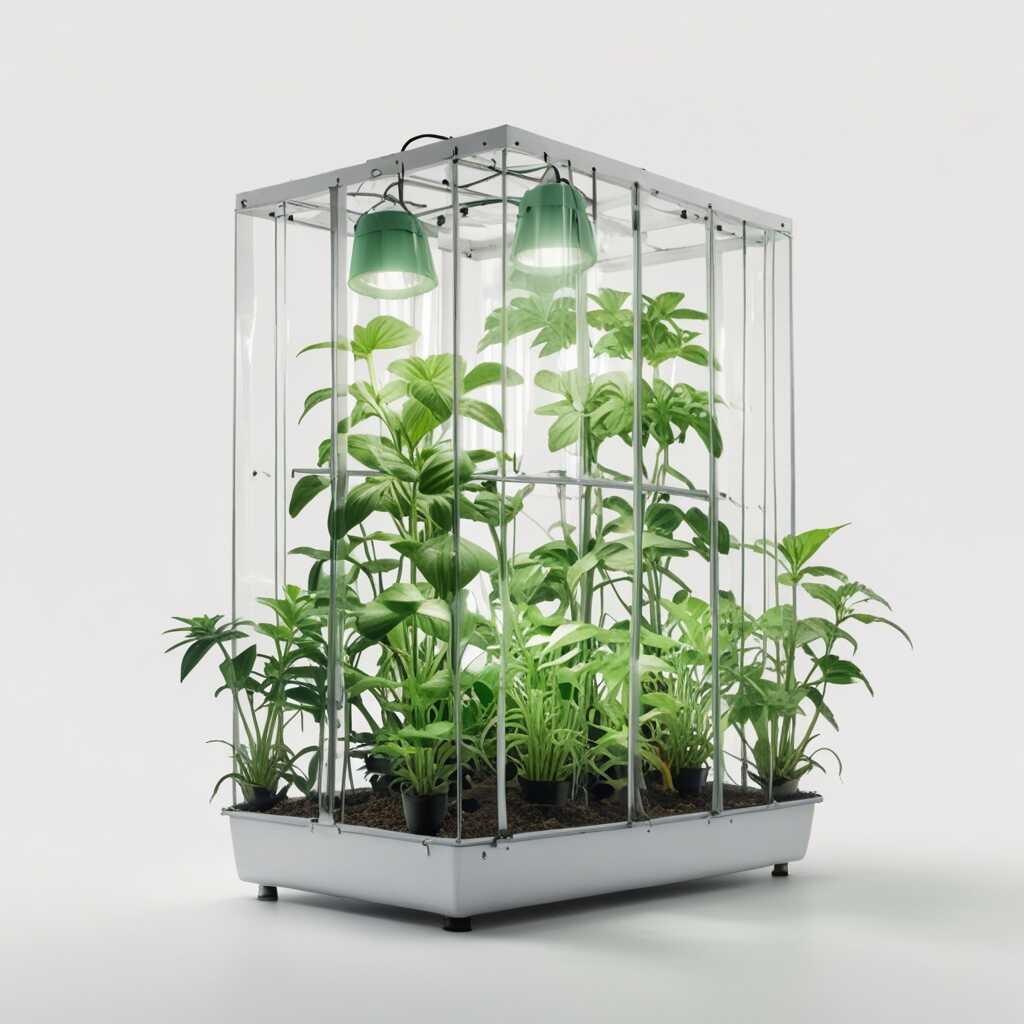
Understanding the financial aspects of grow light systems helps gardeners make informed decisions for their winter vegetable production. LED grow lights typically cost more initially, with quality systems ranging from $50-300 per fixture, but their energy efficiency and longevity often provide better long-term value. Fluorescent systems offer lower upfront costs, usually $20-100 per fixture, making them attractive for budget-conscious gardeners or those starting small operations. HID systems fall somewhere in between for initial cost but typically have higher ongoing electricity expenses and may require additional cooling equipment.
Calculating Operational Costs
Monthly electricity costs for grow lights depend on several factors including wattage, hours of operation, and local utility rates. A typical 100-watt LED system running 14 hours daily costs approximately $10-20 monthly in electricity, depending on local rates. Fluorescent systems of similar coverage may cost slightly more to operate due to lower efficiency. HID systems often consume 400-1000 watts and can result in electricity costs of $40-100 monthly for similar coverage. These ongoing costs should be factored into any grow light investment decision alongside the initial purchase price.
Effective Strategies for Setting Up and Using Grow Lights
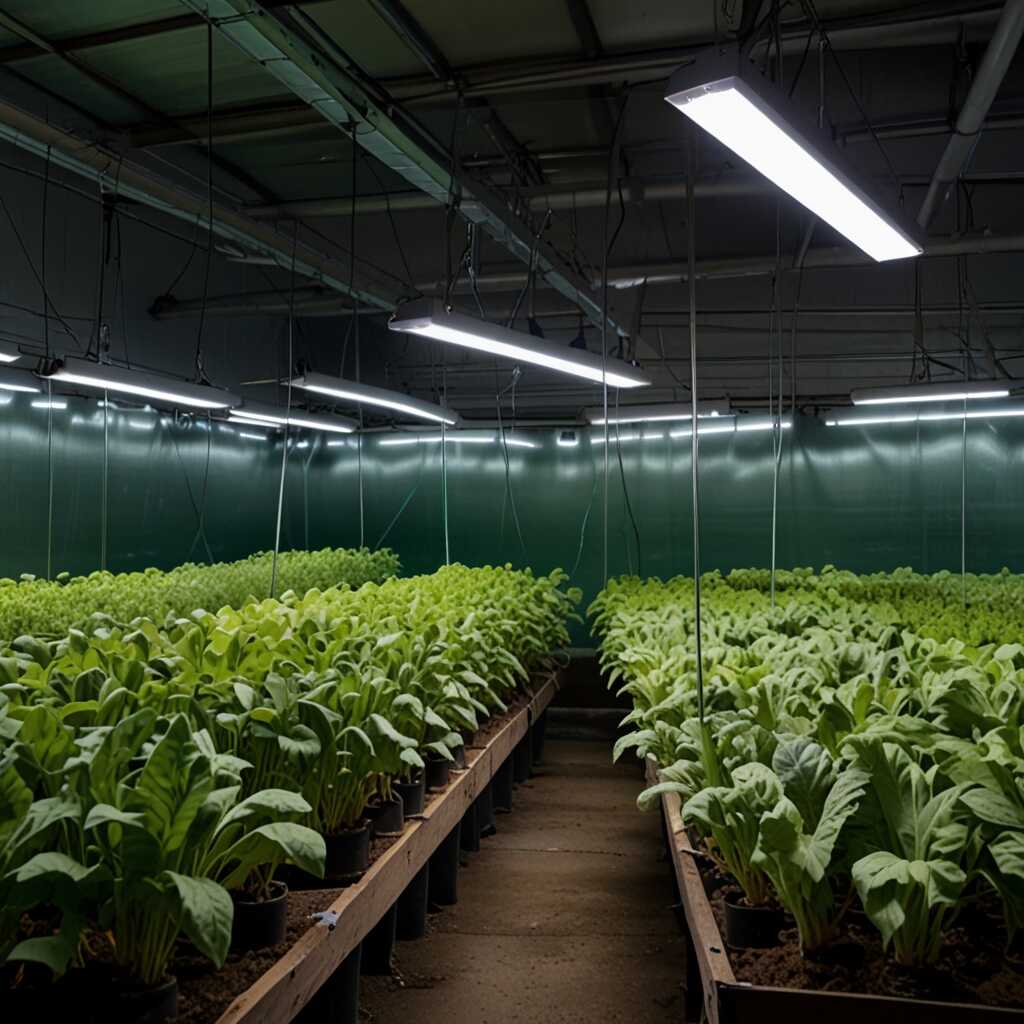
Proper setup and operation of grow lights maximizes their effectiveness for winter vegetable production. Light placement typically ranges from 6-24 inches above plants, depending on the light type and intensity, with closer placement needed for lower-intensity systems. Timing schedules of 12-16 hours daily work well for most vegetables, though some plants may require adjustment based on their natural photoperiod requirements. Regular monitoring helps identify signs of light stress, such as leaf bleaching from excessive light or stretching from insufficient light, allowing for timely adjustments to optimize growing conditions.
Limitations and Challenges of Grow Light Systems
Several limitations should be considered when planning grow light installations for winter vegetable production. Initial setup costs can be substantial, especially for larger growing areas or high-quality LED systems. Ongoing electricity expenses add to the cost of homegrown vegetables, particularly during extended winter growing periods. Heat management becomes necessary with some light types, potentially requiring additional ventilation or cooling systems. Light systems also require regular maintenance including cleaning fixtures and eventual bulb replacement, adding to long-term operational requirements.
Best Practices for Maximizing Results
- Position lights at appropriate distances to prevent heat damage or insufficient illumination.
- Rotate plants regularly to ensure even light exposure across all growing surfaces.
- Clean light fixtures monthly to maintain optimal light output and efficiency.
- Monitor plants for signs of light stress and adjust intensity or duration accordingly.
- Use timers to maintain consistent photoperiods that support healthy plant development.
- Consider supplemental heating if grow lights alone don’t provide adequate warmth.
- Plan electrical capacity to handle multiple lights without overloading circuits.
Environmental Considerations of Indoor Growing with Lights
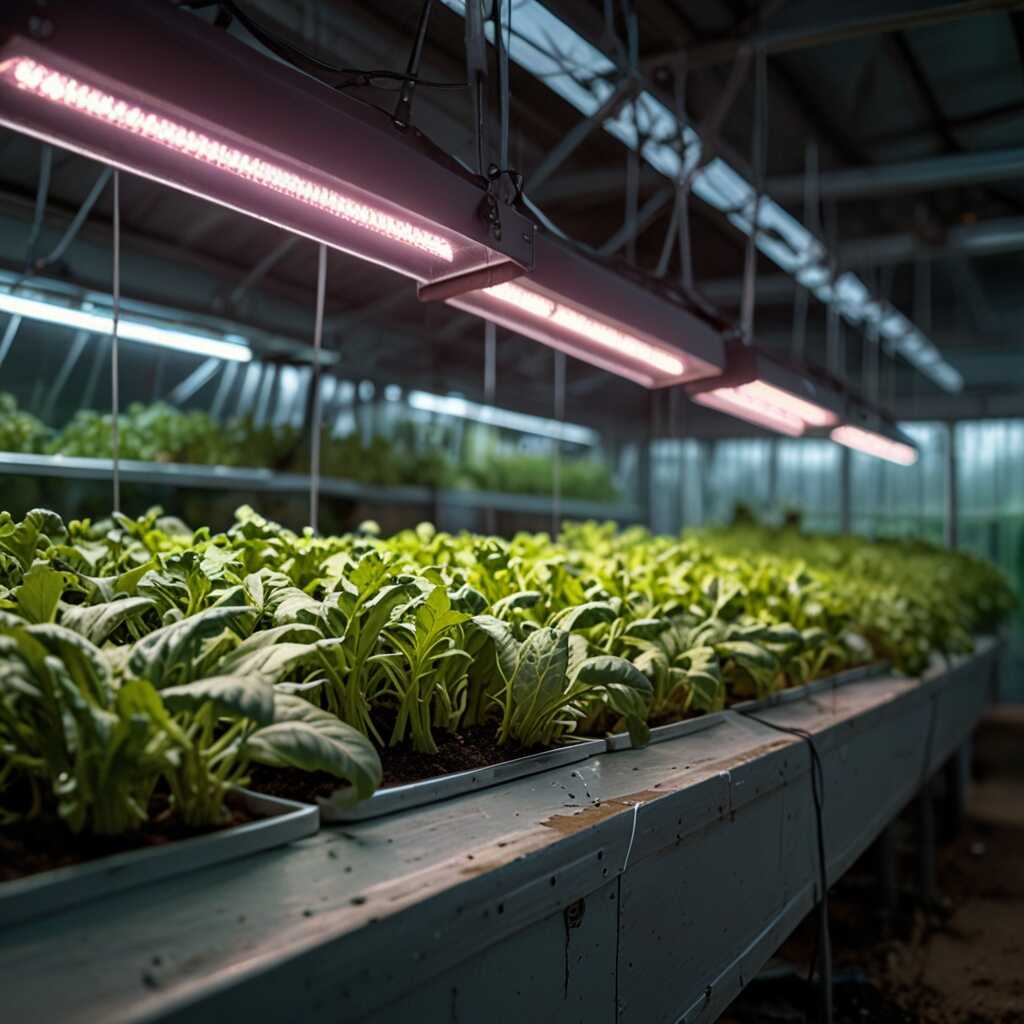
Indoor growing with artificial lights presents both environmental benefits and challenges that gardeners should consider. Growing food locally reduces transportation emissions and packaging waste associated with store-bought produce. Year-round production can decrease reliance on out-of-season imports from distant locations. However, electricity consumption for lighting does create a carbon footprint that varies based on local energy sources. LED systems generally offer better energy efficiency compared to older lighting technologies, helping minimize environmental impact while maintaining productive growing capability.
Sustainable Practices for Indoor Growing
Several strategies can make indoor growing with lights more environmentally sustainable. Using renewable energy sources like solar panels to power grow lights reduces reliance on grid electricity from fossil fuels. Choosing energy-efficient LED systems minimizes electricity consumption compared to less efficient alternatives. Proper insulation of growing spaces reduces heating and cooling needs that might otherwise increase energy usage. Water conservation through efficient irrigation systems and humidity management further reduces the environmental footprint of indoor growing operations.
Getting Started with Grow Lights for Winter Vegetables
Beginning gardeners can start successfully with grow lights by choosing appropriate systems for their space and goals. Small-scale operations might begin with single LED panels for growing leafy greens or herbs on windowsills or shelving units. Compact fluorescent systems work well for seedlings and microgreens in limited spaces. As experience and confidence grow, gardeners can expand to larger systems capable of supporting fruiting plants like tomatoes and peppers throughout winter months. Starting small allows learning proper techniques before making larger investments in equipment and electricity.
Choosing Vegetables Best Suited for Grow Light Production
Some vegetables adapt better than others to artificial light environments, making them ideal choices for winter growing under lights. Leafy greens like lettuce, spinach, kale, and swiss chard thrive under moderate light levels and grow quickly from seed to harvest. Herbs including basil, oregano, and cilantro also perform well and provide fresh flavoring throughout winter. Cherry tomatoes and compact pepper varieties can succeed under adequate lighting, though they require more intense light and longer growing periods than leafy crops. Root vegetables like radishes and carrots work in deeper containers with sufficient light penetration.
Recommended Varieties for Indoor Growing
- Buttercrunch lettuce varieties mature quickly under moderate light conditions.
- Cherry tomato cultivars like ‘Tiny Tim’ work well in limited vertical space.
- Asian greens such as bok choy adapt well to artificial lighting schedules.
- Compact bell pepper varieties produce fruit under adequate light intensity.
- Microgreens offer quick harvests and high nutrition in minimal space.
- Herbs like basil and parsley provide continuous harvests throughout winter.
- Radishes mature in 30 days and tolerate variable light conditions well.
Planning Your Winter Growing Setup
Successful winter growing with lights requires careful planning of space, equipment, and growing schedules. Available growing space determines the size and number of light fixtures needed, with each fixture typically covering 2-4 square feet effectively. Electrical requirements should be calculated early, as multiple lights may require dedicated circuits or electrical upgrades to handle the load safely. Consider reviewing detailed comparisons of available systems to match lighting choices with specific vegetables and growing goals. Temperature control becomes important since some lights generate heat while winter conditions may require supplemental warming.
Future Trends in Indoor Growing Technology
Advancing technology continues to improve options for indoor growing with artificial lights. Smart LED systems now offer programmable spectrum control and automated scheduling that adjusts light conditions throughout the day and plant development stages. Improved energy efficiency in newer LED designs reduces operational costs while providing better light quality for plants. Integration with environmental monitoring systems allows automatic adjustment of lighting based on temperature, humidity, and plant growth stages. As these technologies become more affordable and accessible, home gardeners gain access to sophisticated growing capabilities previously available only to commercial operations.