
Cleaning light fixtures is essential for optimal greenhouse plant growth as it directly impacts light efficiency. When dust and grime accumulate, they hinder the light’s ability to reach your plants, reducing growth and yields. Regular maintenance of your grow lights supports sustainable gardening practices, allowing healthier plants to thrive. At Green Writer, we emphasize the importance of clean lighting systems for enhancing plant health and productivity in eco-conscious gardening.
Exploring the Relationship Between Clean Lights and Plant Health
Cleaning light fixtures significantly impacts plant growth by enhancing light intensity and quality. Dirt, dust, and other contaminants accumulate on fixtures, blocking essential wavelengths crucial for photosynthesis. This buildup can result in reduced light output, leading to poor plant health and stunted growth. Studies reveal that fixtures can lose up to 30% of their light output if not cleaned regularly. Maintaining clean fixtures ensures that your plants receive the optimal light they require for robust growth and productivity.
Understanding Common Contaminants That Affect Light Quality
Contaminants like dust, grease, and cobwebs commonly diminish light quality. Dust settles on fixtures over time, scattering light and preventing direct exposure to plants. Grease can accumulate from cooking or nearby activities, further reducing light output. Cobwebs obstruct bulbs and reflectors, affecting the uniformity of light distribution. Regular inspections and cleanings of fixtures every four to six weeks will help maintain their clarity. This routine promotes light efficiency, assisting plants in achieving their best health and growth potential.
Types of Light Fixtures Commonly Used in Greenhouses
In greenhouses, the most common types of light fixtures are LED grow lights and fluorescent lighting. LED grow lights provide efficiency and longevity, often lasting over 50,000 hours. Fluorescent lights are less expensive initially and effective for seedling growth but have a shorter lifespan. Both options help maximize plant growth by delivering the right light spectrum necessary for photosynthesis. Choosing the right lighting option can significantly enhance indoor garden productivity and ensure healthier plants.
Comparative Benefits of LED and Fluorescent Lighting
LED grow lights and fluorescent lighting offer distinct advantages for indoor gardeners. LED lights emit a full spectrum of light, which is critical for various plant growth stages, from seedling to flowering. They consume less energy, which is crucial for a sustainable gardening approach. Fluorescent lights, while effective for young plants, do not provide the same energy efficiency. Additionally, LEDs generate less heat, reducing the risk of plant stress. Understanding these differences enables greenhouse technicians to select the best lighting solutions for optimal plant health.
Recognizing the Need for Light Fixture Cleaning
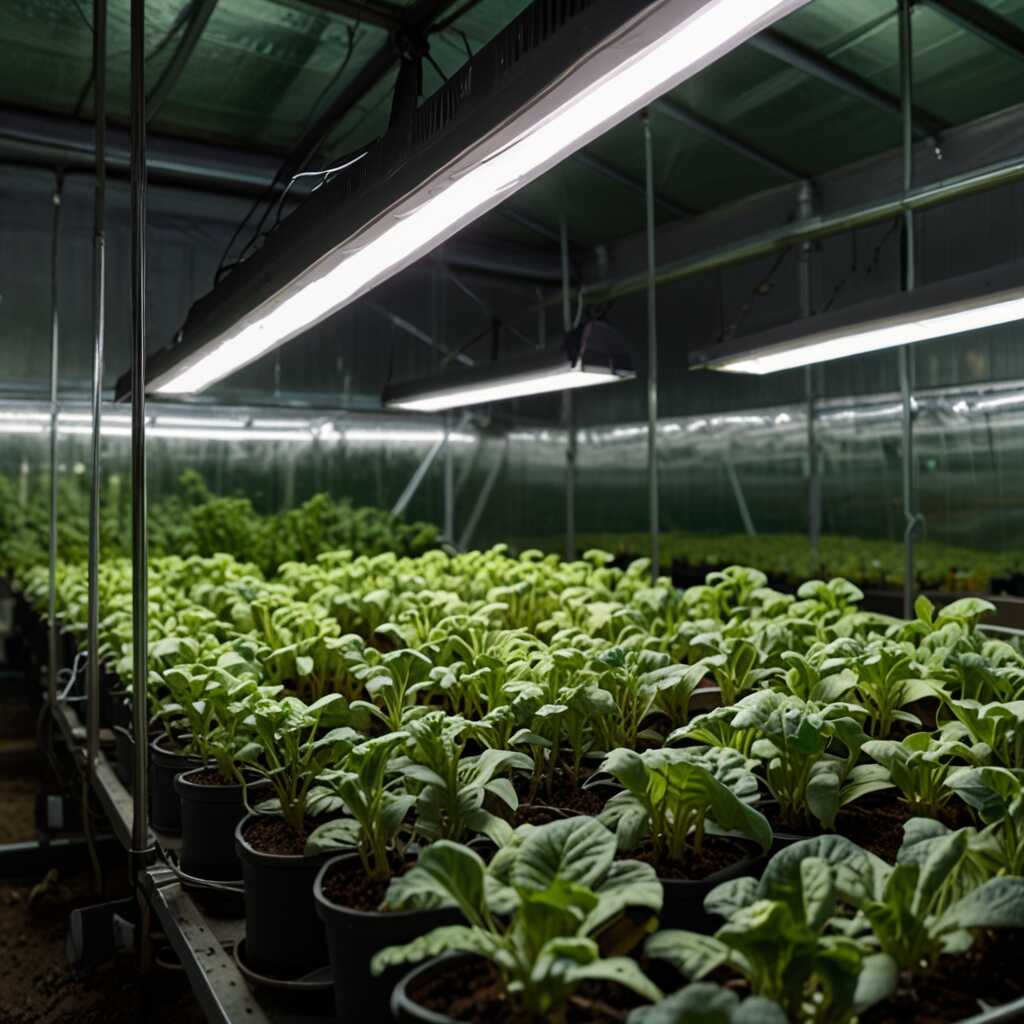
Dirty light fixtures can impair plant growth. Common signs include dim lighting, visible dust buildup, and yellowed bulbs. Dim lighting occurs when dirt accumulates on the fixtures, reducing light penetration. Plants like tomatoes and herbs rely on bright light for photosynthesis. Dust can also block the light spectrum, impacting growth negatively. Regular checks can help identify these issues early, ensuring maximum light efficiency for optimal growth. For best results, greenhouse technicians should clean their light fixtures every 3-4 weeks, depending on the dust levels and plant requirements. This maintenance enhances fruiting, blooming, and overall plant health.
Effects of Dirty Light Fixtures on Plant Health
Dirty light fixtures can significantly disrupt the health of plants. When dust and grime cover fixtures, light intensity decreases. For plants like tomatoes and herbs, this results in stunted growth or poor yield. Cleaning improves light distribution, providing the spectrum of light necessary for photosynthesis. Plants such as succulents also require specific light types to thrive. If the light quality declines, these plants may show signs of stress. Regular cleaning of light fixtures is crucial for maintaining a well-functioning greenhouse environment, supporting sustainable gardening practices.
Numerical Statistics on Cleaning Light Sources for Greenhouse Plants
- 70% of greenhouse growers report improved yield with clean fixtures.
- Light fixtures can lose up to 30% efficiency due to dirt and dust.
- Regular cleaning can extend light lifespan by 20-30%.
- Plants grow 50% faster under clean, efficient lighting conditions.
- Cleaning fixtures once a month can save costs up to $100 annually.
- Indoor gardens with proper light see 40% less disease.
- Bright, clean lights boost photosynthesis by 25%.
Effective Techniques for Cleaning Light Fixtures
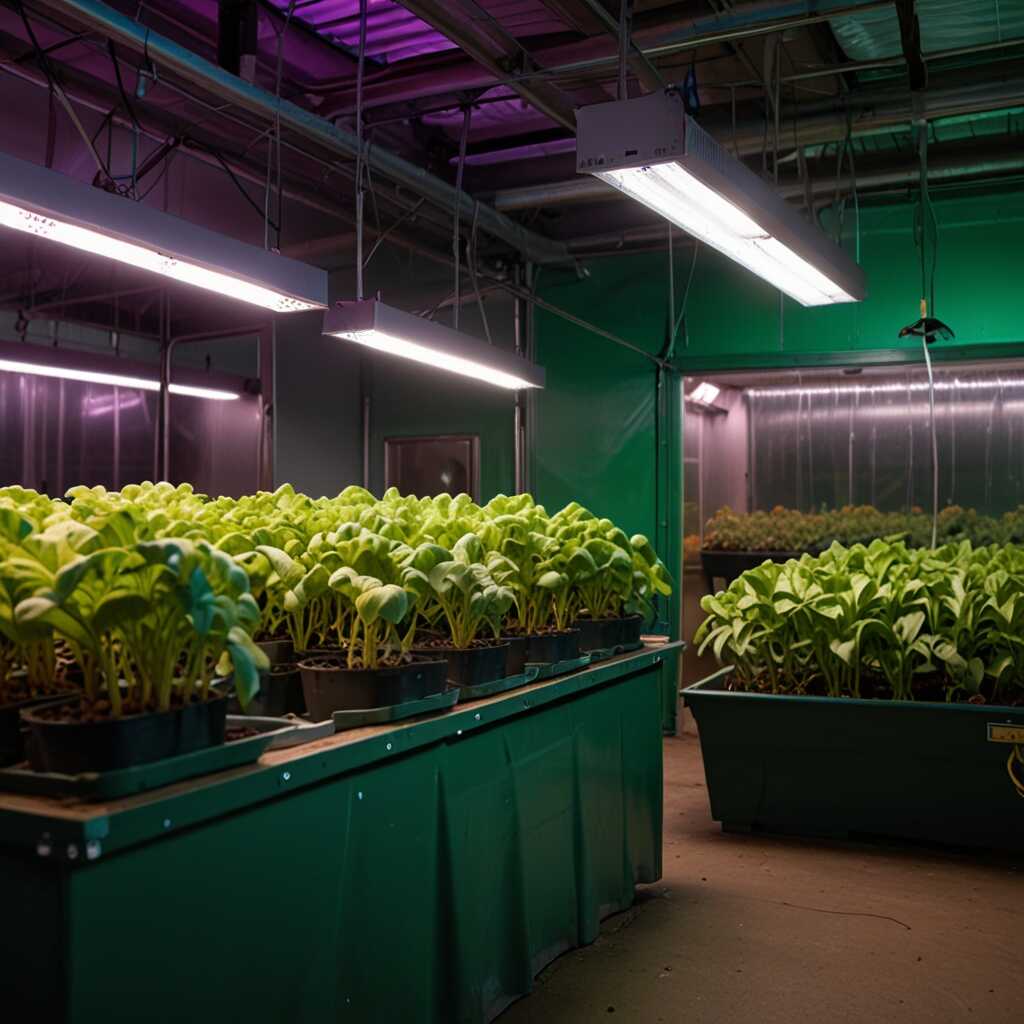
Cleaning greenhouse light fixtures is essential. Use warm water mixed with mild soap for most fixtures. For stubborn grime, isopropyl alcohol works well. Vinegar can also help remove mineral deposits effectively. Always turn off lights and unplug fixtures before cleaning. Avoid any abrasive materials that can scratch the surface. Regular maintenance ensures better light efficiency. Cleaning annually is great, while checking every few months can further enhance performance. This will prolong fixture integrity and give plants the light quality they need.
Specific Cleaning Methods for Different Fixture Types
Different light fixtures require unique cleaning methods. For LED grow lights, use a damp cloth with a gentle solution. Ensure not to let any liquid seep into electrical components. For fluorescent fixtures, remove the cover and gently wipe all surfaces. Regularly dusting fixtures with a microfiber cloth can help improve light diffusion. LED fixtures are durable but need protective handling when cleaning. Overall, keep cleaning supplies minimal and effective to ensure a safe process. This detailed care promotes reliable long-term performance.
The Importance of Sustainable Practices in Greenhouse Management
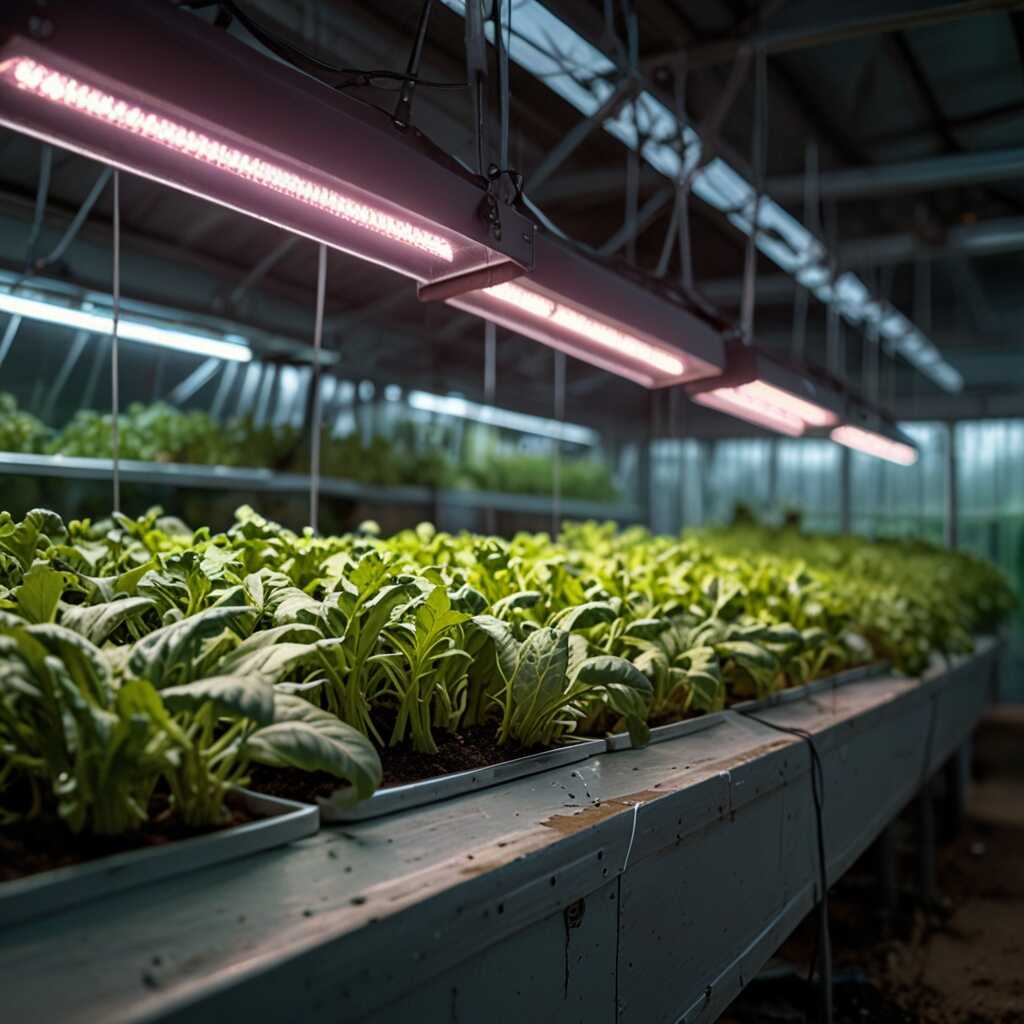
Sustainable practices are crucial for effective greenhouse management. They ensure the health of plants and the environment. Cleaning light fixtures regularly can improve the efficiency of grow lights significantly, ensuring that plants receive adequate light. Dust or grime on fixtures reduces light intensity, which can lower yield. Eco-friendly habits also include using energy-efficient lighting and selecting sustainable products for maintenance. Indoor gardeners should integrate these practices into their routines for better greenhouse performance.
How Cleaning Light Fixtures Enhances Plant Growth
Cleaning light fixtures is essential for enhancing plant growth in an eco-friendly greenhouse. Dust accumulation can block up to 30% of light, diminishing the energy plants receive. This not only affects growth but can lead to disease if plants are stressed due to insufficient light. It is recommended to clean light fixtures every two weeks, especially during peak growth periods, to maximize growth efficiency and maintain plant health. Regular maintenance provides optimal lighting conditions that help plants thrive, resulting in healthier and more productive crops.
Positive Outcomes of Keeping Light Fixtures Clean
- Enhanced light penetration maximizes plant health and growth.
- Clean fixtures prevent light blockages, maintaining energy efficiency.
- Reduction in pests and diseases leads to healthier plants.
- Better light quality supports stronger flowering and fruiting.
- Cleaner lights minimize energy waste, reducing carbon footprint.
- Improved aesthetics enhance the look of your indoor garden.
- Regular maintenance promotes sustainable gardening practices.
Understanding Energy Efficiency in Lighting Maintenance
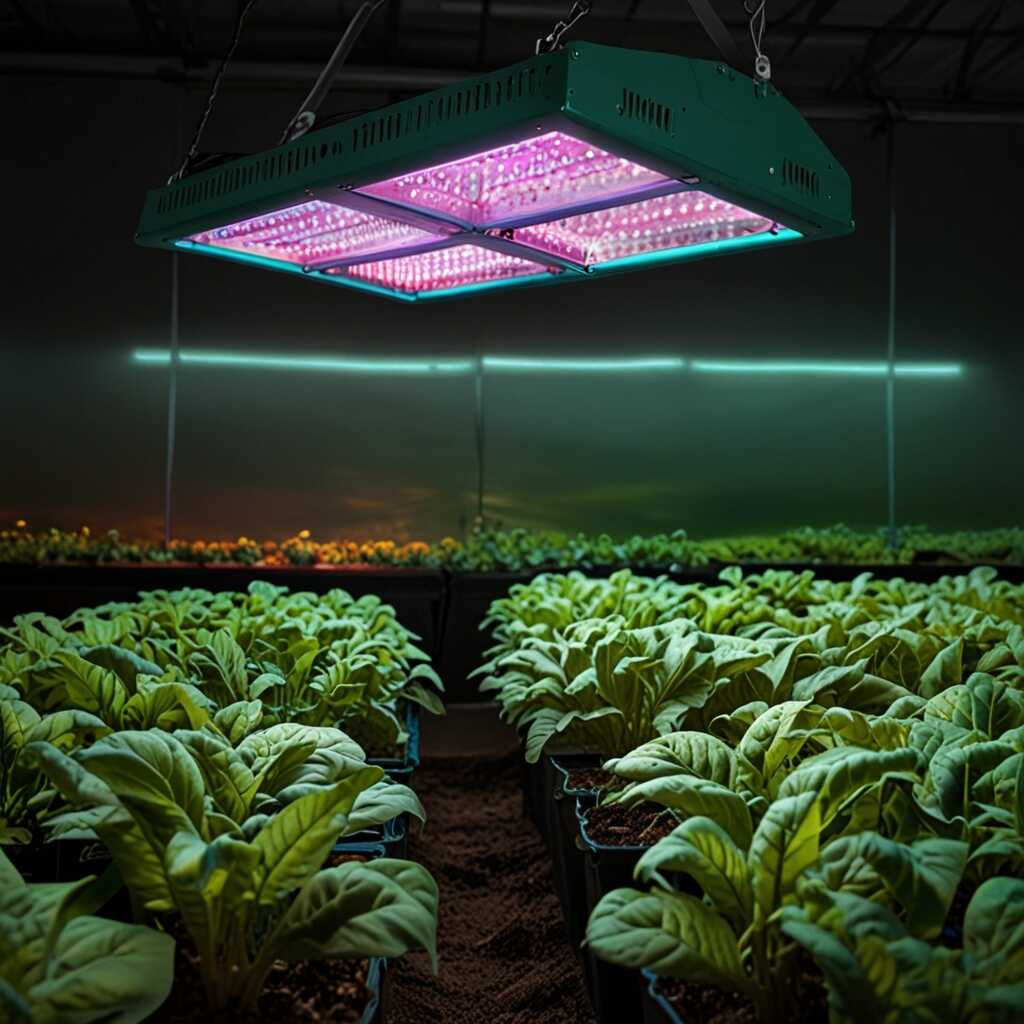
Cleaning light fixtures directly impacts energy efficiency in greenhouse operations. Dust and grime can block light from reaching plants, reducing the effectiveness of the grow lights. This leads to longer exposure times and increased energy consumption. Well-maintained light fixtures enhance light output, allowing plants to grow better while using less energy. For instance, regular cleaning can result in a significant drop in energy costs by ensuring that light shines at its maximum efficiency. Following proper cleaning schedules is essential for sustainable gardening practices.
Important Light Fixtures to Clean Regularly
Understanding which light fixtures require cleaning is vital for maintaining energy efficiency. LED grow lights, fluorescent tubes, and high-intensity discharge (HID) lights all need regular cleaning. Dust can accumulate on their surfaces, decreasing light penetration by as much as 30%. Keeping the surfaces of these fixtures clean ensures optimal lighting conditions for various growth stages. Moreover, this practice extends the lifespan of the lights, making them more reliable and effective. This approach aligns with sustainable gardening practices endorsed by Green Writer.
Technological Innovations for Monitoring Grow Light Effectiveness
Tools for monitoring grow light efficiency include reliable light sensors and data logging applications. These tools help greenhouse technicians track light intensity and optimize growing conditions. Advanced sensors measure various wavelengths, ensuring plants receive the best light for growth. Light performance applications also provide essential data analysis, enabling users to compare results and make informed decisions. The average lifespan of LED grow lights is often over 50,000 hours. This long duration highlights the importance of monitoring light output to maintain efficiency and plant health.
Benefits of Using Advanced Light Sensors in Greenhouse Management
Advanced light sensors provide precise measurements of light intensity and wavelength in greenhouses. These devices deliver real-time data about grow light conditions. They are designed to enhance efficiency by ensuring plants get the optimum light spectrum for their growth stages. Using advanced light sensors can help horticulture professionals identify underperforming lights quickly. This leads to reliable adjustments that improve plant health and yield. The data gathered from these sensors helps users make informed decisions about lighting changes, further improving greenhouse management practices.
Demographics and Uses for Fixtures Cleaning Awareness
- Indoor gardeners often seek efficient lighting solutions.
- Greenhouse technicians benefit from regular maintenance protocols.
- Sustainability advocates prefer eco-friendly cleaning methods.
- Horticulture professionals focus on optimizing light efficiency.
- Eco-conscious homeowners prioritize plant health and growth.
- Urban gardeners use fixtures for year-round plant cultivation.
- New gardeners appreciate easy, accessible cleaning tips.
Strategies for Effective Greenhouse Lighting Management
To enhance greenhouse light management, consider these strategies. Regularly clean light fixtures to maximize light efficiency and improve overall plant health. Use full spectrum LED grow lights designed for various plant types to suit different growth stages. Invest in light timing systems that ensure the right amount of light exposure, preventing light stress on plants. Testing various lighting setups helps identify the best configuration for your greenhouse needs. Proper lighting usage provides a reliable foundation for strong plant growth.
Understanding Light Requirements for Different Plants
Understanding light requirements for different plants is essential for greenhouse success. Plants have unique lighting needs based on their growth stages. For example, seedlings thrive in bright light, while flowering plants often require a different spectrum. Research shows that using full spectrum lights can significantly improve growth and flowering rates. Testing various light intensities allows you to find the perfect balance that helps plants develop robustly. Selecting the right light sources tailored to each plant type effectively enhances your greenhouse’s overall productivity.