
Understanding the best grow light placement strategies for greenhouse shelving configurations is crucial for plant health and productivity. Properly positioned grow lights can enhance growth, improve yields, and optimize your greenhouse space. Green Writer provides expert advice to help hobbyist gardeners and indoor plant enthusiasts make the most of their setups. By focusing on effective light placement, you can ensure your plants receive the ideal lighting needed for thriving at every growth stage.
How to Assess Light Requirements for Your Greenhouse Plants
Different plants have unique light requirements to thrive in greenhouse conditions. Flowering plants like tomatoes and peppers may need 12-16 hours of light per day. Leafy greens such as lettuce and spinach generally require 10-14 hours. Fruiting plants often benefit from full spectrum light, which includes both blue and red wavelengths essential for growth and yields. Factors influencing light needs include the plant species, growth stage, and environmental conditions. Consider the placement of grow lights to ensure even coverage across the greenhouse for all types of plants. Use a light meter to get precise readings of light intensity and make adjustments as needed.
Understanding the Importance of Full Spectrum Light
Full spectrum light provides essential wavelengths that help plants with photosynthesis throughout their growth stages. For flowering plants, this type of light enhances bloom quality and fruit production. Leafy greens respond well to blue light, promoting thick foliage. Depending on the greenhouse setup, using LED grow lights designed to emit full spectrum light can significantly enhance plant health. These lights can handle different temperatures and efficiently reduce energy costs, making them an excellent choice for sustainable gardening. Research shows that plants exposed to full spectrum light grow faster and healthier than those with limited wavelength coverage.
Comparing Types of Grow Lights for Optimal Plant Growth
LED grow lights are energy-efficient and long-lasting, with lifespans over 50,000 hours. They provide full-spectrum lighting, which is essential for various growth stages. However, they can be costly initially. Fluorescent lights are affordable and produce lower heat, making them suitable for seedlings and leafy greens. Their lifespan is about 10,000 hours. HID grow lights, including metal halide and high-pressure sodium types, are very powerful but use more energy and generate heat. Typical wattage for LED lights ranges from 20 to 300 watts, fluorescent from 15 to 120 watts, and HID from 250 to 1000 watts, offering flexibility depending on plant needs.
Choosing the Right Grow Light for Your Plants
When selecting the best grow light, consider the specific needs of your plants. LED grow lights are ideal for all growth phases due to their adjustable spectrum. Their efficiency and durability enhance plant health while minimizing energy costs. Fluorescent lights are practical for starting seeds and growing herbs indoors. They offer good light quality at low prices. HID grow lights excel in larger setups for fruiting plants, delivering intense light. Each grow light type can handle different growing conditions, and understanding your plants’ needs is crucial for maximum yield.
Important Considerations for Ideal Light Placement
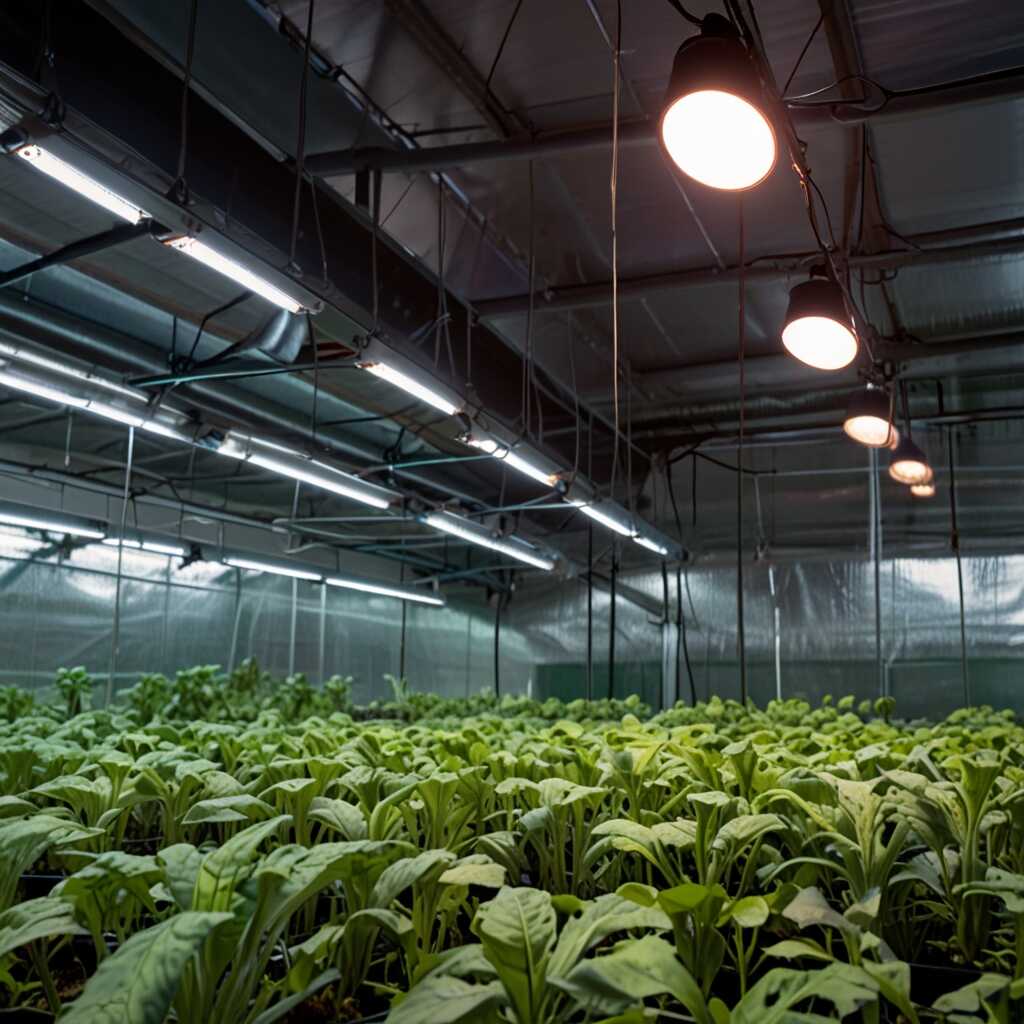
Effective grow light placement requires attention to several key factors, including light intensity needs, plant height considerations, and shelf configuration tips. Different plants have varying light intensity needs. Tall plants require grow lights placed higher to avoid burning while shorter plants can thrive with lights positioned closer. Shelf configurations, whether vertical or horizontal, influence how light distributes across plants. Proper placement ensures that all plants receive adequate light for growth, helping to improve overall health and yield.
Optimal Distance Between Grow Lights and Plant Tops
For optimal growth, the distance between grow lights and plant tops is crucial. Generally, LED grow lights should be positioned 12 to 24 inches above the plant canopy to prevent light burn and ensure light penetration. This distance guarantees that even the bottom leaves receive sufficient light. When utilizing full spectrum lighting, maintaining an optimal distance helps improve performance during different growth stages. Variations may occur depending on light wattage, so always refer to product specifications for the best results.
Key Numerical Insights for Optimal Light Placement
- Grow lights should be positioned 12-24 inches above plants to avoid burning.
- Use around 36 watts per square foot for optimal growth in seedlings.
- Plants typically need 14-16 hours of light per day for best results.
- LED grow lights can last over 50,000 hours compared to traditional bulbs.
- Adjust the light distance based on plant height and growth stages.
- Consider using timers to ensure consistent lighting schedules.
- Ideally, aim for a light intensity of 200-400 µmol/m²/s for most plants.
Innovative Layout Solutions for Greenhouse Shelving with Grow Lights
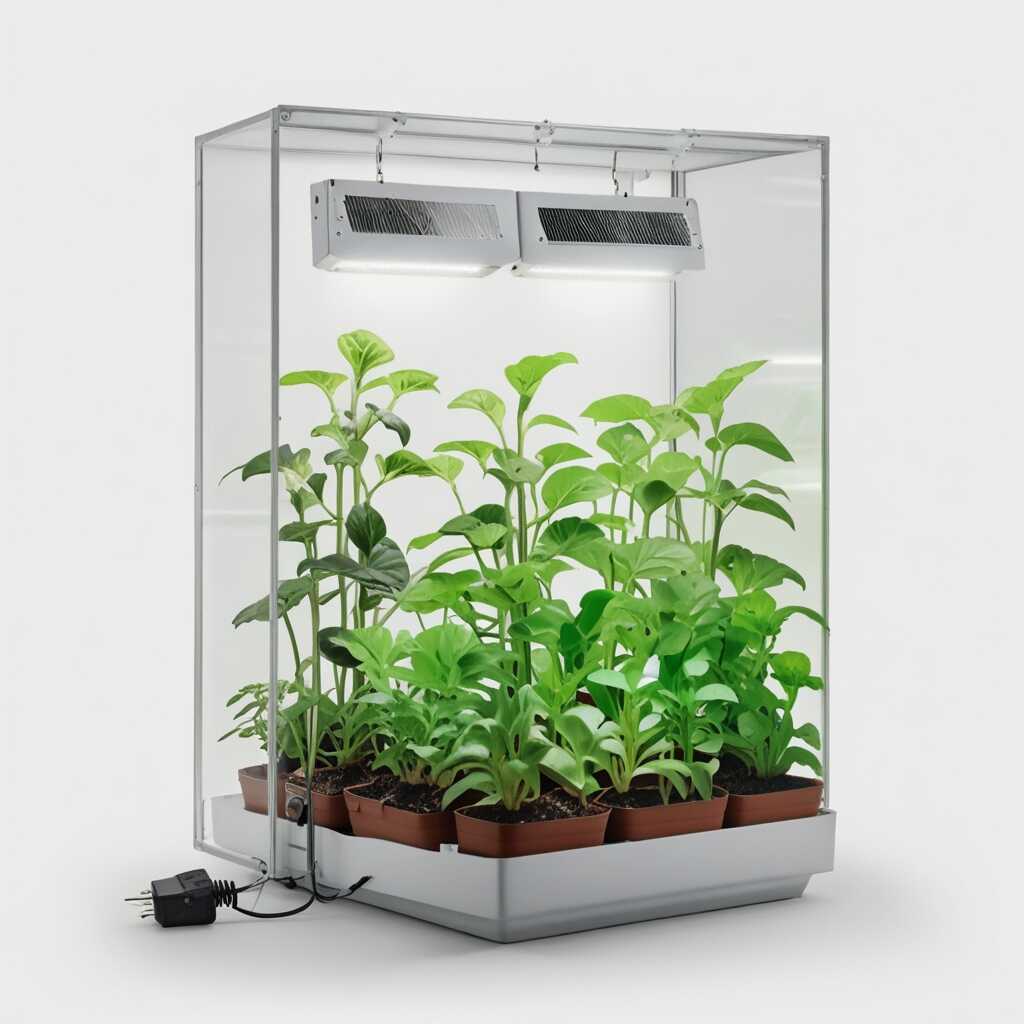
Effective angles for grow lights typically range from 30 to 60 degrees depending on shelf height and plant type. Using adjustable fixtures allows for flexible light positioning, enhancing plant growth. Different shelving designs support various plant species; for example, tiered shelves provide adequate light to both lower and upper plants. Light distribution spacing should be maintained at about 24 to 36 inches apart to ensure even coverage across all shelves. This spacing helps in maximizing the intensity of grow light while ensuring no plants are overshadowed, making way for optimal plant growth.
Choosing the Right Shelf Design for Your Grow Lights
Selecting a shelving design that complements your grow lights is essential for maximizing efficiency. Adjustable shelving units offer versatility, allowing you to change heights based on plant growth stages. Shelves with reflective materials can boost light efficiency by directing more light toward plants. Vertical designs turn small spaces into effective growing areas, ensuring optimal coverage. Each design can enhance specific plants; for instance, deep shelves support larger plants while allowing lower shelves ample light. Researching the best shelf features will lead to greater reliability in plant growth and overall greenhouse performance.
Techniques for Enhancing Light Efficiency in Small Greenhouses
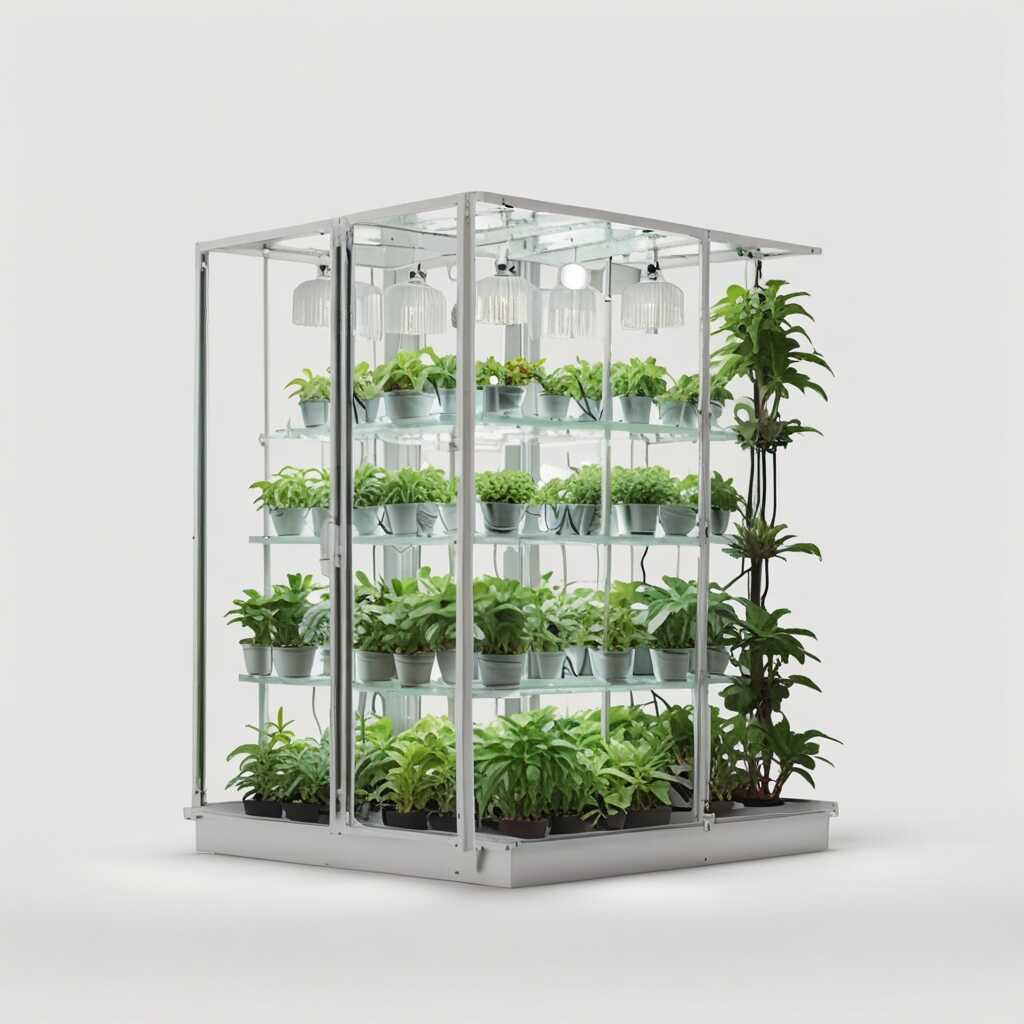
Improving lighting efficiency in small greenhouses involves strategic grow light placement and appropriate configurations. Position grow lights three to four feet above plants to prevent direct scorching while maximizing light distribution. Utilize reflective materials, like mylar or white paint, on walls to bounce light back onto plants. When arranging grow lights, consider the unique needs of various plants, as many require different light intensities. This targeted approach can help to enhance growth. For optimal plant health, grow lights should be on for 12 to 16 hours a day, simulating natural daylight.
Best Grow Light Positioning for Small Spaces
Positioning grow lights effectively requires understanding plant growth stages and light requirements. For seedlings, ensure grow lights are closer, around twelve inches, since they need intense light. During flowering, raise lights to three feet, allowing lower light intensity to promote healthy blooms. Place lights above shelving at angles to evenly distribute light without creating dark spots. This method enhances growth and optimizes energy use. Regularly adjust height based on plant growth, ensuring lights adapt as plants thrive in your small greenhouse environment.
Positive Impacts of Well-Placed Grow Lights
- Efficient light positioning boosts photosynthesis, enhancing plant growth.
- Good light placement aids flowering and fruiting stages of plants.
- Proper setup can reduce energy consumption significantly.
- Effective lighting can lead to vibrant colors and healthier plants.
- Minimized shadowing creates a uniform growth across all shelving levels.
- Well-placed lights help prevent diseases by promoting air circulation.
- Enhanced light distribution supports a wider variety of plant types.
Adjusting Light Height Based on Plant Growth Stages
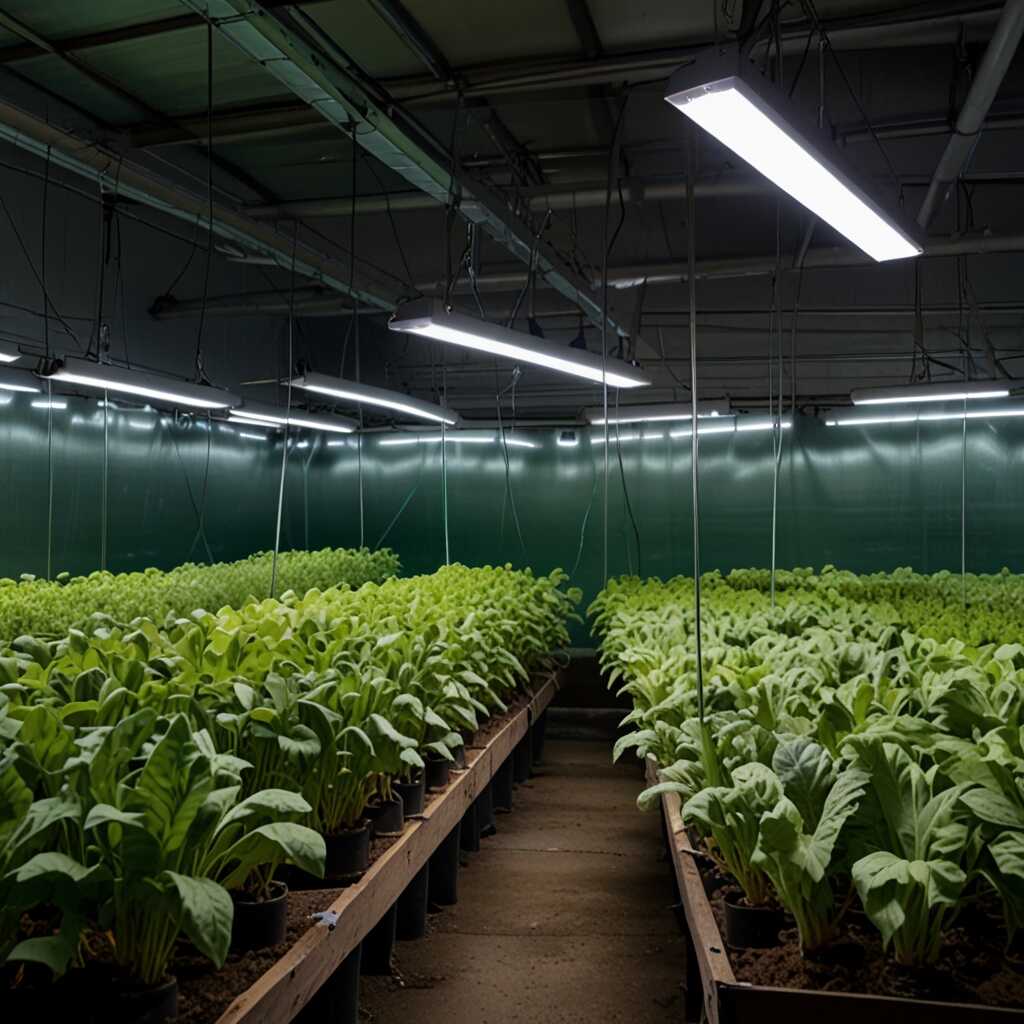
Adjusting grow light height is essential for optimizing plant growth. Each growth stage of plants has unique lighting needs. Seedlings require less intense light, so lights should be positioned about 12 to 24 inches above them. As plants mature and enter the vegetative stage, the lights can be moved closer, approximately 6 to 12 inches above the plants. During the flowering stage, the optimal height is usually 12 to 18 inches, depending on the plant type. Following these guidelines improves plant performance and ensures that they receive the right light for their growth stage.
Effective Light Adjustment Strategies for Different Growth Stages
Effective light adjustment strategies start with understanding specific plant needs. For seedlings, gradually increase light exposure by positioning grow lights 12 to 24 inches above. As they grow into mature plants, bring the lights closer. Typically, aim for 6 to 12 inches during the vegetative phase. For flowering plants, a height of 12 to 18 inches optimizes light intensity. Ensure consistent testing of light distance to adapt to plant growth and improve overall results. Using adjustable light stands can enhance this flexibility, enabling you to cater to your plants’ evolving light needs throughout their life cycle.
Essential Maintenance Tips for Grow Light Systems
To keep grow light systems in optimal performance, regular maintenance is crucial. Start by cleaning the light fixtures and reflectors monthly to remove dust and debris. This helps maximize light output. Adjust the height of the grow lights based on plant growth to prevent light burn. Regularly check the electrical connections to ensure reliability. Use a timer to maintain consistent light schedules, as plants thrive on stability. Testing the spectrum of light can help identify the needs of specific plants.
Maintaining Different Types of Grow Lights
Maintaining different types of grow lights, such as LED and fluorescent, requires attention to their specific needs. For LED grow lights, ensure they are mounted securely to avoid overheating. Regularly inspect the cooling fans, as these enhance their performance by dissipating heat. For fluorescent bulbs, check for signs of flickering or dimming, which indicate they are nearing the end of their life. Typically, fluorescent bulbs should be replaced every 10,000 hours to maintain efficient growth conditions. Implementing these practices will help ensure excellent plant health and growth.
Common Demographics Interested in Grow Light Strategies
- Hobbyist gardeners seek affordable solutions for home plant care.
- Greenhouse owners look for efficient lighting to maximize productivity.
- Urban dwellers often need lighting strategies for limited spaces.
- Indoor plant enthusiasts enjoy brightening their homes with greenery.
- Sustainability advocates focus on energy-efficient growing methods.
- Agricultural educators teach filtration techniques using grow lights.
- Families often research safe, low-maintenance plants for their homes.
Solutions for Common Challenges in Grow Light Arrangement
Common challenges in grow light placement include insufficient light exposure, uneven light distribution, and excessive heat. Users can enhance the efficiency of grow lights by ensuring they match the light spectrum to the specific growth stages of plants. For instance, vegetative growth typically needs more blue light while flowering plants benefit from increased red light. Adjusting the provided distance between grow lights and plants is essential; 12 to 24 inches is generally the optimal distance, depending on the type of light used. To troubleshoot light-related issues, regularly review plant health for signs of stretching, burning, or poor growth, and adjust the light placement accordingly.
Ensuring Optimal Light Distribution for Plant Health
To ensure optimal light distribution, it is crucial to arrange grow lights evenly across the greenhouse shelves. Utilize adjustable light fixtures that can be raised or lowered based on plant height and growth stage. Using reflectors can also help redirect light towards hard-to-reach areas, improving coverage and increasing overall grow light efficiency. Regular testing of light intensities at various points can significantly enhance plant growth by allowing you to fine-tune the arrangement for specific plant needs. The combination of proper placement, adjustable heights, and evaluation creates a reliable foundation for thriving plants.