
Maximize plant growth with effective grow light positioning to boost photosynthesis in your indoor garden. Properly positioning grow lights ensures that your plants receive the right amount of light for optimal health. At Green Writer, we provide practical tips on how to arrange your grow lights effectively. Discover ways to enhance your indoor gardening experience while promoting sustainability and reducing your carbon footprint.
Light Requirements of Different Plant Species for Enhanced Growth
Indoor plants exhibit varied light intensity and spectrum needs. For instance, leafy greens like spinach and lettuce thrive under moderate light, needing around 200-400 µmol/m²/s for optimal growth. Flowering species like orchids prefer brighter light, often requiring up to 800 µmol/m²/s. Plants needing full-spectrum lighting include tomatoes, peppers, and many herbs, as this spectrum supports photosynthesis across growth stages. Most indoor plants typically need 12 to 16 hours of light daily to promote healthy growth. Understanding these light requirements enhances photosynthesis efficiency, ensuring plants grow robust and vibrant.
Understanding Full-Spectrum Lighting for Different Indoor Plants
Full-spectrum lighting is essential for many indoor plant species, particularly those that bear fruit or flowers. These lights emit wavelengths ranging from 400 to 700 nanometers, mimicking natural sunlight. For example, tomato plants benefit significantly from full-spectrum lights, ensuring proper flowering and fruit set. Herbs like basil and cilantro thrive under full-spectrum conditions, yielding better growth and flavor. Additionally, leafy greens such as kale and chard flourish, supporting strong growth and nutrient density. By selecting the right full-spectrum lighting, caregivers can improve photosynthesis efficiency, leading to healthier, more productive plants.
Optimizing Grow Light Placement for Even Coverage
Ensuring even light distribution involves arranging grow lights to cover all plants adequately. Begin by assessing plant heights and positions. Adjust grow lights to prevent shading, allowing every plant to benefit from optimal light exposure. LED lights offer efficient performance, making them reliable for various plant growth stages. Positioning lights at the right height is crucial. Generally, a height of 12 to 24 inches above the plants is effective for most LED grow lights, enhancing photosynthesis while preventing heat stress.
Understanding the Best Height for Grow Lights
The best height for grow lights varies based on plant types and light intensity. For delicate seedlings, maintain a distance of 12 inches to avoid scorching. Taller plants may thrive with lights positioned 18 to 24 inches above them. LED grow lights can handle proximity without overheating, improving growth outcomes. This consistent distance ensures that light penetration is even across all plant areas, contributing positively to their health and growth. Regularly assess plant reactions and adjust accordingly for the best results.
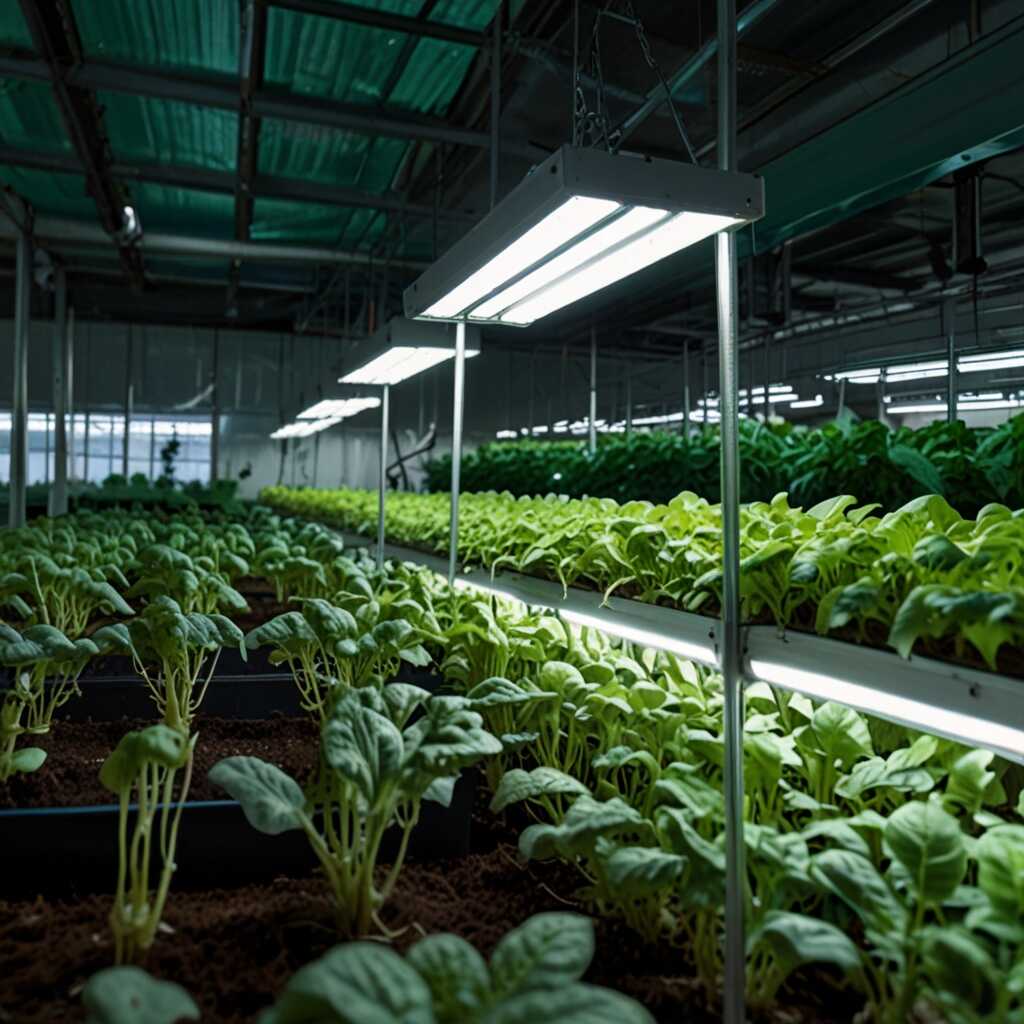
Adjusting Grow Light Heights for Sustainable Growth Rates
Adjusting the height of grow lights is essential for maximizing plant growth. The best height for grow lights often ranges from 12 to 36 inches above plants, depending on the type of light used and the specific plants being cultivated. Different plants have varying light requirements; for instance, leafy greens thrive closer to the light, while flowering plants may need more distance. Research shows that maintaining the right distance improves photosynthesis efficiency significantly. For LED grow lights, generally, the recommended height is between 12 and 24 inches to optimize growth and health.
Understanding Plant Light Requirements
Plant light requirements vary significantly based on species and growth stages. For example, seedlings and young plants benefit from being closer to grow lights, with a distance range of 12 to 18 inches. Conversely, established plants, like tomatoes or peppers, can handle greater distances, often thriving at 24 to 36 inches from the light source. Positioning your LED grow light correctly can enhance light exposure, fostering better leaf development and yield. If you’re using an adjustable fixture, ensure that you change the height as your plants grow to optimize performance and efficiency.
Essential Numerical Insights for Optimal Light Setup
- Plants typically require 12-16 hours of light each day for healthy growth.
- Grow lights should be positioned 12-24 inches above your plants for best results.
- Different plant types often need specific light intensities measured in lumens.
- The ideal temperature for grow lights generally ranges from 70-85°F (21-29°C).
- Plants using LED grow lighting can achieve a 30% to 50% boost in growth efficiency.
- Full-spectrum lights cover wavelengths from 400 to 700 nm, supporting various growth stages.
- Using a timer can help provide a consistent light cycle for optimal plant health.
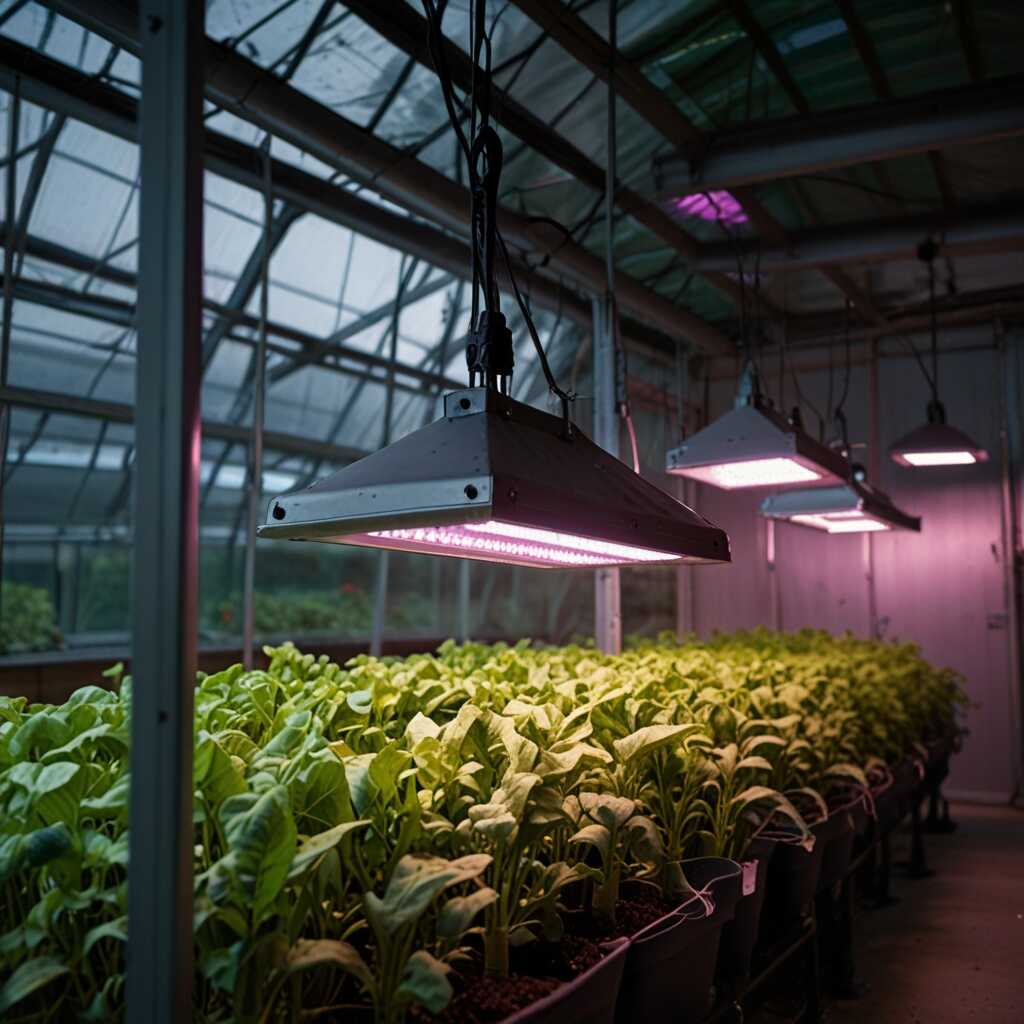
Incorporating Reflective Surfaces for Light Amplification
Reflective surfaces can significantly enhance light distribution in your grow area by bouncing light onto your plants, increasing the amount of usable light. Using materials such as mirrors or mylar creates a more uniform light exposure, which helps improve photosynthesis efficiency. Mylar materials are preferable as they reflect up to 90% of light and are lightweight, making them easy to install along walls or ceilings. The combination of these surfaces creates an optimal environment for plant growth, particularly useful during different stages of development.
Choosing the Right Reflective Material for Your Space
When selecting the best reflective material for your indoor gardening setup, consider the quality and durability of the surface. Mylar is a top choice due to its excellent light reflectivity and lightweight nature. It is designed to withstand humidity and heat, ensuring reliability over time. Alternatively, reflective paints specifically formulated for indoor gardening can also enhance light distribution. A white or glossy surface can improve light utilization effectively if mylar is unavailable. Choosing the right material can result in higher plant yield and healthier growth.
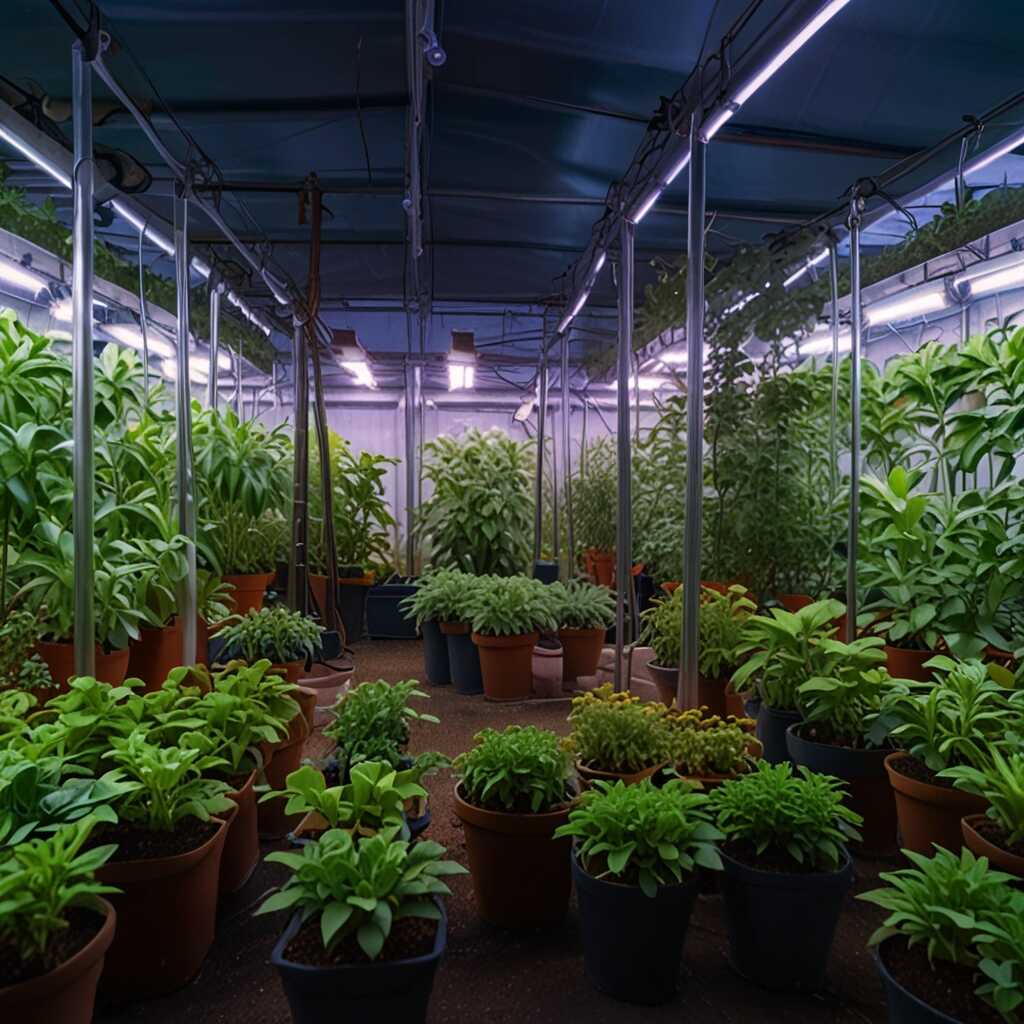
Evaluating the Best Grow Light Types for Your Plants
Different grow light types greatly impact plant health and growth. Common options include LED grow lights, incandescent bulbs, and fluorescent lights. LED grow lights are energy-efficient and provide full spectrum lighting. They are suitable for all growth stages, including seedlings and flowering plants. Incandescent bulbs offer more heat than light, making them less effective for most indoor gardening. Fluorescent lights are more efficient than incandescent ones but less effective than LEDs in energy savings. For optimal photosynthesis, it’s recommended that grow lights be used for 12 to 16 hours daily, depending on the plant type.
Understanding Full Spectrum Lights and Their Benefits
Full spectrum lights deliver a balanced blend of wavelengths that support various stages of plant growth. These lights mimic natural sunlight, promoting healthy vegetative growth and encouraging successful blooming. Research shows that full spectrum lights are proven to enhance photosynthesis efficiency. For example, LED full spectrum lights can handle both seedling and flowering phases. They help prevent stretching in seedlings while providing the energy needed for flowering plants. This versatility makes full spectrum lighting an essential choice for serious indoor gardeners.
Advantages of Strategic Light Arrangement for Plant Health
- Proper positioning enhances photosynthesis and boosts growth rates significantly.
- Effective light spread improves overall health, producing stronger and more resilient plants.
- Correct light setup minimizes energy waste, leading to lower electricity bills.
- Adjusting height prevents light burn and stress, which can damage plants over time.
- Utilizing multiple light sources maximizes coverage across different growth stages.
- A well-placed grow light can prevent issues like stretching and weak stems.
- Indoor gardening becomes more manageable and enjoyable with the right lighting techniques.
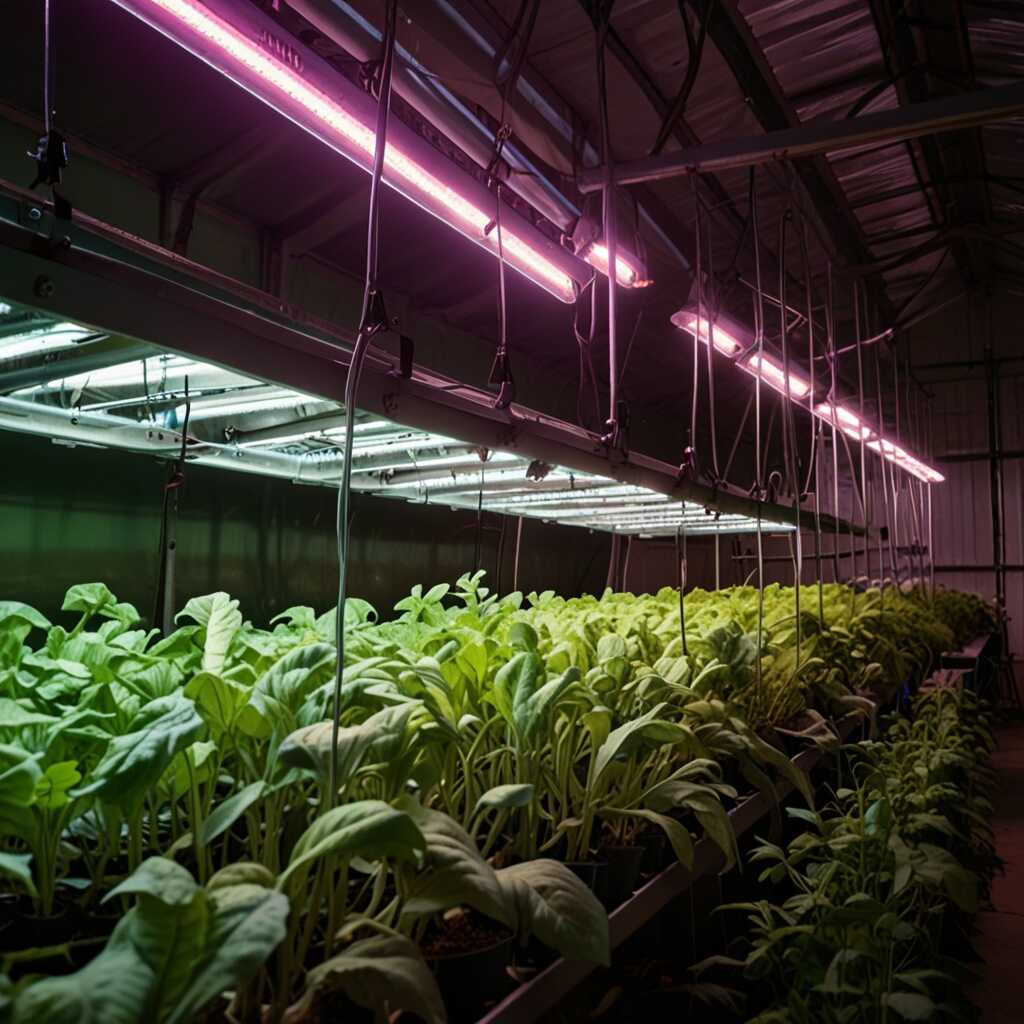
Observing Plant Health for Light Stress Indicators
Common signs of light stress in indoor plants include leaf scorch, yellowing leaves, stunted growth, and leaf drop. Leaf scorch looks like brown tips or edges on the leaves. Yellowing leaves can indicate overexposure to light or insufficient nutrients. Stunted growth usually suggests that the plant is not receiving the right light spectrum or distance. Leaf drop occurs when the plant is stressed, often due to light intensity issues. Different types of plants respond uniquely to improper grow light positioning. For instance, high-light plants, like succulents, may exhibit symptoms faster than low-light plants, such as pothos. Research shows that around 30% of indoor gardeners notice light stress symptoms within the first month of grow light use.
Understanding Leaf Scorch and Nutrient Deficiency
Leaf scorch often results from excessive light exposure, especially in sensitive plants. This condition occurs when light intensity surpasses what the plant can handle, leading to tissue damage. On the other hand, nutrient deficiency can appear similar, with yellowing leaves. The best approach to prevent these issues is to maintain optimal grow light positioning. Ensure that high-wattage lights are kept at a safe distance from your plants. LED grow lights should ideally be placed 12 to 24 inches above the plant canopy, depending on the light’s wattage and the plant species. Adjusting the height of grow lights can greatly enhance plant health and mitigate signs of light stress.
Using Smart Technology to Automate Grow Light Settings
Smart technology enhances grow light management by providing precise control over light settings. These systems enable users to automate light schedules and adjust intensity, ensuring consistent light exposure for plants. Devices such as smart plugs and grow light apps enable seamless integration with existing indoor gardening systems. Features like light spectrum adjustment allow optimized growth at different plant stages. Many indoor gardeners find that automating light settings, especially when integrated with plant health monitoring, leads to healthier and more productive plants. In fact, research indicates that around 70% of gardeners see a significant improvement when utilizing automated settings for their grow lights.
Essential Devices for Smart Grow Light Automation
Several essential devices can automate grow light settings effectively. Smart LED grow lights come equipped with sensors that adjust light intensity based on real-time plant needs. Additionally, smart home hubs provide centralized control for multiple devices, allowing for synchronized operations. Applications like GrowSmart and LightMeter enable users to monitor light levels and adjust settings remotely. These tools help maximize energy efficiency while ensuring that plants receive the correct light spectrum at every growth stage. Expert reviews highlight that these technologies not only enhance plant health but also reduce energy costs significantly.
Comparing Popular Brands for Grow Lighting Solutions
- Brand A offers impressive LED lights, but its price may be high for casual gardeners.
- Brand B provides affordable full-spectrum lights, perfect for beginners and enthusiasts.
- Brand C specializes in energy-efficient products, benefiting environmentally conscious users.
- Brand D features smart grow lights with timers, great for tech-savvy gardeners.
- Brand E focuses on compact designs, ideal for small space dwellers like apartment residents.
- Brand F has a range of specialty lights for flower production, fitting advanced horticulturists.
- Brand G is praised for durability, though its options may lack broad spectrum coverage.
Establishing a Consistent Lighting Schedule for Photosynthesis
Creating a reliable lighting schedule is essential for enhancing photosynthesis in indoor plants. Most plants benefit from 12 to 16 hours of light daily. Consistency is key. Providing regular light cycles mimics natural environments, helping plants regulate growth. Using LED grow lights ensures energy efficiency while delivering the spectrum needed for photosynthesis. These lights can improve plant health significantly. Studies show that an ideal schedule allows plants to photosynthesize more effectively. Research indicates that 12 hours of light can be sufficient, but many plants thrive with 16 hours. Consider your plant variety and adjust the grow light duration accordingly. Remember, plants’ needs can change with growth stages, so monitoring is helpful.
Optimizing Light Cycles for Various Plant Types
Different plants have unique light cycle requirements for optimal growth. For instance, leafy greens usually require 12 to 14 hours of light daily, stimulating strong foliage. Conversely, flowering plants like peppers may need up to 16 hours of light during their budding phase. Adjusting grow light duration according to specific plant types enhances photosynthesis efficiency. Use a timer to ensure a consistent light schedule, offering reliability and convenience. This easy method also prevents stress on plants that may arise from irregular light exposure. Quality grow lights like full-spectrum LEDs provide versatility, catering to varying plant needs throughout their life cycles.