
The best grow light reflectors and effective light distribution methods are essential for successful indoor gardening. Proper reflectors enhance light efficiency, ensuring your plants receive the optimal amount of light. At Green Writer, we focus on sustainable practices that improve plant health while minimizing energy use. This guide will help you choose top-quality reflectors and explore the best techniques for light distribution, making your indoor gardening journey fruitful and rewarding.
Understanding the Role of Grow Light Reflectors in Indoor Gardening
Grow light reflectors are devices designed to redirect and enhance the light emitted from grow lights. They function by reflecting and distributing light more evenly across your plants. This helps improve light efficiency and maximizes plant growth. Commonly constructed from materials such as aluminum, mylar, or polished steel, their effectiveness varies based on material choice and surface quality. For example, aluminum reflectors provide excellent reflectivity, often exceeding 90%, thus ensuring plants receive more light. Reliable testing shows that using proper reflectors can increase light efficiency by up to 30% in typical indoor gardening setups.
Types of Grow Light Reflectors and Their Benefits
Several types of grow light reflectors are available, each with unique benefits. Parabolic reflectors are popular, as they focus light downwards towards plants. They are often used with HPS and MH lights. Wing-style reflectors are another option, offering a wider spread of light for larger grow areas. Both enhance overall light coverage and efficiency. Mylar-coated reflectors are highly reflective and lightweight, ideal for small spaces. They improve light distribution effectively, making them suitable for novice gardeners aiming to achieve optimal plant growth. Choosing the right type of reflector can significantly boost your indoor gardening success.
A Guide to Different Types of Grow Light Reflectors Available
Several types of grow light reflectors are available on the market. Common types include parabolic reflectors, flat reflectors, and hooded reflectors. Parabolic reflectors provide a focused beam that enhances light efficiency. Flat reflectors distribute light evenly, improving coverage over larger areas. Hooded reflectors help direct light downwards, specifically useful in narrow spaces. Each type improves indoor gardening performance by ensuring optimal light distribution for plants. According to testing, the right reflector can enhance light efficiency by up to 30% compared to using lights without reflectors.
Understanding Parabolic Reflectors for Grow Lights
Parabolic reflectors are among the best options for indoor gardening. Their curved shape captures and redirects light rays towards your plants. This design helps achieve greater light efficiency, ensuring that the majority of emitted light reaches plant leaves. Parabolic reflectors can handle various light sources, from LED to HID, and are easy to install. They also provide reliable performance when positioned correctly. Using parabolic reflectors can significantly improve plant growth rates by delivering concentrated light where it’s needed most. This makes them a top choice for serious indoor gardeners who look for proven results.
Effective Techniques to Optimize Light Distribution for Plants
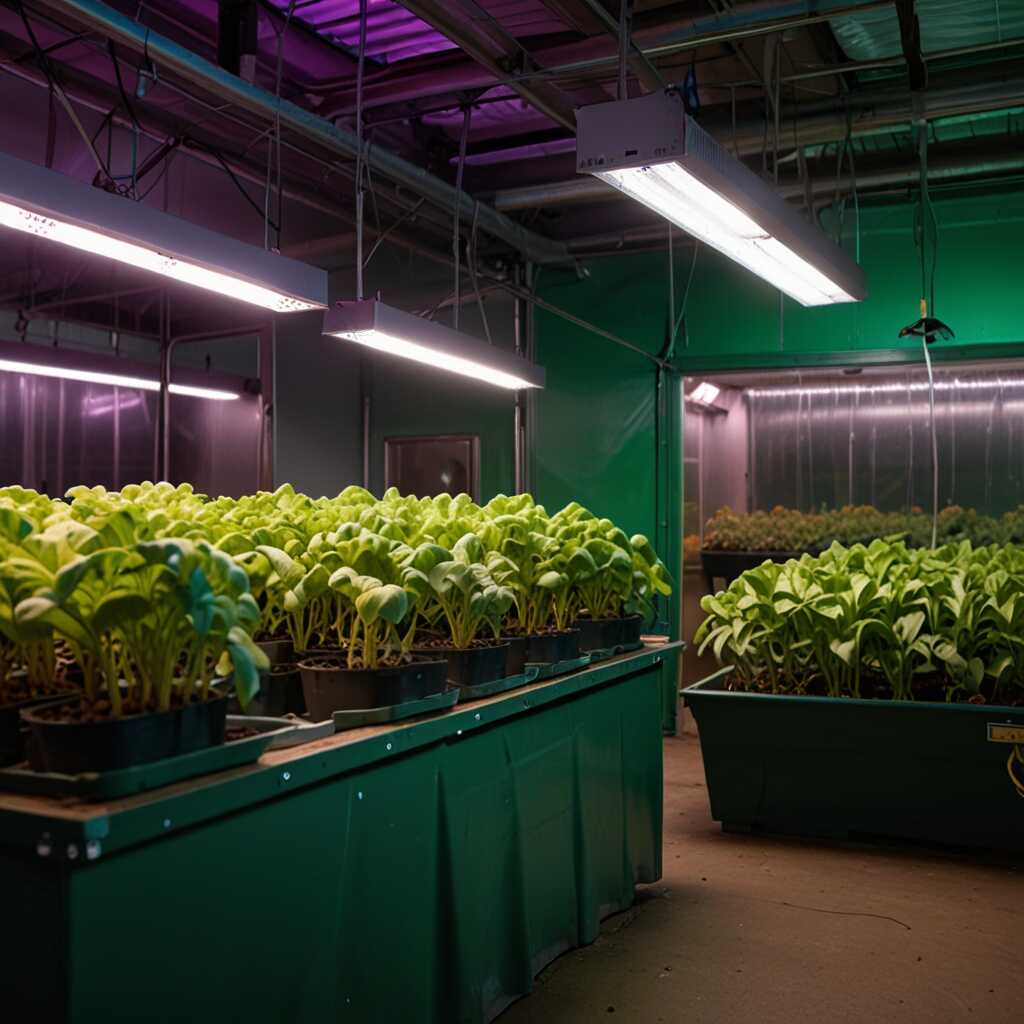
Reflector placements play a crucial role in optimizing light distribution in indoor gardens. Position reflectors above and around your grow lights to direct more light towards your plants. Make sure to adjust the angle of these reflectors; tilting them towards your plants can enhance light intensity. Using walls and other surfaces can improve effectiveness by reflecting additional light onto plants. The ideal distance between grow lights and reflective surfaces should be around 12 to 24 inches for optimal efficiency without causing heat stress.
Maximizing Reflector Efficiency for Indoor Plants
To maximize reflector efficiency, consider the type of material used. Mylar and aluminum are excellent choices because they have high reflectivity rates. Placing Mylar on walls opposite your grow lights can double the effective light directed at your plants. Ensure the reflectors are clean to avoid light absorption by dust or dirt. Measuring the light levels with a lux meter before and after adjustments can help confirm increased light intensity. Regularly testing and reviewing these setups can lead to a more productive indoor garden.
Key Statistics About Growing Light Technology
- LED grow lights can last over 50,000 hours with proper care.
- High-quality reflectors can increase light efficiency by up to 30%.
- Plants need light in the 400-700nm spectrum for optimal growth.
- Reflectors help distribute light around 90% more effectively.
- Quality grow lights can consume 50% less energy compared to traditional methods.
- A well-lit plant can yield up to 30% more produce than poorly lit plants.
- Many indoor gardeners report growth improvements in as little as two weeks with proper lighting.
Key Factors to Consider When Selecting Grow Light Reflectors
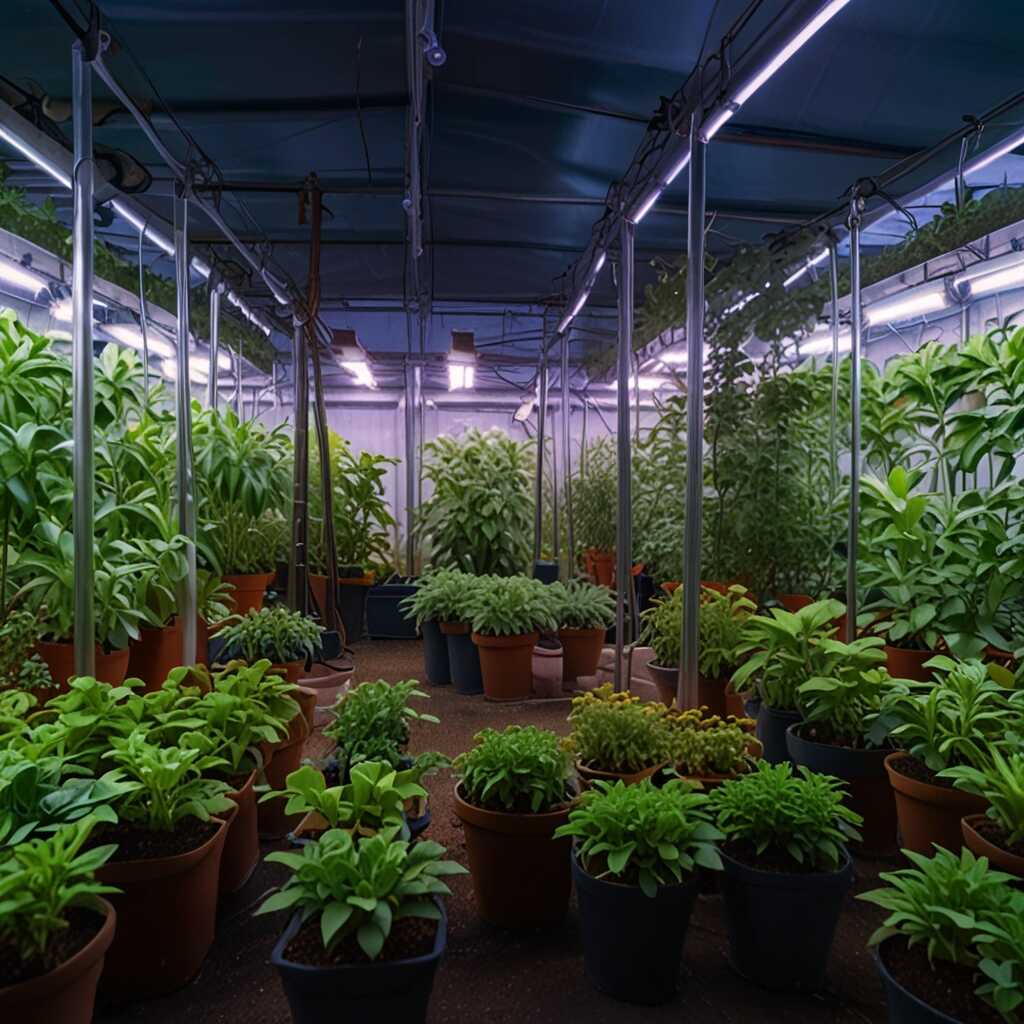
When choosing grow light reflectors, consider the reflector materials, light efficiency, and how they match your specific plant needs. Reflector materials like aluminum or Mylar enhance light distribution and improve efficiency. A parabolic reflector shape is often the best choice for directing light and achieving optimal performance. Users should also think about the angle of positioning, as a 45-degree angle often helps achieve maximum light coverage for plants. Testing different setups can provide insights into which configuration works best for your indoor garden.
Understanding Reflector Materials and Their Impact on Growth
Different reflector materials can significantly impact light efficiency and plant growth. Aluminum is a popular choice due to its durability and excellent reflectivity, often exceeding 90% in light reflection. Mylar is another effective option, often used for its lightweight nature and high reflectivity. A study comparing these materials showed that plants under aluminum reflectors achieved a 30% increase in growth rate over six weeks compared to those under standard light conditions. Selecting the right material ensures that light is effectively distributed, which promotes healthier plant development.
Evaluating Light Efficiency
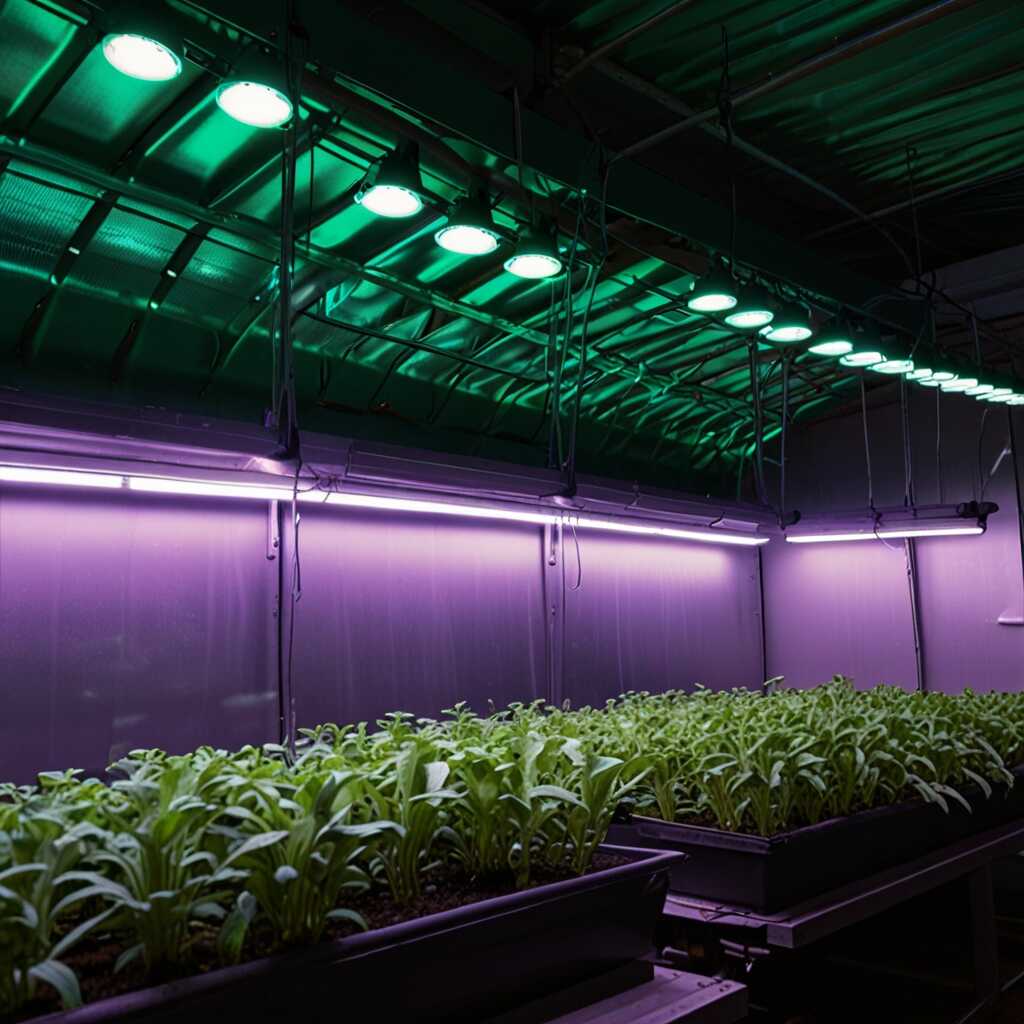
Measuring light efficiency in your indoor gardening setup requires a few essential tools and methods. A light meter provides precise readings of the light intensity in lumens or PPFD (photosynthetic photon flux density). Comparing these readings across different areas in your garden will help you assess the effectiveness of your grow lights. Evaluating reflector performance also plays a significant role in optimizing light distribution. Factors such as the angle, material, and texture of the reflectors can impact how efficiently light is distributed. A reliable review of various reflector types can help you select the best option for your needs. Additionally, understanding the average light efficiency ratings of popular reflectors, which typically range from 70% to 95%, can guide your choices in enhancing your indoor gardening setup.
Factors That Influence Grow Light Efficiency
Several key factors impact the efficiency of grow lights in your indoor gardening setup. The type of light source, such as LED or fluorescent, influences energy consumption and light output. The quality and design of reflectors can enhance light distribution, ensuring that plants receive uniform illumination. The distance between the lights and plants also matters; too far apart reduces light intensity, while too close can lead to heat stress. Additionally, the spectrum of light emitted affects plant growth stages; full-spectrum lights prove best for vegetative and flowering phases. Regular testing and evaluating these factors will help you maintain a high-performing garden, enhancing your indoor plant growth significantly.
Advantages of Using Reflective Light Products
- Reflectors enhance the coverage area of grow lights for better growth.
- Using quality reflectors can significantly reduce energy costs.
- Effective light distribution supports all growth stages of plants.
- Plants grow healthier with improved light access and reduced shadowing.
- Reflectors optimize light intensity, allowing for quicker growth rates.
- Indoor environments become aesthetically pleasing with well-lit plants.
- Users enjoy greater success in maintaining diverse plant species indoors.
Avoiding Common Pitfalls with Grow Light Reflectors
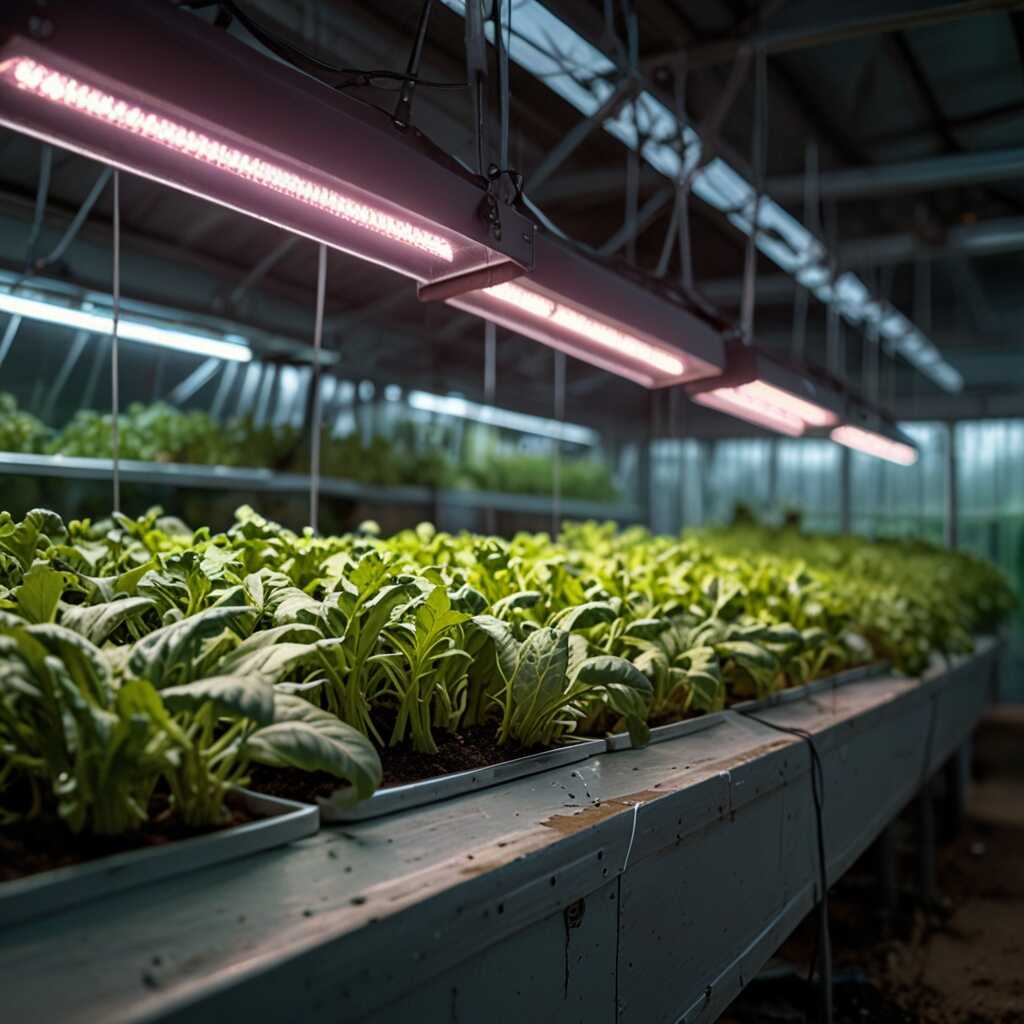
Common mistakes with grow light reflectors include improper placement, inadequate cleaning, and overlooking reflectivity ratings. Many gardeners position reflectors too far from their plants, which reduces light intensity. Some neglect to clean dusty reflectors regularly, leading to blocked light. It is crucial to review the different types of reflectors available, as some offer superior efficiency. Reflectors with a high reflectivity rating provide better light distribution. Users should understand that effective reflector use requires knowledge of their specific plants’ light needs. Proper monitoring helps ensure optimal conditions for indoor plant growth.
How to Choose the Right Reflector for Your Plants
Choosing the right grow light reflector requires understanding your specific plant needs and space limitations. Reflectors come in different shapes, such as parabolic or flat, each designed for unique light distribution purposes. Parabolic reflectors can handle high-intensity lights and enhance light intensity effectively over larger areas. In contrast, flat reflectors can offer good coverage in smaller setups. Consider reflectivity material; aluminum reflectors often provide better durability and light efficiency than other materials. Selecting the right reflector helps improve overall plant growth and can lead to healthier, more productive indoor gardens.
Best Practices for Combining Reflectors with Various Light Technologies
Using light reflectors effectively enhances the performance of LED grow lights. Reflectors focus and direct light onto plants, ensuring more even distribution. The best reflectors for LED lights include those made of aluminum or highly reflective mylar. These materials provide excellent light reflectivity and durability, which increases energy efficiency. With fluorescent grow lights, combining them with parabolic reflectors can significantly improve light intensity towards plants. Reflectors help maximize the usable light spectrum for indoor plant growth. Testing has shown that using reflectors can increase growth rates by as much as 20% when installed correctly.
Setting Up Reflectors for Maximum Efficiency
The ideal setup for reflectors requires an understanding of positioning and distance. Position LED grow lights 12-18 inches away from the reflector for the best results. For fluorescent lights, maintain a distance of 6-12 inches. This distance optimizes light distribution and minimizes heat stress on plants. Ensuring reflectors are angled correctly helps increase effectiveness while protecting plants from overheating. Regular maintenance includes cleaning reflectors to maintain maximum reflectivity, which further enhances the performance of grow lights. Proper setup and care significantly influence overall plant health and growth outcomes.
Popular Brands and Their Target Users
- Hydrofarm offers reflectors that boost light efficiency for commercial growers.
- Gavita designs quality products preferred by advanced horticulture enthusiasts.
- Vivosun produces budget-friendly reflectors for novice gardeners.
- Spider Farmer targets eco-conscious consumers with energy-efficient options.
- Finderlight appeals to tech-savvy gardeners looking for smart grow solutions.
- Sweet LED is popular among hobbyists due to easy installation and performance.
- Many indoor growers select brands based on the specific needs of their plant types.
Success Stories from Indoor Gardeners Using Reflectors
Indoor gardeners have shared many valuable experiences regarding the use of reflectors in their growing setups. Among the types of reflectors, flat-panel, and parabolic reflectors have proven effective in enhancing light distribution. Gardeners often report that these reflectors significantly improve plant growth by maximizing the use of available light. Commonly recommended brands include VIVOSUN and Apollo Horticulture, which provide durable and reliable reflectors. Gardeners typically find that using grow lights with reflectors for 12 to 16 hours per day yields the best results for their crops.
How Reflectors Enhance Plant Health and Growth
Reflectors have a crucial role in ensuring optimal light distribution for indoor gardening. They enhance light efficiency by directing more lumens toward the plants, which can lead to impressive growth rates. For instance, parabolic reflectors gather light more effectively compared to flat reflectors, making them preferred by many gardeners. Studies show that combining quality grow lights with effective reflectors can enhance plant health, leading to faster vegetative growth and stronger blooms. Regular testing and adjustment of light height help improve these outcomes even further. Therefore, understanding how reflectors work can offer indoor gardeners practical advantages in their cultivation efforts.