
Effective grow light solutions for greenhouse flower production are essential for maximizing the beauty and health of your blooms. Choosing the right lighting can enhance growth, color, and flowering while ensuring energy efficiency. At Green Writer, we explore various eco-friendly grow light options, focusing on sustainable practices that support ornamental flower cultivation. This article will guide professional greenhouse operators and hobby gardeners in making informed decisions about lighting their greenhouses sustainably.
Understanding the Role of Light in Plant Growth and Flowering
The photosynthesis process is essential for plant growth. During this process, plants convert light energy into chemical energy. This process happens primarily in the chloroplasts of plant cells. Light is crucial for synthesizing glucose, which provides energy for growth. Optimal light conditions enhance plant health and improve flowering. Different types of grow lights, such as LED and fluorescent, impact flowering in various flower species distinctly. Each species has specific light needs influencing their flowering stage. The ideal light duration for promoting flowering is typically between 12 to 14 hours per day, depending on plant type and growth phase.
Understanding Different Grow Light Types and Their Effects on Flowering
Grow light types significantly affect flowering in greenhouse plants. Full-spectrum LED lights are designed to mimic natural sunlight and have proven useful across various stages of growth. They emit wavelengths between 400 and 700 nm, supporting photosynthesis effectively. Research shows that utilizing full-spectrum lights can enhance flowering results by providing essential light for both vegetative growth and blooming phases. Additionally, metal halide lights are known for their efficiency in promoting flowering in many ornamental species. They help by providing the blue light necessary for robust growth, while high-pressure sodium lights offer increased red light, ideal for enhancing flower production. This combination allows gardeners to effectively manage light conditions according to the specific needs of their flowers.
Key Types of Grow Lights for Greenhouse Use
Greenhouses commonly use LED, fluorescent, and HID grow lights to enhance ornamental flower production. LED grow lights are known for their energy efficiency and long lifespan, typically lasting over 50,000 hours. They provide a full spectrum of light, which is essential for all growth stages, from germination to flowering. Fluorescent grow lights are more affordable but have a shorter lifespan and lower energy efficiency. They are suitable for seedlings and young plants but may not provide the intensity needed for mature flowers. HID grow lights, while powerful, consume more energy and generate heat, which requires careful temperature management.
Comparing Grow Light Types for Flower Growth
When comparing LED, fluorescent, and HID grow lights, consider energy efficiency and light spectrum. LED lights excel in energy savings and durability, making them a popular choice for ornamental flower growers. Fluorescent lights are easier to set up and preferred for beginners. They are good for small-scale cultivation but lack the power needed for extensive growth. HID lights produce a strong intensity suitable for larger operations but can lead to higher electricity bills. Understanding these comparisons helps you choose which grow lights best enhance the growth of your ornamental flowers.
Understanding Light Spectrums for Optimal Plant Growth
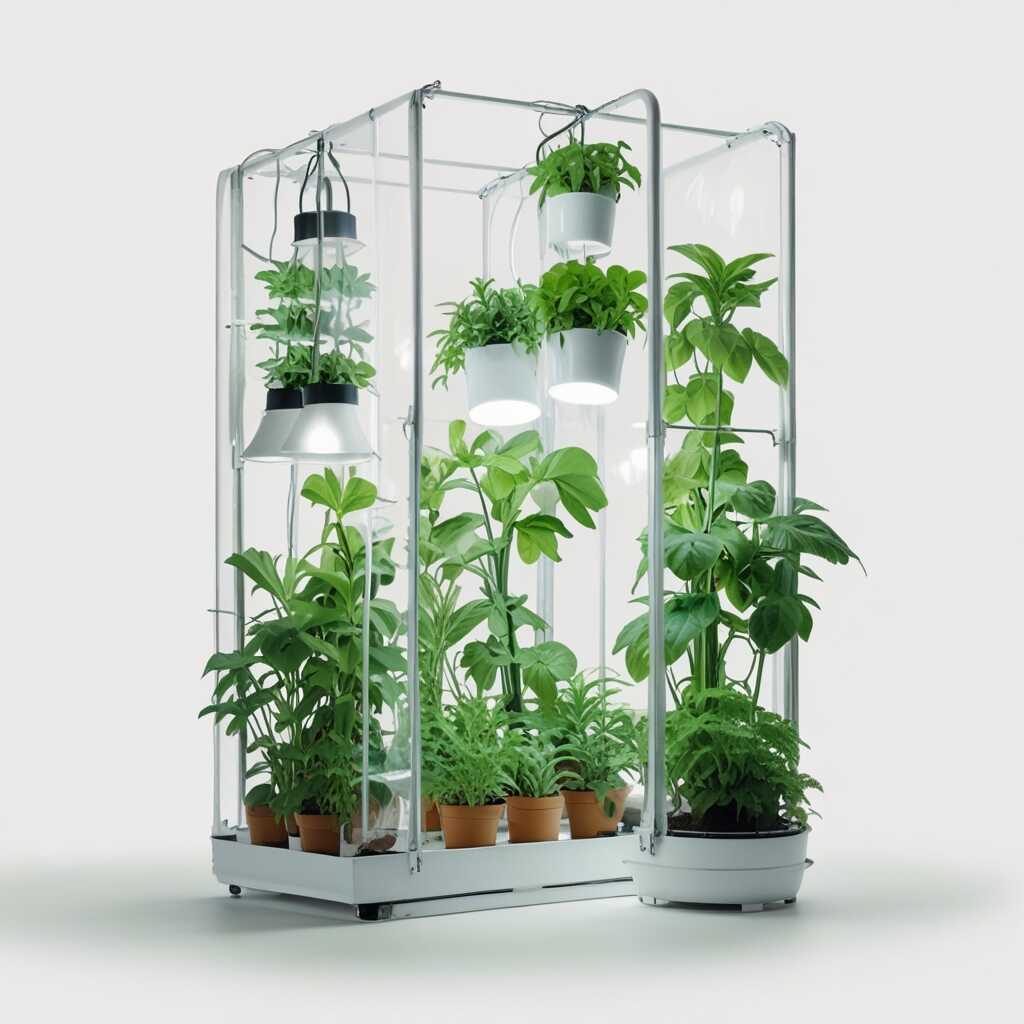
Different light spectrums play vital roles in plant growth. Plants absorb light through pigments in their leaves. The primary spectrums influencing plant stages are blue (400-500 nm) and red (600-700 nm). Blue light promotes vegetative growth, enhancing leaf development, while red light is crucial for flowering and fruiting phases. Full-spectrum grow lights provide a balanced range of wavelengths, ensuring plants receive the essential light they require throughout all growth stages. These lights mimic sunlight, supporting overall plant health and robustness.
Benefits of Full-Spectrum Grow Lights Over Other Options
Full-spectrum grow lights offer significant advantages compared to traditional lighting options. They include a wider range of wavelengths, supporting both vegetative and flowering growth. Many studies show that plants under full-spectrum lighting display healthier foliage and produce more blooms. These lights can enhance flower production by providing the ideal light environment necessary for hormone responses. For instance, they ensure that at least 15-20% of the light is in the red wavelengths, critical for optimal flowering. By choosing full-spectrum grow lights, greenhouse operators can experience robust plant growth and higher yields.
Key Statistical Insights into Lighting for Flower Cultivation
- LED grow lights consume up to 75% less electricity than traditional lights.
- Plants require different light wavelengths; blue light helps with growth, while red light aids flowering.
- Research indicates that plants under LED illumination can grow up to 30% faster.
- Environmentally friendly systems have a lifespan of over 50,000 hours.
- Greenhouse flower production can see yield increases of about 20% with proper lighting.
- Optimal light intensity ranges from 100 to 300 µmol/m²/s for flowering plants.
- Average energy savings with full-spectrum lights can reach $100 annually for a typical grower.
Evaluating Energy Efficiency of Grow Light Options
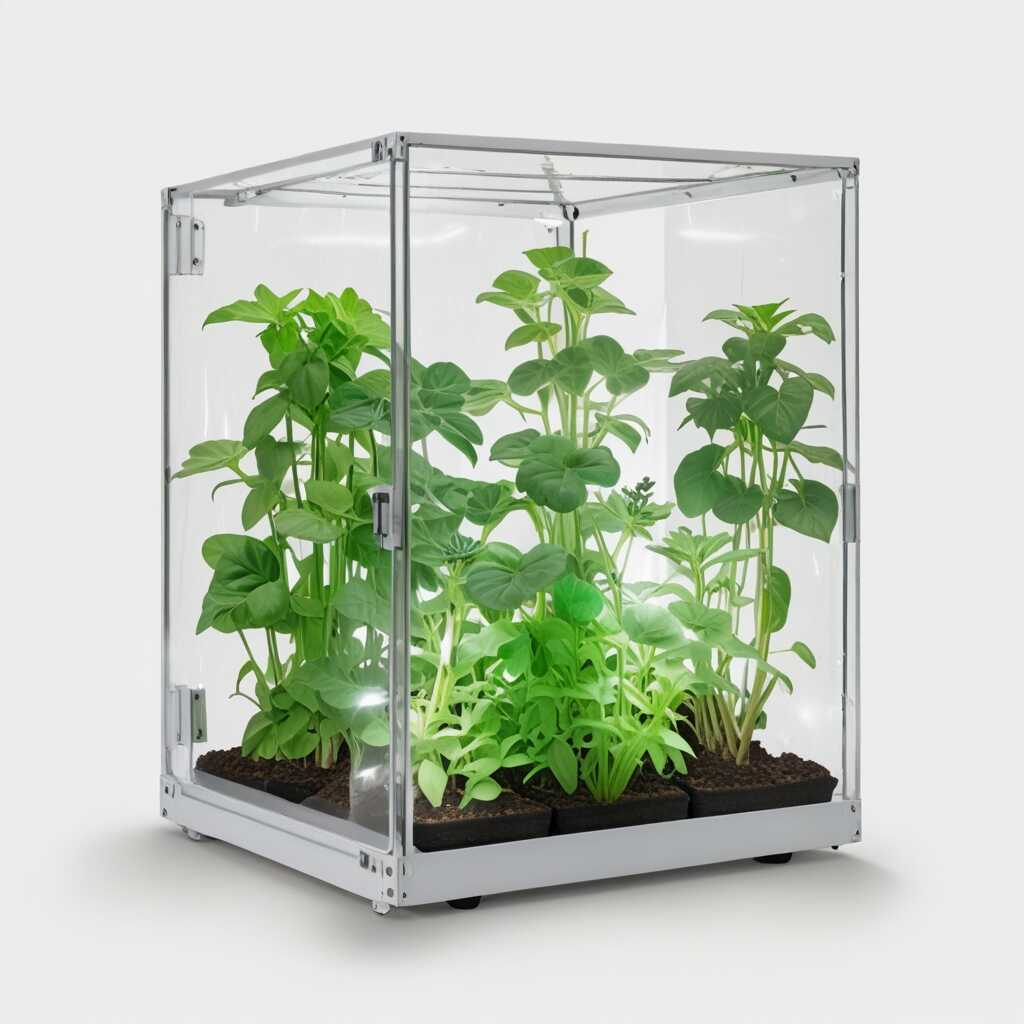
Energy-efficient grow lights significantly enhance ornamental flower production while minimizing energy costs. The most popular options include LED lighting systems, which can cut energy consumption by up to 75% compared to traditional lighting. To evaluate grow light technologies, consider factors such as light spectrum, energy usage, durability, and expected lifespan. Reliable grow lights are designed to ensure efficient plant growth while providing maximum output with minimal energy consumption. Testing different products through reviews helps identify the best options for sustainable greenhouse operations.
Key Features of Energy-Efficient Grow Lights
Growers should focus on essential features when selecting energy-efficient grow lights. The light spectrum is critical because it influences plant growth at various stages. LEDs typically offer full-spectrum lighting, supporting vegetative development and blooming. Additionally, their longevity can exceed 50,000 hours, making them a durable choice. These lights are designed to emit less heat, thus maintaining optimal greenhouse temperatures. Testing different brands and models ensures growers find reliable lighting tailored to their specific needs.
Best Practices for Setting Up Grow Lights in a Greenhouse
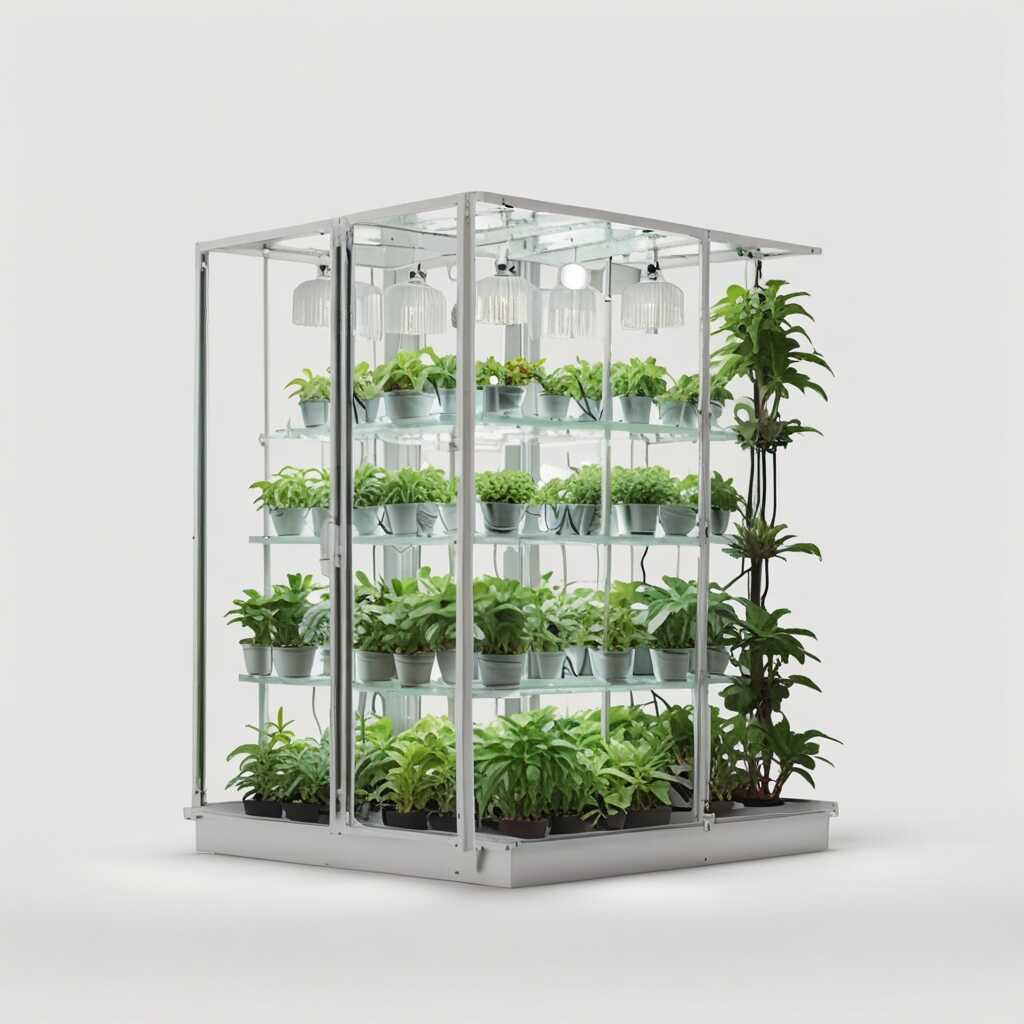
To ensure optimal plant growth, maintain a distance of 12 to 24 inches between LED grow lights and the tops of ornamental flowers. Flower species often need specific light intensity levels for peak health. Placing lights too close can burn delicate foliage, while too far can reduce light effectiveness. A daily light duration of 10 to 16 hours benefits most flower varieties, supporting essential growth stages. Using timers can easily control light exposure, ensuring reliable results in flower production.
Factors Influencing Grow Light Placement
Several factors influence how to position your grow lights effectively in a greenhouse. Consider the light intensity levels each flower species requires. For example, high-light flowers like geraniums need lights closer than low-light species such as begonias. Install lights uniformly to prevent shadows that could hinder growth. Also, managing heat is essential. Ensure proper airflow around lights to prevent overheating, which can damage both the bulbs and plants. This approach enhances flower growth and maintains a comfortable greenhouse environment.
Advantages of Utilizing Lighting Solutions for Blossoms
- Efficient lighting improves overall flower quality, leading to vibrant blooms.
- Effective grow light solutions enhance ornamental flower production by mimicking natural sunlight.
- Plants use energy more efficiently, resulting in lower utility bills for growers.
- Eco-friendly lighting technologies support sustainable practices in greenhouse management.
- Reliable systems help maintain consistent growth rates year-round, regardless of season.
- Better lighting conditions can reduce pests and diseases, promoting healthier plants.
- Growers can tailor light conditions to specific flower types for optimal results.
Maintenance Tips for Your Grow Light Systems
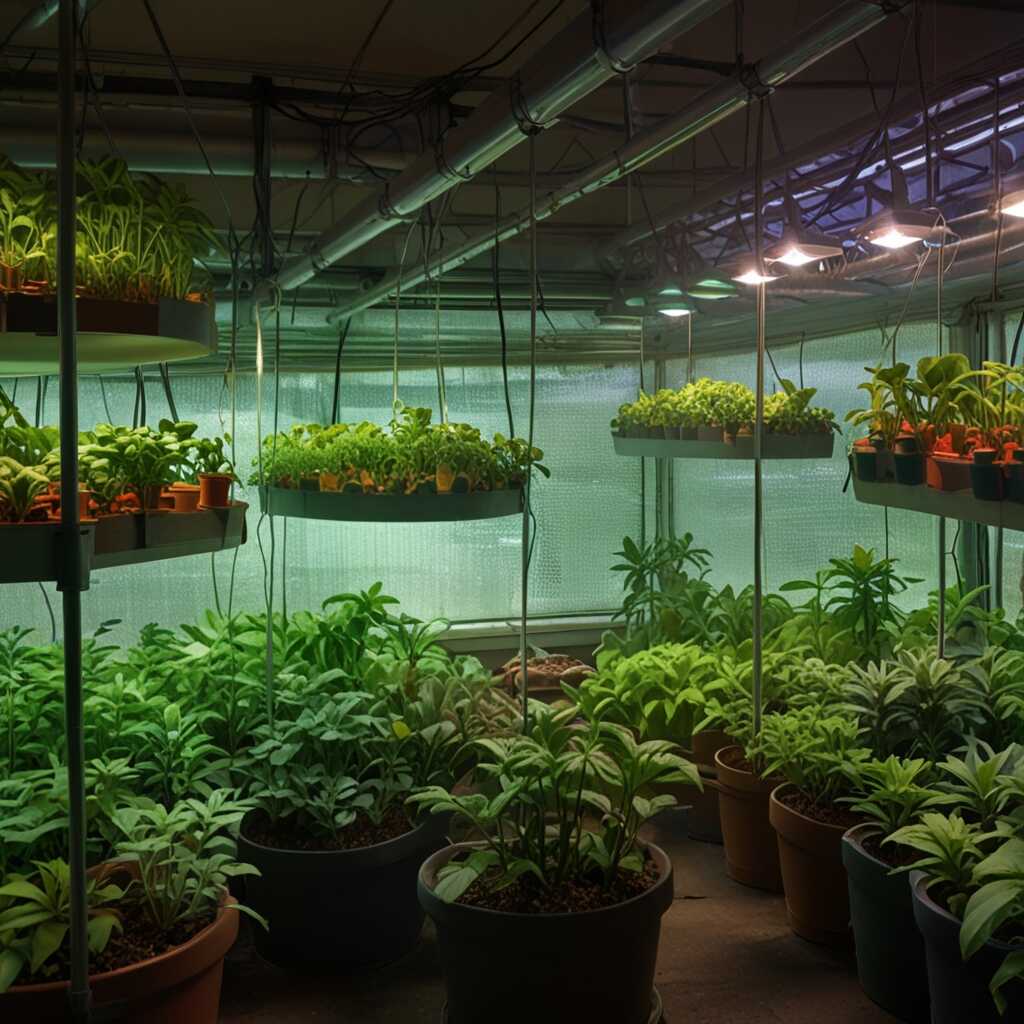
Key maintenance tasks for grow light systems include regular cleaning, checking connections, replacing bulbs as needed, and monitoring performance. Maintaining the efficiency of your grow lights is crucial. Clean the fixtures bi-weekly to remove dust, which can hinder light output. Ensuring that the electrical connections are secure helps prevent failures. Replace bulbs every 12 months or according to manufacturer guidelines for optimal performance. Use efficiency testing to monitor the light output over time. This helps identify any drop in performance early on.
How to Clean Your Grow Lights Effectively
Cleaning your grow lights effectively involves a systematic approach to ensure no damage occurs. First, turn off and unplug the lights for safety. Use a soft cloth or sponge with warm soapy water to wipe down the fixtures. Avoid using harsh chemicals that can corrode surfaces. Ensure the cleaning solution is residue-free to prevent buildup. For stubborn grime, a gentle glass cleaner is usable on lenses but test it in a small area first. Regular cleaning keeps your grow lights at peak efficiency and prolongs their lifespan.
Interacting Grow Lights with Cultivation Practices
Effective soil management techniques, such as using high-quality potting mixes and incorporating organic matter, enhance plant growth under grow lights. Consider adding perlite or vermiculite to improve aeration and drainage. Proper humidity control methods, including using humidifiers or misters, work well alongside grow lights. These methods provide moisture to plants without causing mold. Maintaining humidity levels between 50% to 70% is optimal for many flower species. This range helps support flower production while ensuring the grow lights can provide adequate energy for photosynthesis. The integration of these practices maximizes overall plant productivity.
Optimizing Humidity Levels for Flower Production
To optimize humidity levels in a greenhouse with grow lights, monitor humidity using a hygrometer. Aim for humidity levels between 50% and 70%, depending on the flower species. Use a timer for humidifiers or set up a drainage system to remove excess moisture. This ensures that plants do not become waterlogged while benefiting from consistent moisture. Adequate humidity helps prevent stress and maintain vibrant blooms. Properly managing humidity alongside energy-efficient lighting creates a conducive environment for successful flower production.
Industry Comparisons and User Demographics for Grow Lights
- Hobby gardeners often seek affordable, user-friendly LED options for home use.
- Professional growers choose full-spectrum systems for diverse crop needs.
- Plants under grow lights can thrive in urban settings where sunlight is limited.
- High-end brands offer advanced features but may have higher price points, making them less accessible for hobbyists.
- Budget brands deliver decent performance, appealing to beginners who are exploring plant care.
- Research institutions utilize lighting technology for studies on plant growth and nutrition.
- Some demographics prioritize energy efficiency, opting for sustainable brands that align with eco-conscious values.
Finding Resources for Eco-Friendly Greenhouse Management
Finding the best resources for eco-friendly greenhouse management can enhance your flower production. Start by visiting websites like Green Writer for useful articles on sustainable practices and product comparisons. You can find reliable reviews about LED grow lights that enhance plant growth while reducing electricity consumption. Also, search for local agricultural extensions that provide research-backed data and workshops on environmental and sustainable greenhouse practices. In North America, about 70% of greenhouse operators have adopted LED grow lights, showcasing their growing reliability and efficiency in flower production.
Top Sustainable Greenhouse Practices and Their Reviews
To better understand top sustainable greenhouse practices, explore the various online platforms that offer extensive comparisons and reviews. Websites like Green Writer provide expert reviews on eco-friendly products such as energy-efficient grow lights. Many resources also include testing data on how well these products perform, helping you make informed decisions. Look for guides that detail best practices in water conservation and soil management. Research shows that implementing these methods can improve plant health and yield while being environmentally conscious.