
Choosing the best grow light spectrum for greenhouse plants is essential for fostering healthy plant growth. Different plants require specific wavelengths of light to thrive during their growth stages. Green Writer aims to guide you in selecting the right lighting solutions to optimize your greenhouse environment. By understanding the ideal light spectrum, you can significantly improve plant health and energy efficiency while supporting sustainable practices.
The Role of Light Spectrum in Plant Development
The light spectrum is crucial for plant health and growth. Different wavelengths impact various growth phases. For instance, blue light (400-500 nm) supports vegetative growth by promoting leaf development. Red light (600-700 nm) is essential for flowering and fruiting. Effective wavelengths for photosynthesis range between 400 nm and 700 nm, which corresponds to the visible light spectrum. Using LED grow light spectrum can enhance growth efficiency because they can deliver specific wavelengths needed during different growth stages.
Understanding Wavelengths Impact on Growth Phases
Different wavelengths have specific effects on plant growth phases. Blue light helps with chlorophyll production, which enhances photosynthesis and leaf growth during the vegetative phase. Red light triggers flowering and increases fruit yield in the blooming phase. Research indicates that the best results come from using a combination of red and blue light. LED grow lights can be designed to provide both, enabling growers to create optimal conditions for plants at various growth stages.
Exploring Different Grow Light Technologies
Understanding the advantages and disadvantages of various grow light technologies is essential for greenhouse owners. LED grow lights are known for their energy efficiency and long lifespan, lasting up to 50,000 hours. In comparison, fluorescent lighting options typically last around 10,000 hours and consume more energy. HID grow lights offer high intensity, but they generate significant heat and require more maintenance. Energy efficiency is crucial when considering lighting for foliage plants, making LEDs the most reliable and sustainable choice. This comparison enables users to select the best technology based on their specific needs.
Choosing the Right Technology for Your Greenhouse
Choosing the right technology for your greenhouse lighting can dramatically enhance plant growth. LED grow lights provide a full spectrum that caters to all plant growth stages. They enable better control over light intensity and minimize energy costs. Fluorescent lighting options are suitable for beginners, offering a more budget-friendly alternative, but they may not support robust plant growth in the long term. HID grow lights deliver powerful illumination but require additional cooling systems to manage heat. An informed decision ensures optimal conditions for your foliage plants and maximizes the effective use of energy.
How Color Spectrum Impacts Growth Stages of Plants
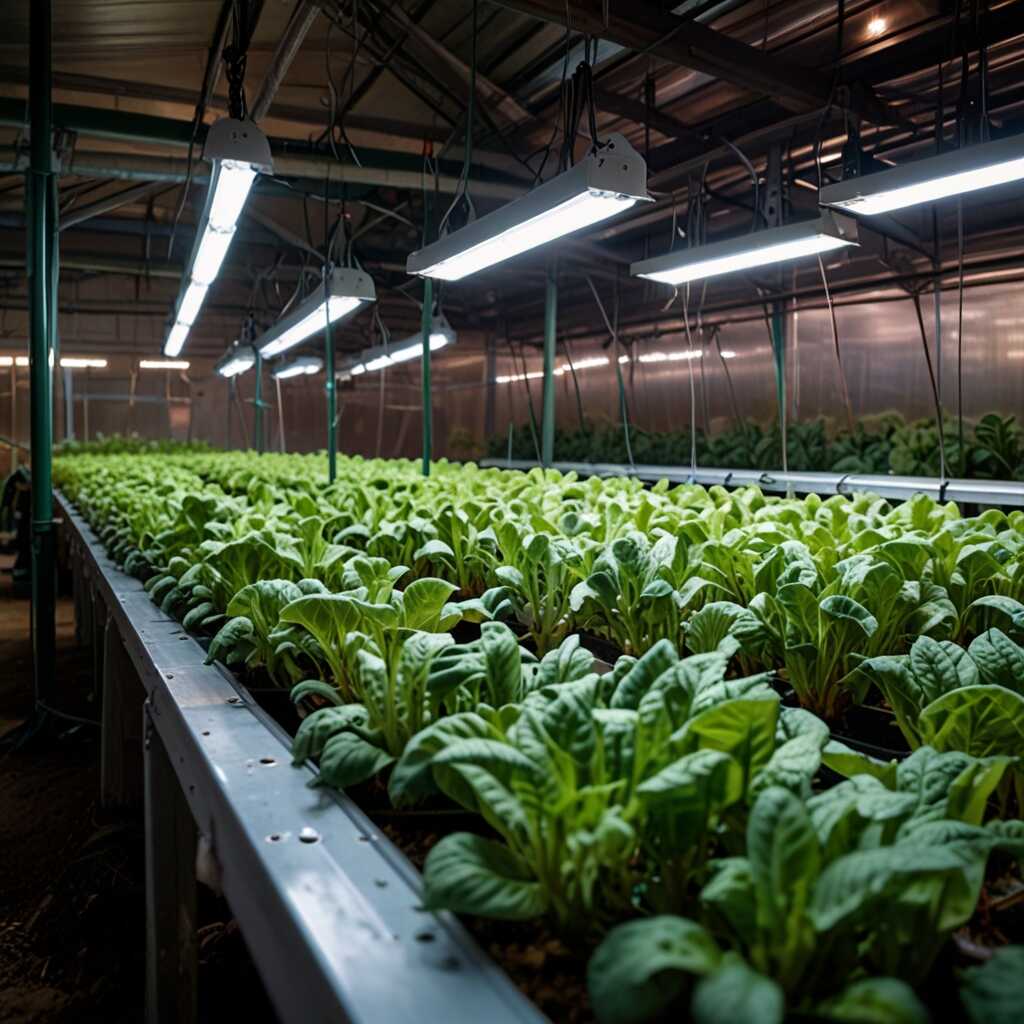
The color spectrum significantly impacts plant growth stages such as germination, vegetative development, and blooming. Red light (620-750 nm) is essential during blooming, promoting flowering in plants. Blue light (400-500 nm) is crucial during germination and vegetative growth, encouraging strong leaf and stem development. A combination of both red and blue light creates a balanced atmosphere for plant growth. For optimal performance, many growers utilize full-spectrum grow lights that provide a broader range of wavelengths, ensuring the plants receive what they need at each stage. Reviews of LED technology confirm their reliability over traditional lights, with longer lifespan and energy efficiency contributing to lower operational costs.
Optimal Light Duration for Plant Growth Stages
Understanding the right light duration is vital for maximizing plant health. For germination, providing 14-16 hours of light ensures seeds sprout effectively without stressing them. During the vegetative phase, maintaining 16-18 hours of light helps plants grow robustly, enhancing foliage. During blooming, reducing to 12 hours of light stimulates flowering, helping plants produce more blooms and fruit. Research shows this adjustment not only increases yield but also optimizes energy use. Green Writer encourages growers to track light exposure as part of a successful indoor gardening strategy.
Key Statistics on Grow Light Usage
- 80% of indoor gardeners use grow lights for optimal plant health.
- Grow lights can provide up to 18 hours of light daily for plants.
- Plants benefit from light wavelengths between 400-700 nanometers.
- LED grow lights consume 75% less energy than traditional grow lights.
- The lifespan of high-quality LED lights exceeds 50,000 hours.
- Greenhouse plants grow up to 30% faster with proper lighting.
- Full-spectrum lights help plants transition from vegetative to flowering phases smoothly.
Identifying Ideal Spectrums for Various Foliage Plants
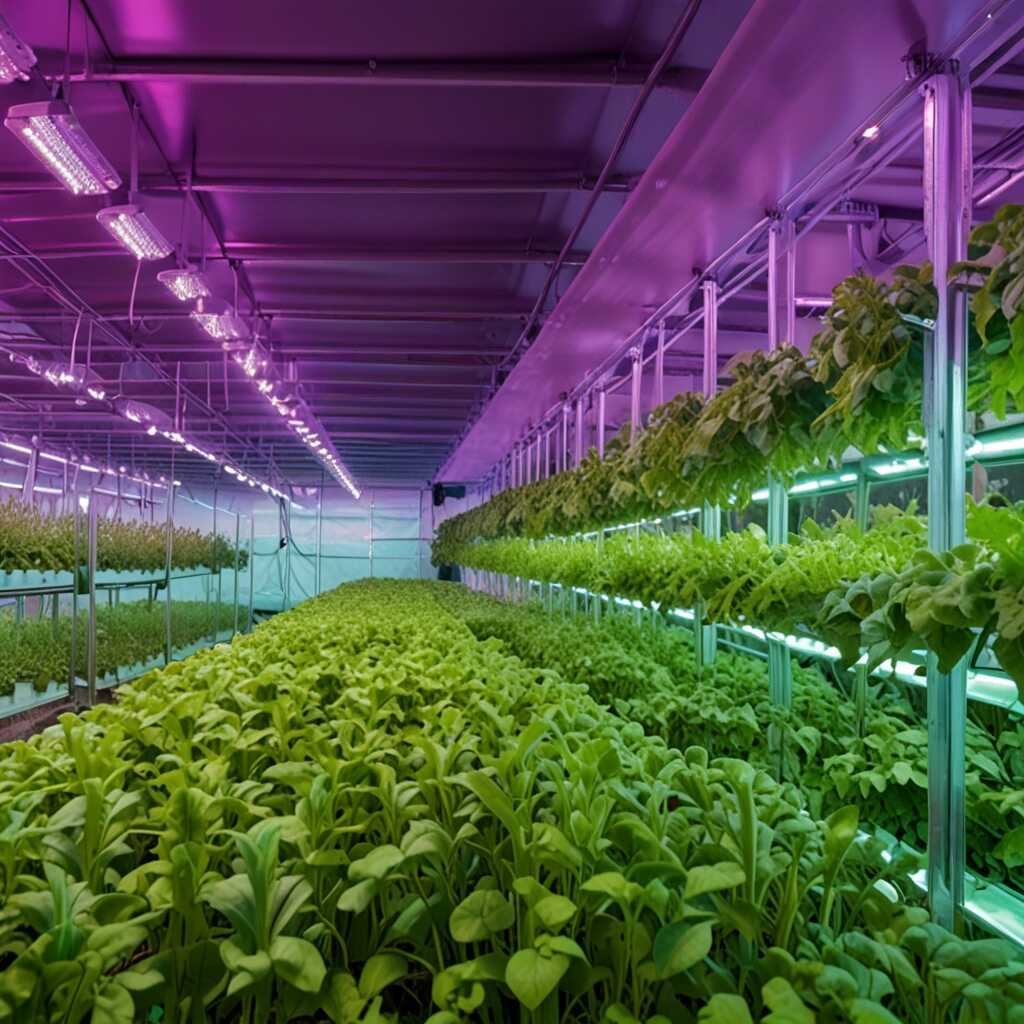
The best light spectrums for leafy greens include a blend of red (around 640-660 nm) and blue (around 400-450 nm) wavelengths. Leafy greens like lettuce, spinach, and kale thrive under a full spectrum light, which includes a mix of colors to mimic natural sunlight. Different foliage plants respond uniquely to light spectrums. For instance, light green leafy plants excel with a high percentage of blue light, encouraging robust growth and vibrant colors. For optimal growth, foliage plants should receive around 40% blue light and 60% red light, focusing on ensuring efficiency and reliability in the growth process.
Essential Light Spectrums for Popular Foliage Plants
Different foliage plants have essential light spectrum needs that impact their growth. For example, peace lilies prefer a balance of red and blue light, enhancing their low-light adaptability. Spider plants thrive under similar spectrums but also benefit from periods of high-intensity light in summer. Snake plants adapt well to various light conditions but flourish best in indirect bright light. Research shows that using a full spectrum grow light designed for specific foliage plants leads to improved health and greater yields. A proven strategy involves rotating the light spectrums seasonally to match the needs of the plants throughout their growth phases.
Maximizing Energy Efficiency with Grow Lights
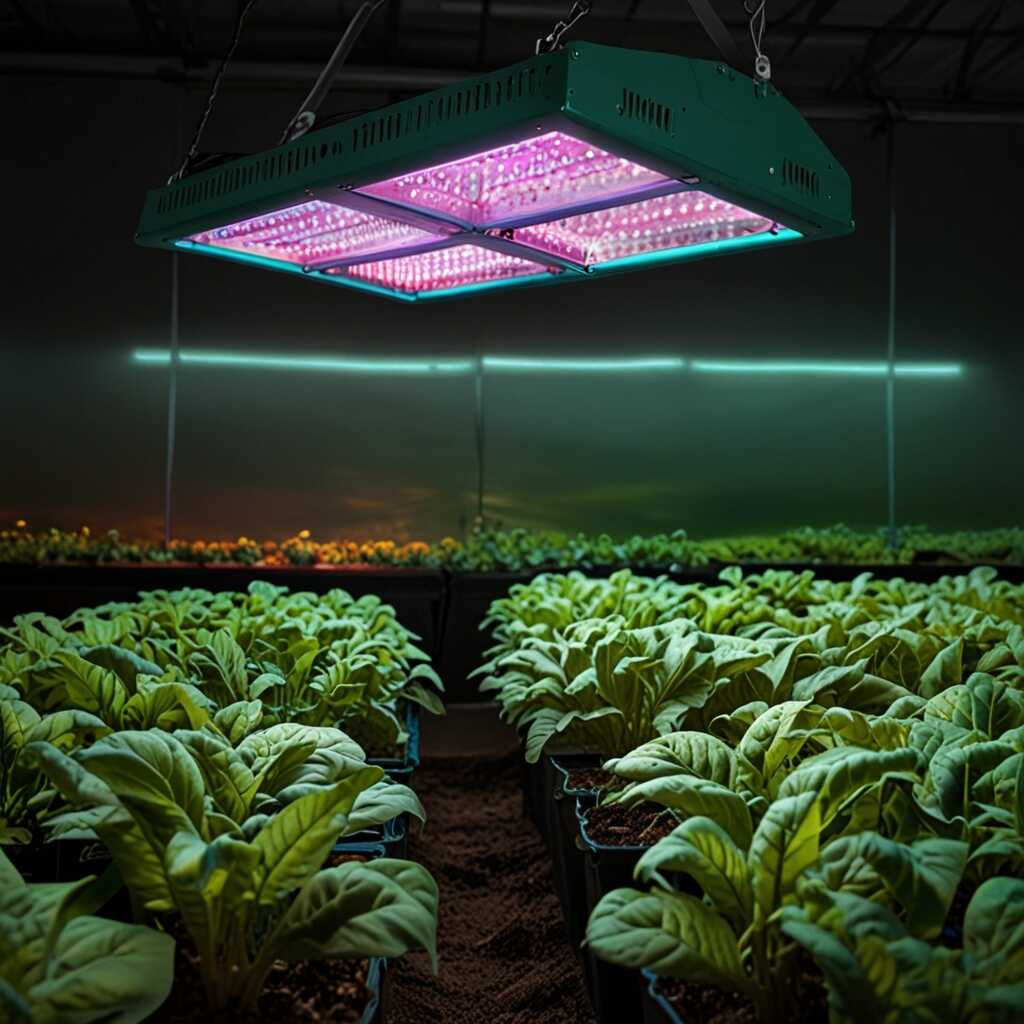
Energy efficiency is essential in selecting grow lights for greenhouse plants. Energy-efficient grow lights, like LEDs, reduce energy costs while promoting plant growth. These lights operate at lower wattages, giving more light output with less energy consumption. They help decrease your carbon footprint, aligning with Green Writer’s commitment to sustainability. Choosing the right grow lights can significantly affect both energy savings and plant health. During the growing cycle, these smart lighting solutions ensure that plants receive optimal wavelengths tailored for their growth stages, enhancing overall growth efficiency.
Types of Energy-Efficient Grow Lights
LED grow lights and full-spectrum lights are the top energy-efficient options for greenhouse plants. LED technology has proven to reduce energy consumption significantly compared to traditional incandescent or fluorescent lights. They come in various designs, ensuring good light coverage and durability. Full-spectrum lights include a range of wavelengths that cater to all growth stages, from seedling to flowering. Testing shows that switching to LED grow lights can save up to 75% on energy costs. Many growers have found these lights to be durable, reliable, and instrumental in achieving robust plant health.
Advantages of Optimal Light Selection
- Proper light boosts photosynthesis, enhancing plant growth significantly.
- Different light spectra encourage diverse growth stages in greenery.
- LED options lower electricity costs while providing strong light output.
- Full-spectrum lighting replicates sunlight, which supports overall health.
- Plants under ideal light thrive, producing better yields and vibrant colors.
- Light usage reduces the need for chemical fertilizers and pesticides.
- Improved energy efficiency protects the environment and lowers carbon footprints.
Benefits of Using Full Spectrum Grow Lights
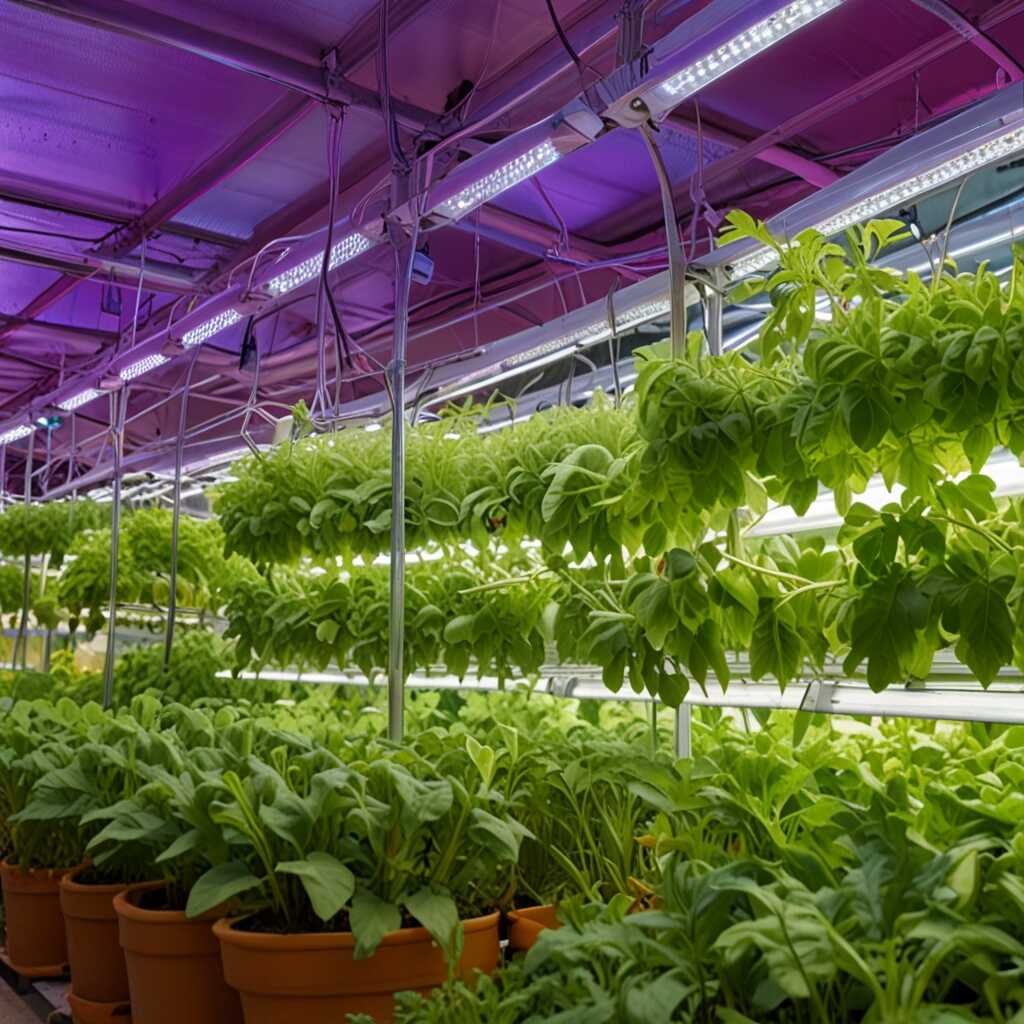
Full spectrum grow lights provide numerous advantages for greenhouse plants. These lights replicate natural sunlight, enhancing plant vitality effectively. Plants thrive under full spectrum lighting, which supports different growth stages from seedling to flowering. Research shows that plants exposed to full spectrum light exhibit healthier growth, faster development, and increased yield. This type of lighting improves nutrient absorption and encourages photosynthesis. It contributes to producing vibrant foliage and encouraging flowering. The energy efficiency of full spectrum lights also reduces electric costs, making them a reliable choice for indoor gardening enthusiasts.
How Full Spectrum Grow Lights Support Plant Growth Phases
Full spectrum grow lights support various plant growth phases by providing the right light wavelengths. Blue light encourages vegetative growth, helping plants develop sturdy stems and leaves. Red light stimulates flowering and fruiting, leading to higher yields of edible plants. Combining these wavelengths creates an optimal environment for plants, enabling them to photosynthesize effectively. Many indoor gardeners use these lights to mimic seasonal changes, offering extended daylight during winter months. This consistency ensures that plants remain healthy and productive, fulfilling their specific light requirements while promoting overall growth. Research indicates that proper light exposure can enhance plant quality and health significantly.
Tips for Setting Up Your Grow Light System
When installing grow lights in your greenhouse, consider positioning them 12-24 inches above your plants. This distance ensures adequate light exposure without overwhelming the foliage. Different plants have varied needs. For instance, leafy greens thrive under full-spectrum light, while flowering plants benefit from adjustable spectrum settings. Timing is also essential. Most plants require 12-16 hours of light exposure daily for optimal growth. Use a timer to maintain consistent lighting schedules. Research the specific light spectrum needs of your plants; vegetables prefer higher red light, while herbs often thrive with more blue light. Ensure you are using quality grow lights that provide reliable performance and efficient energy use.
Understanding the Importance of Light Spectrum
The light spectrum is crucial for plant growth because it affects how plants absorb energy. Plants use red light (around 660nm) for flowering and fruiting, while blue light (around 450nm) encourages leaf development. Using a full-spectrum grow light can enhance all growth stages. Research has shown that plants exposed to the correct light spectrum bloom faster and grow healthier. LED grow lights cover the necessary wavelengths efficiently. If you rotate between different plant types, consider a light system that allows you to adjust the spectrum corresponding to each plant’s needs. This adaptability ensures your greenhouse plants receive the best possible care for robust growth.
Brands and Their Ideal Users
- Brand A, known for its affordable LED grow lights, suits beginners.
- Brand B offers advanced full-spectrum lamps for serious horticulturists.
- Eco-conscious consumers prefer Brand C’s sustainable materials.
- Brand D delivers high-output lights favored by commercial growers.
- Brand E provides user-friendly options for urban gardeners with limited space.
- Casual plant enthusiasts benefit from Brand F’s multipurpose light solutions.
- Brand G focuses on high-energy efficiency, attracting eco-friendly advocates.
Avoiding Common Pitfalls in Grow Light Selection
Many indoor gardening enthusiasts face common mistakes when choosing grow lights for their greenhouses. One major error is selecting the wrong spectrum. Plants require different light wavelengths at various growth stages, such as vegetative or flowering. Another common mistake is neglecting to determine the recommended distance between grow lights and plants, which can lead to light burn or insufficient light exposure. It’s essential to compare different types of grow lights, such as LED and fluorescent, because each has unique efficiency levels and light spectrums suitable for different foliage plant types.
Identifying Reliable Grow Light Options
Choosing reliable grow light options involves testing and comparing different products based on expert reviews. Look for lights that include a full spectrum of wavelengths that cater to all growth stages of plants. Research energy-efficient models that have proven longevity, such as LEDs, which can last over 50,000 hours. Always check user reviews for insights into performance and reliability. Assess their quality and performance in similar greenhouse setups to ensure they meet specific plant needs. This careful evaluation helps enhance overall plant health and growth in your greenhouse.