
Welcome to the beginner’s guide to selecting grow light systems for greenhouses, where illumination meets plant potential. Understanding how to choose the right grow light is key for nurturing healthy plants in your greenhouse. At Green Writer, we empower hobbyist gardeners and eco-conscious plant lovers with practical advice on energy-efficient lighting options. This guidance ensures you can confidently pick the best grow light systems without needing technical expertise.
Types of Grow Lights and Their Benefits for New Gardeners
New greenhouse gardeners have several options for grow lights. LED grow lights are highly efficient, can last over 50,000 hours, and deliver full spectrum lighting. These features make them ideal for various plant growth stages, from seedlings to flowering plants. Fluorescent grow lights are budget-friendly and perfect for starting seedlings. They emit lower heat, which helps prevent damage to delicate plants. Incandescent grow lights are less efficient and produce more heat. They are suitable for plants needing less light but are not as specialized as LEDs or fluorescents.
Understanding Full Spectrum Lighting for Plant Growth
Full spectrum lighting is essential for successful greenhouse gardening. LED grow lights provide this spectrum, covering wavelengths from 400 to 700nm. This range supports all growth stages of plants, ensuring proper flowering, fruiting, and leafy growth. By mimicking the sun’s natural light, LED grow lights enhance photosynthesis, which is vital for plant health. In comparison, fluorescent lights can also offer a good spectrum but not as effectively as LEDs. Using the right full spectrum lights enables your plants to thrive in a controlled environment, maximizing your gardening efforts.
Essential Features for Choosing Effective Grow Light Systems
When selecting grow light systems, it is essential to consider key features such as lumens, energy efficiency, and light spectrum. Lumens measure the brightness of the grow lights, with at least 2000 lumens being advisable for smaller plants. For a larger space, aim for a minimum of 20 lumens per square foot for good growth. Energy efficiency is crucial, too, as systems like LED lights can last more than 50,000 hours, providing a reliable and durable solution. Reviews indicate that full-spectrum lights are designed to replicate sunlight, making them very useful for all plant stages. Lastly, an ideal light spectrum includes wavelengths ranging from 400 to 700 nanometers, promoting reliable growth in both vegetative and flowering phases.
Understanding Plant Light Requirements for Optimal Growth
Understanding plant light requirements is key to ensuring optimal growth. Different plants have unique needs, with vegetables, herbs, and flowering plants often requiring 12 to 16 hours of light daily. For instance, leafy greens do well with around 2000 lumens per square foot, while fruiting plants might need closer to 3000. A grow light that includes blue light helps with vegetative growth, while red light supports flowering and fruiting stages. Selecting a grow light system that includes both blue and red wavelengths enhances overall plant health and yield, delivering impressive results for your greenhouse garden.
Best Practices for Positioning Grow Lights in the Greenhouse
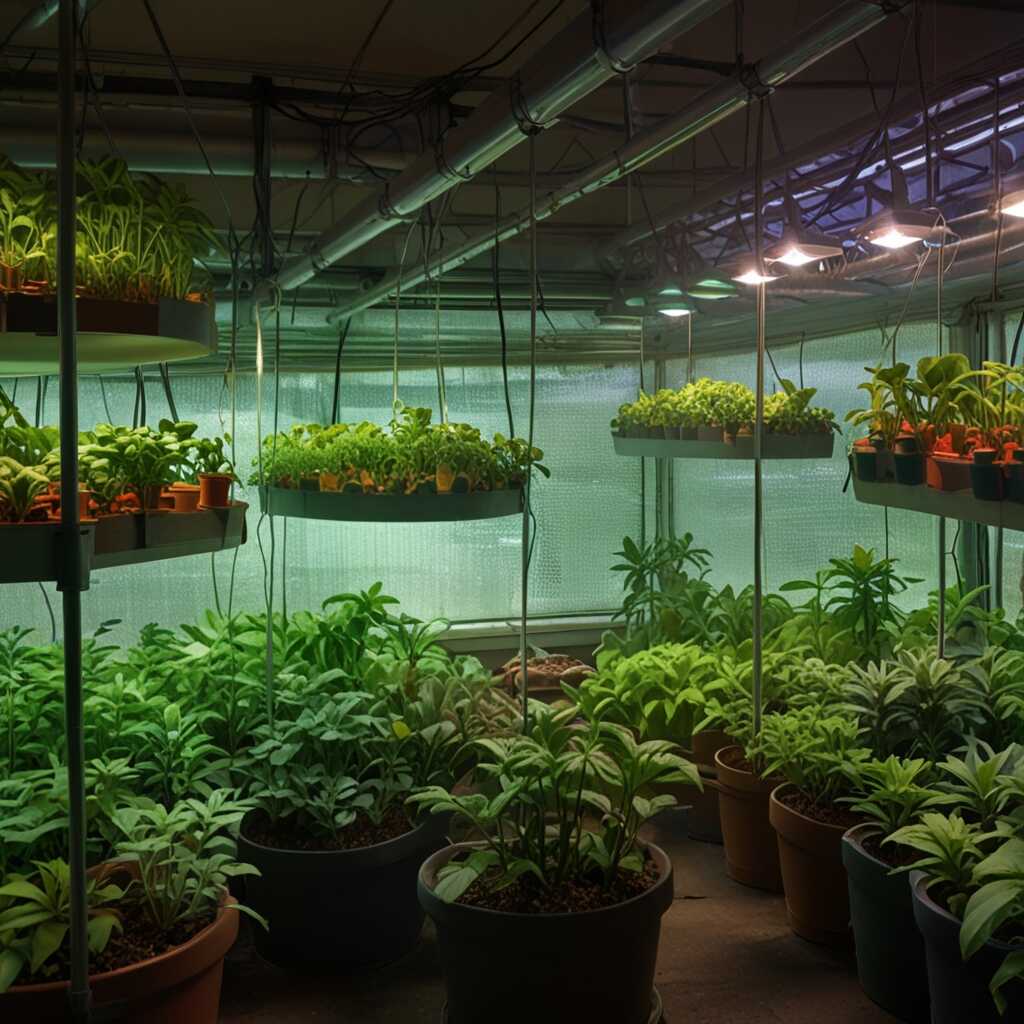
Positioning grow lights correctly is essential for healthy plant growth. Ensure grow lights are typically hung 12 to 24 inches above the plants. This height helps prevent leaf burn while providing adequate light intensity. Different grow lights serve different purposes. LED lights work well for leafy greens, while full-spectrum lights are excellent for flowering plants. Always aim for even light coverage. Avoid shadows that can occur from improperly positioned lights. You can adjust the height of your lights as plants grow to maintain this optimal distance. Monitoring your plants and adjusting your setup helps ensure the best results.
Understanding Light Coverage Area for Various Plant Types
Light coverage is crucial for every greenhouse gardener. Different plants have varying light needs. Leafy greens generally thrive in moderate light, while flowering plants may need intense lighting. Full-spectrum lights deliver a wide range of wavelengths, promoting growth at all stages. Aim to cover a broad area, ensuring that plants receive uniform exposure. For instance, hang lights closer to smaller plants while maintaining adequate distance for taller varieties. Adjusting the lights as plants grow helps in providing the right lighting for maximum growth efficiency. Regular testing and adjusting maintain optimal conditions for healthy plants.
Key Numerical Insights for Grow Lighting Systems
- LED lights can last over 50,000 hours, reducing replacement needs.
- Full spectrum lights cover wavelengths from 400 to 700 nm, supporting plant growth.
- Using grow lights can speed up plant growth by 30% in greenhouses.
- Optimal light duration ranges from 12 to 18 hours daily for most plants.
- Energy-efficient options can cut electricity bills by up to 60%.
- Some systems allow for light adjustments between 3,000 to 10,000 lumens.
- Most systems weigh between 2 to 10 pounds, making installation easier.
Frequent Mistakes Growers Make with Grow Light Usage
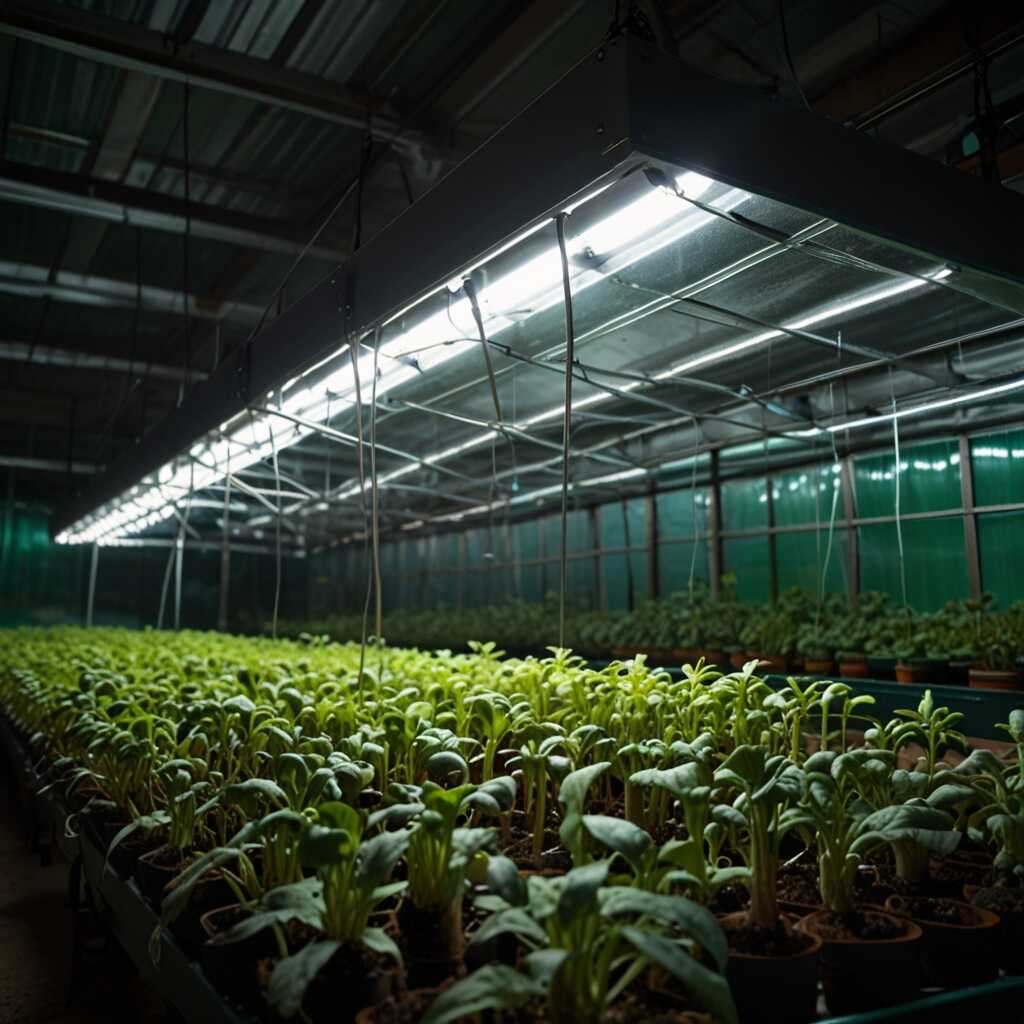
Beginners often make several mistakes when using grow lights. One common error is improper positioning. Grow lights should be positioned close enough to provide adequate light without burning the plants. Another mistake is assuming that all plants require the same amount of light, ignoring specific plant light requirements. Overexposure can lead to light stress while underexposure will hinder growth. Many new gardeners also forget to use timers to ensure that plants receive consistent light duration. Most plants thrive with about 12 to 16 hours of light daily.
Understanding Unique Plant Light Requirements
Different plants have unique light intensity levels that affect their growth. Low-light plants, like snake plants, need less intensity and can suffer from burn if exposed to powerful grow lights for too long. Medium-light tropical plants, like pothos, require moderate light, making the spectrum and positioning essential for healthy growth. High-light plants, such as tomatoes, greatly benefit from full-spectrum grow lights positioned closely for high efficiency and performance. Research indicates that varying light intensities are crucial to optimizing plant health.
Analyzing the Costs and Savings of Grow Light Systems
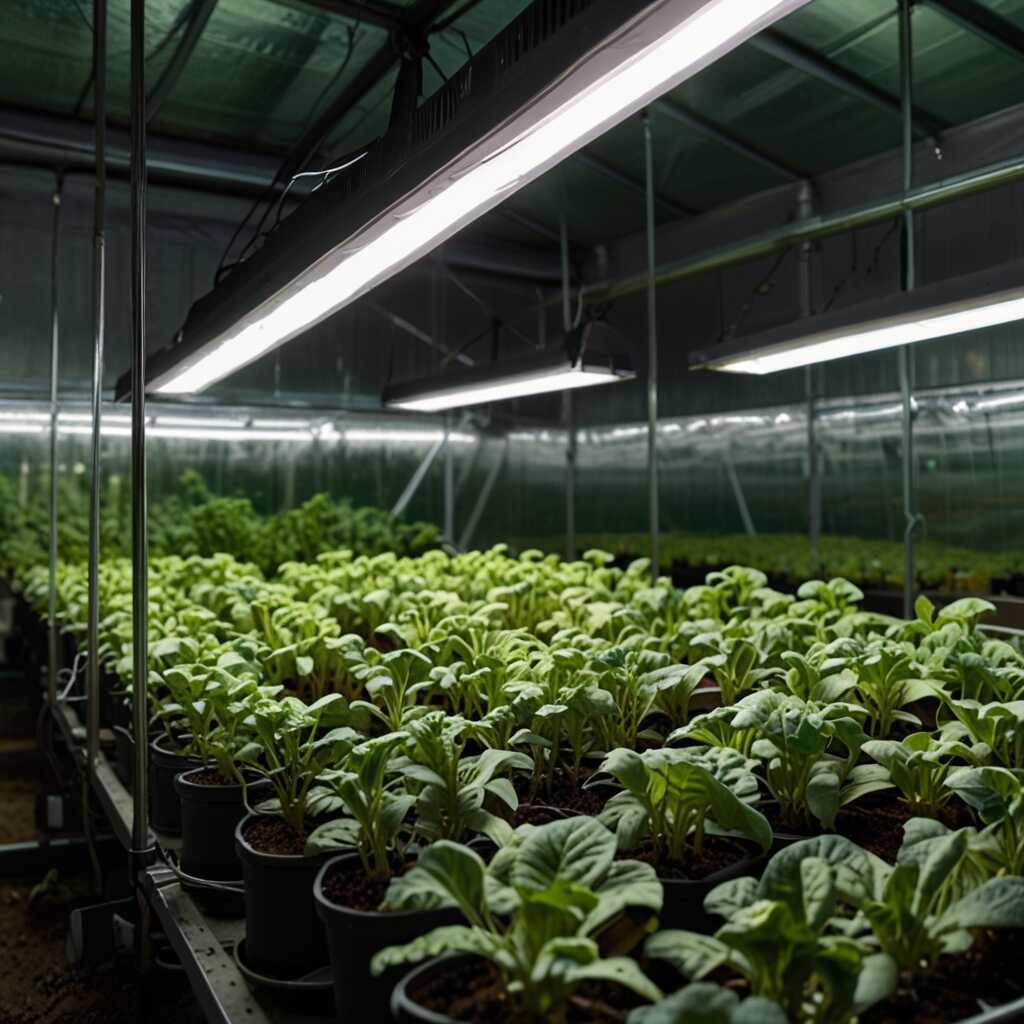
Evaluating costs associated with grow light systems involves both initial investment and long-term savings considerations. Initial investments vary widely, ranging from budget LED systems at about $50 to advanced full-spectrum lights that can exceed $500. Users should consider energy consumption too; different systems have varying efficiency ratings. Reliable LED grow lights typically consume less energy than traditional HID lights, thereby providing significant long-term savings through reduced electricity bills. Some recent data indicates that switching to LED grow lights can reduce energy costs by up to 75% over several years.
Comparing Initial Costs and Energy Efficiency
When comparing initial costs and energy efficiency, users should look for grow light systems with features that enhance performance. Quality LED systems provide higher energy efficiency while also lasting longer—averaging over 50,000 hours of use, versus 10,000 for traditional bulbs. For a typical greenhouse, the difference in costs can pay off quickly. Conducting a cost analysis over time demonstrates how reliable lighting options can improve overall expenses in the long run. Users experiencing high initial costs can offset these through lower running expenses, making a quality grow light system a smart investment.
Advantages of Choosing Lighting Solutions for Greenhouses
- Grow lights support indoor gardening year-round, regardless of seasons.
- Using the right light enhances plant vitality and yields significantly.
- Grow lights allow you to cultivate a variety of plants simultaneously.
- They reduce dependency on natural sunlight and combat seasonal gloom.
- Energy-efficient lights lower environmental impact and save money.
- Proper lighting helps combat common plant issues like stretching or leaf loss.
- Grow lights promote healthier root development through consistent exposure.
Easy Maintenance Tips to Ensure Long-lasting Grow Lights
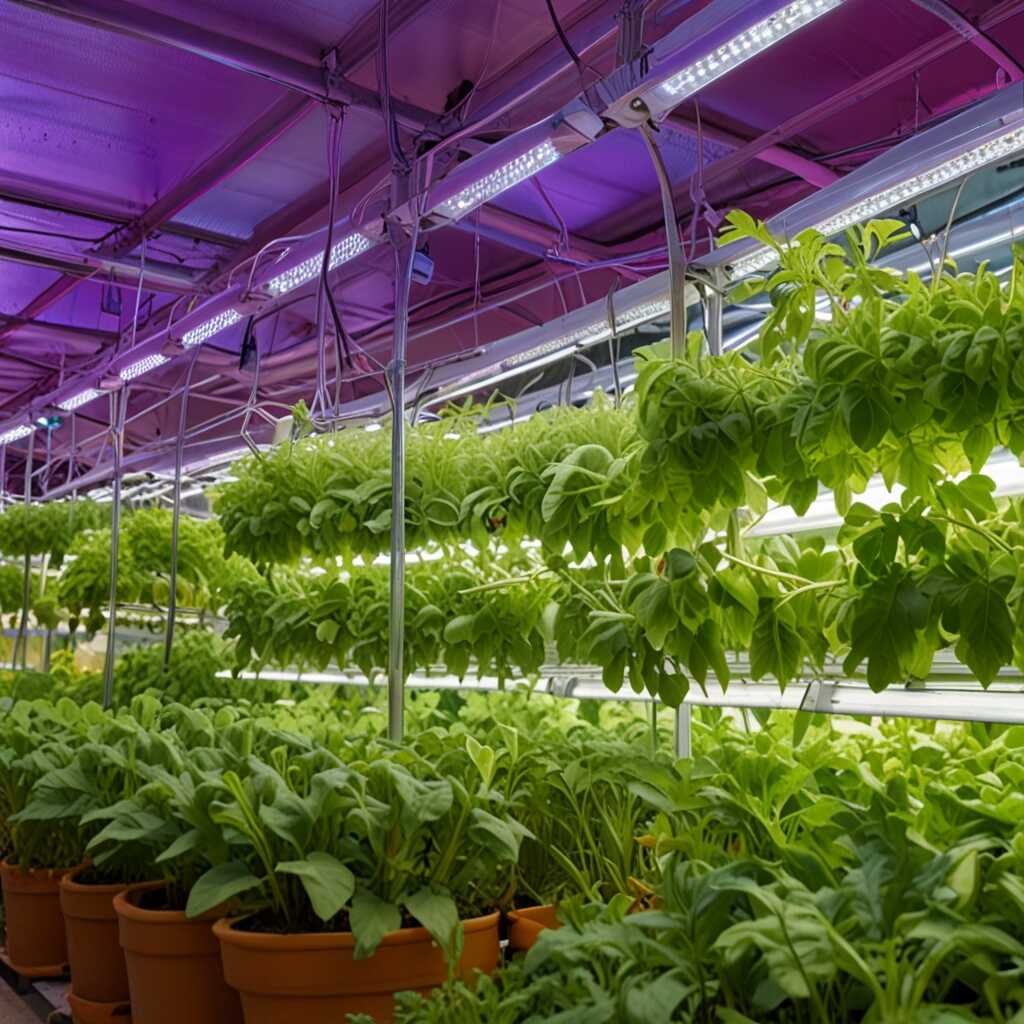
To keep your grow lights functioning optimally, establish regular cleaning routines. Dust and grime can accumulate on the surface of your grow lights. Use a soft, dry cloth to wipe them down monthly. Periodically check your grow light systems for signs of wear, such as flickering bulbs or dimming light output. This helps identify any issues early on. LED grow lights generally offer impressive longevity, typically lasting over 50,000 hours. By following these essential maintenance tips, you can enhance the reliability and performance of your grow lights.
How to Clean Your Grow Lights Effectively
Cleaning your grow lights effectively is essential for maintaining their optimal performance. Begin by turning off the grow lights and unplugging the unit. Remove any dust or debris on the surfaces with a dry microfiber cloth. For tougher grime, lightly dampen the cloth with water. Avoid using harsh chemicals, as they can damage the finish. Make this cleaning routine a monthly habit to ensure that your grow lights remain efficient and reliable. Regularly cleaning them keeps your plants receiving the full spectrum of light they need for healthy growth.
Improving Plant Health with Proper Lighting Adjustments
Lighting adjustments are essential to ensure healthy plant development. The best lighting techniques vary with plant growth stages. During the seedling stage, young plants require around 14-16 hours of light exposure daily. As plants transition to the vegetative stage, this can increase to 16-18 hours. Flowering plants often thrive with 12 hours of light followed by 12 hours of darkness. Each plant type reacts differently. Leafy greens tend to enjoy extended light exposure while flowering species benefit from a balanced light schedule. Regular review of light intensity can improve reliability, making it easier to manage your greenhouse plants.
Specific Lighting Techniques for Common Plant Types
Different plants have unique lighting preferences that affect growth and yield. Leafy greens, like lettuce and spinach, flourish with full-spectrum grow lights, as they benefit from high light duration and intensity. Flowering plants, such as tomatoes and peppers, thrive on light duration closer to 12 hours, enabling them to focus on blooming. Adjusting the light color spectrum can enhance photosynthesis. For example, blue light encourages compact growth in seedlings, while red light promotes flowering. It’s useful to conduct regular tests to determine if your lighting setup meets the needs of your plants, ensuring your greenhouse thrives.
Popular Brands and Their Target Demographics for Plant Lighting
- Brand A, known for high-performance LED systems, appeals to professional growers.
- Brand B offers affordable lighting, ideal for hobbyists and beginners.
- Brand C focuses on eco-friendly lights, attracting sustainability advocates.
- Brand D provides compact systems for urban gardeners with limited space.
- Brand E features adjustable lights, perfect for diverse plant growth needs.
- Brand F caters to schools and educational programs focusing on botany.
- Brand G, specializing in full-spectrum lights, benefits users wanting diverse crops.
Reliable Retail Sources for Affordable Grow Light Systems
Reliable retail sources for purchasing grow light systems include both online platforms and local stores. Popular online retailers like Amazon and Walmart provide a wide variety of affordable grow lights. Websites such as Wayfair and Home Depot also offer customer reviews that help ensure quality and reliability. Local gardening shops often provide expert advice and the chance to see products in person, increasing your confidence in selecting the best option. Budget-friendly options may include discount garden centers or specialized horticultural retailers that cater to greenhouse gardening.
Comparing Prices and Quality of Grow Light Systems
Comparing prices and quality of grow light systems is essential when making a purchase. Check multiple retailers like Amazon, Walmart, and other online marketplaces to find the best deals. Look for reviews that mention efficiency and performance. In-store comparisons can also provide insights. For example, some local gardening shops may hold seasonal sales that offer impressive discounts on quality grow lights. A good quality grow light system typically ranges from $25 to $200 depending on features like LED technology and light spectrum. Researching these aspects enhances your purchasing decisions.