
Advanced grow light technologies play a crucial role in nurturing high-needs exotic plants within greenhouses. These lights provide the specific wavelengths and intensity required for optimal growth, especially in unique growing conditions. At Green Writer, we explore the most effective options available, ensuring your exotic plants thrive while promoting eco-friendly practices. Understanding these lighting solutions not only enhances plant health but also reflects a commitment to sustainable living and conscious gardening.
Identifying Unique Lighting Needs of Exotic Plant Varieties
Different exotic plant varieties have specific lighting needs that set them apart from more common houseplants. For example, orchids require bright, indirect light, while bromeliads thrive in filtered sunlight. Some carnivorous plants like Venus flytraps need full spectrum lights that provide all necessary wavelengths. Understanding these requirements helps greenhouse owners select appropriate grow lights. Many high-needs exotic plants, such as anthuriums and fiddle leaf figs, prefer around 12 to 14 hours of light a day for optimal growth. Utilizing LED grow lights can enhance energy efficiency while fulfilling these unique needs.
Optimal Light Duration for Exotic Plants
High-needs exotic plants benefit from specific light durations that support their growth stages. Most require 12 to 16 hours of light daily. For instance, tropical plants like calatheas thrive with 12 hours of soft light, while succulents benefit from up to 16 hours of direct sunlight. Adjustable LED grow lights are excellent for maintaining these durations. Using a timer can help automatically control light exposure, ensuring plants receive consistent lighting. When combined with the right types of grow lights such as full spectrum LED, these durations enable healthy growth and vibrant colors.
Advantages of Using Energy-Efficient LED Grow Lights
Energy-efficient LED grow lights offer numerous benefits for greenhouse owners. They provide significant cost savings by using up to 80% less energy compared to traditional lighting. Lower heat output reduces the risk of overheating plants and allows for closer placement of the lights. This setup promotes improved plant growth by ensuring optimal lighting conditions without stressing the plants. LEDs also have a long lifespan of over 50,000 hours, making them a very good investment. This durability provides reliable performance, ensuring that your plants receive consistent light throughout their growth stages.
Comparing LED Grow Light Features with Traditional Lights
LED grow lights are designed to deliver specific wavelengths that enhance plant growth. Unlike traditional lights that emit a broad spectrum of light, LED technology allows selective targeting of the light spectrum for different plant stages. For example, blue light supports vegetative growth, while red light aids flowering. This efficient use of light enables plants to maximize photosynthesis, resulting in faster growth rates. Research shows that plants grown under energy-efficient LED lights consistently yield higher results. Testing and reviews confirm that LEDs outperform traditional options in terms of energy efficiency and plant health. Choosing the right LED grow lights ensures your exotic plants thrive in a controlled environment.
Importance of Full Spectrum Lighting for Plant Development
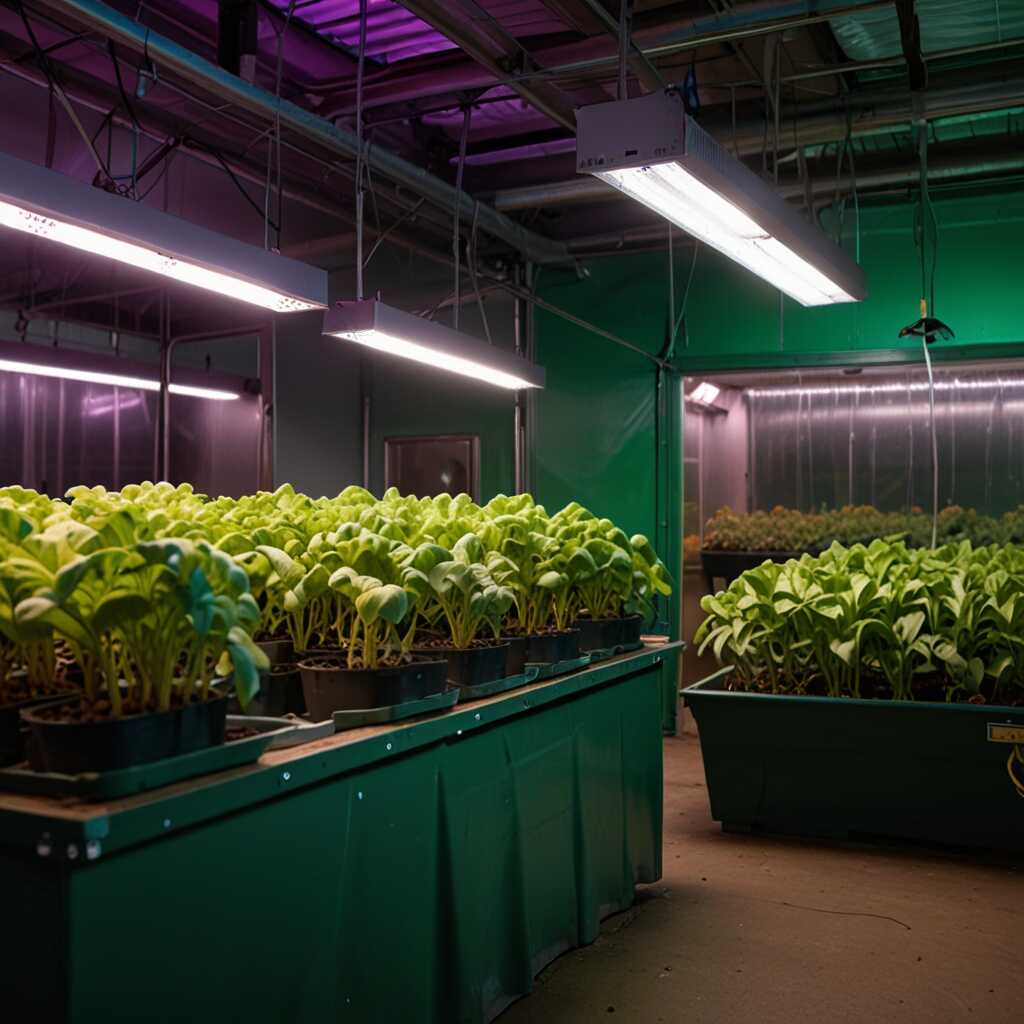
Full spectrum lighting mimics natural sunlight, making it crucial for exotic plants. It supports all growth phases by providing essential wavelengths. Plants require different light spectrums for photosynthesis, flower production, and overall health. Using full spectrum lights helps in achieving reliable results for indoor gardening. These lights are designed specifically to enhance plant development stages, ensuring robust growth. A full spectrum typically ranges from 400 to 700 nanometers, covering blue, red, and green light. This range promotes various processes from vegetative growth to blooming in plants.
How Full Spectrum Lighting Enhances Plant Growth and Health
Full spectrum lighting offers a competitive edge in enhancing plant growth and health. Each wave length in the spectrum has specific benefits. Blue light is crucial for vegetative growth, improving leaf health and structure. Red light supports flowering and fruiting, ensuring plants produce healthy blooms and fruits. Green light also plays a role by penetrations leaves, assisting photosynthesis. Using fixtures with a balanced combination of these wavelengths creates an optimal growing environment. Reliable full spectrum grow lights can dramatically enhance the performance of your exotic plants, ensuring you achieve the best possible results.
Key Statistics on Plant Lighting Technologies
- LED grow lights can last over 50,000 hours, reducing replacement costs.
- Full spectrum lights cover wavelengths from 400 to 700 nm for optimal growth.
- Plants require 12-16 hours of light for healthy growth in greenhouses.
- Energy-efficient lighting can save up to 75% on electricity bills.
- Many advanced systems feature programmable timers for precise lighting control.
- Research shows plants grow 30% faster under LED technology compared to incandescent bulbs.
- Wavelength combinations in full spectrum lights can increase flowering by 20%.
Understanding Plant Growth Stages and Light Spectrum Impacts
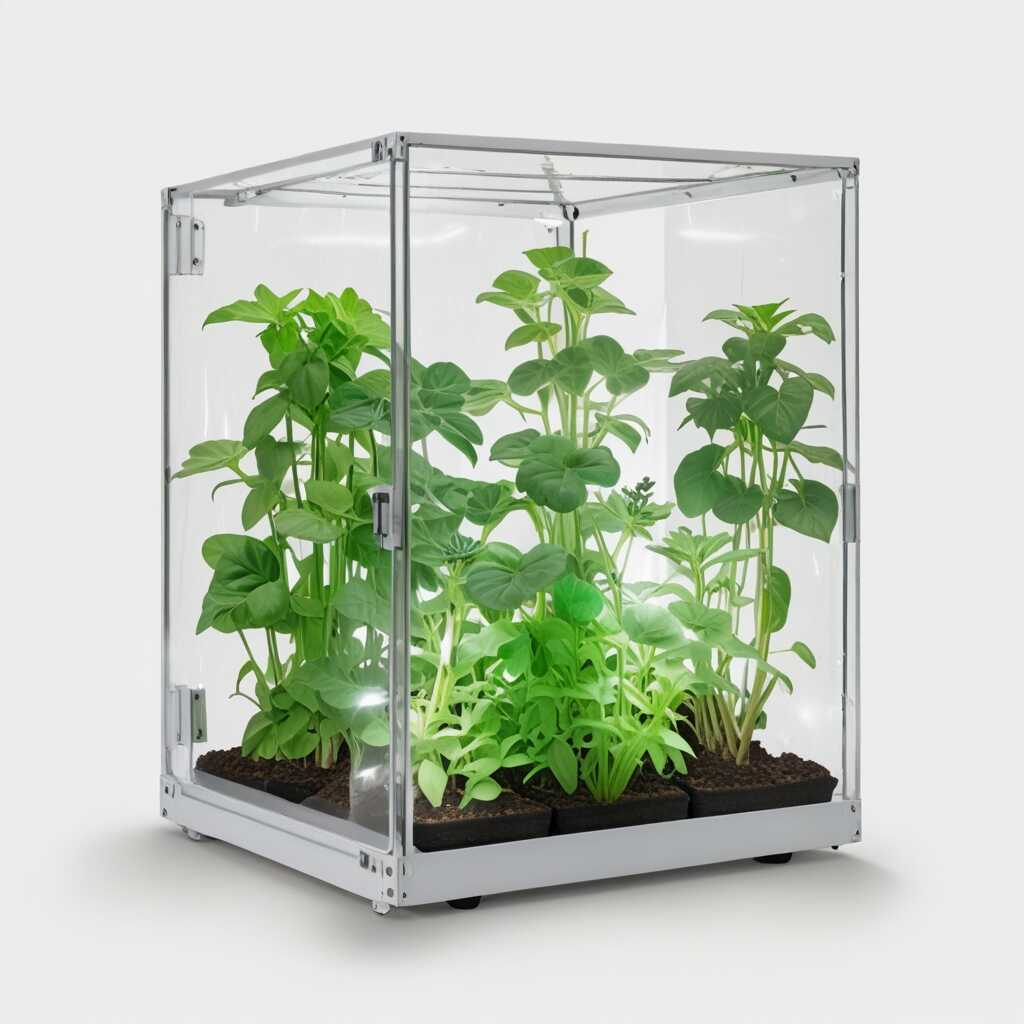
Different light wavelengths significantly affect various plant growth stages. During germination, red light (620-750 nm) enhances seedling energy. As seedlings develop into the vegetative stage, blue light (450-495 nm) is essential for promoting healthy leaf growth. For flowering, a balance of red and far-red light helps trigger blooming. Greenhouse owners should consider these light wavelengths, especially when cultivating exotic plants like orchids, which require specific light conditions for optimal growth. The right light combination provides reliable results by ensuring plants have the colors they need at each growth stage.
Optimal Light Spectrum for Exotic Plants
The optimal light spectrum range for exotic plants typically falls between 400 nm to 700 nm. In this range, blue light promotes robust foliage, while red light encourages flowering and fruiting. For instance, orchids thrive under full-spectrum lights that emit both blue and red wavelengths. Greenhouse owners should prioritize fixtures that deliver this spectrum while providing efficient energy use and long-lasting performance. Many LED grow lights are designed specifically to meet these needs, promoting health and enhancing the aesthetic qualities of exotic plants.
Key Considerations for Selecting Grow Lights
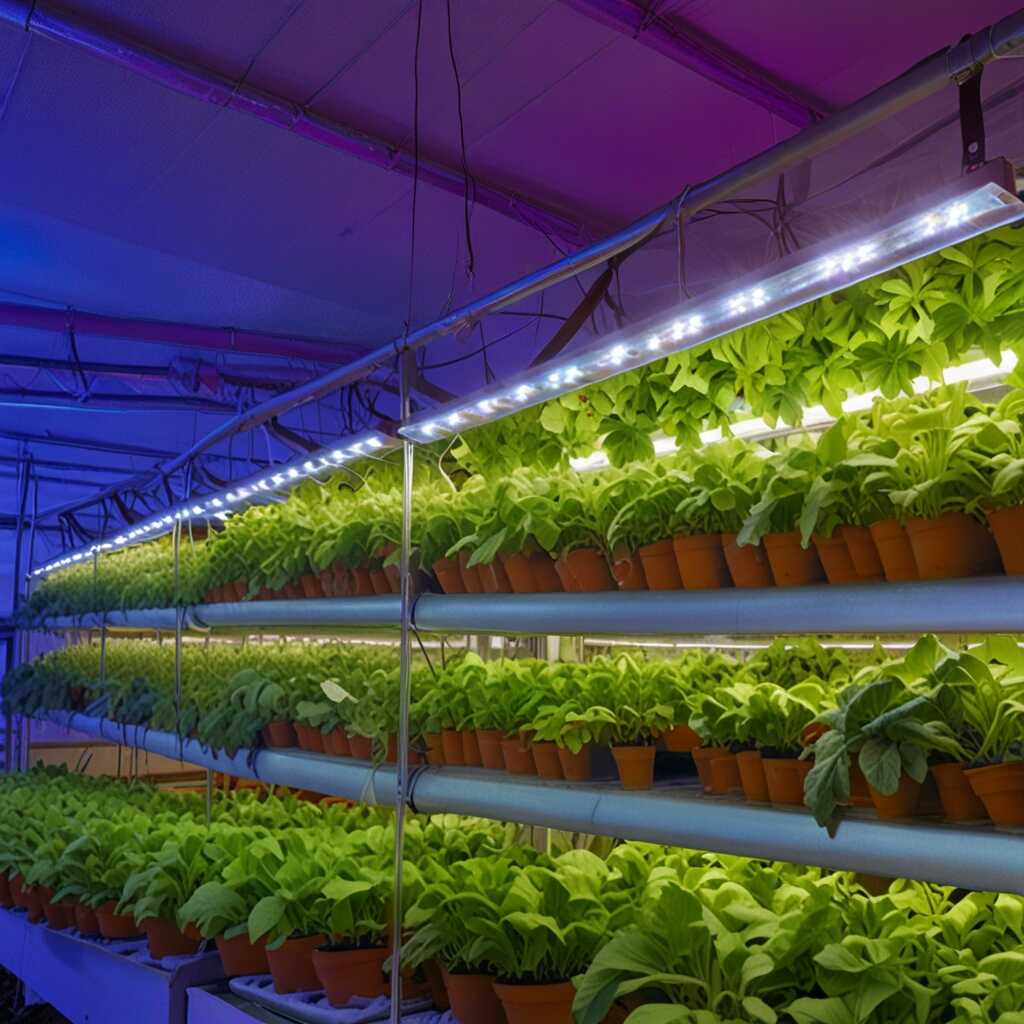
When selecting grow lights, consider essential factors like PAR (Photosynthetically Active Radiation) levels, light distribution, and durable build quality. PAR levels directly affect plant photosynthesis and growth. Look for lights that provide a full spectrum, covering wavelengths beneficial for varying growth stages. Efficient light distribution ensures that all areas of your plants receive adequate illumination. Choose lights with a sturdy design to withstand greenhouse conditions, ensuring long-term performance. Reliable brands offer warranties and detailed testing results to enhance your confidence in their products.
Understanding PAR Levels for Optimal Plant Growth
PAR levels are crucial for successful plant growth. The right PAR ensures that plants absorb light efficiently for photosynthesis. Aim for a range of 400 to 700 nanometers in your grow lights to cover all vital wavelengths. Different phases of growth, such as vegetative and flowering stages, require varying light intensity. Research shows that lights with higher PAR values usually enhance growth rates and yield. Regular testing can help determine if your lights meet these standards, providing excellent results over time.
Advantages of Modern Growing Light Systems
- Energy-efficient options lower electricity costs significantly.
- Full spectrum lights mimic natural sunlight, enhancing plant photosynthesis.
- Users can reduce heat buildup, making climate control easier.
- LED solutions emit less UV emissions, making them safer for indoor environments.
- Long lifespans of advanced lights lower the frequency of replacements.
- Adjustable light intensity helps cater to specific plant needs effectively.
- Many systems offer smart technology compatibility for remote control.
Recommended Grow Light Brands for High-Need Exotic Plants
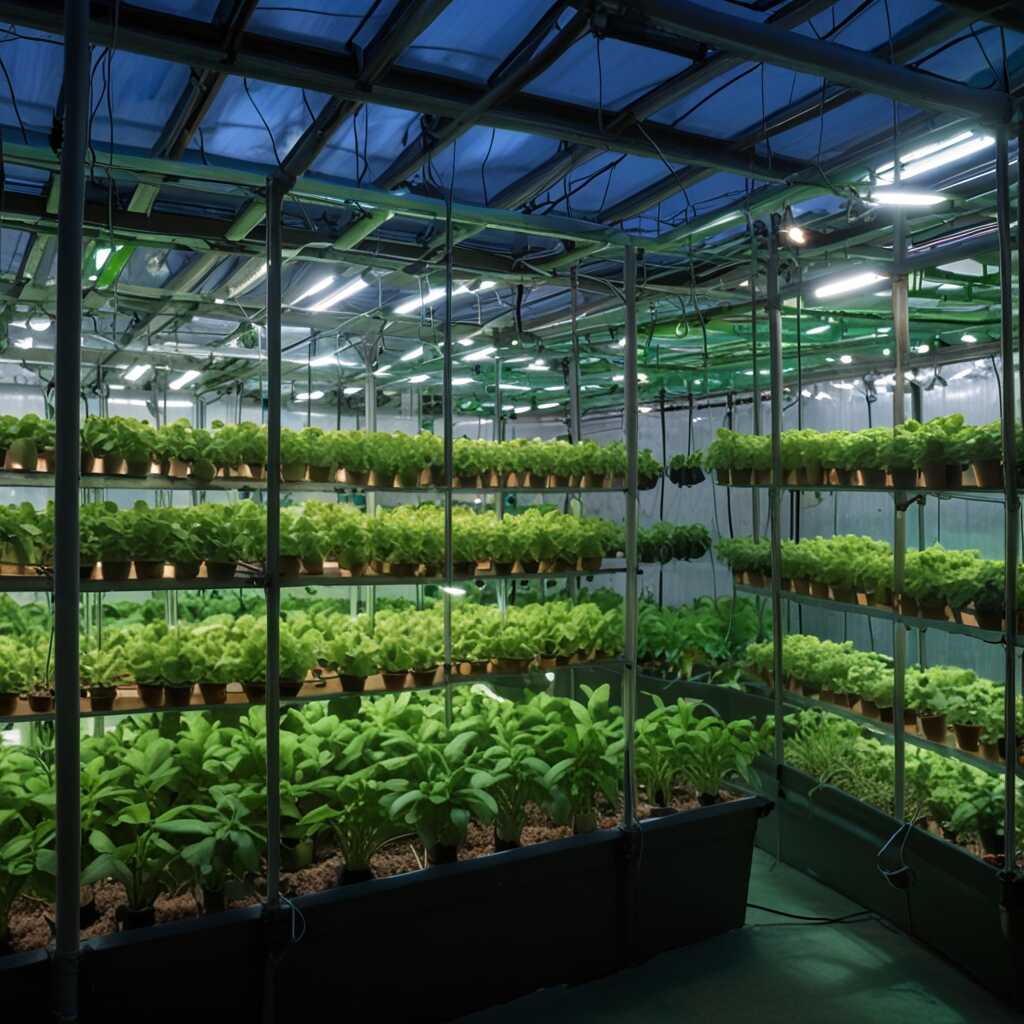
Some of the top grow light brands known for serving exotic plants include Hydrofarm, Spider Farmer, and VIPARSPECTRA. Hydrofarm is celebrated for its reliable performance and durable LED options which cater to various growth stages. Spider Farmer specializes in full-spectrum lights, ensuring optimal light quality for high-needs exotic plants. VIPARSPECTRA combines efficiency and construction quality, offering grow lights designed for longevity. When selecting a brand, look for features such as adjustable light intensity, full-spectrum output, and energy efficiency. Research customer reviews and performance tests to confirm their reliability. Brands like Spider Farmer offer as many as six different types of grow lights to meet specific plant needs.
Essential Features of Top Grow Lights for Exotic Plants
When considering the best grow light for your exotic plants, focus on essential features. A full-spectrum output covers wavelengths from 380nm to 800nm, supporting all growth phases. Adjustable intensity is another key feature that allows you to tailor light exposure to matching environmental conditions. Efficiency is also vital; look for models rated for low energy consumption and long lifespan. Brands like Hydrofarm and VIPARSPECTRA provide impressive results due to their use of high-quality LEDs that enhance photosynthesis. Using units with cooling technology prolongs the lifespan and maintains optimal temperatures. By prioritizing these features, you ensure your high-needs exotic plants receive the best lighting solutions.
Best Practices for Arranging Grow Lights in Greenhouses
To maximize plant growth, position grow lights approximately 12-36 inches above the plant canopy. This distance ensures the light intensity is sufficient for photosynthesis while avoiding heat stress. Different types of grow lights, like LED, fluorescent, and HID, have various strengths. LED grow lights are efficient throughout growth stages. Ensure the lights are evenly spaced to cover all areas. Evaluate the specific growth stage of each exotic plant, noting that seedlings thrive under softer light, while flowering plants benefit from more intense lights.
Understanding Light Spectrum Needs for Exotic Plants
Exotic plants have unique light spectrum requirements for optimal growth. Full-spectrum LED lights provide an excellent range from 400 to 700nm, useful for photosynthesis. Seedlings prefer a lower light intensity, while mature plants need a higher intensity for flowering. Research shows that a spectrum rich in blue light during vegetative growth helps with leaf development. Transitioning to red light during flowering enhances bloom strength and fruit production. Positioning lights based on growth stages helps ensure plants receive the ideal spectrum, enhancing their health and yield.
Leading Brands and Their Target Audiences
- Brand A specializes in professional-grade lights favored by commercial growers.
- Brand B offers budget-friendly options for hobbyists starting indoor gardening.
- Brand C combines smart tech features, appealing to tech-savvy plant lovers.
- Brand D targets eco-conscious consumers with sustainable materials.
- Brand E focuses on customizable setups, ideal for diverse plant species.
- Brand F provides user-friendly options for both beginners and experts.
- Brand G promotes full spectrum technology for advanced horticulture students.
Techniques for Monitoring and Adjusting Light Conditions
Using light monitoring tools such as PAR (photosynthetically active radiation) sensors helps track light levels in your greenhouse effectively. These tools measure light intensity and provide data on whether your plants receive enough light. Ensuring proper temperature and humidity levels supports light efficiency. Higher humidity can reduce light transpiration, while appropriate temperature keeps plant metabolism active. Monitoring may reveal that different exotic plants need between 200 to 600 micromoles per square meter per second. Understanding this data enhances plant growth optimization by allowing adjustments to light conditions for specific plant needs.
Best Practices for Measuring Light Intensity
Measuring light intensity accurately is essential for thriving exotic plants. To achieve this, use a reliable PAR meter to capture light data at different times throughout the day. Regularly adjusting your grow lights based on these readings ensures your plants receive consistent light exposure. When positioning your light sources, take into account their spectrum; full-spectrum LED lights can optimize growth stages from seedling to flowering. By testing light intensity over time, you can determine the best placement for your lights, enhancing plant growth efficiency and reducing energy costs.