
Grow lights are artificial lighting systems that provide essential light wavelengths for indoor palm plants when natural sunlight is insufficient. These specialized lamps simulate sunlight using LED, fluorescent, or HID technology to support photosynthesis and healthy growth. Most grow light systems designed for palm cultivation cost between $30-200 depending on coverage area and features, making them accessible for most indoor gardeners.
How Grow Lights Work for Indoor Palm Plants
Grow lights work by emitting specific light wavelengths that palm plants absorb for photosynthesis and cellular processes. The process involves converting electrical energy into light photons across the 400-700 nanometer spectrum, which palm leaves capture through chlorophyll. Indoor palm plants typically require 12-16 hours of artificial lighting daily to replace missing natural sunlight. Full spectrum LED grow lights are most effective because they provide both blue light (400-500nm) for leaf development and red light (600-700nm) for overall growth. This artificial lighting enables palms like Areca, Kentia, and Majesty varieties to thrive indoors year-round.
Understanding Light Spectrum Requirements for Palm Growth
Palm plants need different light spectrums during various growth stages, making full spectrum lighting essential for optimal development. Blue light wavelengths promote compact, bushy growth and prevent leggy stretching in young palms. Red light wavelengths enhance flowering processes and overall plant vigor in mature specimens. Green light penetrates deeper into palm fronds, supporting photosynthesis in lower leaves that blue and red light cannot reach effectively.
Benefits of Using Grow Lights for Indoor Palms
The primary benefits include consistent year-round growth regardless of seasonal changes, improved foliage color and density, and enhanced plant health through controlled lighting conditions. Indoor palms under proper grow lights typically grow 20-30% faster than those relying solely on window light. Enhanced photosynthesis leads to stronger root systems, more vibrant green coloration, and increased resistance to common palm diseases. Grow lights also enable palm cultivation in rooms with minimal natural light, expanding placement options throughout your home. Additionally, controlled lighting reduces stress-related issues like brown leaf tips and stunted growth commonly seen in inadequately lit indoor palms.
Specific Growth Improvements from Artificial Lighting
Artificial lighting delivers measurable improvements in palm plant development across multiple growth metrics. Leaf production typically increases by 15-25% under consistent grow light schedules compared to natural light alone. Frond size and thickness improve significantly, with mature leaves developing fuller, more robust structures. Palm plants show enhanced root development when receiving adequate artificial lighting, creating stronger foundation systems for long-term health and stability.
Limitations and Challenges of Grow Lights for Palms
The main limitations include increased electricity costs, heat management requirements, and the need for regular maintenance and bulb replacement. Monthly electricity costs typically range from $15-50 depending on light type and usage duration. Heat-generating lights like HID systems can raise room temperatures by 5-10°F, potentially stressing heat-sensitive palm varieties. Initial setup costs can be significant, especially for larger palm collections requiring multiple lighting units. Some palm species, particularly those adapted to low-light environments, may experience leaf burn if lights are positioned too close or operated for excessive durations.
Common Problems with Indoor Palm Lighting Systems
Common problems include inadequate light coverage leading to uneven growth patterns, timer failures causing inconsistent lighting schedules, and selecting inappropriate light types for specific palm varieties. Overheating from high-intensity lights can cause leaf scorching and increased water requirements. Poor ventilation around lighting systems often creates humid conditions that encourage fungal diseases in palm plants.
Which Grow Lights Are Best for Palm Plants
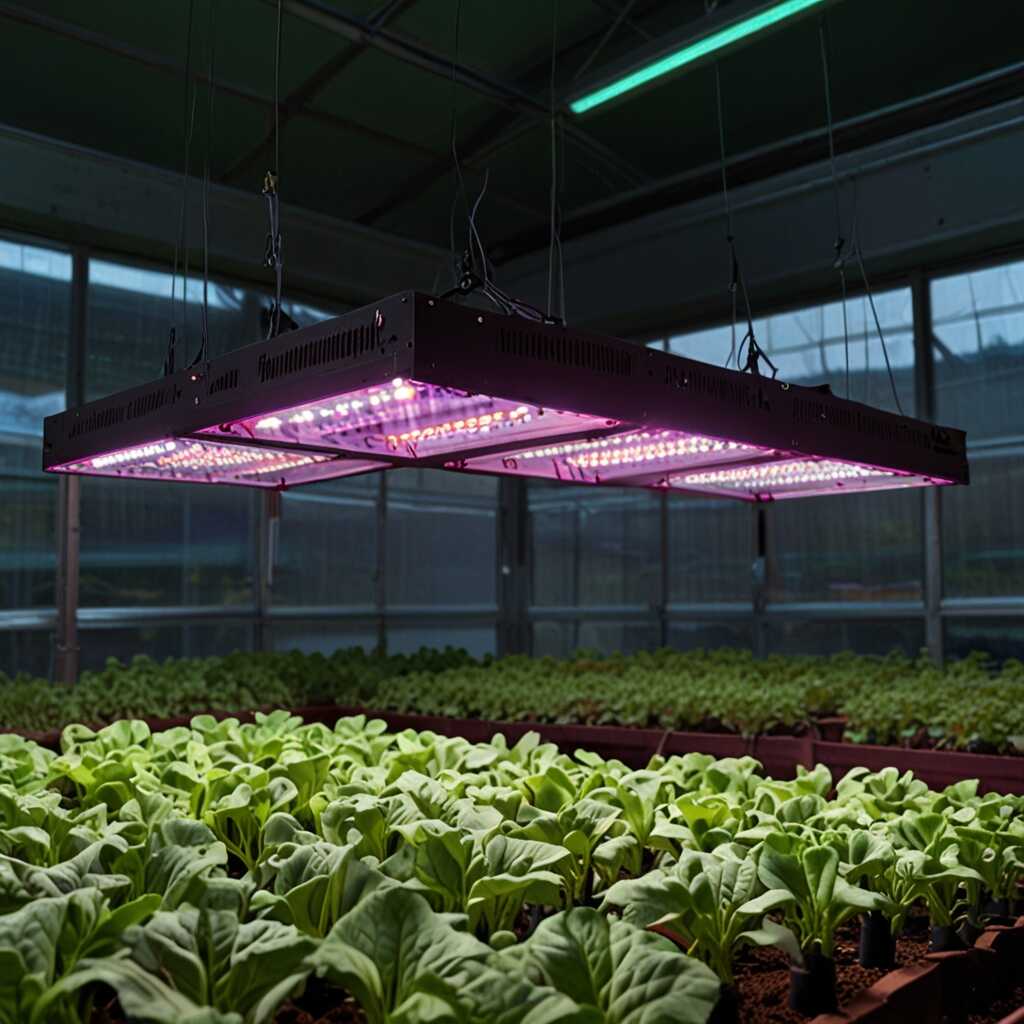
LED grow lights are best for most indoor palm applications due to their energy efficiency, low heat output, and customizable spectrum options. Full spectrum LED panels typically cost $80-150 and provide excellent coverage for 2-4 medium-sized palms. Fluorescent T5 fixtures work well for smaller palms or supplemental lighting, ranging from $40-80 with lower operating costs. HID lights (Metal Halide and HPS) deliver intense light suitable for large palm specimens but generate significant heat and consume more electricity. The ideal choice depends on your palm species, space constraints, and budget considerations.
Comparing Popular Grow Light Technologies for Palms
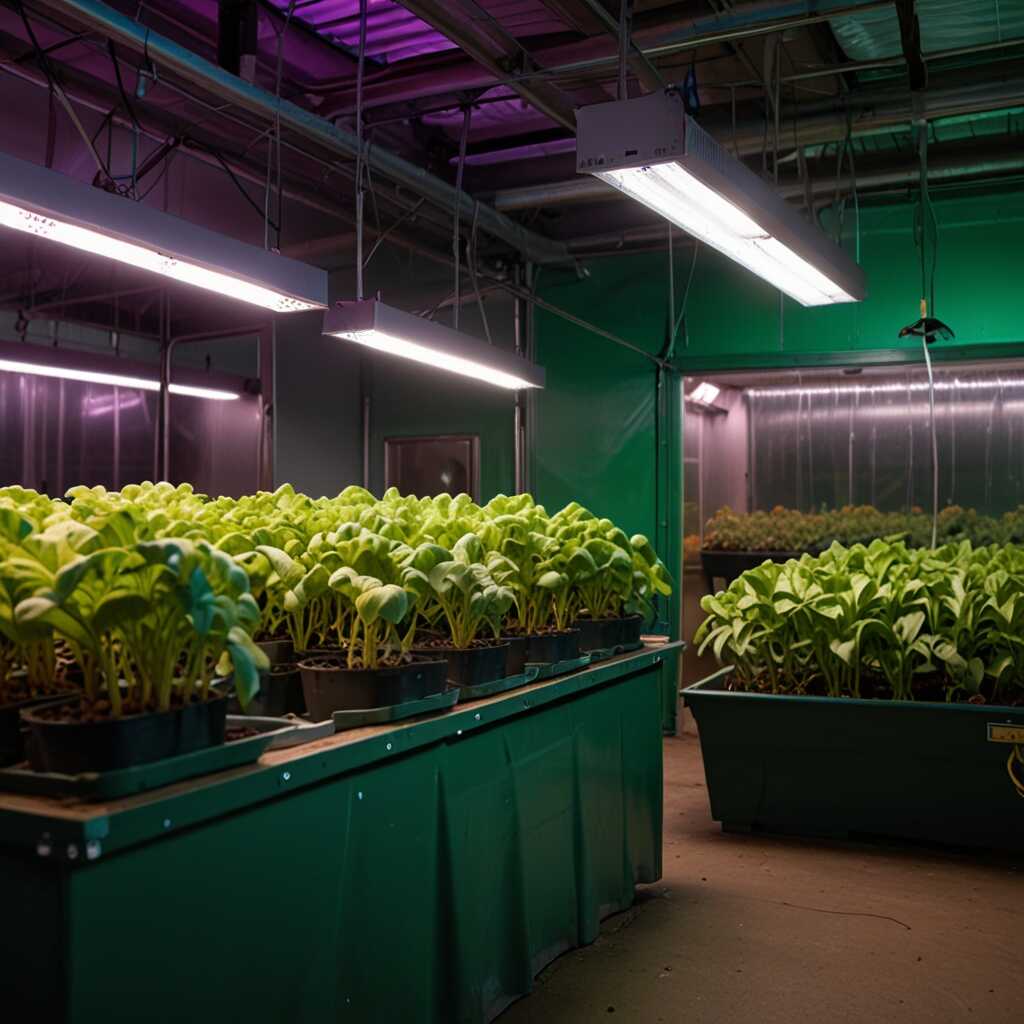
LED technology offers the longest lifespan at 50,000+ hours and consumes 50-70% less electricity than traditional alternatives. Fluorescent lights provide gentler illumination perfect for young palms or low-light species like Parlor palms. HID systems deliver maximum light intensity but require ballasts, cooling systems, and frequent bulb replacement every 12-18 months.
Cost Analysis for Palm Grow Light Systems
Initial setup costs for palm grow lighting typically range from $50-300 depending on system size and quality. Basic LED panels for single palm plants cost $30-60, while comprehensive systems covering 4-6 large palms range from $200-300. Monthly operating costs vary significantly: LED systems typically add $8-20 to electricity bills, while HID systems can increase costs by $25-50 monthly. Fluorescent options fall between these ranges at $12-30 monthly. Replacement costs should be considered, with LED lights lasting 5-7 years, fluorescents requiring annual replacement, and HID bulbs needing replacement every 12-18 months.
Budget-Friendly Options for Palm Lighting
Budget-conscious growers can start with basic fluorescent shop lights ($25-40) or entry-level LED panels ($40-70) that provide adequate lighting for smaller palm varieties. CFL bulbs in reflector fixtures offer an economical alternative for individual palm plants, typically costing $15-25 per setup with minimal installation requirements.
When to Use Grow Lights for Indoor Palms
Use grow lights when natural light levels fall below 200 foot-candles, during winter months when daylight hours decrease, or in rooms without south-facing windows. Palms showing signs of inadequate light such as pale green coloration, leggy growth, or dropping lower leaves benefit immediately from supplemental lighting. New palm plantings require grow lights during establishment periods to prevent transplant shock. Seasonal timing matters: begin using lights in late fall and continue through early spring when natural light intensity and duration are insufficient for healthy palm growth.
Identifying Light-Deficient Palm Plants
Light-deficient palms display characteristic symptoms including elongated stems reaching toward light sources, yellowing older fronds, and reduced new growth production. Leaf spacing becomes wider as the plant stretches, and overall plant structure appears loose rather than compact. Monitoring these visual indicators helps determine when artificial lighting becomes necessary for maintaining palm health and appearance.
How to Position Grow Lights for Palm Plants
Position grow lights 12-24 inches above palm canopies, adjusting distance based on light intensity and palm species requirements. Larger palms need lights positioned 18-24 inches away to provide even coverage across wider fronds. Smaller palm varieties can tolerate closer positioning at 12-15 inches for more intense lighting. Mount lights at a 45-degree angle when possible to ensure even light distribution across all fronds. Use adjustable hanging systems or movable stands to accommodate palm growth over time. Rotate plants weekly to ensure all sides receive equal light exposure and prevent uneven development.
Creating Optimal Light Coverage Patterns
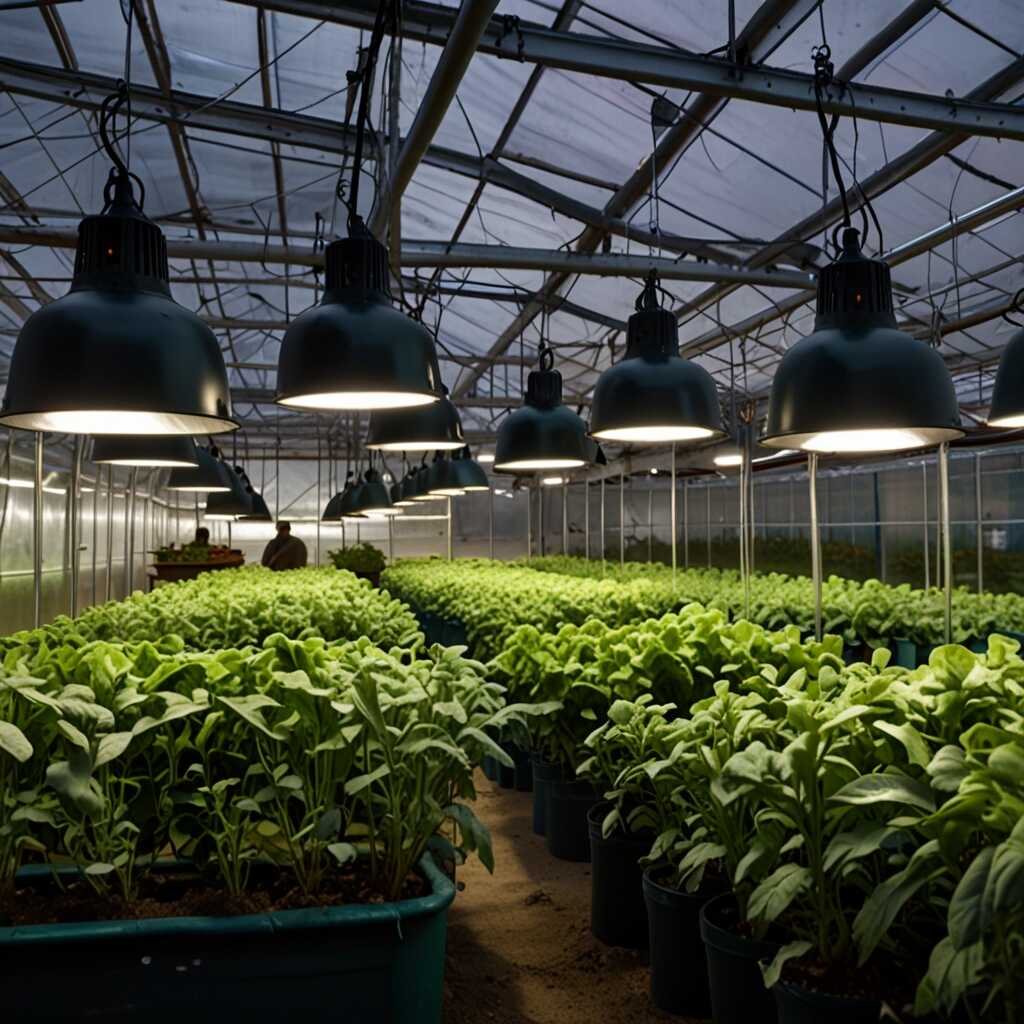
Optimal light coverage requires overlapping illumination zones to eliminate dark spots where palm fronds might not receive adequate lighting. Multiple smaller lights often provide better coverage than single large fixtures for palm collections. Light movers or rotating systems help distribute illumination evenly across larger palm specimens, preventing one-sided growth patterns common in stationary lighting setups.
Alternatives to Grow Lights for Indoor Palms
Natural alternatives include positioning palms near south-facing windows, using mirrors or reflective surfaces to redirect available sunlight, and rotating plants between bright and dim locations. Skylights provide excellent natural lighting for larger palm specimens when available. Light tubes or solar collectors can channel outdoor light into interior spaces without direct window access. Some growers successfully use seasonal rotation, moving palms outdoors during warmer months and indoors during winter. However, these alternatives often provide inconsistent lighting that may not support optimal palm growth year-round.
Maximizing Natural Light for Indoor Palms
Maximizing natural light involves strategic placement near unobstructed windows, removing light-blocking obstacles like curtains during daylight hours, and using light-colored walls or reflective materials to amplify available sunlight. Window film designed to increase light transmission can improve natural lighting conditions without requiring artificial supplementation for some palm varieties.
Light Requirements for Different Palm Species
Areca palms require bright, indirect light equivalent to 500-800 foot-candles and benefit from 14-16 hours of daily illumination. Kentia palms tolerate lower light conditions at 200-400 foot-candles, making them suitable for basic fluorescent lighting systems. Majesty palms need moderate to bright light at 300-600 foot-candles with 12-14 hours of daily exposure. Parlor palms adapt to low-light conditions below 200 foot-candles, requiring minimal artificial lighting supplementation. Lady palms prefer consistent moderate lighting at 400-500 foot-candles throughout the year.
Adjusting Lighting for Palm Growth Stages
Young palm plants require gentler lighting at 60-70% of mature plant requirements to prevent stress during establishment. Mature palms can handle full-intensity lighting and often require maximum light levels for optimal health and appearance. Aging palms may benefit from reduced light intensity as their photosynthetic efficiency naturally decreases over time.
Key Specifications for Palm Grow Light Systems
- LED grow lights typically last 50,000+ hours, providing 5-7 years of reliable palm lighting
- Full spectrum lights cover 400-700nm wavelength range essential for palm photosynthesis
- Proper grow lighting can increase palm growth rates by 20-30% compared to window light alone
- Optimal daily light duration ranges from 12-16 hours depending on palm species requirements
- Energy-efficient LED systems consume 50-70% less electricity than traditional HID alternatives
- Recommended light intensity ranges from 200-800 foot-candles based on palm variety
- Monthly electricity costs typically range from $8-50 depending on system type and usage
Setup and Maintenance Guide for Palm Grow Lights
Begin setup by measuring your space and calculating required light coverage based on palm quantity and size. Install mounting hardware capable of supporting light fixtures and allowing height adjustments as palms grow. Connect lights to programmable timers ensuring consistent daily light schedules. Position lights at appropriate distances and angles for even coverage across all palm fronds. Test light intensity with a light meter if available, adjusting position until optimal levels are achieved. Regular maintenance includes cleaning light fixtures monthly, checking timer settings, and monitoring plant response to lighting conditions.
Troubleshooting Common Palm Lighting Issues
Address light burn symptoms by increasing distance between fixtures and palm canopies or reducing daily lighting duration. Resolve uneven growth by adjusting light angles, adding supplemental fixtures, or rotating plants more frequently. Temperature management problems often require improved ventilation, switching to cooler LED technology, or reducing lighting intensity during peak heat periods.
Essential Maintenance Tasks for Palm Lighting Systems
- Clean light fixtures monthly to maintain maximum light output efficiency
- Monitor palm growth patterns and adjust light positioning accordingly
- Check electrical connections and timer settings regularly for consistent operation
- Replace bulbs according to manufacturer schedules to prevent light degradation
- Inspect mounting hardware periodically to ensure secure, stable installation
- Document lighting schedules and palm responses to optimize growing conditions
- Maintain adequate ventilation around lighting equipment to prevent overheating issues
Integrating Grow Lights with Complete Palm Care
Successful palm cultivation requires balancing artificial lighting with proper watering, humidity control, and nutrition management. Palms under grow lights often require more frequent watering due to increased photosynthetic activity and potential heat generation. Maintain soil moisture consistently but avoid overwatering, which becomes more problematic under intense lighting conditions. Humidity levels should remain between 40-60% to complement lighting systems effectively. Fertilize palms monthly during active growth periods when using grow lights, as enhanced photosynthesis increases nutrient demands. Regular pruning removes damaged fronds that can block light penetration to healthy foliage.
Environmental Controls for Lighted Palm Growing Areas
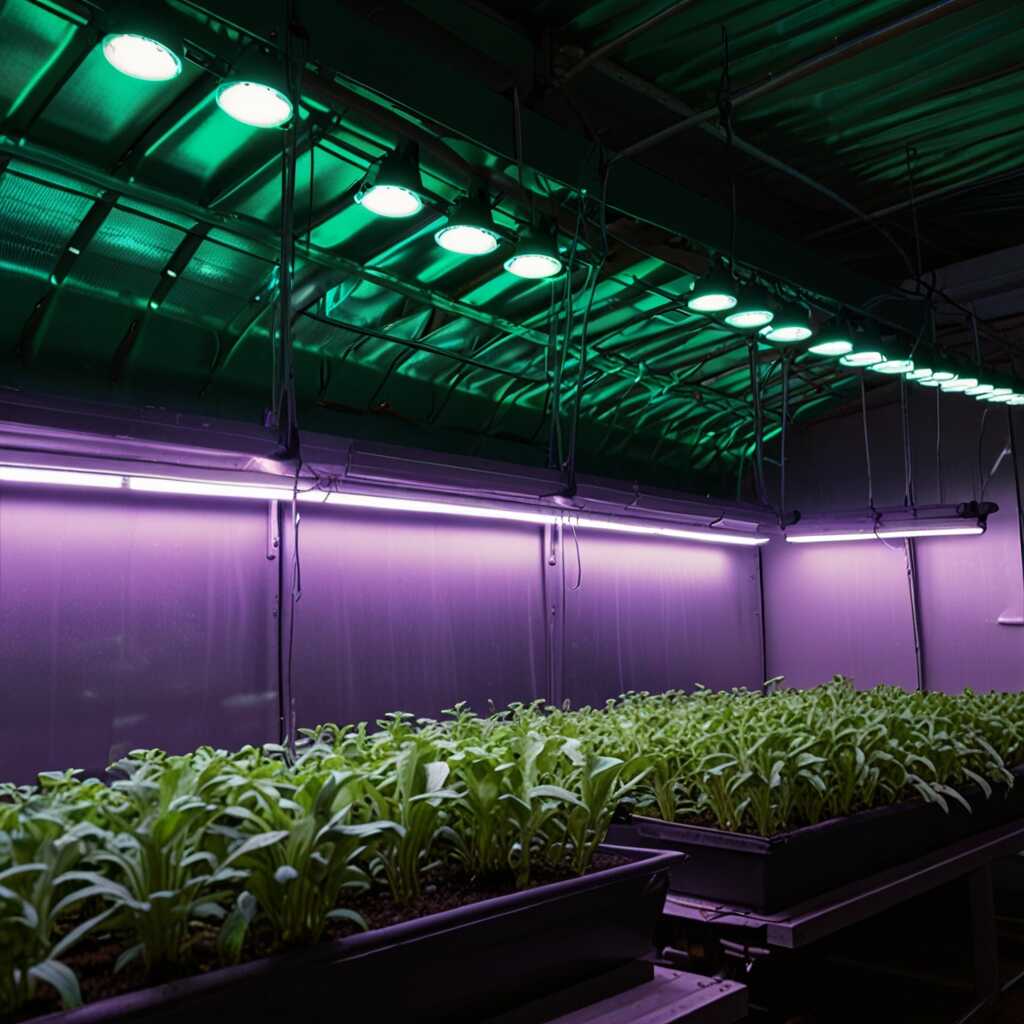
Environmental controls become critical when using grow lights for indoor palm cultivation, requiring attention to temperature, humidity, and air circulation. Install fans or ventilation systems to manage heat buildup from lighting equipment while maintaining optimal growing conditions. Monitor relative humidity levels regularly, as grow lights can reduce ambient moisture that palm plants require for healthy growth and vibrant foliage development.