
Maximizing indoor herb growth with effective grow light techniques is essential for successful plant cultivation. Proper lighting directly influences the health and productivity of your herbs, making it crucial to understand how to implement these techniques. Green Writer provides practical advice and sustainable practices to help you optimize herb growth, especially through the use of energy-efficient LED grow lights. By following the tips provided, you can create a thriving indoor herb garden that benefits both your home and the environment.
Advantages of Implementing Grow Lights for Indoor Herb Growth
Using grow lights provides several key advantages for indoor herb production. First, grow lights enhance growth rates significantly. Herbs can grow faster under proper lighting, sometimes yielding 20-50% more growth compared to natural light alone. Second, energy-efficient grow lights greatly reduce electricity costs. They consume less power while offering excellent light quality. This efficiency helps improve herb growth through better nutrient absorption. Third, the enhanced light spectrum from these lights supports plants at different growth stages. This ensures maximum health and productivity, making herbs more robust and flavorful.
Choosing the Right Grow Light for Optimal Herb Growth
Selecting the right grow light is crucial for optimizing indoor herb production. LED grow lights are popular due to their energy efficiency and longevity. They typically have a lifespan exceeding 50,000 hours. Full-spectrum LED lights deliver the necessary wavelengths for photosynthesis and growth. Look for lights with a spectrum that covers 400-700nm. This ensures that plants receive the ideal light for both vegetative and flowering stages. Position the lights 12-24 inches above the herbs to provide adequate illumination without causing heat stress. Such careful consideration greatly enhances herb quality and yield, ensuring a successful indoor gardening experience.
Exploring Different Types of Grow Lights for Indoor Plants
LED grow lights and fluorescent grow lights are the two main options for indoor herb growth. LED lights are energy-efficient, long-lasting, and emit a full spectrum of light, which helps all growth stages. Fluorescent lights are budget-friendly but may not last as long. Each has its advantages and varying applications for different herb types. For example, basil and mint thrive under bright, consistent light, while lighter herbs like chives prefer slightly less intensity. To achieve the best results, select grow lights suited to the specific requirements of each herb variety. Most herbs typically need 12-16 hours of light per day, which can be adjusted based on the type of grow light you choose. Knowing your herbs’ needs helps ensure robust growth and quality yields.
Choosing the Right Grow Light for Your Herbs
Choosing the right grow light involves understanding the specific requirements of each herb variety. Basil requires full-spectrum LED grow lights for maximum growth, while mint does well with fluorescent options due to effective light dispersion. Thyme, being more tolerant, adapts well under both light types. For maximum effectiveness, aim for an optimal lighting duration of around 14-16 hours per day to simulate natural daylight, enhancing photosynthesis. This helps boost growth, giving your indoor garden the right advantage. Testing your setup regularly and adjusting the duration based on your plants’ responses can also ensure their health and yield.
Selecting the Best Grow Light for Specific Herb Varieties
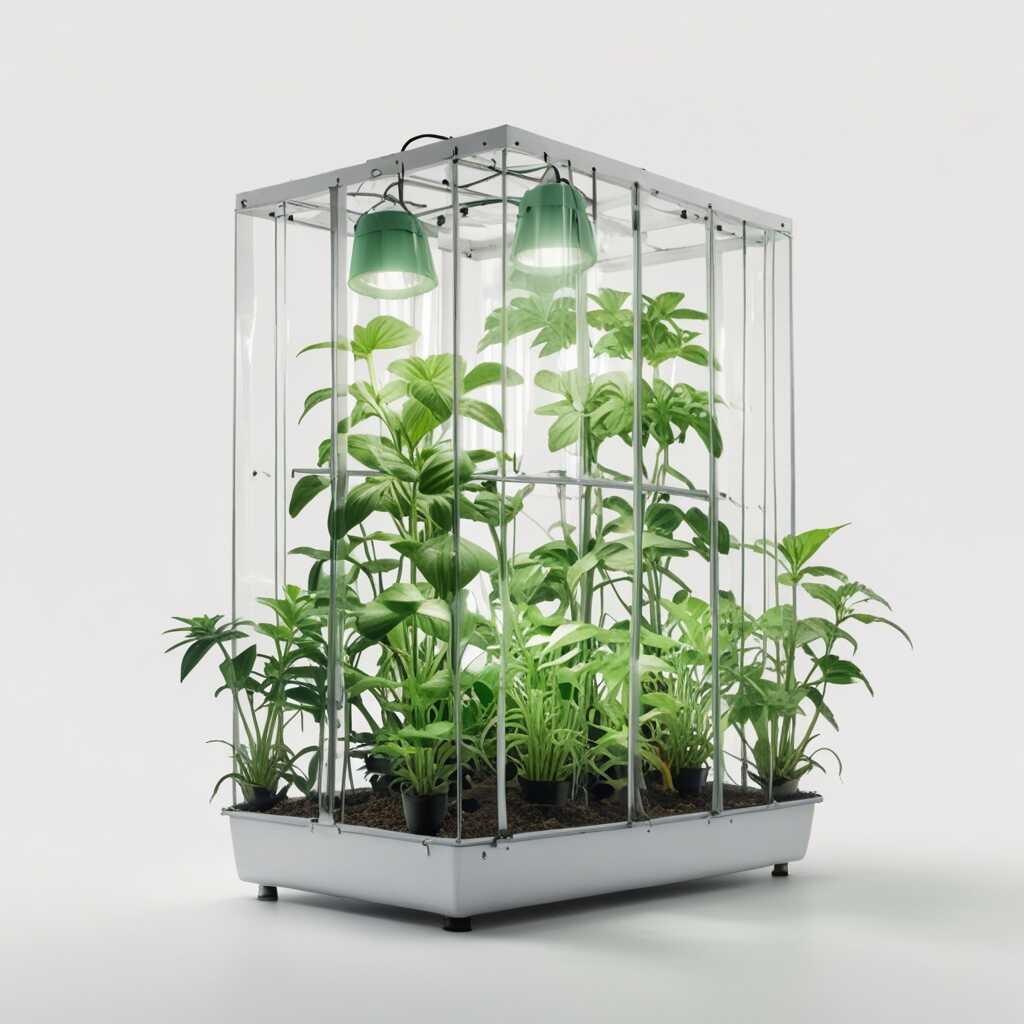
Choosing the right grow light involves understanding the specific needs of your herbs. Light spectrum requirements vary from one herb to another. For example, basil prefers a full spectrum light that covers blue and red wavelengths. Mint thrives with similar light but requires slightly less intensity. Rosemary benefits from bright, warm light, which mimics its native sunny habitat. Generally, herbs should receive between 12 to 16 hours of light daily, with consistency enhancing growth rates and overall health.
Understanding Light Spectrum Needs for Popular Culinary Herbs
Each culinary herb has unique light spectrum needs. Basil requires a balanced spectrum of blue and red light to support strong leaf growth. Mint benefits from moderate light intensity, focusing mainly on blue light during germination. Rosemary, being a Mediterranean plant, does best with more warm light, using red wavelengths to enhance flower production and oil concentration. Consider using full spectrum LED grow lights as they easily provide the necessary wavelengths and adjust for each herb’s growth stage.
Important Statistics for Indoor Herb Cultivation
- LED grow lights can reduce energy consumption by up to 80% compared to traditional bulbs.
- Herbs need 12-16 hours of light daily for optimal growth when indoors.
- Plants can absorb light wavelengths between 400-700nm, crucial for their development.
- Full-spectrum lights can last over 50,000 hours, providing long-term savings.
- One grow light can effectively cover a 2×4 foot area for herb growth.
- The ideal temperature range for indoor herbs is between 65-75°F.
- Hydration intervals can increase by 30% under optimized grow light conditions.
Utilizing Vertical Space for Indoor Gardening Effectively
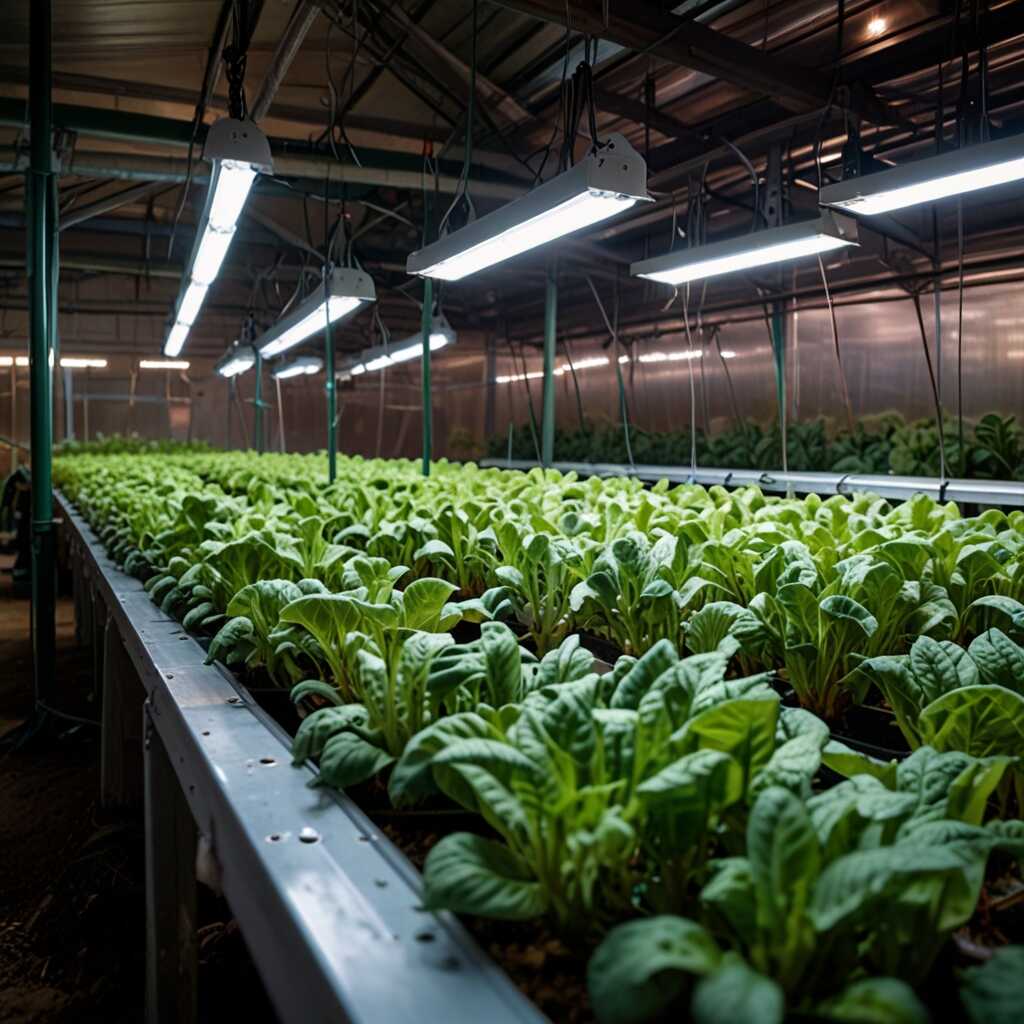
To maximize vertical space for growing herbs indoors, you can use wall-mounted planters, shelves, or hanging pots. These solutions are designed to ensure adequate light exposure for all plants. Consider vertical gardening systems like pocket planters or hydroponic towers. These systems can support various herbs, such as basil, mint, and cilantro, while using grow lights efficiently. Using LED grow lights offers the reliability needed for consistent herb growth. You can grow up to 12 herbs per square foot with effective vertical gardening.
Choosing the Right Vertical Gardening System for Herbs
Selecting a suitable vertical gardening system will significantly enhance your indoor herb garden. Look for systems that are easy to assemble and adjust for light levels. Hydroponic towers provide excellent drainage while allowing for easy access to nutrients. Shelving units with integrated LED grow lights ensure that each herb receives optimal light. A good rule is to space herbs vertically 6-12 inches apart to allow for air circulation and light penetration. This setup can improve growth rates and create a reliable indoor gardening experience.
Determining Optimal Light Exposure Time for Herbs
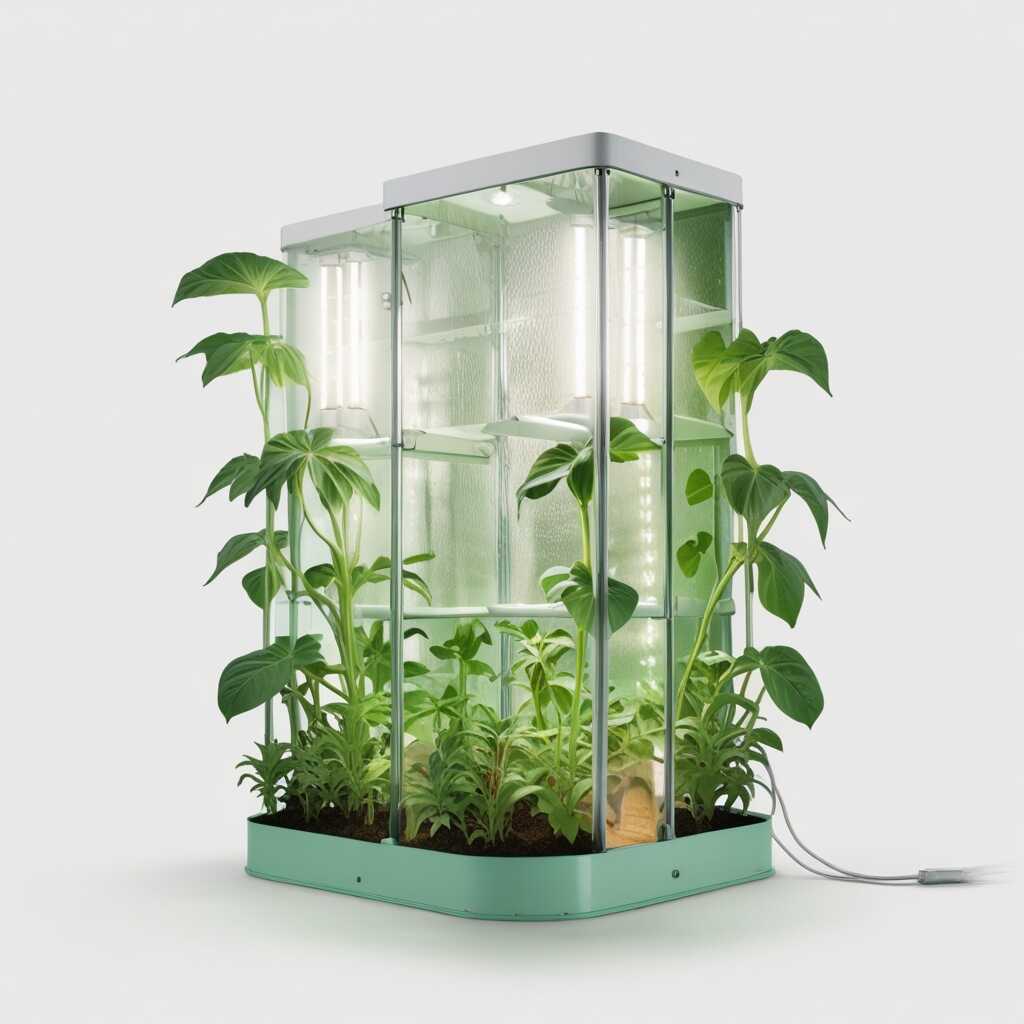
Indoor herbs typically require about 12 to 16 hours of light exposure each day. However, this duration varies based on the specific type of herb. For instance, herbs like basil and parsley thrive with 14 to 16 hours of light, while cilantro prefers around 12 hours. It’s essential to tailor your lighting schedule to the specific growth stage of each herb. For seedlings, a longer exposure of around 16 hours can enhance their growth, while mature plants may thrive with slightly reduced light. Using LED grow lights can improve energy efficiency while providing adequate light for optimal herb growth, allowing you to create effective lighting schedules that fit your indoor herb garden.
Understanding Growth Stages of Indoor Herbs
Indoor herbs experience distinct growth stages, including germination, vegetative growth, and flowering. During germination, sprouts need 16 hours of light to develop strong roots. As they transition into the vegetative stage, maintaining 14 hours of light helps ensure robust leaf growth. Finally, if your herbs flower, such as basil, they may require about 12 to 14 hours to support blooming. These different light needs highlight the importance of adjusting your lighting schedules to match the light exposure duration required for each stage. Utilizing full-spectrum LED lights can enhance the growth of herbs throughout all stages, proving essential in supporting a flourishing indoor garden and sustainable gardening practices.
Advantages of Using Grow Lights for Herbs
- Consistent light helps herbs grow healthier and stronger.
- Enhanced growth rates result from utilizing full-spectrum lighting.
- Better yields allow for larger harvests of fresh herbs.
- Flexible lighting setups accommodate various indoor gardening spaces.
- Year-round cultivation enables herbs to thrive outside seasonal limitations.
- Reduced pest problems arise when plants receive adequate lighting.
- Sustainable practices reduce the carbon footprint of indoor gardening efforts.
Avoiding Common Errors When Using Grow Lights
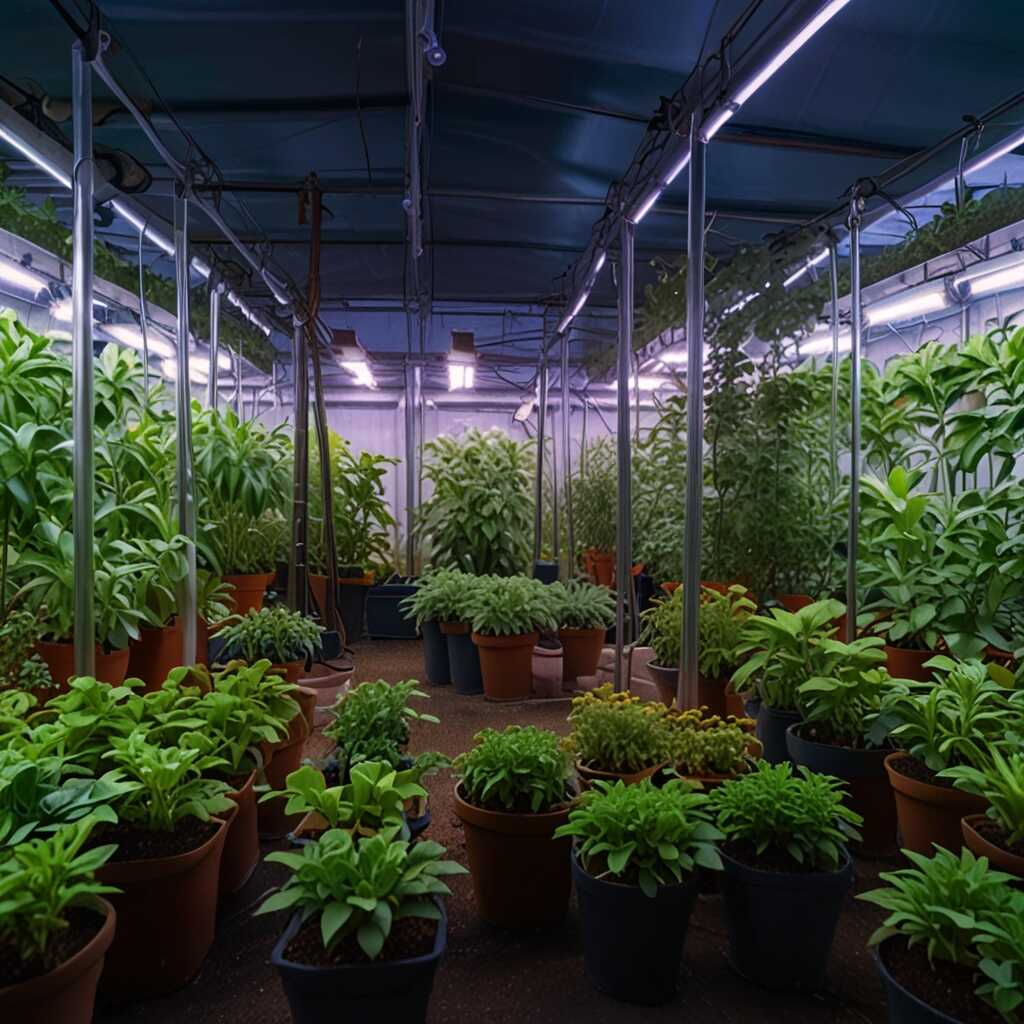
Common mistakes when using grow lights include choosing the wrong type of light for specific herbs, inadequate light duration, and improper height adjustments. Beginners often select grow lights without reviewing their output spectrum, which impacts plant growth. For example, using fluorescent lights instead of full spectrum LEDs can lead to poor growth results. Additionally, novice gardeners may not provide enough light hours, often using lights for fewer than the recommended 12 to 16 hours daily, which hinders optimal growth. Proper height adjustment is also crucial; positioning lights too close can cause leaf burn while placing them too far limits light exposure. Testing these factors ensures reliability in enhancing indoor herb cultivation.
Choosing the Right Grow Light for Your Herbs
Choosing the right grow light is essential for successful herb cultivation. Full spectrum LED lights are recommended because they provide light wavelengths that support all growth stages. For fragile herbs like basil, use lights that offer a warm white spectrum to enhance growth quality. For others like mint and cilantro, a mix of red and blue light can improve overall growth and yield. When selecting grow lights, consider energy efficiency as well. Modern LED grow lights are durable and can last over 50,000 hours while minimizing energy use. Evaluating these factors will help optimize your indoor garden’s performance and energy use.
Combining Grow Lights with Proven Indoor Gardening Methods
Integrating grow lights with organic soil enrichment significantly boosts indoor herb growth. Using nutrient-rich soil enhances nutrient uptake, while grow lights provide the essential spectrum for photosynthesis. This combination ensures your herbs receive optimal light and nutrients. Effective hydroponic systems also benefit from grow lights, providing a soil-free method that increases growth control. The ideal distance for grow lights above indoor herbs is generally 12 to 24 inches. This distance balances light intensity and helps prevent plant stress.
Exploring Organic Soil Enrichment Techniques for Indoor Herbs
Organic soil enrichment techniques involve using compost, worm castings, or organic fertilizers. These methods improve soil quality and promote beneficial microbe activity. High-quality soil works synergistically with grow lights, ensuring herbs thrive. Regular testing keeps nutrient levels adequate. Incorporating mycorrhizal fungi enhances root growth and nutrient absorption. This results in healthy, vibrant indoor herb gardens. Pairing enriched soil with full spectrum grow lights encourages robust growth by providing the right light wavelengths at every growth stage.
Popular Brands and Their Use Cases in Indoor Gardening
- Brand A specializes in energy-efficient LED lights, ideal for small herb gardens.
- Brand B offers affordable grow light kits suitable for beginners.
- Brand C provides high-quality full-spectrum lights favored by experienced gardeners.
- Brand D has adjustable features for larger spaces, perfect for commercial herb growers.
- Brand E focuses on compact designs, great for apartment dwellers.
- Brand F blends aesthetics with functionality, appealing to eco-conscious consumers.
- Brand G emphasizes durability, making it a choice for long-term indoor gardeners.
Embracing Sustainable Practices in Indoor Gardening
Eco-friendly methods in indoor gardening include using organic fertilizers, implementing water conservation techniques, and selecting energy-efficient grow lights. Organic fertilizers enhance plant growth with materials such as compost and worm castings. These sustainable options improve soil health. Water conservation techniques, like using self-watering pots, help maintain moisture while minimizing waste. LED grow lights are especially useful because they provide a reliable light spectrum while using less energy. A review shows that switching from traditional lighting to LED grow lights can save up to 80% in energy costs. This lower energy usage supports both environmental stewardship and lower utility bills.
Maximizing Efficiency with LED Grow Lights
LED grow lights are designed to maximize efficiency in indoor gardening by providing the full spectrum of light needed for different growth stages. These lights have proven reliability, lasting over 50,000 hours, which means fewer replacements and less waste. Research indicates that plants respond favorably to specific light wavelengths in the red and blue ranges, promoting stronger growth and better yields. As a plant care beginner, you may notice improved results, leading to a more satisfying indoor gardening experience. Green Writer provides reviews on various models to help you choose the best LED grow light for your herb plants, ensuring your indoor garden thrives sustainably.