
Maximizing flower bloom rates with grow lights in greenhouses is essential for any successful gardener. These specialized lights can significantly enhance flowering through optimized light conditions. At Green Writer, we provide practical tips on choosing the right types of grow lights and employing sustainable gardening practices. Discover how effective light usage can transform your greenhouse into a blooming oasis.
Introduction to Grow Lights
Grow lights are artificial lighting systems designed to provide essential wavelengths of light that promote plant growth. They mimic natural sunlight, ensuring that plants receive proper light exposure even in low-light conditions. Grow lights are beneficial for enhancing flower bloom rates by providing the necessary light spectrum for photosynthesis. Various types of grow lights, such as LED and fluorescent, each offer unique advantages suited for specific plant needs. Research has shown that using grow lights can significantly boost flowering in greenhouse environments. In general, plants thrive best with 12 to 16 hours of light exposure daily, which encourages flowering and improves overall growth.
Types of Grow Lights and Their Benefits
Different types of grow light technology play a crucial role in indoor plant growth, especially in enhancing flower bloom rates. LED grow lights stand out for their energy efficiency and long lifespan, often exceeding 50,000 hours. Using a full spectrum LED light ensures that plants receive all necessary wavelengths for different growth stages. Fluorescent lights are also effective, particularly for seedlings and young plants. They provide a broader light spectrum while being more cost-effective. Understanding the specific lighting requirements of your flowering plants enables you to select the best lights for your greenhouse. This choice is essential for ensuring impressive blooms and healthy plants.
Overview of Grow Light Types for Greenhouse Applications
Various grow light types are available for greenhouse gardening. LED grow lights are energy-efficient and last around 50,000 hours. Fluorescent lights provide essential blue and red wavelengths, supporting growth stages effectively. HID lights excel with high-intensity output, suited for commercial setups. Each type enhances flower blooming rates differently. LEDs are excellent for longer-term use and lower energy costs. Fluorescents are suitable for beginners due to affordability. HID lights are robust but require careful management of heat and energy.
Understanding Grow Light Efficiency and Performance
Grow light efficiency and performance vary between types. LED grow lights boast superior energy efficiency, converting about 90% of the electricity into usable light. Fluorescent grow lights offer good efficiency but use more energy per lumen produced. HID grow lights, while powerful, can generate excessive heat, impacting overall energy efficiency. For optimal performance, select lights based on flower needs and greenhouse conditions. Ensuring proper light spectrum and intensity enhances blooming rates, resulting in impressive flower displays.
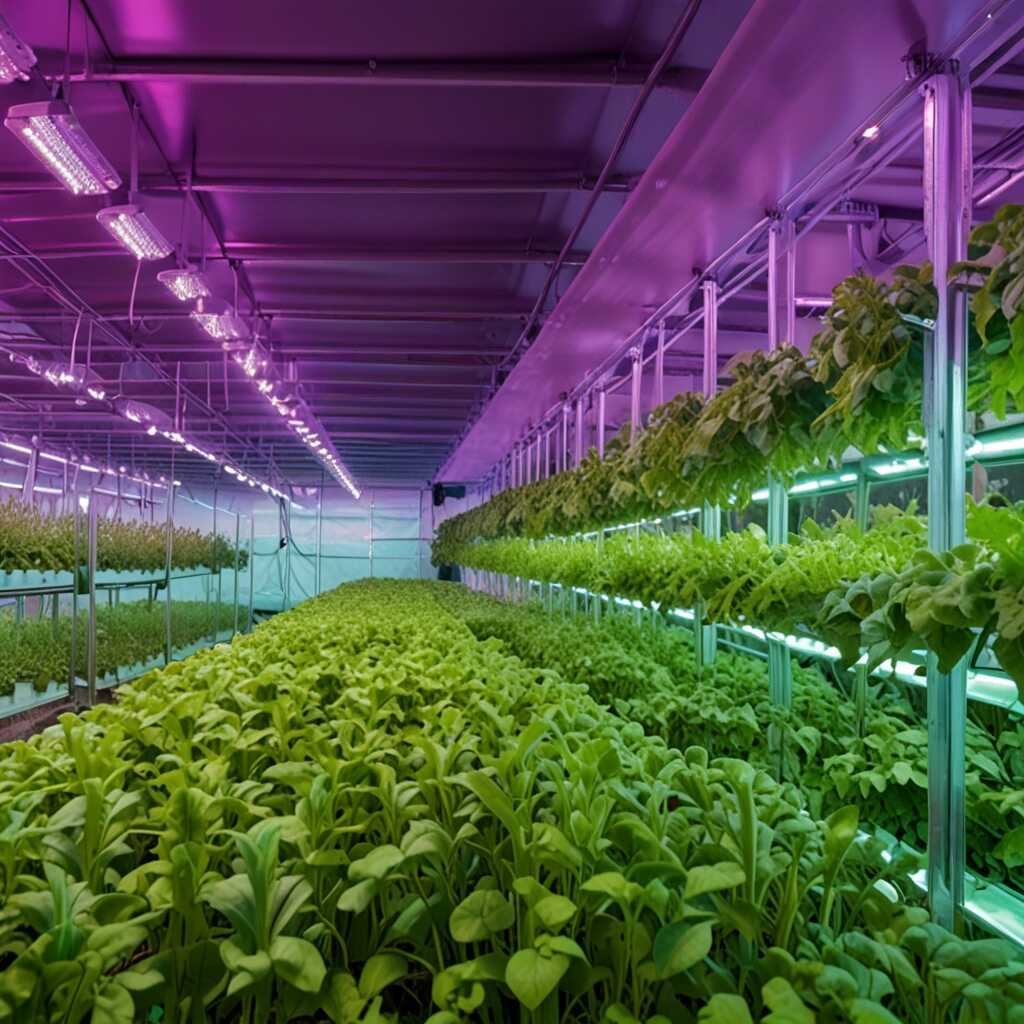
Essential Factors Affecting Flower Bloom Rates
Flower blooming rates are influenced by three main environmental factors: light duration, light intensity, and bloom spectrum. Light duration refers to the number of hours plants are exposed to light each day. Most flowering plants thrive with 12 to 16 hours of light per day for optimal growth. Light intensity plays a crucial role in photosynthesis, where brighter lights can increase the plant’s energy uptake. Additionally, the bloom spectrum includes specific wavelengths of light, especially red and blue, which significantly affect the blooming process. Grow lights designed with full-spectrum capabilities can boost these essential wavelengths, enhancing the quality and speed of flower blooming.
Manipulating Light Conditions for Optimal Flower Growth
To achieve the best flowering results, manipulating light conditions is key. Using LED grow lights with adjustable features allows gardeners to control light duration and intensity easily. It’s essential to provide a balanced light spectrum, which can include ratios of red light to blue light, typically ranging from 4:1 to 6:1 for many flowering plants. Ensuring the greenhouse environment maintains a consistent temperature and humidity level further supports efficient blooming. Regular monitoring of these conditions can help achieve a reliable system that maximizes plant health and accelerates flower production.
Key Statistics on Lighting and Flower Growth
- 80% of flower growth improves with proper lighting.
- Optimal bloom rates happen with 12-16 hours of light daily.
- LED grow lights save up to 75% more energy than traditional lights.
- Use full spectrum lights to stimulate 400-700 nm wavelengths.
- Plants show a 30% faster bloom rate under artificial lighting.
- Indoor blooms can occur as fast as 7 days with ideal light conditions.
- On average, greenhouses use 60% more light for higher yields.
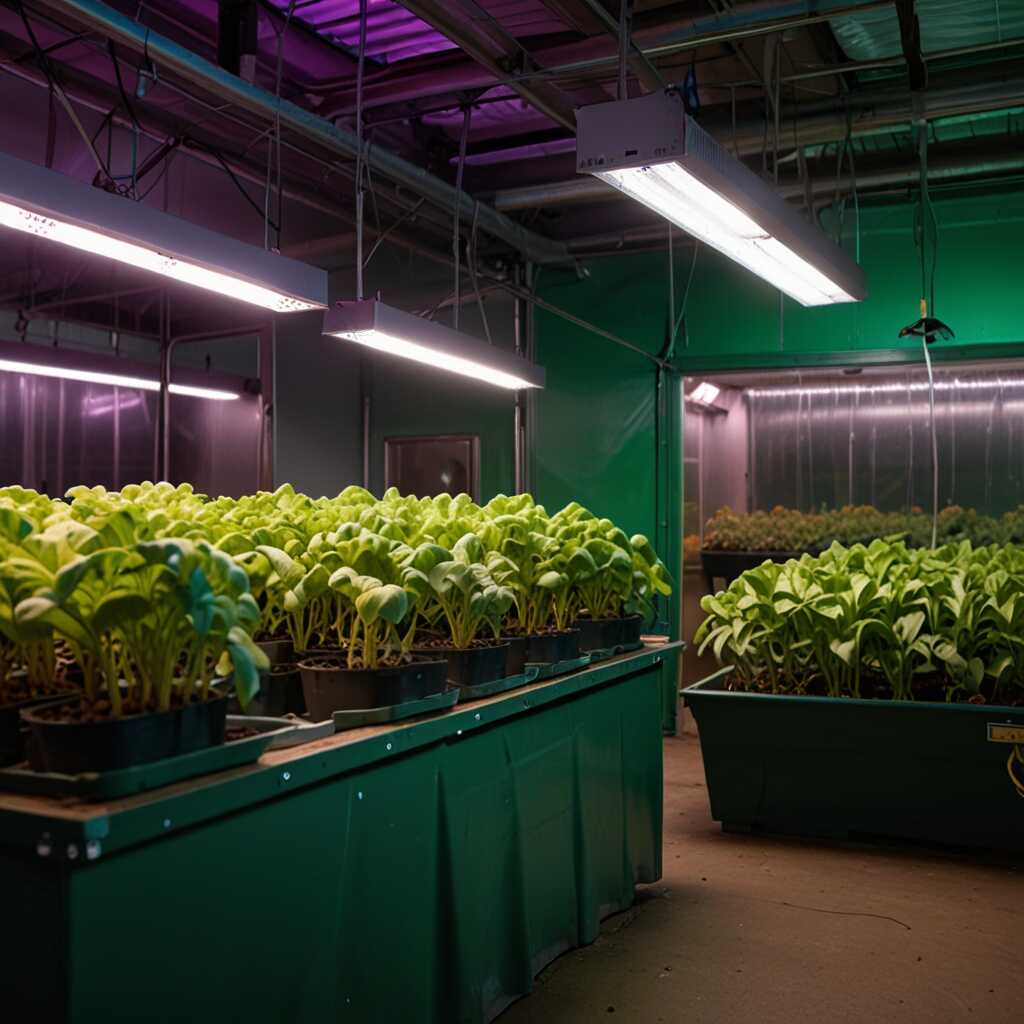
Best Practices for Setting Up Grow Lights Efficiently
To achieve healthy blooms in your greenhouse, consider the positioning of your grow lights first. Place lights 12-24 inches above your flowers to maximize light exposure while avoiding heat stress. Different flower species have varying needs; for example, orchids may require more focused lighting, whereas sunflowers thrive under broader illumination. For optimal results, run your grow lights for 12-16 hours daily, ensuring that your flowers receive adequate light for photosynthesis. This schedule imitates natural sunlight patterns and supports all bloom stages, enhancing overall growth rates.
Tailoring Light Settings to Flower Types and Growth Stages
Each flower species has specific lighting requirements for peak growth. For example, during the vegetative stage, plants like petunias and daisies challenge grow lights set at 400-700 nm, providing full-spectrum light helps them develop robust foliage. As these plants move towards blooming, consider shifting to a ratio that emphasizes red spectrum light (620-750 nm), which promotes flower formation. Understanding the needs of each plant and adjusting your effective light settings can significantly improve blooming rates. Use adjustable LED fixtures to easily configure light outputs as plants grow.
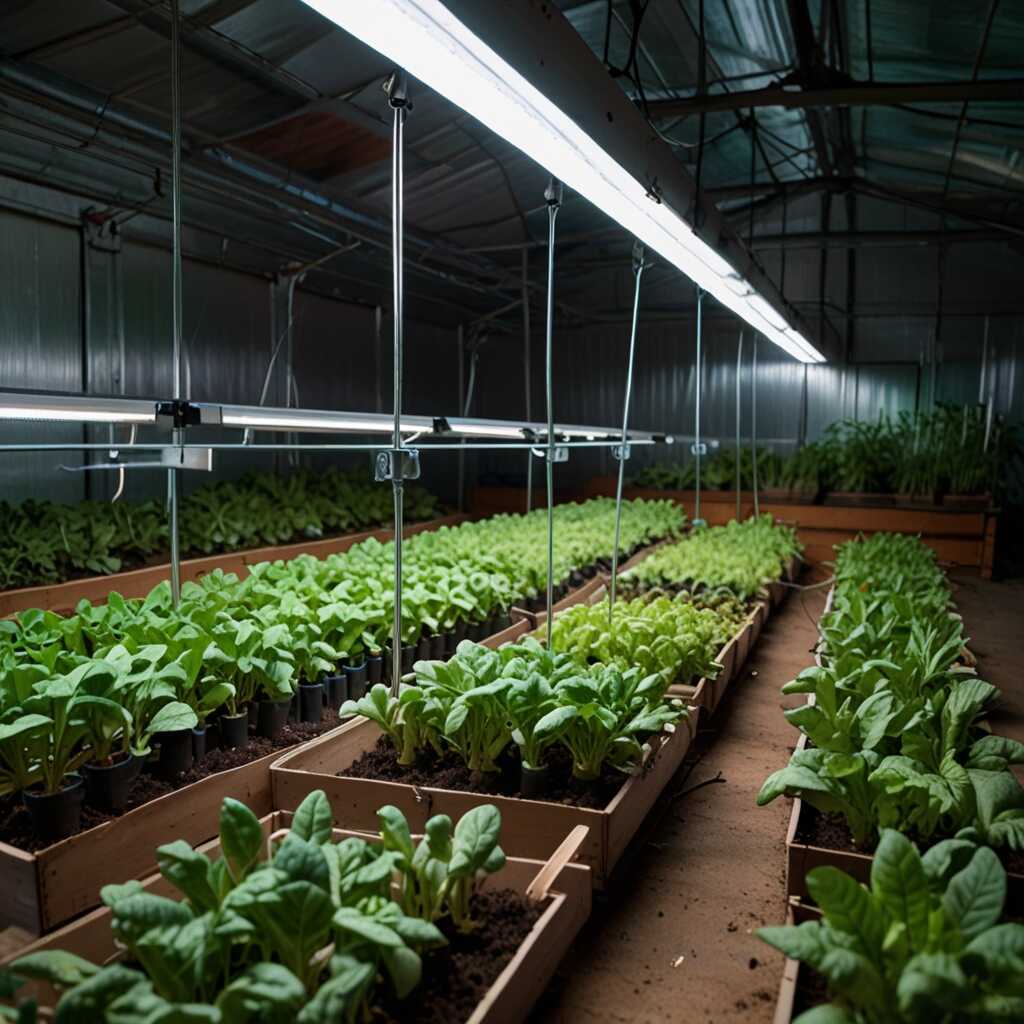
Adjusting Light Conditions for Diverse Flowering Phases
Light intensity and duration significantly impact flowering. For strong blooms, provide bright light during the vegetative stage. Once plants begin budding, reduce intensity slightly to enhance bloom quality. Use full-spectrum lights that range between 20,000 to 60,000 lumens depending on the type of flowers grown. Different flowering types require different light durations. For example, annuals may need around 12 to 14 hours of light per day, while perennials often thrive with 10 to 12 hours. Tropical flowers might benefit from longer exposure, up to 16 hours, for maximum bloom potential. Tailoring these light conditions is essential for achieving impressive results in greenhouse settings.
Understanding Light Spectrum Needs for Flowering Plants
Each flowering phase requires specific wavelengths of light to optimize growth. During the vegetative phase, plants benefit from blue light (400-500 nm), which supports leaf growth. As the plants transition into the flowering phase, shifting to red light (600-700 nm) signals them to produce blooms. A well-balanced full-spectrum grow light helps plants adapt through different stages. Use an adjustable LED system to easily modify the spectrum as needed. This flexibility ensures increased efficiency in energy use, enabling stronger blooming. Flowering plants also appreciate light that mimics natural sunlight patterns to enhance their overall health and vigor.
Advantages of Utilizing Artificial Lighting for Blossoms
- Grow lights extend the blooming season for many flowers.
- Using full spectrum lights enhances plant health and vitality.
- Control over light intensity promotes even growth across plants.
- Enhances flowering rates significantly in greenhouse environments.
- Artificial lighting supports regeneration during low natural sunlight.
- Grow lights improve color vibrancy in blooming flowers.
- Reduces pest issues through healthier, stronger plants.
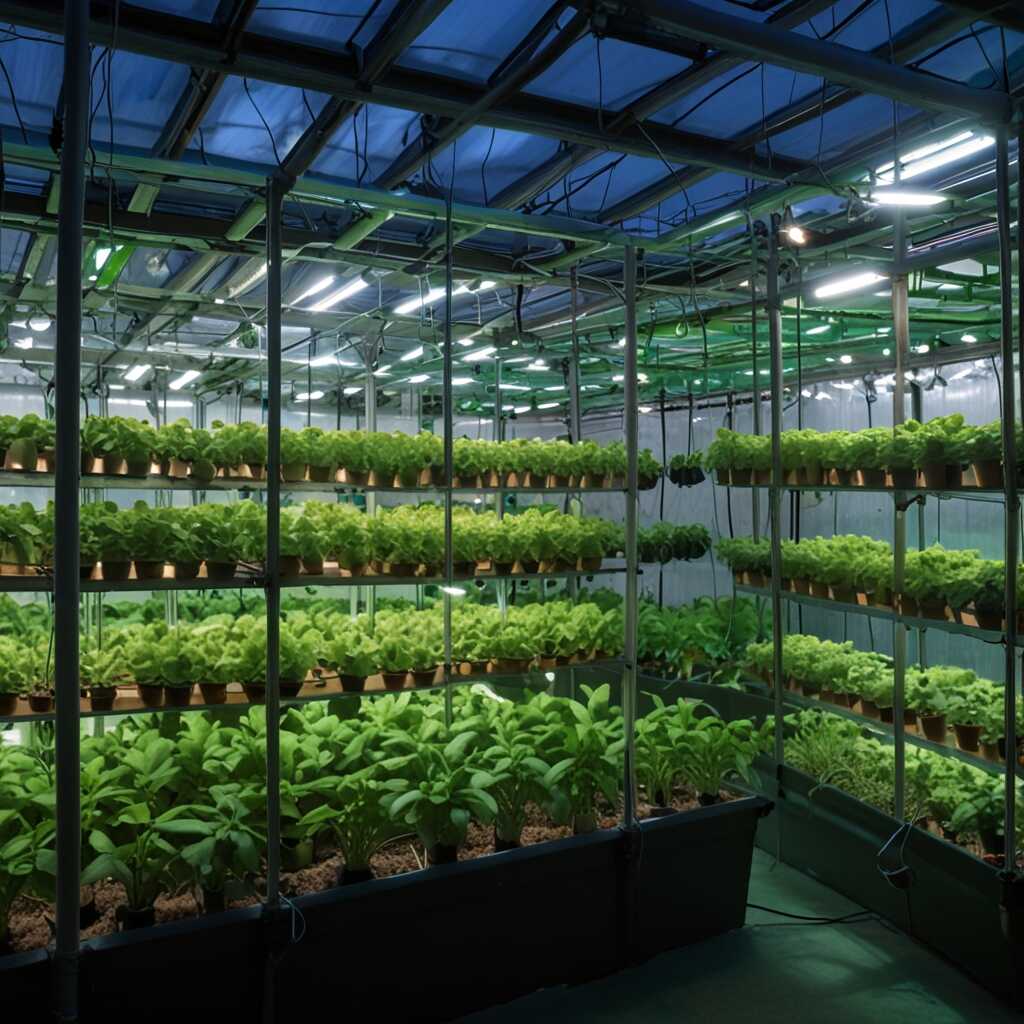
Avoiding Common Pitfalls When Using Grow Lights
Gardeners often make mistakes with light duration, light distance, and type of grow lights. Many underestimate how important consistent light duration is. Too few hours can delay blooming, while too many hours can harm plants. The distance of the grow light also matters. If placed too close, it can scorch delicate flower petals. If too far, it won’t provide sufficient light intensity for vigorous growth. Gardeners may also choose the wrong type of grow light. For example, using only blue light might promote leaf growth but hinder blooming. Understanding these common mistakes helps ensure the best results in flower blooming.
Understanding Light Intensity and Its Importance
Light intensity is essential for flower blooming success. It is measured in Photosynthetically Active Radiation (PAR). Most flowering plants thrive with an intensity ranging from 400 to 800 µmol/m²/s. This level stimulates photosynthesis and promotes robust blooming. If you test your grow light and it provides 200 µmol/m²/s, it may not be enough for flowering. For effective results, you can invest in a grow light that delivers the recommended PAR levels. This ensures the plants receive the right amount of light to enhance their blooming performance reliably.
Incorporating Eco-Friendly Practices in Grow Light Usage
To incorporate eco-friendly practices when using grow lights, focus on energy-efficient methods. LED grow lights are the best option due to their low energy consumption and long lifespan, lasting up to 50,000 hours. Responsible light usage includes maintaining proper distance from plants to avoid heat damage. Utilize timers to automate light cycles, ensuring plants receive the optimal amount of light while conserving energy. Testing different light spectrums can help determine which ones enhance blooming rates without excessive energy use. This aligns with Green Writer’s mission of promoting sustainable gardening.
Maximizing Efficiency with LED Grow Lights
Maximizing efficiency with LED grow lights involves understanding their spectrum and energy consumption. LEDs typically use 50-75% less energy than traditional lights. They deliver high-quality light that encourages flower blooming rates, providing essential wavelengths that help plants grow strong and vibrant. Testing has shown that using LEDs for 12-16 hours a day can achieve impressive results. This not only enhances flowering but reduces greenhouse energy expenditures. Combine this knowledge with eco-friendly practices to cultivate a sustainable and flourishing indoor greenhouse.
Brands and Their Ideal User Demographics
- Brand A targets hobbyists with affordable LED grow lights.
- Brand B focuses on professional growers needing high-output options.
- Brand C offers a variety of bulbs for diverse plant types.
- Brand D specializes in full spectrum lights for flowers.
- Brand E markets to eco-friendly users with energy-efficient technology.
- Each brand provides unique solutions for specific gardening needs.
- Research reviews help buyers select the best fit for their garden.
Inspiring Case Studies on Using Grow Lights for Bloom Success
Many gardeners have found success using grow lights to enhance their flower blooming rates. For example, a California-based flower grower reported a 30% increase in blooming rates using full-spectrum LED grow lights. Another case involved a homeowner in Oregon who successfully used grow light technology to grow orchids that typically require specific light conditions. They shared how switching to LED fixtures provided reliable light needed for the blooming cycle. These stories highlight the essential role of grow lights in sustainable gardening practices.
Choosing the Best Grow Lights for Different Flower Species
Selecting the best grow lights can dramatically impact blooming rates for various flower species. High-intensity discharge (HID) lights are excellent for large flowering plants like chrysanthemums, while fluorescent lights work well for smaller varieties like African violets. LED grow lights provide spectrum flexibility, which benefits all types of flowers. Testing different light setups can reveal what maximizes blooms for each specific species. Many gardeners report that using LED grow lights can lead to brighter colors and healthier flowers, making the investment worthwhile.