
Grow lights are artificial lighting systems that provide specific wavelengths essential for medicinal plant photosynthesis and growth in greenhouse environments. These LED and fluorescent systems enable year-round cultivation by delivering controlled light spectrums, typically ranging from 400-700 nanometers, which maximizes plant health and enhances yields regardless of seasonal variations. Understanding how proper lighting supports the health of these plants is crucial for greenhouse growers and herbal medicine enthusiasts alike.
What Are Grow Light Systems for Medicinal Plants?
Grow light systems are specialized artificial lighting solutions designed to replicate and supplement natural sunlight for indoor plant cultivation. These systems typically consist of LED panels, fluorescent tubes, or High-Pressure Sodium (HPS) bulbs that emit specific light wavelengths between 400-700 nanometers. Modern grow lights feature full-spectrum capabilities, meaning they provide both blue light (400-500nm) for vegetative growth and red light (600-700nm) for flowering stages. The primary purpose is to maintain consistent photosynthesis rates when natural sunlight is insufficient, particularly during winter months or in enclosed greenhouse environments.
Key Components of Professional Grow Light Systems
Professional grow light systems include several essential components that work together for optimal plant health. The main fixture houses the LED chips or bulbs, while reflectors maximize light distribution across the plant canopy. Timer systems automate lighting schedules, typically providing 12-18 hours of daily illumination depending on plant growth stages. Heat management systems, including fans and heat sinks, prevent excessive temperature buildup that could damage sensitive medicinal plants. Many systems also include dimming controls and spectral adjustment features, allowing growers to customize light intensity and wavelength ratios based on specific plant requirements.
How Grow Lights Work to Enhance Plant Health
Grow lights work by emitting photosynthetically active radiation (PAR) that plants absorb through their chlorophyll to convert light energy into chemical energy. This process, known as photosynthesis, occurs most efficiently when plants receive the correct balance of blue and red wavelengths. Blue light stimulates vegetative growth by promoting leaf development and strengthening stems, while red light triggers flowering hormones and enhances fruit production. The consistent light exposure enables plants to maintain steady growth rates, typically increasing yields by 20-40% compared to natural sunlight alone in greenhouse conditions.
The Science Behind Light Spectrum and Plant Response
Different light wavelengths trigger specific physiological responses in medicinal plants through photoreceptors called phytochromes and cryptochromes. Blue light (400-500nm) activates cryptochrome receptors that regulate leaf expansion, stomatal opening, and chlorophyll production. Red light (660-730nm) stimulates phytochrome responses that control flowering timing, stem elongation, and seed germination. Far-red light (700-800nm) influences plant architecture and helps prevent compact, stunted growth. Understanding these wavelength effects helps optimize lighting schedules for maximum medicinal compound production in herbs like echinacea, chamomile, and lavender.
Benefits of Using Grow Lights for Medicinal Plants
The primary benefits of using grow lights include extended growing seasons, increased yields, and improved plant quality through controlled environmental conditions. Grow lights eliminate dependence on weather patterns and seasonal daylight variations, enabling consistent year-round production. Energy-efficient LED systems consume 50-80% less electricity than traditional HPS lights while providing superior light quality and longevity exceeding 50,000 hours. These systems also reduce pest and disease pressure by allowing indoor cultivation, while providing precise control over light intensity, duration, and spectrum to optimize medicinal compound concentration in herbs.
Maximizing Growth with LED Technology Advantages
LED grow lights offer significant advantages over traditional lighting technologies for medicinal plant cultivation. They produce minimal heat output, reducing cooling costs and preventing leaf burn that commonly occurs with HPS systems. LED systems provide instant on-off capabilities without warm-up periods, enabling precise photoperiod control crucial for flowering regulation. The modular design allows for easy expansion and customization, while the focused light output reduces energy waste through better canopy penetration. Many LED systems also feature programmable controls that can simulate sunrise and sunset conditions, reducing plant stress and improving overall health.
Cost Analysis of Grow Light Systems
Grow light system costs vary significantly based on coverage area, technology type, and feature complexity. Basic LED panels for small greenhouse setups typically range from $100-300 per 100 square feet of coverage, while professional-grade systems cost $300-800 for the same area. Operating costs depend on electricity rates and usage hours, with LED systems consuming approximately 25-50 watts per square foot during operation. Monthly electricity costs typically range from $15-45 for a 100 square foot growing area, assuming 14-16 hours of daily operation. Initial investment costs are usually recovered within 2-3 years through increased yields and extended growing seasons.
Comparing Long-term Investment Returns
When evaluating grow light investments, consider both upfront costs and long-term operational expenses. LED systems have higher initial costs but lower operating expenses due to energy efficiency and longevity. Traditional HPS systems cost less initially but require frequent bulb replacements and consume more electricity. Over a 5-year period, LED systems typically cost 40-60% less than HPS when factoring in energy consumption, replacement parts, and cooling requirements. Professional growers often see payback periods of 18-24 months through improved yields and reduced crop losses.
Limitations and Challenges of Grow Light Systems
Despite their benefits, grow light systems have several limitations that growers should consider. High-quality LED systems require substantial upfront investment, which can be prohibitive for small-scale growers. Heat management becomes critical in enclosed spaces, potentially requiring additional ventilation systems that increase operational costs. Light intensity decreases with distance from the source, creating uneven coverage in larger growing areas unless multiple fixtures are properly positioned. Some plants may also experience light burn or photoperiod disruption if systems are not properly calibrated for specific species requirements.
Managing Common Technical Challenges
Technical challenges with grow light systems often involve maintaining proper light distribution and managing heat buildup. Inadequate spacing between lights can create hot spots that damage plant leaves, while insufficient coverage leads to weak, leggy growth in shaded areas. Power consumption can strain electrical systems, particularly in older buildings that may require electrical upgrades. Regular maintenance includes cleaning fixtures to prevent light output degradation and replacing components as they age. Proper timer programming is essential, as inconsistent photoperiods can stress plants and reduce medicinal compound production.
Who Should Use Grow Light Systems
Grow light systems are ideal for several types of growers and situations. Greenhouse operators in northern climates benefit most during winter months when natural daylight is insufficient for optimal plant growth. Indoor medicinal plant cultivators who lack adequate window space or live in urban environments with limited natural light find these systems essential. Commercial herb producers use grow lights to maintain consistent production schedules and quality standards year-round. Home gardeners interested in growing medicinal herbs like basil, oregano, and mint indoors also benefit from compact LED systems designed for small-scale cultivation.
Determining If Grow Lights Match Your Needs
Consider grow lights if you experience seasonal growing challenges, want to extend harvest periods, or need consistent plant production. They’re particularly valuable for growers in regions with short daylight hours, frequent cloudy weather, or harsh winter conditions. Urban gardeners with limited outdoor space or those growing high-value medicinal plants that require controlled conditions should evaluate these systems. However, casual gardeners with adequate natural light and outdoor growing space may find the investment unnecessary unless they want year-round production capabilities.
When to Implement Grow Light Systems
The optimal time to implement grow light systems depends on your growing goals and environmental conditions. Install systems before winter months in temperate climates to maintain plant growth during reduced daylight periods. New greenhouse construction offers the best opportunity to integrate lighting infrastructure with electrical and ventilation systems. Existing operations should consider upgrades when expanding production capacity or transitioning to higher-value medicinal crops. Seasonal growers benefit from installation during late summer to ensure seamless transition into winter growing cycles.
Timing Installation for Maximum Benefit
Plan grow light installation 4-6 weeks before you need supplemental lighting to allow for system testing and plant acclimatization. Fall installation works well for winter growing, while spring setup supports summer production in climate-controlled environments. Consider utility rebate programs that may offset costs, as many regions offer incentives for energy-efficient LED systems. Installation during off-peak growing seasons allows time for proper setup and staff training without disrupting active crop production.
Understanding Light Spectrum Requirements for Growth Stages
Light wavelengths play an essential role in the growth stages of medicinal plants, with different spectrums triggering specific physiological responses. Blue light (400-500nm) promotes vegetative growth by stimulating chlorophyll production and encouraging compact, bushy growth patterns ideal for leafy medicinal herbs. Red light (600-700nm) triggers flowering hormones and enhances essential oil production in aromatic plants like lavender and rosemary. Full spectrum lights that combine multiple wavelengths provide balanced nutrition throughout all growth stages, enabling plants to transition naturally from vegetative to flowering phases without light-related stress.
Customizing Spectrum for Different Medicinal Plants
Different medicinal plants have varying spectral requirements based on their natural growing conditions and intended harvest goals. Leafy herbs like basil and cilantro thrive under blue-heavy spectrums (5000-6500K) during vegetative growth, while flowering plants like echinacea require increased red light (2700-3000K) to promote bloom development. Some advanced LED systems allow spectrum adjustment throughout the growing cycle, providing blue-dominant light during early growth and shifting to red-dominant during flowering. This customization can increase active compound concentrations in medicinal plants by 15-25% compared to fixed-spectrum lighting.
Installation and Setup Guidelines
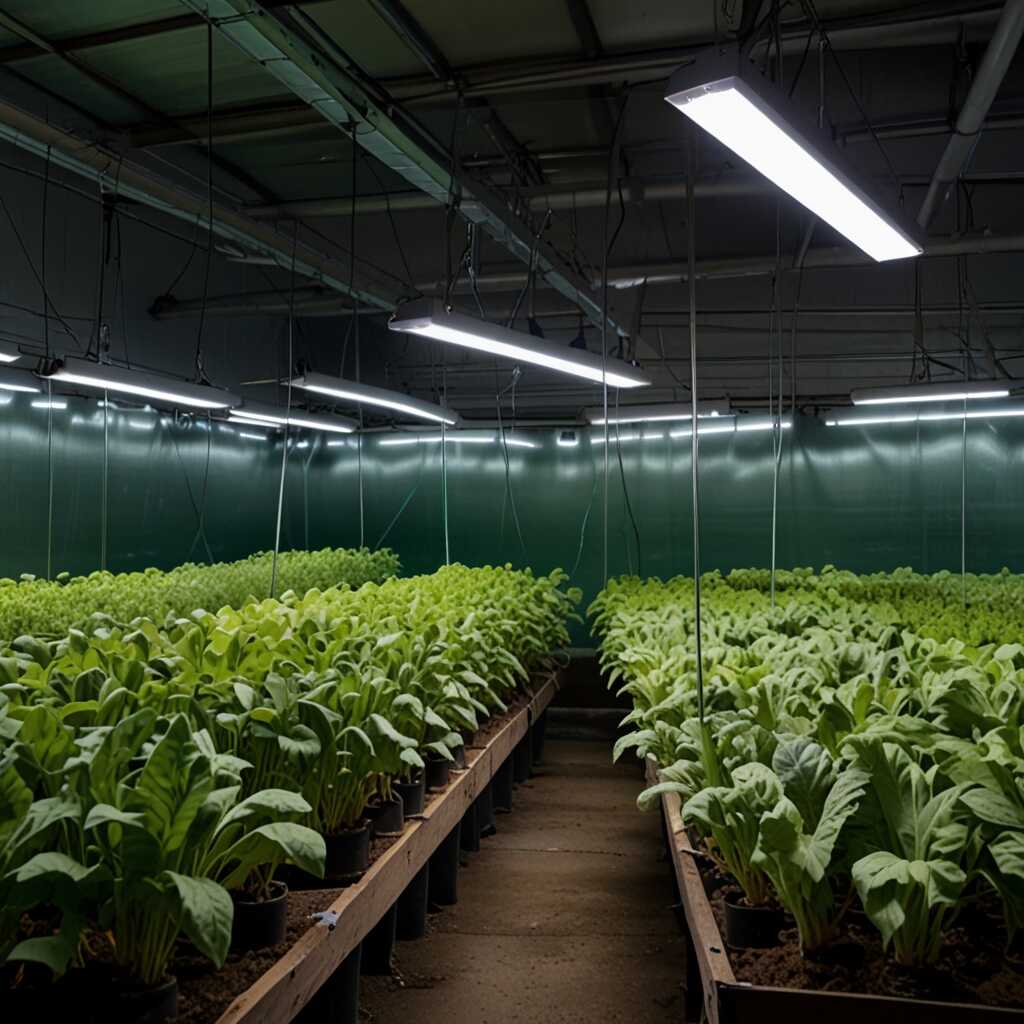
Proper installation of grow light systems requires careful planning of electrical requirements, ventilation needs, and light positioning. Most LED systems require 110-240V electrical connections with adequate circuit capacity to handle the total wattage load. Position lights 12-24 inches above plant canopies, adjusting height as plants grow to maintain optimal light intensity. Install timer systems to automate photoperiods, typically providing 14-16 hours of light during vegetative growth and 12 hours during flowering stages. Ensure adequate ventilation to manage heat buildup and maintain air circulation around plants.
Professional Installation Considerations
Professional installation ensures safety compliance and optimal system performance for larger grow light setups. Electrical work should meet local building codes and may require permits for high-wattage installations. Consider load balancing across multiple electrical circuits to prevent overloading and ensure reliable operation. Install emergency shut-off switches and ground fault circuit interrupters (GFCI) for safety in humid greenhouse environments. Professional installers can also optimize light placement and integrate controls with existing greenhouse automation systems.
Maximizing Energy Efficiency and Performance
Energy efficiency optimization involves selecting appropriate light intensity levels and implementing smart control systems that adjust output based on plant needs and ambient conditions. LED systems with dimming capabilities allow precise control over energy consumption while maintaining optimal growing conditions. Photosensor integration automatically adjusts artificial lighting based on available natural light, reducing unnecessary energy use during sunny periods. Regular maintenance including fixture cleaning and component replacement ensures maximum light output efficiency throughout system lifespan.
Smart Control Systems and Automation
Advanced grow light systems incorporate smart controls that optimize energy usage and plant health through automated adjustments. These systems can monitor environmental conditions including temperature, humidity, and natural light levels to adjust artificial lighting accordingly. Some controllers integrate with weather forecasts to pre-adjust lighting schedules based on expected cloud cover or storm conditions. Mobile app connectivity allows remote monitoring and control, enabling growers to adjust settings from anywhere and receive alerts about system performance issues or maintenance needs.
Avoiding Common Installation and Operation Mistakes
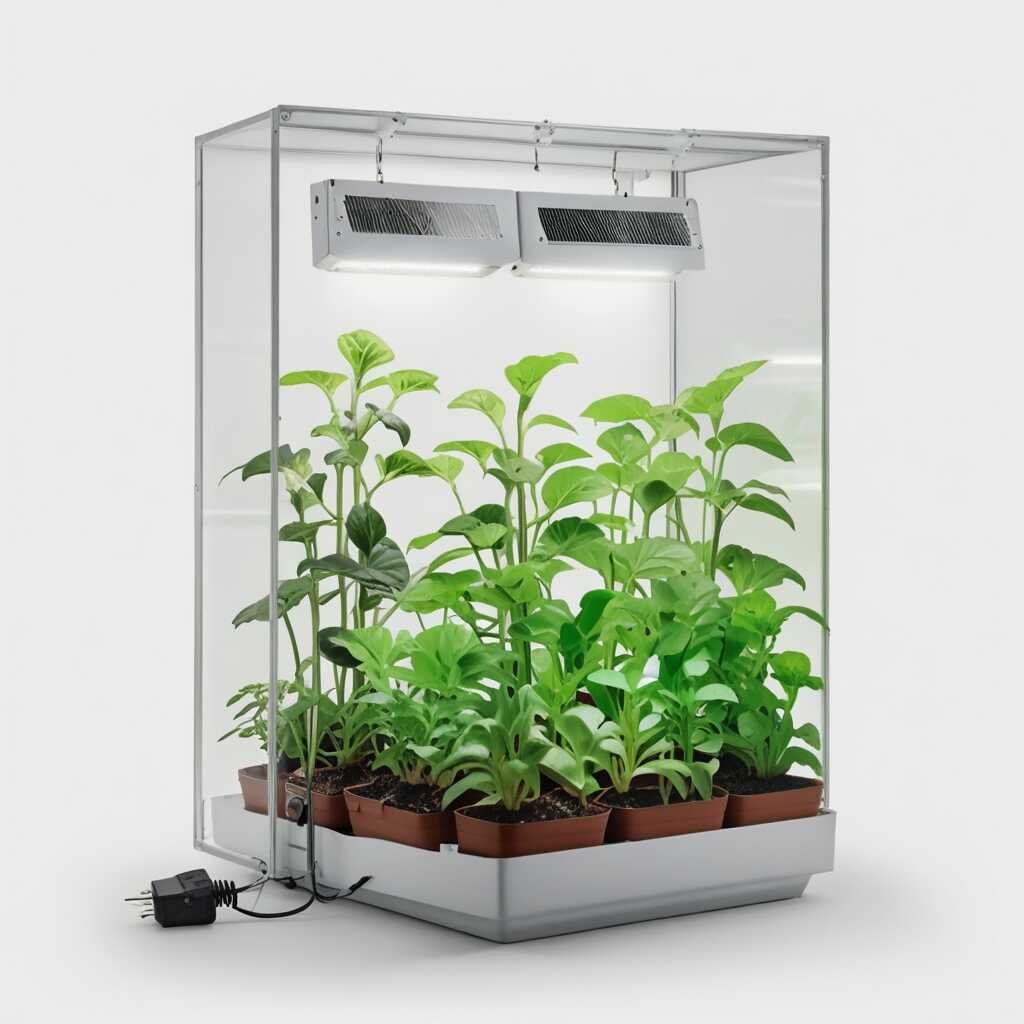
Common grow light mistakes include inadequate electrical planning, improper light positioning, and incorrect photoperiod programming that can damage plants or reduce system efficiency. Insufficient electrical capacity causes voltage drops that reduce light output and can damage LED drivers. Positioning lights too close creates heat stress and leaf burn, while excessive distance results in weak, stretched growth. Many growers also fail to account for light degradation over time, leading to gradually declining plant performance that goes unnoticed until yields drop significantly.
Troubleshooting Performance Issues
Performance issues often stem from inadequate maintenance, environmental factors, or system configuration problems. Dust accumulation on fixtures can reduce light output by 10-20% over time, requiring regular cleaning schedules. Temperature extremes affect LED performance and lifespan, making proper ventilation critical for system longevity. Inconsistent timer programming or power fluctuations can disrupt plant photoperiods, causing stress responses that reduce medicinal compound production. Regular system monitoring and preventive maintenance help identify issues before they impact plant health or harvest quality.
Alternatives to Artificial Grow Light Systems
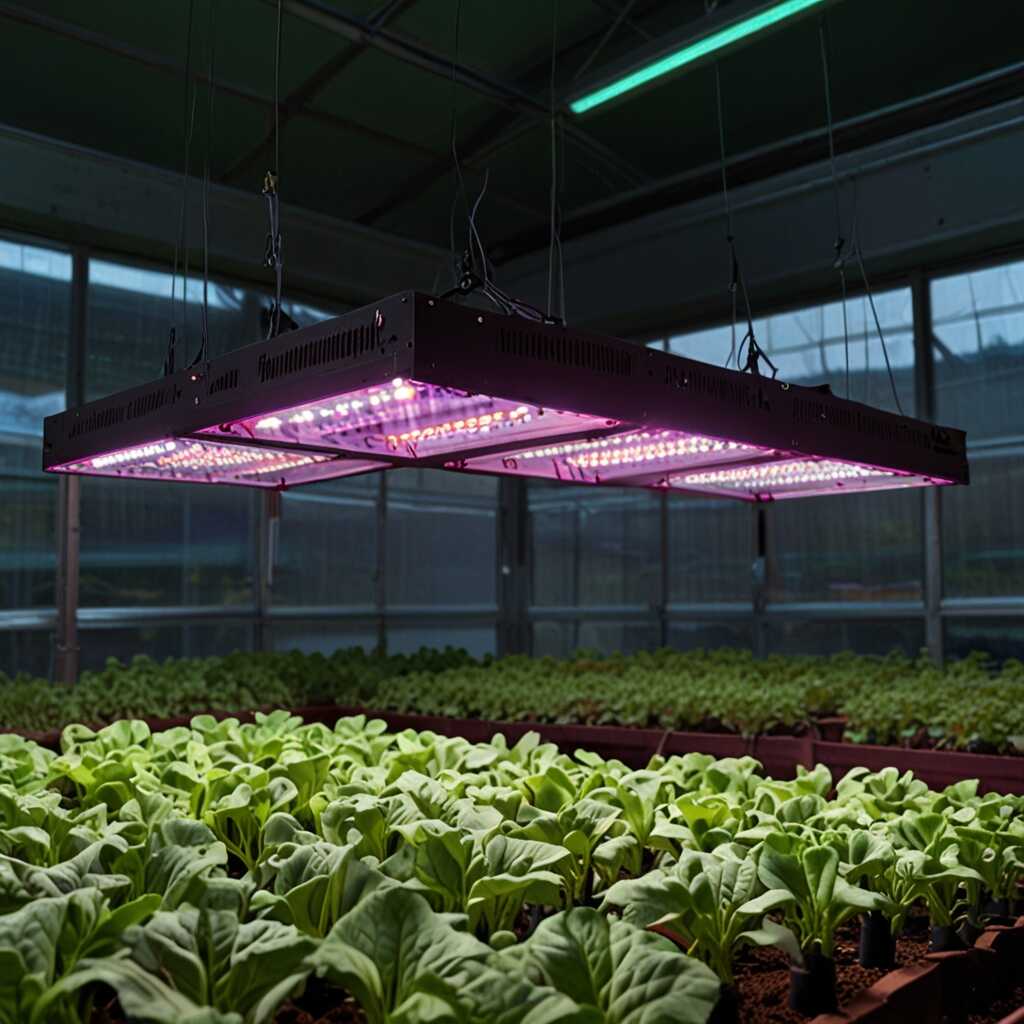
Several alternatives to artificial grow lights exist for medicinal plant cultivation, each with distinct advantages and limitations. Natural greenhouse construction with optimal glazing materials can maximize available sunlight while providing weather protection. Seasonal outdoor growing allows plants to benefit from full-spectrum sunlight but limits production to favorable weather periods. Cold frames and hoop tunnels extend growing seasons without electricity costs but offer limited environmental control. Some growers combine these methods, using grow lights only during peak winter months while relying on natural light during spring and summer.
Comparing Natural Light Optimization Methods
Natural light optimization involves greenhouse design elements that maximize solar radiation capture and distribution. South-facing orientations, reflective interior surfaces, and transparent glazing materials like polycarbonate or glass can significantly improve light transmission compared to standard structures. However, these methods cannot control photoperiod or compensate for seasonal variations in day length and light intensity. Climate considerations play a crucial role, as regions with frequent cloud cover or short winter days may find natural light insufficient for consistent medicinal plant production regardless of greenhouse optimization efforts.
Optimizing Light Cycles for Maximum Medicinal Benefits
Light cycle optimization directly impacts the concentration of active compounds in medicinal plants by influencing their natural circadian rhythms and metabolic processes. Most medicinal herbs require 12-18 hours of daily light during vegetative growth, with specific timing affecting essential oil production and therapeutic compound concentration. Photoperiod manipulation can trigger flowering in day-length sensitive plants like cannabis or enhance alkaloid production in herbs like echinacea. Consistent light cycles reduce plant stress and maintain stable growth rates, while strategic light interruption can sometimes increase secondary metabolite production in certain medicinal species.
Advanced Photoperiod Strategies for Herb Production
Advanced photoperiod strategies involve varying light duration and intensity throughout the growing cycle to maximize specific medicinal compounds. Some herbs benefit from gradually reducing photoperiods to simulate natural seasonal changes, triggering defensive compound production that enhances therapeutic properties. Light stress techniques, including brief periods of increased intensity or spectrum changes, can stimulate antioxidant production in plants like rosemary and thyme. These strategies require careful monitoring to avoid plant damage while achieving desired compound concentrations for medicinal applications.
Creating an Integrated Greenhouse Growing System
Successful medicinal plant production requires integrating grow lights with other environmental control systems including temperature regulation, humidity management, and air circulation. Coordinated control systems synchronize lighting schedules with heating and cooling cycles to optimize energy efficiency and plant health. Proper integration also involves selecting grow lights that complement existing greenhouse infrastructure, considering factors like structural load capacity, electrical service, and ventilation requirements. The goal is creating a balanced environment where artificial lighting works synergistically with natural systems to produce high-quality medicinal plants year-round.
Future-Proofing Your Greenhouse Investment
Future-proofing greenhouse lighting systems involves selecting scalable technologies that can adapt to changing needs and advancing LED capabilities. Modular LED systems allow for easy expansion or reconfiguration as growing operations change or improve. Consider systems with upgradeable control software and compatibility with emerging smart agriculture technologies. Energy efficiency continues improving in LED technology, so choosing systems with replaceable components ensures access to future improvements without complete system replacement. Investment in quality infrastructure pays long-term dividends through reduced maintenance costs and improved crop consistency.