
The “Essential Guide to Grow Light Timers and Automation for Indoor Gardening” provides key insights for optimizing plant growth. By understanding the right timers and automation systems, indoor gardeners can nurture their plants effectively. Green Writer focuses on practical solutions that enhance indoor gardening experiences and promote sustainability. Grow light timers and automation help improve efficiency while ensuring your plants receive the proper light they need.
Comprehending Grow Light Timers and Their Role in Gardening
Grow light timers are essential devices for controlling the amount of light indoor plants receive. They optimize growth cycles by ensuring plants get the right amount of light daily, mimicking natural sunlight. This consistency allows gardeners to enhance indoor gardening efficiency, ultimately leading to healthier plants. The timers also improve energy efficiency by turning lights on and off automatically, reducing electricity waste. For different setups, such as hydroponics or soil-based systems, timers can be programmed to adjust light duration, which helps achieve the best growth results. Choosing models with reliable features ensures maximum performance and reliability.
Determining Ideal Light Exposure for Healthier Plants
The optimal duration for grow light exposure typically ranges between 12 and 18 hours a day. For most plants, an 18-hour light cycle encourages strong vegetative growth, while a 12-hour cycle supports flowering stages. Understanding the specific needs of each plant is crucial. For instance, leafy greens thrive with longer periods of light, while some flowering plants prefer shorter durations. Using automated lighting systems equipped with flexible timers allows indoor gardeners to easily adjust the light exposure based on current seasonal changes or specific plant growth stages. This ensures a consistent growth environment for the healthiest results.
Exploring Various Types of Grow Light Timers Available Today
Grow light timers enhance indoor gardening efficiency. Mechanical timers are simple devices that switch lights on and off at set times. Digital timers offer programmable schedules with more settings. Smart timers connect to Wi-Fi, enabling control via smartphone apps. When choosing a timer, consider features like reliability, ease of use, and energy efficiency. The best options provide clear displays and multiple programming capabilities. The average price for mechanical timers ranges from $10 to $30, while digital and smart options can range from $20 to $100 or more, depending on features.
Key Features of Smart Grow Light Timers
Smart grow light timers offer advanced features that enhance indoor gardening. These timers easily connect to Wi-Fi, enabling remote access and control through smartphone applications. Users can program schedules from anywhere, ensuring plants receive the proper light when needed. Additionally, smart timers often include energy monitoring capabilities, allowing gardeners to track power usage and save money. Some models integrate with smart home systems, enhancing convenience. Features like voice control and notifications further improve user experience, making these timers a great investment for serious indoor gardeners.
Advantages of Automated Control Systems in Indoor Plant Care
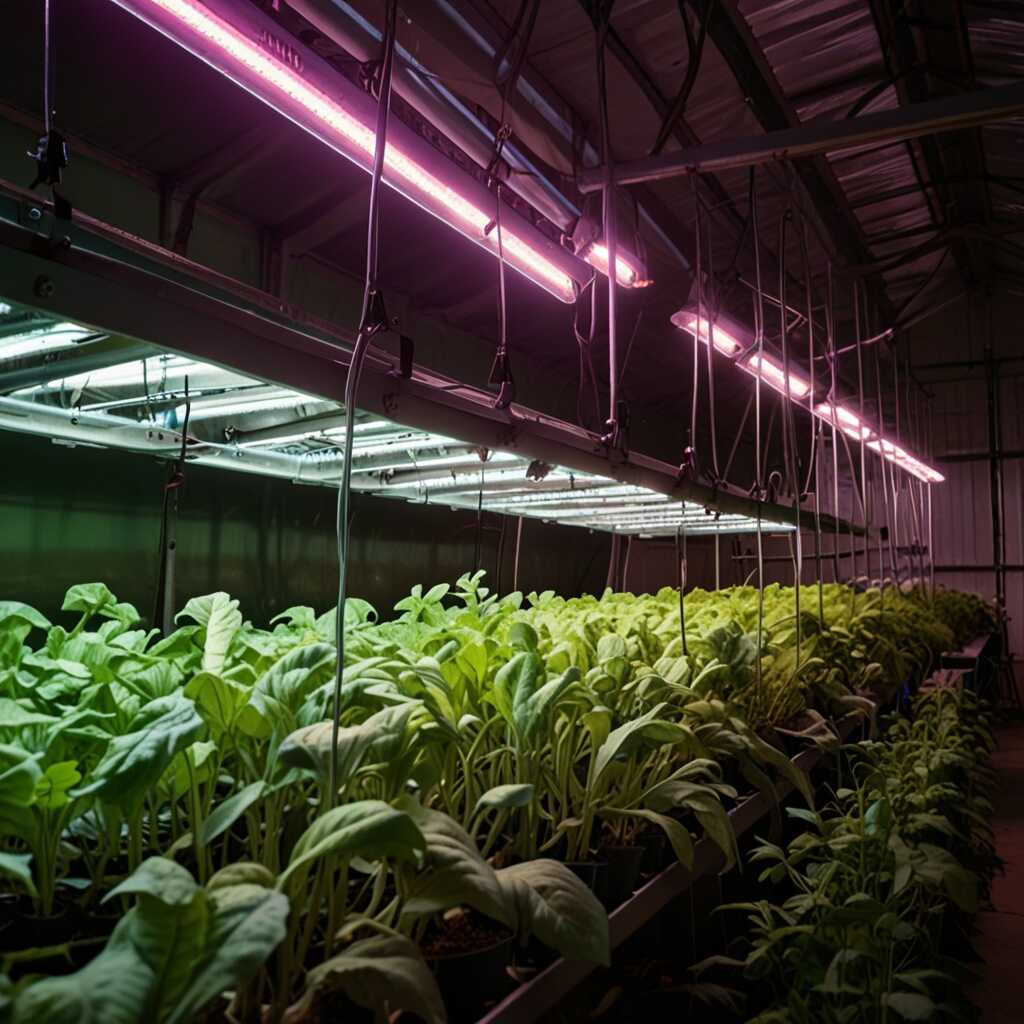
Automated control systems offer numerous benefits for indoor plant care. These systems simplify tasks like watering and lighting by providing consistent monitoring. Timers regulate light exposure, which is vital for plant growth cycles. Sensors track environmental conditions such as humidity and temperature, allowing for adjustments that promote healthy growth. This technology enhances the efficiency of plant care, reducing the risk of overwatering or insufficient light. User reviews highlight the reliability of automated systems, making them an essential tool for both novice and experienced indoor gardeners.
Understanding Different Types of Automated Plant Care Systems
Automated plant care systems include various devices such as timers, smart sensors, and mobile apps. Timers are straightforward devices that control lighting schedules, ensuring plants receive the optimal light duration for photosynthesis. Smart sensors monitor soil moisture and can send alerts through mobile applications. Users can easily adjust settings to enhance plant care. Quality systems can significantly improve plant health and growth rates. In 2023, many quality systems are available in a price range that fits different budgets.
Key Statistics for Effective Grow Light Management
- Effective timers can save up to 50% on energy costs.
- Plants typically need 12-16 hours of light per day for healthy growth.
- Automated systems can increase plant growth rates by 20-30%.
- Proper light schedules reduce the risk of plant stress and disease.
- LED lights can last 50,000 hours, significantly more than traditional bulbs.
- Using programmable timers can simplify daily plant care routines.
- Different plants require specific light intensity, often measured in lumens.
Key Features to Consider When Choosing Grow Light Timers
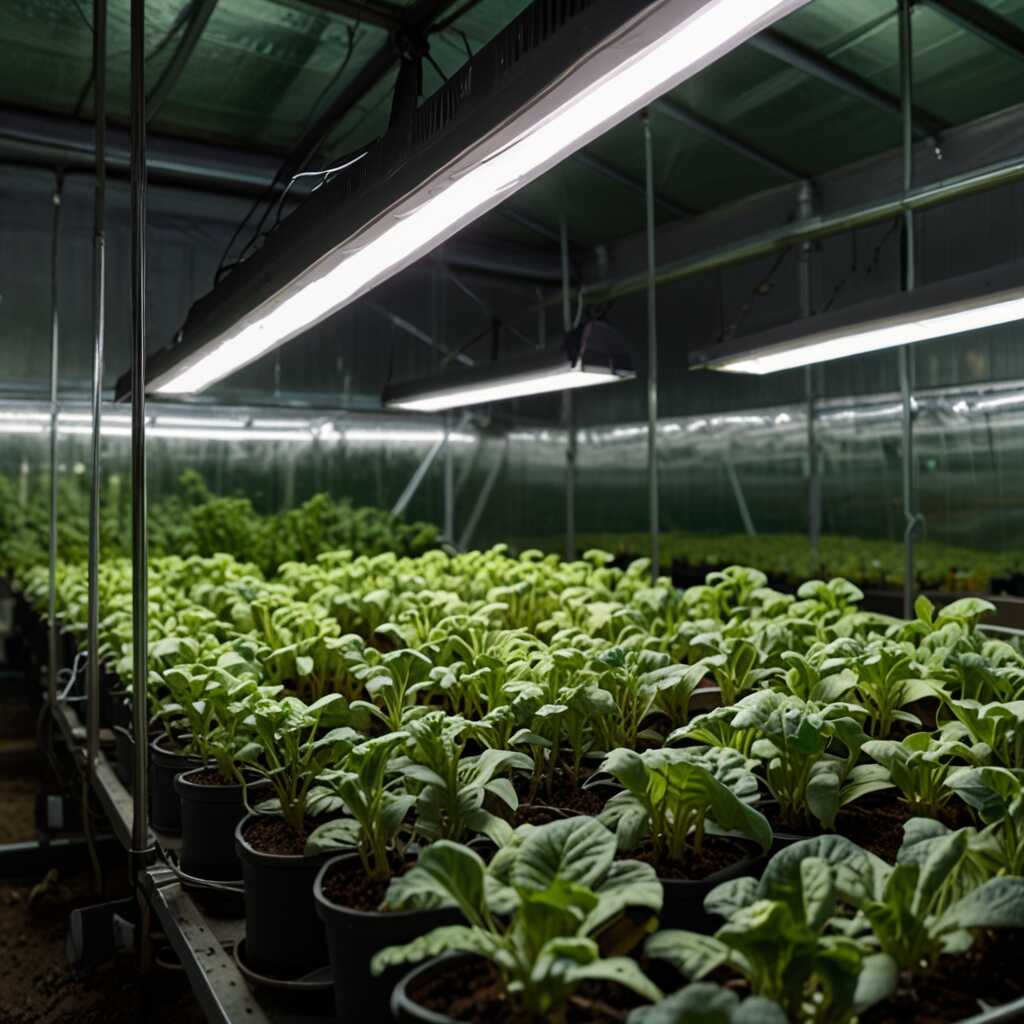
When selecting a grow light timer, users should consider features that enhance their indoor gardening experience. Look for reliability, which ensures the timer operates consistently. Programmable settings are essential; many timers can handle at least 7 to 8 multi-event programs, providing versatility in lighting schedules. Compare different brands for user reviews and expert testing data. This helps identify which products deliver the best performance. Durability is another key feature, enabling the timer to withstand long-term use. Quality timers often include backup batteries that protect settings during power outages, helping maintain a stable environment for plants.
Understanding Programmable Settings for Complete Control
Programmable settings play a vital role in managing light schedules effectively. A good grow light timer should offer multiple on and off settings, often providing at least 7 to 10 settings. This feature allows for adjusting light exposure according to the specific needs of different plant species. More advanced models may include sunrise and sunset simulations that replicate natural lighting conditions, enhancing plant growth. Users should look for timers with easy-to-use interfaces to quickly program the desired settings. These timers enhance efficiency and allow gardeners to focus on other aspects of plant care.
Step-by-Step Guide to Setting Up Grow Light Timers
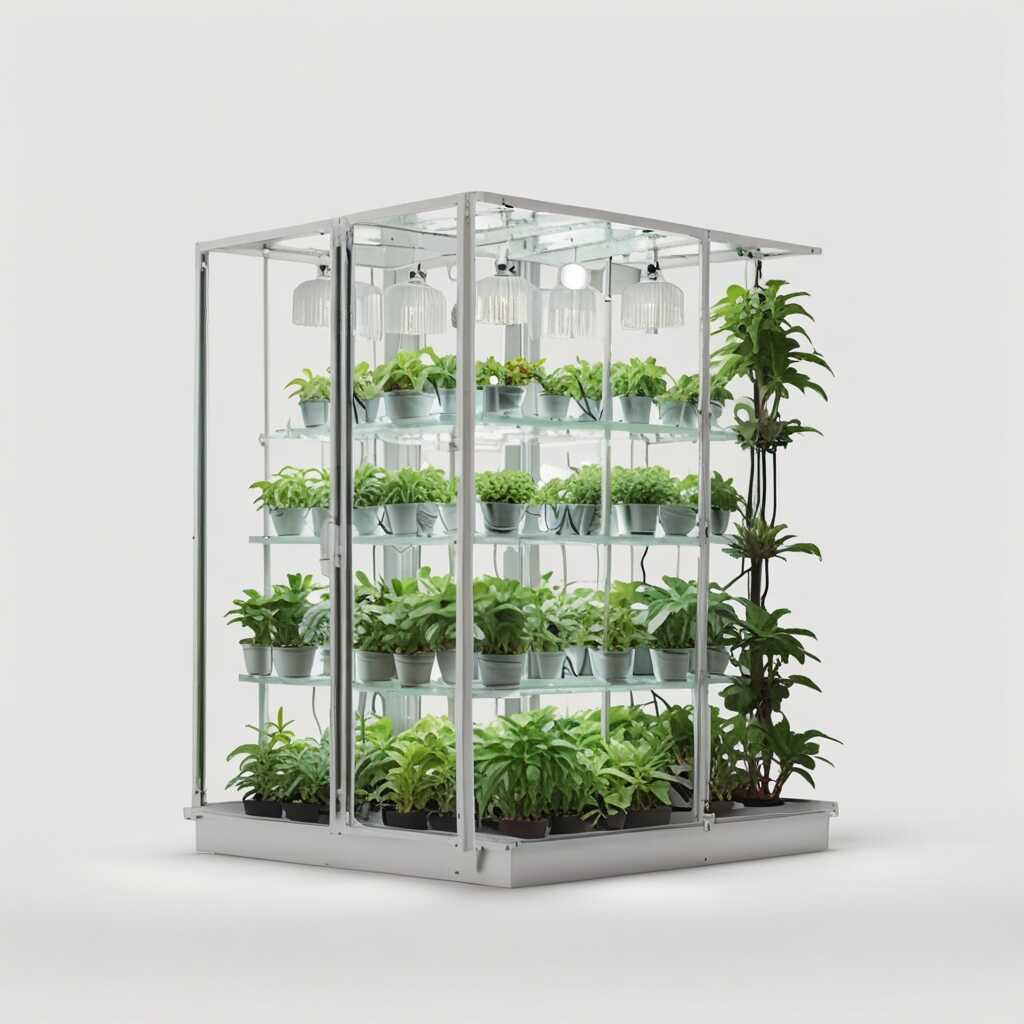
Selecting the right grow light timer can greatly enhance your indoor gardening experience. For different plant types and growth stages, programmable timers are often the best choice. They allow you to customize lighting schedules based on specific plant needs, ensuring optimal plant growth. Many gardeners recommend setting grow lights to run for 12 to 16 hours daily to mimic natural sunlight. This duration can vary depending on the plant species and their growth stages, making it essential to research each plant’s lighting requirements.
Choosing the Best Timer for Your Needs
Selecting the best grow light timer involves evaluating the features that each model provides. There are digital and mechanical timers available, but digital timers are often more efficient with their programmability. Look for timers that allow at least two daily settings to cater to different lighting needs throughout the growth cycle. Reliability is key, so ensure the timer has good reviews and a proven record of performance. A quality timer will enhance your indoor gardening efforts by maintaining a consistent lighting schedule tailored to your plants.
Advantages of Using Timers and Automation in Indoor Gardening
- Automated systems ensure consistent light exposure for plants.
- Cost savings on electricity bill through optimized lighting.
- Timers free up time for gardeners, allowing more focus on plant care.
- Grow light timers help avoid over- or under-lighting plants.
- Clarity in plant care leads to healthier and more vibrant growth.
- Automatic adjustments create a more natural environment for plants.
- Technology enhances overall indoor gardening experience and success.
Troubleshooting Common Issues with Grow Light Timers
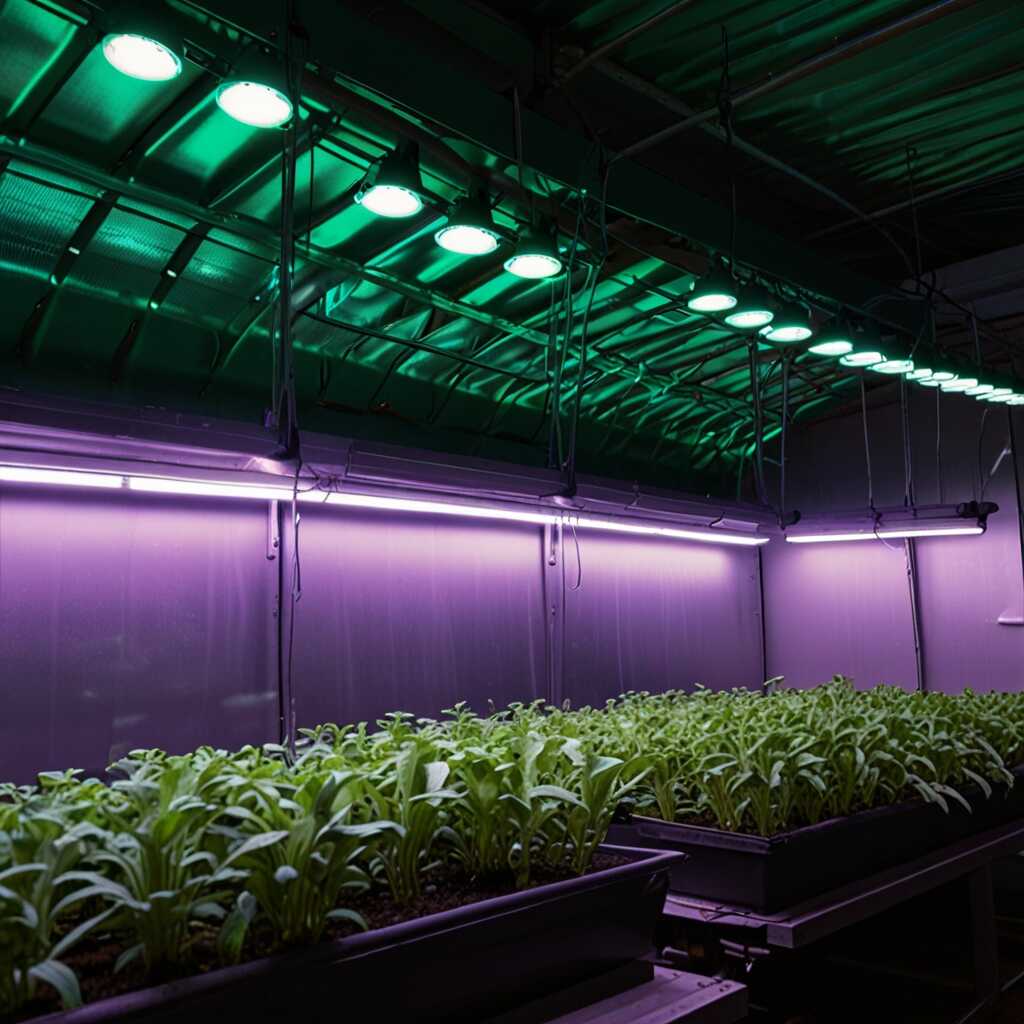
Common problems with grow light timers include malfunctioning settings, incorrect timing, and failure to activate. These issues can drastically reduce your indoor gardening efficiency. Solutions involve ensuring your timer is plugged in properly, checking and resetting settings, and testing the timer’s functionality with a simple appliance. Always conduct thorough testing before trusting your timer for extended periods. Doing routine reviews can enhance reliability, ensuring consistent light exposure for your plants.
Understanding Light Duration for Different Plant Types
The optimal hours of light needed for successful indoor gardening differ by plant type. Most seedlings require 14 to 16 hours of light daily, while flowering plants benefit from 10 to 12 hours under grow light timers. It is essential to adjust your timer settings based on your specific plants to provide the correct duration. This enhances growth and health. Use automated control systems for ease, allowing lights to turn on and off at specified times without manual intervention.
Seamlessly Integrating Automation into Your Gardening Practices
Automated grow light timers significantly improve your indoor gardening routine. They provide reliability by ensuring your plants receive consistent light exposure, essential for growth. Grow light timers can handle different light cycles, catering to plant needs throughout the day and night. Research shows that specific plant types benefit from varying light conditions, including herbs, flowers, and succulents. This versatility helps improve overall plant health and enhances your gardening experience. Reliable automation systems minimize the manual effort required for light adjustments, allowing you to focus on other aspects of gardening. A quality automated system often helps reduce energy costs by optimizing the light schedule based on sunlight availability, proving to be very efficient.
Choosing the Right Regulation for Your Plant Types
Choosing the right grow light timer is crucial for enhancing your indoor gardening routine. Different plants require varying light exposure levels. For instance, herbs like basil and mint thrive under about 12-16 hours of light daily. Conversely, succulents may only need around 10-12 hours, influenced by the light’s intensity. Understanding plant compatibility with specific grow light automation systems is essential for achieving great results. Some smart systems feature adjustable settings, making them suitable for diverse plant types. Quality reviews help you compare features, ensuring that you select devices that enhance plant growth and improve your indoor gardening experience.
Brands and Their Impact on Indoor Gardening
- Brand A offers smart grow lights with easy automation, but they can be pricey.
- Brand B provides budget-friendly grow lights, but they may lack advanced features.
- Brand C focuses on energy efficiency, appealing to eco-conscious users.
- Brand D sells highly adjustable lights that cater to various plant types.
- New gardeners often prefer user-friendly products for easier setup.
- Experienced horticulturists need advanced, customizable solutions for precise growth.
- Tech-savvy consumers enjoy integrating smart devices for full control.
Top Picks for Best Grow Light Timers in the Market
When selecting the best grow light timers, it helps to consider reliability, features, and user reviews. Highly recommended options include the WITLIGHT Digital Timer, which offers advanced programming features and an easy-to-read display. The BN-LINK Timer is praised for its durability and user-friendly design, making it perfect for beginners. The Century Timer is swift and efficient, ensuring your plants receive the necessary light cycle for optimal growth. Prices for quality grow light timers generally range from $15 to $30, providing excellent options regardless of your budget.
Key Features to Consider When Choosing Grow Light Timers
Essential features to look for in grow light timers include programmable schedules, multiple outlets, and durability. A user-friendly interface allows gardeners to set light cycles easily. Timers should handle high-wattage grow lights efficiently without overheating. Digital models offer precision down to the minute, ensuring the correct photoperiod for plants. Advanced models may include dusk-to-dawn settings and countdown timers for added flexibility.