
Welcome to the complete buyer’s guide to smart grow lights with remote control for greenhouses. This guide will help you choose effective and sustainable lighting solutions for your greenhouse needs. At Green Writer, we emphasize energy efficiency and ease of use when selecting these advanced grow lights. Discover how the right lighting can promote plant health while making environmentally friendly choices for your indoor garden.
The Importance of Smart Grow Lights for Optimal Plant Growth
Smart grow lights play a vital role in enhancing plant health and productivity in greenhouses. They provide the correct light spectrum needed for different growth stages like germination, vegetative, and flowering. Smart grow lights can adjust to evolving needs, ensuring that plants receive optimal light while conserving energy. For instance, LED technology offers efficient energy consumption and can last over 50,000 hours, making it both a reliable choice and environmentally friendly. Ensuring proper light exposure can improve growth rates, leading to a higher yield and healthier plants.
Understanding Light Spectrums in Smart Grow Lights
Different types of smart grow lights emit various light spectrums essential for effective plant growth. For example, blue light promotes vegetative growth, while red light is crucial during the flowering stage. Some advanced systems can automatically switch between these spectrums based on the plant’s growth requirements. Energy-efficient grow lights can handle these adjustments, using data from sensors or user inputs to provide the ideal environment. Research indicates that plants require 12 to 16 hours of light daily for optimal growth. This combination of spectrum management and reliable light duration enhances both plant health and yields.
Essential Features of Smart Grow Lights You Should Know
When selecting smart grow lights for your greenhouse, consider wattage requirements, light spectrum types, and smart grow light technology. An ideal wattage for effective plant growth ranges from 32-50 watts per square foot, depending on plant type and growth stage. Light spectrum types play an essential role; red light promotes flowering, blue light supports vegetative growth, and full spectrum lighting combines both for optimal plant development. Smart grow light technology enables remote control features, scheduling, and automation, enhancing the efficiency of your gardening efforts.
Understanding Light Spectrum Types and Their Impact on Plants
Different light spectrum types offer unique benefits for plant growth. Red light typically ranges from 620 to 750 nm and promotes flowering and fruiting. Blue light, between 400 and 500 nm, is vital for photosynthesis and leafy growth. Full spectrum lights encompass all wavelengths from UV to infrared, mimicking natural sunlight. This is particularly useful for diverse species with varying light requirements. Incorporating these light spectrum types ensures that each plant receives the optimal light needed for its growth cycle, improving overall health and yield. Research shows that plants exposed to tailored light spectrums can grow faster and stronger, making informed selection crucial.
Comparing Different Types of Smart Grow Lights Available
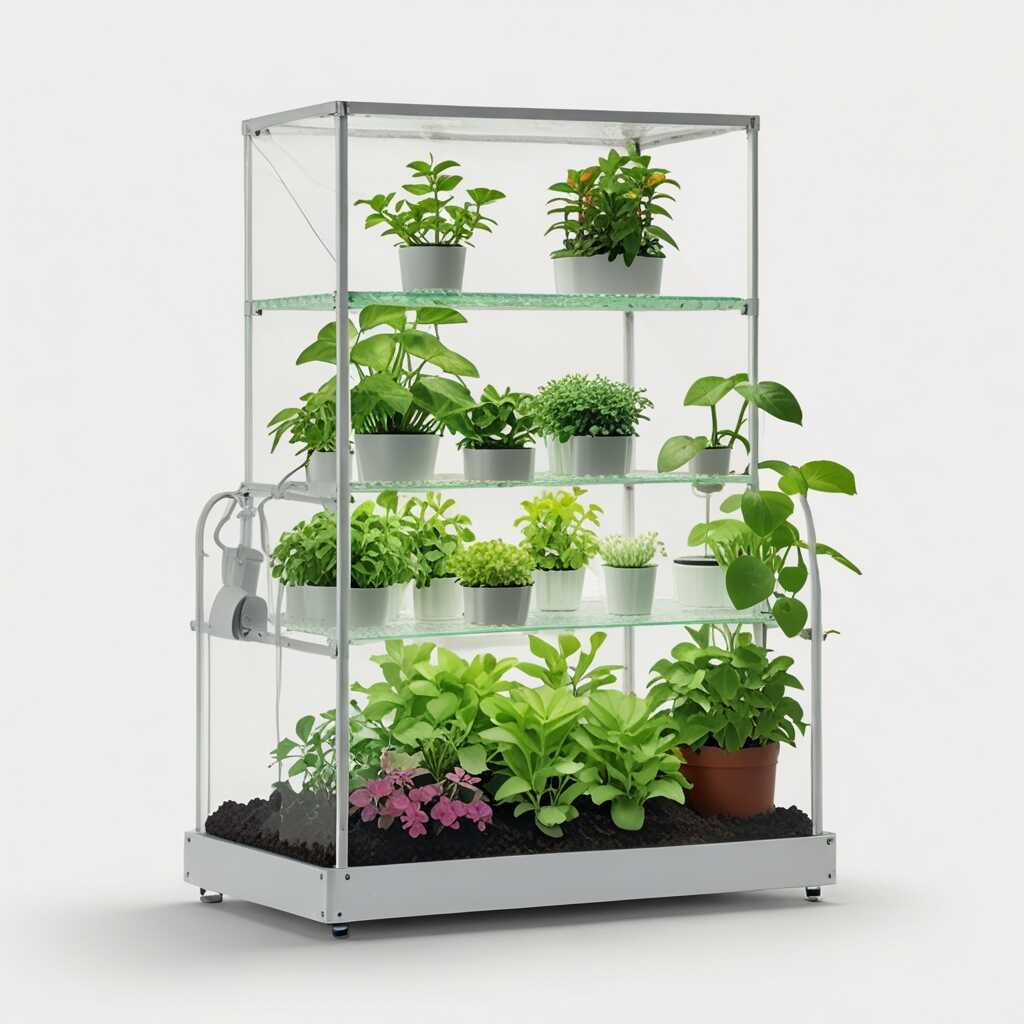
Smart grow lights come in several types, including LED, fluorescent, and HID. Each type has its strengths and weaknesses. LED lights are energy-efficient and have a long lifespan, commonly lasting over 50,000 hours. They provide full-spectrum light, which is ideal for all growth stages. Fluorescent lights are cheaper upfront and good for seedlings, but they consume more energy and have a shorter lifespan of around 15,000 hours. HID lights, while very effective for plant growth, produce more heat and consume more electricity, and typically last about 24,000 hours. Understanding these differences helps users choose the right smart grow lights for their needs.
Choosing the Right Smart Grow Lights for Your Greenhouse
When choosing smart grow lights for your greenhouse, consider the growing environment and plant types. LED technology offers the best energy efficiency and durability, making it suitable for long growing sessions. Fluorescent lights may be more budget-friendly for short-term use but require frequent replacement. HID lights provide intense light for larger grow areas, but managing heat is crucial. Research specific plant growth needs to align the type of lights with their requirements for optimal health and yield.
Key Numerical Facts About Smart Plant Lighting
- LED grow lights can last over 50,000 hours, significantly outlasting traditional bulbs.
- Smart lights can reduce energy consumption by up to 30% compared to standard lighting.
- Many smart grow lights emit a full spectrum of light wavelengths (400-700nm), essential for plant growth.
- Remote-controlled grow lights allow users to adjust settings from up to 30 feet away.
- Some models offer programmable schedules for up to 24 hours, optimizing light exposure.
- Studies show that well-lit plants can grow up to 30% faster than those in low light conditions.
- Using smart grow lights can help reduce household energy bills as they are highly efficient.
Advantages of Remote Control in Grow Light Management
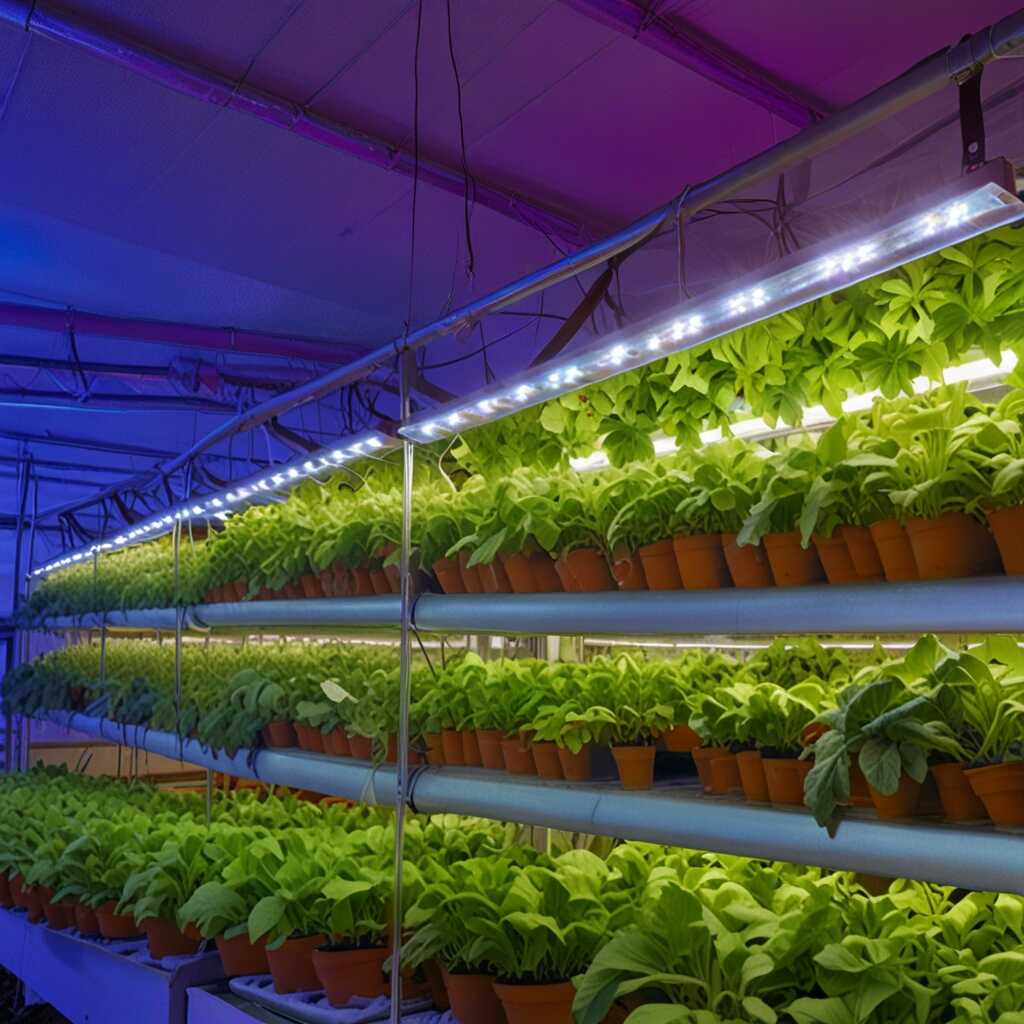
Remote control systems for grow lights provide significant benefits such as convenience and efficiency. Users can effortlessly adjust light settings from a distance, ensuring quick responses to the plants’ needs. Smart remote functionalities allow for customizable scheduling, meaning users can program specific light cycles tailored to different plant types. This capability enhances plant growth by providing the right light intensity and duration as per each species’ requirement. Moreover, using remote control grow lights can lead to energy savings, with some users reporting up to a 30% reduction in energy costs compared to traditional systems.
How Remote Control Enhances Plant Care and Growth
Using remote control for grow lights optimizes plant care by allowing more precise adjustments. Smart systems monitor and maintain ideal light conditions automatically. They can adapt to each plant’s growth stage, whether it’s seedling, vegetative, or flowering. This advanced management ensures that plants receive the right light spectrum at the right time. As a result, growers can expect healthier plants leading to increased yields. Many models feature programmable settings that provide tailored light cycles for various species, enhancing their growth efficiency.
Exploring the Energy Efficiency of Modern Grow Lights
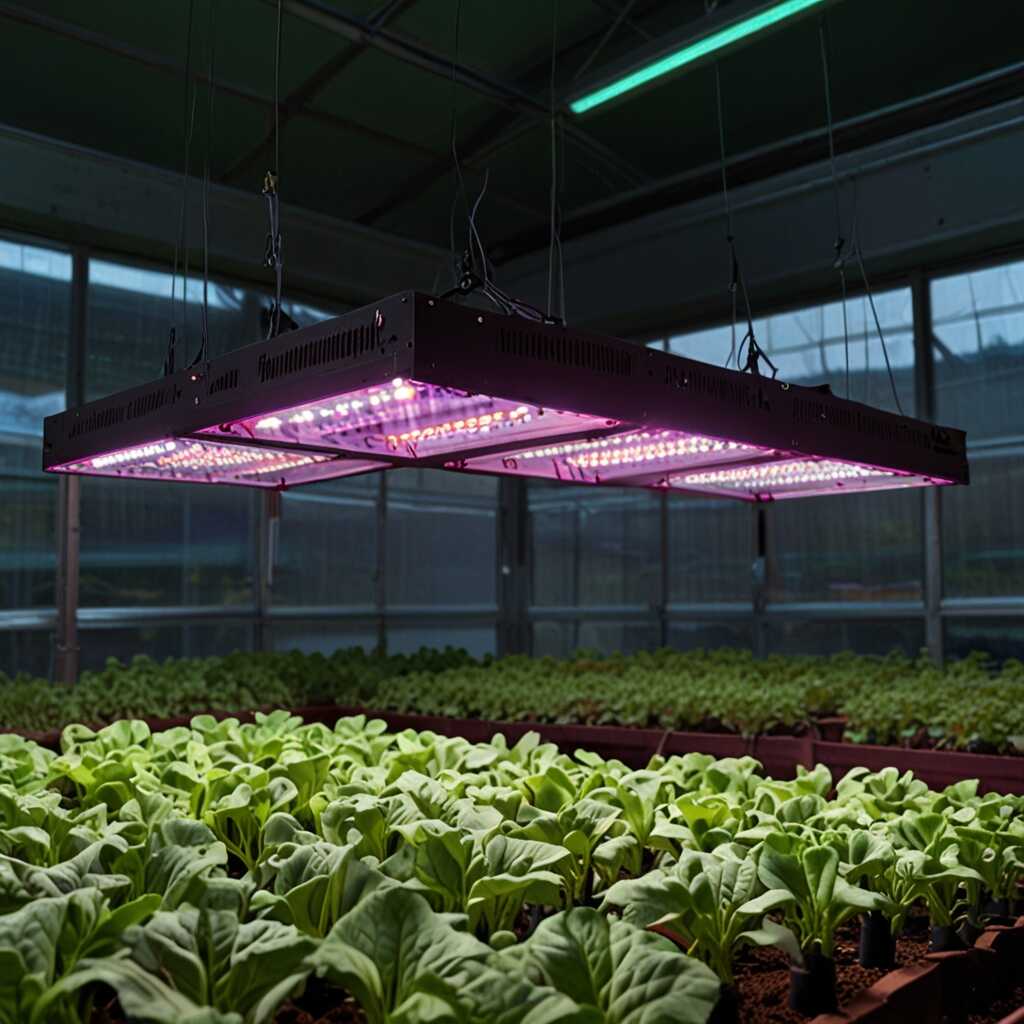
Energy-efficient smart grow lights provide numerous benefits for greenhouse owners. These lights lower energy bills and contribute to a reduced environmental footprint. Smart lighting technology is designed to enhance plant growth performance while ensuring long-term reliability. Compared to traditional lighting options, modern LED grow lights offer greater efficiency, lasting up to 50,000 hours. Users can expect energy savings of about 75% when opting for these energy-efficient grow lights compared to older lighting systems. This transition not only reduces electricity usage but also contributes positively to sustainability efforts.
Understanding Energy Savings with LED Technology
Users seeking to transition to energy-efficient grow lights should focus on LED technology. LEDs provide excellent lighting by delivering a full spectrum of light essential for all growth stages. They are designed to efficiently target specific wavelengths that enhance photosynthesis while minimizing heat output. This results in lower energy consumption and an impressive lifespan, reducing the frequency of replacements. Testing shows that LED grow lights can improve plant health and yield by providing consistent and reliable light. The shift to LEDs can lead to significant cost savings and a more sustainable greenhouse environment.
Advantages of Using Intelligent Horticultural Lighting
- Smart lighting enhances plant growth, providing the right light at the right time.
- Users can adjust light intensity and duration remotely, making gardening easy.
- These lights often support sustainability by using less electricity.
- Smart grow lights can promote better flowering and fruiting in plants.
- They are suitable for diverse indoor environments, adapting to various plant needs.
- Automated controls simplify the gardening process, especially for busy individuals.
- Many models include energy-saving features that lower overall operating costs.
Best Practices for Setting Up and Using Grow Lights
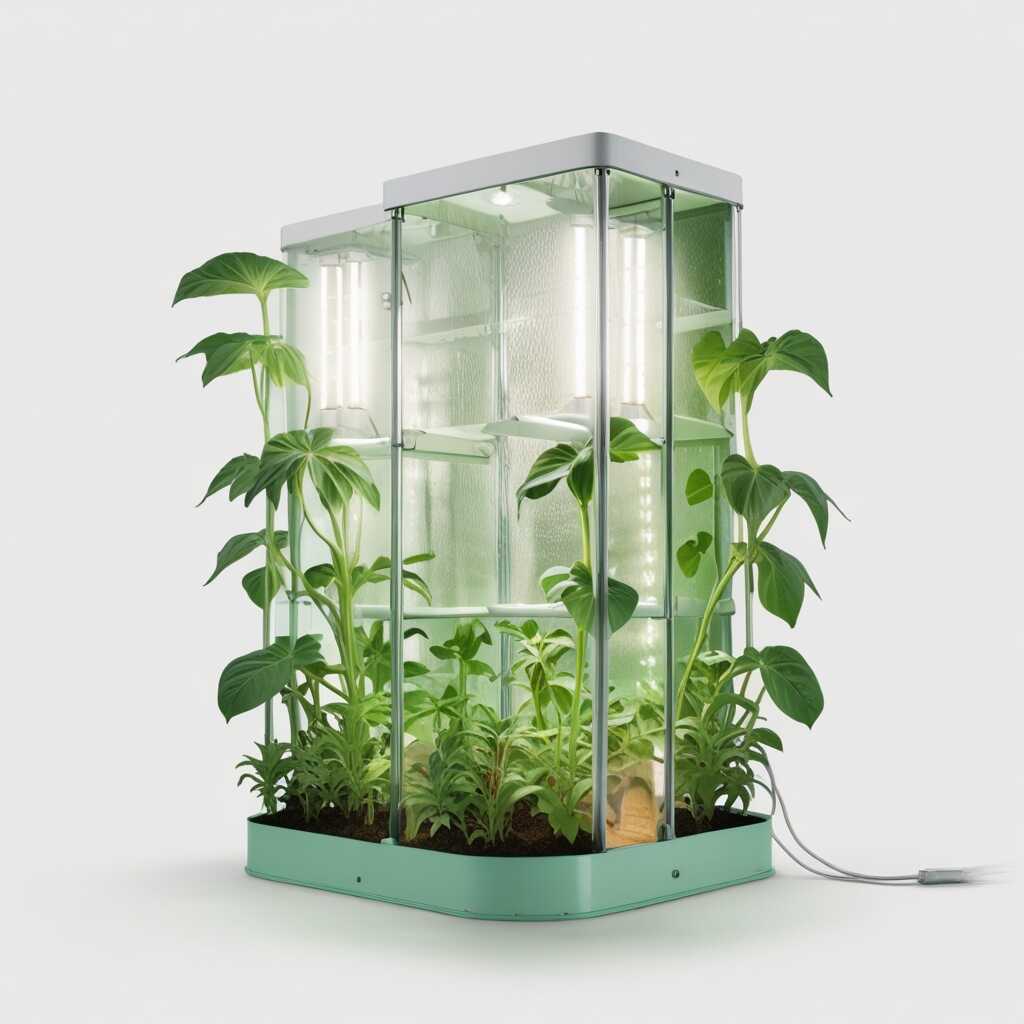
When installing grow lights in a greenhouse, it’s essential to focus on grow light positioning, spacing between lights, angling grow lights, and timing for light exposure. Start by ensuring a proper distance between each light source to avoid burning your plants. Generally, LED grow lights should be positioned at least 12 to 24 inches above your plants. Adjust the angle of the lights to deliver uniform light coverage and minimize shadows. Timing is crucial. Most plants thrive with 12 to 16 hours of light exposure daily to simulate their natural environment, enhancing their growth.
Optimizing Light Coverage for Different Plant Types
To optimize light coverage for different plants, consider their specific needs. For instance, leafy greens require a broad spectrum of light and will benefit from grow lights angled at 45 degrees. Flowering plants, on the other hand, may require direct overhead lighting to ensure adequate energy for blooms. Using a timer can automate light exposure, aligning with plant needs. Implementing these strategies helps maximize plant growth and ensures your greenhouse remains an efficient growing environment. Understanding how different species respond to lighting conditions is key to maintaining a thriving space.
Common Challenges and Solutions for Grow Light Users
Smart grow lights can face various challenges. Common issues include inconsistent lighting, poor energy efficiency, and connectivity problems with remote controls. To tackle these problems, ensure your grow lights are installed properly and check for firmware updates. Always consult reviews to determine the reliability of different brands. Regular testing can help identify flickering, which often indicates an electrical issue or inadequate power supply. Opt for reliable grow lights that are designed for optimal energy efficiency, ensuring they work continuously without overheating.
Tips for Troubleshooting Grow Light Issues
When troubleshooting smart grow lights, start by verifying your power source. Sometimes, a simple issue such as a faulty outlet can cause flickering or shutting down. Check for any visible damages to the lights and connectors. It is essential to ensure that the setup does not exceed voltage limits, which can affect performance. Consider adjusting your light settings according to your plants’ growth stages. These adjustments will enhance growth and optimize energy usage, providing your greenhouse or indoor garden the best conditions for thriving plants.
Brands and Their Impact on Plant Lighting Choices
- Brand A focuses on energy efficiency, making them ideal for eco-conscious gardeners.
- Brand B offers advanced smart features, catering to tech-savvy plant lovers who want detailed control.
- Brand C produces budget-friendly options, appealing to beginners starting their indoor gardening journey.
- Brand D specializes in high-performance lights, attracting serious hobbyists seeking robust solutions.
- Brand E provides aesthetically pleasing designs, perfect for homeowners prioritizing home decor.
- Brand F emphasizes user-friendliness, appealing to those new to gardening technology.
- Brand G is known for detailed customer support, helping users troubleshoot any issues easily.
Future Developments in Smart Grow Light Technology
The latest advancements in smart grow light technology focus on improved energy efficiency and enhanced performance. New models integrate advanced sensors and algorithms, enabling precise light spectrum adjustments tailored to specific plant growth stages. For instance, companies like Philips and GE are at the forefront of this innovation. They are developing smart grow lights designed with IoT capabilities, offering remote control features and automated adjustments. Research shows that energy-efficient smart grow lights can reduce energy consumption by up to 30% when compared to traditional systems.
Key Features to Look For in Future Smart Grow Lights
When examining future smart grow lights, consider features such as programmable schedules, real-time monitoring, and adaptive light spectrum technology. These functionalities enhance plant growth by providing the right light intensity and wavelength based on individual plant needs. Look for models that include reliable performance metrics and data on energy savings. Reviews from top brands like Mars Hydro and Viparspectra reveal features that can significantly improve indoor gardening experiences. Selecting lights with these advanced features helps guarantee optimal plant health and minimizes electricity costs.