
Improve greenhouse lighting with light movers for efficient growth by enhancing light distribution and optimizing plant care. Utilizing these devices can lead to stronger plants, faster growth, and lower energy costs. At Green Writer, we focus on eco-friendly gardening solutions, and light movers can offer dual benefits of efficiency and sustainability. Discover how to maximize your greenhouse’s potential while supporting your commitment to environmentally conscious practices.
Importance of Proper Lighting in Greenhouse Environments
Proper lighting is essential for greenhouse success. It directly impacts plant growth, health, and yield. Adequate light is crucial for photosynthesis, enabling plants to convert light energy into food. This process enhances plant health and results in higher quality yields. Lighting also affects flowering and fruiting periods. Energy-efficient lighting solutions, such as LED grow lights, help reduce electricity costs. They provide the necessary light spectrum while ensuring durability and longevity. In addition, optimal light duration is vital. Most plants require 12 to 16 hours of light daily for robust growth.
Choosing the Best Lighting System for Your Greenhouse
When selecting a lighting system, consider the types of lights available and their efficiency ratings. LED grow lights are known for their energy efficiency, typically using 60% less energy than traditional bulbs. They produce less heat, reducing the need for cooling and contributing to overall energy savings. Different light spectrums play a key role in plant development phases. Full-spectrum LEDs are best for diverse growth stages, from seedlings to flowering. Review the performance data and reliability of these systems to ensure they can handle the specific needs of your crops. Testing various options can provide insights into what works best for your greenhouse environment.
What Are Light Movers and How Do They Work
Light movers are devices that carry grow lights along a track in a greenhouse. They improve light distribution by moving the light source closer to various plants. This movement helps ensure that every plant gets an even amount of light, crucial for healthy growth. Light movers can enhance the efficiency of energy-efficient lighting, like LED grow lights. They are designed to work with different types of plants, ensuring optimal lighting for each plant’s growth stage, such as seedlings, flowers, or fruits. Testing and reviews show that light movers provide consistent performance and deliver reliable results across a wide range of greenhouse operations.
Benefits of Using Light Movers in Greenhouses
Using light movers in greenhouses has significant advantages. They can improve energy efficiency by reducing the need for multiple light fixtures. By providing efficient light distribution, light movers allow plants, like tomatoes and peppers, to thrive under optimal conditions. For instance, research shows light movers enhance plant growth stages. They ensure that all areas of the greenhouse receive adequate light exposure, leading to healthier yields. This technology makes it easy for gardeners to customize their lighting setups according to plant needs, ensuring a sustainable approach to indoor horticulture.
Financial Benefits of Integrating Light Movers
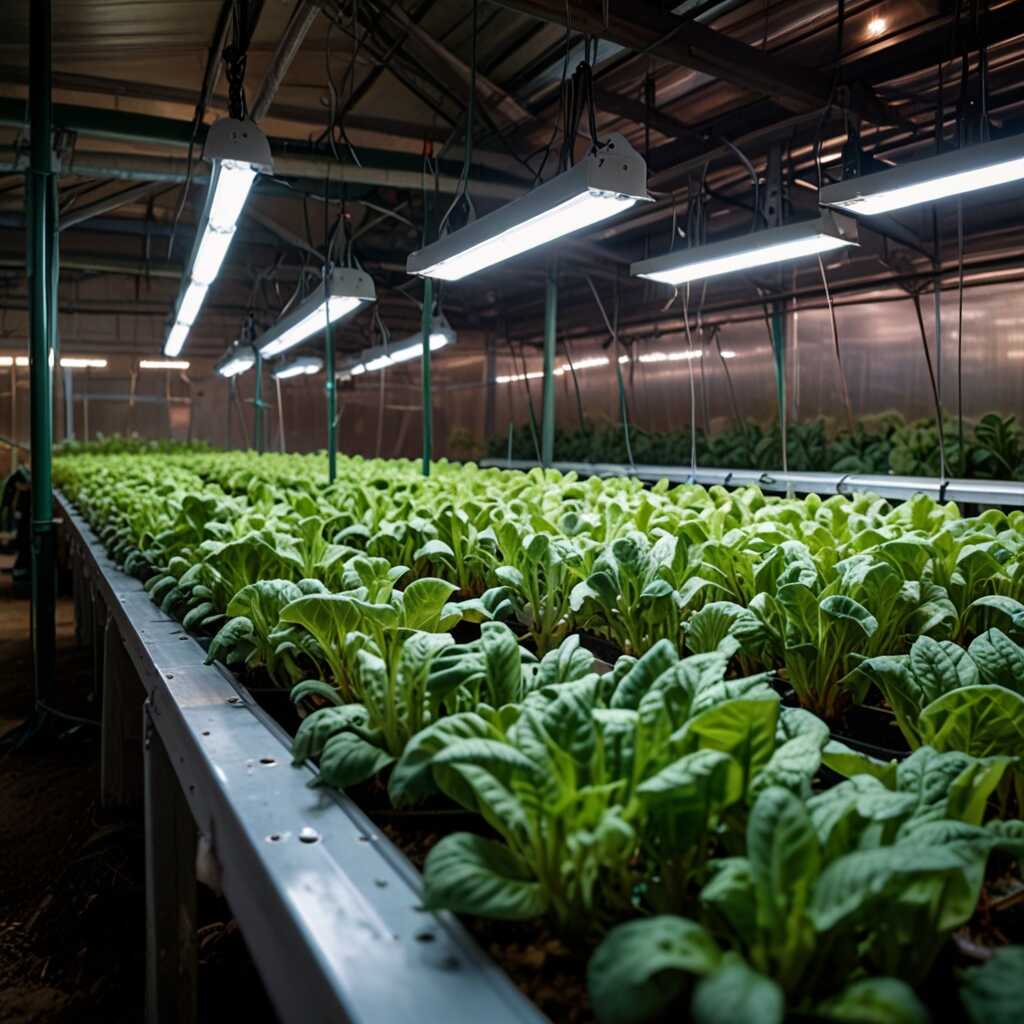
Using light movers in greenhouses offers numerous cost advantages. Initial installation costs vary depending on system size and complexity, but these systems typically pay for themselves over time. Light movers enhance light distribution, reducing the need for additional lighting. Compared to traditional lighting systems, they provide significant long-term savings by lowering energy costs. Research shows that facilities using light movers can achieve energy savings of around 30% compared to static fixtures. These systems are designed for efficiency and help maximize plant growth without increasing utility bills.
Understanding Installation Costs for Light Movers
Installation costs for light movers can range from $500 to $2,000 depending on the greenhouse size and complexity of the setup. Larger greenhouses may require multiple light movers, impacting total expenses. However, investing in reliable, durable light mover systems helps improve the overall performance of your lighting setup. Many users report that the energy-efficient benefits offset installation expenses within a year, highlighting the value of these systems. Additionally, testing and reviewing different models can provide insights into which systems deliver the best performance for your specific greenhouse needs.
Key Statistical Insights on Light Distribution and Plant Growth
- Light movers can increase light coverage by up to 30% in greenhouses.
- Studies show plants grow 20% faster with improved light movement.
- Energy savings may reach 40% per growing cycle through smart lighting practices.
- Light movers extend the lifespan of lights by using them more efficiently.
- Proper light distribution can reduce plant stress by 50%.
- Greenhouses can double their yield with optimized lighting strategies.
- Most light movers operate silently, providing a peaceful growth environment.
Enhancing Light Distribution for Optimal Plant Growth
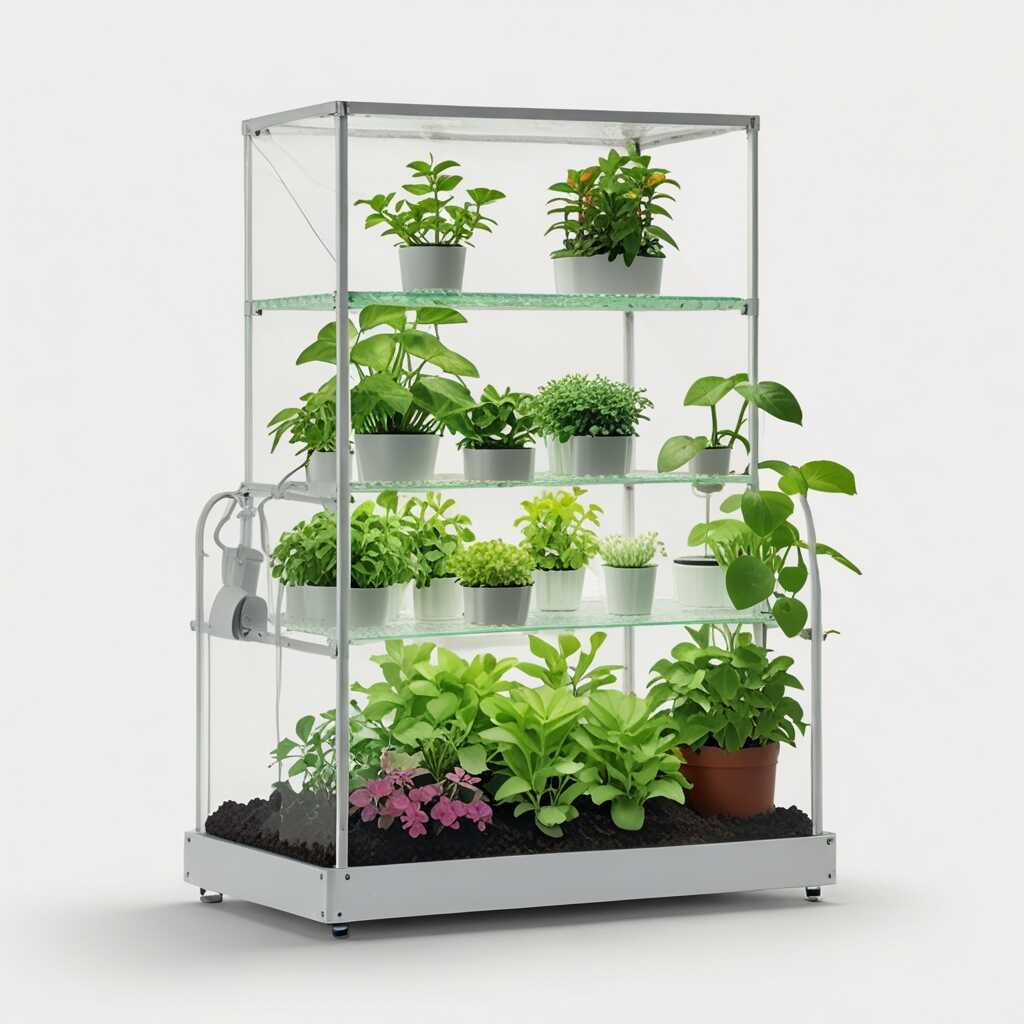
Light movers improve light distribution by allowing grow lights to cover a larger area. This movement ensures that plants receive even light exposure, which is crucial for their growth. With consistent light across all plants, they can photosynthesize more efficiently, leading to healthier and more abundant yields. Factors greenhouse owners should consider include the height of the lights and the types of plants being grown. For instance, taller plants may require a specific setup to ensure they benefit fully from the light. Research indicates that using light movers can yield energy savings of up to 30% when compared to stationary lighting systems while enhancing plant growth.
Optimizing Light Placement for Different Plant Types
When optimizing light placement, consider the specific needs of different plant species. For instance, flowering plants often require full-spectrum lights for robust growth, while leafy greens thrive under cooler temperatures. Grow lights should be positioned to avoid shadows and to provide consistent light across all layers of plants. Studies show that light movers can adjust positions throughout the day, ensuring plants at different heights receive adequate light exposure. This approach improves plant health significantly, enabling better yields and faster growth. Green Writer offers guides on selecting the best light types to meet the needs of diverse plant groups.
Light Movers vs Fixed Lighting Systems
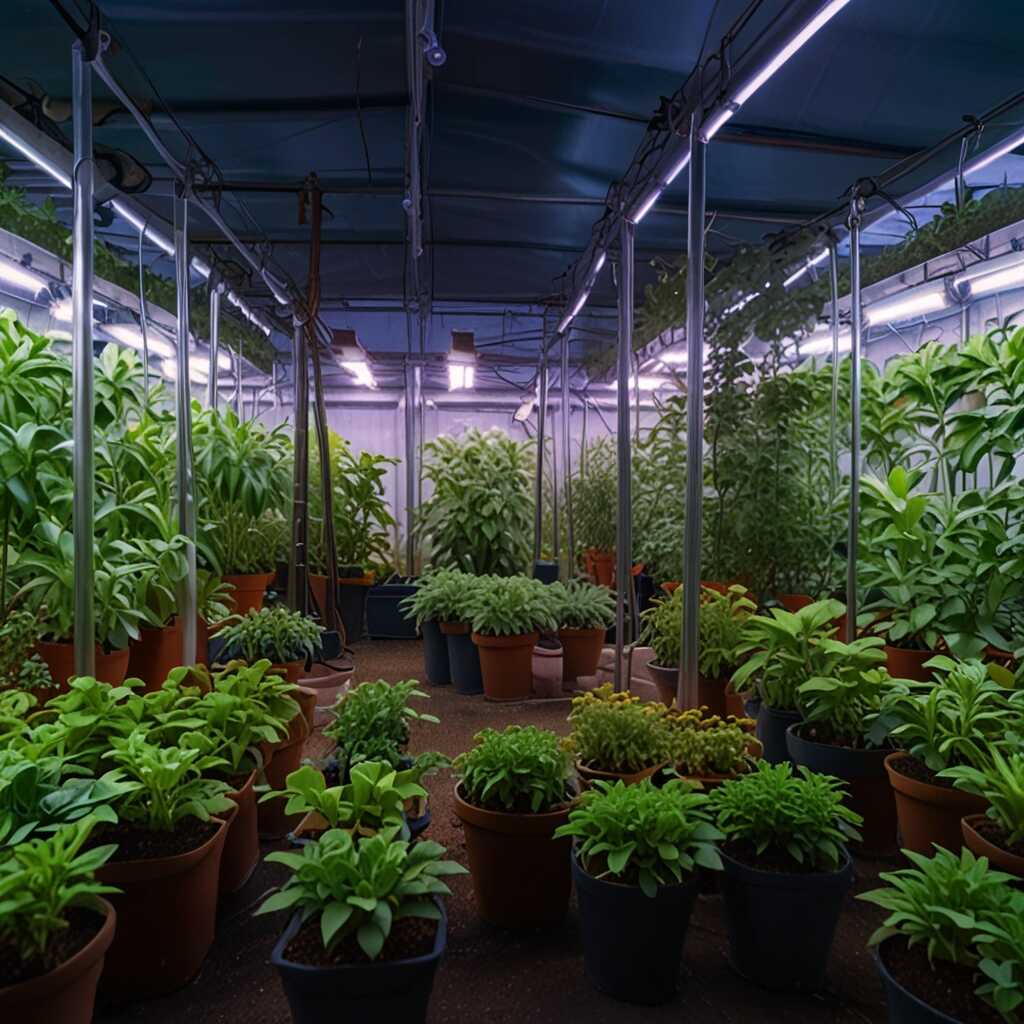
Light movers provide several significant advantages over fixed lighting systems. These systems enhance light distribution, allowing plants to receive uniform light exposure. This leads to improved growth rates and healthier plants. Fixed lighting systems may leave some areas under-illuminated, resulting in uneven plant development. Users should consider what types of lights, such as LED or full spectrum lighting, work best for their needs. Light movers are designed for efficiency and can reduce climbing energy costs by adjusting light positions. They help ensure optimal light distribution while minimizing waste, making them an excellent choice for eco-conscious greenhouse gardeners. Studies indicate that using light movers can save up to 30% on energy compared to traditional fixed systems.
Choosing the Right System for Your Greenhouse Needs
When it comes to selecting the best lighting system for your greenhouse, consider your specific plant types and growth stages. Light movers can significantly enhance growth when paired with efficient LED grow lights or full spectrum lighting. These options provide the right wavelengths necessary for different growth phases, from seedling to flowering. Since LED lights are energy-efficient with long lifespans, combining them with light movers can further increase energy savings and plant health. Research shows that light movers promote better plant yields when used with proper lighting technologies. They ensure that every plant gets the sunlight it needs without energy waste, creating an ideal growing environment.
Advantages of Utilizing Dynamic Lighting Systems for Plant Health
- Enhanced light distribution improves plant yield and quality.
- Light movers promote healthier growth by mimicking natural sunlight.
- They reduce energy costs while maintaining optimal light levels.
- Adjustable lighting helps plants adapt at different growth stages.
- Increased reach of light minimizes issues like burnt leaves.
- Light movers support eco-friendly practices by using less energy.
- They allow more flexibility in greenhouse layouts and plant arrangements.
Environmental Impact and Energy Efficiency Benefits
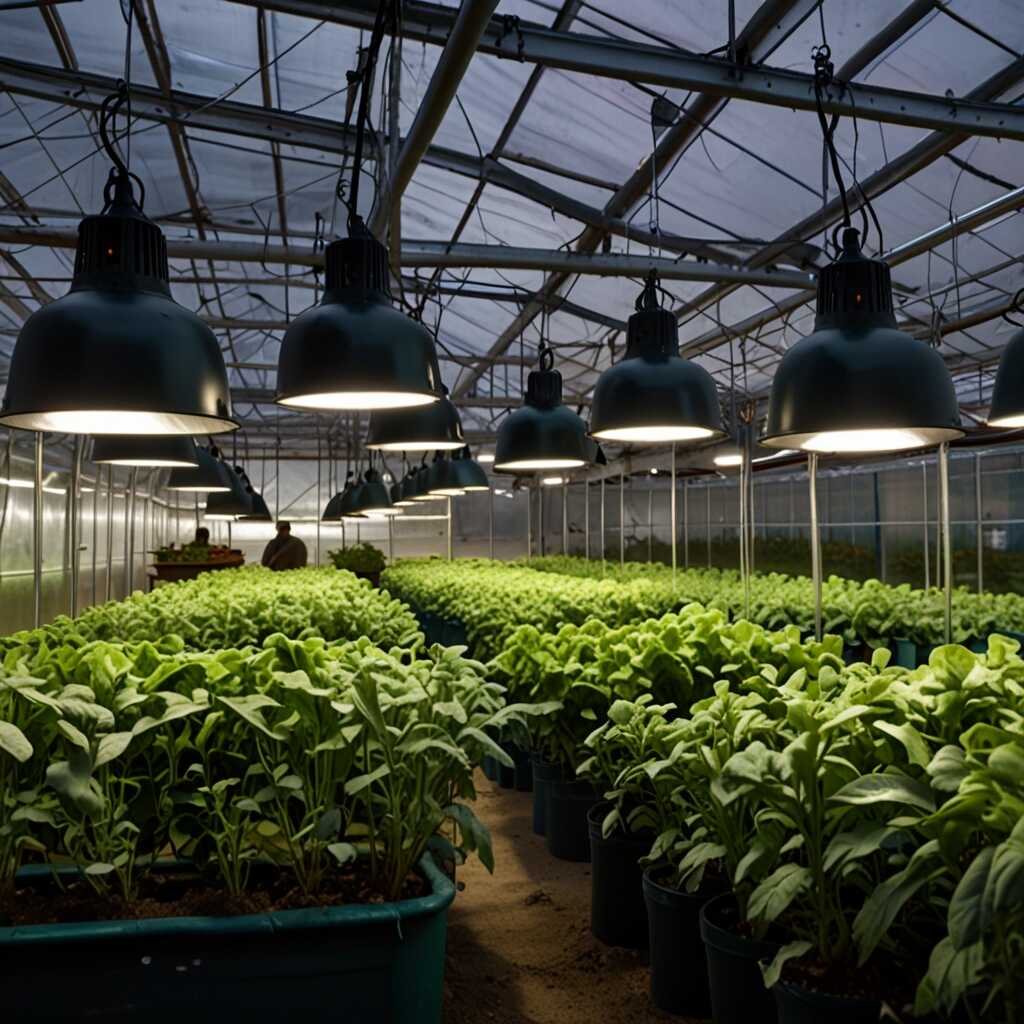
Using energy-efficient light movers in greenhouses offers several environmental advantages. They enhance light distribution, which allows plants to receive optimal light exposure. This improvement boosts plant growth while minimizing wasted energy. Energy-efficient light movers reduce the carbon footprints of greenhouse operations, aligning with eco-friendly gardening practices. Switching to these devices can significantly lower electricity bills and contribute to sustainable energy use. Many greenhouse gardeners report noticeable energy savings, often exceeding 20% annually when utilizing these systems by 2025.
Maximizing Energy Savings Through Efficient Light Movement
To maximize energy savings, it is essential to understand the features of energy-efficient light movers. These systems are designed to provide consistent light coverage across plant canopy levels. They can handle the demands of both small and large greenhouses through adjustable settings. Light movers improve the reliability of light distribution, ensuring that plants receive even illumination. By implementing these devices, greenhouse operators can achieve impressive energy savings while maintaining healthy plant growth. Regular testing and reviews confirm that the right light mover can deliver excellent performance over time.
How to Select the Best Light Mover for Your Greenhouse
Selecting the right light mover for your greenhouse requires consideration of several factors. Assess your greenhouse size to determine the appropriate light mover length. Larger greenhouses may need longer rails for adequate coverage. Also, consider the type of plants you grow. Different plants require varying light intensity and durations. A light mover designed for full-spectrum LEDs can enhance plant growth by evenly distributing light. Lastly, explore energy efficiency features as they can significantly reduce operational costs. The average price range for a quality light mover in 2025 is between $150 and $500, depending on features.
Understanding Greenhouse Size Impact on Light Mover Options
The size of your greenhouse directly affects the type of light mover you should choose. For small greenhouses, a compact light mover with shorter rails may be sufficient. In contrast, larger structures require more extensive coverage, necessitating longer rails and multiple light movers. Additionally, ensure the mover can handle heavier lights if you use full-spectrum options. Reliable light movers designed for larger greenhouses will distribute light evenly, enhancing plant growth and maximizing efficiency. Consider reading expert reviews and data on specific models to find the best match for your greenhouse’s dimensions.
Notable Product Options and Their Ideal Users in the Horticulture Sector
- Gardeners who apply light movers ensure even light across plants.
- Urban growers seek efficient lighting solutions due to limited space.
- Commercial cultivators use them to maximize production efficiency.
- Eco-conscious homeowners benefit from reduced energy costs.
- Research facilities rely on precise lighting for experiment accuracy.
- Hobbyists enjoy higher yields with light movers in personal gardens.
- Small-scale farmers explore new technologies for sustainable practices.
Best Practices for Maintaining Light Movers
To maximize the efficiency and lifespan of light movers, follow essential maintenance practices. Regularly inspect the system for dust build-up or mechanical issues. Cleaning light reflectors improves light distribution efficiency and supports optimal plant growth. Check all wiring and connections monthly for any signs of wear and tear. Ensure that light movers remain level and stable to prevent strain on motors. Perform a complete inspection at least once every six months to verify all parts function correctly. This proactive approach enhances light mover performance while minimizing unexpected costs.
Comprehensive Maintenance Schedule for Light Movers
A reliable maintenance schedule is crucial for ensuring the durability and reliability of light movers. Perform a quick visual inspection every month, checking for dirt or plant debris. Clean the light fixtures weekly to maintain peak light distribution efficiency. Every three months, check the motor and track mechanisms to prevent jams. For optimal performance, consider a thorough system review and testing every six months, which helps ensure everything operates smoothly. Consistent maintenance reduces energy consumption while promoting healthy plant growth in your greenhouse.