
Identifying quality LED grow lights for your greenhouse is essential for successful indoor gardening. Understanding what makes lights effective and efficient can greatly impact plant health and growth. Green Writer emphasizes the importance of selecting the right lighting technology, focusing on energy efficiency and longevity. This guide will support home gardeners and commercial operators in making informed, eco-friendly choices for their greenhouse lighting needs.
Understanding the Role of LED Grow Lights in Greenhouses
LED grow lights play a crucial role in greenhouse environments by providing energy efficiency, promoting plant health, and enhancing growth conditions. They offer several benefits compared to conventional lighting. First, they consume less electricity, saving money on utility bills. Second, LED grow lights produce low heat, reducing the risk of overheating plants. Third, their full spectrum lighting supports various growth stages, from seedling to flowering. Many plants, such as tomatoes, peppers, and herbs, thrive under LED illumination. The best LED lights have a lifespan exceeding 50,000 hours, providing reliable performance and significant long-term savings.
How LED Grow Lights Improve Plant Growth in Different Stages
LED grow lights are designed to support plant growth through various stages, including germination, vegetative growth, and flowering. During germination, blue light (400-500 nm) encourages seed sprouting by promoting chlorophyll production. In the vegetative stage, plants thrive with a mix of blue and red light (600-700 nm), which boosts leaf development. During flowering, red light becomes essential, as it stimulates bud formation and increases yield. Using high-quality, full spectrum LED grow lights can significantly enhance your greenhouse by providing tailored lighting conditions that meet the specific needs of different plants, optimizing their growth and health.
Essential Features to Consider When Selecting Grow Lights
When selecting LED grow lights for your greenhouse, consider wattage, light output, and spectrum coverage. Wattage determines how much energy the light consumes and affects its intensity. High-quality LED grow lights typically range from 100 to 600 watts for efficient performance. Light output is measured in lumens, which indicate brightness; more lumens often mean better results for plant health. Spectrum coverage is essential as it includes the specific wavelengths your plants need for various growth stages. Look for lights that provide a full spectrum of light, especially blue and red wavelengths, to ensure optimal growth.
Understanding Plant Growth Stages and Their Light Needs
Different plant growth stages require specific light wavelengths. In the vegetative stage, plants need more blue light to promote leafy growth. When transitioning to flowering, red light is crucial to enhance and improve blooming. Expert recommendations suggest using grow lights that provide a balance of both spectrums. High-quality LED lights designed to cover the full spectrum from 400 to 700 nanometers notably enhance plant development. Consider grow lights that offer adjustable spectrum settings to cater to different phases in plant growth. This adaptability ensures your plants receive the ideal light intensity for healthy growth and yield.
Assessing Energy Efficiency and Saving on Costs
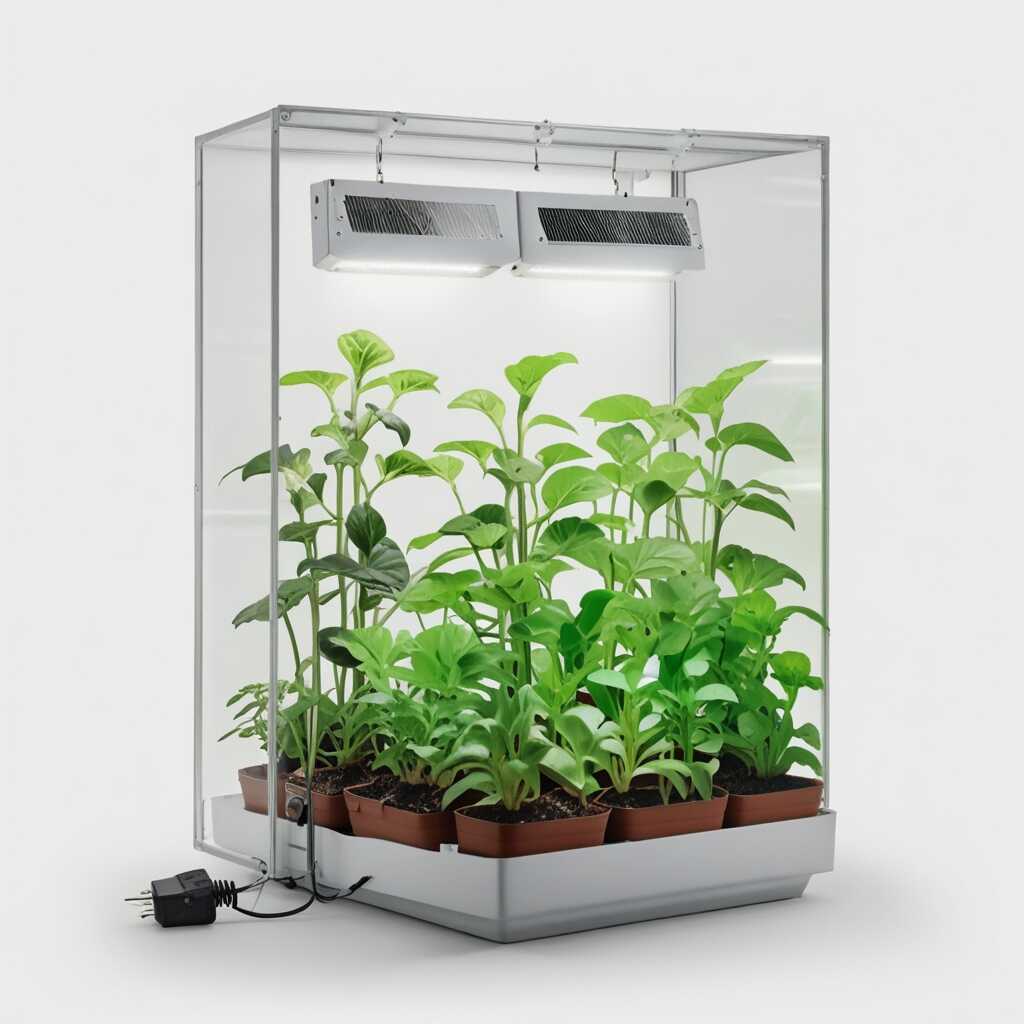
When assessing energy efficiency in LED grow lights, consider wattage, spectrum, and brand reliability. Look for energy labels that indicate total wattage and efficacy, which means how much light is produced per watt. Choose lights that have high lumens per watt and a long lifespan, typically over 50,000 hours. This information helps enhance your investment by maximizing plant growth while minimizing energy costs. Features like dimmability can also save energy by allowing you to adjust light levels based on plant needs. Reliable reviews and comparison charts can help you find the best options.
Essential Specifications for Energy-Efficient Grow Lights
When selecting LED grow lights, focus on essential specifications like total wattage, Photosynthetic Active Radiation (PAR), and energy efficiency ratings. LED grow lights typically range from 200 to 600 watts for optimal performance. Lights with a spectrum covering 400-700nm enhance plant growth stages, from seedling to flowering. Products with energy efficiency ratings of at least 1.5 µmol/J are recognized as effective. Look for lights that have undergone independent testing for reliable performance data. Ensuring your lights provide a good balance between cost and energy savings can dramatically reduce your utility bills in the long run.
Fascinating Statistics About Grow Lighting Solutions
- LED grow lights last over 50,000 hours compared to traditional lights.
- Effective grow lights can boost plant growth by 50% or more.
- NASA used grow lights for space missions to grow food.
- 13% of energy can be saved using LED over fluorescent options.
- LED grow lights emit less heat, reducing cooling costs in greenhouses.
- Studies show plants grow faster under the full spectrum light (400-700nm).
- Up to 90% lower energy consumption compared to incandescent lights.
Types of LED Grow Lights and Their Applications
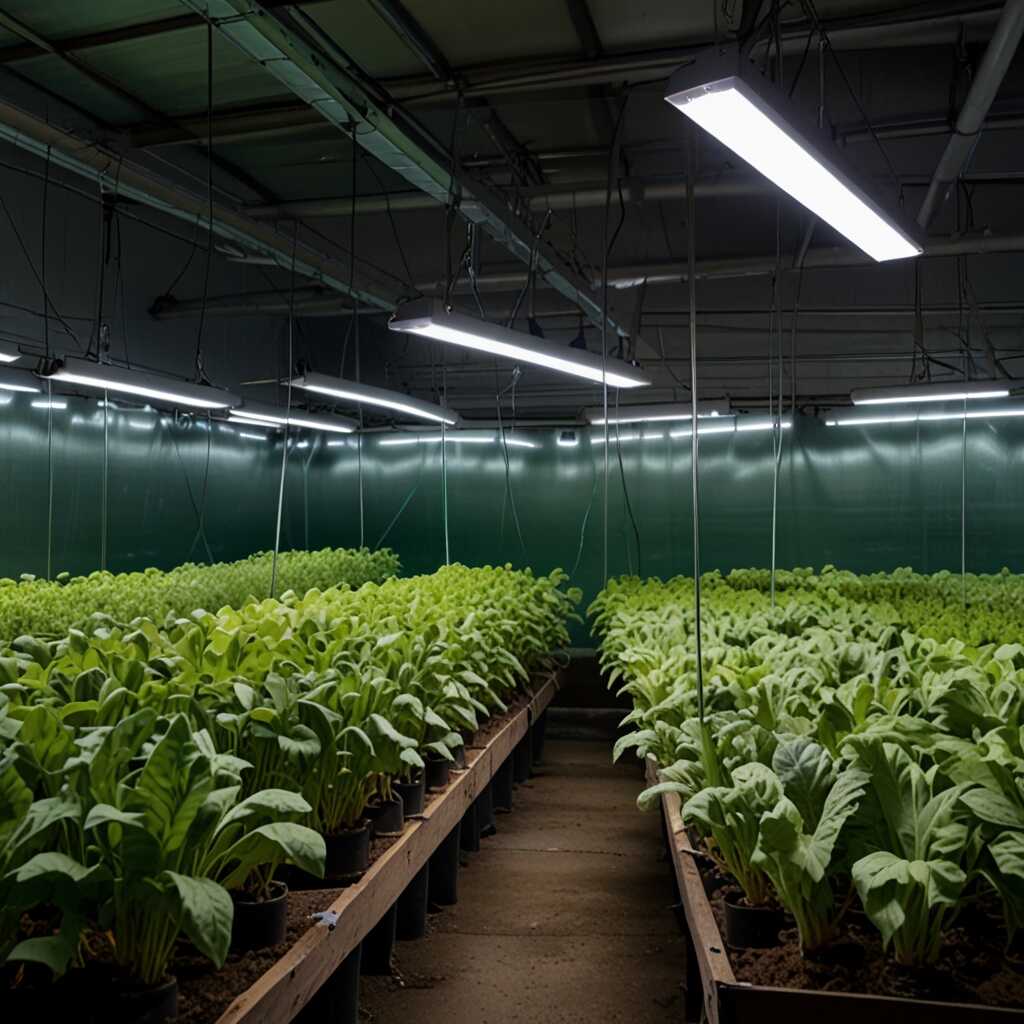
LED grow lights come in various types tailored for specific plant growth stages. Full spectrum LED lights cover the entire light spectrum needed for photosynthesis. They are useful for all stages of plant growth, from seedling to flowering. Bloom lights emphasize red wavelengths that enhance flowering and fruiting. Veg lights focus on blue wavelengths, which promote leaf growth and sturdiness in young plants. Each type of LED grow light provides distinct benefits, ensuring you can select the right lighting solution for your greenhouse needs. Energy efficiency is key when considering performance. It helps you save on electricity costs while providing quality light that enhances plant health.
Benefits of Full Spectrum LED Lights for Greenhouses
Full spectrum LED lights are designed to replicate natural sunlight, making them ideal for greenhouses. They provide all necessary wavelengths, which helps plants grow at every stage. These lights improve photosynthesis, leading to healthier plants. Studies show that using full spectrum lighting can increase yields significantly compared to standard grow lights. Many full spectrum LED lights are energy-efficient, meaning they consume less power while delivering excellent performance over 50,000 hours. This long lifespan makes them reliable and cost-effective in the long run, ensuring your investment pays off.
Calculating the Right Quantity of Lights for Your Space
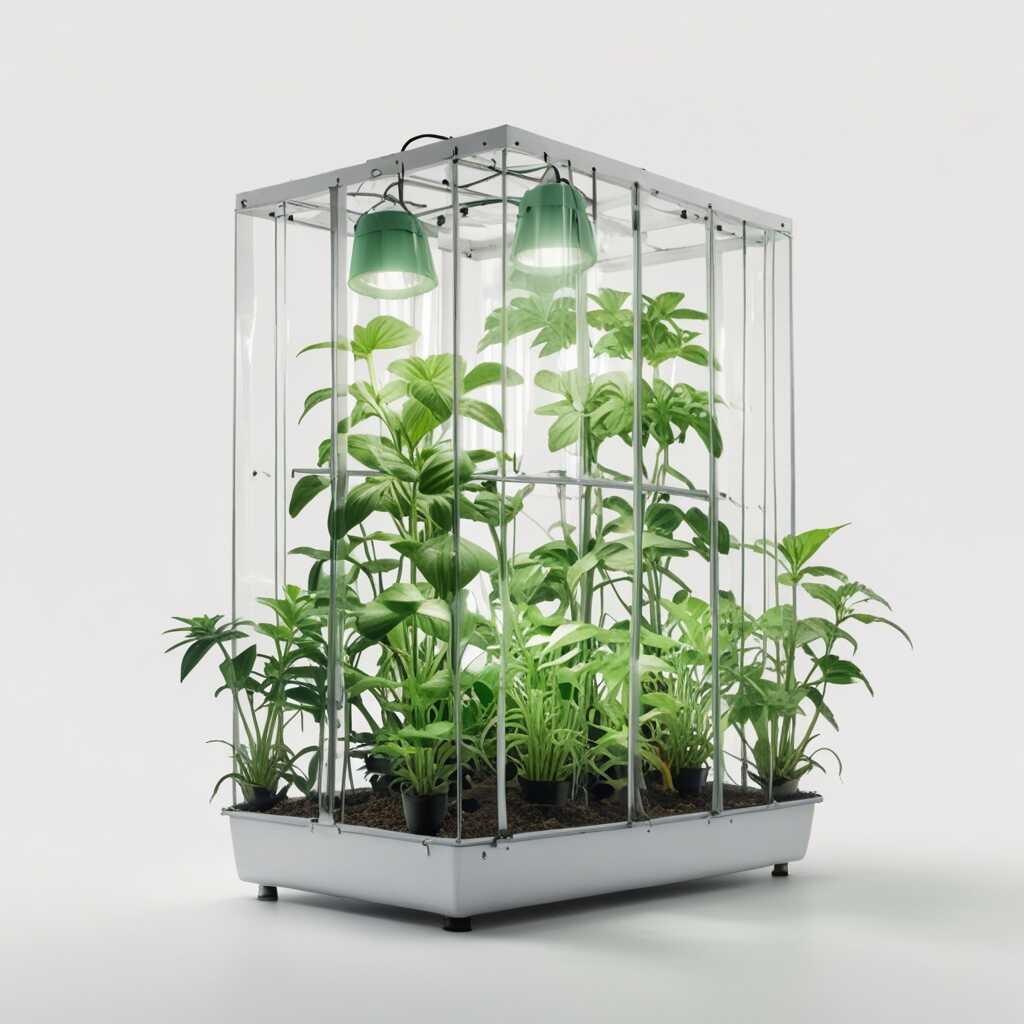
To calculate the total wattage needed for your greenhouse, consider the recommended wattage per square foot for the plants you are growing. Generally, 30-50 watts per square foot is ideal for most plants. For example, if your greenhouse is 100 square feet, you’ll need a total of 3,000 to 5,000 watts. Assess factors like the type of plants and their light requirements to ensure the right number of LED grow lights. It’s essential to distribute the light evenly across your growing area to promote healthy plant growth. Keep in mind that different plants have varying light intensity needs, which means you should adjust the setup accordingly.
Understanding Light Needs for Different Plant Types
Understanding the light needs for various plant types is crucial in calculating how many LED grow lights are necessary. For instance, leafy greens typically require lower light levels than flowering plants. Lettuce may thrive with 20-30 watts per square foot, while tomatoes may need 40-50 watts. To determine the best approach, research the specific light requirements for your plants. Full-spectrum LED grow lights can handle different growth stages, from seedlings to mature plants, ensuring optimal conditions throughout the process. This versatility helps in achieving even growth and impressive yields, making your setup and plant selection more efficient and effective.
Advantages of Using Innovative Plant Lighting
- High-quality lights promote healthier plant growth and faster yields.
- LED options are energy-efficient, saving you money on bills.
- Colder light improves the environment and reduces heat stress.
- Customizable spectrum supports different growth stages effectively.
- Long lifespan means fewer replacements, promoting sustainability.
- Less UV radiation helps protect indoor plants and neighborhoods.
- Eco-friendly technology supports green initiatives and lowers carbon footprints.
Light Spectrum and Its Impact on Plant Growth Stages
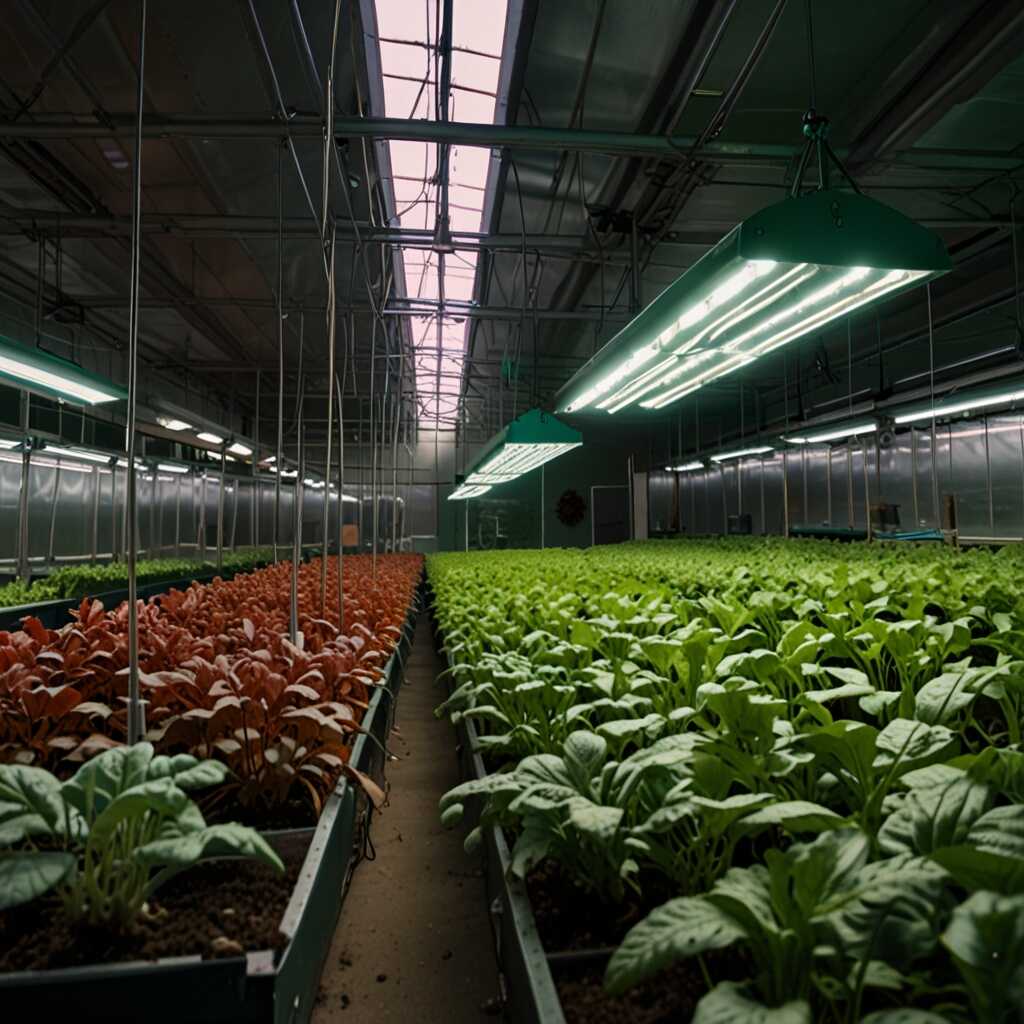
The light spectrum significantly influences plant growth phases. During vegetative stages, blue light (400-500 nm) is crucial as it promotes leaf development. Plants require more red light (600-700 nm) during the flowering stage to improve bud formation and flowering quality. Different plant types, such as tomatoes and basil, respond variably to wavelengths, confirming the importance of using tailored LED grow lights. Research shows that using a spectrum balanced with red and blue light wavelengths enhances growth efficiency and plant health. This balance helps ensure that plants receive the necessary light for each stage, allowing for effective growth.
Understanding Optimal Light Conditions for Various Plants
For plants like tomatoes, incorporating 60% red light during the flowering stage significantly improves yield quality. Basil prefers a ratio of 70% blue and 30% red light during vegetative growth. Testing different combinations of wavelengths provides valuable data that enhances results. Quality LED grow lights designed to deliver specific light spectrums can help plants thrive at every growth stage. Each plant species has unique light requirements, emphasizing the need for customized lighting solutions to achieve optimal growth.
Avoiding Common Pitfalls When Selecting Grow Lights
Many users make mistakes when selecting LED grow lights. One common error is focusing solely on price. Lower-priced options often compromise quality and reliability. Another mistake is ignoring the light spectrum needed for plant growth. Full spectrum lights provide essential wavelengths that support various growth stages. Users may also overlook the wattage requirements. Proper wattage ensures plants receive adequate light without energy waste. Lastly, neglecting user reviews can lead to poor choices. Reviews help you understand performance and durability, allowing you to select the best products for your greenhouse.
Understanding Different Features of Grow Lights
Different LED grow lights come with features that significantly enhance plant growth. Look for full spectrum capabilities that provide light in the 400-700nm range, which is suitable for all growth stages. Efficient models often have adjustable spectrums, allowing you to customize light for specific plants. The best lights also have heat management features to prevent overheating. Users should compare wattage and coverage area for their greenhouse size. Lights that cover larger areas may have higher wattage, ensuring uniform light distribution. Reviews can guide you towards durable products that deliver proven results in plant health.
Top Brands and Their Customers for Grow Lights
- Brand A focuses on home gardeners seeking efficient, budget-friendly solutions.
- Brand B emphasizes quality, targeting commercial growers who need consistency.
- Brand C offers customizable lighting, attracting hobbyists with specific plant needs.
- Brand D targets eco-conscious consumers with energy-saving products.
- Brand E features advanced technology, appealing to horticulture students and researchers.
- Review customers to compare personal experiences and satisfaction.
- Explore use cases where different lights work best based on plant types and growth goals.
Top Recommendations for Reliable LED Grow Light Brands
When selecting LED grow lights, consider brands like Horticulture Lighting Group, ViparSpectra, and Mars Hydro. These reputable companies provide high-quality performance and energy efficiency. Their products often receive positive user reviews, highlighting reliability and features that enhance plant growth. Research their models to find the best option suited for your greenhouse lighting needs. You can find options ranging from 300 to over 2000 watts, with thousands of lumens produced to ensure effective light coverage for various plant species.
Key Features to Look for in LED Grow Lights
Focus on features like full-spectrum lighting, adjustable intensity, and energy efficiency when evaluating LED grow lights. Full-spectrum lighting ensures that your plants receive essential wavelengths for all growth stages, from seedling to flowering. Adjustable intensity allows you to customize light output based on plant needs. Additionally, energy-efficient models save money on electricity while providing optimal conditions. Brands like Horticulture Lighting Group and ViparSpectra excel in these areas, offering user-friendly designs built for durability and great performance.