
Identifying signs that your greenhouse plants need more artificial lighting is crucial for their growth. Without adequate light, plants may struggle to thrive, showing symptoms like leggy growth and pale leaves. Green Writer aims to help you recognize these warning signs, ensuring your indoor garden flourishes under the right lighting conditions. By understanding how lighting impacts plant health, you can create a vibrant and sustainable living environment.
Understanding the Role of Light in Plant Growth and Development
Light is vital for plant growth and development. Plants use light primarily in photosynthesis to convert light energy into chemical energy. The primary wavelengths that plants utilize are in the blue (400-500 nm) and red (600-700 nm) ranges. These wavelengths enhance different growth stages. Blue light supports vegetative growth, while red light encourages flowering and fruiting. Light intensity also plays a significant role; higher intensities can improve photosynthesis rates in most species. Most greenhouse plants require at least 12 to 16 hours of light daily to thrive.
Essential Wavelengths for Optimal Plant Growth
Understanding essential wavelengths can greatly enhance plant health. Blue light, ranging from 400 to 500 nm, is critical for leaves and stem development. It promotes deeper green coloration in plants and improves leaf size. Red light, which spans 600 to 700 nm, is crucial for flowering and fruit ripening. Combining these wavelengths helps deliver the best results. Many growers utilize full-spectrum lights to provide comprehensive light coverage. This strategy ensures that all plant growth stages receive adequate stimulation. By utilizing proven light technologies, greenhouse owners can significantly improve plant yields and overall health.
Common Signs Indicating Your Plants Lack Sufficient Light
Recognizing visual symptoms helps identify when plants lack adequate light. Some common signs include elongated stems or “etiolation,” where plants stretch toward the light source. Leaves may also turn yellow and drop off. Some plant species show more drastic effects than others. For example, leafy greens like lettuce respond quickly to low light by bolting. Most indoor plants require at least 12 to 16 hours of light daily, particularly if you use artificial lighting. Ensuring a proper light schedule can prevent these issues and help maintain healthy plants.
Specific Signs of Light Deficiency in Various Plant Types
Different types of indoor plants display unique signs of light deficiency. For instance, succulents may become pale or lose their vibrant colors. Conversely, flowering plants could produce fewer blooms under insufficient lighting. Foliage plants like ferns can develop brown tips or wilting leaves. Observing these symptoms can help you determine the specific light requirements needed for your greenhouse plants. To maintain optimal growth, aim for full-spectrum artificial lighting that meets the needs of various plant species effectively.
Assessing Growth Stages and Their Specific Light Requirements
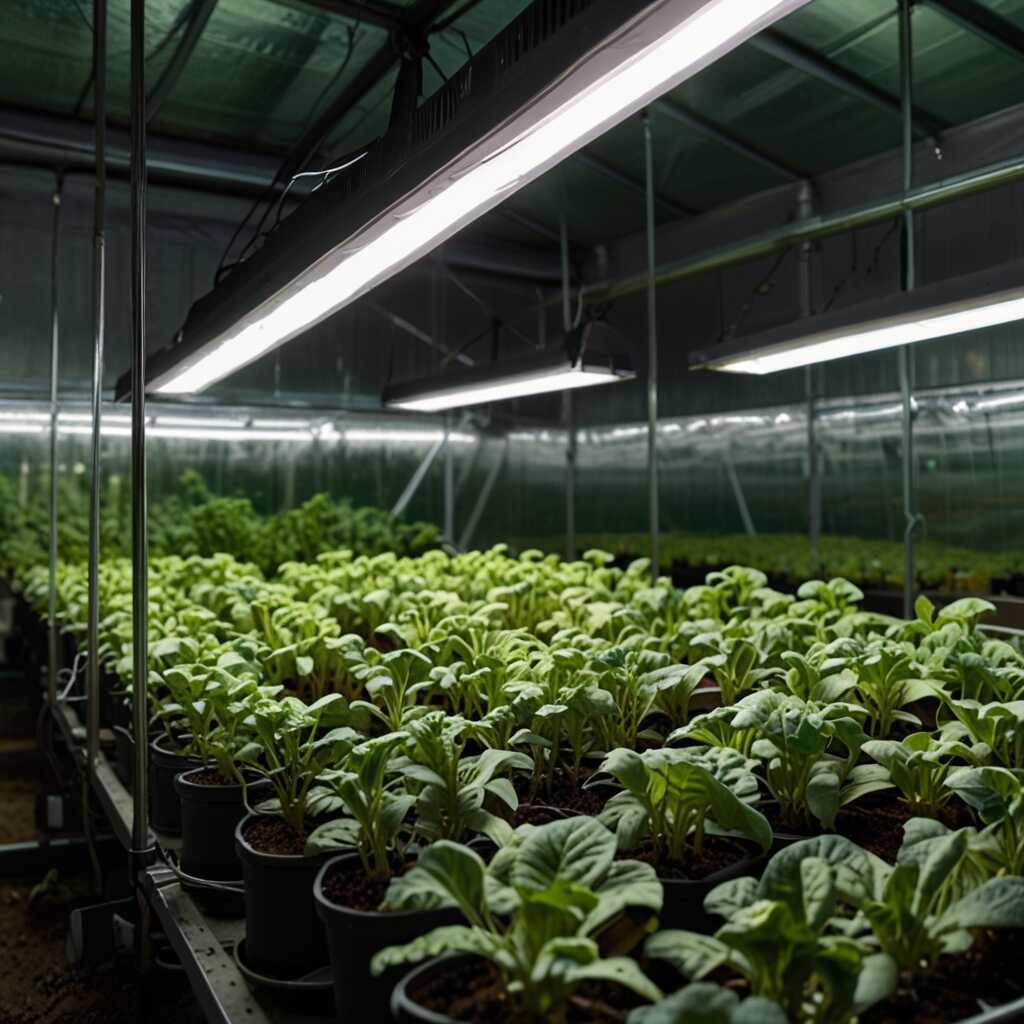
Plants have varying light needs during their growth stages. In the germination phase, seeds require low light intensity, ideally around 12-16 hours daily. As seedlings develop, they benefit from more intense, full spectrum lighting for about 14-16 hours each day. Once plants enter the vegetative stage, increasing light intensity to around 16-18 hours helps maximize growth, focusing on wavelengths that enhance leaves. During the flowering stage, plants need less light; about 12 hours per day of light, preferably with a focus on red and orange spectrum lights, can trigger blooming while ensuring healthy flower formation. This knowledge ensures you provide optimal lighting conditions throughout a plant’s lifecycle.
Understanding Light Quality and Spectrum for Each Growth Stage
The quality and spectrum of light are crucial for plants during different growth stages. During germination, the light does not need to be intense, but blue light is essential, as it encourages compact growth. Seedlings should receive full spectrum lighting that mimics natural sunlight, as this includes both blue and red wavelengths. In the vegetative stage, blue light promotes leaf growth while red light promotes flowering later. For flowering, switching to a light that emphasizes red wavelengths can enhance flower development. A detailed light schedule ensures the plants receive adequate light exposure, improving overall health and productivity.
Key Numerical Insights About Plant Lighting Needs
- Plants may need 12-16 hours of light each day for optimal growth.
- Over 90% of modern gardeners utilize artificial lighting systems.
- LED lights consume up to 80% less energy than traditional bulbs.
- Indoor plants often thrive best at 400-700nm light wavelengths.
- Regular monitoring can catch deficiencies within 2-3 weeks.
- Most plants require bright light if they show signs of yellowing in leaves.
- More than 50% of plant enthusiasts reported improved growth with added lighting.
Effective Methods to Measure Lighting Intensity in Your Greenhouse
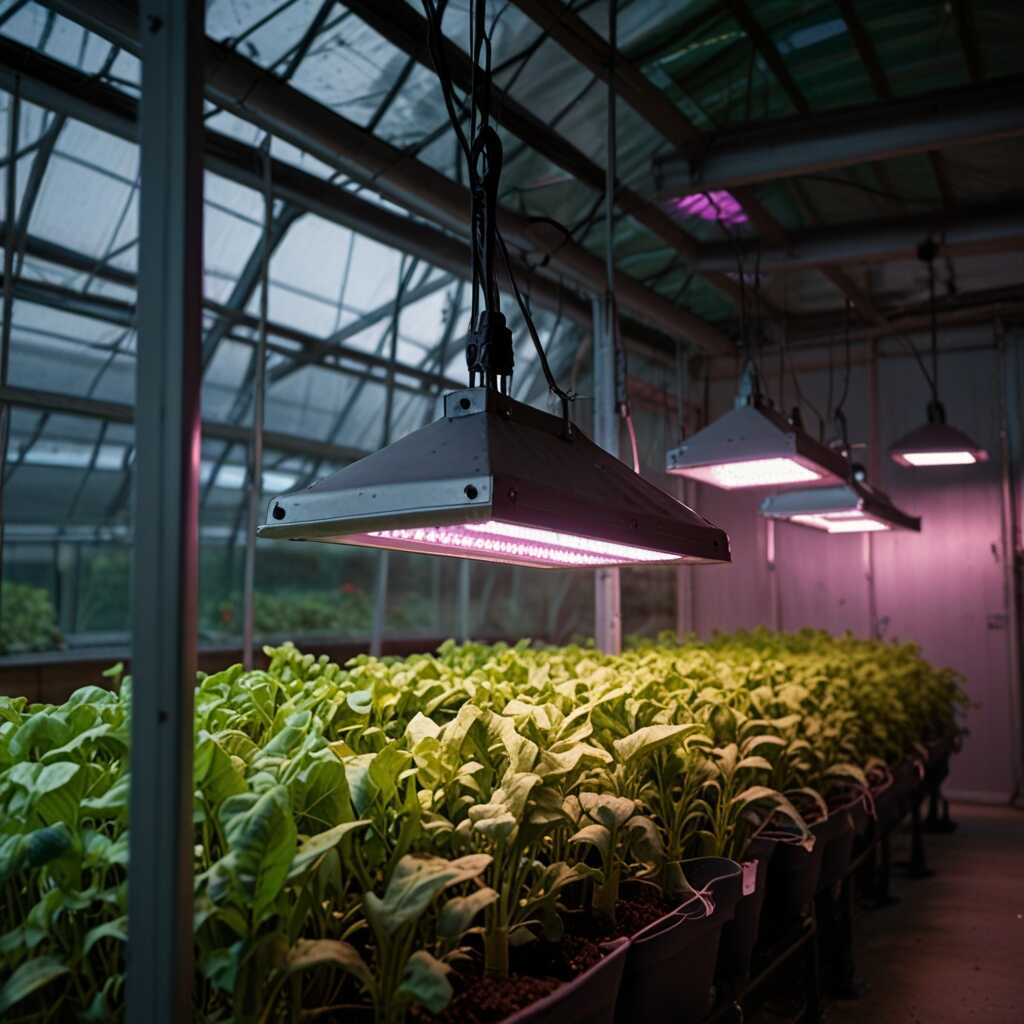
Measuring the light intensity in your greenhouse is necessary for ensuring your plants thrive. You can use light meters to measure light intensity accurately. Reliable light meters are designed to provide readings in foot-candles or lux, making it easy for you to understand your light conditions. Other methods include using smartphone apps, but they may lack the reliability of dedicated light meters. Testing your light conditions regularly helps you know if you’re meeting the optimal lighting for plants. Generally, most greenhouse plants prefer light intensities between 20,000 to 50,000 lux.
Understanding Light Meter Types and Their Uses
There are two main types of light meters: quantum meters and general light meters. Quantum meters measure photosynthetically active radiation (PAR), which is essential for plant growth. They provide precise readings that help you determine if your plants receive adequate light. General light meters measure overall light intensity but do not focus on the specific wavelengths that plants need. For serious indoor gardeners, using a quantum meter enhances your ability to create the best lighting conditions. Such tools are built for durability and provide reliable results over time, making them a great investment for your greenhouse needs.
Choosing Appropriate Grow Lights for Your Specific Plants
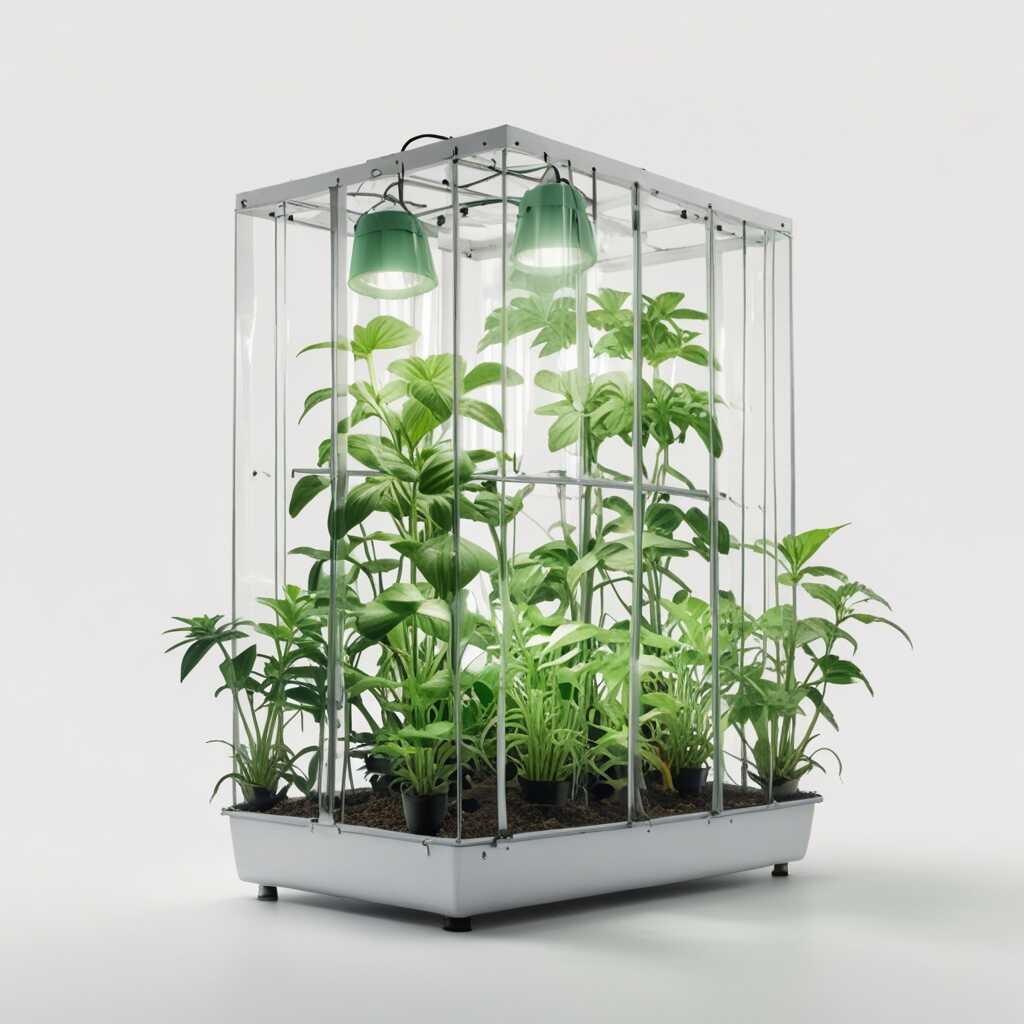
There are various types of grow lights available for greenhouse plants, including LED, fluorescent, and halide lights. LED grow lights are popular due to their energy efficiency and long lifespan. Fluorescent lights work well for seedlings and plants that require lower light intensity. Metal halide lights are suitable for high light-demanding plants but consume more energy. Different plants, like succulents, herbs, and tropical plants, have varying light requirements. Succulents thrive in bright light and benefit from full-spectrum LED lights. Tropical plants often prefer indirect light but can adapt to specific fluorescent lighting. The ideal wattage range for grow lights varies by plant type; most indoor plants benefit from 20-40 watts per square foot for optimal growth and health.
Understanding Plant-Specific Light Requirements
Understanding specific light requirements enhances plant growth and health. Succulents typically need higher light intensity, thriving under strong LED lights that provide full spectrum 400-700nm wavelengths. Herbs like basil and mint prefer moderate lighting, doing well under fluorescent grow lights. Tropical plants, such as ferns and peace lilies, flourish in lower light conditions and benefit from indirect fluorescent lighting. Matching the right grow light technology to each species promotes better growth and healthier plants, ensuring their needs for light duration and intensity are met.
Positive Outcomes of Enhancing Plant Light Exposure
- Improved plant growth leads to lush, vibrant foliage.
- Alive plants reduce indoor air pollutants and enhance air quality.
- Healthy plants blossom more frequently, providing beautiful flowers.
- Growth under adequate light can increase yield by up to 30%.
- Proper lighting fosters stronger roots, enhancing drought resilience.
- Effective lighting brings joy and boosts mental well-being for caregivers.
- Enhanced photosynthesis can improve a plant’s overall health and vigor.
Best Practices for Positioning Grow Lights for Optimal Effectiveness
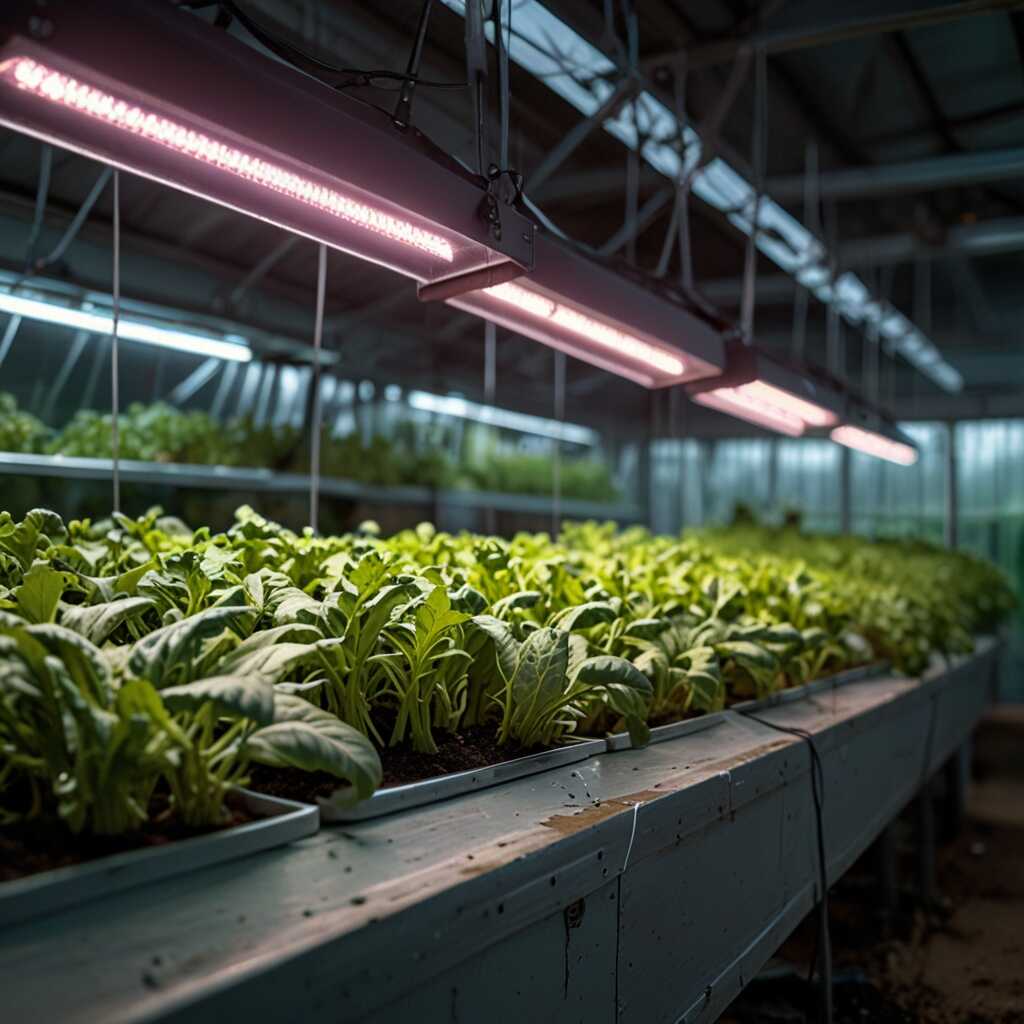
Position grow lights to ensure your plants receive even light distribution. Ideally, lights should be placed at a distance that supports your plants’ growth stages. For seedlings, a distance of 12-24 inches above is effective. As your plants mature, adjust the height accordingly to about 24-36 inches. Different types of grow lights are suitable for various plant growth stages. For example, LED lights provide full spectrum coverage, enhancing vegetative growth and flowering. This combination helps plants thrive in a greenhouse. Regular adjustments help maintain optimal growth and health.
Understanding Optimal Distances for Specific Grow Lights
Each type of grow light has its optimal distance for hanging. LED grow lights should hang about 12-24 inches above seedlings, ensuring they receive sufficient light intensity without overheating. For fluorescent lights, maintain a distance of about 6-12 inches. Metal halide bulbs should be positioned 24-36 inches above the plants due to their higher heat output. Adjusting these heights ensures reliable performance and minimizes plant stress. Research shows these specific distances enhance plant health and growth rate significantly. Following these guidelines will help maximize lighting efficiency in your greenhouse.
Creating Ideal Lighting Schedules for Plant Growth Stimulation
When creating effective lighting schedules for greenhouse plants, consider the plant species, growth phases, and light intensity. Different plants have specific light requirements that affect their photosynthesis and overall health. For example, seedlings may need 14-16 hours of light daily, while mature plants might thrive on 10-12 hours. Adjust the light exposure duration based on the growth stage to enhance photosynthesis. Incorporate the use of full spectrum lighting to ensure plants receive the right wavelengths for their needs.
Understanding Plant Growth Phases and Their Light Needs
Knowing how each growth phase requires varied lighting can significantly impact plant health. Seedlings benefit from longer exposure to artificial light due to their rapid development. In contrast, flowering plants often need shorter periods of intense light followed by darkness, which triggers blooming. For instance, during the vegetative phase, most plants require around 16 hours of light. In the flowering phase, 12 hours of light with 12 hours of darkness suits many flowering species best. Using timers can help ensure consistency and reliability in your plant lighting schedule.
Understanding User Needs in Indoor Plant Lighting
- Hobbyist gardeners often seek reliable light sources for seasonal plants.
- Students studying horticulture need to know light requirements for projects.
- Climate-conscious homeowners want efficient options to grow their own food.
- Urban dwellers aim to maximize small spaces with natural lighting alternatives.
- Families interested in sustainability prefer low-energy lighting systems.
- Indoor gardening enthusiasts often look for effective full-spectrum options.
- New gardeners benefit from understanding how light affects plant success.
Evaluating Plant Health After Adjusting Lighting Conditions
To determine if your plants are adapting well to new lighting, observe their growth patterns and overall appearance. Healthy plants will exhibit new growth, vibrant colors, and firm leaves. Signs of plant stress from lighting changes include yellowing leaves, stunted growth, or excessive shedding. Plants generally take about two to four weeks to show results after changing lighting conditions. To achieve optimal plant health, consistent monitoring helps you refine your growing strategies and enhance their environment.
Key Indicators of Plant Adaptation
Key indicators of plant adaptation include leaf color changes and growth rates. Robust green leaves indicate sufficient light levels, while yellowing suggests insufficient light. Increased stretching towards the light source may show that your plants are seeking more light. Measure growth rates weekly to observe any changes. By regularly evaluating plant health, you can identify what works best for your indoor gardening techniques. Adjust lighting based on these signs to further improve their health and overall growth.