
Integrating grow lights into vertical gardening systems within greenhouses can significantly enhance plant growth. By using the right lighting techniques, greenhouse hobbyists can create an ideal environment for their plants. Green Writer provides essential guidance on how to do this sustainably, ensuring your gardening efforts benefit both your home and the planet. Emphasizing energy-efficient practices and proper light selection, this article will help you maximize the potential of your vertical garden.
Overview of Grow Light Technologies and Their Functions
Grow light technologies include LED and fluorescent options, each with unique features that enhance plant growth. LED grow lights provide high energy efficiency and a long lifespan of over 50,000 hours. They deliver full-spectrum light, which is crucial for all plant growth stages. Fluorescent grow lights offer lower upfront costs but typically have shorter lifespans and may require frequent replacement. They work well for propagating seedlings but are less effective for larger plants. Understanding these differences helps gardeners choose the best option for their vertical gardening systems in greenhouses.
Comparing LED and Fluorescent Grow Lights for Vertical Gardening
When comparing LED and fluorescent grow lights for vertical gardening, consider their efficiency and suitability. LED lights are designed for optimum light output while consuming less energy, often leading to lower electricity bills. They can handle the full spectrum of growth needs, enabling plants to flourish in various growth stages. In contrast, fluorescent lights deliver softer light, making them useful for specific peripherals but not as versatile as LEDs. Choosing the right light enhances plant performance and longevity in a greenhouse setup.
Advantages of Vertical Gardening in Controlled Environments
Vertical gardening offers many benefits in greenhouses. It maximizes space usage by allowing multiple layers of planting, which is essential for small areas. Improved air circulation occurs as plants are spaced vertically, reducing humidity and preventing fungal diseases. This method also enhances pest management by making it easier to identify and treat infestations. Studies show that vertical gardening can increase yields by up to 30% compared to traditional gardening, providing a proven method for efficient space usage.
Maximizing Space through Vertical Gardening Techniques
Maximizing space in greenhouse environments through vertical gardening techniques involves utilizing structures like trellises, shelves, and wall planters. These features allow plants to grow upwards, using height to increase the number of plants per square foot significantly. Vertical systems can support both lightweight and sturdier plants, making them versatile for various crops like herbs, leafy greens, and vines. By carefully selecting plant arrangements and ensuring reliable support structures, gardeners can enhance their yields and maintain a healthy growing environment.
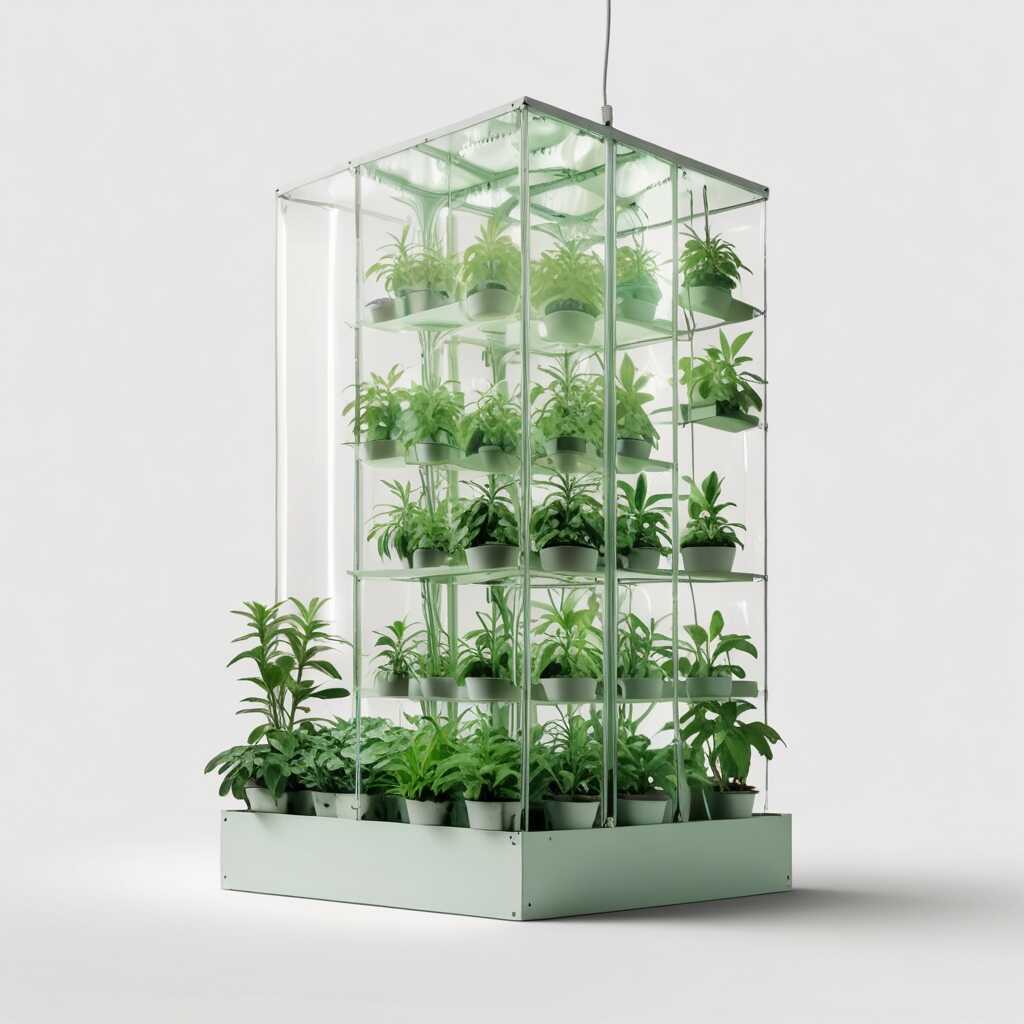
Selecting the Ideal Grow Lights for Your Greenhouse Plants
Choosing the right grow lights is essential for enhancing the growth efficiency and health of greenhouse plants. Specific plant types benefit from different light spectrums. Full spectrum lighting supports all growth stages, from seedling to flowering. For example, leafy greens thrive under cooler light, while fruiting plants need warmer light. Reliability and efficiency are critical when evaluating grow lights. Look for features like adjustable intensity and timers to optimize your plants’ light exposure. Generally, grow lights should be on for 12 to 16 hours daily to simulate natural daylight, depending on the plant type.
Choosing Between LED and Traditional Grow Lights
When assessing grow lights, LED options stand out for their energy-efficient lighting and durability. LED grow lights consume less energy than traditional options, reducing your carbon footprint while still providing high-quality light for plant growth. Many LED systems offer a full spectrum, fostering effective growth during all stages. Look for options rated for high performance with substantial lumens for better efficiency. Consider how easily adjustable these lights are for different plant setups. Regular testing and comparisons can further ensure that you choose the best lighting solutions for your greenhouse needs.
Interesting Data Points About Lighting in Indoor Gardening
- Plants need about 12-16 hours of light daily for optimal growth.
- Grow lights can reduce energy costs by up to 75% compared to traditional bulbs.
- LED grow lights last over 50,000 hours, providing long-term usage.
- Vertical gardening can increase space efficiency by up to 90%.
- Full-spectrum lights help plants grow better at all stages.
- Using grow lights can boost plant yields by 30% or more.
- Plants grow faster under optimal lighting conditions, sometimes doubling growth rates.
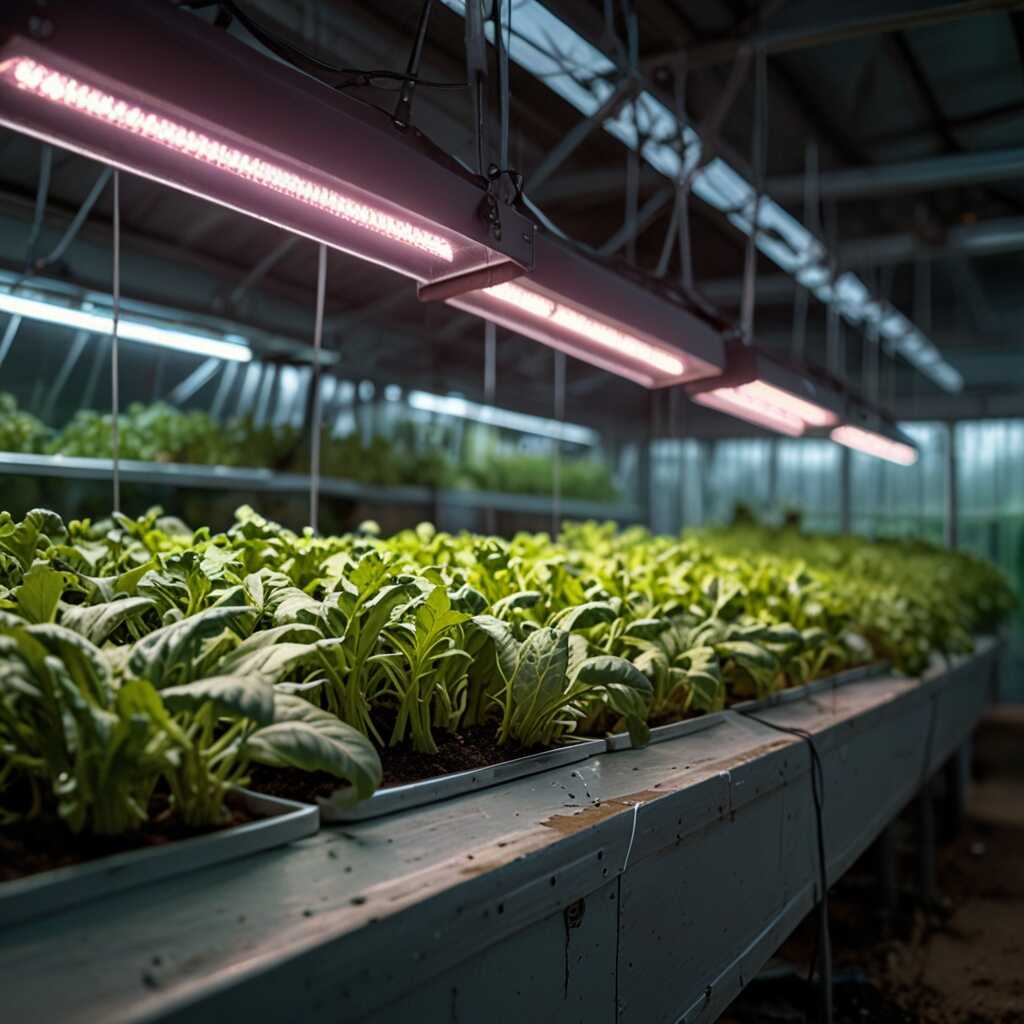
Strategic Placement of Grow Lights in Vertical Gardening Systems
Proper light coverage is essential for vertical gardening. Grow lights should be positioned to ensure even distribution of light across all levels of plants. Place them at an angle of 30 to 45 degrees to reduce shadowing. The distance between the light source and plants varies based on the type of grow light used. For LED grow lights, a distance of 12 to 24 inches is optimal. This distance helps achieve excellent results without causing plant stress. The brightness of lights, measured in lumens, also plays a role in growth efficiency and should be matched with plant needs.
Choosing the Right Type of Grow Light for Vertical Gardens
Selecting the right type of grow light enhances plant growth in vertical gardening systems. LED grow lights are the best option due to their energy efficiency and long lifespan. They provide full-spectrum lighting, mimicking sunlight, which is essential for all growth stages. Look for full-spectrum options that include wavelengths from 400 to 700nm. This spectrum supports photosynthesis and promotes healthy plant development. High-quality LED grow lights can improve yield and quality while keeping heat output low. This makes them comfortable for plants in closely packed vertical systems.
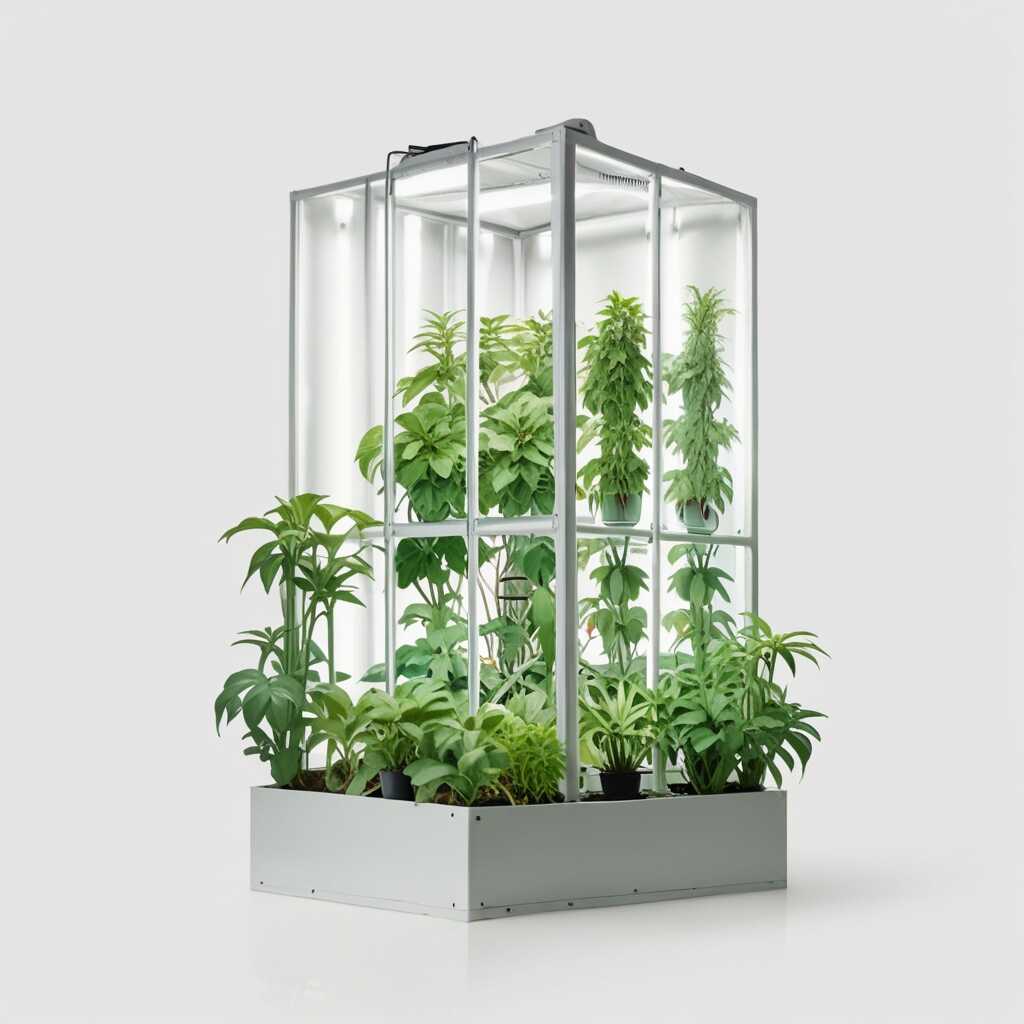
Mixing Grow Lights for Comprehensive Plant Coverage
Mixing different types of grow lights leads to numerous advantages. Each light type provides unique wavelengths, ensuring full-spectrum lighting solutions. Full-spectrum lighting helps address diverse plant needs, facilitating growth during various stages. For instance, LED lights enhance vegetative growth, while fluorescent lights can be ideal for seedlings. Combining technologies allows gardeners to achieve optimal plant growth, especially for species requiring varied light intensities. This strategy can optimize energy efficiency while also reducing energy costs.
Choosing the Right Light Combinations for Your Plants
Choosing the right combination of lights significantly impacts vertical gardening systems. Various plants thrive under different light conditions. For example, leafy greens may require 400-600nm wavelengths, while flowering plants benefit from increased red light (600-700nm). By employing a mix of grow lights, gardeners can efficiently cater to these distinct needs. Research shows that a combination of LED and fluorescent lights can enhance plant yields by providing a broader spectrum. Additionally, this approach ensures that plants receive adequate light coverage, helping to easily prevent light stress and other issues.
Advantages of Using Illumination Systems in Urban Planting
- Grow lights promote healthy plant growth and development.
- They allow year-round gardening, even in winter.
- Proper lighting enhances photosynthesis for vibrant foliage.
- Using grow lights can reduce pests and diseases in a greenhouse.
- They provide the right wavelengths essential for blooming and fruiting.
- Grow lights make it easier to grow a diverse range of plants.
- Effective lighting systems create a controlled environment for optimal growth.
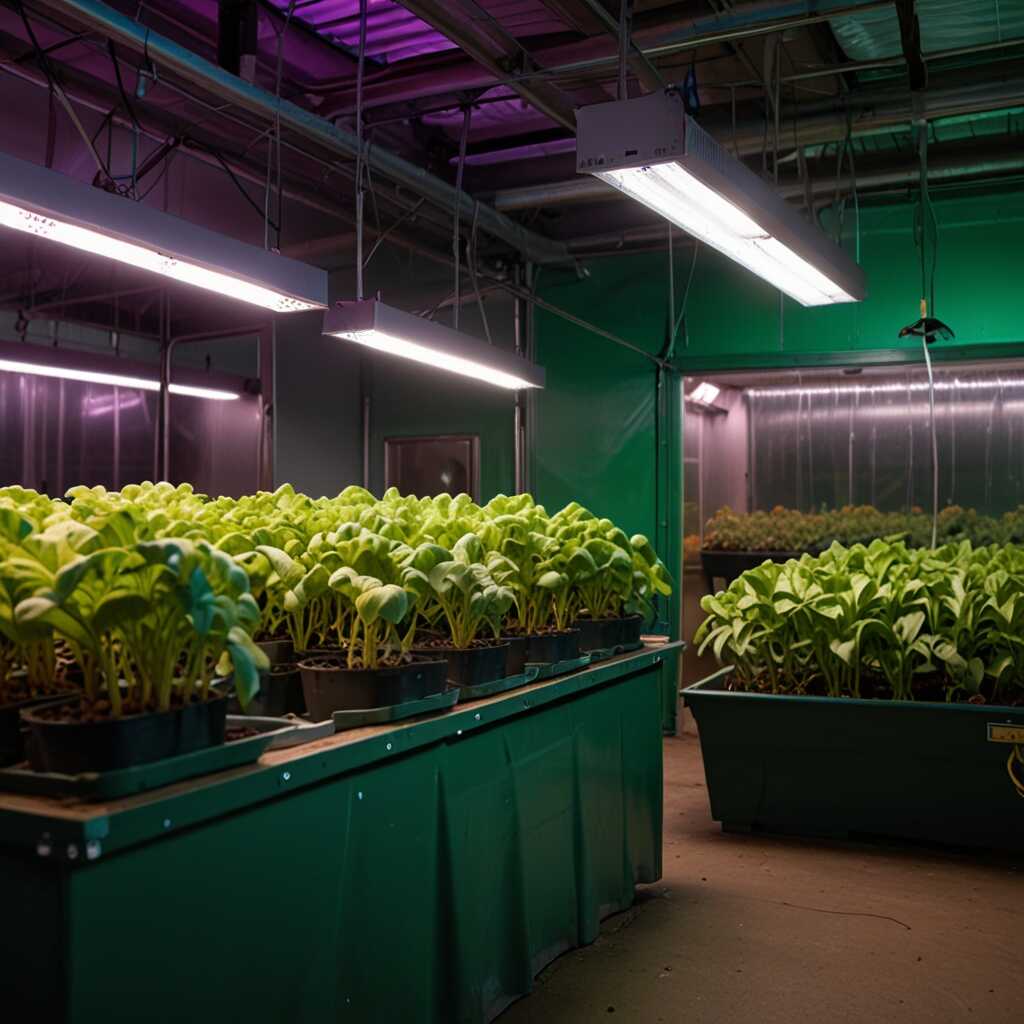
Customizing Light Schedules for Different Plant Needs
To determine the optimal light duration for your plants, you need to consider their individual needs. Different plants thrive under differing light conditions. For example, most leafy greens like lettuce require about 12-14 hours of light per day, while fruiting plants, such as tomatoes, thrive on 14-18 hours of light for optimal growth. Understanding these varying light needs enhances plant development and maximizes yield. You can experiment with gradual adjustments to find the perfect balance for all plants in your vertical system.
Specific Light Needs for Common Plants
Common vegetables and herbs have unique light requirements. Tomatoes typically need 14-18 hours of light per day for healthy fruit production, while basil flourishes with 12-16 hours of light to ensure strong flavor development. Lettuce, on the other hand, prefers around 12-14 hours to prevent bolting and maintain tenderness. When using grow lights, ensure the timing matches these growth phases, providing the right duration to achieve the best results.
Common Challenges When Using Grow Lights
Grow light challenges include heat management, light placement, and energy consumption. Excessive heat can damage plants. To mitigate this, invest in good heat-dissipating LED lights. Light placement is essential. Proper distance from plants ensures adequate light exposure without burn. Energy consumption is crucial for sustainability. Look for energy-efficient grow lights to reduce electricity usage while enhancing plant growth. Research shows using full spectrum lights improves growth performance and plant health.
Optimizing Light Placement for Better Growth
Optimizing light placement helps ensure plants receive adequate light without stress. Position lights 12 to 24 inches above plants, depending on the light type. Use adjustable light fixtures for flexibility. Consider the growth stage; seedlings need less light compared to flowering plants. Regularly test the distance and adjust as plants grow taller. This enables plants to maximize photosynthesis, leading to healthier growth and better yields.
Brands and Users Who Benefit from Plant Grower Lighting
- Brand A offers affordable options and is user-friendly.
- Brand B provides high-energy-efficiency models ideal for large gardens.
- School programs often use lighting systems to teach students about plant biology.
- Urban farmers benefit by maximizing small spaces using vertical setups.
- Hobbyists love flexible grow lights for their varied gardening needs.
- Commercial growers need powerful lights to achieve high output.
- Eco-conscious consumers prefer brands that focus on energy efficiency.
Embracing Sustainable Practices in Grow Light Usage
Energy-saving techniques for using grow lights include using timers to control light schedules and employing light sensors to adjust based on ambient light. The efficiency of different types of grow lights varies; LED grow lights are highly recommended for their lower energy consumption and longer lifespan compared to traditional bulbs. For optimal plant growth, aim to keep grow lights on for 12 to 16 hours a day while considering the plants’ specific needs. This helps maintain sustainability and supports healthy growth.
Choosing the Right Grow Light for Sustainability
Selecting the right grow light enhances energy efficiency and contributes to sustainable gardening practices. LED grow lights are valuable due to their impressive durability, consuming up to 75% less energy than conventional bulbs. When researching options, check the electromagnetic spectrum for the best results. Full-spectrum LED lights support all growth stages, ensuring healthy plants. Moreover, the longevity of these lights means fewer replacements, which reduces waste. Aim for products with energy ratings that show proven efficiency and performance to maximize eco-friendliness.