
Rotating indoor plants enhances light exposure for optimal growth, ensuring each leaf receives the sunlight it craves. By regularly adjusting their positions, you allow all sides of your plants to bask in the light. This simple yet effective practice promotes healthier growth and can significantly improve the vitality of your indoor garden. At Green Writer, we emphasize the importance of light exposure techniques in indoor plant care, helping you create a vibrant and flourishing space.
The Critical Role of Light in Indoor Plant Health
Light is essential for indoor plant health because it fuels photosynthesis. This process helps plants convert light energy into food. Without adequate light, plants may become leggy, weak, and unable to thrive. Different species require varying light conditions. For example, succulents and cacti prefer bright sunlight, while ferns thrive in low-light areas. An optimal growth light exposure can significantly enhance plant vitality. Most indoor plants generally need about 12 to 16 hours of light daily. Providing the right amount of light ensures healthy growth and robust foliage.
Understanding Specific Light Needs for Various Plants
Different types of indoor plants have unique light requirements that need careful consideration. For instance, low-light plants like snake plants and pothos can handle less direct sunlight, while high-light plants such as succulents require more exposure. A light requirements chart can be useful for comparing these needs. Many plants benefit from full spectrum grow lights, which deliver the wavelengths essential for their growth stages. Using these lights can help simulate natural sunlight, ensuring plants receive optimal exposure. This focused approach enables plant enthusiasts to devise tailored care strategies for a thriving indoor garden.
Benefits of Regularly Rotating Indoor Plants
Rotating indoor plants regularly offers essential benefits for plant health improvement. Unequal light exposure often leads to weak stems, uneven leaf growth, and faded colors. Regular rotation helps achieve balance, ensuring that every part of the plant receives adequate light, which is crucial for photosynthesis. Furthermore, plants like snake plants and pothos can display marked growth differences without consistent rotation. The recommended frequency for rotating indoor plants is every 1-2 weeks. This practice helps promote balanced growth by enabling plants to thrive and develop an even structure.
Understanding Unequal Light Exposure in Indoor Plants
Unequal light exposure can severely impact indoor plant health. Each plant species has specific light requirements that affect their growth rates and overall vitality. For example, shade-loving plants may thrive with indirect light, while others, like succulents, need full sunlight. When one side of a plant remains in shadow for too long, it may become leggy or exhibit stunted growth. Regular rotation distributes light evenly, allowing plants like peace lilies and spider plants to flourish. This balanced growth strategy is vital for maintaining vibrant colors and robust leaf structures.
Identifying Signs of Inadequate Light Exposure
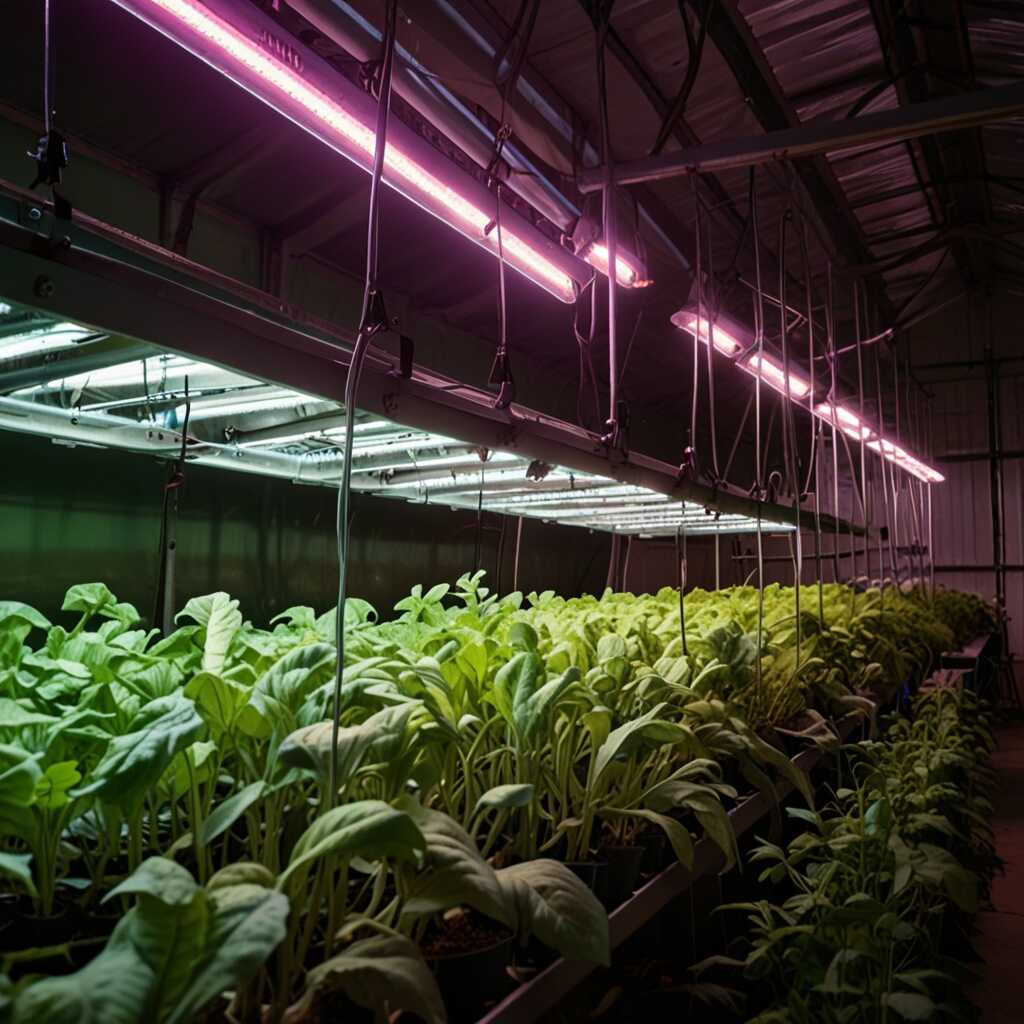
Plants struggling with insufficient light will display several signs. Yellowing leaves, specifically those at the lower part of the plant, is one common symptom. Stunted growth occurs as plants lack energy to produce new leaves. If you notice elongated stems or “legginess,” it means the plant is stretching towards a light source. Additionally, leaves may drop prematurely, signaling light deficiency. Plants like peace lilies and pothos often reveal these signs and need repositioning to a well-lit area. Understanding how light impacts plant health is essential for maintaining their vibrancy and growth. General recommendations suggest most indoor plants require at least 12-16 hours of light per day to thrive.
Specific Signs for Different Plant Types
Different plant species exhibit unique signs of inadequate light exposure. Succulents like jade plants may become soft and lose their vibrant colors, while ferns can start browning at the tips. For flowering plants, such as African violets, fewer blooms indicate a need for more light. The observed symptoms not only vary across species but also can be affected by their specific light requirements. Research shows that providing the right light for your plants enhances overall plant performance, leading to healthier growth and improved aesthetics. Always ensure to assess their light needs regularly and adjust placements accordingly.
Numerical Insights into Plant Rotation Practices
- Plants typically need 6-8 hours of light daily for optimal growth.
- Rotating plants every 1-2 weeks helps promote even light exposure.
- Arrange plants in a circle to ensure each receives equal light.
- Indoor plants generally require about 50-100 foot-candles of light.
- Research shows that rotated plants grow 30% faster than stationary ones.
- Most indoor plants thrive at temperatures between 60-75°F (15-24°C).
- Watering needs may increase by 20-30% for plants receiving more light.
Effective Techniques for Plant Rotation
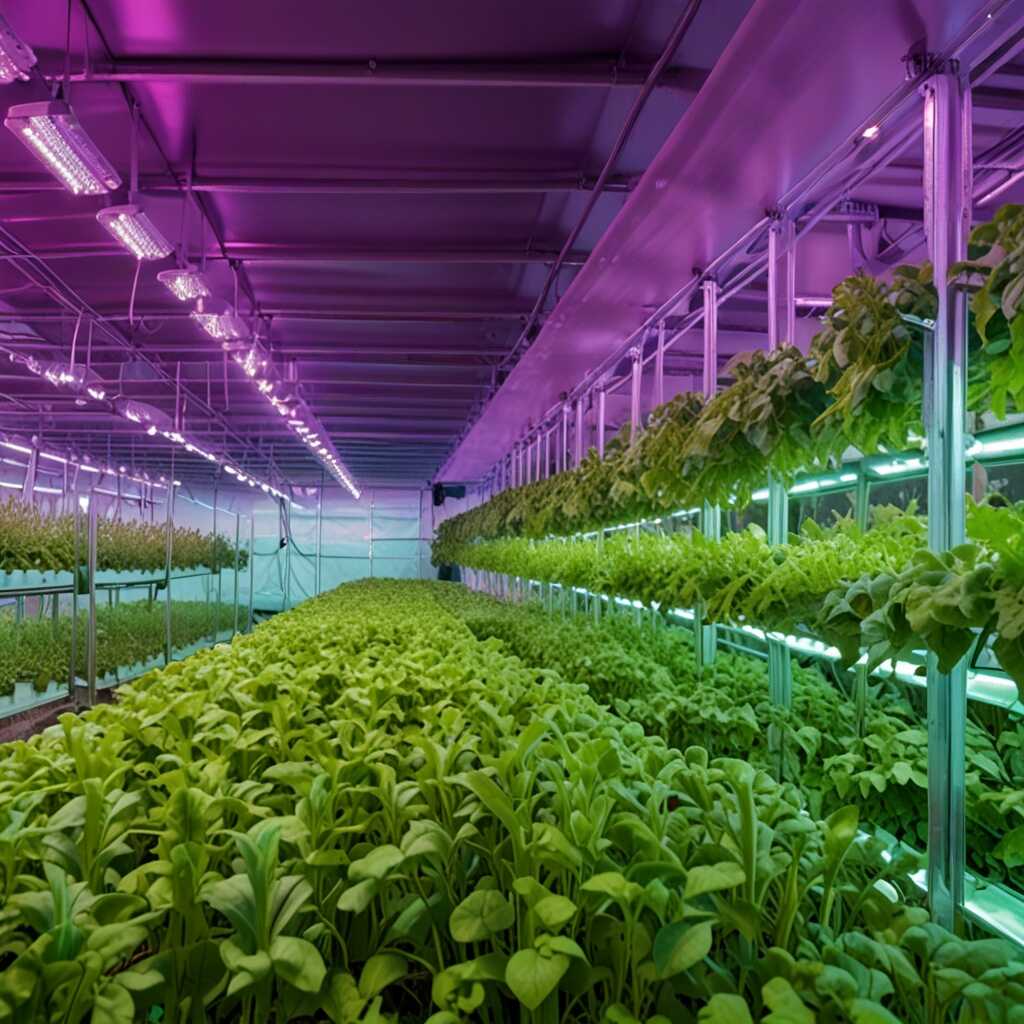
Rotating indoor plants is essential for ensuring they receive consistent light exposure. Best practices include turning plants every 1-2 weeks. Doing so prevents them from growing lopsided towards the light source. Plants like succulents and leafy greens benefit significantly from rotation. Each type of plant has unique light requirements, and incorporating rotation helps them grow uniformly. Always monitor plant performance after each rotation to determine the best schedule for your specific environment.
Benefits of Regular Plant Rotation
Regularly rotating your indoor plants enhances overall health and growth quality. Consistent light exposure enables photosynthesis to occur evenly across the plant. This prevents weak stems and promotes stable, robust growth. In terms of efficiency, rotating once every week can yield better growth results for most plants. Monitor light levels and pivot plants to maximize their access to natural light. Following this method can significantly enhance their ability to thrive.
Choosing Optimal Locations for Indoor Plants
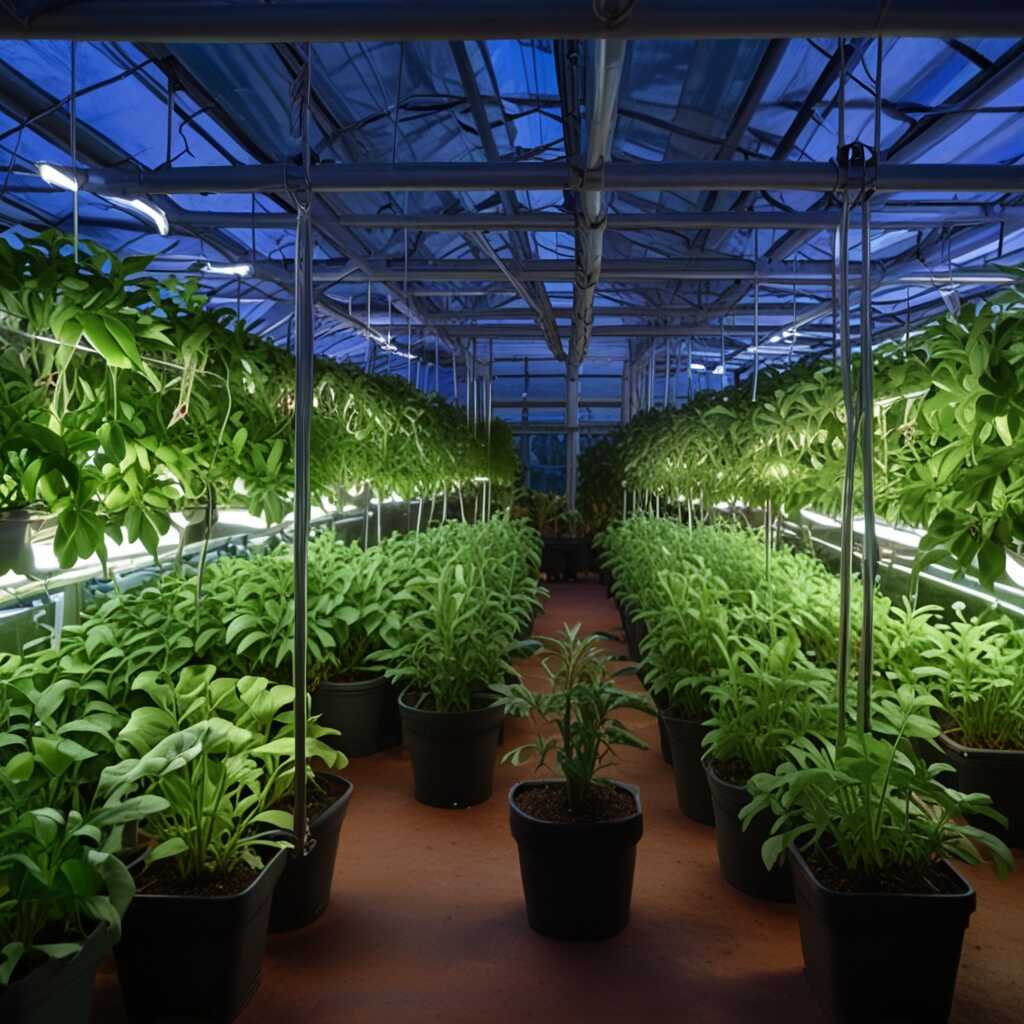
When selecting locations for indoor plants, consider window placement, room orientation, and temperature variations. East-facing windows provide morning sunlight and are great for sun-loving plants like succulents. North-facing windows offer indirect light, suitable for low-light plants like snake plants. South-facing windows provide strong daylight, ideal for flowering plants. Ensure temperature stays consistent since drafts from open windows can stress your plants. Place plants away from heat sources such as radiators or air conditioning vents to avoid wilting.
Identifying Light Conditions in Your Home
Understanding light conditions is essential for healthy indoor plants. Start by observing light availability during different times of the day. East-facing windows receive approximately 4-6 hours of soft morning light, perfect for tender plants. South-facing windows get about 8-10 hours of bright sunlight, suitable for those needing full light. North-facing windows usually have low light, providing about 2-4 hours of indirect sunlight, ideal for shade-loving varieties. Keep in mind that some plants like peace lilies can thrive in these conditions if monitored closely. Choose the right spots based on these light conditions to enhance your indoor gardening experience.
Positive Outcomes from Regular Plant Rotation
- Evenly exposed plants grow fuller and busier compared to ones with uneven light.
- Healthier plants have stronger root systems that support better growth.
- Rotating increases photosynthesis efficiency by maximizing light absorption.
- Plants produce more vibrant leaves, enhancing your indoor aesthetics.
- Stable exposure reduces the risk of pest infestations linked to weak plants.
- Potted plants become more resilient to changes in their environment.
- Regular movement boosts your awareness of plant health and needs.
Utilizing Artificial Light for Indoor Gardening
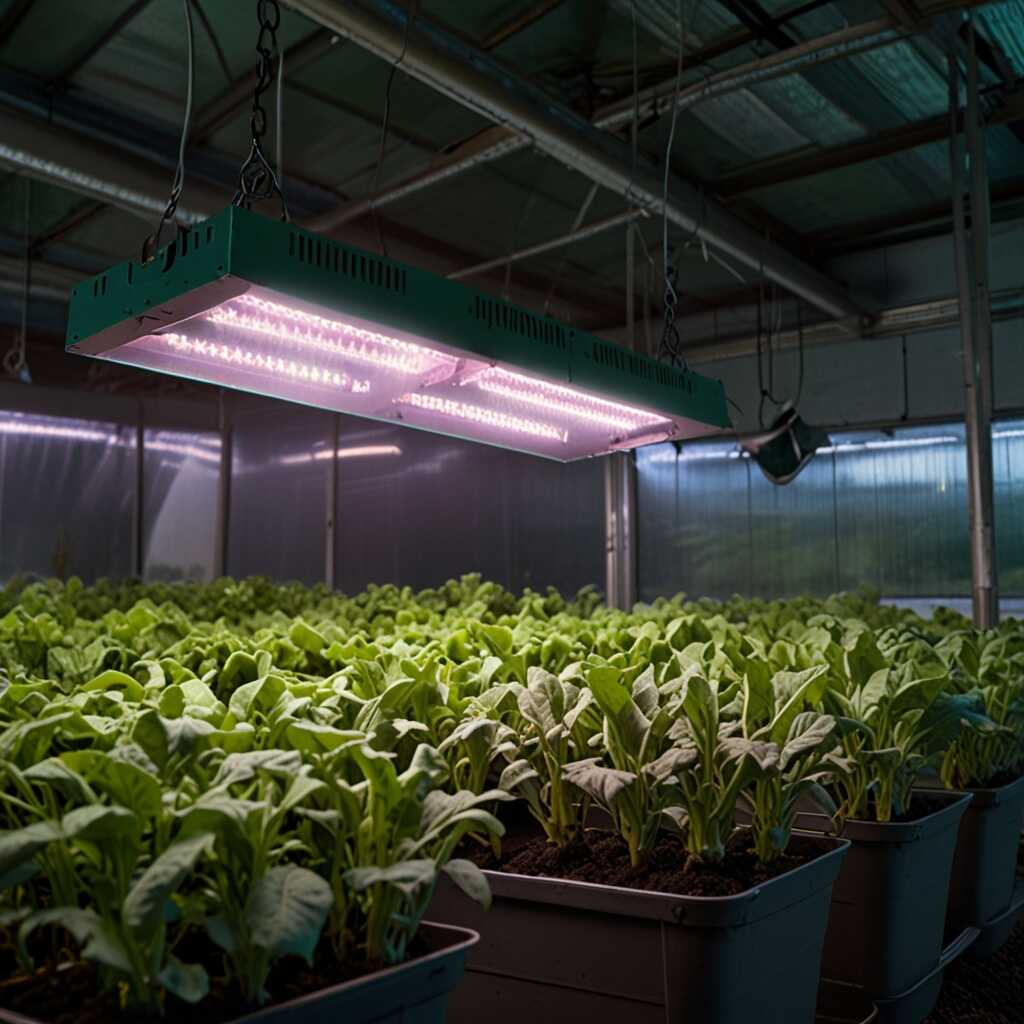
LED grow lights provide essential benefits for indoor gardening. They can enhance natural light exposure, ensuring plants receive adequate light for photosynthesis. Different types of grow lights, including fluorescent and HID, offer unique advantages. LED lights are energy-efficient and last longer than traditional bulbs, making them a great choice for plant care. Research shows that LED grow lights can improve plant health and growth rates by providing the appropriate light spectrum for each growth stage. The average lifespan of LED lights is around 50,000 hours, which is significantly longer than that of incandescent or fluorescent lights.
Understanding Light Spectrum Types for Optimal Growth
Light spectrum types play a crucial role in various plant growth stages. Plants require different wavelengths for processes like germination, flowering, and fruiting. LED grow lights offer full spectrum lighting that mimics natural sunlight, improving plant growth and health. The blue light range (400-500 nm) promotes foliage growth, while red light (600-700 nm) encourages flowering. Studies show that a balanced light spectrum leads to quicker growth and stronger plants. When selecting grow lights, consider how the spectrum fits your plant types. This knowledge helps create an ideal indoor gardening environment.
Establishing a Care Routine Alongside Light Management
Creating a consistent care routine is essential for indoor plants. Regular watering, monitoring humidity, and managing nutrients work together with light exposure for optimal growth. Watering frequency depends on the plant type and environment but generally ranges from once a week to every two weeks. Humidity control is vital, as indoor air may be dry. Most indoor plants thrive in humidity levels of 40%-60%. Additionally, plants require nutrients depending on their growth stage. Fertilizing every month can enhance plant health and ensure they receive necessary elements. Combining these practices with proper light management ensures plants grow strong and vibrant.
Key Components of a Successful Plant Care Routine
Understanding the key components of a successful plant care routine is vital for health. Watering should be tailored; for example, spider plants prefer their soil to dry between waterings. Monitoring humidity can enhance leaf health and prevent drop, especially for tropical plants. Using a humidity meter can help track levels. Nutrient management is also crucial. Select a balanced fertilizer designed for indoor plants. This helps in providing necessary elements such as nitrogen and phosphorous. Regular testing ensures plants receive products that meet their growth stages. A reliable care routine supports your plants’ overall performance while showcasing their beauty.
Popular Brands and Their Appeal in Plant Care
- Miracle-Gro offers excellent plant food but may have synthetic components.
- Deep Water Culture systems help keep plants hydrated effectively.
- FloraGrow provides a range of nutrients geared for every growth stage.
- Hydrofarm products are durable, yet some may be pricey for beginners.
- LED lights from brands like Sunblaster ensure energy efficiency.
- Lightweight pots from Gardener’s Supply are great for mobility, but can crack.
- Local gardening clubs recommend organic solutions to reduce chemicals.
Essential Tools for Managing Indoor Plant Care
Managing indoor plant care involves using reliable gardening products. Essential tools include rotation trays, moisture meters, and grow lights. Rotation trays enable convenient plant shifting for better light exposure. Moisture meters help monitor soil moisture levels, ensuring plants receive the right amount of water. Well-designed LED grow lights simulate natural sunlight, enhancing plant growth indoors. Research shows that using these tools improves indoor plant health significantly. Checking reviews helps you compare options for different gardening needs.
Top Recommended Products for Indoor Gardening
For effective plant rotation management, consider investing in high-quality gardening accessories. Reliable products include heavy-duty plant caddies that allow easy movement of larger plants. Adjustable LED grow lights provide essential wavelengths tailored to different growth stages, making them great for diverse plant types. Additionally, soil moisture meters offer convenient, accurate readings that prevent overwatering. Always look for durable items with strong user reviews. This ensures you select products that can handle daily indoor gardening needs effectively.