
Enhancing greenhouse strawberry yields with indoor grow lights can revolutionize your gardening experience. By harnessing the right light spectrum, you can significantly boost strawberry production throughout the year. Green Writer provides insights on growth optimization techniques and eco-friendly practices to maximize your greenhouse harvest. Discover how indoor grow lights can help you cultivate healthier strawberries while promoting sustainable gardening.
Understanding the Role of Light Spectrum in Plant Growth
Different light wavelengths play critical roles in strawberry growth and development. Research shows that blue light, ranging from 400 to 500 nm, promotes vegetative growth and sturdy leaf development. Red light, between 600 and 700 nm, aids in flowering and fruit production. Together, these wavelengths enhance the overall efficiency of plant growth. To achieve higher yields, greenhouse operators should include both types of light. Effective light spectrum management ensures plants receive what they need throughout their growth stages. The optimal ratio of blue to red light for strawberries is typically around 1:2 to maximize yields, leveraging the unique functions of each wavelength.
Maximizing Strawberry Yields Through Light Spectrum Optimization
To optimize strawberry cultivation indoors, understanding the light spectrum components is vital. Blue light supports strong leaf growth, while red light encourages flowering and fruiting. Investing in full spectrum LED grow lights can provide both wavelengths efficiently, with features designed to cover all growth stages. For the best results, maintain a consistent light schedule of 12 to 16 hours daily. Reliable LED systems not only deliver essential wavelengths but also utilize energy very efficiently. Many growers report improved yields when using lights that can simulate natural daylight, resulting in healthier and more robust strawberry plants. Regular monitoring of plant growth and light adjustments will further enhance performance.
Advantages of Indoor Grow Lights for Strawberry Production
The primary advantages of using indoor grow lights for strawberry production include energy efficient lighting, enhanced growth cycles, and improved plant health. Indoor grow lights help supply the necessary light spectrum that strawberries need during all growth stages. Utilizing energy efficient lighting, like LED grow lights, can reduce electricity costs significantly while providing the optimal conditions for production. With consistent and correct lighting, strawberries experience accelerated growth cycles, leading to earlier harvesting seasons. Moreover, indoor lighting ensures plants remain healthy even during darker months or limited natural sunlight, allowing strawberry producers to achieve reliable yields throughout the year.
Light Spectrum and Its Impact on Strawberry Growth
The light spectrum plays a crucial role in the growth and yield of strawberries. Indoor grow lights can deliver both red and blue wavelengths, which are essential for photosynthesis, flower development, and fruit ripening. Blue light promotes strong vegetative growth, while red light encourages flowering and fruiting. By utilizing a full spectrum light setup, greenhouse operators can optimize their strawberry production effectively, ensuring that their plants receive the balanced spectrum needed for robust development. Research indicates that using the right spectrum can enhance yields by as much as 30% compared to relying solely on natural light. This makes a significant difference in sustainable gardening practices.
Selecting the Ideal Grow Light for Strawberries
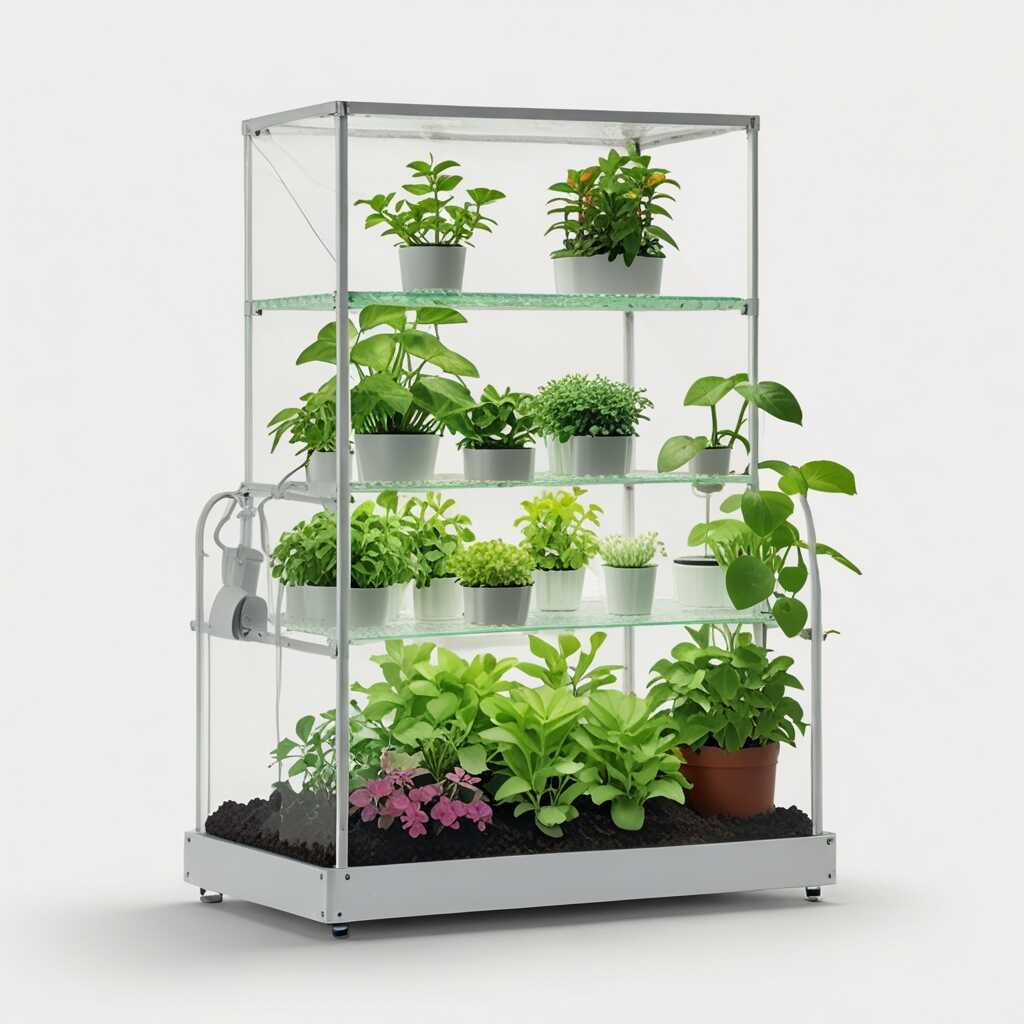
Choosing the right grow light for strawberries involves understanding light intensity levels, spectrum coverage, and energy consumption. Strawberries flourish under full-spectrum grow lights that mimic natural sunlight, particularly during the flowering phase. Ideally, LED grow lights that provide both blue and red light will enhance photosynthesis and fruit production. Look for high PAR (Photosynthetically Active Radiation) output, which measures how efficiently light promotes plant growth. Energy efficiency is another key factor; choose lights with lower wattage that deliver high output to save on electricity costs. Brands like Philips, Spider Farmer, and Horticulture Lighting Group receive positive reviews for their reliable and durable LED units designed for effective indoor strawberry cultivation.
Optimal Lighting Duration for Strawberry Growth
Strawberries require approximately 10 to 14 hours of grow light exposure daily. This duration ensures that plants receive sufficient light for photosynthesis, leading to healthier plants and higher yields. During the vegetative growth phase, providing 14 hours of light can promote strong leaf development. In contrast, reducing light to 10 to 12 hours as the plants enter flowering can stimulate fruit production, allowing strawberries to ripen. Consider using timers to automate the light cycle, making it easier to maintain these essential conditions. This simple adjustment will enhance growth efficiency and improve yields.
Key Statistics on Indoor Cultivation and Berry Growth
- Studies show that the right light spectrum boosts strawberry yields by up to 30% in greenhouses.
- Indoor grow lights can extend the growing season by 1-3 months, allowing for earlier harvests.
- A full-spectrum light can enhance photosynthesis rates and result in stronger plants.
- Research indicates that 12-16 hours of light daily results in optimal strawberry production.
- LED lamps use 75% less energy than traditional bulbs while providing similar lighting benefits.
- The average yield per plant can increase from 1 lb to 2 lbs when using indoor lighting effectively.
- Over 80% of indoor gardeners claim that proper lighting improves their overall plant health.
Avoiding Frequent Mistakes with Grow Light Usage
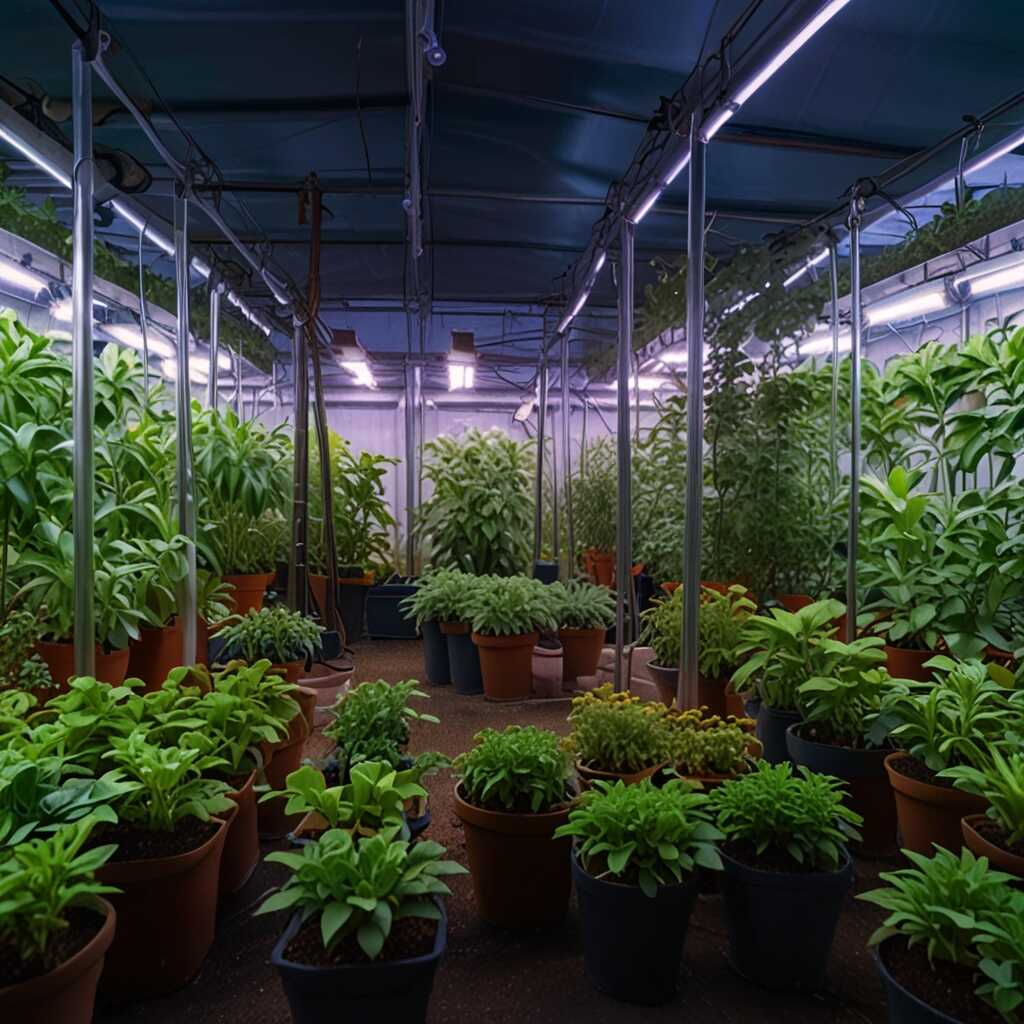
Gardeners often make errors with grow light usage, impacting strawberry health and yield. Common mistakes include improper height adjustments and incorrect light duration. If grow lights are too close, plants may suffer from leaf scorching. If positioned too far away, plants can become leggy as they stretch for light. Ensuring the correct distance maximizes grow light efficiency. Ideally, strawberry plants should be 12 to 24 inches from the light source. Light duration also matters; strawberries typically thrive with 12 to 18 hours of light daily. This duration optimizes growth and enhances fruit production.
Understanding Light Requirements for Strawberry Growth
Strawberries require specific light wavelengths for optimal growth. Full spectrum grow lights provide a balance of blue and red light, essential for photosynthesis and flowering. During vegetative growth, blue light (400-500 nm) promotes leaf development, while red light (600-700 nm) supports flowering and fruiting. Testing different light spectrums can help identify the best performance for strawberry yields, with results showing improved fruit size and quantity when using full spectrum lights. A review of grow light performance confirms that consistent light exposure at the proper intensity is vital for robust strawberry plants.
Optimal Lighting Requirements for Strawberry Growth
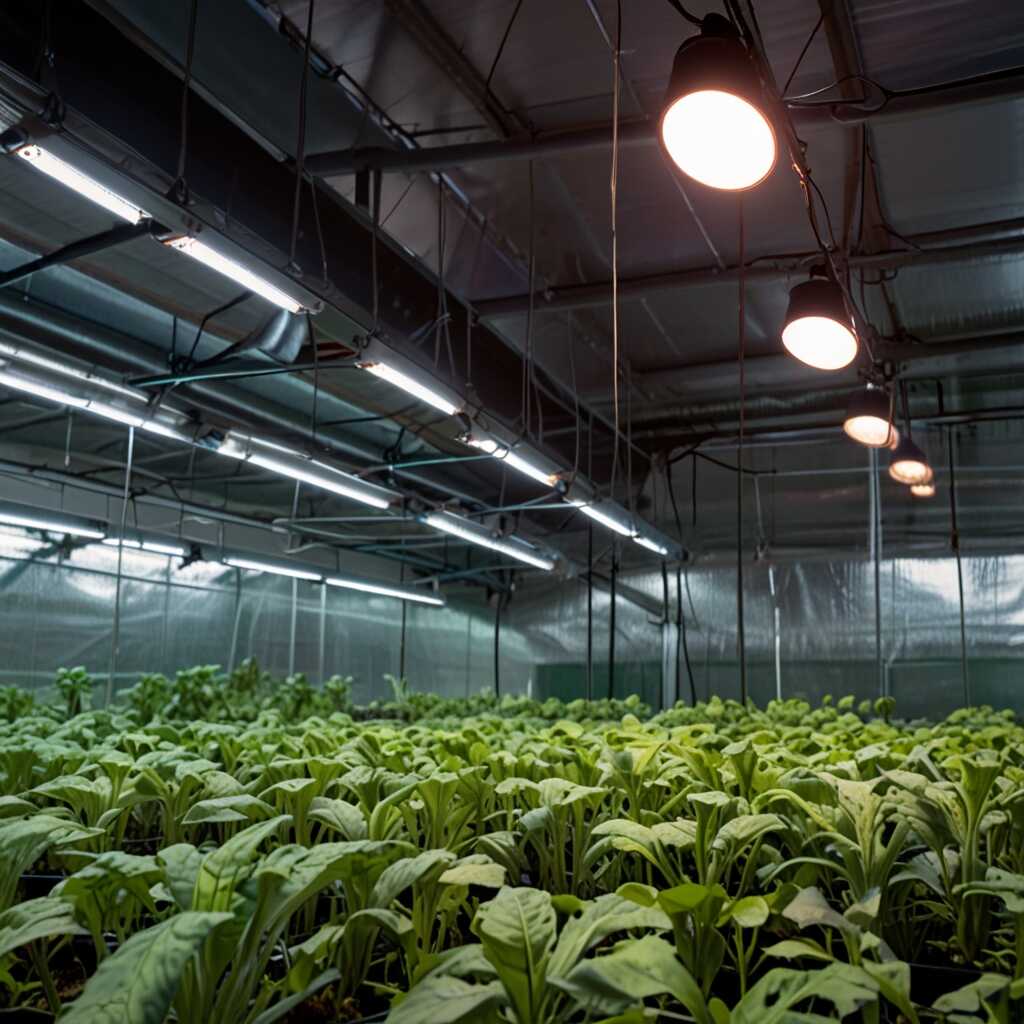
The ideal light intensity for strawberry growth varies across different growth stages. During the vegetative stage, strawberries thrive under light intensity of 200 to 400 µmol m²/s. For fruiting, a higher intensity between 400 to 600 µmol m²/s is beneficial. Indoor grow lights, including full-spectrum LEDs and fluorescent tubes, can effectively supply these light levels. Additionally, strawberries require 12 to 16 hours of light exposure each day for optimal growth. Ensuring these conditions will significantly enhance the yield and quality of your strawberries.
Understanding Strawberry Growth Stages and Their Lighting Needs
Different growth stages of strawberries come with specific lighting needs that greatly influence their development. The germination stage benefits from 12 to 14 hours of light using mild intensity to prevent seedling stress. When strawberries transition to the vegetative stage, increasing light intensity to 200-400 µmol m²/s is crucial for leaf development. The flowering and fruiting stages require maximum light intensity of 400-600 µmol m²/s for optimal photosynthesis and fruit set. Balancing these lighting requirements with consistent light exposure helps establish healthy plant growth, maximizing both volume and quality of your harvest.
Advantages of Utilizing Artificial Lighting Systems
- Enhanced illumination improves fruit size and color, leading to visually appealing strawberries.
- Indoor grow lights replicate sunlight, promoting healthy growth in varying seasons.
- Grow lights can be customized to suit specific growth stages of strawberries.
- Optimized light conditions can increase crop resilience against diseases and pests.
- Guided light exposure reduces growing time, providing faster returns on investment.
- Year-round production becomes possible, maximizing profit potential for strawberry growers.
- Eco-friendly practices can be implemented with energy-efficient lighting technologies.
Benefits of Combining Hydroponics with Grow Lights
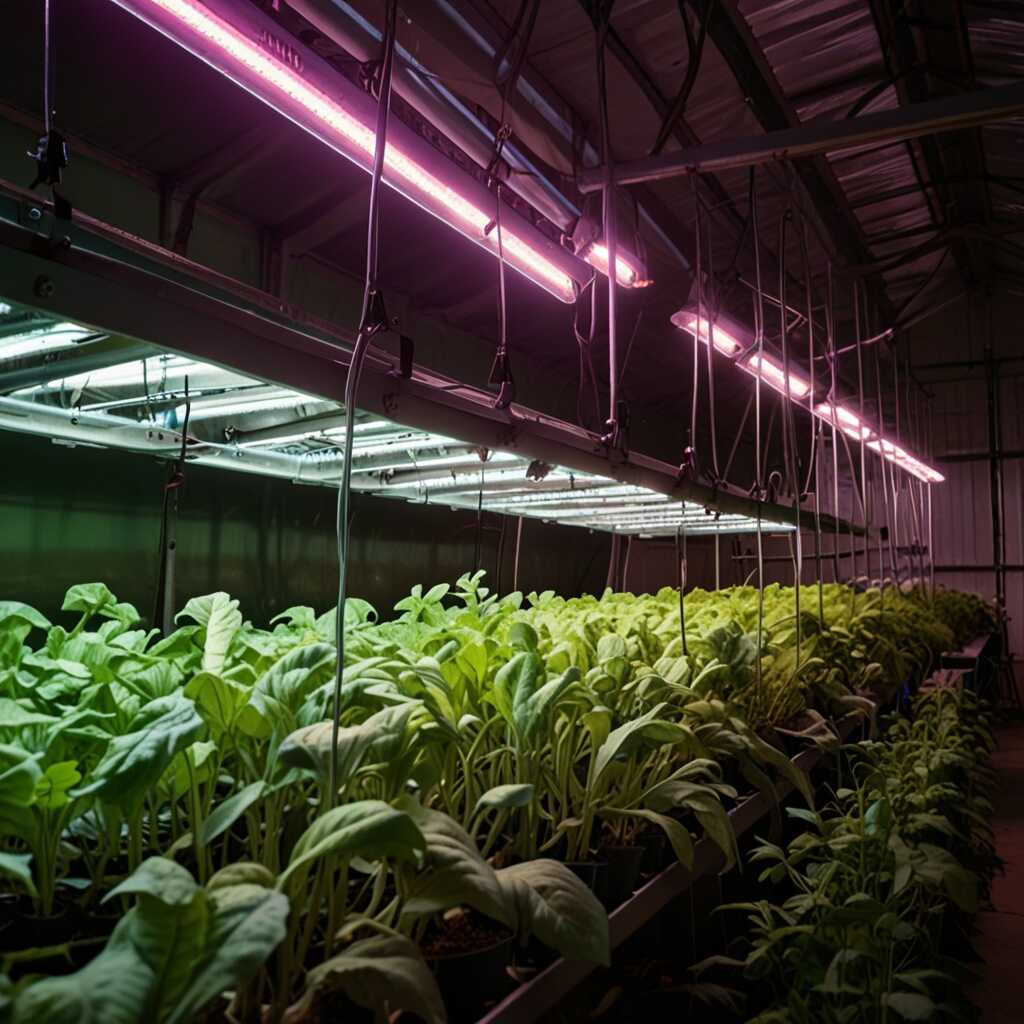
Indoor grow lights can significantly enhance hydroponic strawberry systems by providing consistent and optimal light conditions. These lights help increase the efficiency of photosynthesis, which can lead to higher strawberry yields. By utilizing full-spectrum lighting, growers can manipulate the light spectrum, offering essential wavelengths that cater specifically to the needs of strawberries during different growth stages, such as vegetative growth and flowering. Combining hydroponics with appropriate indoor grow lights creates an ideal environment for faster growth rates, improved fruit quality, and higher overall productivity.
Types of Indoor Grow Lights Ideal for Hydroponic Strawberries
When selecting indoor grow lights for hydroponic strawberries, consider LED grow lights, fluorescent lights, and High-Intensity Discharge (HID) lights. LED grow lights are favored for their energy efficiency and long lifespan, often lasting over 50,000 hours. They deliver the necessary light spectrum while reducing electricity costs. Fluorescent lights provide a balanced spectrum and are excellent for seedlings. HID lights, while more power-intensive, offer high intensity and can boost strawberry yields significantly. Each type has unique benefits, so selecting the right one depends on your specific hydroponic setup and growing goals.
Leveraging Smart Technology to Maximize Yields
Automated lighting systems enhance strawberry growth by providing consistent light schedules tailored to plant needs. These systems can adjust the spectrum and intensity, ensuring optimal conditions throughout the day. Advanced growth monitoring tools deliver real-time feedback about plant health, which allows growers to make necessary adjustments. For strawberry producers, integrating smart technology boosts efficiency and results in stronger plants and higher yield. Research indicates using indoor grow lights for about 12-16 hours per day maximizes production while also saving energy.
Smart Technology Tools for Enhanced Strawberry Growth
Using smart technology tools like automated sensors and data tracking can significantly enhance strawberry growth. These devices monitor humidity, temperature, and light intensity, providing vital information that helps in adjusting the indoor environment. Automated lighting systems paired with advanced growth monitoring create an ecosystem that meets strawberries’ specific needs. Increased reliability due to these technologies ensures that light exposure is uniform, leading to improved flowering and fruit set. Studies show that these systems can increase yield by up to 30% compared to traditional methods.
Brands and Their Target Demographics in Indoor Gardening
- Brand A focuses on home gardeners, offering affordable LED grow lights that suit strawberry plants.
- Brand B’s full-spectrum lights cater to commercial growers wanting bigger yields.
- Brand C specializes in energy-efficient models preferred by eco-conscious users.
- Brand D provides professional-grade systems, appealing to serious horticulture students.
- Brand E serves urban gardeners with compact, space-saving lighting solutions.
- Brand F’s products are popular among indoor farming enthusiasts for their advanced technology.
- Brand G targets both amateurs and professionals with versatile lighting setups for diverse crops.
Promoting Eco-Friendly Practices in Indoor Gardening
Eco-friendly practices for enhancing indoor gardening include using energy-efficient LED grow lights, implementing water conservation techniques, and selecting native plant species that thrive in your indoor environment. LED grow lights improve sustainability since they consume less energy than traditional lights and have a longer lifespan. Choosing the right spectrum of light can enhance growth while minimizing electricity usage. The average energy consumption of LED grow lights is significantly lower, often around 20-40% less than incandescent or fluorescent options, leading to reduced carbon footprints in indoor gardening.
Choosing the Right Grow Lights for Sustainability
Choosing the right grow lights plays a crucial role in sustainable indoor gardening. LEDs come in various spectrums designed for different growth stages of indoor plants. Full-spectrum LEDs, for example, provide wavelengths that support photosynthesis throughout the year. Research shows that using a quality LED grow light can reduce energy costs by 50% while providing adequate light for optimal growth. It’s essential to compare reliability across various brands and read reviews to find the most efficient products for your indoor garden. By selecting energy-efficient lighting solutions, you enable your plants to thrive while supporting eco-friendly practices.