
Indoor grow lights are vital tools that significantly enhance greenhouse berry plant production. These lights provide the necessary spectrum of light that encourages robust growth and higher yields throughout the cultivation process. At Green Writer, we explore how effective lighting solutions, such as LED grow lights, can transform your berry gardening experience. By adopting these innovative techniques, you can enjoy thriving plants while contributing to a sustainable and eco-friendly gardening practice.
The Impact of Indoor Grow Lights on Berry Growth
Indoor grow lights significantly influence the growth and productivity of various berry plants. These lights provide essential wavelengths, encouraging photosynthesis effectively. LED grow lights, specifically, enhance berry plant growth by maximizing light absorption. Utilizing these lights helps create optimal lighting conditions during critical growth stages. Greenhouse operators can fine-tune their setups for berry plants by adjusting the light spectrum for different varieties. For example, strawberries, blueberries, and raspberries each thrive under specific light conditions. Research shows that proper lighting setups can lead to a yield increase of up to 30% in some cases.
Best Practices for Using Indoor Grow Lights in Berry Cultivation
Choosing the right indoor grow lights involves understanding the unique lighting needs of different berry species. Full-spectrum LED grow lights are ideal because they deliver the necessary light wavelengths for both vegetative and flowering stages of berry plants. Position lights about 12-24 inches above the plants to prevent overheating and ensure even light distribution. Set up a timer to provide a consistent light cycle, usually 12 to 16 hours daily, which can enhance photosynthesis. Regularly test light intensity to optimize performance, ensuring that the plants utilize the lights effectively. This approach ensures that berry plant productivity remains high, providing the best results.
Selecting Optimal Lighting Solutions for Berry Plants
There are three primary types of grow lights suitable for indoor berry plants: LED, fluorescent, and HID. Each type has specific advantages that can enhance berry plant production. LED grow lights are energy-efficient and provide full-spectrum light. They consume less power, reducing costs while offering long-lasting performance. Fluorescent lights are suitable for seedlings and young plants, providing adequate light quality at a lower cost. HID lights, while producing intense light, may increase energy costs and require more maintenance. When selecting grow lights, consider efficiency, cost-effectiveness, and reliability to ensure optimal growth for your greenhouse berries.
Understanding the Best Light Spectrum for Berry Plants
The best light spectrum for berry plants includes wavelengths between 400-700nm, essential for photosynthesis. Grow lights designed with full spectrum capabilities provide this range, ensuring that berry plants receive the necessary light for both vegetative growth and flowering. LEDs typically offer the most adjustable light spectrum since they can be tuned to provide red and blue light effectively. Research shows that a balanced light spectrum enhances fruiting and overall health, resulting in better yields. Choosing lights that mimic natural sunlight can vastly improve your indoor berry plant cultivation. Green Writer recommends using LED grow lights for an excellent balance of efficiency and performance.
Key Features of Effective Grow Lights for Berry Cultivation
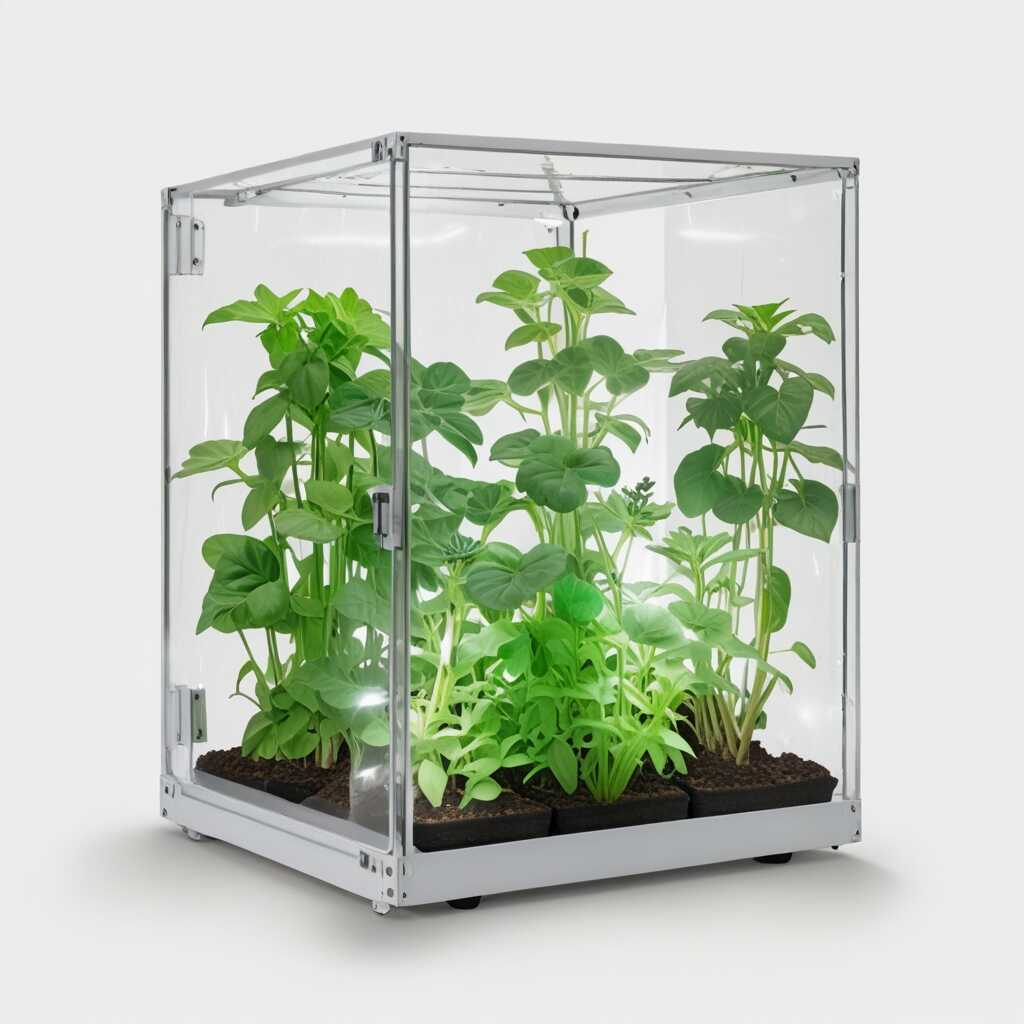
When selecting grow lights for berry cultivation, consider qualities like light spectrum, intensity, and energy efficiency. A full spectrum lights option offers the range of wavelengths beneficial for plant health and growth. Berry plants thrive under light spectrums from 400 to 700 nanometers, supporting various growth stages. Energy efficiency is vital as it ensures lower utility bills while maintaining effective grow light intensity. It is recommended that berry plants receive 12 to 18 hours of light daily, tailored to their developmental phase. Reliable reviews and expert testing guide the selection of the best grow lights, helping users achieve impressive results with their berry plants.
Understanding Light Spectrum for Berry Plant Growth
The light spectrum significantly influences berry plant growth at different stages. For seedlings, a color temperature around 6500 Kelvin is ideal, mimicking natural daylight. This promotes healthy leaf development. During flowering, a shift to warmer light, around 3000 Kelvin, enhances fruit production and quality. Full spectrum lights encompass both colors, allowing flexibility in lighting setups. This adaptability is essential for home gardeners and greenhouse operators. Choosing lights with proven reliability improves performance and provides consistent results for berry plant health. The quality of light spectrum also affects photosynthesis efficiency, directly enhancing plant yield. Research shows that specific spectrums deliver superior impacts compared to traditional lighting solutions.
Key Statistics on Lighting for Berry Cultivation
- Studies show greenhouse yields can increase by up to 30% with proper lighting.
- LED lights consume up to 80% less energy than traditional grow lights.
- Full spectrum lights support plant growth through all development stages.
- With indoor lights, berry plants can fruit up to three times a year.
- Optimal light duration for berries is 12-16 hours daily.
- Grow lights can last over 50,000 hours, reducing replacement frequency.
- Indoor lighting allows year-round berry production, regardless of seasons.
Maximizing Light Exposure to Boost Berry Yield
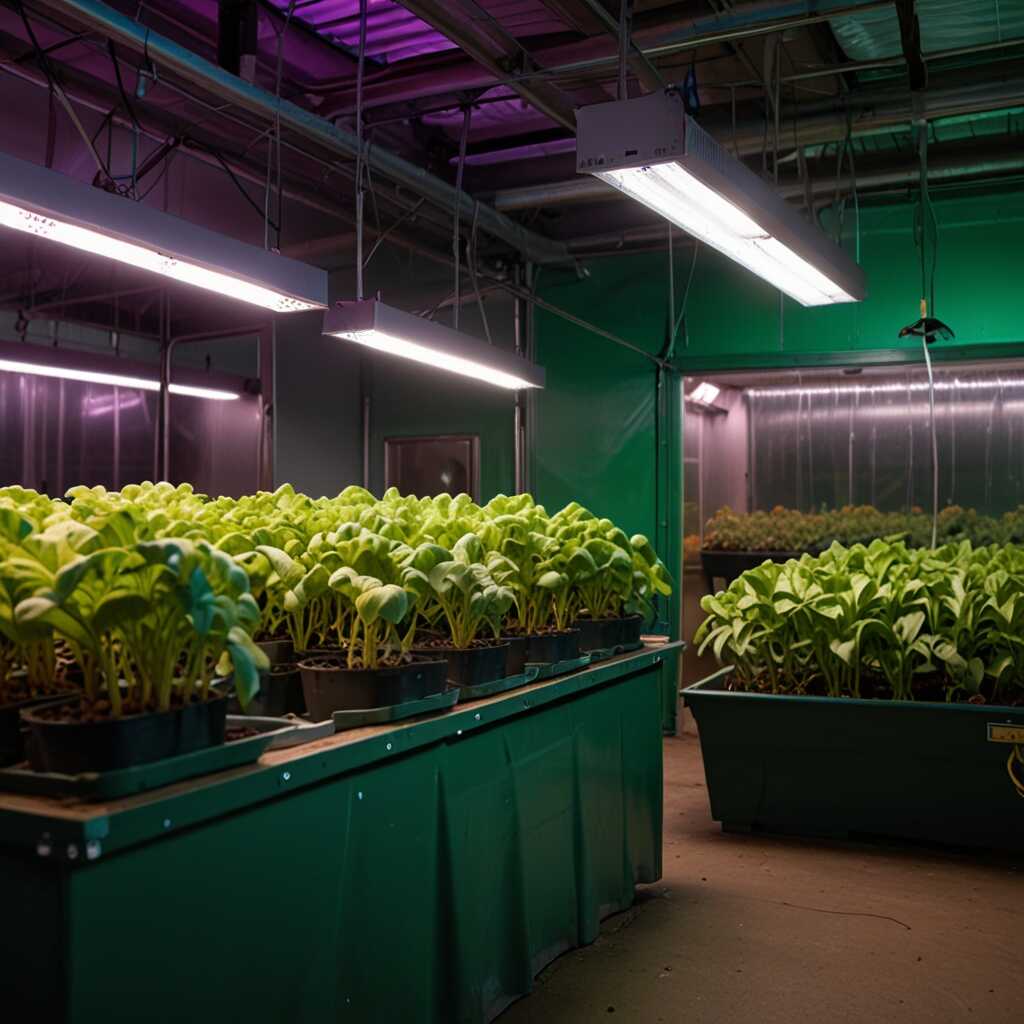
Effective light placement and configuration are crucial for improving berry yields in greenhouses. Position grow lights to ensure even light distribution across the plants. Place lights 12-24 inches above the canopy for optimal exposure. LEDs offer advantages due to their energy efficiency and long lifespan. They can handle prolonged use while providing ample light spectrum for growth. Use timers to manage light duration; most berry plants thrive with 12-16 hours of daily light. A consistent schedule enhances their growth stages, enabling healthy flowering and fruiting. Test different arrangements to find what works best for your specific environment.
Understanding Light Timing and Duration for Optimal Growth
Monitoring light timing is vital for berry plant growth. Most species benefit from 14-16 hours of light exposure daily, particularly during the flowering stage. Use grow lights with a full spectrum that mimic natural sunlight, as this influences photosynthesis. Research shows that varying the light duration, especially during critical growth periods, can significantly enhance berry yields. Incorporate dusk and dawn features on timers to simulate natural light cycles, providing comfort and reducing stress for your plants. Quality LED grow lights designed for plant growth can increase productivity by focusing light in the 400-700nm range, which is essential for photosynthesis.
Evaluating and Adjusting Light Conditions for Successful Growth
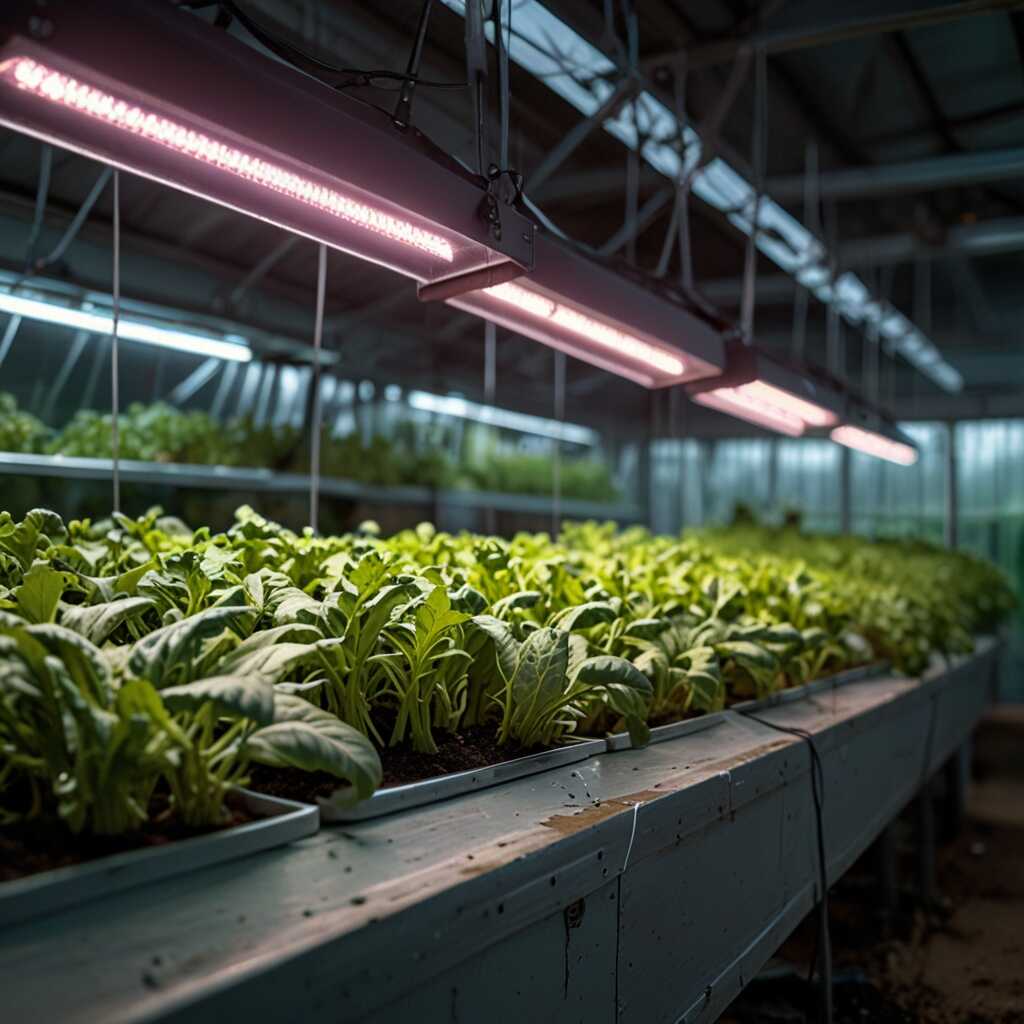
Monitoring plant responses to lighting setups is essential for berry cultivation. Signs of proper lighting include vibrant leaf color, healthy growth patterns, and consistent fruiting. If plants appear leggy or their leaves turn yellow, they may need more light. Different grow light types, such as LEDs or fluorescent lights, can impact growth rates and overall plant health. LEDs provide efficient light spectra tailored for different growth stages, enhancing productivity. Consider using full-spectrum LED lights for better results. The optimal light intensity for berry plants generally falls between 400 to 800 lumens per square foot, depending on the species.
Understanding the Impact of Light Spectrum on Berry Plants
Different light wavelengths play a crucial role in berry plant growth and development. Berry plants thrive under blue light during the vegetative stage, which promotes healthy leaf expansion. In contrast, red light supports flowering and fruiting phases. Full-spectrum grow lights combine these wavelengths, providing a complete light solution for berry plants. By regularly adjusting the light spectrum as the plants progress through their growth cycle, you can help maximize yields. Research shows that using grow lights with a proper spectrum can enhance photosynthesis, leading to improved fruit quality and quantity. Choosing the right full-spectrum light can significantly improve your berry cultivation experience.
Advantages of Using Light Sources for Plant Growth
- Indoor lighting extends the growing season for berry plants.
- Consistent light leads to more uniform plant growth and berry size.
- Controlled light reduces pest issues, enhancing plant health.
- Grow lights help achieve higher nutrient concentrations in berries.
- LED technology lowers heat emissions, protecting sensitive plants.
- Designed lighting allows for customized setups based on berry variety.
- Energy-efficient options contribute to lower electricity bills over time.
Integrating Grow Lights with Effective Gardening Practices
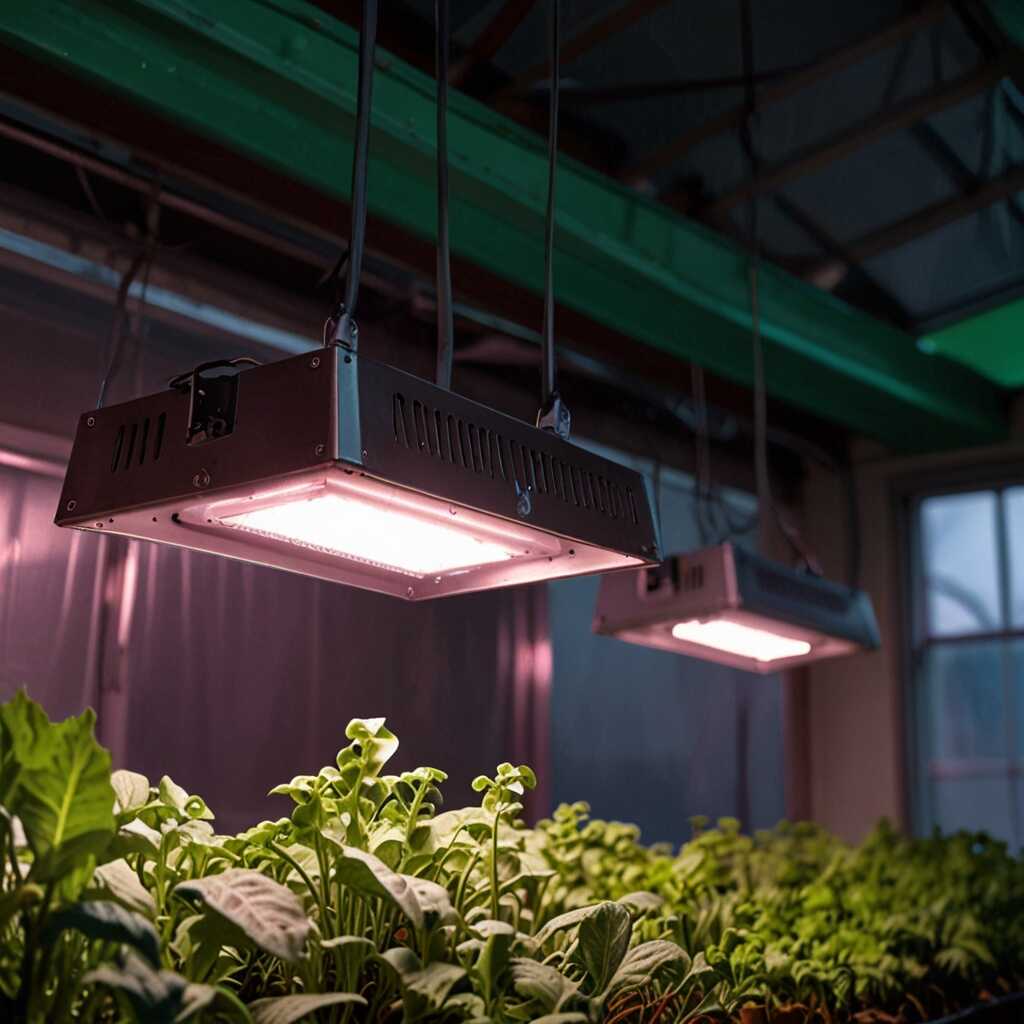
To enhance berry plant production, spacing grow lights properly is essential. Position lights to provide even coverage. Using proper nutrient management techniques ensures plants receive balanced vitamins and minerals. Regular pH testing of soil or hydroponic solutions helps maintain optimal nutrient availability. Environmental control methods help manage humidity and airflow inside the greenhouse. Maintaining the ideal temperature range between 68°F to 75°F ensures healthy growth for berry plants. These practices synergize with indoor lighting to boost yields.
Best Practices for Nutrient Management Under Grow Lights
Incorporating nutrient management techniques maximizes the effectiveness of your indoor grow lights. Utilize organic fertilizers designed for berry plants to provide essential nutrients. Monitor soil moisture regularly to avoid overwatering. Adjust nutrient levels as plants progress through different growth stages. Use a balanced approach with slow-release fertilizers for sustained growth. Regularly testing your soil’s nutrient content provides specific insights about what your plants need. These tailored practices directly enhance berry plant growth under grow lights.
Avoiding Common Missteps with Indoor Grow Lighting
Many growers encounter mistakes when using indoor grow lights. One frequent error is improper placement of lights. Positioning lights too far from plants decreases light intensity, leading to weak growth. Conversely, placing them too close can burn leaves. Another common issue is ignoring the light spectrum. Different growth stages need different light wavelengths, essential for berry plant health. Not adjusting the light duration is also a misstep. Berry plants typically thrive with 12 to 16 hours of light daily. Following these tips helps maximize berry yields.
Understanding the Importance of Grow Light Spectrum
The grow light spectrum plays a critical role in plant growth and berry production. Berry plants benefit from full-spectrum lighting that includes blue and red wavelengths. Blue light supports vegetative growth, making plants sturdy and lush. Red light is crucial during the flowering stage, helping to increase fruit sets. A good option is an LED grow light equipped with adjustable spectrums. Conduct thorough testing to understand how different light spectrums affect berry yield effectively. Incorporating the right grow light spectrum enhances plant health and overall crop quality.
Market Leaders and Their Applications in Gardening
- General Electric offers affordable options but may lack advanced features.
- Sunblaster lights are compact and great for home gardeners with limited space.
- Roleadro specializes in full-spectrum lighting optimized for berry production.
- Spider Farmer provides high-quality, energy-efficient LED setups for serious growers.
- Home gardeners often appreciate ease of use and energy savings.
- Professional greenhouse operators seek reliability and advanced growing techniques.
- Aspiring indoor gardeners benefit from compact designs for small spaces.
Inspiring Examples of Increased Berry Yields Using Grow Lights
Numerous growers have reported outstanding success in their berry yields by implementing indoor grow lights. One grower specializing in strawberries noted a 50% increase in production after introducing full-spectrum LED lights. They reported that the lights provided consistent light intensity, improving flowering and fruit set. Another berry farmer focused on blueberries experienced similar success, achieving a 40% rise in yields. They utilized timed cycles of grow lights to simulate natural sunlight patterns, ensuring the plants received the right amount of light daily. Many different types of berries, including raspberries and blackberries, have also benefited from grow light technology. Data from growers suggests that using indoor grow lights enhances not just yield but also fruit quality, making them an essential tool for berry cultivation.
Best Practices for Maximizing Berry Yields with Grow Lights
To maximize berry yields using indoor grow lights, growers should consider a few best practices. First, understand the specific light requirements of each berry species. Strawberries thrive under full-spectrum lights at 12-16 hours of exposure per day. Raspberries need slightly less light, around 10-12 hours, for optimal growth. Additionally, maintain proper distances between the lights and plants to avoid burning. A distance of 12-24 inches is usually effective for LED lights. Regularly monitor light intensity and adjust as plants grow. Using timers for automated light cycles also adds reliability and efficiency. By adhering to these techniques, growers can leverage the full potential of indoor grow lights, ultimately enhancing their berry production.