
Light splitters are electrical devices that divide one light source into multiple bulb sockets, allowing indoor gardeners to maximize light distribution in small growing spaces. These practical tools enable you to connect several grow light bulbs to a single power source, significantly expanding your lighting coverage. For apartment dwellers and urban gardeners with limited space, light splitters provide an affordable solution to illuminate multiple plants without installing numerous separate fixtures.
Key Benefits of Light Splitters for Small Space Gardening
Light splitters offer several advantages for indoor gardening enthusiasts working within space constraints. They improve light distribution by spreading illumination more evenly across your growing area, ensuring all plants receive adequate photons for healthy development. This enhanced coverage helps prevent the common problem of plants competing for light in crowded indoor setups. Additionally, light splitters reduce the need for multiple electrical outlets and complex wiring arrangements, making them particularly valuable for renters or those with limited electrical access.
Enhanced Growing Efficiency Through Better Light Distribution
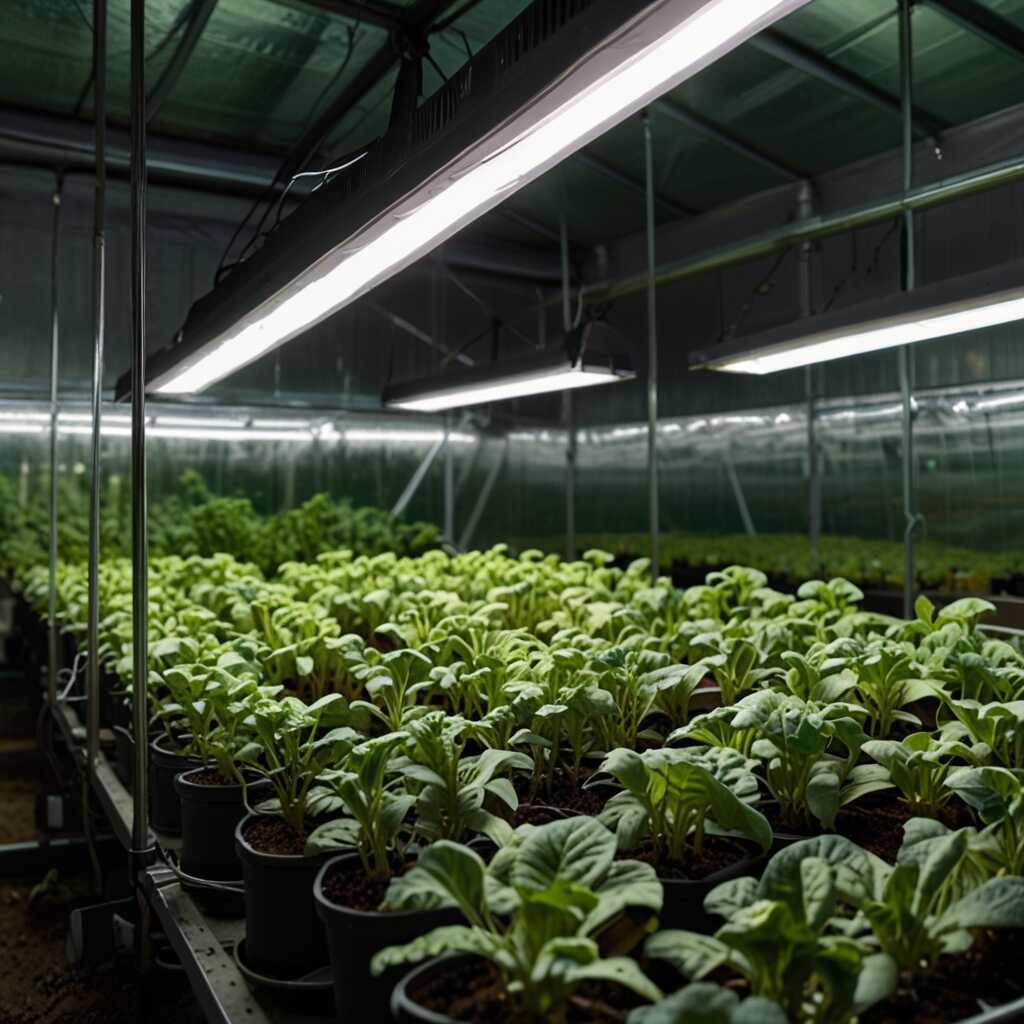
The effectiveness of light splitters varies depending on your plant selection and growing goals. Leafy greens such as lettuce, spinach, and herbs typically respond well to the distributed lighting that splitters provide by expanding light coverage across multiple plants simultaneously. Flowering plants also benefit when light splitters ensure both upper and lower foliage receive sufficient illumination during critical growth phases. However, light-sensitive plants may require careful positioning to avoid excessive exposure, while shade-tolerant varieties might not utilize the additional lighting effectively.
How Light Splitters Work in Indoor Garden Systems
Light splitters function by dividing electrical current from one socket into multiple pathways, typically accommodating two to five bulbs depending on the model. This process enhances light coverage for indoor plants positioned throughout small growing spaces. The splitter connects to your existing light fixture, then distributes power to multiple LED or fluorescent grow bulbs, effectively multiplying your light output from a single electrical source.
Types and Design Variations of Light Splitters
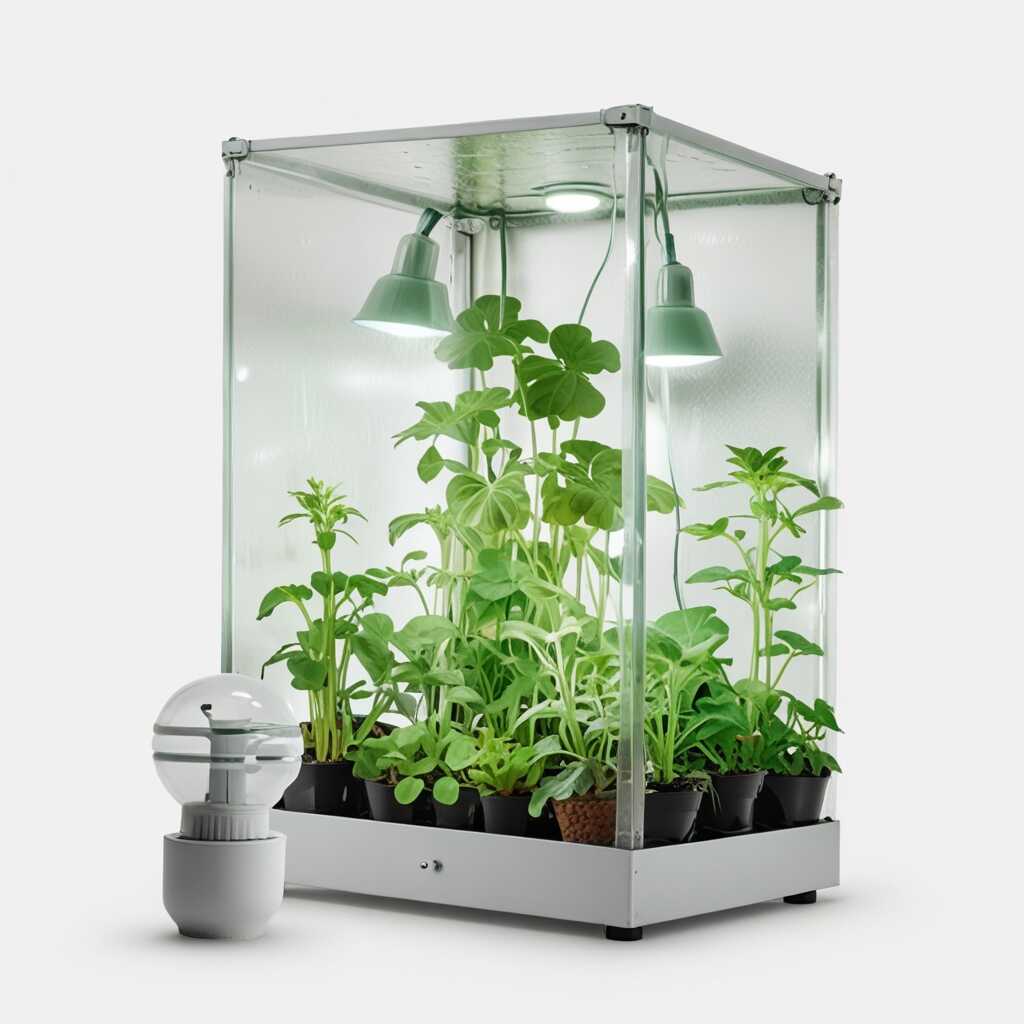
Common light splitter designs include Y-shaped adapters for two bulbs, four-way splitters resembling electrical outlet strips, and adjustable arm splitters that allow directional control. Socket-based splitters screw directly into standard lamp fixtures, while cord-mounted versions provide flexibility in bulb positioning. Quality splitters feature heat-resistant materials and proper electrical ratings to handle the power requirements of multiple grow lights safely. When selecting a splitter, verify that its wattage capacity exceeds the combined requirements of all connected bulbs.
Installation Guide for Light Splitter Setup
Setting up light splitters requires careful planning and attention to electrical safety. Begin by calculating your total wattage needs, ensuring your splitter can handle the combined power draw of all intended bulbs. Turn off power at the circuit breaker before beginning installation. Connect the splitter to your light fixture or electrical socket, then install appropriate grow light bulbs in each socket. Full-spectrum LED bulbs work well with most splitters, providing the broad light wavelengths plants need for photosynthesis and healthy growth.
Selecting Compatible Bulbs for Your Splitter System
Your bulb selection significantly impacts growing success when using light splitters. Full-spectrum LED bulbs offer the most versatility, providing wavelengths suitable for both vegetative growth and flowering phases. Consider bulbs in the range of ten to twenty watts each to balance light intensity with heat management. Lower wattage bulbs generate less heat and allow you to position lights closer to plants, while higher wattage options provide greater light penetration for taller plants. Quality grow light bulbs provide consistent spectrum output throughout their operational lifespan.
Planning Your Light Splitter Configuration
- Most splitters accommodate two to five bulbs safely.
- Standard residential circuits can typically handle multiple splitter setups.
- Quality LED grow bulbs typically operate for thousands of hours.
- Indoor plants generally require twelve to sixteen hours of supplemental lighting daily.
- Splitter systems can reduce fixture costs compared to individual light installations.
- Proper spacing prevents heat buildup and ensures even light distribution.
- Regular maintenance extends both splitter and bulb operational life.
Comparing Different Types of Light Splitters Available
Indoor gardeners can choose from several splitter categories, including basic socket adapters, adjustable arm systems, and cord-mounted configurations. Socket adapters offer simple, inexpensive solutions for basic lighting expansion, while adjustable arm splitters provide directional control for targeted plant lighting. Cord-mounted splitters allow flexible positioning but require secure mounting to prevent accidental damage. When evaluating options, consider durability, heat resistance, electrical rating, and compatibility with your preferred grow light bulbs.
Selecting the Right Splitter for Your Growing Space
Choosing an appropriate light splitter depends on your available space, plant types, and electrical requirements. Measure your growing area to determine optimal bulb placement and ensure adequate clearance for plant growth. Consider splitters with built-in switches for individual bulb control, allowing you to adjust lighting based on plant needs or growth stages. Heavy-duty splitters with reinforced connections handle frequent bulb changes better than lightweight alternatives, making them worthwhile investments for serious indoor gardeners.
Maintaining Light Splitters and Connected Grow Lights
Regular maintenance keeps light splitters operating safely and efficiently throughout extended growing seasons. Clean splitter connections periodically to prevent dust accumulation, which can cause overheating or poor electrical contact. Inspect cords and connections for wear, replacing damaged components promptly to maintain safe operation. For grow lights, gentle cleaning with appropriate materials maintains light output and extends bulb life, ensuring your plants receive consistent illumination.
Essential Maintenance Steps for Optimal Performance
Maintaining your lighting system requires regular inspection and cleaning to ensure reliable operation. Turn off power before cleaning any electrical components, then gently wipe dust from bulbs and splitter surfaces using soft, lint-free cloths. Check electrical connections monthly for signs of overheating, corrosion, or loose fittings. Replace bulbs when light output noticeably diminishes, and consider upgrading to newer technologies for improved efficiency and plant growth results.
Benefits of Using Light Splitters in Indoor Gardens
- They maximize existing electrical infrastructure efficiently.
- Splitters enable uniform light distribution across multiple plants.
- Installation requires minimal electrical knowledge or special tools.
- Multiple bulb configurations reduce shadowing effects.
- Initial investment costs remain lower than installing separate fixtures.
- Flexible configurations adapt to changing plant arrangements.
- Energy-efficient LED compatibility supports sustainable growing practices.
Avoiding Common Mistakes When Using Light Splitters
Many indoor gardeners encounter difficulties when implementing light splitters without proper planning. Common mistakes include exceeding the splitter’s wattage capacity, which can cause overheating and potential fire hazards. Another frequent error involves positioning bulbs too close to plants, leading to heat stress and leaf damage. Some gardeners also fail to consider their plants’ specific light requirements, using inappropriate bulb types that don’t provide the necessary spectrum for healthy growth.
Matching Plants to Your Light Splitter System
Plant selection significantly affects your success when using light splitters for indoor growing. Herbs like basil, cilantro, and parsley thrive under the distributed lighting that splitters provide, making them excellent choices for beginners. Leafy greens such as lettuce and spinach also respond well to splitter-enhanced lighting systems. However, shade-loving plants like certain ferns may suffer from excessive illumination, while high-light plants might require additional supplementation beyond what typical splitter setups can provide.
Integrating Light Splitters with Other Growing Methods
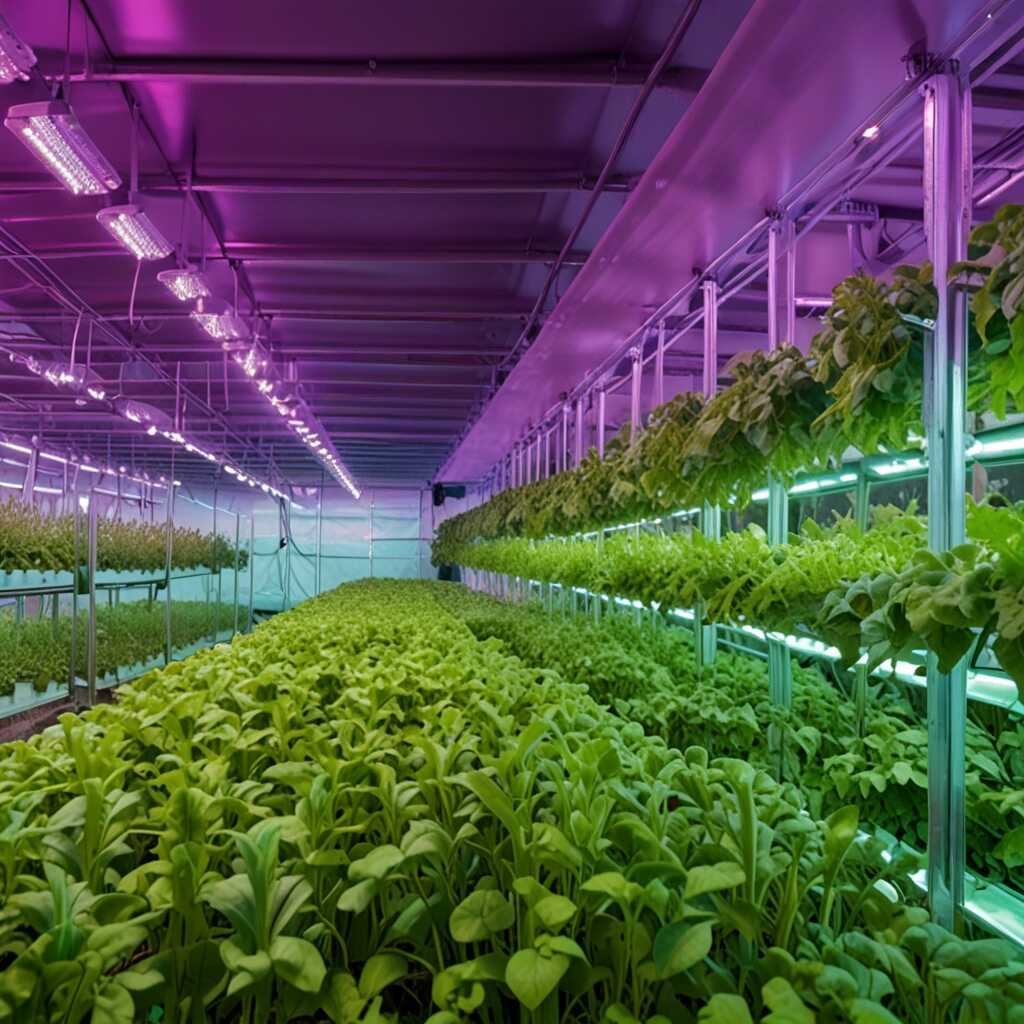
Light splitters complement various indoor gardening techniques, particularly in space-efficient growing systems. Vertical gardens benefit from distributed lighting that splitters provide, ensuring plants at different levels receive adequate illumination. Hydroponic systems also work well with splitter-enhanced lighting, as the controlled environment allows precise light management. Container gardens in small apartments gain significant advantages from splitter systems that maximize limited electrical outlets and growing space.
Combining Light Splitters with Space-Efficient Growing
When integrating light splitters with compact growing methods, consider the three-dimensional aspect of plant placement. Vertical growing systems particularly benefit from splitters that can position lights at multiple levels, preventing upper plants from shading lower ones. Shelf-based growing setups work well with cord-mounted splitters that allow flexible light positioning. This combination approach maximizes both horizontal and vertical space utilization while ensuring each plant receives appropriate light exposure for healthy development.
Ideal Applications for Light Splitter Systems
- Apartments with limited natural light benefit from enhanced artificial lighting.
- Beginning gardeners find splitters simplify indoor growing setup.
- Urban balcony gardens gain from supplemental lighting options.
- Environmentally conscious growers appreciate energy-efficient LED compatibility.
- Educational settings use splitters for demonstrating plant growth principles.
- Basement growing areas require reliable artificial lighting solutions.
- Small business owners create attractive plant displays with distributed lighting.
Practical Applications and Growing Results
Indoor gardeners consistently report improved growing results when properly implementing light splitter systems. The key to success lies in matching splitter capacity to plant requirements and maintaining appropriate distances between lights and foliage. Many gardeners find that herbs grown under splitter-enhanced lighting develop stronger flavors and more robust growth compared to plants relying solely on natural light. Leafy greens particularly benefit from the even light distribution that well-configured splitter systems provide for consistent photosynthesis across all plant surfaces.
Maximizing Growth Results with Proper Light Management
Successful light splitter implementation requires understanding both the technology and your plants’ needs. Positioning multiple bulbs through splitters allows you to create zones of different light intensities, accommodating plants with varying requirements in the same growing space. Regular monitoring of plant response helps you adjust bulb placement and timing for optimal results. Many gardeners report that systematic approaches to splitter-based lighting produce more consistent harvests and healthier plants compared to single-source lighting arrangements.