
LED chips provide precise nanometer wavelengths essential for plant growth, significantly influencing photosynthesis and plant health. These specific wavelengths optimize light absorption, enhancing growth and flowering stages in indoor gardening. At Green Writer, we explore how understanding LED technology allows gardeners to select the right grow lights for their plants. Our focus on eco-friendly practices ensures that your indoor garden thrives while contributing to a healthier environment.
Understanding the Science Behind Nanometer Wavelengths for Plants
Nanometer wavelengths are specific measures of light that play a crucial role in plant health. They range from 400nm to 700nm, directly impacting photosynthesis, growth, and flowering. Blue light, around 450nm, enhances vegetative growth, while red light, near 660nm, promotes flowering. These wavelengths provide the spectrum that plants use to convert light into energy through photosynthesis. Specific plants thrive under particular wavelengths that cater to their growth stages. For example, seedlings benefit from blue light to establish foliage, while mature plants require red light to flower effectively. Understanding these wavelengths helps indoor gardeners select lights that support plant development efficiently.
Best Light Spectrums for Indoor Plants
When considering the best light spectrums for indoor plants, it is essential to note that different plants require distinct wavelengths to flourish. For instance, a spectrum of 400-500nm (blue) is ideal for leafy greens such as lettuce and spinach, promoting healthy leaf production. Conversely, plants like tomatoes and peppers thrive under red light, around 620-680nm, during their flowering and fruiting stages. By combining blue and red wavelengths in grow lights, indoor gardeners can provide a well-rounded light spectrum. Advanced LED systems are designed to deliver these specific wavelengths, making them a reliable option for enhancing indoor plant growth.
Benefits of LED Technology for Energy Efficient Plant Lighting
LED grow lights provide significant advantages over traditional lighting methods for indoor gardening. They deliver energy efficiency, which translates to reduced electricity costs. Studies show that LED technology uses up to 80% less energy compared to incandescent bulbs. Additionally, these lights have a lifespan of 50,000 hours or more, making them a reliable investment. With LED grow lights, you get precise wavelengths designed specifically for plant growth. This feature helps optimize photosynthesis, leading to healthier plants. Users should consider the type of plants they are growing and the required wavelengths for specific growth stages when selecting LED lights. Choosing the right lights helps ensure thriving indoor gardens.
Choosing the Right LED Grow Lights for Your Indoor Garden
When selecting LED grow lights, key factors include spectrum, wattage, and size of your garden space. Full-spectrum LED lights offer wavelengths from 400 to 700 nanometers, which are essential for all growth stages from seedling to flowering. Look for lights that provide a balanced spectrum and are adjustable in wattage to meet your plants’ requirements. Some models even feature programmable settings to simulate natural light cycles. This flexibility can enhance plant growth and health. First-time indoor gardeners can start with lower wattage options and gradually increase their lighting setup based on plant response. Investing in quality, energy-efficient grow lights will improve overall plant performance while supporting eco-friendly practices.
The Influence of Full Spectrum Light on Plant Development
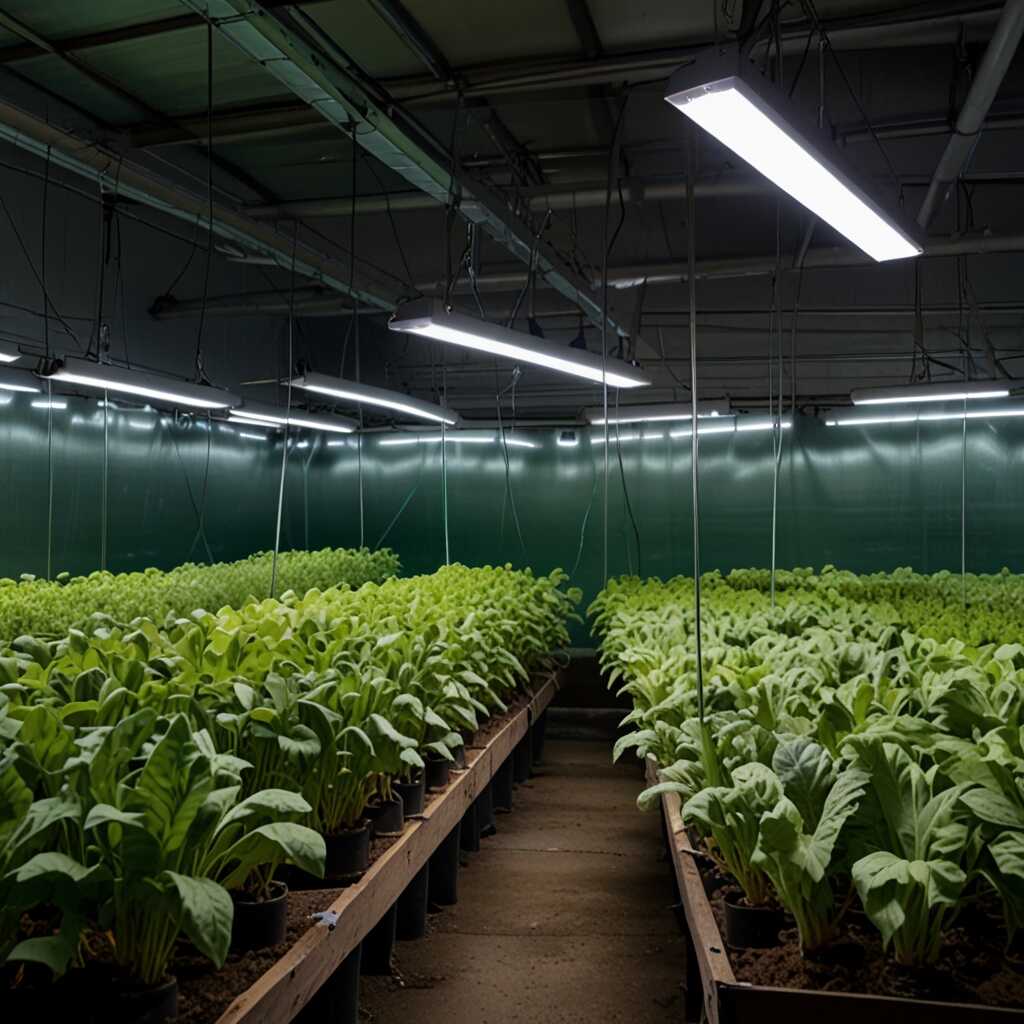
Full spectrum lighting significantly affects various stages of plant growth. During the germination phase, light aids in sprout emergence. Seedlings thrive under blue wavelengths, crucial for vegetative growth as they enhance chlorophyll production. In the flowering phase, plants utilize red wavelengths, leading to robust flower development. Studies reveal that plants can absorb light most efficiently within the 400-700 nanometer range, optimizing photosynthesis. The growth phase that typically needs the highest light intensity is flowering, requiring up to 600-1000 µmol/m²/s for optimal results.
Understanding Specific Wavelengths for Optimal Growth
Plants are designed to utilize specific wavelengths effectively for different physiological functions. Blue light, ranging from 400-450 nanometers, supports vegetative development by improving leaf health and structure. Red light, between 620-750 nanometers, is essential for flowering and fruiting. Studies indicate that mixing these wavelengths enhances overall performance, ensuring a more balanced light spectrum. Regular reviews of grow lights for efficiency show that full spectrum LED grow lights deliver excellent quality lighting that meets the demands of all plant growth stages. This capability aids indoor gardeners in achieving reliable results.
Numerical Insights on Light Emission for Plants
- LED chips can emit light in specific nanometer ranges, typically from 400nm to 700nm.
- Studies show that plants can absorb around 90% of light emitted within this range.
- LED grow lights can last over 50,000 hours, compared to 1,000 hours for traditional bulbs.
- Different plant species prefer different wavelengths, with blue light around 450nm stimulating leaf growth.
- Red light at approximately 660nm significantly enhances flowering and fruiting stages.
- Light intensity measured in micromoles per square meter per second helps determine optimal lighting for growth.
- Using LED technologies can reduce energy consumption for lighting by up to 60% compared to incandescent bulbs.
Guidelines for Selecting the Perfect LED Grow Light
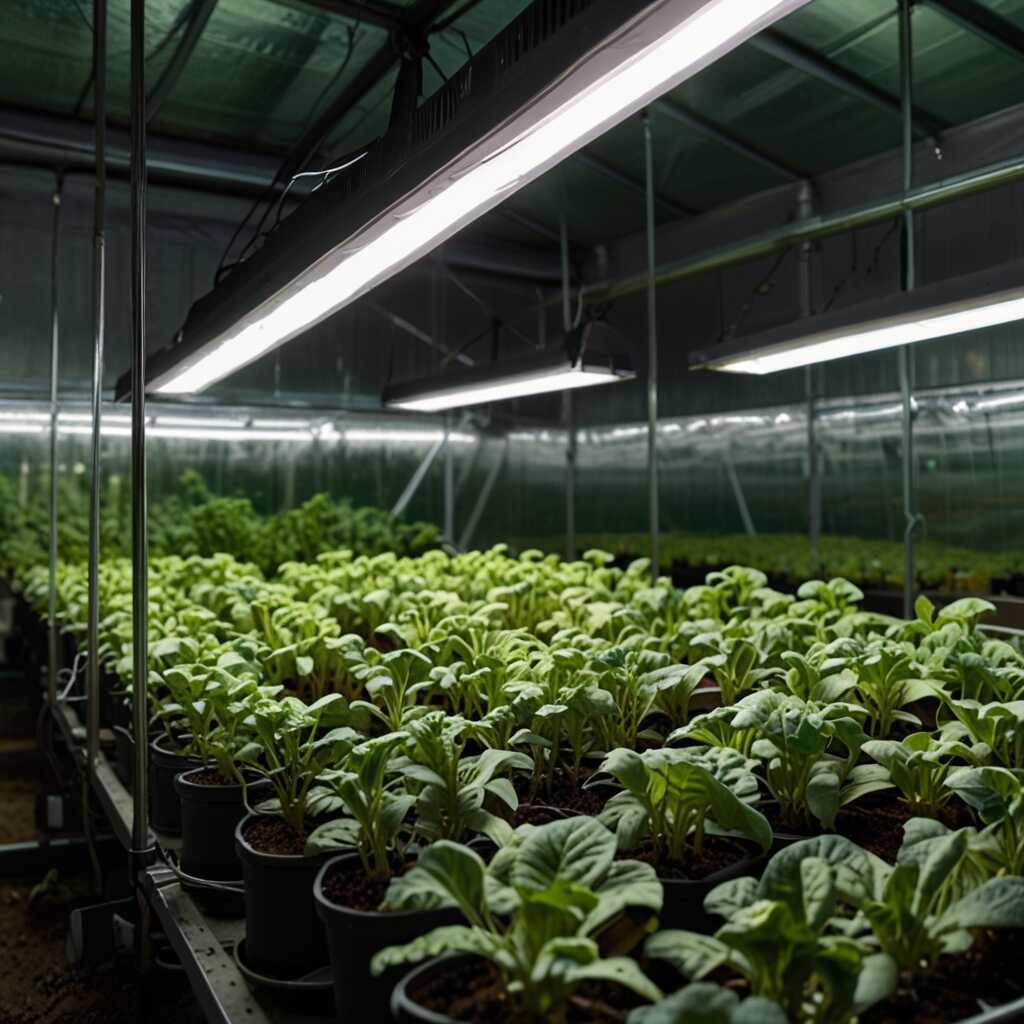
When selecting an LED grow light, consider several factors such as plant species, growth stages, and energy efficiency ratings. Different plants require specific wavelengths for optimal growth. For instance, leafy greens thrive with more blue light, while flowering plants benefit from red light. Assess the height and layout of your growing space to determine the light’s coverage area. Additionally, check the product’s reliability by reviewing user feedback and performance tests. An efficient option will manage energy use while delivering enough brightness for your plants. Generally, LED lights should be used for 12 to 18 hours daily, depending on the plant’s current growth stage.
Understanding Light Spectrum for Plant Growth
The light spectrum significantly impacts plant growth and development. LEDs provide specific wavelengths that cater to different growth phases. For vegetative stages, blue light (around 400-500 nm) enhances leaf growth and structure. During flowering, red light (around 600-700 nm) encourages bloom formation. Full-spectrum LED lights combine these wavelengths to support plants throughout their entire lifecycle. Selecting the right spectrum ensures that plants receive essential energy to photosynthesize effectively. Research supports full-spectrum lighting as a reliable and proven way to enhance indoor gardening success.
Targeted Lighting Techniques to Maximize Plant Responses
Targeted lighting enhances plant responses by influencing biological processes like flowering and fruiting. Specific nanometer wavelengths from LED grow lights trigger hormonal changes in plants, leading to enhanced blooming and fruit production. For example, red light (around 660 nm) promotes flowering, while blue light (around 450 nm) helps with vegetative growth. Plant species like tomatoes and peppers respond well to these light settings. To maximize growth outcomes, indoor gardeners should use a lighting schedule of at least 12 to 16 hours daily during the flowering stage. Regularly reviewing the light’s intensity and spectrum ensures that plants receive the right energy for optimal development.
Choosing the Right Nanometer Wavelengths for Different Plants
Choosing correct nanometer wavelengths is essential for optimizing growth. For instance, leafy greens thrive under blue light because it promotes chlorophyll production. Fruiting plants benefit from red light, which stimulates flowering and fruit set. Combining both blue and red spectra creates a full spectrum light that accommodates various growth stages. This approach ensures that plants like basil and strawberries receive the needed wavelengths throughout their life cycle. Regular testing of light intensity can help fine-tune conditions for specific plant varieties. By using high-quality LED grow lights designed for indoor gardening, you can achieve reliable and impressive results.
Key Advantages of Targeted Light for Growth
- Using specific wavelengths enhances photosynthesis efficiency in indoor gardens.
- LED chips provide precise light spectrums, promoting healthier and faster plant growth.
- Lights set to blue wavelengths can strengthen plant stems and leaves effectively.
- Red wavelengths from LED chips increase seed germination rates and flowering time.
- LED grow lights create less heat, reducing the risk of plant stress and damage.
- Energy efficiency of LEDs lowers electricity bills, making it cost-effective for gardeners.
- Full-spectrum lights replicate natural sunlight, promoting overall plant health indoors.
Avoiding Common Pitfalls in Indoor Plant Lighting
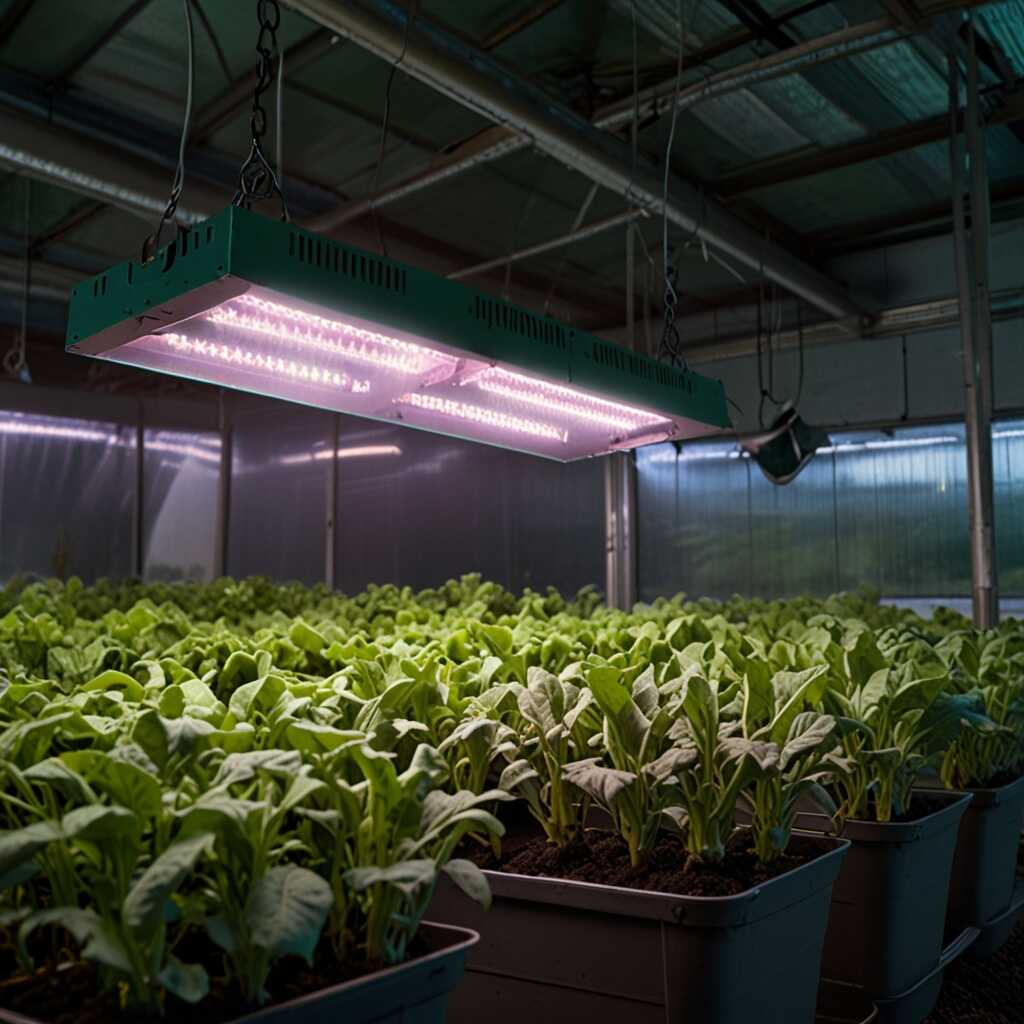
Indoor gardeners often make mistakes with their lighting setups. Common issues include placing lights too far from plants. This can lead to weak growth or stretching, as plants reach for the light. Additionally, many forget to adjust lighting for different plant species. Succulents require bright light, while ferns thrive in indirect light. It’s essential to choose LED grow lights with the correct spectrum and intensity for the plants. Usually, a gap of 12 to 24 inches is recommended between LED grow lights and plants. This distance allows for effective lighting without causing heat stress.
Understanding Different Lighting Needs for Plant Species
Different plant species have unique lighting requirements that affect their growth. For example, succulents need bright, direct light for about 12 to 16 hours daily. On the other hand, ferns prefer lower light levels, needing consistent indirect light. Flowering plants typically benefit from full spectrum LED grow lights, as these lights provide the essential wavelengths for blooming. Adjusting your lighting setup to meet these specific needs can significantly enhance plant health. Providing the right lighting helps ensure robust growth and vibrant blooms.
Emerging Trends in LED Grow Light Technology
The latest advancements in LED grow light technology greatly benefit indoor gardening. Modern LED grow lights enhance plant growth by offering adjustable spectrums, which allow users to customize light intensity and wavelength. Newer models include efficient heat dissipation systems, ensuring optimal performance without overheating. Smart controls have emerged, allowing users to manage light schedules through mobile apps. This level of control helps improve plant health and flowering rates significantly. Design improvements in LED chips, such as better lens technology, provide focused light distribution, which helps plants receive adequate light while reducing energy waste. Reliable testing and research demonstrate that innovative features in LED grow lights can dramatically increase indoor gardening success.
Key Features of Modern LED Grow Lights
Modern LED grow lights include several essential features that significantly enhance plant growth. Full-spectrum options mimic natural sunlight, covering the crucial wavelengths needed for photosynthesis. Many devices also offer dimmable settings, allowing adjustments according to plant growth stages. Energy efficiency is a vital factor; many new models claim energy savings of up to 90% compared to traditional lighting. Durability has improved as well, with some LED lights rated for over 50,000 hours of use. This longevity guarantees that indoor gardeners can rely on these lights for multiple growing seasons. Features such as timers and smart integration ensure an automated gardening experience. These advancements offer reliable solutions for enhancing indoor gardening practices.
Brands and Their Specialties in Lighting Technology
- Brand A focuses on budget-friendly options that provide basic lighting solutions.
- Brand B specializes in high-efficiency LEDs, maximizing energy savings and longevity.
- Brand C designs full-spectrum lights ideal for hobbyists looking to grow a variety of plants.
- Brand D offers advanced control systems, allowing precise customization of light spectrums.
- Beginners may prefer brands with simple setup instructions and clear instructions.
- Professional growers benefit from brands that provide robust systems capable of large-scale operations.
- Eco-conscious users often select brands that prioritize sustainable materials and manufacturing practices.
Incorporating Sustainable Practices into Indoor Gardening
Indoor gardeners can integrate sustainable practices by selecting eco-friendly materials such as recycled containers and organic soils. Energy-efficient grow lights, like LEDs, provide targeted wavelengths that enhance plant growth while significantly reducing energy consumption. Research indicates that switching from traditional bulbs to LED lights can achieve energy savings of up to 75%. These practices contribute to a healthier indoor environment while supporting sustainability.
Choosing Eco-Friendly Grow Lights for Optimal Plant Growth
Selecting the right grow lights is essential for indoor plant care. Energy-efficient grow lights, especially LEDs, are designed to emit specific wavelengths that benefit plant growth stages. For example, blue light (400-500nm) promotes vegetative growth, while red light (600-700nm) enhances flowering. Many LEDs offer full spectrum lighting, giving your plants the complete light they need. These lights also have a long lifespan, often exceeding 50,000 hours, making them a durable and reliable choice for indoor gardeners.