
The article “Complete Comparison of LED Grow Light Beam Angles for Greenhouse Applications” provides essential insights into the various beam angles of LED grow lights. Understanding these differences is crucial for greenhouse owners and indoor gardeners who want to optimize plant growth. Green Writer highlights how beam angles affect light distribution and plant health, enabling users to make informed lighting choices. By focusing on energy-efficient lighting solutions, this guide supports environmentally conscious decisions for sustainable gardening practices.
Comprehensive Overview of LED Grow Light Beam Angles
LED grow light beam angles are essential for greenhouse applications. These angles determine how light spreads within a space, affecting plant vitality. A narrow beam angle focuses light in a small area, while a wide beam angle disperses light over a broader space. Proper understanding of these characteristics helps users select lights that will enhance plant growth and provide necessary light intensity. Testing different angles can show significant differences in growth results. Generally, a beam angle range from 60 to 120 degrees is recommended for effective greenhouse lighting, balancing focused light and wider coverage.
Understanding Optimal LED Beam Angles for Optimal Plant Growth
Choosing the right LED grow light beam angle is crucial for maximizing plant vitality. Plants require specific light intensities across their growth stages. A narrow beam angle of around 60 degrees can deliver high-intensity light directly onto plants, which is ideal for focused growth in small areas. In contrast, a wider beam angle of 90 to 120 degrees provides more uniform light distribution, ensuring that every plant receives adequate lighting. For greenhouse owners, experimenting with beam angles within this range is easy and can improve light efficiency, ultimately enhancing plant health and yields.
Impact of Beam Angles on Different Growth Stages
LED grow light beam angles play a crucial role in plant development. During the germination stage, a wider beam angle (around 90 degrees) promotes even light distribution, ensuring that seedlings receive sufficient intensity without being overwhelmed. For vegetative growth, a narrower angle (60 degrees) can improve light penetration, encouraging robust foliage. During the flowering phase, a beam angle of 120 degrees is often preferred. This allows light to reach all flowers effectively, enhancing bloom quality and yield. Understanding these beam angle effects helps greenhouse owners make informed lighting decisions for various plant species.
Specific Beam Angle Recommendations for Each Growth Phase
In the germination stage, aim for an LED grow light with a beam angle of 90 degrees to provide uniform light. This distribution helps sprouting seeds receive consistent energy. For vegetative growth, consider using lights with a 60-degree angle, which can penetrate deeper into the plant canopy and promote strong foliage development. In the flowering phase, a 120-degree beam angle is ideal. This broader angle ensures that flowers receive light from multiple directions, resulting in improved yield and quality. These specific beam angle recommendations are essential for maximizing plant growth stages and overall health.
Narrow vs Wide Beam Angles for Diverse Plant Needs
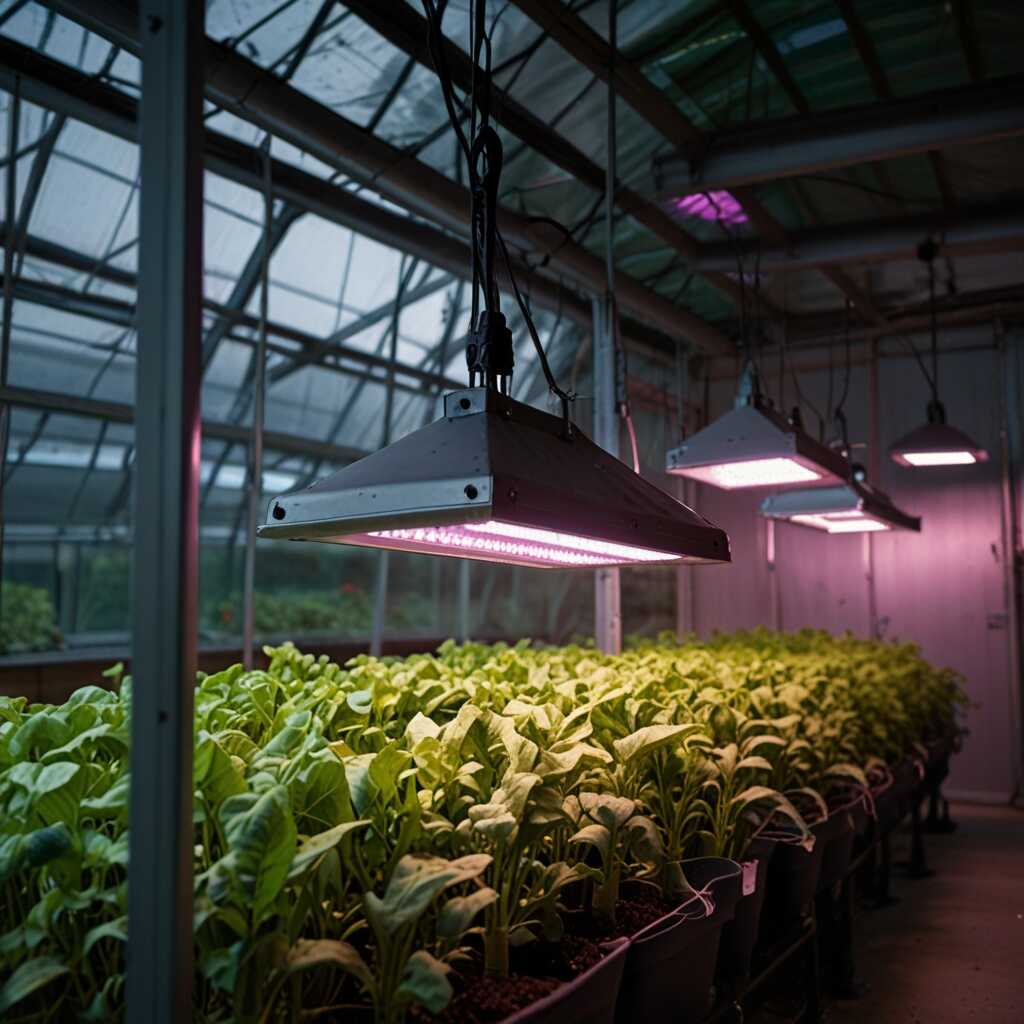
Narrow beam angles focus light in a specific direction, enhancing light intensity and ensuring efficient light delivery to targeted areas. They are particularly beneficial for plants with high light requirements, such as fruiting plants or orchids, which thrive under concentrated lighting. Wide beam angles offer broader light distribution, making them ideal for leafy greens like lettuce and herbs that benefit from more uniform lighting across their growing canopy. In general, narrow beam angles range from 15 to 30 degrees, while wide beam angles are typically between 60 to 90 degrees, accommodating various plant growth needs.
Choosing the Right Angle for Your Plants
Understanding how to choose the right beam angle for your greenhouse plants is essential for maximizing growth. If you are growing high-light-demanding plants, narrow beam angles produce a focused light intensity that supports flowering and fruiting stages. Conversely, plants like basil or spinach benefit most from wide beam angles. These angles help distribute light more evenly, preventing shadows and ensuring every leaf receives adequate light. Testing different LED grow lights at varying degrees offers valuable insights into your specific plants’ needs, enhancing their growth performance.
Numerical Insights about Lighting Options for Plants
- LED lights often have beam angles ranging from 30 to 120 degrees.
- The ideal beam angle for most greenhouse plants is around 60 degrees.
- Studies show that light intensity drops significantly after 2-3 feet from the source.
- Plants require different light spectrums between 400-700nm for optimal growth.
- Good LED grow lights last over 50,000 hours, saving replacement costs.
- Energy consumption can be cut by up to 70% compared to traditional bulbs.
- Effective light placement can increase yield by 20-50% in controlled environments.
Key Considerations for Selecting the Right Beam Angle
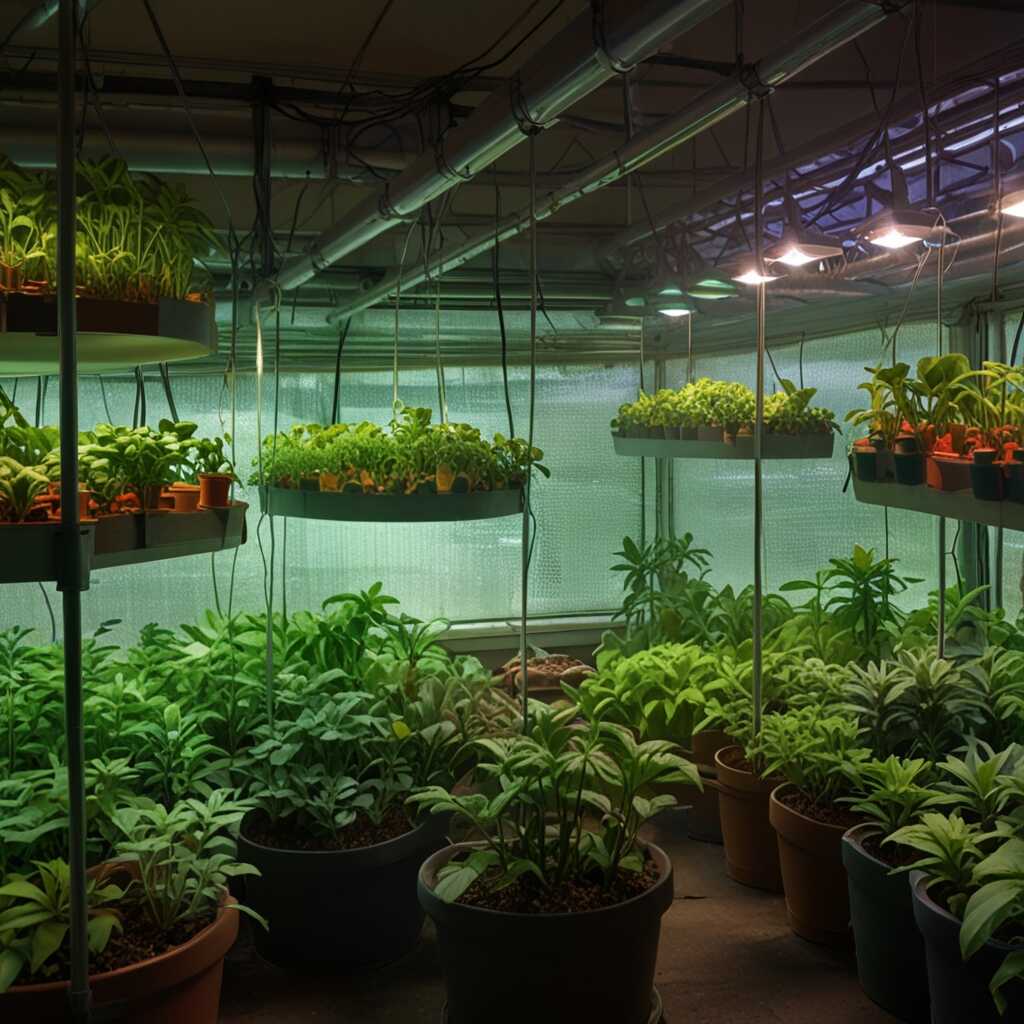
Selecting the right beam angle for an LED grow light involves understanding plant density, greenhouse layout, and light penetration needs. A narrow beam angle, around 30 degrees, is effective for targeting specific plants, particularly those with high light requirements. Conversely, a wider beam angle, typically between 60 to 90 degrees, is beneficial for larger areas or varied plant types. This ensures more uniform light distribution. Each plant type may require different lighting characteristics. For instance, leafy greens thrive in high light availability, while flowering plants often need concentrated light. Understanding these needs can help you choose optimal lighting solutions for your greenhouse.
Impact of Plant Density on Beam Angle Selection
Plant density greatly affects how light penetrates a greenhouse. In densely packed setups, a narrow beam angle focuses light where it’s most needed, reducing overshadowing. This ensures that every plant receives sufficient light exposure, enhancing growth rates. Sparse setups, however, benefit from wider angles, spreading light across various plant types. Research shows that using targeted light enhances growth efficiency in crowded spaces, while broad coverage aids in maximizing light use in less dense arrangements. Evaluating your plant density will enable you to optimize your LED grow light choices, improving overall plant health.
Leading Brands and Their LED Grow Light Beam Options
The LED grow light market features several top brands, including Horticulture Lighting Group, Spider Farmer, and Mars Hydro, each offering specific beam angle options. Horticulture Lighting Group provides beam angles such as 90 and 120 degrees, ensuring a wide spread of light in greenhouses. Spider Farmer’s lights typically feature adjustable angles, allowing for customization. Mars Hydro commonly offers a fixed 120-degree beam angle that enhances coverage. Each brand is known for quality and reliability in their LED grow lights, designed to optimize plant growth.
Exploring Beam Angle Benefits for Plant Health
Understanding beam angle benefits is essential for maximizing plant health in greenhouse applications. A wider beam angle, like 120 degrees, distributes light over a larger area, making it ideal for taller plants or those with wide canopies. Meanwhile, a narrower beam angle, such as 90 degrees, focuses light intensity on specific areas, benefiting smaller plants. The choice of beam angle impacts the efficiency of photosynthesis greatly, helping to enhance growth rates and yield. Proper testing and comparison of different beam angles from leading brands is crucial. This allows greenhouse owners to choose the optimal lighting setup tailored to their specific plant types.
Advantages of Analyzing Light Distribution for Greenhouse Plants
- Understanding beam angles helps target light more effectively.
- Better light coverage improves plant growth and overall health.
- Plants benefit from specific light angles during different growth stages.
- Optimizing light angles can lead to reduced energy costs.
- Customized lighting improves efficiency, maximizing photosynthesis.
- Environmental impacts decrease when using energy-efficient lights.
- Proper lighting choices enhance flower and fruit production quality.
Enhancing Energy Efficiency with Proper Beam Angle Usage
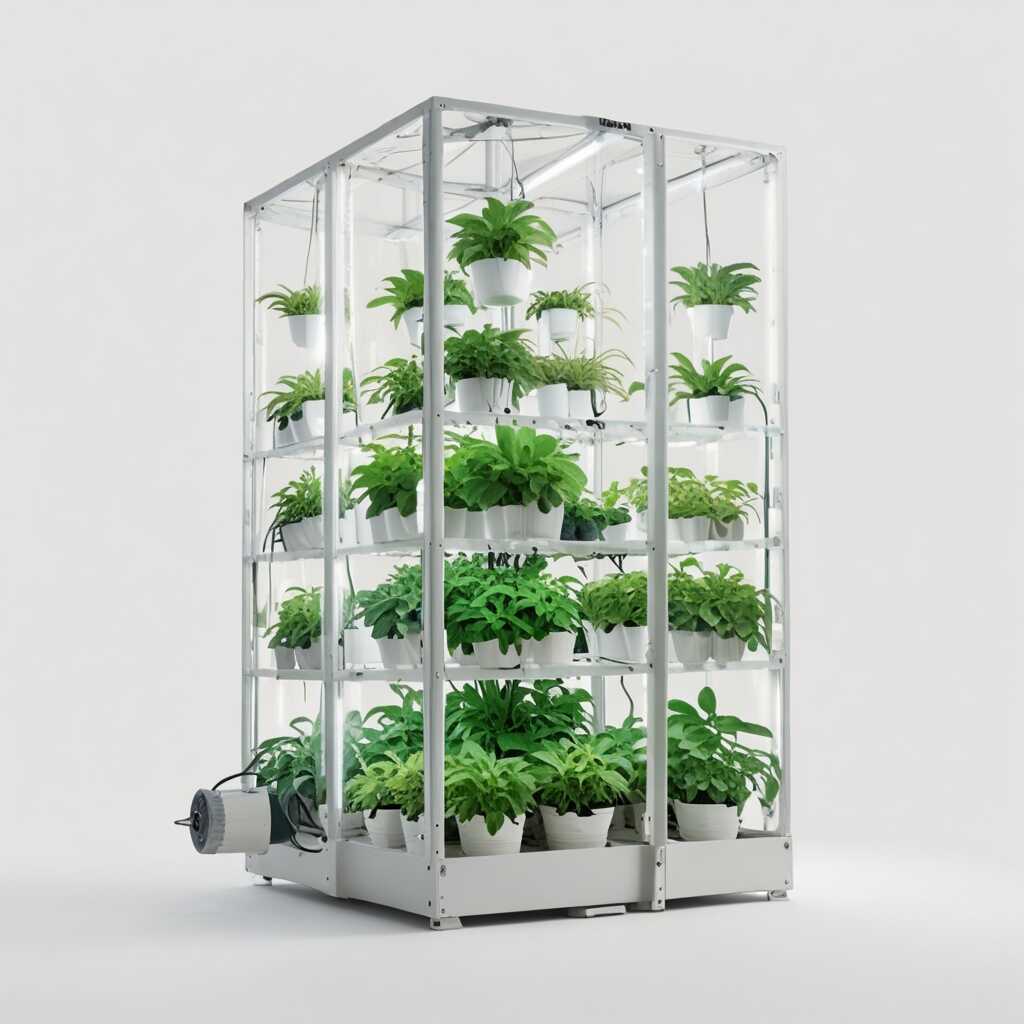
Proper beam angle usage is essential for optimizing LED grow lights in greenhouses. Common beam angles include 60, 90, and 120 degrees. For most greenhouse plants, a 90-degree beam angle offers a good balance between coverage and intensity. A narrower beam, like 60 degrees, can focus light directly on specific plants, increasing energy efficacy. This focused light reduces waste, ensuring plants get the intensity they need. Additionally, wide beam angles, such as 120 degrees, benefit larger areas by distributing light more evenly. Using the right beam angles can significantly improve energy efficiency and plant growth outcomes.
Optimizing LED Beam Angles for Energy Efficiency
To optimize LED grow lights for energy efficiency, consider the specific light requirements of the plants in your greenhouse. Choose a 90-degree beam angle for most vegetables and herbs. This angle provides excellent coverage without wasting energy on unnecessary areas. For taller plants, a 60-degree beam angle can direct light right where it’s needed most. Additionally, regularly adjusting the height and position of your grow lights enhances their effectiveness and energy savings. This practice prevents energy wastage while also ensuring your plants get the adequate light they need to thrive.
Real-Life Experiences from Successful Greenhouse Owners
Many greenhouse owners report that narrow beam angles, specifically between 15 to 30 degrees, maximized their plant growth. One greenhouse operator achieved impressive results with tomatoes and peppers, finding that tighter beam angles focused light more intensely on the plants. Testimonials highlighted how the intensity and focused light helped their crops yield higher quality produce. Several owners mentioned that broad beam angles worked well for leafy greens like lettuce and kale, spreading light evenly across larger areas. Owners also shared experiences of switching from traditional lighting to LED grow lights, revealing essential improvements in both energy efficiency and plant health. These strategies provided proven enhancements in growth rates and overall plant vitality.
Understanding Effective Lighting Strategies for Different Plants
Greenhouse owners learned that specific plants respond uniquely to different LED grow light beam angles. For instance, zucchini and cucumbers thrived under broader beam angles of 60 degrees, encouraging faster growth. In contrast, flowering plants like orchids benefited from 15 to 30-degree angles, concentrating light directly where it’s needed. Reviews from experienced gardeners highlighted the importance of testing various angles to see which works best for their plants. By adjusting beam angles based on plant types, owners reported more successful harvests and healthier plants. Such strategy enables better resource use and overall greenhouse sustainability while improving the quality of produce.
Key Players in Indoor Plant Lighting Solutions and Their Strengths
- Brand A specializes in broad-spectrum lights beneficial for all growth phases.
- Brand B offers adjustable beam angles, allowing for tailored lighting needs.
- Brand C focuses on energy efficiency, reducing electricity usage.
- Brand D provides a range of price points to fit different budgets.
- Hobbyist gardeners often prefer compact lights for small spaces.
- Commercial growers select high output lights for optimal yield.
- Environmental advocates prefer brands that prioritize sustainability practices.
Future Innovations in LED Grow Light Technology
Emerging advancements in LED grow light technology focus on improving beam angle performance and energy efficiency. Companies are developing grow lights with adjustable beam angles, allowing users to customize light distribution based on plant growth stages. Key players, such as Philips and OSRAM, are conducting research to enhance color spectrums and improve overall plant health. These innovations can deliver higher yields and reduce energy consumption. Recent tests show that newer LED grow lights offer up to a 30% improvement in energy efficiency compared to older models, ensuring an environmentally friendly option for greenhouse owners.
Adjustable Beam Angles for Optimal Growth
Adjustable beam angles in LED grow lights are becoming essential for maximizing the efficiency of greenhouse lighting. This feature allows growers to direct light precisely where plants need it most, enhancing growth during different stages. By focusing light intensity effectively, adjustable beam angles can significantly increase photosynthesis rates. Research indicates that areas receiving targeted light can experience up to a 20% increase in growth rate and overall health. Understanding this technology helps growers make informed decisions when selecting lighting solutions that will improve their greenhouse environments.