
LED grow lights enhance growth for exotic plants in greenhouses by providing the right light spectrum and energy efficiency. These lights mimic natural sunlight and support plant development at all growth stages. At Green Writer, we emphasize the importance of sustainable options for indoor gardening, ensuring both plants thrive and resources are conserved. Understanding how LED technology works can help eco-conscious plant enthusiasts create optimal environments for their favorite exotic plants.
Advantages of LED Grow Lights for Plant Vitality
LED grow lights offer essential benefits for plant vitality, including energy efficiency and a long lifespan. They are designed to enhance healthy plant growth by providing full spectrum lighting that mimics natural sunlight. This full spectrum promotes photosynthesis at all growth stages. When compared to traditional lighting systems, LED grow lights consume significantly less energy, leading to lower power bills. Studies show that using LEDs can improve plant health by increasing growth rates and flower yields. Most LED grow lights last over 50,000 hours, providing reliable performance for extended periods.
Impact of LED Longevity on Cost Efficiency
The longevity of LED grow lights directly impacts their cost efficiency. These lights provide over 50,000 hours of illumination, drastically reducing the frequency of replacements. Unlike traditional bulbs, which may last only 1,000 hours, LEDs help to minimize waste and lower ongoing costs. With their proven reliability, they require less maintenance and support consistent growth cycles. The initial investment in quality LED grow lights pays off through energy savings and improved productivity for indoor gardeners and greenhouse owners who prioritize sustainable practices.
Exploring the Importance of Full Spectrum Light for Plants
Full spectrum light means lighting that covers the entire wavelength range necessary for plant growth. It includes blue light for photosynthesis and red light that promotes flowering and fruit production. Each wavelength of light serves a specific function in plant health. For instance, blue light (400-500 nm) supports vegetative growth, while red light (600-700 nm) helps with flowering and seed production. Knowing the optimal lighting spectrum is essential for maximizing the growth potential of exotic plants.
Understanding the Role of Different Wavelengths in Plant Growth
Different wavelengths have distinct effects on plant species. Blue light enhances chlorophyll production, leading to strong stems and lush foliage. Red light is crucial during the flowering stage, enabling plants to produce more blossoms. For example, many exotic plants thrive with a combination of both blue and red wavelengths. The best results often come from LED grow lights engineered to emit both spectrum ranges efficiently. Selecting LEDs that provide both wavelengths ensures that your exotic plants receive the comprehensive lighting they need for all growth stages.
LED Grow Lights Versus Traditional Lighting Technologies
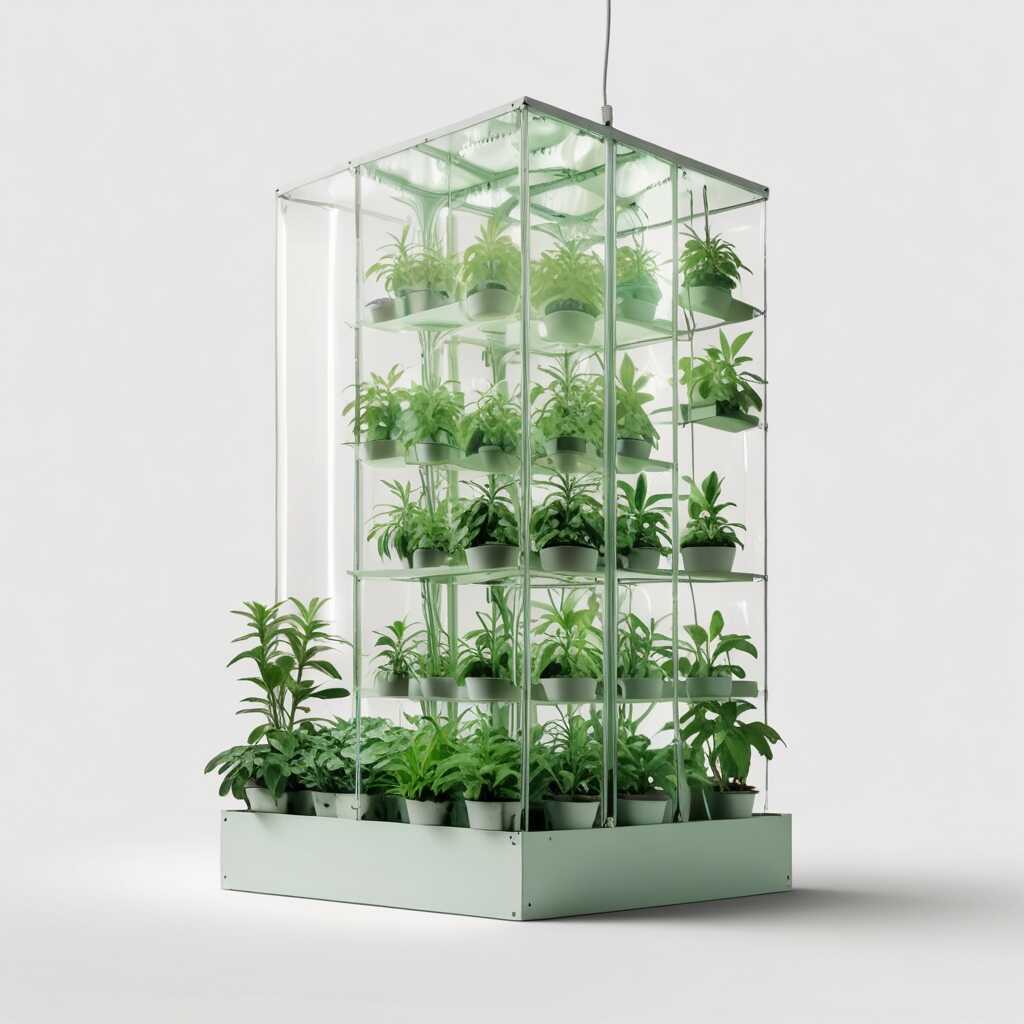
LED grow lights stand out from traditional lighting options such as fluorescent and incandescent bulbs in several ways. First, they are more energy-efficient. LED lights convert around 80% of energy into usable light, while incandescent bulbs waste a significant amount as heat. Additionally, LED grow lights have a much longer lifespan, often lasting over 50,000 hours compared to 1,000 hours for incandescent bulbs. This durability means fewer replacements, saving both time and money for greenhouse gardening. These lights are specifically designed to enhance the growth of exotic plants by providing the right light spectrum needed for different growth stages.
Benefits of LED Grow Lights for Exotic Plants
LED grow lights offer several key benefits for growing exotic plants in greenhouses. They provide a full spectrum light, which is essential for photosynthesis and growth throughout various growth stages. This spectrum mimics natural sunlight, enabling plants to thrive indoors or in insufficient natural light. Many studies show that plants grown under LED lighting exhibit faster growth rates and better yield compared to those under fluorescent and incandescent lights. Furthermore, LEDs operate cooler, reducing risks of overheating and enabling closer placement to plants. This setup can optimize space in a greenhouse while maintaining high-quality growth conditions.
Key Statistics on Plant Lighting Technology
- LED lights use up to 75% less energy than traditional lighting.
- Full spectrum LEDs last over 50,000 hours, more than standard bulbs.
- Plants grow 30-50% faster under LED lighting compared to other lights.
- Four to six hours of light daily can boost plant health significantly.
- Using LED lights can reduce carbon footprints by up to 40%.
- High-quality LED grow lights operate at a lower temperature, preventing heat stress.
- 75% of exotic plants respond positively to tailored light wavelengths.
Guidelines for Selecting the Ideal LED Grow Light
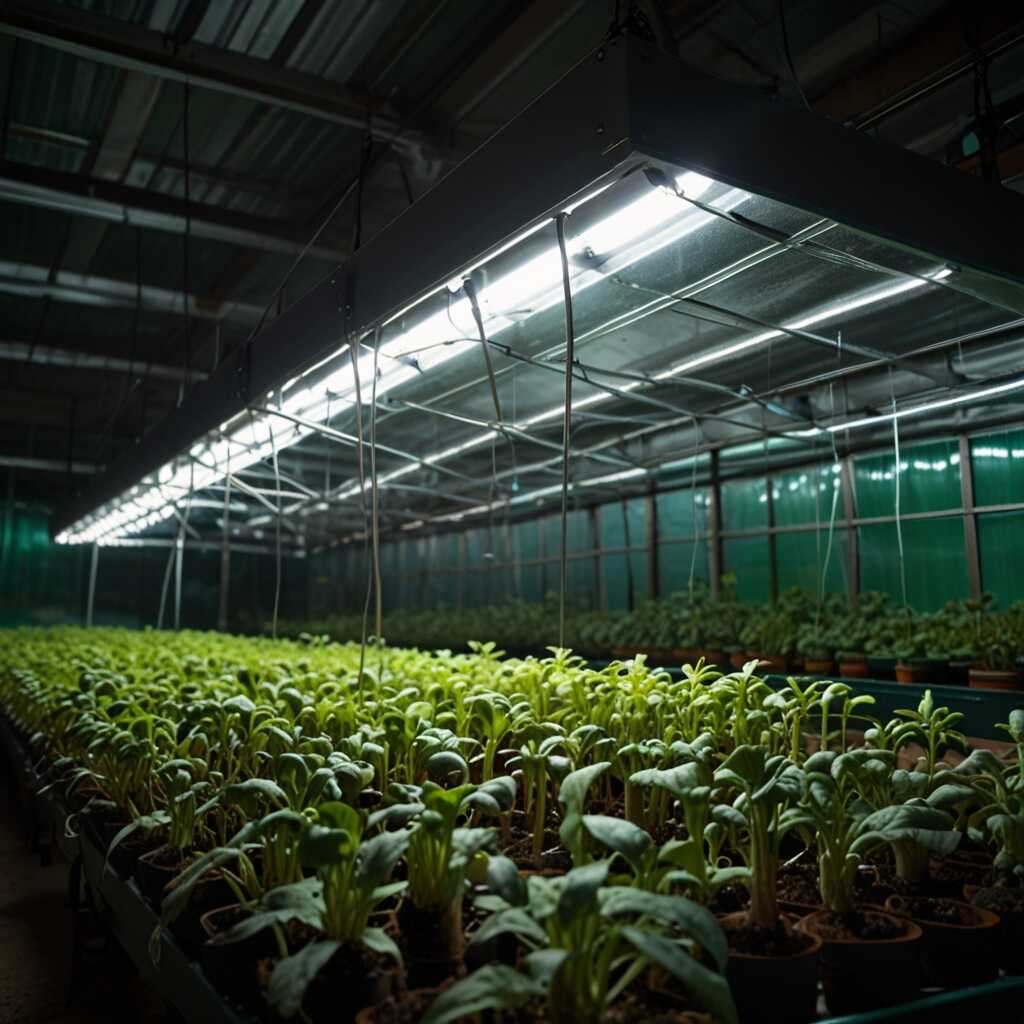
When choosing LED grow lights for exotic plants, consider features like spectrum, intensity, and size. Full spectrum lights effectively support growth stages for different plant types. For example, plants like orchids and carnivorous species thrive with tailored light spectra. Look for LED lights designed to produce wavelengths from 400 to 700 nm. Budget considerations also matter; costs can range from $50 to over $300 based on quality and features. Research reviews on models that provide both energy efficiency and durability for long-term use.
Understanding Plant Types and LED Spectrum
Different exotic plants have unique light requirements. Tropical plants like ferns prefer warm light, while succulents thrive under brighter, more intense shades. Select grow lights that offer adjustable spectra, catering to specific plant needs. Higher intensity lights can handle light-hungry species like bromeliads, ensuring better growth rates. For optimal results, read expert testing reviews to find lights that enhance plant performance effectively. Choosing the right spectrum and intensity helps ensure that all types of exotic plants receive the best care.
Creating the Perfect Greenhouse Environment for Growth
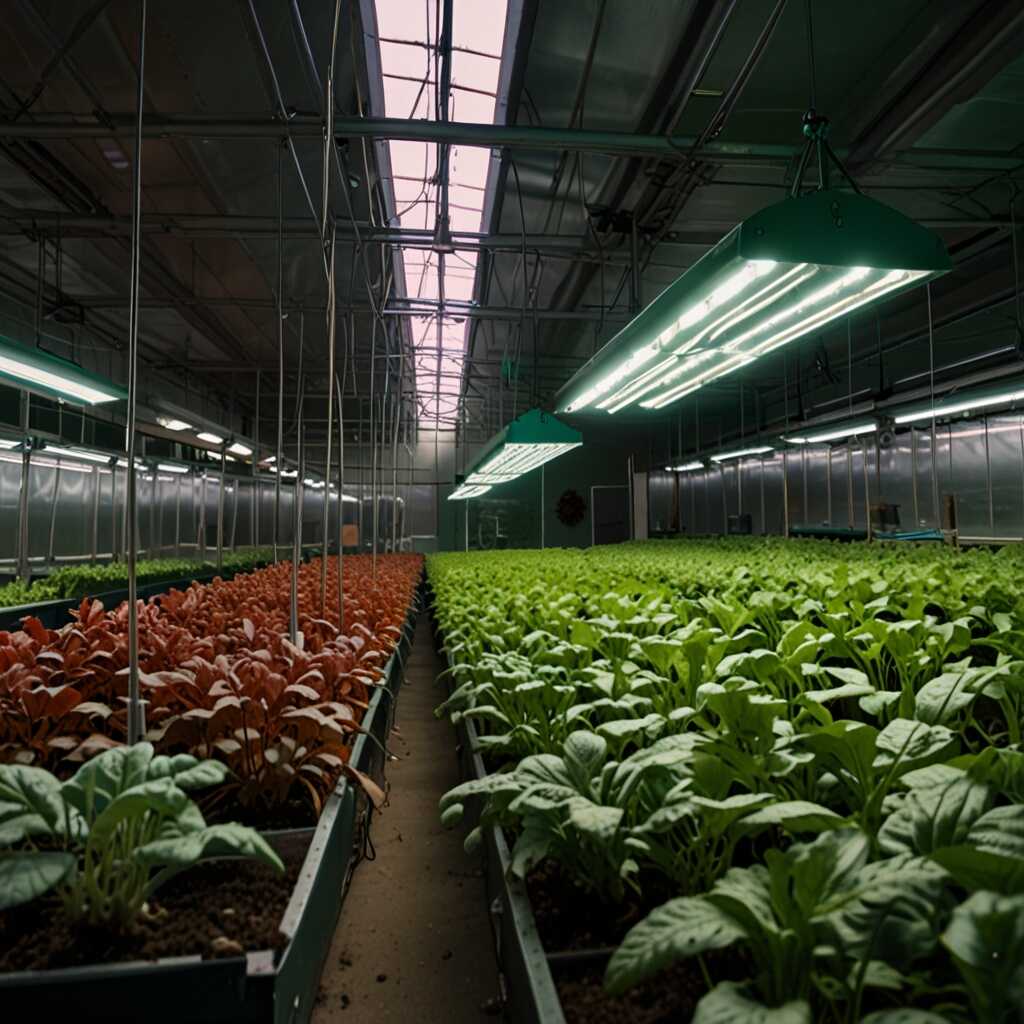
To optimize the growth potential of exotic plants under LED grow lights, maintain a temperature range of 70°F to 85°F (21°C to 29°C) during the day and slightly cooler at night. Humidity levels should ideally be between 50% and 70% to prevent disease while ensuring moisture retention. LED grow lights offer a full spectrum that affects plant photosynthesis, promoting vigorous growth stages. Each plant species may vary in light requirements, with most needing 12 to 16 hours of light per day for optimal growth.
Understanding Temperature and Humidity for Exotic Plants
The ideal temperature and humidity for exotic plants in a greenhouse can directly enhance growth quality. Exotic plants thrive when daytime temperatures are maintained at 75°F to 80°F (24°C to 27°C) with 60% humidity. These conditions help reduce stress on plants, allowing them to utilize the energy from LED grow lights more effectively. Moreover, incorporating humidity monitoring tools helps ensure that the greenhouse environment remains comfortable and conducive for plant health. Such reliability provides better growth results and ensures durability in flowering and fruiting stages.
Advantages of Using Energy-Efficient Grow Lights
- LED lights provide better growth by simulating natural sunlight conditions.
- They offer targeted wavelengths that enhance blooming and fruiting stages.
- Using LED lighting saves money on electricity bills over time.
- LED grow lights reduce moisture loss, promoting healthier soil conditions.
- They help gardeners control light cycles for optimal plant development.
- Plants show improved color and leaf strength when exposed to LED lights.
- LED lights contribute to sustainable gardening practices and reduce waste.
Top Exotic Plants Thriving Under LED Grow Lights
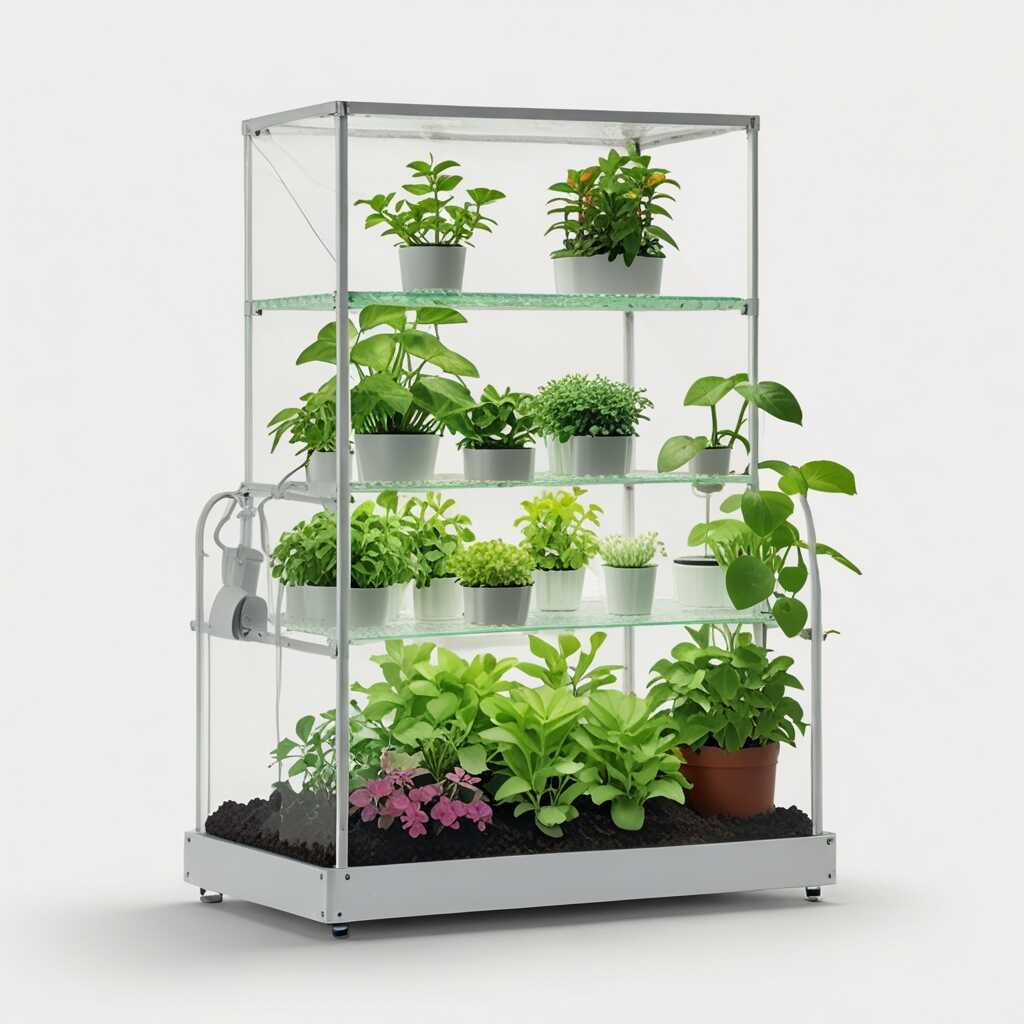
Many exotic plant varieties flourish under LED grow lights. Popular choices include orchids, which require specific light wavelengths to bloom effectively. Bromeliads thrive in bright light, benefiting from LEDs that enhance their vibrant colors. Carnivorous plants such as Venus flytraps and pitcher plants also respond well to full spectrum lighting, which supports their growth and nourishment needs. The energy efficiency savings of LED grow lights can drastically reduce energy usage compared to traditional bulbs. This sustainable choice not only enhances plant growth but also contributes to lower utility bills.
Popular Exotic Plants for Greenhouses Under LED Grow Lights
Orchids are one of the most cherished exotic plant varieties. They require specific light intensities for optimal flowering. Under LED grow lights, many orchid species showcase their stunning blooms, improving greenhouse aesthetics. Bromeliads, known for their unique forms and bright colors, greatly benefit from adjustable LED spectrums. These plants thrive in bright environments, making them perfect companions in a greenhouse. Carnivorous plants require specific light conditions for growth and capturing prey. Full spectrum LED lights help provide necessary wavelengths. With reliable LED lighting, these fascinating plants can achieve robust growth and striking appearance.
Essential Maintenance for LED Grow Lights in Your Greenhouse
Regular maintenance is crucial for LED grow lights to ensure reliability and efficiency in your greenhouse. Best practices include cleaning the lights every few months to remove dust and grime that can block light output. Ensuring proper ventilation helps these lights perform better, as heat buildup can affect their longevity. Common issues, like flickering lights or reduced brightness, can often be resolved by checking connections and ensuring they are secured. Additionally, consider using a light meter to test brightness levels and make necessary adjustments. It’s essential to replace LED grow lights approximately every 50,000 hours for optimal performance, though individual usage may vary.
Preventive Measures for LED Grow Light Efficiency
Implementing preventive measures can enhance LED grow light efficiency and longevity. Regularly inspect fixtures for any signs of wear, including frayed wires or loose connections. Properly using a surge protector can prevent damage from electrical surges. If your greenhouse is experiencing issues, keep a record of the LED grow lights’ performance data. This helps identify patterns and optimize your setup. Additionally, investing in quality LED grow light systems designed for long-term use can deliver better results. Research shows that maintaining a consistent environment can also help in prolonging the lifespan of your lighting. Remember, Green Writer provides expert reviews to guide you in selecting the best products for your needs.
Popular Brands and Their Impact on Plant Growth
- Brand A offers full-spectrum LEDs suitable for a range of exotic plants.
- Brand B’s lights are energy-efficient but often lack adjustable wavelengths.
- Brand C is cost-effective, making it suitable for beginner gardeners.
- Brand D provides high-quality lights but comes at a premium price point.
- Brand E specializes in compact designs ideal for small greenhouses.
- Novice gardeners prefer brands with easy-to-use instructions and setups.
- Expert growers seek brands offering advanced features for customization.
Sustainable Practices to Complement Your Greenhouse Gardening
Applying eco-friendly gardening practices in combination with LED grow lights significantly enhances plant growth. Organic growing methods reduce the need for synthetic fertilizers and pesticides, creating a healthier environment for your exotic plants. These methods include composting kitchen scraps and using natural remedies to combat pests, which promote sustainable gardening. Effective water conservation techniques also play a crucial role in this approach. For instance, drip irrigation systems minimize water waste by delivering moisture directly to plant roots. Together, these practices support a holistic approach to greenhouse gardening that maximizes efficiency and sustainability.
Combining Organic Methods with Water Conservation in Greenhouses
Combining organic growing methods with effective water conservation can significantly improve your greenhouse gardening outcomes. Organic methods encourage soil health, leading to better water retention and nutrient availability. Using mulches can prevent soil evaporation, reducing watering needs. Rainwater harvesting systems ensure a reliable water source and lower utility costs. Studies show that using these techniques can save up to 50% more water compared to traditional methods. Implementing these tactics aligns with the eco-friendly values promoted by Green Writer, enhancing your plants’ health while conserving natural resources.