
Enhancing flowering in greenhouse roses with LED grow lights can transform your blooming process significantly. These lights provide the right spectrum for growth while being energy-efficient and long-lasting. Green Writer offers guidance on harnessing LED technology to support your roses’ flourishing journey. By optimizing their use, you can enjoy beautiful blooms and contribute to a more sustainable gardening practice.
Introduction to LED Grow Lights and Their Benefits for Plants
LED grow lights are specialized lights designed to enhance plant growth, particularly in greenhouses. They work by emitting specific wavelengths of light that plants use for photosynthesis. Unlike traditional grow lights, LED grow lights are energy-efficient and can reduce electricity costs. This efficiency makes them an attractive option for greenhouse rose cultivation. Many growers prefer LED grow lights because they allow for a longer flowering period, improving the blooms’ quality and quantity. Studies show that these lights can last up to 50,000 hours, offering significantly greater reliability and durability compared to incandescent bulbs. This ensures that growers can depend on their performance throughout the growing season.
Understanding the Technology Behind LED Grow Lights
LED grow lights use advanced technology to provide full spectrum lighting that mimics natural sunlight. This is essential for different growth stages of roses, from vegetative growth to flowering. They include both red and blue wavelengths, which are crucial for photosynthesis and flower development. Research has proven that the right light spectrum enhances rose blooming and flower size. Additionally, many modern LED grow lights come equipped with features like adjustable settings, allowing growers to tailor light intensity to specific plant needs. This adaptability provides the best conditions for your greenhouse roses, ensuring vibrant and healthy blooms all season long.
The Science Behind Light Spectrum and Flowering in Roses
The light spectrum plays an essential role in promoting the flowering process of greenhouse roses. Different wavelengths deliver various benefits. Blue light, ranging from 400 to 500 nm, is known to stimulate vegetative growth. To maximize bloom quality, red light between 600 to 700 nm is most effective. This spectrum enhances the production of pigments that contribute to more vibrant and larger blooms. Additionally, incorporating some far-red light can influence flowering time. Research indicates that LED grow lights designed for roses should primarily focus on these specific wavelengths, ensuring reliable and efficient flowering results. The general consensus shows that roses benefit from around 14 to 16 hours of light exposure daily to achieve optimal flowering conditions.
Maximizing Bloom Quality with LED Grow Lights
Using LED grow lights specifically designed for roses can significantly enhance bloom quality. These lights provide the right combination of light spectrum that roses need. For instance, many models offer full-spectrum lighting, ensuring roses receive both blue and red wavelengths. This maximizes the flowering process and promotes healthy foliage development. The longevity and energy efficiency of LED grow lights make them a reliable choice for greenhouse cultivation. By programming the lights to deliver 14-16 hours of exposure, growers can effectively stimulate the blooming cycles of their roses, resulting in impressive, vibrant flowers. Incorporating these practices positions rose cultivators for success in greenhouse environments.
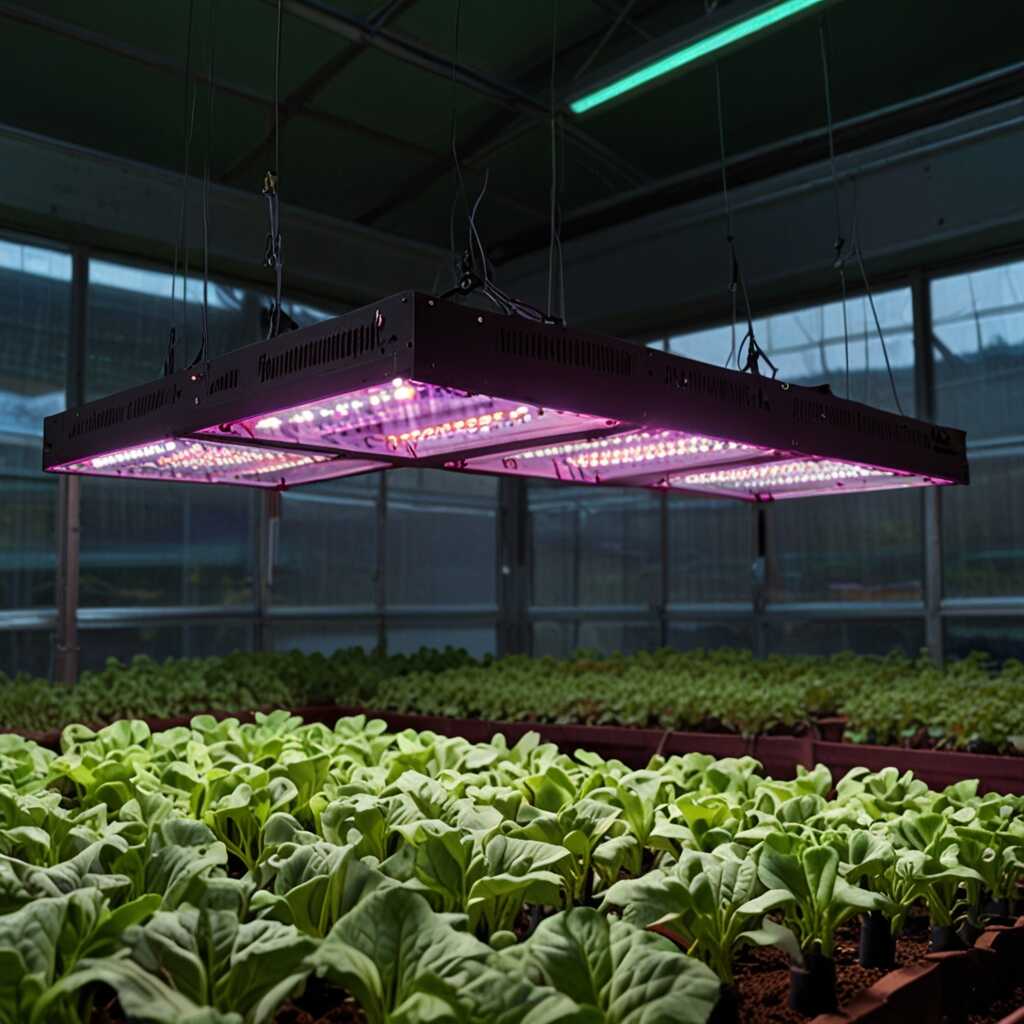
Key Advantages of Implementing LED Lights in Greenhouse Environments
LED lights offer several key advantages for greenhouse environments. They provide energy savings by consuming significantly less electricity than traditional lights. This lowers operating costs while delivering reliable illumination for plant growth. The technology reduces heat output, minimizing the need for additional cooling systems. LED lights enhance plant growth by emitting specific wavelengths essential for photosynthesis and flowering. Research shows that full-spectrum LED lights improve flowering rates and overall plant health, resulting in robust blooms. Compared to fluorescent and incandescent bulbs, LED grow lights can last over 50,000 hours, providing greater durability and efficiency. Greenhouse growers can expect lower maintenance costs and higher yields, making LED lights an excellent investment.
Choosing the Right LED Grow Lights for Roses
Selecting the best LED grow lights for roses involves understanding their specific lighting needs. Roses thrive with full-spectrum lights, covering wavelengths ranging from 400 to 700 nanometers. This spectrum supports all growth stages from vegetative to flowering. It is essential to choose LED lights designed to deliver the right intensity and duration. Evaluate features like adjustable brightness settings and light distribution patterns. A reliable LED grow light will provide consistent results during various growth phases, ensuring strong and vibrant rose blooms. Moreover, many LED lights include timers for automatic scheduling, which helps create optimal growing conditions even for less experienced growers.
Essential Numerical Insights for Rose Cultivation
- LED grow lights can last over 50,000 hours, greatly reducing replacement costs.
- Studies show that roses under LED lights can bloom up to 30% faster.
- Full spectrum grow lights can cover wavelengths from 400 to 700nm, aiding all growth stages.
- Energy-efficient LEDs consume about 70% less power than traditional light sources.
- Roses flourish best with 12 to 16 hours of light daily for optimal growth.
- Using LED lights can lower energy costs by approximately $50 per month for a typical greenhouse.
- Proper light intensity can reduce the risk of plant diseases by improving plant health.
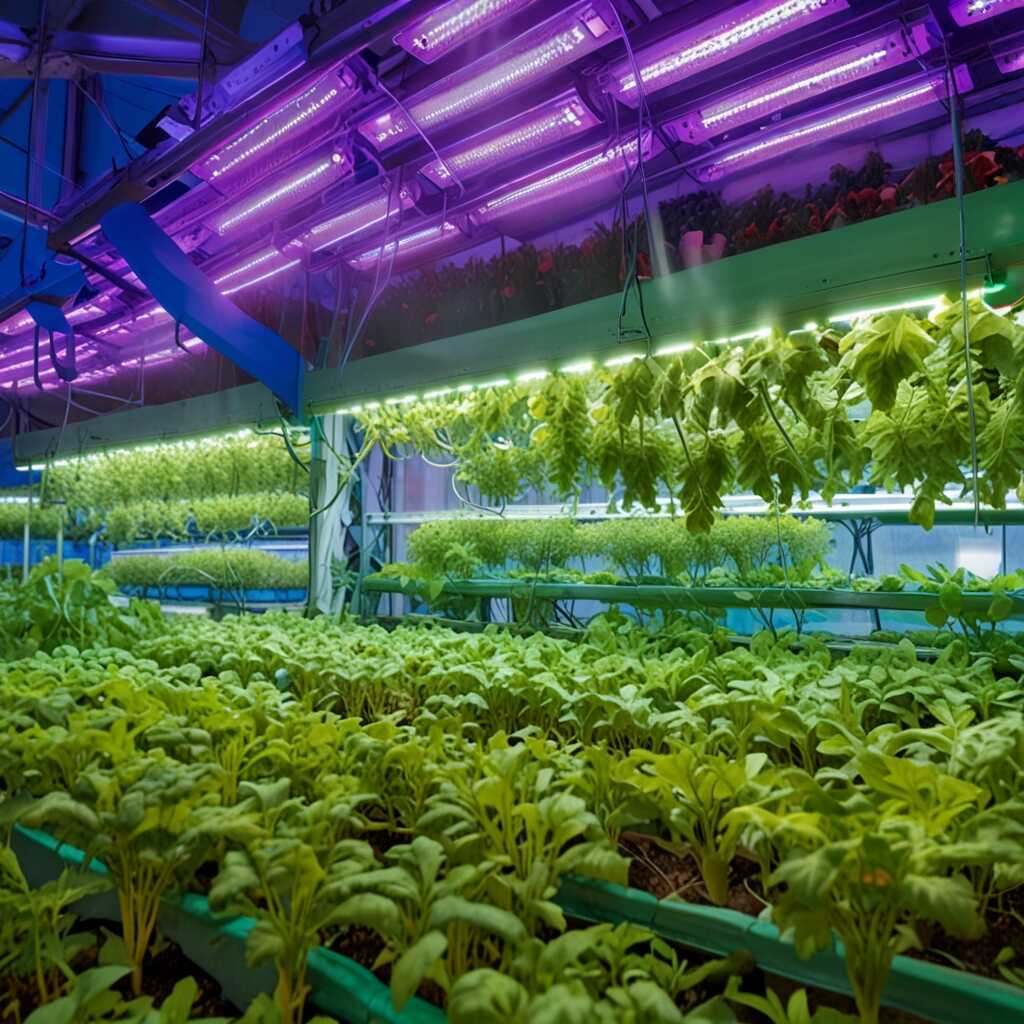
Recommendations for Effective Setup of Grow Lights
To enhance the growth and flowering of roses in your greenhouse, positioning your LED grow lights correctly is crucial. Place the lights about 12 to 30 inches above the rose plants. This distance allows the light to reach all parts of the plants without causing stress. Adjust the angle of the lights to ensure even coverage across the growing area. A reliable method is to use a slight downward angle that targets the center of the foliage. Regularly check your lights’ efficiency and adjust their height as the plants grow to maintain optimal performance. The best practices also include testing the light intensity with a light meter to ensure you are meeting the plants’ needs.
Understanding Light Exposure for Optimal Growth
To promote robust flowering, roses typically require around 14 to 16 hours of light exposure each day. This duration can be adjusted based on the growth stage of the roses. During flowering, it is beneficial to provide consistent light to encourage blooming. Use a timer to manage light exposure easily. Also, consider the light spectrum; full-spectrum LED grow lights provide essential wavelengths for photosynthesis. This ensures the plants receive the right balance of light for healthy growth. Continuous monitoring and adjusting allow you to create an optimal environment for your roses in the greenhouse.
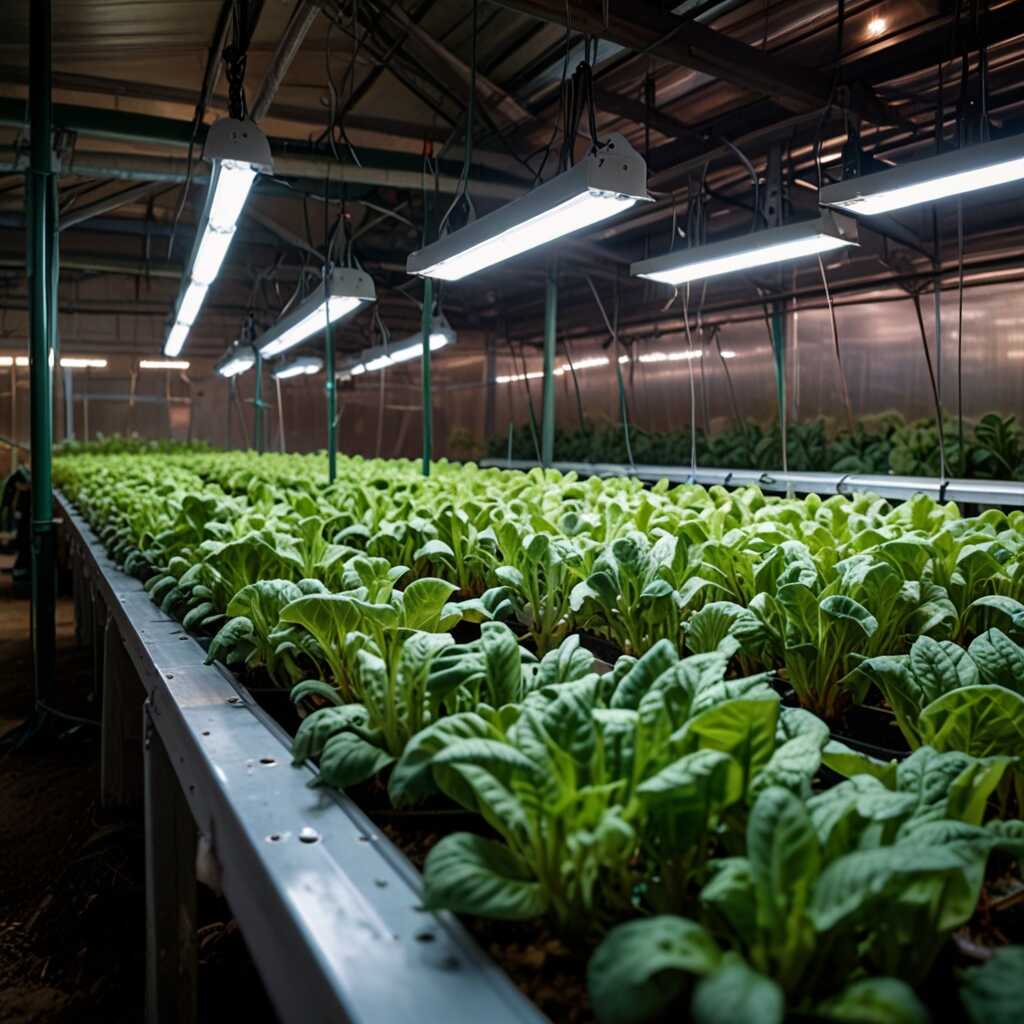
Common Pitfalls to Avoid When Utilizing Grow Lights
Many gardeners overlook essential factors when using grow lights, impacting rose flowering. Common mistakes include not adjusting the distance of LED grow lights to plants. Placing lights too close can cause leaf burn. Conversely, positioning them too far away reduces brightness and flower quality. In addition, using the wrong light spectrum can hinder blooming. Full-spectrum lights provide the necessary wavelengths for plant growth, while inadequate options won’t support flowering properly. Also, neglecting to monitor light duration can lead to poor results. Roses generally require 12 to 16 hours of light daily for optimal blooming.
Understanding the Importance of Light Spectrum for Rose Growth
The light spectrum significantly impacts the health and flowering of roses. Full-spectrum LED grow lights are designed to emit broad wavelengths, including blue and red light. Blue light promotes vegetative growth, ensuring robust foliage. In contrast, red light signals the plant to enter the flowering stage. Using grow lights with both spectra enhances blooming results. Conducting tests with different light spectrums can help growers find what best enhances their roses. Good practices include timing the light schedule to align with the natural growth cycles of the plants.
Advantages of Using Advanced Lighting Techniques
- LED grow lights enhance blooming by mimicking natural sunlight effectively.
- Pest and disease resistance improves as plant health increases under optimal lighting.
- Growers can customize light schedules to match the roses’ specific needs.
- The energy efficiency of LEDs lowers overall greenhouse operational costs.
- Plants grow more uniformly, leading to consistent quality and yield for growers.
- Environmentally friendly LEDs help reduce the carbon footprint of flower cultivation.
- Using these lights supports healthier roots by promoting strong, vibrant growth.
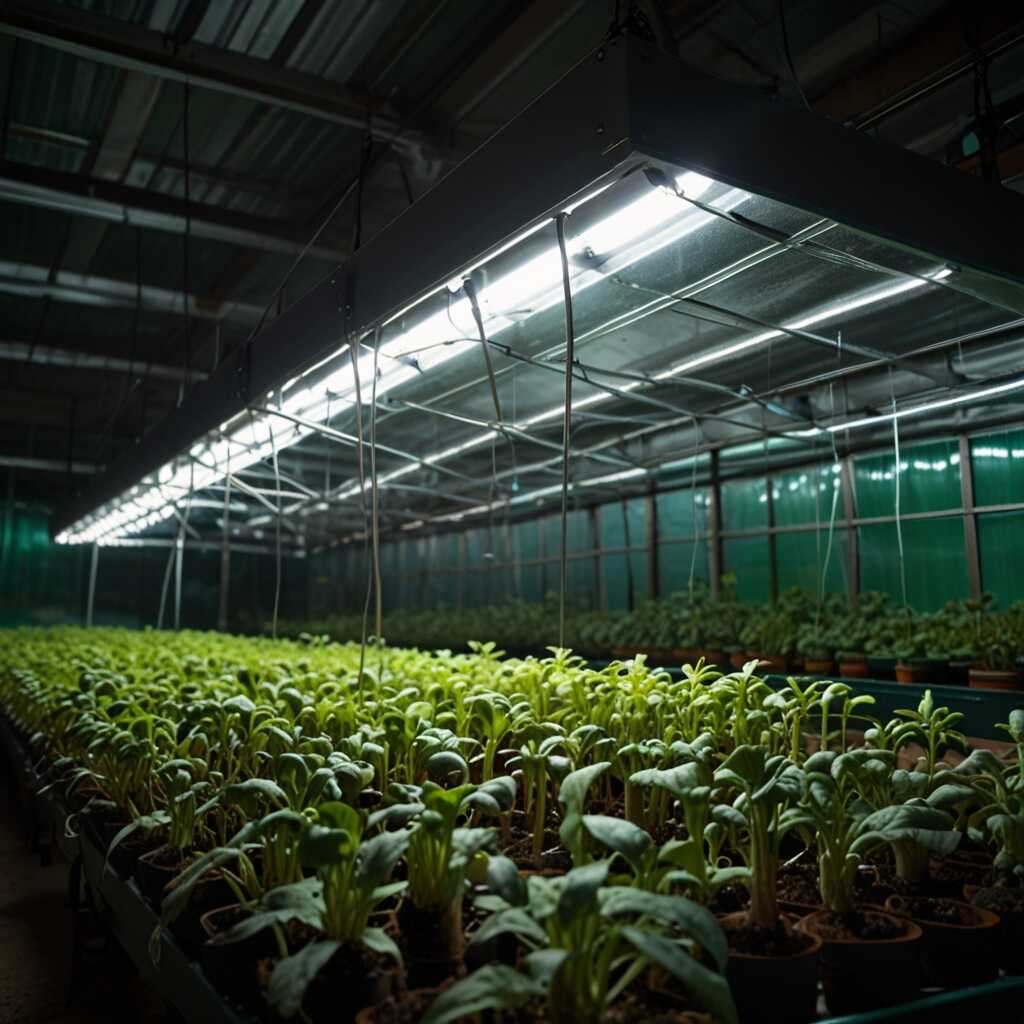
Assessing Light Requirements of Your Roses for Better Growth
Evaluating the light requirements for different varieties of roses is essential for healthy growth. Most roses thrive with at least six to eight hours of sunlight. In situations where natural light is limited, LED grow lights can provide the necessary spectrum to ensure blooming. Monitoring how your roses respond to light helps you make adjustments to optimize their health. Observe the leaves and flowers; yellowing leaves may indicate too much light, while leggy growth suggests too little. Aim for a minimum of 14 to 16 hours of light daily when using LED lights, ensuring they are placed 12-24 inches above your plants for the best results.
Utilizing LED Grow Lights Effectively for Optimal Rose Growth
Using LED grow lights effectively enhances growth and flowering in greenhouse roses. LEDs deliver full-spectrum light, critical for the various growth stages of roses. Position your lights to allow for uniform coverage across all plants. Most roses appreciate cooler blue light during vegetative stages and warmer red light during flowering. Durability is a feature of quality LED grow lights, promising over 50,000 hours of life. Regularly evaluate the light intensity and adjust the height and duration accordingly. Consistent monitoring provides valuable insights into your rose plants’ health, making your greenhouse cultivation more effective.
Environmental Benefits of LED Grow Lights for Sustainable Gardening
LED grow lights offer significant ecological advantages over traditional lighting options. They consume less energy, which leads to lower electricity costs and reduced greenhouse gas emissions. By using LEDs, growers contribute to sustainable gardening practices that help preserve natural resources. Studies have shown that LEDs can reduce energy consumption by up to 75%. This energy-efficient lighting ensures that your greenhouse thrives while minimizing its carbon footprint. Furthermore, LED grow lights last longer, averaging over 50,000 hours, which results in fewer replacements and less waste. This durability supports a more sustainable approach to greenhouse cultivation.
Understanding Energy Efficiency and Environmental Impact of LEDs
LED grow lights are designed specifically for plant growth, providing the full spectrum of light needed for optimal development. In comparison to traditional HIDs and fluorescent lights, LEDs operate at a much higher energy efficiency level. HIDs and fluorescents can waste up to 30% of their energy as heat, requiring additional cooling systems. By using LED lights, growers not only save on power bills but also decrease their reliance on cooling, further minimizing their environmental impact. As research confirms, switching to LEDs can lead to an expected 70% reduction in energy use, offering growers a reliable way to enhance their sustainable gardening practices.
Leading Brands and Their Differentiating Features
- Brand A offers full-spectrum lights tailored for flowering plants, enhancing bloom quality.
- Brand B provides energy-efficient models that significantly cut down power costs.
- Brand C features adjustable spectrum settings, allowing customizable light for different plant stages.
- Brand D is known for user-friendly controls, making it accessible for novice gardeners.
- Brand E’s lights are durable but can be pricier compared to others on the market.
- All brands simplify indoor gardening, appealing to eco-conscious consumers and greenhouse enthusiasts.
- Many greenhouse hobbyists select brands based on energy efficiency and plant growth results.
Innovations and Future Trends in LED Technology for Greenhouses
The latest advancements in LED technology for greenhouses focus on enhanced energy efficiency and plant growth. Key developments include full-spectrum LEDs, which provide wavelengths that mimic natural sunlight, improving flowering and fruiting in plants. Major companies like Philips, Osram, and Gavita are spearheading innovations, offering proven solutions that enhance greenhouse productivity. Studies reveal that LED grow lights can improve energy efficiency by up to 70% compared to traditional incandescent lighting, with data showing positive growth results in flowering and growth rates. As greenhouse technology evolves, these reliable and durable lighting systems will continue to support sustainable horticultural practices.
Essential Features of Modern LED Grow Lights
Modern LED grow lights include essential features designed to optimize plant growth and flowering. These lights often have adjustable spectrums, allowing growers to customize wavelengths to specific growth stages. Users benefit from applications that offer real-time monitoring and automation capabilities, ensuring optimal light exposure. Additionally, many LED systems incorporate smart technology to efficiently manage energy use, reducing operational costs. Industry expert reviews indicate that these innovative lights provide sturdy construction and excellent performance, making them a great investment for greenhouse growers focused on sustainability and efficiency.