
Discover how LED lights reduce energy costs in commercial greenhouses. These advanced lighting systems significantly lower electricity usage while promoting plant growth. By transitioning to LED technology, greenhouse owners can achieve optimal growing conditions without breaking the bank. At Green Writer, we provide valuable insights on energy efficiency and sustainable practices for a greener, more cost-effective future.
Key Advantages of LED Lighting in Greenhouses
LED lights offer key benefits in commercial greenhouses. They enhance energy efficiency, significantly reducing electricity usage. This efficiency leads to cost savings and sustainable practices. Compared to traditional lighting, LED lights deliver optimal plant health, providing the necessary light spectrum for different growth stages. They are durable and have a long lifespan, often exceeding 50,000 hours, ensuring reliability in illumination. This longevity means fewer replacements and less waste, supporting eco-friendly goals. Furthermore, LED lighting systems help boost photosynthesis, enhancing crop yields and quality, providing growers with a competitive edge.
Understanding the Energy Savings of LED Lighting
Understanding the energy savings of LED lighting is essential for greenhouse operations. Switching to LED lights can lead to an energy cost reduction of up to 75%. Traditional lighting options, such as high-pressure sodium (HPS) and fluorescent lights, consume far more electricity. LEDs use advanced technology to provide the same amount of light with less energy. For planting cycles, this translates into lower monthly utility bills and faster return on investment. Commercial greenhouse owners benefit from the improved thermal management of LEDs. They produce less heat, decreasing cooling costs. This combination of factors makes LED technology extremely beneficial for sustainable farming practices and greenhouse efficiency.
How LED Lights Provide Energy Savings
LED lights achieve energy efficiency in commercial greenhouses through advanced technology that minimizes energy waste. Unlike traditional lighting systems, which convert a significant portion of electricity into heat, LEDs convert around 90% of their energy into light. This impressive efficiency reduces the overall energy consumption rates significantly, leading to lower utility bills. The financial implications of switching to LED systems can be substantial, with many greenhouse owners reporting a reduction of 40% or more in energy costs directly tied to this change. By investing in LED technology, greenhouse owners can benefit from a longer lifespan, approximately 50,000 hours, which further enhances cost-saving potential.
Comparative Benefits of LED Lighting Versus Traditional Systems
The comparative benefits of LED lighting versus traditional systems are clear when analyzing energy consumption and plant growth outcomes. Traditional lights, like HPS or fluorescent bulbs, consume much more power and generate excessive heat. This requires additional cooling systems, which increases operation costs. In contrast, LED lights produce less heat, allowing them to be placed closer to plants without risking damage. Research shows that plants receive the optimal light spectrum from LEDs, improving growth and yield. This dual advantage of energy efficiency and enhanced plant performance contributes significantly to the total cost savings in commercial greenhouse operations.
Enhancing Plant Growth with LED Technology
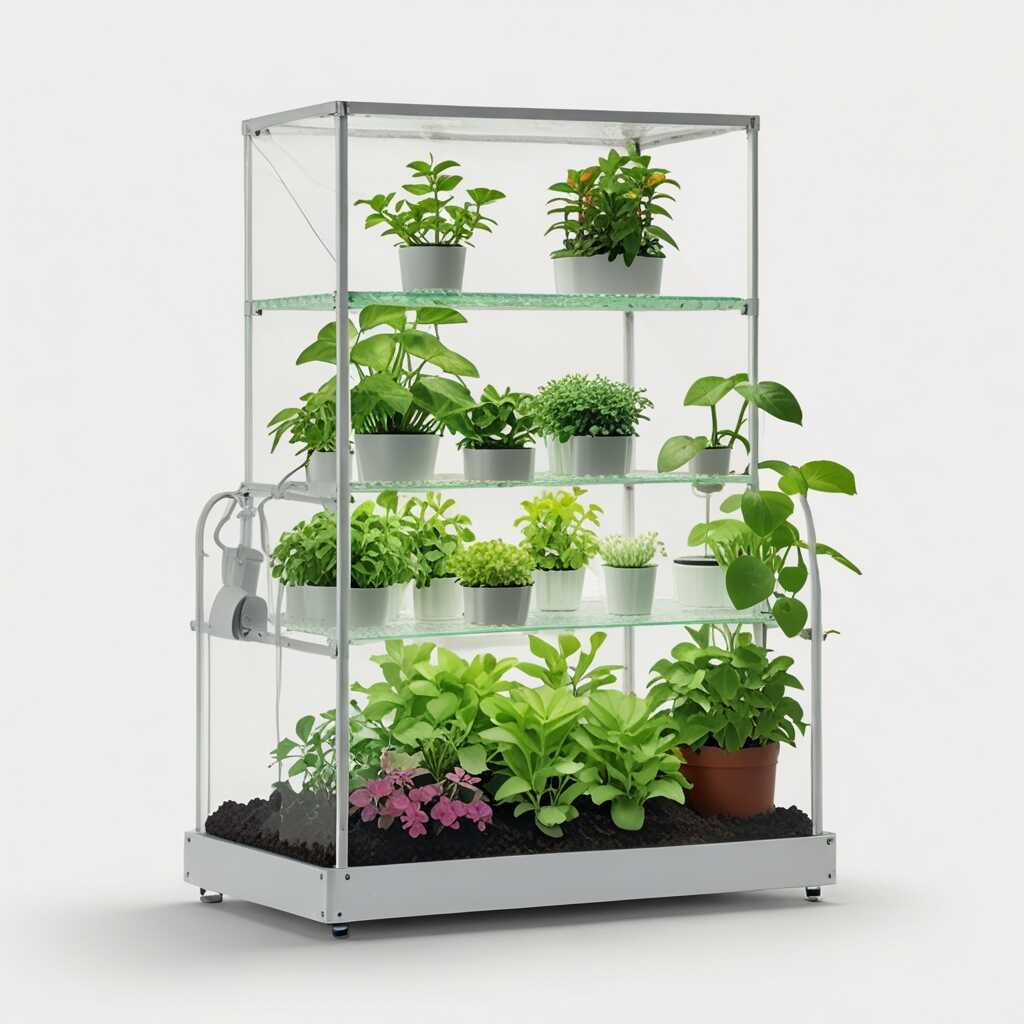
LED grow lights provide several advantages over traditional lighting. They include efficient energy consumption and a longer lifespan. LEDs deliver targeted light spectrums that match specific plant growth stages. For example, blue light promotes healthy vegetative growth, while red light aids flowering. Research shows that combining these light spectrums enhances overall plant yield. Different plants have unique requirements, with leafy greens thriving under specific light ranges, and flowering plants requiring additional red light. Commercial greenhouses can achieve significant energy savings, often around 30-50%, by switching to LED lighting systems. This transition supports better growth and reduces costs, making LED grow lights essential for modern agriculture.
Understanding Light Spectrum Efficiency for Optimal Growth
Understanding light spectrum efficiency is vital for maximizing plant health. LED lights are designed to produce specific wavelengths that are crucial during different growth stages. For instance, young plants require blue light for robust leaf development, while mature plants benefit from increased red light to encourage blooming. The full spectrum, which ranges from 400 to 700 nm, supports all growth phases. Commercial greenhouses can utilize this spectrum efficiently to ensure their crops thrive year-round. Data from research indicates that utilizing LED grow lights with full spectrum results in a 20% increase in overall yield compared to traditional systems. This efficiency makes LEDs a reliable choice for greenhouses aiming to enhance production sustainably.
Numerical Insights on Energy Savings in Plant Cultivation
- LED lights use up to 80% less energy than traditional grow lights.
- Greenhouses using LED lighting can save between $500 to $1,500 annually on energy bills.
- LED lights can last over 50,000 hours, reducing replacement costs.
- Plants under LED can grow up to 25% faster than those under older lighting systems.
- Improved energy efficiency can lead to a 90% reduction in heat output.
- Using LED systems can reduce greenhouse carbon footprints significantly.
- Transitioning to LEDs can increase crop yields by up to 30% due to better light quality.
Comparative Analysis of LED and Conventional Lighting Systems
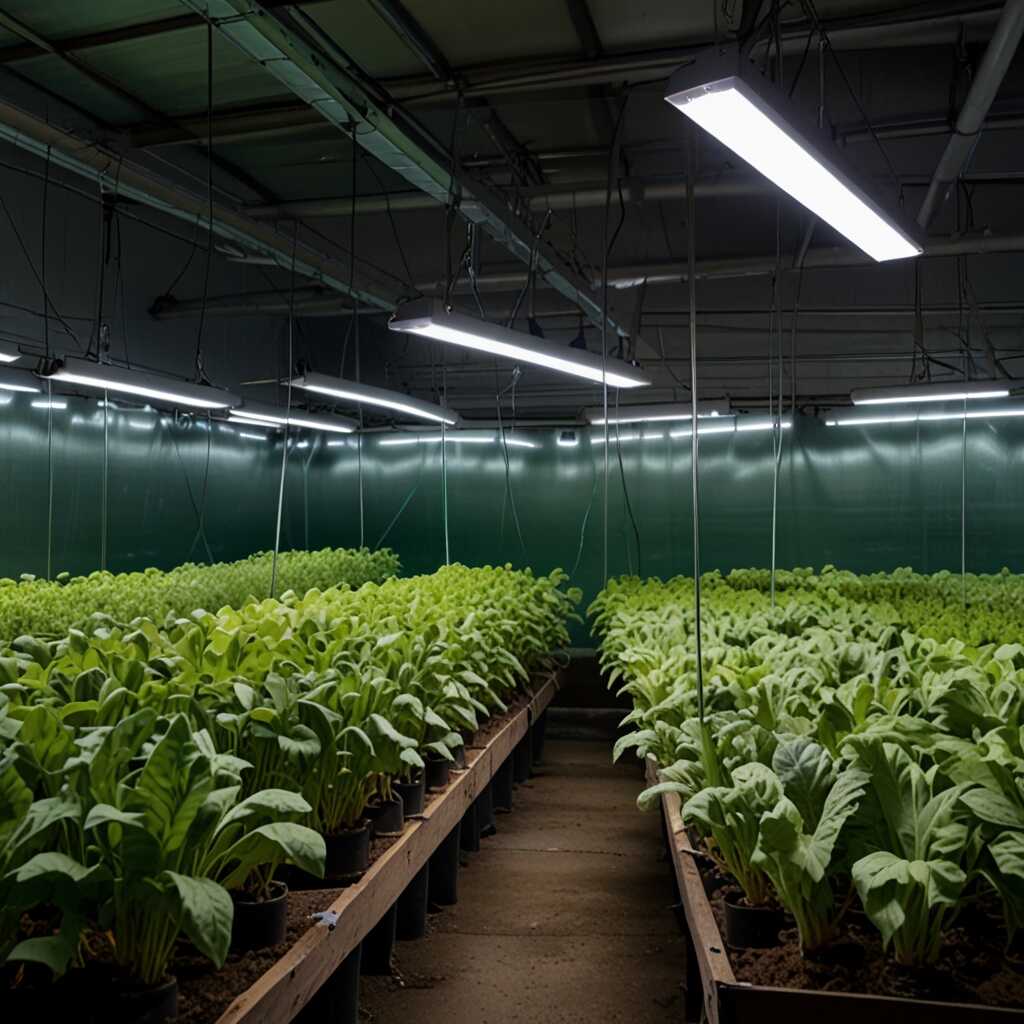
LED lights and traditional grow lights have significant differences in energy efficiency. LED lights consume 50% less energy compared to incandescent or fluorescent bulbs. This efficiency results in lower monthly energy bills. The initial investment for LED lights can be higher, but they have a longer lifespan, lasting over 50,000 hours. In contrast, traditional grow lights usually last around 10,000 hours. Additionally, LED lights require less maintenance since they generate less heat, reducing the need for cooling systems in greenhouses. Long-term savings from using LED lights often outweigh the initial costs, leading to better overall returns.
Understanding Initial Costs Versus Long-Term Savings
Initial investment costs significantly impact the decision to switch to LED lights. While they may cost more upfront, they provide extensive long-term savings through reduced energy bills and low maintenance costs. An average comparison shows that LED lights can recoup their initial costs within 1-3 years based on energy savings alone. LED lights, designed for reliable performance, ensure optimal plant growth while minimizing operating expenses. This makes them a smart financial choice for commercial greenhouse owners looking to enhance profitability over time.
Guidelines for Selecting the Best LED Lighting System
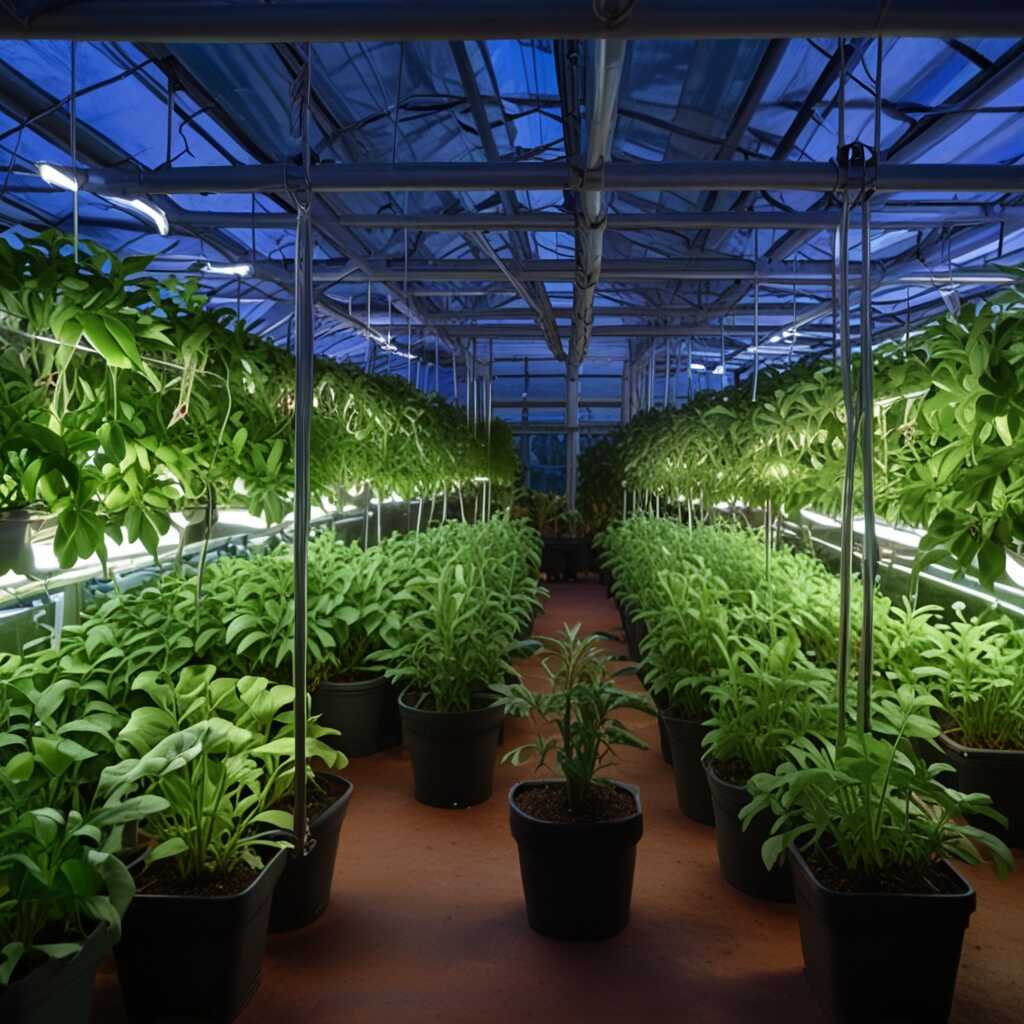
When choosing an LED lighting system for your commercial greenhouse, consider several essential factors. Identify the specific plant species you are cultivating, as different plants require varying light intensities and spectrums. Assess your greenhouse layout, ensuring that the system fits well within your space while allowing for proper light distribution. Choose a system that provides optimal performance and energy efficiency to minimize operating costs. Reviews of different LED lights can offer insights into reliability and effectiveness. Look for systems that have been tested for durability, ensuring they can handle the greenhouse environment.
Understanding Plant Light Requirements
Each plant species has unique light needs that can significantly influence growth and development. Tropical plants may thrive under higher light intensity, while shade-loving plants require lower light levels. High-quality LED lights offer full spectrum capabilities, which means they can support various growth stages from seedlings to flowering. Research shows that LEDs designed specifically for greenhouse use can achieve 50,000 hours of lifespan, significantly reducing replacement costs. Ensuring the right LED system enhances plant health and improves yield efficiency, making it vital to match light features with plant needs.
Key Advantages of Innovative Lighting Solutions for Greenhouses
- LED lights promote healthier plant growth through full spectrum lighting.
- They significantly reduce energy costs in commercial greenhouses.
- These lights produce less heat, minimizing climate control expenses.
- LEDs offer flexibility in light spectra, enhancing different growth stages.
- They contain no harmful substances like mercury, making them eco-friendly.
- LED lights can be dimmed or tailored, catering to various plant needs.
- Over time, they lower overall operational costs for greenhouse owners.
Financial Benefits of Investing in LED Lighting
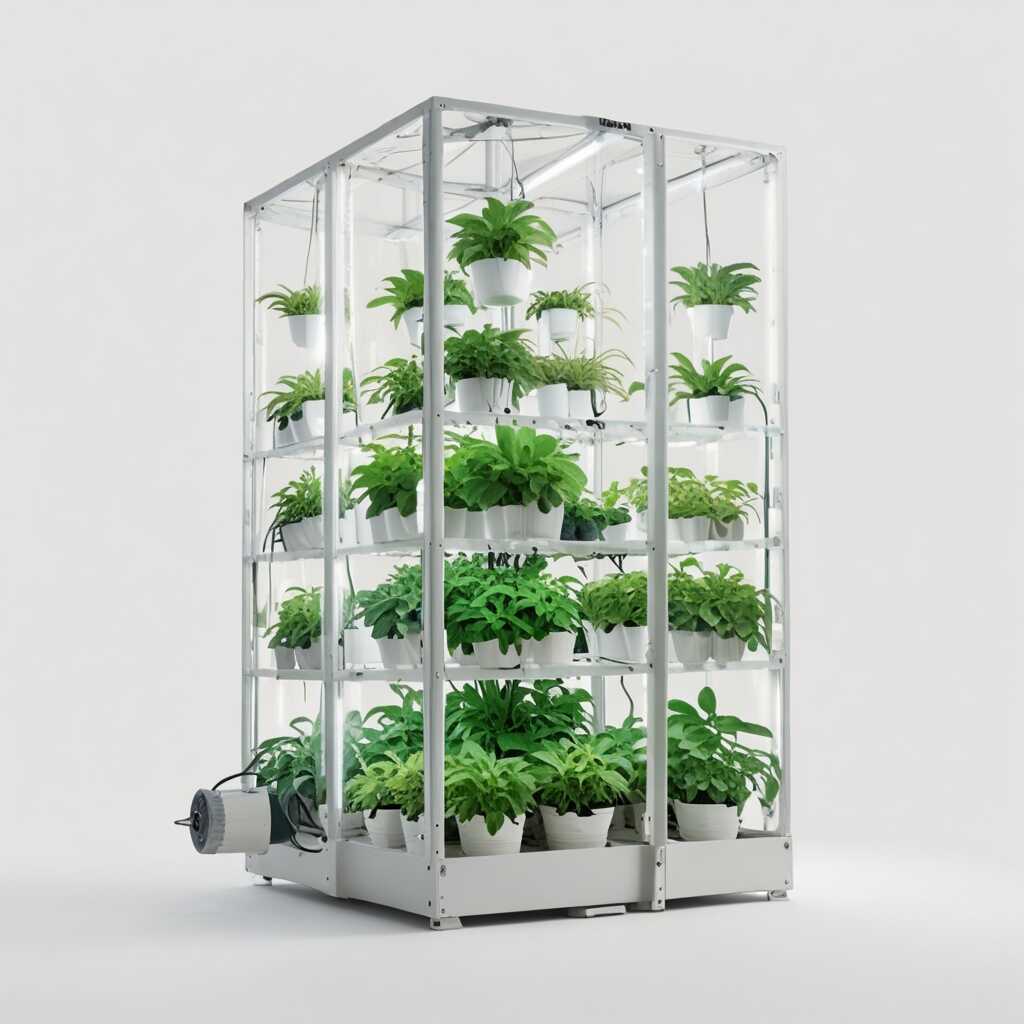
Switching to LED lights in commercial greenhouses can provide significant financial savings. LED lights are energy-efficient, consuming up to 75% less energy than traditional lighting. Many greenhouse operators report savings on their electricity bills ranging from 30% to 70%. For instance, a case study of a large greenhouse in California revealed an annual saving of $15,000 after implementing LED technology. These financial advantages reflect the reliability and durability of LED systems, which offer a lifespan of over 50,000 hours, reducing replacement and maintenance costs.
Comparative Case Studies of LED Lighting Adoption
Several greenhouse operations have recorded remarkable financial advantages after adopting LED lighting. For example, a study conducted on a greenhouse in the Netherlands found that implementing LED lights improved crop yield by 20% while cutting energy costs by 50%. This means that investing in LED technology not only saves money but also enhances productivity. The data indicates that LED systems provide excellent natural light simulation, which is essential for optimal plant growth. Moreover, greenhouses benefit from predictable lighting schedules, further improving energy efficiency and financial stability.
Integrating Sustainability with LED Lighting in Agriculture
Water conservation techniques help reduce overall resource usage in commercial greenhouses. Implementing drip irrigation systems allows precise watering, minimizing waste. This method works well with LED lights, which require less energy to operate. Sustainable greenhouse practices include using rainwater harvesting for irrigation. Combining these strategies can lead to reduced costs and improved plant health. Eco-friendly productivity methods also include using organic fertilizers and pest control. These help increase overall yield while maintaining environmental standards. Research shows that pairing LED lighting with these methods results in optimal plant growth and significant energy savings. Data indicates that LED lights can reduce energy usage by up to 75% compared to traditional systems.
Effective Water Management Strategies for Greenhouses
Effective water management strategies enhance the benefits of LED lighting in commercial greenhouses. Integrating automated irrigation systems ensures that plants receive the right amount of water without wasting resources. These systems can be programmed to operate during cooler times, reducing evaporation losses. Mulching helps retain moisture, further supporting plant health. Collecting and using recycled water can significantly enhance sustainability. Implementing these water management strategies in conjunction with energy-efficient lighting systems results in healthier plants and better yield. This combination leads to an overall reduction in carbon footprints and operating costs, making greenhouses more profitable and eco-friendly.
Leading Brands and Their Unique Applications in Sustainable Agriculture
- Brand A is favored for its affordable LED options, ideal for small greenhouse setups.
- Brand B offers high-end, spectrum-tunable systems for professional growth outcomes.
- Brand C provides broad coverage LED panels perfect for large-scale operations.
- Brand D specializes in energy-efficient solutions that reduce overhead costs.
- Hobbyists prefer smaller systems that enhance individual plant growth at home.
- Commercial growers benefit from reliable, high-output lights for maximized yields.
- Sustainability advocates appreciate brands focusing on eco-friendly manufacturing practices.
Emerging Trends in LED Technology for Greenhouse Applications
Modern LED lighting systems are transforming commercial greenhouse operations with several innovative trends. One notable trend is the development of smart LED systems that can adjust automatically based on environmental conditions. These systems ensure reliability and enhance energy efficiency by using sensors to match light output to plant needs. Another trend involves the use of full-spectrum LEDs designed specifically for different growth stages, which provides optimal light wavelengths for both vegetative growth and flowering. Additionally, recent testing has shown that these advanced systems can help commercial greenhouses save up to 50% on energy costs compared to traditional lighting options.
Key Features of Advanced LED Systems for Greenhouses
Advanced LED systems for greenhouses include several impressive features that significantly improve plant growth and operational efficiency. These systems typically offer programmable settings, allowing users to customize light spectrums and intensities based on specific crop requirements. Many new models are equipped with thermal management capabilities that prevent overheating and extend the lifespan of the lights. These LEDs are also designed for durability and energy efficiency, often lasting over 50,000 hours while consuming less power. Research indicates that transitioning to these innovative light systems can greatly enhance crop yields and reduce energy expenses, providing long-term sustainability benefits for commercial greenhouse owners.